Home Otaru Hokkaido Japan About
Home  ›  Asia  ›  Japan  ›  Otaru  ›  Itinerary
🏮 Otaru Itinerary · 1–2 Days · 2026

How Many Days
Does Otaru Actually Need?

From fresh sea urchin bowls at Sankaku Market in the morning, to handblown glass and music boxes on Sakaimachi Street in the afternoon, to the canal at dusk when 63 gas lamps flicker on one by one — here is how to do Otaru properly.

How many days for Otaru

One day works. Overnight is when it gets really good.

Most people come to Otaru on a day trip from Sapporo — and that is perfectly fine. The train is only 30 minutes each way and ¥750, the main highlights are all within walking distance of the station, and you can realistically do the canal, Sakaimachi Street, LeTAO, and the Sankaku Market in a single full day if you start early.

But here is the thing nobody tells you: Otaru at dusk is a different city from Otaru at noon. When the 63 gas lamps along the canal promenade light up around 17:00, the red brick warehouses reflecting in the still water, the crowds thinning out as day-trippers head back to Sapporo — that is the version of Otaru worth staying for. And if you spend the night, you get the canal at 07:00 the next morning too, before the first Sapporo train arrives.

The plan below covers two options: a single packed day that hits every major stop, and a relaxed two-day version that adds places most visitors skip. To see everything Otaru has, check the full Otaru city guide.

Day One

Otaru Canal + Sakaimachi + LeTAO

Seafood market breakfast · canal warehouses · glassware and music box street · double-layer fromage cheesecake · gaslit canal at dusk
01
Day 1
Canal · Sakaimachi · LeTAO · Canal at Dusk
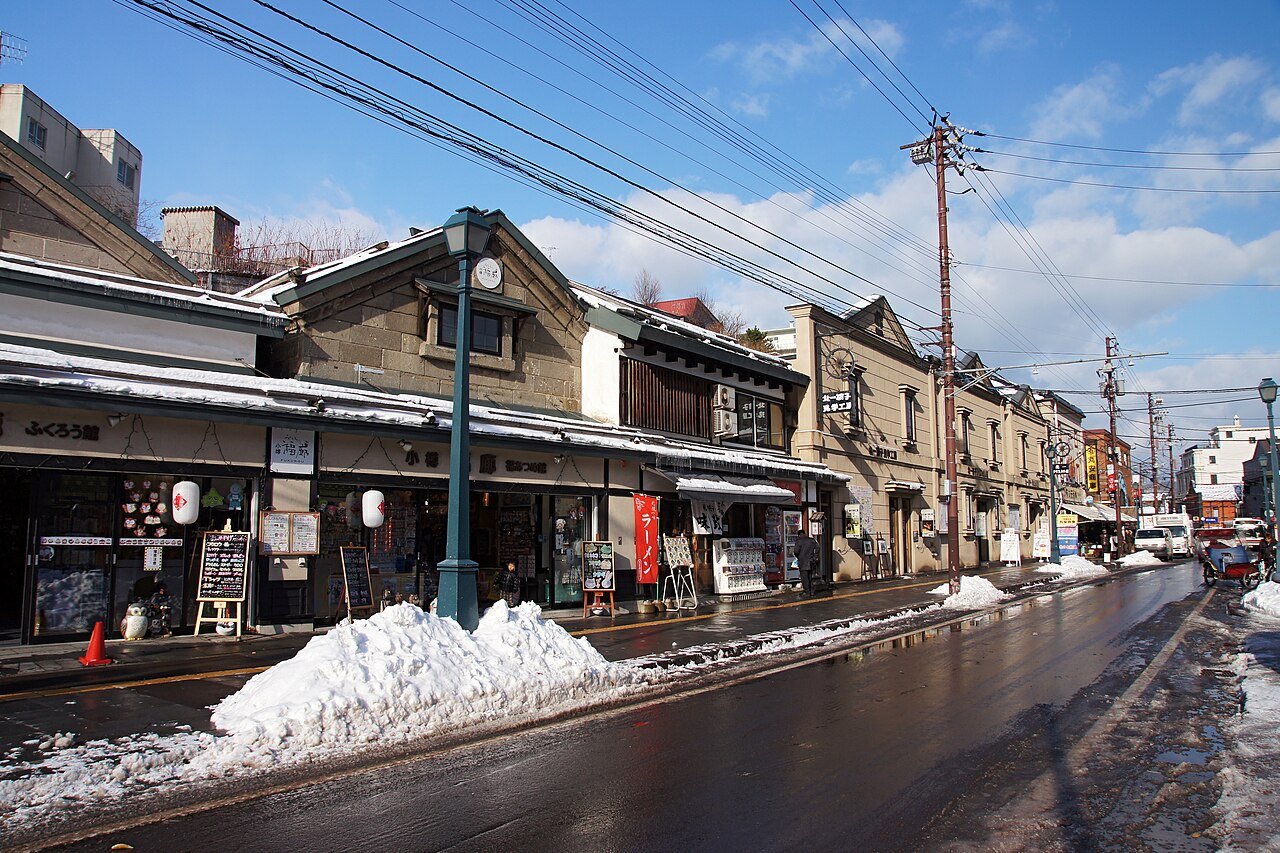
Sakaimachi Street in Otaru — old Meiji-era stone buildings lining both sides, glass and music box shops throughout
Early morning 08:30–10:30 · ~2 hours
Sankaku Market (三角市場) — Seafood Breakfast

Step off the train at Otaru Station, walk north for one minute, and you are at Sankaku Market. The name comes from the triangular shape of the land and roof. Inside, 16 shops run along a narrow 200-meter aisle selling fresh fish, crab, scallops, and the day's catch brought in from Otaru harbour overnight.

Six restaurants in the market open from 07:00 and serve kaisendon (seafood rice bowls) — sea urchin (uni), salmon roe (ikura), scallop, and whatever else is fresh that morning. A bowl with uni on top runs ¥2,000–3,500 depending on how much you pile on. Otaru is genuinely one of the more affordable places in Hokkaido to eat uni properly — it is caught close enough that the price does not carry a premium for transport.

Walk: 1 minute north from JR Otaru Station, north exit
Hours: Restaurants open from 07:00 · Market stalls 07:00–17:00 (some close earlier)
Kaisendon: ¥1,500–3,500 depending on toppings
Timing tip: Arrive before 09:30. After 10:00, the first wave of day-trippers from Sapporo starts rolling in and the queue outside popular seafood restaurants gets long fast.
Late morning 10:30–12:00 · ~1.5 hours
Otaru Canal (小樽運河) — Meiji-Era Warehouses

Walk ten minutes from Sankaku Market down toward the water and you reach Otaru Canal. Built in 1923, the 1.3-kilometre canal was the logistics backbone of one of Hokkaido's busiest port cities. The stone warehouses along both banks — originally built for rice, sake, and herring — have been converted into restaurants, craft shops, and a small history museum.

Walk the 630-metre canal promenade east toward the old warehouse district. Gas lamp posts every ten to fifteen metres catch morning light well for photos. The warehouses photograph best with the canal in the foreground and the hills rising behind. Come back at dusk for a completely different atmosphere — this is why overnight guests have an advantage.

Walk: ~10 minutes north from JR Otaru Station
Canal promenade: Free, open 24 hours
Otaru Canal Museum (Warehouse No.1): ¥300 · 09:30–17:00 (closed Wednesdays)
Afternoon 12:00–16:00 · ~4 hours
Sakaimachi Street (堺町通り) — Glass, Music Boxes & LeTAO

From the canal, walk uphill south for ten minutes to reach Sakaimachi Street — 900 metres of Meiji-era stone buildings that once housed banks and merchant trading companies, now converted into glassware shops, music box studios, dessert cafes, and craft galleries. Prices here run noticeably lower than Sapporo for similar quality craft glass.

Kitaichi Glass Building No.3 (originally a fishery warehouse from 1891) spreads across three floors: Japanese-style glassware on the first, Western pieces on the second, home accessories on the third. Prices start around ¥800 for small pieces. Adjacent workshops offer glassblowing demonstrations you can watch for free, and booking a short blow-your-own session runs ¥2,500–4,000. Otaru Music Box Museum No.1 (1906 stone building) is free to enter — hundreds of music box models on display, custom box workshops available from ¥1,500.

Midway along the street is Märchen Crossroads (メルヘン交差点) — Otaru's most photographed corner. The Orgel steam clock on the corner chimes every 15 minutes with a puff of steam. Directly across is the LeTAO Main Store, open since 1998.

LeTAO Fromage Double is the cheesecake everyone lines up for: two layers — a creamy Hokkaido mascarpone base beneath a lighter cream cheese mousse top — made from milk from local farms. A single slice runs ¥540 in-store; a full 12-piece round cake costs ¥1,800–2,500. Eating it fresh at the counter with a pot of tea is the move, though boxed cakes for takeaway are available in chilled and frozen formats.

Walk: ~10 minutes uphill from the canal (south)
Sakaimachi shops: Most open 09:15–17:45 (varies by shop)
Kitaichi Glass No.3: Free entry · 09:00–18:00 (winter 17:00)
Music Box Museum: Free entry · workshops ¥1,500–3,000 · 09:00–18:00
LeTAO: Whole cake ¥1,800–2,500 · single slice ~¥540 · 09:00–18:00
Buying LeTAO to take home: The chilled (not frozen) cheesecake keeps for two days without refrigeration — fine for eating that evening or the next day. The frozen version needs to stay below 0°C, which is not realistic on a long-haul flight home. Check the label before you buy if you are flying back to Southeast Asia.
Evening 17:00–19:30
Otaru Canal at Dusk — Gas Lamps & Dinner

Return to the canal around 17:00 and simply wait. Sixty-three gas lamps along the promenade come on one by one as the sun drops, casting warm amber light across the water. The Meiji-era warehouses in the background shift from daytime brick-red to something softer. This is the photo that fills everyone's social media after an Otaru trip — and it is genuinely worth the second walk down. In autumn, the hillside trees behind the warehouses add another layer of colour.

For dinner, two options work well: Sushi on Sakaimachi — fish landed at Otaru harbour the same morning, served at wooden counter restaurants where the chef cuts in front of you. Budget ¥2,500–4,000 per person for an omakase set. Or head to the Otaru Beer Brewery restaurant on the canal — Hokkaido seafood grills, ramen, and beer brewed on-site in a converted warehouse. Lively, no reservation needed, ¥1,500–2,500 per person.
Gas lamps light up: Around 16:30–17:00 depending on season · off ~22:00
Sushi on Sakaimachi: ¥2,500–4,000/person · most open until ~21:00
Otaru Beer Brewery: ¥1,500–2,500/person · 11:00–22:00 · on the canal
Day Two (Optional)

Herring Mansion + Temiya Railway Trail + Sushi

A 130-year-old merchant's house · Hokkaido's first railway line you can walk · a slow sushi lunch without the queue — the side of Otaru most day-trippers never see

02
Day 2
Herring Mansion · Temiya Trail · Sushi · Souvenir Shopping
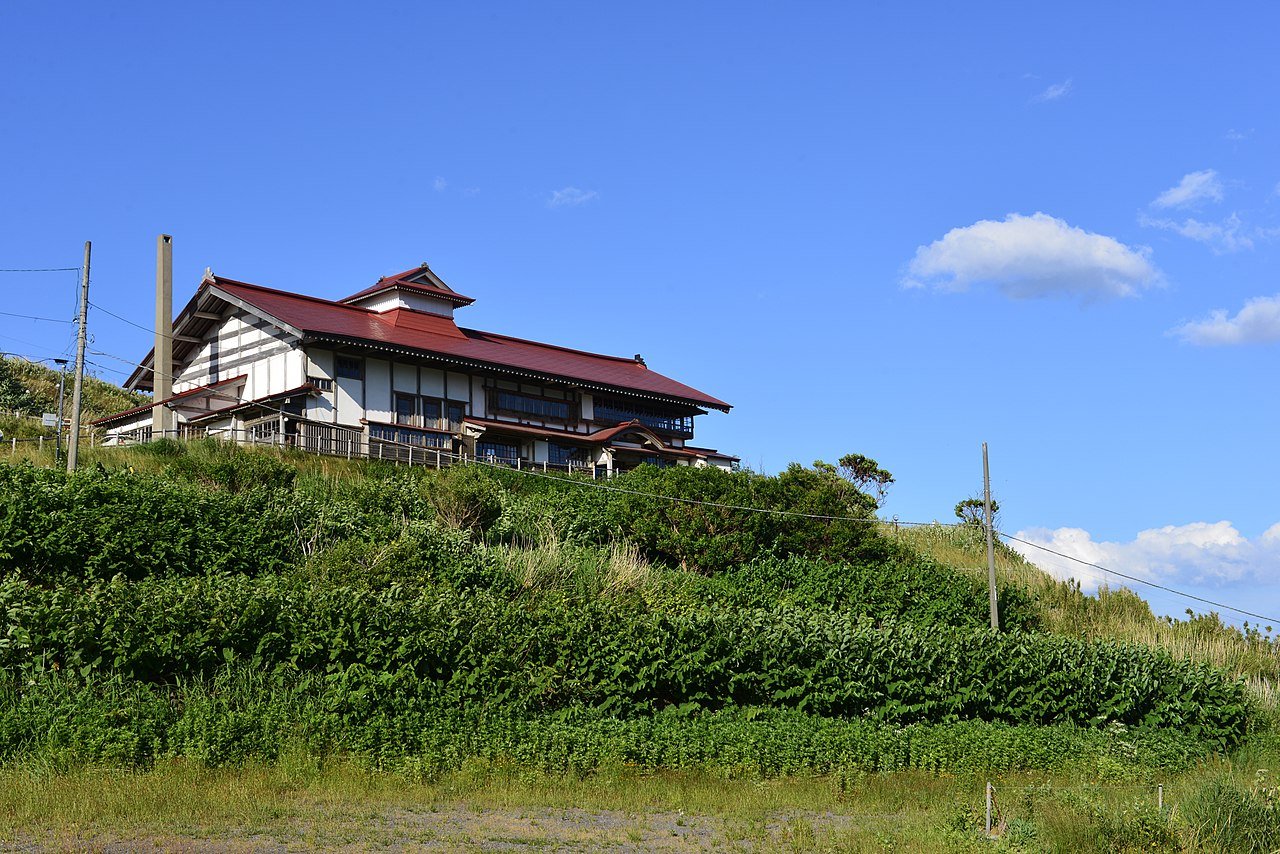
Nishin Goten Herring Mansion in Otaru — large dark timber building by the harbour, built 1897
Morning 09:00–12:00 · ~3 hours
Nishin Goten Herring Mansion (鰊御殿) + Temiya Railway Trail

Walk or take a local bus west to Nishin Goten, the Herring Mansion built in 1897. During Otaru's peak as a port city in the Meiji era, herring fishing was Hokkaido's most valuable industry, and the wealthy merchants who ran the fleets built residences like this one. The dark timber building has been preserved with original furniture, fishing gear, and records of the seasonal workers who came from across Japan to work the nets. It gives you a sense of what Otaru was actually built on — not tourism, but hard commercial ambition.

After visiting, make your way back east to the Temiya Railway Trail (手宮線跡地). National Railway's Temiya Line, which opened in the late 19th century to haul coal and goods from the harbour, closed in 1985. The tracks and wooden sleepers remain in place along a grassy corridor through the city. Locals walk dogs here, children run along the rails, and during the Yuki Akari no Michi festival in February, the entire length of the trail is lined with snow candles and ice lanterns — one of the more quietly remarkable winter sights in Hokkaido.

Nishin Goten: Chuo Bus routes 3 or 4 from Otaru Station ~15 min (¥210) · Admission ¥300 · 09:00–17:00 · Closed November–April
Temiya Railway Trail: ~8 minutes west on foot from Otaru Station · Free · Open year-round
Visiting in winter: Nishin Goten closes November through April, but the Temiya Railway Trail stays open all year. In February during the Yuki Akari festival, the trail is more atmospheric than any other time — worth the cold walk.
Afternoon 12:00–16:00 · ~4 hours
Sushi Lunch + Sakaimachi Round Two + Souvenir Shopping

Head back to Sakaimachi for lunch. Otaru's reputation for sushi goes back to when the city was Hokkaido's main port and fresh fish was never more than a few hours from the docks. The wooden-counter sushi restaurants along the street serve fish that arrived at Otaru harbour that morning: salmon, squid, sea urchin, scallop, and seasonal varieties you will not find on the menu at airport conveyor-belt sushi. A midday omakase set at a proper counter costs ¥2,500–4,000 per person. Lunch service runs 11:00–15:00 at most places, and the queues are shorter now than in peak evening hours.

With a full afternoon and no time pressure, the second walk down Sakaimachi is different from the first. You have already bought what you wanted yesterday — now you can slow down and watch the Otaru Glass Studio demonstrations properly, or sit outside one of the heritage cafes with a coffee and Hokkaido pudding. The craft shops on the street also sell Hokkaido dairy products, seasonal sweets, and local sake if you want alternatives to glass and music boxes as gifts.

Before catching the train back to Sapporo, swing by LeTAO once more for last-minute boxed gifts — the orange tin with the double fromage is what most people carry home. Frozen cakes are available if your trip continues for a few more days somewhere cold enough to keep them.

Sushi lunch on Sakaimachi: ¥2,500–4,000/person · lunch service 11:00–15:00
Train back to Sapporo: Every ~15 minutes · Rapid ~30 minutes · ¥750
Best of both days: If you stayed overnight, get up early and walk to the canal by 07:00 before heading to Day 2 activities. The canal before the first Sapporo train arrives (~10:00) is quieter than any other time — you will have the promenade almost to yourself with good morning light.
🕯️
Visiting in February?
Yuki Akari no Michi — Hundreds of Snow Candles Light the Canal & Temiya Trail for 10 Nights
See festival details →
Practical Information

Getting There · Accommodation · Budget

🚆
Getting to Otaru

From Sapporo Station, the JR Hakodate Line Rapid (Rapid Otaru) reaches Otaru in ~30 minutes, ¥750 one way. Trains leave every ~15 minutes from platforms 3–5, roughly 06:00–23:00. JR Pass is valid — no reservation needed. Direct service, no transfer.

🚶
Getting Around Otaru

Everything walkable from the station: Sankaku Market 1 minute, Canal 10 minutes, Sakaimachi 15 minutes, Temiya Railway Trail 8 minutes. Chuo Bus covers the wider city at ¥210 per ride. Nishin Goten needs bus route 3 or 4 (~15 min). Taxis available near the station for heavier shopping.

🏨
Staying Overnight

Hotels in Otaru cluster within 10 minutes' walk of the station at ¥7,000–20,000 per night. Some have natural hot spring baths. Staying overnight earns you the canal at dawn — before day-trippers from Sapporo arrive around 10:00 — which is genuinely worth the extra cost. See options at the Otaru city guide.

Budget breakdown

Approximate costs per person per day

Item Budget Mid-range Comfortable
Sapporo ↔ Otaru train (return) ¥1,500
(~USD 10)
¥1,500
(~USD 10)
¥0
(JR Pass)
Meals 2–3 sittings ¥1,500–2,000
(ramen + basic bowl)
¥3,000–5,000
(kaisendon + sushi)
¥6,000–10,000+
(omakase + LeTAO sit-in)
LeTAO cheesecake & desserts ¥540
(single slice)
¥1,800–2,500
(whole cake + coffee)
¥3,000–5,000
(gift set assortment)
Souvenirs (glass / music box) ¥500–1,500
(small pieces)
¥2,000–5,000
(quality glass, 1–2 pieces)
¥8,000–20,000+
(workshop + statement piece)
Overnight accommodation ¥5,000–8,000 ¥10,000–18,000 ¥20,000–40,000+
Day trip total (no accommodation) ¥4,000–6,000
(~USD 27–40)
¥8,000–14,000
(~USD 55–95)
¥15,000–35,000+
(~USD 100–240+)

Exchange rate reference: ¥1 ≈ USD 0.0067 · prices approximate, may vary by season

Frequently Asked Questions

FAQ · Otaru Itinerary

Is one day enough for Otaru?
One full day covers all the main highlights — the Otaru Canal, Sakaimachi Street with its glassware and music boxes, LeTAO cheesecake, Sankaku Market, and the canal at dusk when the gas lamps come on. The key is leaving Sapporo early (aim to arrive in Otaru before 09:00). Two days lets you slow down considerably and add Herring Mansion, the Temiya Railway Trail, and a sit-down sushi lunch. See the full Otaru city guide for more.
How long is the train from Sapporo to Otaru?
The JR Hakodate Line Rapid train takes about 30 minutes and costs ¥750 one way. The local train takes roughly 40 minutes at the same price. Trains leave every 15 minutes or so from platforms 3–5 at Sapporo Station. The JR Pass is valid on both services — no reservation required, just board.
When is the best time to visit Otaru?
February stands out because of the Yuki Akari no Michi (Snow Light Path) festival — hundreds of snow candles and lanterns line the canal and Temiya Railway Trail every evening for 10 days, lit from 17:00 to 21:00. Spring (April–May) and autumn (October) bring comfortable walking weather. Summer (July–August) is warm at 25–28°C, pleasant for people who find Sapporo winters too cold.
What is the Yuki Akari no Michi festival?
Yuki Akari no Michi (Snow Light Path) is Otaru's annual winter illumination festival held each February for about 10 days. Snow lanterns and candles are lit from 17:00 to 21:00 along three main venues: the Otaru Canal, the Temiya Railway Trail, and the Asarigawa hot spring village. In 2026 it ran February 7–14. It usually coincides with the Sapporo Snow Festival, making it practical to combine both events in a single Hokkaido trip.
How much does a day trip to Otaru cost from Sapporo?
A typical mid-range day trip runs about ¥8,000–14,000 per person (~USD 55–95), including the Sapporo–Otaru return train ¥1,500, a seafood rice bowl at Sankaku Market ¥1,500–3,000, LeTAO cheesecake ¥1,800–2,500, a sushi lunch ¥2,500–4,000, and optional souvenir glass or music box. Most canal-side areas and Sakaimachi Street are free to walk. Overnight accommodation adds ¥7,000–20,000 depending on the hotel.