12 dishes to try before you leave Krabi
Ranked by how distinctive they are — the dishes that capture Krabi's fierce southern flavour and fresh Andaman seafood.
 1
1
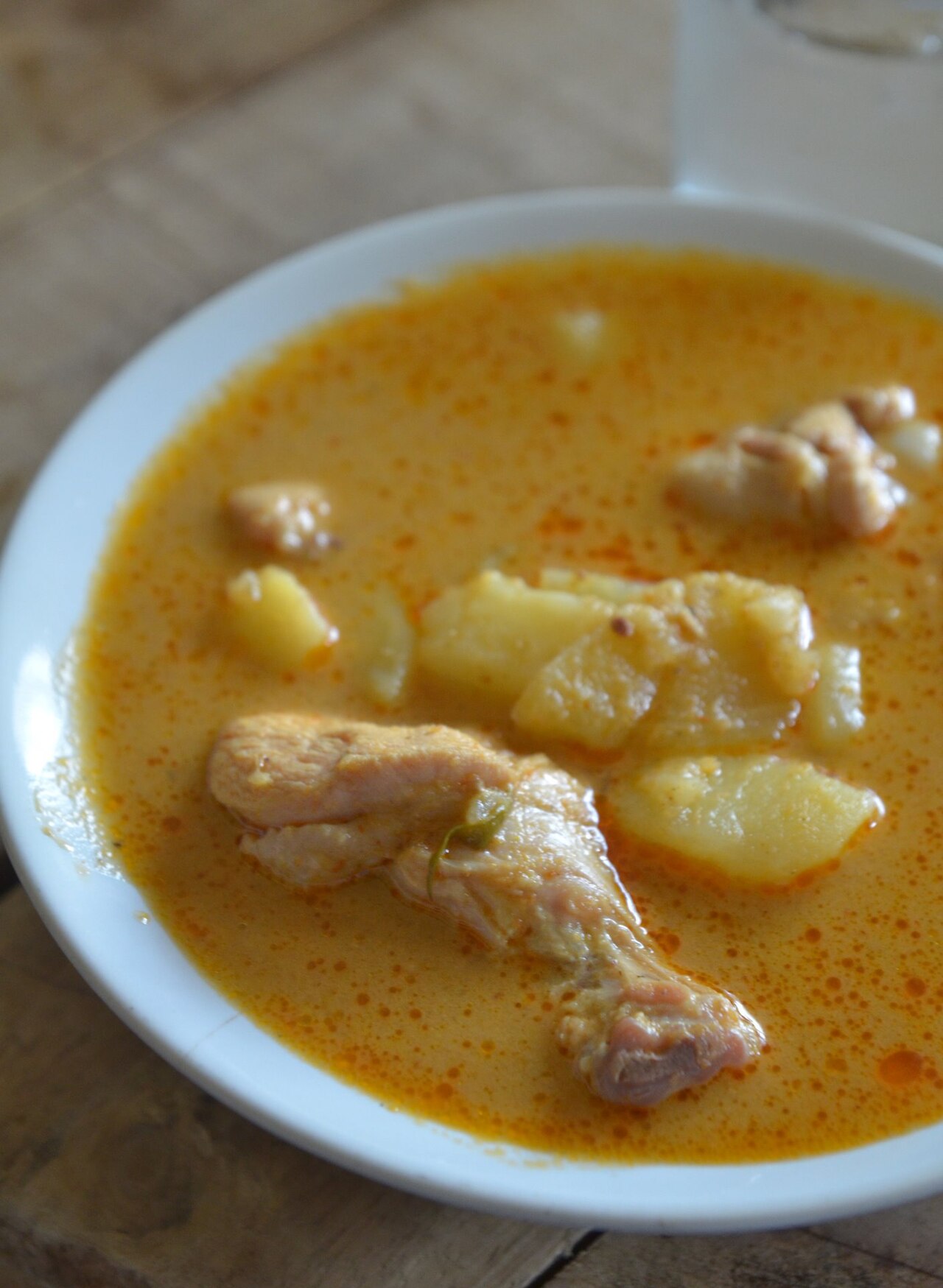
This is the dish that captures southern Thai flavour most directly, and one of the fiercest, most intense southern curries. Its heart is tai pla — salted, fermented fish innards — cooked with a southern curry paste, turmeric and a mix of vegetables like aubergine, pumpkin, bamboo shoots and long beans. It's very salty, very spicy and deeply fragrant with curry paste. Southerners eat it with hot rice and a plate of fresh raw herbs (phak naeng) to cut the heat. If you can't take much chilli, start small and eat it with plenty of rice. It is both the test and the reward for anyone who loves southern food.
 2
2
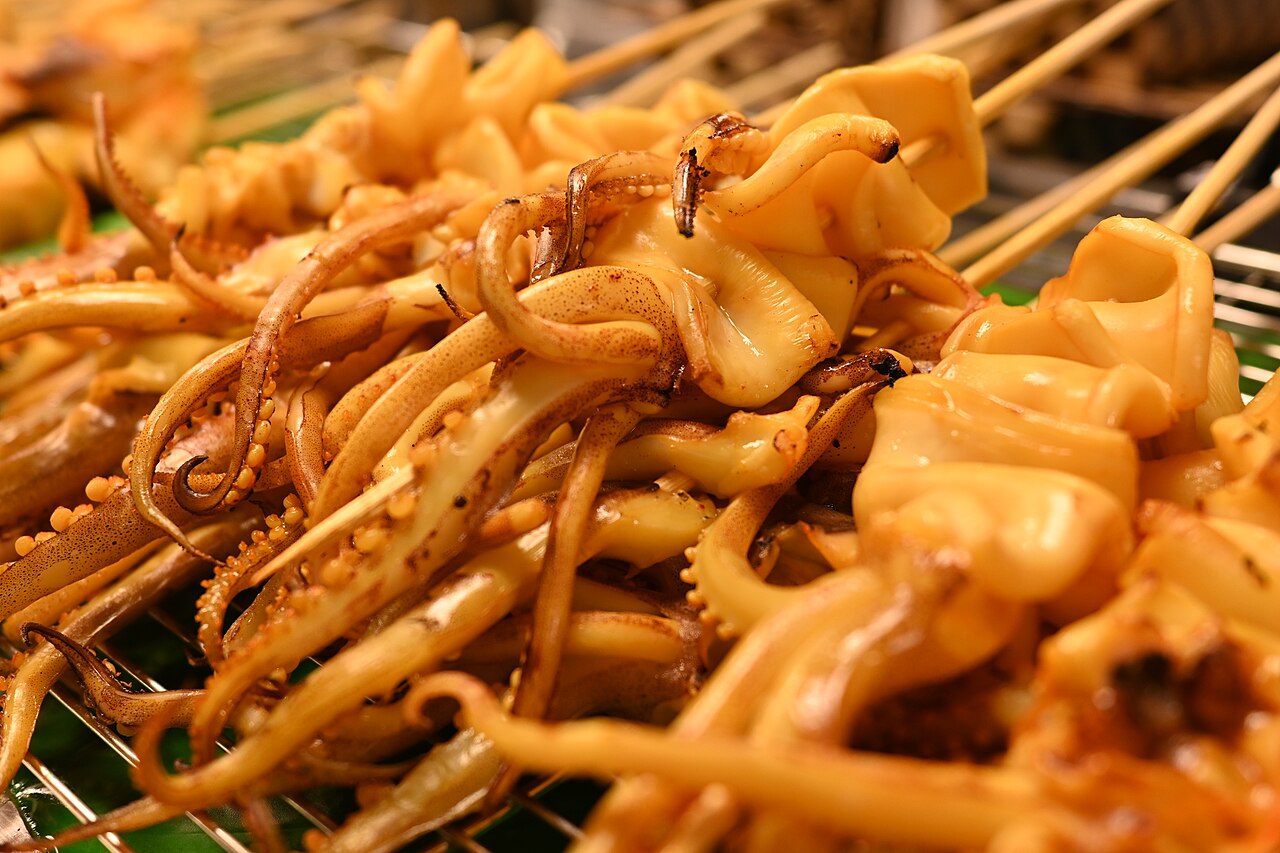
Krabi's unmissable experience — walk up to a beachfront spot in Ao Nang or a seafood place in Krabi Town and pick live prawns, crab, squid, shellfish, grouper and mantis shrimp, then have it cooked your way: charcoal-grilled, steamed with lime, curry-fried, stir-fried with basil, or fried with garlic. Dip it in a fiery seafood sauce. Grilled squid is sweet and tender, grilled prawns ooze rich head fat, lime-steamed fish is sour and hot. Be straight with yourself, though: beachfront seafood is priced by weight, so ask the price per 100g or kilo before you order and watch the scale.
To eat the way Krabi locals do, head to a southern curry-rice shop (khao gaeng) from morning to midday — a glass case lined with a dozen or more southern curries and dishes: gaeng tai pla, prawn yellow curry, khua kling dry-fried meat, stir-fried stink beans with prawns, turmeric-fried fish, fried chicken and raw herbs. Point at what you want over a plate of hot rice and get several flavours in one go. It's full-on southern and very cheap, fiercer than anything in the tourist areas. Go before noon while the spread is full, and beginners can point at the non-spicy dishes like fried chicken or egg first.
The seafood headliners ordered at nearly every table — grilled river prawns, big ones charcoal-grilled until the head fat runs and the meat is sweet and firm, peeled and dipped in a fiery seafood sauce; and garlic-fried mantis shrimp, sweet meat crisp on the outside and fragrant with fried garlic. Both are Andaman seafood, fresher and bigger here than in many places. Grilled prawns are usually priced by the piece or kilo, so ask first and choose ones that feel firm and fresh. Neither is spicy and both are fun to eat — perfect with a cold beer on the sand.
Andaman sea crab is done several delicious ways — crab curry-fried in yellow curry powder, a whole crab tossed with curry powder, egg and evaporated milk, rich and lightly sweet and not spicy, a dish everyone loves; steamed blue crab, plain-steamed for sweet, fresh meat dipped in seafood sauce; or black crab stir-fried with black pepper for those who like it punchy. Choose crabs that feel heavy and solid — roe crabs are richer than meat crabs, small blue crabs are sweet, big black crabs are dense and firm. It's priced by weight like other seafood, so always ask first.
The breakfast and lunch locals actually eat — fresh rice noodles (khanom jeen) doused in a southern fish curry sauce (nam ya) that's richer and fiercer than the central version, bright turmeric-yellow, hot and fragrant with curry paste. Some shops offer a coconut nam ya, a jungle nam ya, gaeng tai pla or chilli relishes to ladle on. The signature is the plate of fresh raw herbs (phak naeng) — bean sprouts, long beans, pennywort, stink beans, cucumber — eaten alongside to cut the heat and add freshness. Help yourself to as much as you like. It's a light meal that's fierce and refreshing at once.
Punchy soups that go with Andaman seafood — tom som pla, a clear turmeric-yellow soup that's sour-forward from tamarind and som khaek, lightly hot, simmered with fresh sea bass or grouper and fragrant with turmeric and fingerroot, a refreshingly sour southern soup; and seafood tom yum, both clear and creamy versions, with big fresh sea prawns, sour and hot and full of herbs. Both are eaten with hot rice to wake up the appetite and cut the richness of grilled and fried dishes. Have at least one bowl in a seafood meal.
 8
8
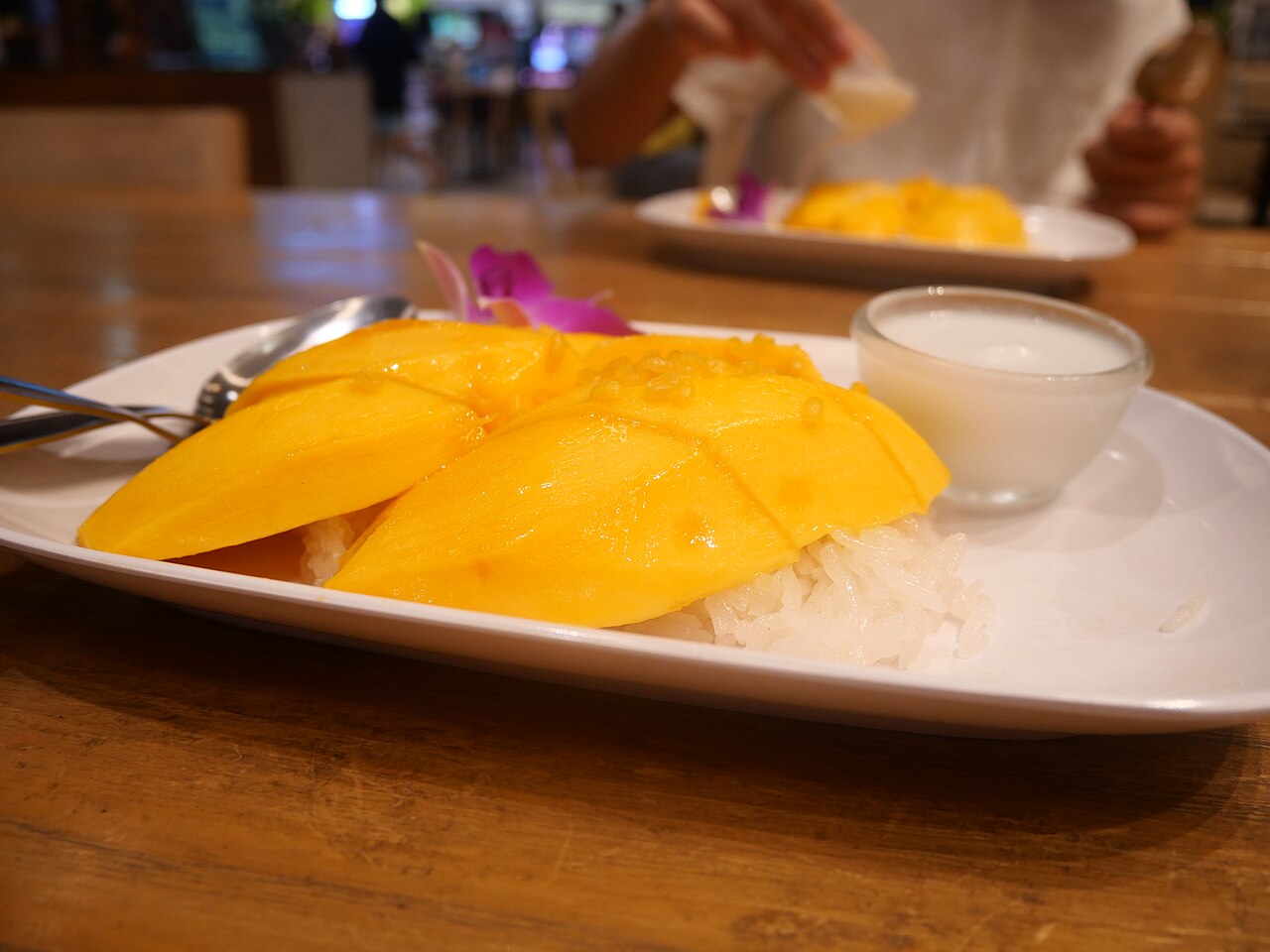
After a fierce meal, cool desserts are the hero — mango sticky rice, sweet ripe mango with coconut-soaked glutinous rice and a drizzle of salty-sweet coconut cream, a classic you never tire of; o-aew, a clear jelly dessert served cold over shaved ice with red syrup, a southern refresher; southern Thai sweets like khanom la and coconut-based desserts; and the shaved ice and coconut ice cream you'll find around the night market. These are sweet but just enough, and they put out the fire from the main course — a fine way to finish a meal.
Krabi has a large Muslim community, so this side of the food is everywhere and good — roti, dough fried crisp outside and soft inside, dusted with sugar and condensed milk or filled with banana and egg, eaten as a dessert or a light breakfast; and teh tarik (pulled milk tea), hot tea poured back and forth until it froths, sweet and rich and fragrant with tea — the two go perfectly together. Some shops also do chicken biryani and other halal food. It's a corner of the cuisine that tells Krabi's Muslim-southern story, found in both Ao Nang and Krabi Town, and very cheap.
To be straight with you, Ao Nang is a tourist area, so it has plenty of international food — Italian pizza and pasta, steaks, burgers, Indian food and curries, halal restaurants, Western breakfasts and health cafés. It's handy for the days you want a break from chillies, or if you're travelling with kids or older relatives who can't do Thai food every meal. Quality ranges from ordinary to genuinely good, and prices run noticeably higher than local Thai food because it's a tourist strip. Pick a busy, well-reviewed place for better value, and alternate it with Thai meals in Krabi Town.
The south is a tropical-fruit belt, and Krabi is where you catch it ripe — durian, mangosteen, rambutan, longkong, langsat, snake fruit, mango, pineapple and many kinds of banana. A lot of it is sweet southern fruit picked tree-ripe: mangosteen with thin skin and sweet-tart white flesh, rich monthong and local durians. The night market and fruit stalls have whole spreads of it. Buy it fresh or order it blended into a cold smoothie. Try whatever is in season right now — that's when it's sweetest, freshest and cheapest, and mangosteen and rambutan in the rainy months are especially good.
Few realise the south has grown its own robusta coffee for a long time, dark and strong, drunk both as old-style coffee (oliang / sock-brewed kopi) with condensed milk for a sweet, rich cup, and as modern specialty coffee in cafés. Krabi has several karst-view and beachfront cafés in Ao Nang where you can sit with a coffee and a view. To be straight, cafés in the tourist areas cost noticeably more than old-style coffee in the markets, but the setting and the view earn the sit. For something cheap and traditional, try an old-style coffee with a youtiao doughnut in the morning in Krabi Town.