10 sights worth doing properly
Ranked by the experiences people still talk about afterwards — not just the photo spots.
 1
1
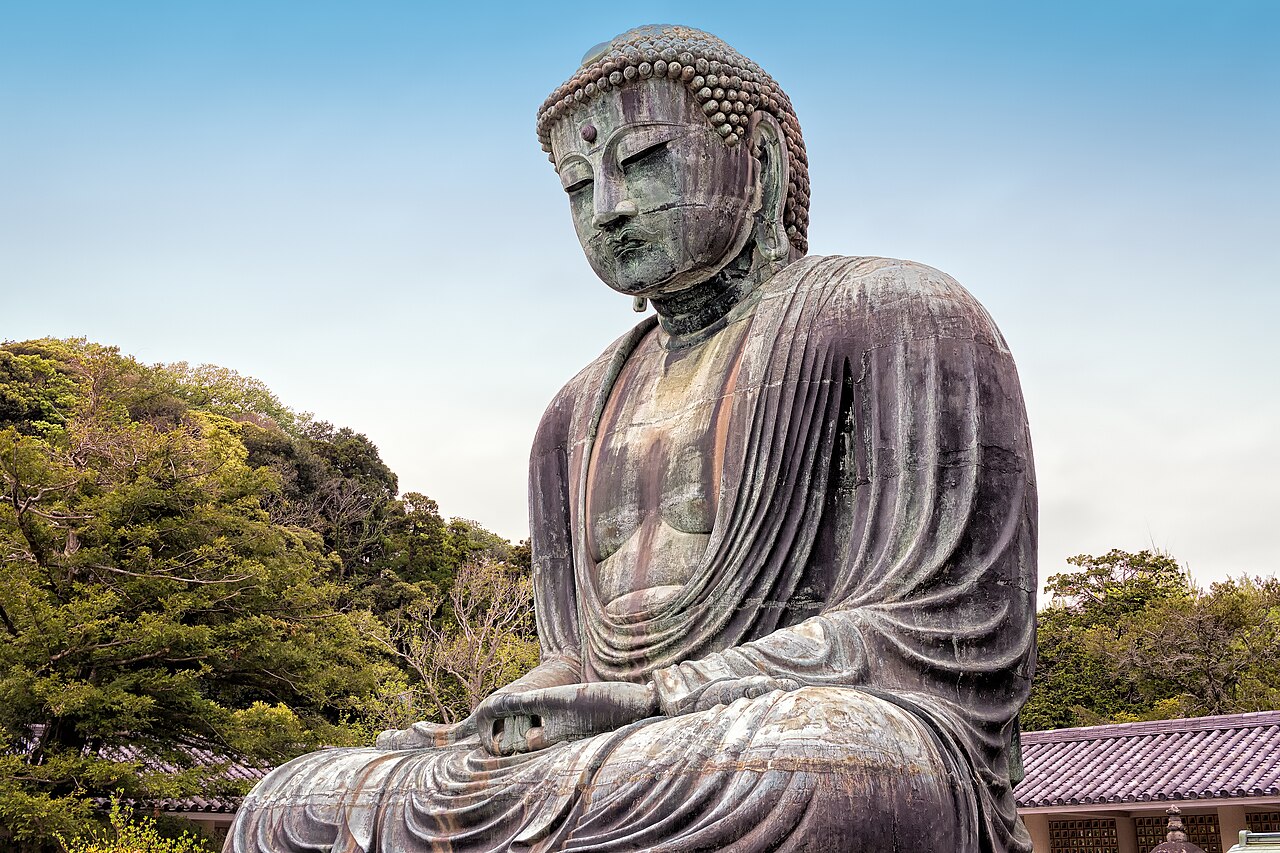
Picture it: you pass through the temple gate, curve along a path of pale gravel, and there he is — seated in the open air, no hall, no roof above him, at peace beneath the sky and the hills. The wooden hall that once sheltered him was swept away by a tsunami in 1334 and was never rebuilt. The bronze Amida Nyorai stands 13.35 metres tall and weighs about 121 tonnes, cast in 1252 during the Kamakura shogunate. The face is still and composed, but never cold — visitors come away saying the same thing, that something in them quietens the moment they see it. You can step inside the hollow statue through a small opening at the base.
 2
2
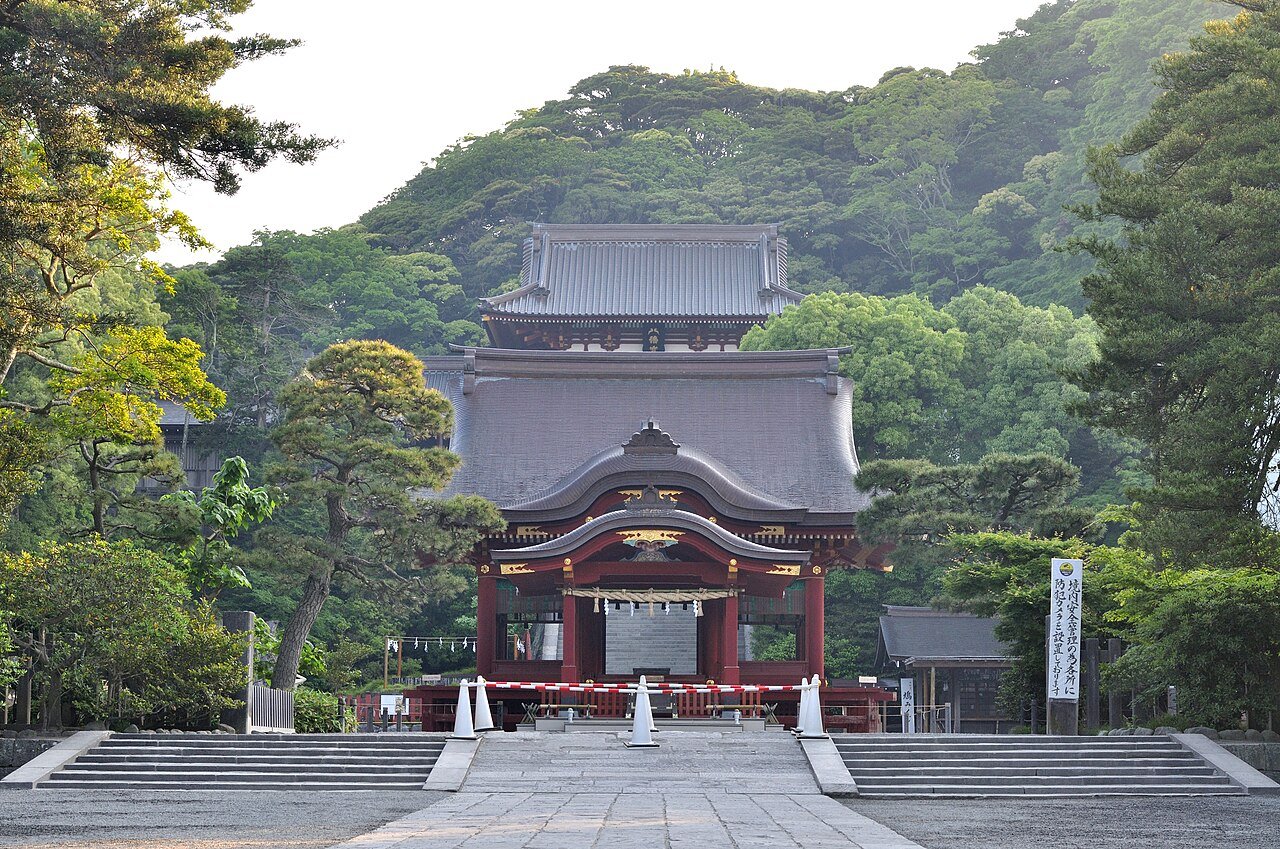
If Kamakura has a centre, this shrine is the answer. Minamoto no Yoritomo — the shogun who founded Japan's first samurai government — chose it as his clan shrine in 1180. The grand approach, Wakamiya Oji, runs straight from the sea to the shrine gate for 1.8 kilometres, with lotus ponds on either side as you walk in. Above, the vermilion main hall stands on a high terrace looking out over the town and the water. The shrine welcomes people year-round to pay their respects, rest in the grounds, and visit the Kokuhōkan museum of national treasures.
 3
3
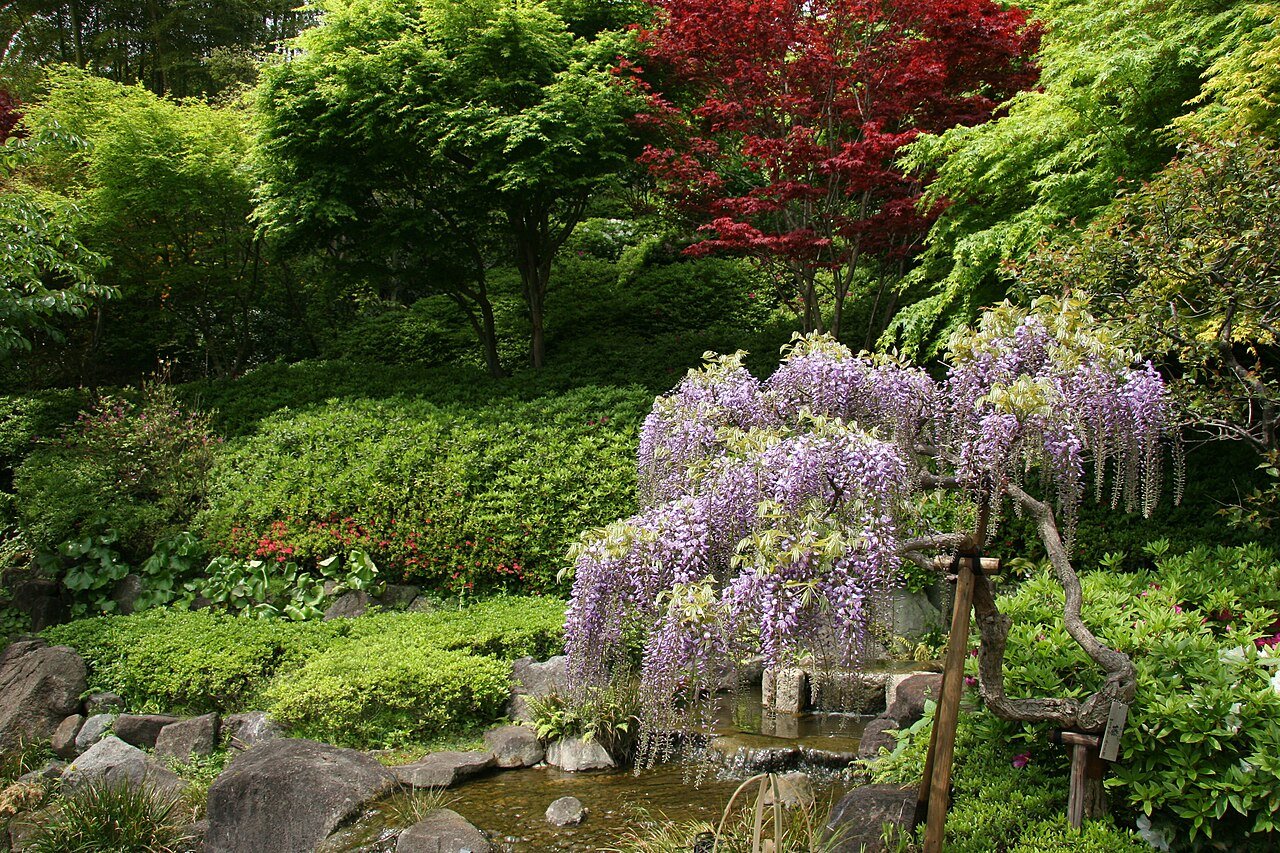
Some temples look different in every season, and Hasedera is one of them. Spring brings cascading purple wisteria; summer, thousands of blue-violet hydrangeas; autumn, fiery maples; winter, a quiet carp pond and stillness. Inside the main hall, the gilded wooden Eleven-Headed Kannon stands 9.18 metres tall — one of the largest carved wooden statues in Japan. From the upper terrace you look out over Sagami Bay and, on a clear day, the silhouette of Mt. Fuji on the horizon.
 4
4
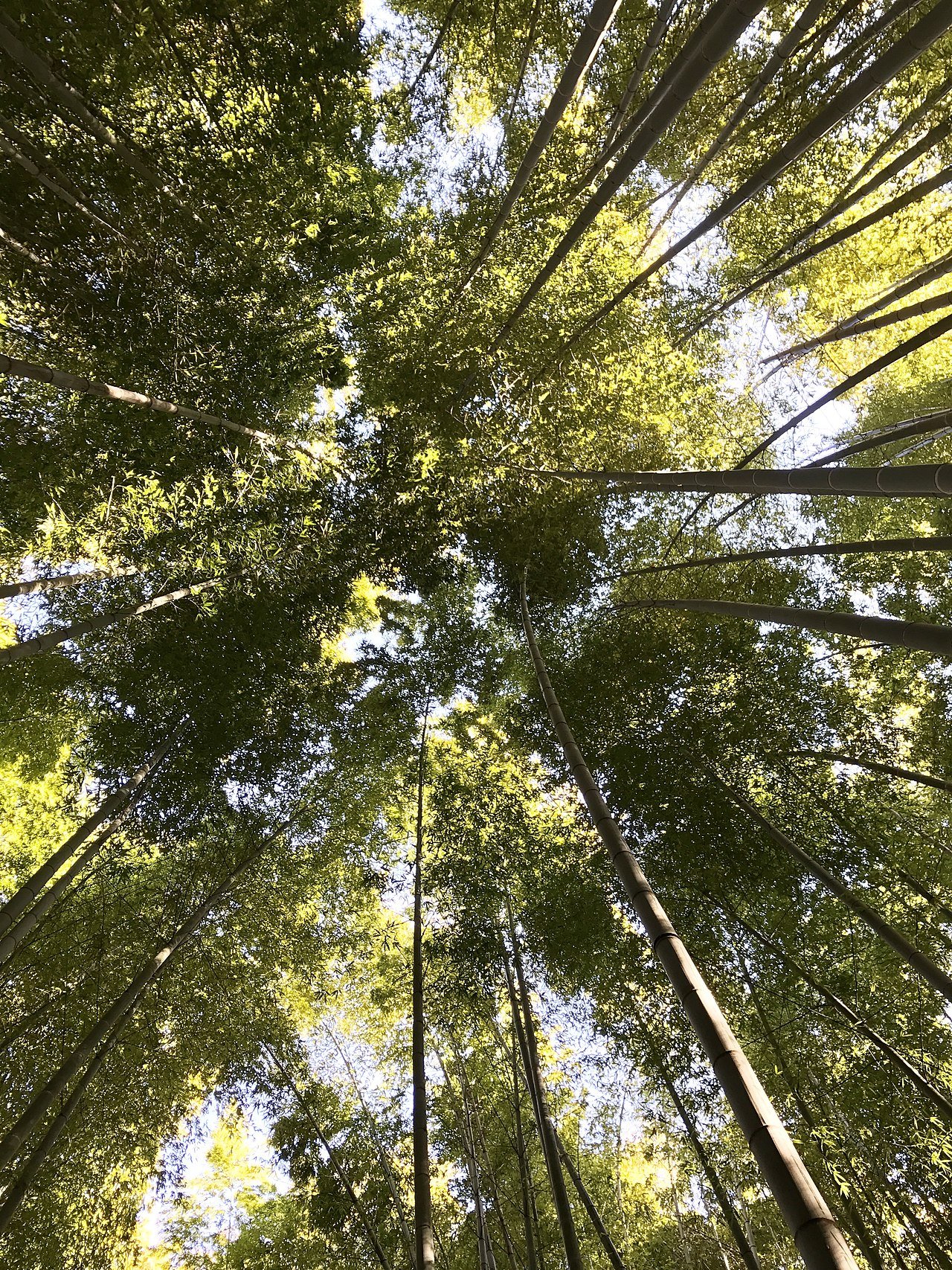
If there is one place in Kamakura where time seems to stand still, this is it. Around 2,000 bamboo stalks grow so densely that their crowns close into a green roof overhead. Step in, and the sound of the town vanishes — all that is left is the wind moving through the canes. At the back of the grove a small tea house lets you sit with a bowl of matcha and a Japanese sweet, looking out into the endless rows of bamboo. The matcha tastes richer here than in town; the quiet doubles its flavour.
 5
5
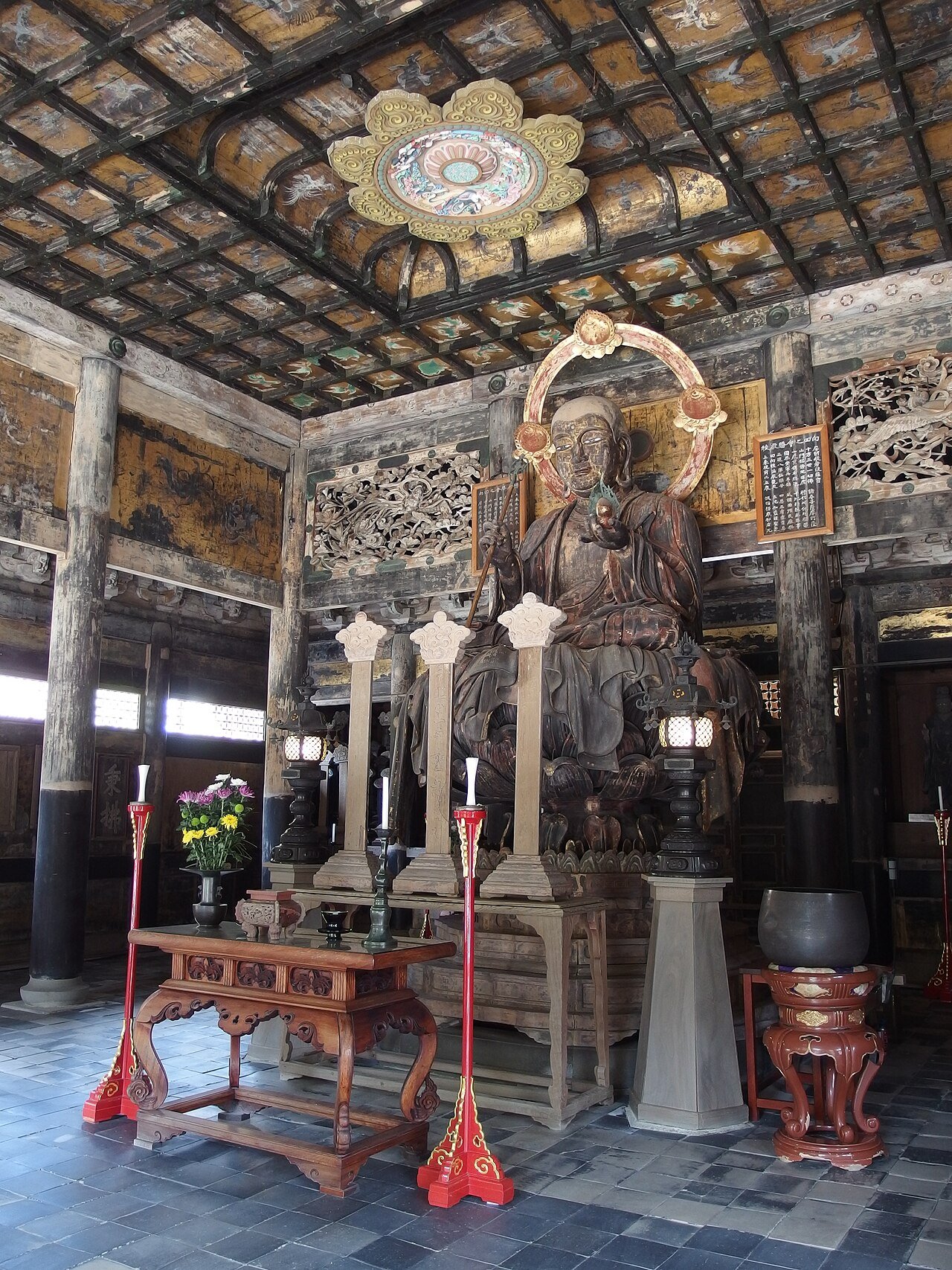
If you want to understand how a working Zen temple — one built for practice — differs from an ordinary one, Kencho-ji is where that question is answered. Founded in 1253, it was the first independent Zen temple in Japan, built specifically for the discipline of seated meditation rather than for ceremony. The towering San-mon gate, the dry Karesansui garden of arranged stones, white sand and pines, and — deeper in, up the hillside — the Hansobo with its view back over the whole temple and the town below.
 6
6
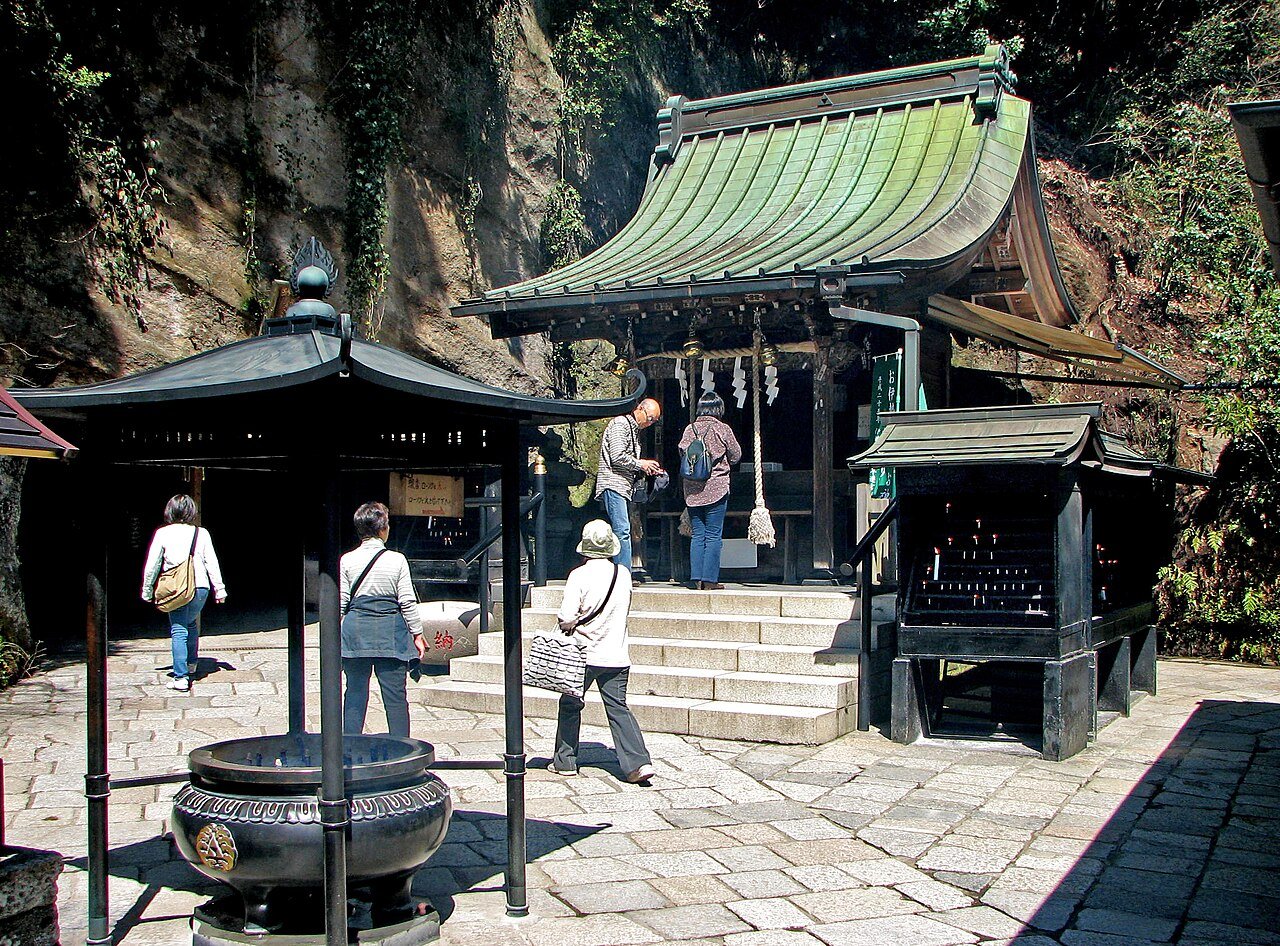
Local lore says that money washed in the sacred spring inside this cave will double. True or not, simply reaching the shrine is reward enough — you pass through a rock tunnel into a cave whose walls are lined with candles and threads of incense smoke, old stone and incense mingling in the air. People carry little woven baskets to the spring and ladle the water over coins and folded notes. It is a scene you will not find anywhere else. About a 25 to 30-minute walk from Kamakura Station, or a short bus ride.
 7
7
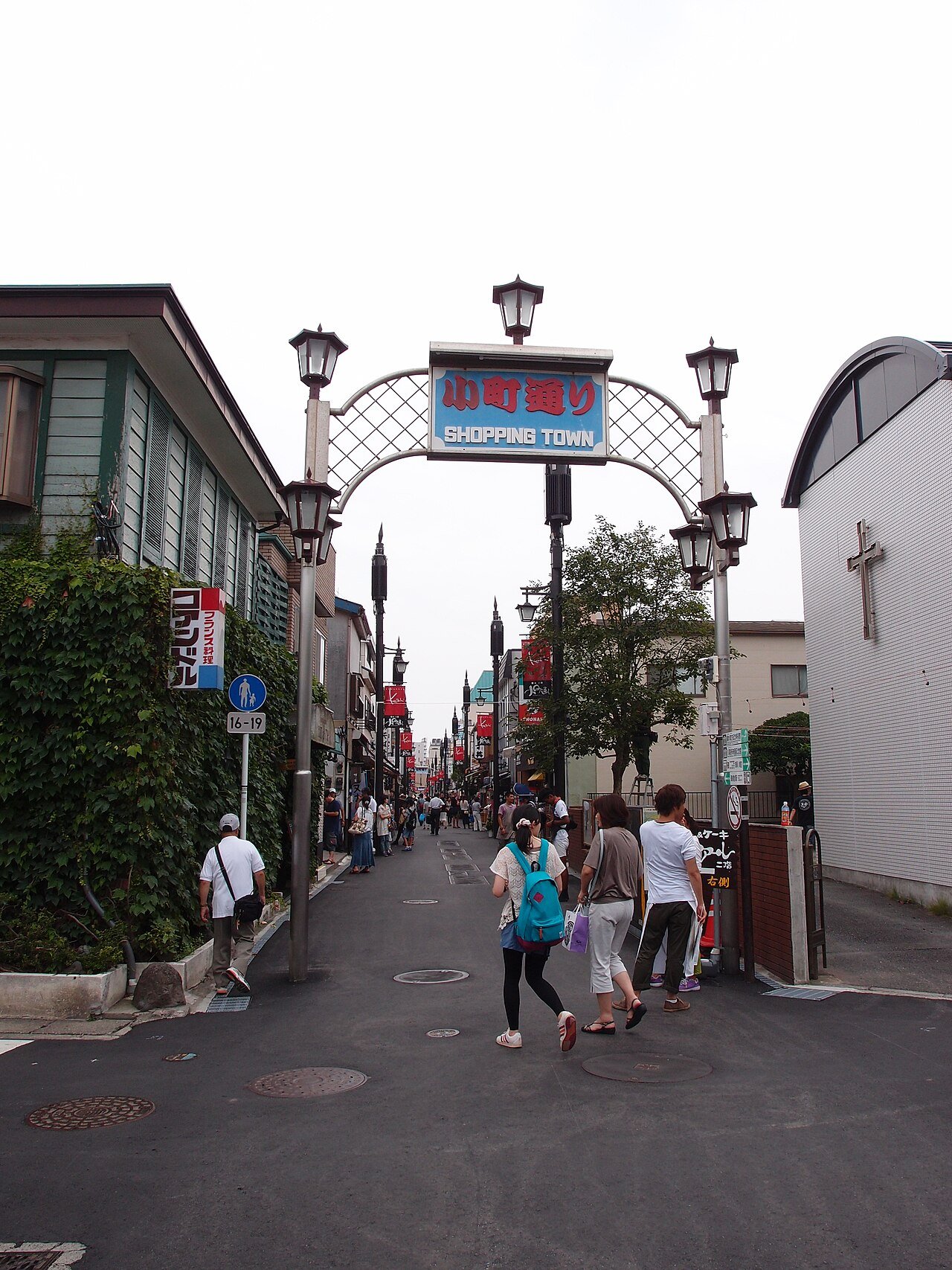
Honestly, Komachi-dori is the kind of street that makes you slow right down. It is only about 350 metres long, but it is packed on both sides with local sweet shops, senbei stalls (grilled rice crackers), matcha ice cream stands, beef skewers, souvenir shops and little Zen figurines. Afternoons can get crowded, but come early and it is easy going. Out of Kamakura Station's East Exit, head straight up this street and turn right into Tsurugaoka Hachimangu — it is the best warm-up route for a day in Kamakura.
 8
8
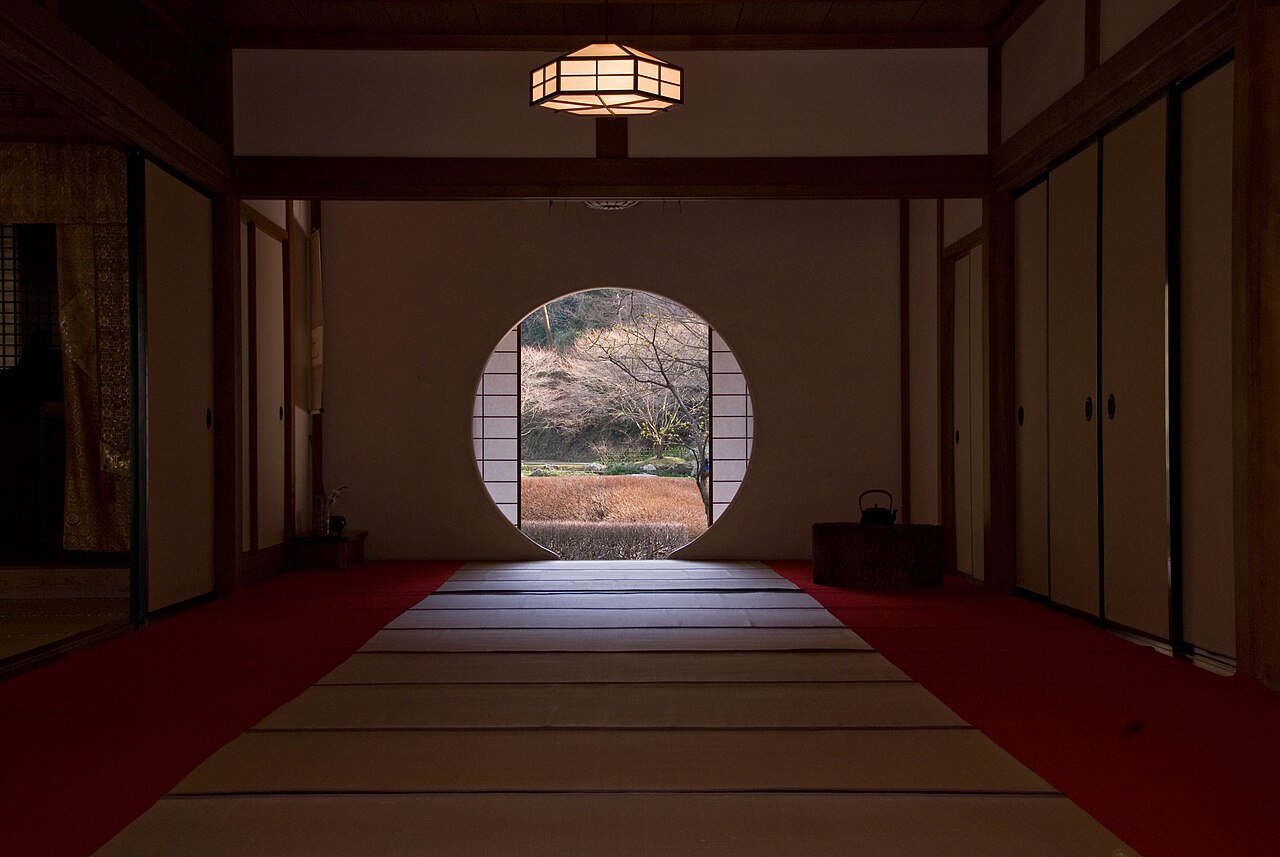
That "round window" photo you have seen on social feeds comes from here — the Honkaku-an room, with a large circular opening cut into the wall, framing the green garden beyond like a living painting. The temple is known as the "Hydrangea Temple": in June, 2,500 blue-violet ajisai bloom across the grounds together, and the back garden — usually closed — opens specially, with long queues to match. Outside that season, the temple stays beautiful and far quieter.
 9
9
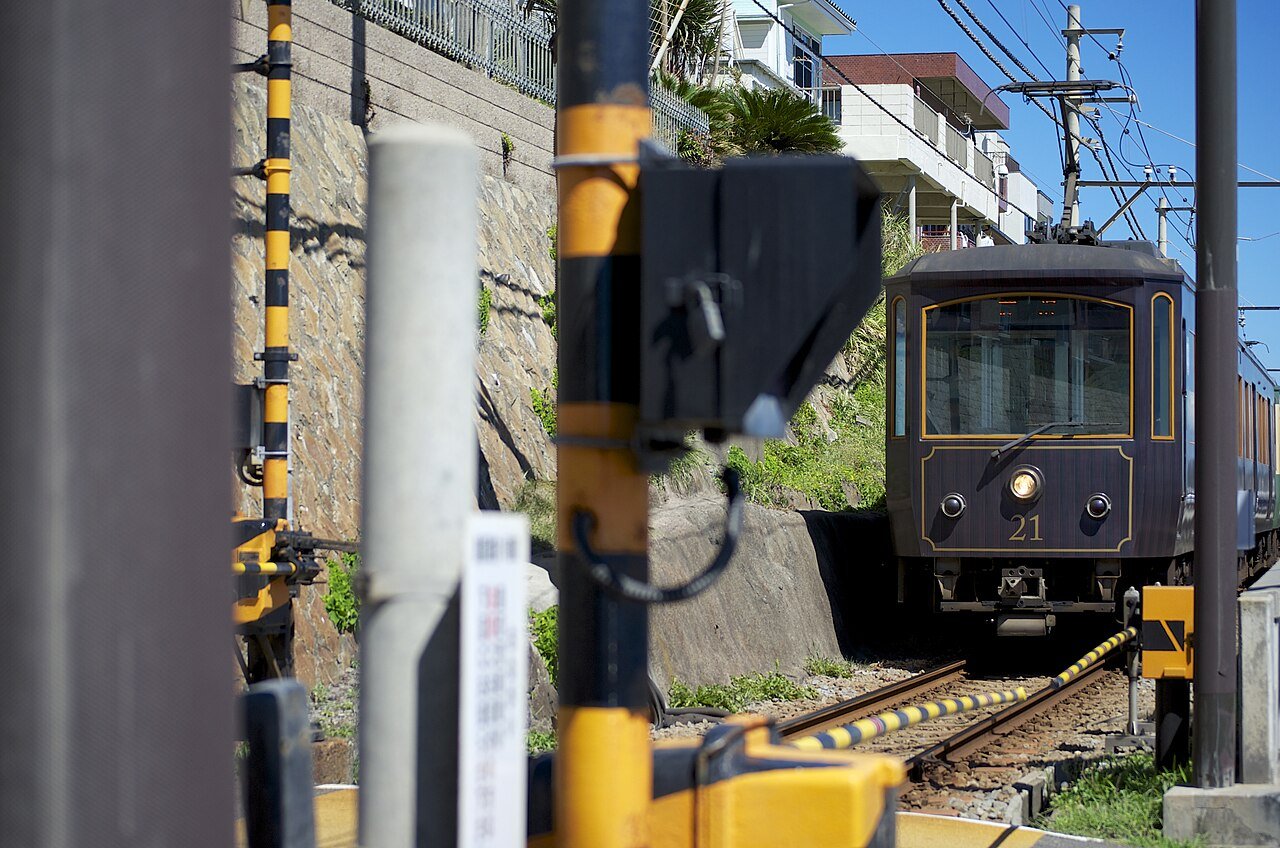
Have you ever ridden a train that runs through a corridor of houses so tight it almost grazes the fences, then swings out to meet the sea? The Enoden does exactly that. The 10-kilometre line from Kamakura Station to Fujisawa threads through small seaside neighbourhoods, sandy beaches and cafes, with Mt. Fuji appearing on clear days. Shichirigahama Station is famous from countless Japanese TV dramas, and the beaches at Yuigahama and Shichirigahama are perfect for resting after a day on your feet. The Kamakura-Enoshima Pass (¥700) gives you unlimited rides.
 10
10
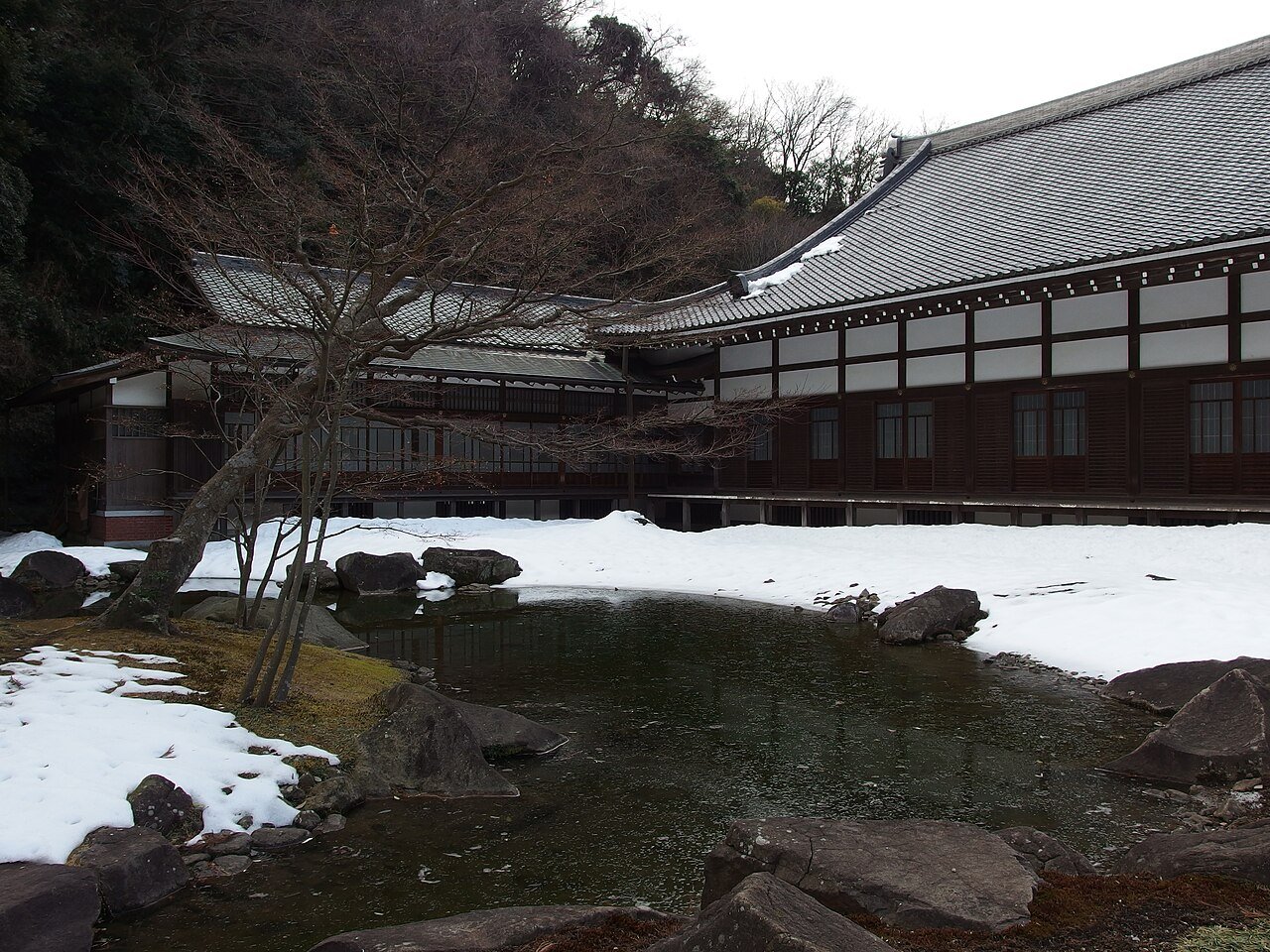
Engaku-ji was founded in 1282 to honour the souls of the dead on both sides — Japanese and Mongol alike — who fell in the Mongol invasions. That intention is felt in the temple's air, unusually quiet and deep. Standing right beside Kita-Kamakura Station, it is the kind of place most people walk straight past — and that is the opening: in the early morning it is very still, and you can hear the bell and the wind. The great ginkgo in the grounds turns brilliant yellow in autumn, and it is a sight to behold.