6 things to eat before you leave Kamakura
Ranked by how unmistakably Kamakura they are — foods you won't find done quite like this anywhere else.
 1
1
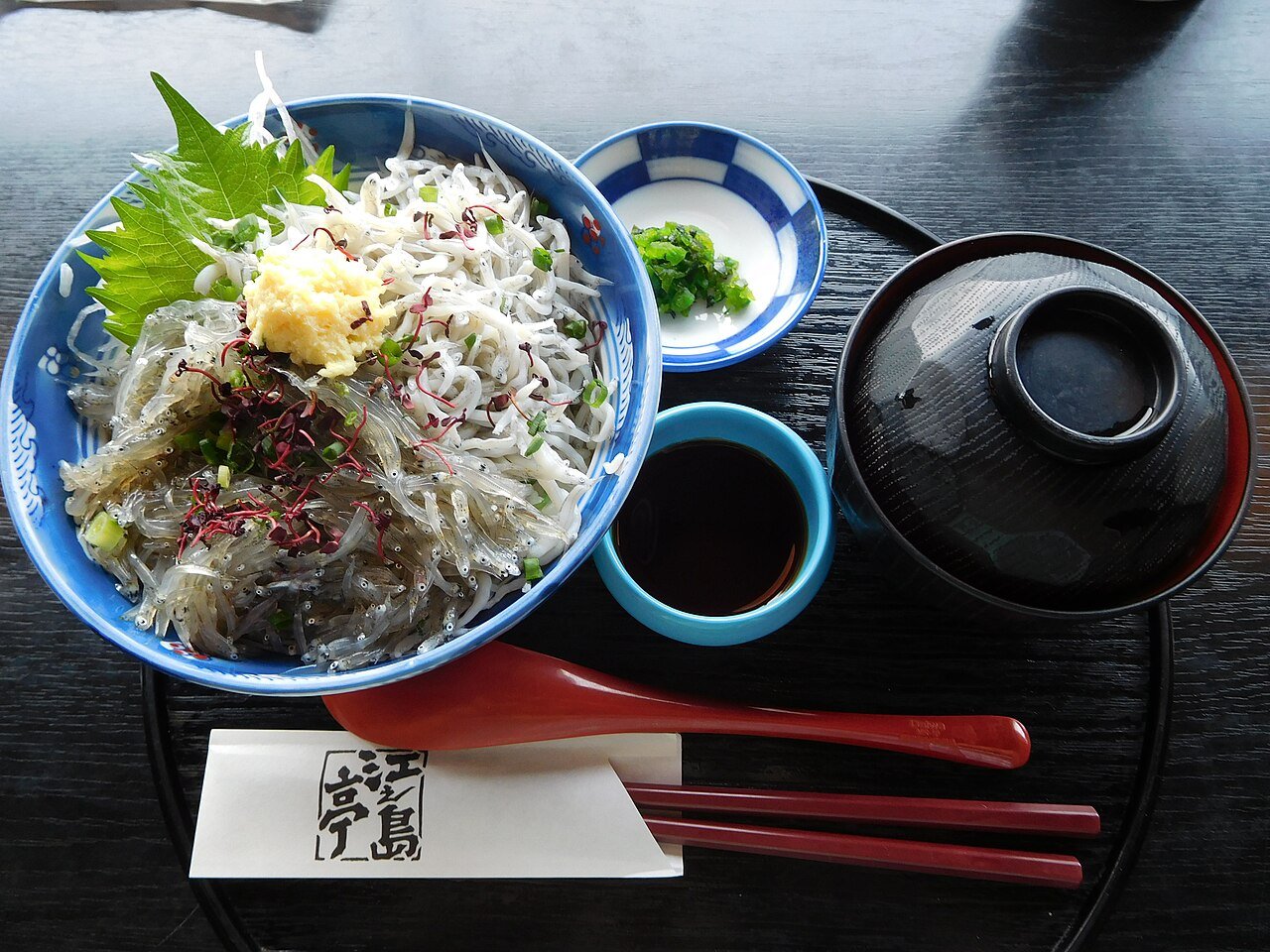
Picture a small mountain of tiny, near-translucent whitebait — the young of sardines and anchovies — heaped over a bowl of hot, glistening Japanese rice. The taste is faintly salty from the sea, faintly sweet from sheer freshness, eaten with grated ginger, chopped spring onion and a single splash of soy. Here's the thing: if the kitchen has nama shirasu (raw) that day, count yourself lucky — the flavour is clean and oceanic, almost silky. If only kama-age (lightly boiled) is on, it's a softer, gentler pleasure. Order a nishoku-don (two-tone bowl) and you get both, side by side.
 2
2
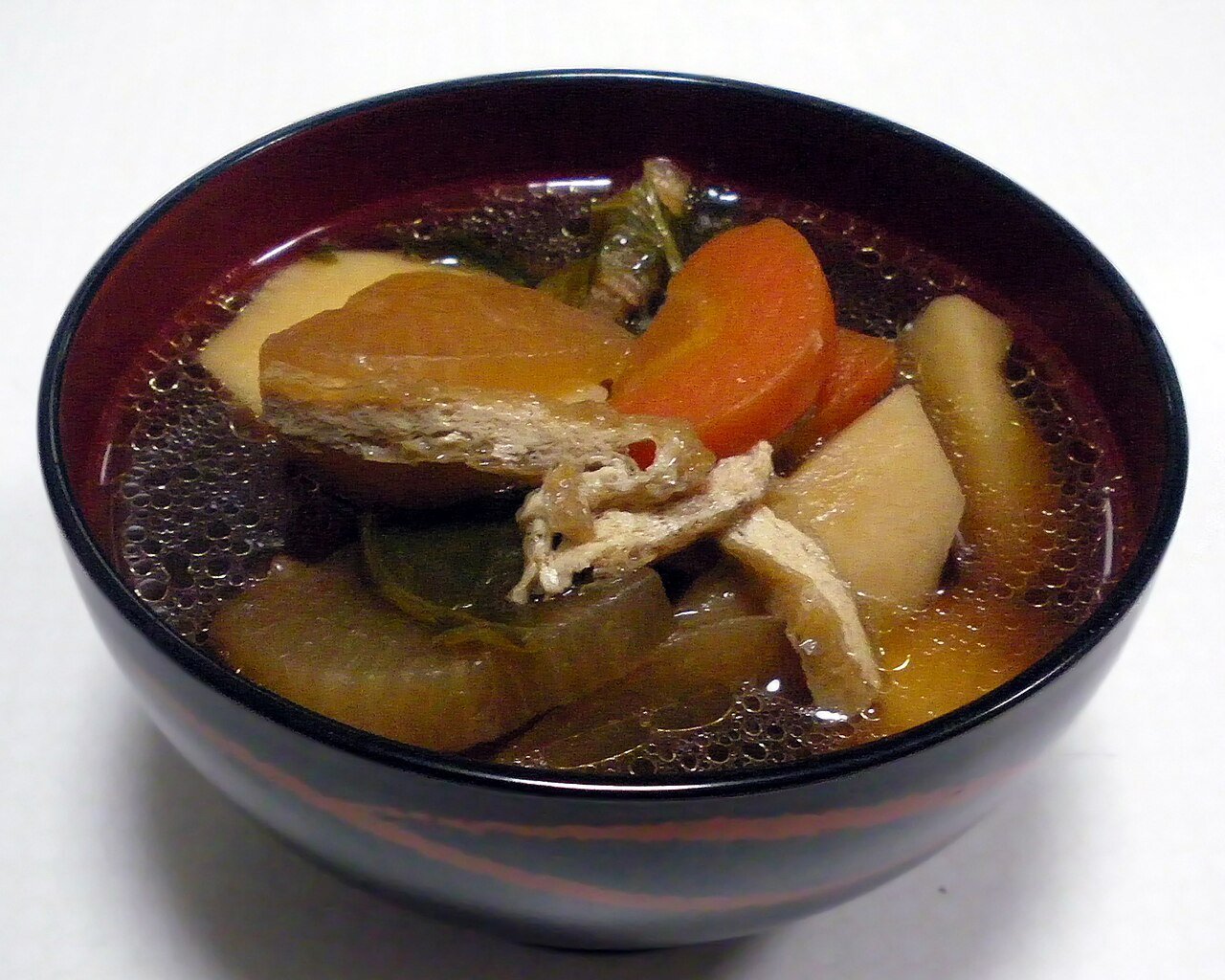
This soup was born in the kitchen of Kenchoji (建長寺), the great Zen temple founded in 1253. The monks of 13th-century Kamakura simmered the root vegetables from the temple garden in a stock of kombu seaweed and dried shiitake, using nothing from any animal. The result is a pale-golden, gently warming bowl, deeply savoury with the umami of the sea kelp: fried tofu that has drunk up the broth, carrot, daikon, konnyaku and shiitake each holding a different texture, finished with spring onion and a few drops of sesame oil. On a cold day, or after a long morning of walking temples, this bowl warms you to the core.
Come back from Kamakura without a box of Hato Sable and your friends will ask where it is. These dove-shaped butter cookies have been made by Toshimaya since 1897, in the Meiji era — the story goes that a confectioner tasted a Western cookie a foreign visitor had brought, spent years working out that the magic ingredient was butter, then shaped his version as a dove, the messenger of the gods and the symbol of nearby Tsurugaoka Hachimangu Shrine. The cookie is dense and properly buttery, sablé-style, not too sweet, with a clean snap and a crumbly, fragrant centre — pure butter, no filling. Toshimaya's classic yellow box carries them home without a single crumb out of place.
A street snack that could not be more Kamakura: a cast-iron mould in the shape of the seated Great Buddha, filled with egg batter and a sweet centre, clamped shut, and two minutes later out comes a hot, golden-brown little Buddha. Bite in and the warm, slightly chewy anko (sweet red bean) spills out; some shops also do a Western-style custard cream filling. Think of it as taiyaki with a different mould — a thicker, sweeter batter, eaten on the spot. Buy one and eat it right there on the pavement while it's hot; that's when it's at its best. Under ¥250 a piece, it's the best-value snack on Komachi.
 5
5
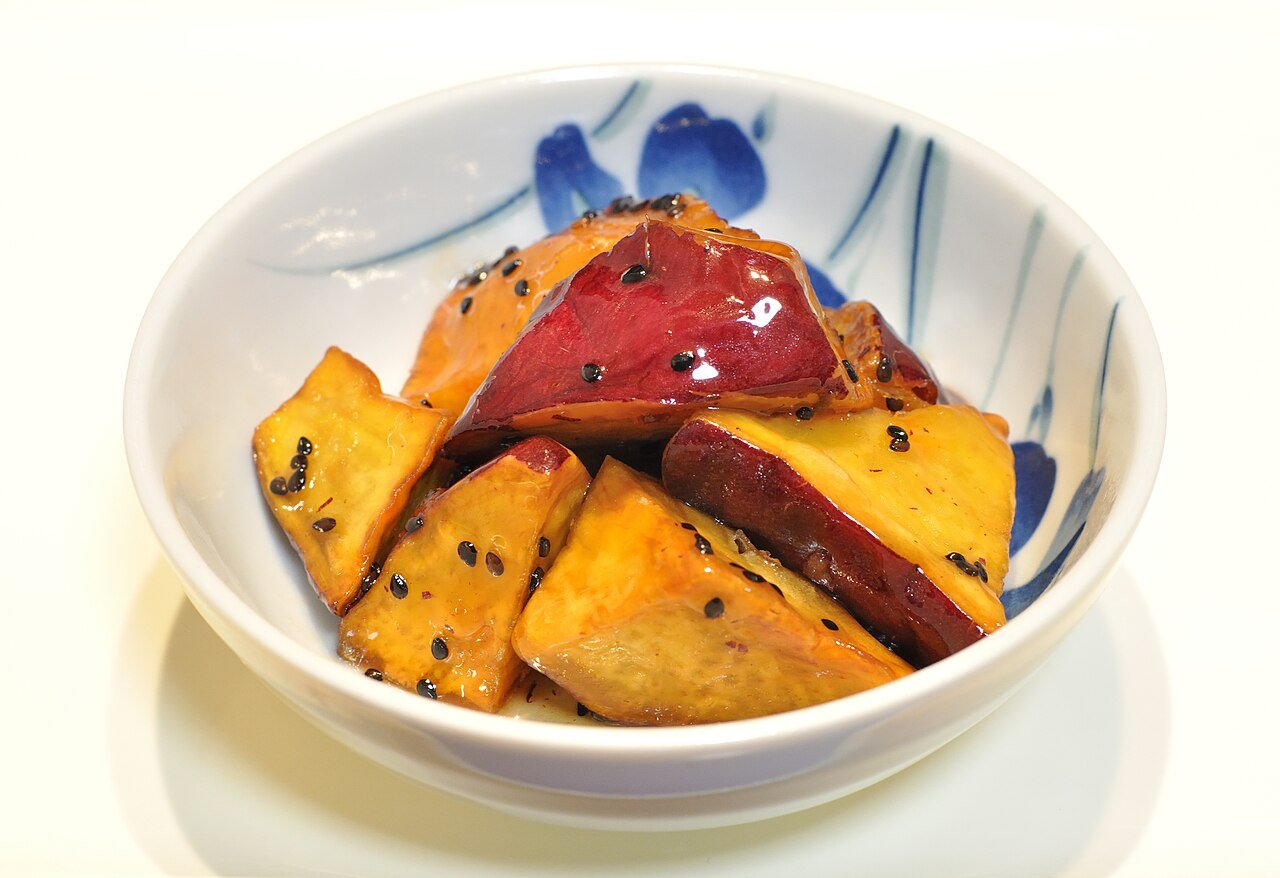
On Komachi-dori, green-tea soft-serve seems to be on sale every thirty metres — but if you're going to pick one, look for Kamakura Cha Cha, which serves it in four grades of intensity, from a mild "kids' matcha milk" (level 1) up to a ceremony-grade level 4 that's genuinely, pleasantly bitter and tastes like real tea, at ¥500–700. Beyond soft-serve, there's dango — chewy rice dumplings on a skewer, in four pastel colours, around ¥250–400 at Sakura no Yumemiya — and yaki manju, matcha dough with a black-sesame filling at ¥80 a piece, the cheapest sweet on the street. Glazed candied sweet potato (like the bowl pictured) is another classic stall treat worth a stop.
Kamakura has its own working harbour — Kosuge Port — where fishing boats head out into Sagami Bay each morning. Squid and cuttlefish, young tuna, fresh sea bream and botan shrimp come off the boats and reach the town's kitchens within a few hours. At Kamakura Wasen, near Komachi-dori, a whole grilled squid is ¥800 — tender rather than rubbery, with a soft whisper of smoke and a light, not-too-sweet glaze, perfect to eat as you walk. If you'd rather sit down to a proper meal, the seafood restaurants along Shichirigahama beach serve Sagami Bay catch as sashimi, tempura and fresh-fish rice bowls, often with Mount Fuji on the horizon.