Ever stood outside a sushi shop wondering which side to dip in soy sauce, whether to use your fingers or chopsticks, and how a conveyor-belt place differs from a counter omakase? This page lays it all out — the types of sushi, the most popular neta, how to eat it the proper way, and how to choose among three kinds of shop to suit your budget.
Honestly, a lot of people tense up far more than they need to at a Japanese sushi shop — afraid they'll dip the wrong side in the soy sauce, afraid they'll get a look for using their fingers, afraid they'll order wrong at the counter. The truth is that sushi is a food designed to be easy to eat, from a 100-something-yen conveyor-belt plate all the way to a Michelin-level omakase counter. At its heart it's nothing more than vinegared rice and fresh seafood, and once you know a handful of basics you can walk into any shop completely at ease.
This page walks you through the types of sushi (how nigiri, maki, gunkan, chirashi, and sashimi differ), the popular neta — the toppings worth trying, how to eat it the proper way (dip the fish not the rice, eat it in one bite, use the pickled ginger to cleanse your palate), and the three kinds of sushi shop to pick from to suit your budget and the occasion.
The word "sushi" covers several shapes, and the common thread is vinegared rice (except sashimi, which is plain raw fish). Learn these six and you'll understand any shop's menu.
| Type | Looks like | What it is | Good for |
|---|---|---|---|
| NigiriNigiri · 握り | 🍣 | A bite-sized mound of hand-pressed rice with fish or seafood on top, usually with a touch of wasabi tucked in the middle | The classic of all classics |
| MakiMaki · 巻き | 🍙 | Rice and fillings rolled in a sheet of nori seaweed, then sliced — there are thin rolls (hosomaki) and fat rolls (futomaki) | Sharing / beginners |
| GunkanGunkan · 軍艦 | 🍱 | Rice wrapped in seaweed into a "battleship" shape, then topped with soft things that won't sit on nigiri, such as fish roe or sea urchin | Fish roe / uni |
| TemakiTemaki · 手巻き | 🌯 | Seaweed rolled into a hand cone (hand roll) filled with rice and fillings — eat it straight away while the nori is still crisp | Eating it fresh, right away |
| ChirashiChirashi · ちらし | 🥣 | An assortment of fish and roe scattered over sushi rice in a bowl, not shaped into pieces — like a sushi bowl | Trying lots of things |
| SashimiSashimi · 刺身 | 🐟 | Sliced raw fish or seafood with no rice — technically not sushi, but almost always ordered alongside it | Raw-fish purists |
"Neta" (ネタ) is what sits on the rice, and each one has a different flavour and texture. If you don't know where to start, these eight are the staples you can find at almost any shop — work from the lighter flavours to the bolder ones and it all tastes better.
One of the all-time favourite neta, in several grades from akami (lean red meat, a clean taste) up to chutoro (moderately fatty) and finally otoro (the very fatty belly that melts in your mouth) — the fattier it is, the pricier.
What to Eat in Tokyo →
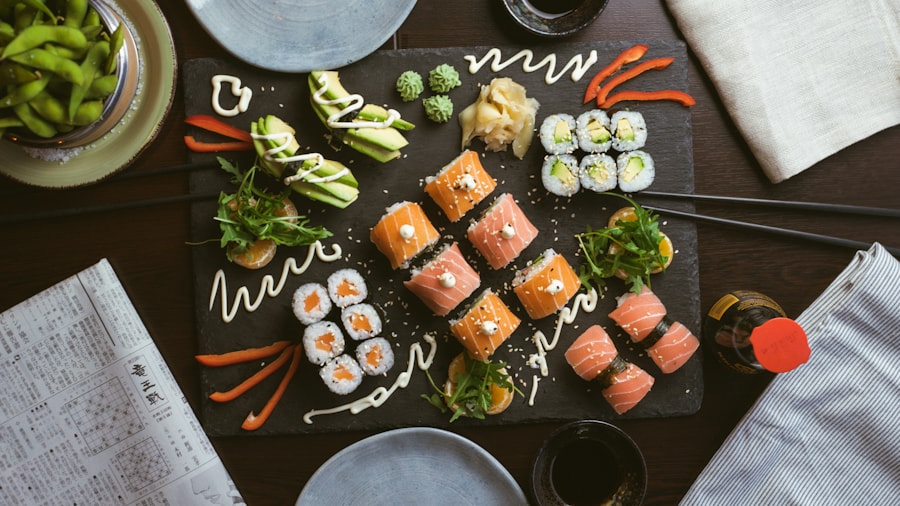
🍣 Salmon2
The topping beginners and kids love most — bright orange, rich and soft, with no fishy edge. It's the star of the conveyor-belt shops, and there's also a seared (aburi) version drizzled with mayonnaise to choose from.
What to Eat in Sapporo →A white-fleshed fish with a delicate flavour and a firm, springy bite. The Japanese consider it an auspicious fish for celebrations. Its taste is very clean, so it's good as one of your first pieces before moving on to the fattier toppings — some shops serve it with a squeeze of yuzu or a little salt instead of soy sauce.
What to Eat in Osaka →There are two main kinds — boiled ebi, orange-and-white with firm, sweet flesh (easy to eat, kids' favourite), and amaebi, raw sweet shrimp that's soft and slippery with a sweetness that lingers on the tip of your tongue. Some shops fry the shrimp heads crisp to nibble on the side.
What to Eat in Japan →A premium neta, golden-orange, creamy and melting on the tongue with a deep sweet-of-the-sea flavour. It's usually served as gunkan (wrapped in seaweed into a boat), and Hokkaido's is the most famous. People who love it love it dearly; if you're not used to it, give it a try first.
What to Eat in Sapporo →Translucent orange-red salmon-roe pearls, round and glossy like rubies, that burst in your mouth into a salty umami liquid. It's also served as gunkan, and paired with warm rice it's a taste that hooks you. Some shops heap it over the seaweed boat so you see a full mouthful.
What to Eat in Hiroshima →A thick, soft slab of sweet rolled omelette set on the rice and bound with a ribbon of seaweed, gently sweet in taste. Some Japanese regard tamago as the "calling card" that measures a chef's skill — because it's harder to get right than it looks. Many people order it to finish the meal.
What to Eat in Japan →
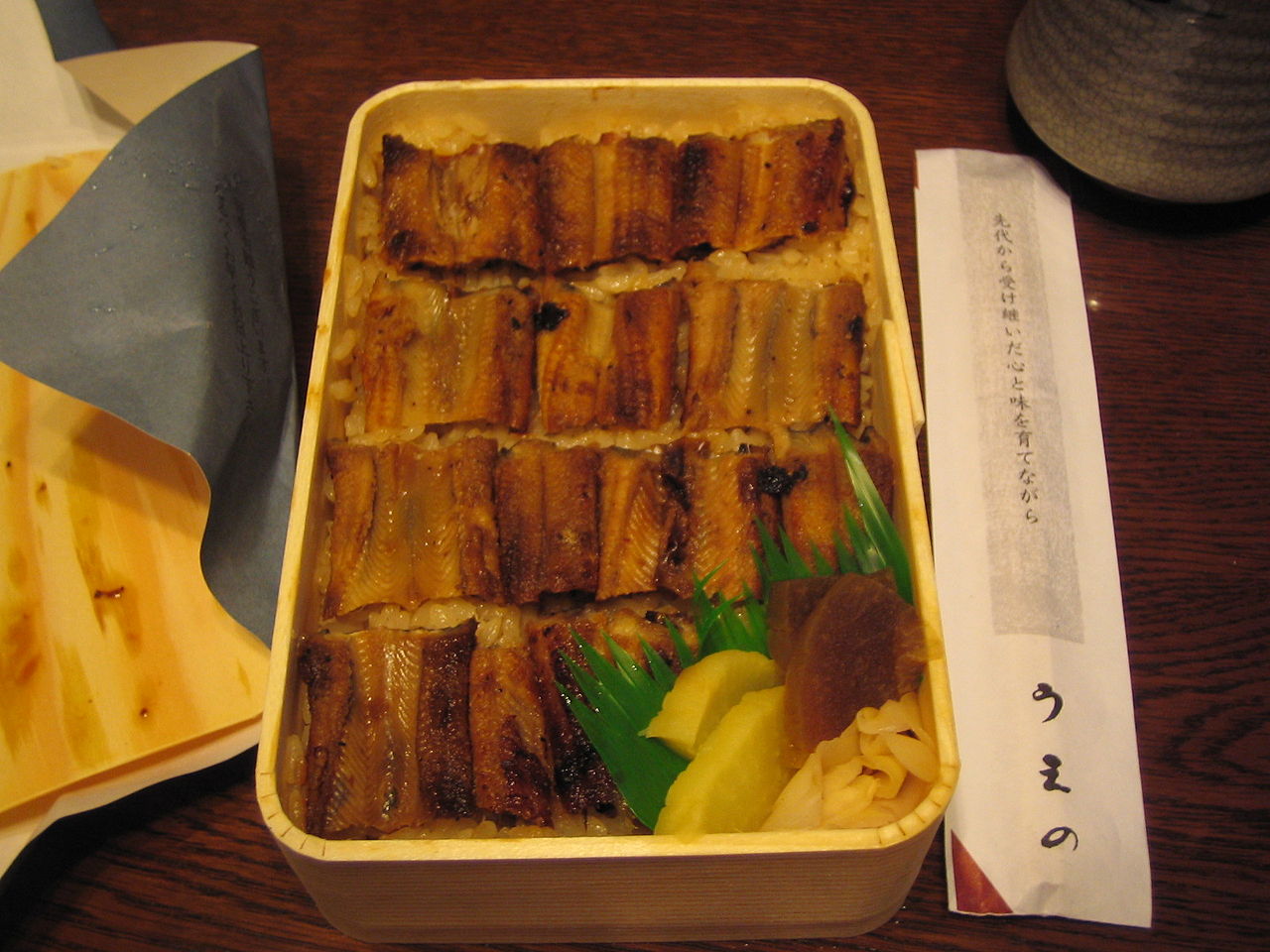
🍱 Saltwater eel8
Grilled saltwater eel glazed with a sweet-salty sauce, with soft, fluffy flesh that all but melts — a touch lighter than "unagi" (freshwater eel). It comes already brushed with sauce, so you don't need to dip it in soy sauce (this photo is the over-rice style — Hiroshima is famous for anago-meshi, while as a sushi topping it sits on nigiri).
What to Eat in Hiroshima →There's no etiquette police waiting to catch you out, but knowing these does genuinely make it taste better and makes you look like a pro — especially at a counter where the chef is shaping it right in front of you.
Tilt the nigiri on its side and just touch the fish side to the soy sauce. Dip the rice side in and the rice soaks up so much soy that the saltiness overwhelms the fish — and the rice ball falls apart on your plate.
Sushi is shaped to a single bite so the rice and fish stay in balance — finish the piece in one go. Don't bite it in half and set it back down. If a piece is too big, you can ask the chef to make it smaller.
You can pick up nigiri with your hands — it's proper and easier to handle (wipe them first with the oshibori towel). Sashimi and rolls are easier with chopsticks. Use whichever suits you.
Gari (pink pickled ginger) is eaten between different kinds of sushi to cleanse your palate — it's not a topping to pile on the sushi. A small bite is enough to let your tongue clearly taste the next piece.
At a counter the chef already tucks just enough wasabi between the rice and fish, so don't mix it into your soy-sauce dish (it muddies both). For more heat, dab a little on the fish · at conveyor-belt shops you can season it yourself.
Start with light white fish (tai, ika) → fatty fish (salmon, tuna) → bold ones like uni, ikura, anago, and finish with the sweet tamago. Your palate picks up the full range that way.
From a wallet-friendly conveyor-belt plate to a counter where the chef shapes it fresh, to a good-value takeout tray — know the difference and you'll choose right before you even walk in.
| Type of shop | What it's like | Rough price | Good for |
|---|---|---|---|
| Conveyor beltKaiten · 回転寿司 | Plates circle on a belt; you grab them yourself or order on a screen, and you're charged by plate colour or count. Some chains have Thai/English menus | ~110–500 yen/plate | Beginners · families · budget |
| CounterCounter / Edomae · 江戸前 | You sit facing the chef and order piece by piece, or go omakase (the chef chooses), served fresh the moment it's pressed — a premium experience | Lunch ~4,000–8,000 · dinner 10,000–30,000+ yen | Special occasions · serious diners |
| Takeout / supermarketTakeout · 持ち帰り | An assorted sushi tray from a supermarket or market (the big-tray otaru-sushi style) or a takeout shop, to eat back at your room — good value and convenient | ~500–2,500 yen/tray | Eating in · picnics · tight budget |
You can find sushi all over Japan, but a few cities are especially known for ultra-fresh seafood or their fish markets — drop a pin and open the Tokyo food guide or that city's guide next.
The hub of must-try dishes across Japan — noodles, rice, grills, and raw — with how to order and table manners.
Japanese Food Guide →Six broth styles (shoyu / shio / miso / tonkotsu), regional ramen, and how to order at the ticket machine.
Ramen Guide →A beginner's tour of the Japanese pub — otoshi, ordering with snacks, nomihodai, and drinking etiquette.
Izakaya Guide →Toyosu-market sushi, ramen, izakaya, and the best dishes across the metropolis, plus the food districts you can't miss.
Tokyo Food Guide →The street-food capital — takoyaki, okonomiyaki, kushikatsu, and sushi around Dotonbori.
Osaka Food Guide →Hokkaido is the land of fresh seafood — salmon and uni sushi, crab, miso ramen, and the morning markets.
Sapporo Food Guide →Open the Tokyo food guide to zero in on the sushi districts, the fish markets, and the standout shops that people who've been keep recommending — or start lining up a well-placed hotel near the food early, and your trip gets a lot easier.