Home Kyoto Attractions Japan About
Home  ›  Japan  ›  Kyoto  ›  Food Guide
🍵 Kyoto Food Guide · 2026

Slow Eating in Kyoto —
The City Where Food Is a Ritual

If Osaka is the city of fast eating, Kyoto is the city of slow eating — kaiseki in 400-year-old restaurants · silken yudofu in front of Nanzenji Temple · seasonal obanzai home cooking · matcha from the heart of Japan's tea country. 10 dishes that tell you what this city eats.

Get to know it before you eat

Kyoto Eats Unlike Anywhere Else

Honestly — Kyoto isn't the kind of eating city you're used to. There's no night market you can graze your way through, no takoyaki on a stick, no ramen served in three minutes. Kyoto was Japan's imperial capital for 1,000 years, and its food still reflects that in every plate — everything has meaning, everything has a season, everything has a story.

Unlike Osaka, which champions "kuidaore" (eat until you drop), Kyoto has the saying "hana yori dango" — experience over quantity. Most of Kyoto's famous food grows out of its tea culture (the tea ceremony predates any restaurant) and the richness of Kyoto vegetables (Kyo yasai) — local heirloom varieties whose flavour is milder yet more complex than ordinary ones.

We've picked 10 dishes and eating experiences you can genuinely access — from a kaiseki dinner in a 560-year-old restaurant to a NT$100 yatsuhashi from Nishiki Market, with real shops, real prices and the tips you should know before you go.

An important tip before you eat: most high-end Kyoto restaurants take bookings 1–3 months in advance, and many have no English-language website — have your hotel help call to reserve, or use the Tableall / OMAKASE apps, which have English. Nishiki Market and ordinary obanzai shops need no reservation.

Signature dishes

10 dishes you must try in Kyoto

Ranked from the deepest experience to the easiest — try at least three of them
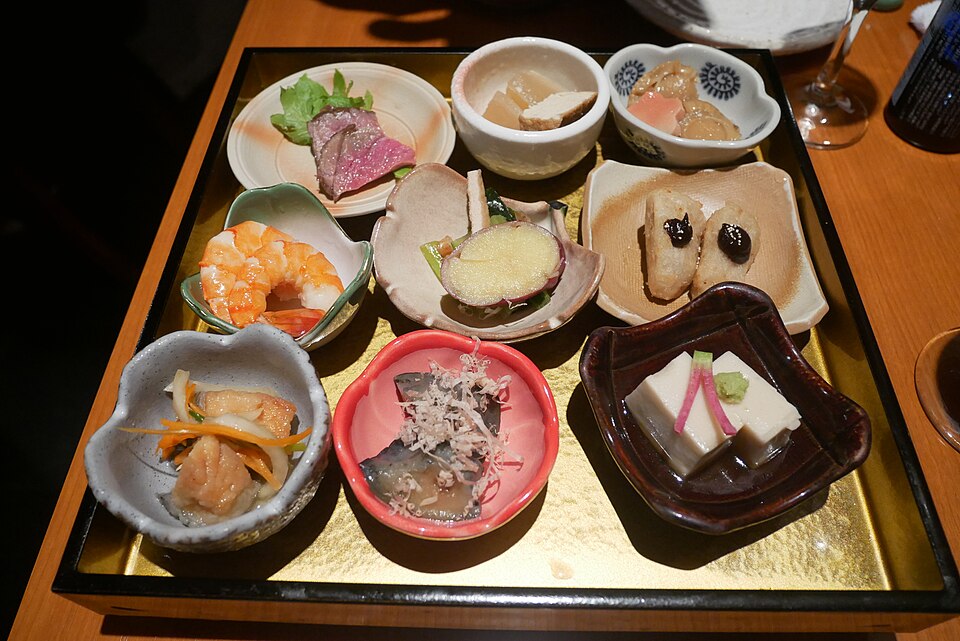
Kaiseki ryori multi-course Kyoto cuisine 1
Kaiseki (懐石料理)
Kaiseki Ryori · multi-course Kyoto tea-style cuisine

Ever pictured a restaurant where the chef knows what you'll eat the moment you walk in? Kaiseki is exactly that — 10 to 15 courses arranged around the current season, starting with a small bite to open the palate and ending with rice and miso soup. There's no menu to choose from; the chef decides everything. Hyotei in the Nanzenji district began as a teahouse for monks back in the late 16th century — the only restaurant in the world run by the same family for 14 generations. Kikunoi, by chef Murata Yoshihiro, has three Michelin stars and takes online bookings.
Recommended: Hyotei (瓢亭) Nanzenji district · Kikunoi Honten (菊乃井) Higashiyama · Nakamura (中村楼) in Gion
Price: ¥10,000–30,000+ per person (lunch is cheaper than dinner) · book 1–3 months ahead
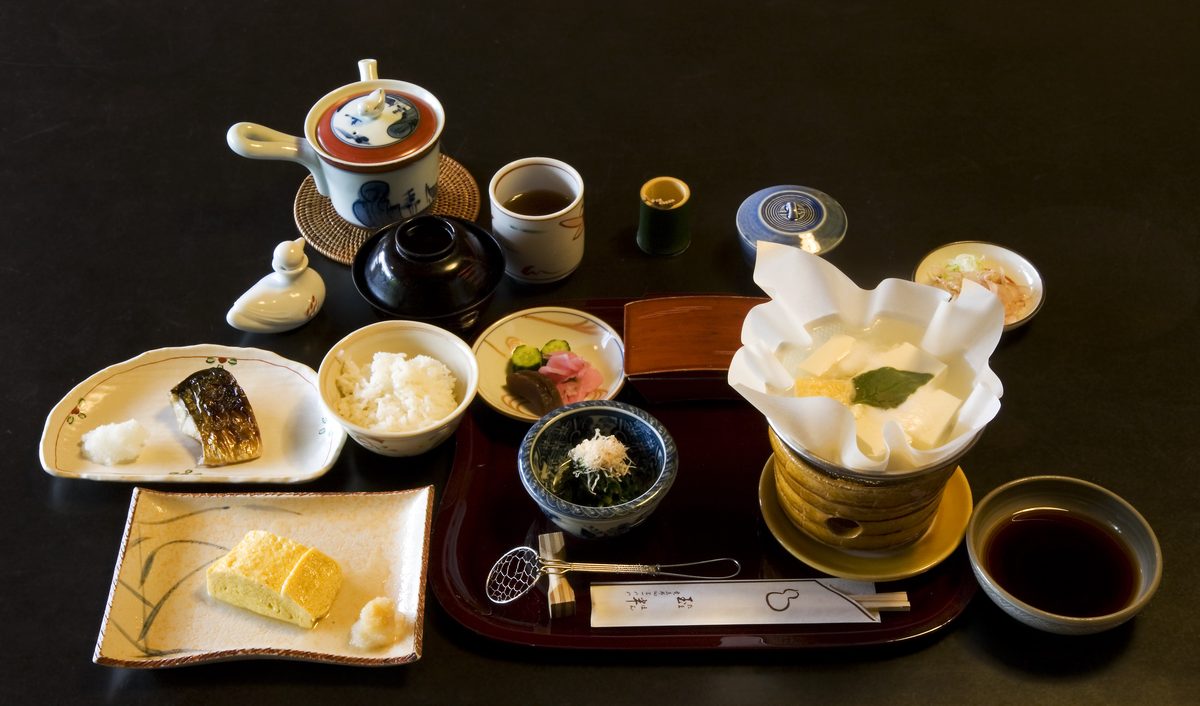
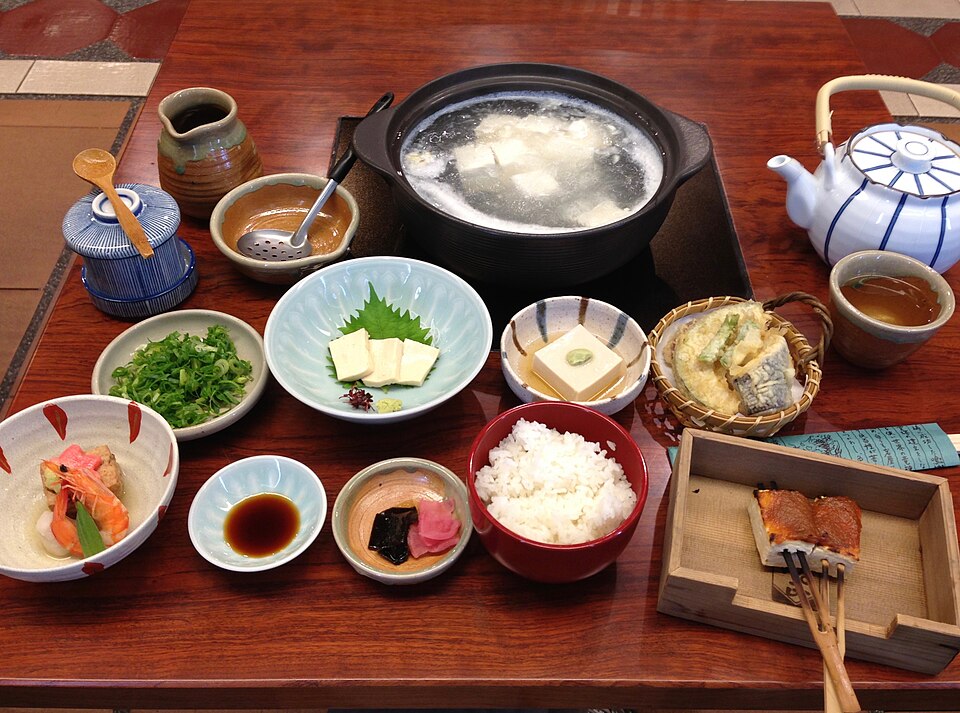
Yudofu, Kyoto tofu simmered in broth, in front of Nanzenji Temple 2
Yudofu (湯豆腐)
Yudofu · tofu simmered in konbu broth

A dish that may not sound exciting on paper — but sit in a Japanese garden in front of Nanzenji Temple, eating pure white silken tofu simmered in hot konbu-seaweed broth and dipped in soy sauce with grated scallion, and it becomes an experience quiet enough to hear yourself eat. Junsei (順正), a restaurant with a 1,200-tsubo garden that's been open over 100 years, serves a yudofu set for ¥2,600 per person, the menu also including yuba (tofu skin). Okutan Nanzenji has been at it since 1635 — if there's one restaurant you have to try in Kyoto, this is it.
Recommended: Junsei (順正) near Nanzenji Temple · Okutan Nanzenji (奥丹南禅寺) since 1635 · Yudofu Sagano in Arashiyama
Price: ¥2,000–4,500 / set · open for lunch, no reservation needed at ordinary shops
Obanzai, Kyoto home cooking, seasonal vegetables on a tray 3
Obanzai (おばんざい)
Obanzai · seasonal Kyoto home cooking

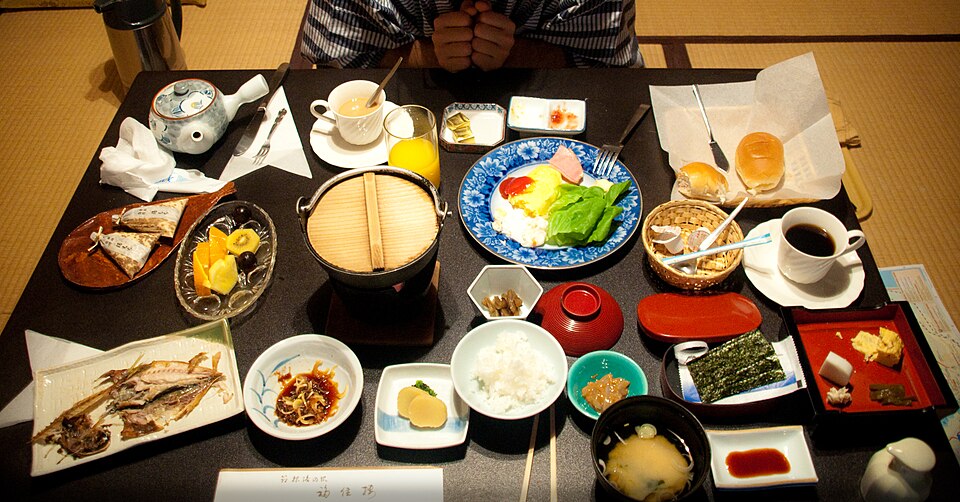
If kaiseki is a work of art, obanzai is the food Kyoto housewives cook every day — many kinds of vegetables prepared in different ways, dashi that isn't too sweet, soy that isn't too salty, everything balanced and colourful. Good obanzai must use Kyo yasai (Kyoto heirloom vegetables) grown in the Kyoto area, with at least half the ingredients sourced locally. Nishiki Warai near Nishiki Market serves it buffet-style for ¥1,000 — you pick your own tray and can taste 10 kinds of Kyoto vegetables in one sitting.
Recommended: Nishiki Warai (錦笑) near Nishiki Market · Obanzai Kimura in Fuyacho · Tosuiro (東水路) in Pontocho
Price: ¥800–3,000 / person depending on the shop and format
Saba-zushi, Kyoto-style mackerel sushi wrapped in konbu seaweed 4
Saba-zushi (鯖寿司)
Sabazushi · ancient pressed mackerel sushi

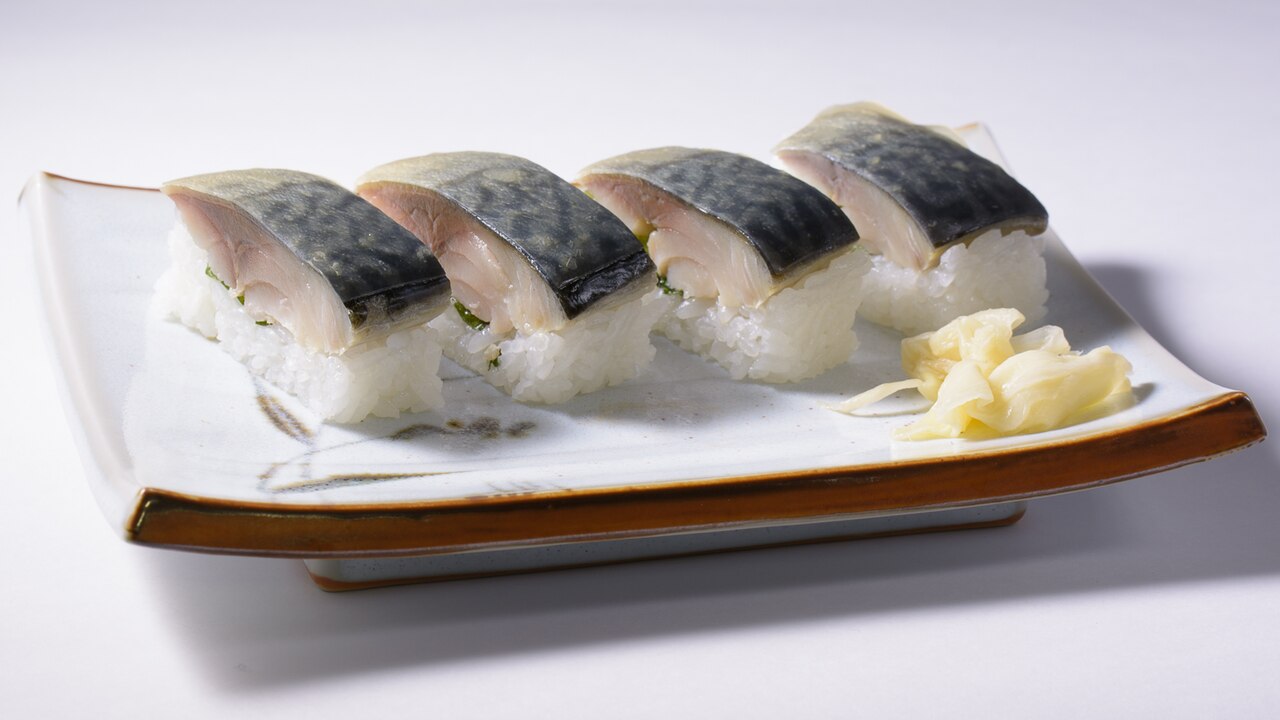
A city with no sea that makes the best ocean-fish sushi in Japan — it sounds contradictory, but there's a reason. Kyoto has imported mackerel from Wakasa Bay since ancient times, along an 80 km route known as the "Saba Kaido," and along the way the fish was salt-cured to preserve it. The rice is pressed into a long rectangular shape, the fish laid on top, then the whole thing wrapped in konbu seaweed — a little sour from the curing, salty from the fish, fragrant from the seaweed. Izuju, near Yasaka Shrine, has been open for hundreds of years and holds a Michelin star, proof that the quality is real and not marketing.

Recommended: Izuju (いづう) near Yasaka Jinja — Michelin · Gion Izuju branch · Kichisen ancient sushi in Gion
Price: ¥1,500–3,500 / set depending on size and ingredients
🤍5
Yuba (湯葉)
Yuba · the tofu skin from the surface of the soy milk

Picture tofu before it becomes tofu — the moment hot soy milk is simmering and a thin skin forms on the surface. Yuba is that skin, lifted off while still hot, eaten fresh or dried. Fresh, it's as soft as wet silk; dried, it's chewy and springy. Kyoto's fresh yuba is more renowned than the Nikko version up north, because Kyoto's water is soft and low in minerals, letting the clean soybean flavour come through. Try it at Junsei alongside the yudofu, or at Tofu Ryori Okumura, which builds its whole menu around tofu dishes.

Recommended: Junsei in front of Nanzenji Temple · Yudofu Sagano in Arashiyama · buy it fresh to take home from Nishiki Market
Price: ¥800–1,500 / plate if eaten on its own · usually included in a yudofu set
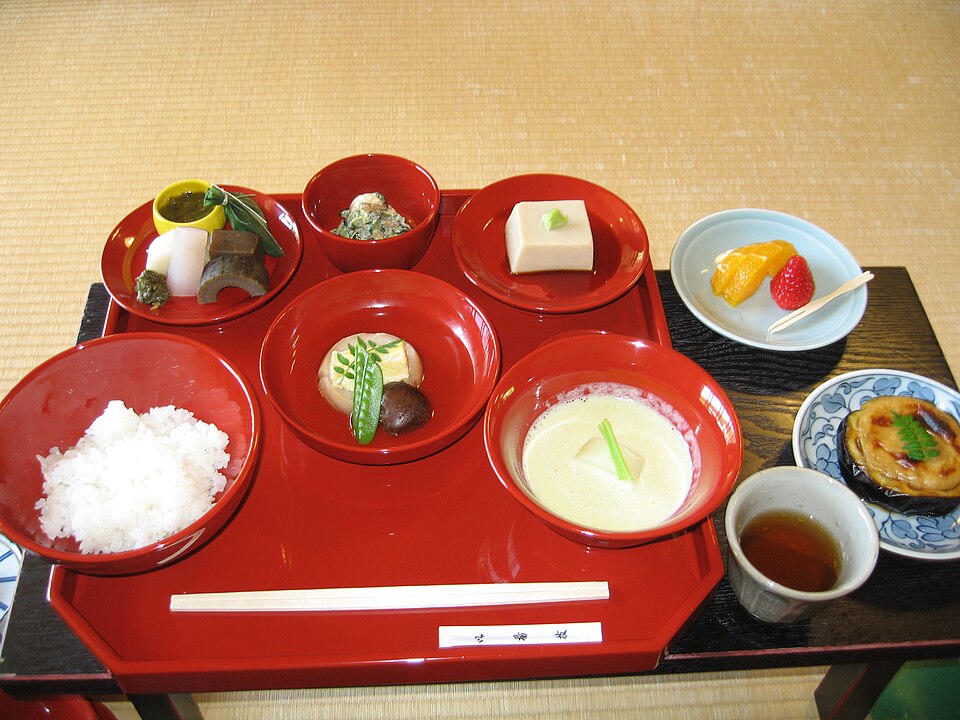
Shojin ryori, Buddhist temple vegetarian cuisine, seasonal vegetables with no meat 6
Shojin Ryori (精進料理)
Shojin Ryori · Buddhist temple cuisine, no meat

Vegetarian food that doesn't just cut out the meat — it's designed to bring body and mind to stillness. No meat, fish, onion, garlic or chives (believed to stir the emotions). Made from tofu, vegetables, mushrooms, seaweed, beans and grains, served in proportioned boxes. One meal makes you realise vegetables can do far more than you thought. Tenryu-ji temple in Arashiyama has a temple restaurant called Shigetsu, ¥4,000, where you eat while looking out over the garden — an experience that's genuinely rare in the world.
Recommended: Shigetsu (篩月) in Tenryu-ji — ¥4,000–8,000 · Daikoku-ya near Kinkaku-ji · the Umenohana chain (consistent quality)
Price: ¥3,500–10,000 / person depending on the level · usually needs booking ahead
Wagashi, traditional Japanese sweets, matcha and green mochi served with tea 7
Wagashi (和菓子)
Wagashi · traditional Japanese sweets

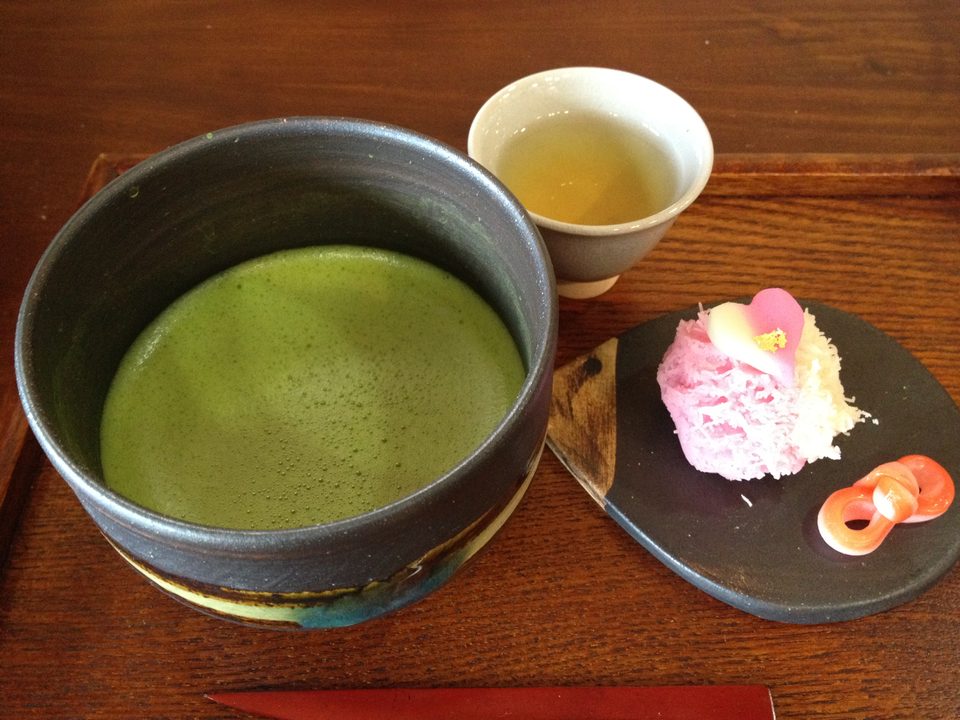
A city whose confectioners (wagashishi) are reckoned the best in Japan — because Kyoto is the home of the tea ceremony, and the sweets eaten with the tea have to be good enough not to be outshone by it. Kyoto wagashi take natural seasonal shapes: cherry blossoms in April, red leaves in November, snow in January. Tsuruya Yoshinobu, open since 1803, has a counter at its Karasuma main store where you can watch namagashi (fresh sweets made in front of you) and have them served with matcha in a calm, quiet room, ¥1,500–2,000 per set — watch and eat at the same time.

Recommended: Tsuruya Yoshinobu (鶴屋吉信) since 1803 · Demachi Futaba (出町ふたば) — queues from the morning · Suetomi in Kyoto's riverside area
Price: ¥300–600 / piece · watch-and-eat matcha set ¥1,200–2,000
🌿8
Yatsuhashi (八ツ橋)
Yatsuhashi · Kyoto's must-buy souvenir sweet

The souvenir you can't skip if you come to Kyoto — a cinnamon-flavoured rice-flour wafer, thin and crisp in the baked "Yaki" form, or soft and chewy in the "Nama" form wrapping red bean or matcha inside. The slightly astringent cinnamon of Yaki Yatsuhashi and the matcha filling of Nama Yatsuhashi are a pairing Japan created for you to take home on the train. At Nishiki Market several shops sell it, all roughly equally tasty, but Izutsu Yatsuhashi Main Store in Higashiyama has been making it since 1805 and still uses the original recipe. Nama sweets expire in 3–5 days; the baked wafers keep for a month.

Recommended: Izutsu Yatsuhashi Honpo (井筒八ツ橋本舗) since 1805 · Shogoin Yatsuhashi · shops in Nishiki Market
Price: ¥400–1,200 / box depending on quantity
🍵9
Matcha parfait and desserts
Matcha Parfait · Kyoto-style matcha desserts

If you want to taste matcha for what it really is, Kyoto (and Uji next door) is the best place in the world — because the tea has been grown here since the 12th century, and it's still a GI (Geographical Indication) area that certifies the quality. A good Kyoto matcha parfait layers matcha ice cream, warabi-mochi, mochi, red bean and dried nori seaweed, the bitterness of the tea balancing the sweetness just right. Saryo Tsujiri at Teramachi has the longest queue in the city, but it's worth the wait — the ¥1,200 parfait has not a single ingredient that disappoints.

Recommended: Saryo Tsujiri (さりょう辻利) Teramachi · Matcha Republic near Gion Shijo · Tsujiri Uji Main Store in Uji (30 minutes)
Price: ¥700–1,500 / item · during Golden Week and weekends expect a 30–60 minute wait
🍜10
Soba — Honke Owariya (本家尾張屋)
Soba · buckwheat noodles in a 560-year-old restaurant

One of the oldest restaurants still operating in Japan — open since 1465, when Europe didn't even know America existed. It began as a confectionery selling to the court before turning into a soba shop in the 17th century. The soba here is hand-cut every day, mid-thickness dark-coloured noodles, eaten "seiro" (cold, dipped in sauce) or "kake" (hot, in dashi broth). Nothing complicated — but the quality of the ingredients makes the simplicity feel special. The seating is an old-style sitting room that reflects how Kyoto respects its past.
Address: Honke Owariya (本家尾張屋) Nishiki district — near the Oike junction · close to MRT Kyoto Shiyakusho-mae
Price: ¥1,200–2,500 / bowl · open lunch to evening · closed Wednesdays
Neighbourhoods & markets

Where to eat

6 neighbourhoods where the food is within walking distance or a short MRT ride

Nishiki Market, Kyoto's 400-year-old kitchen market
Nishiki Market (錦市場)
Nishiki Market · "Kyoto's Kitchen"

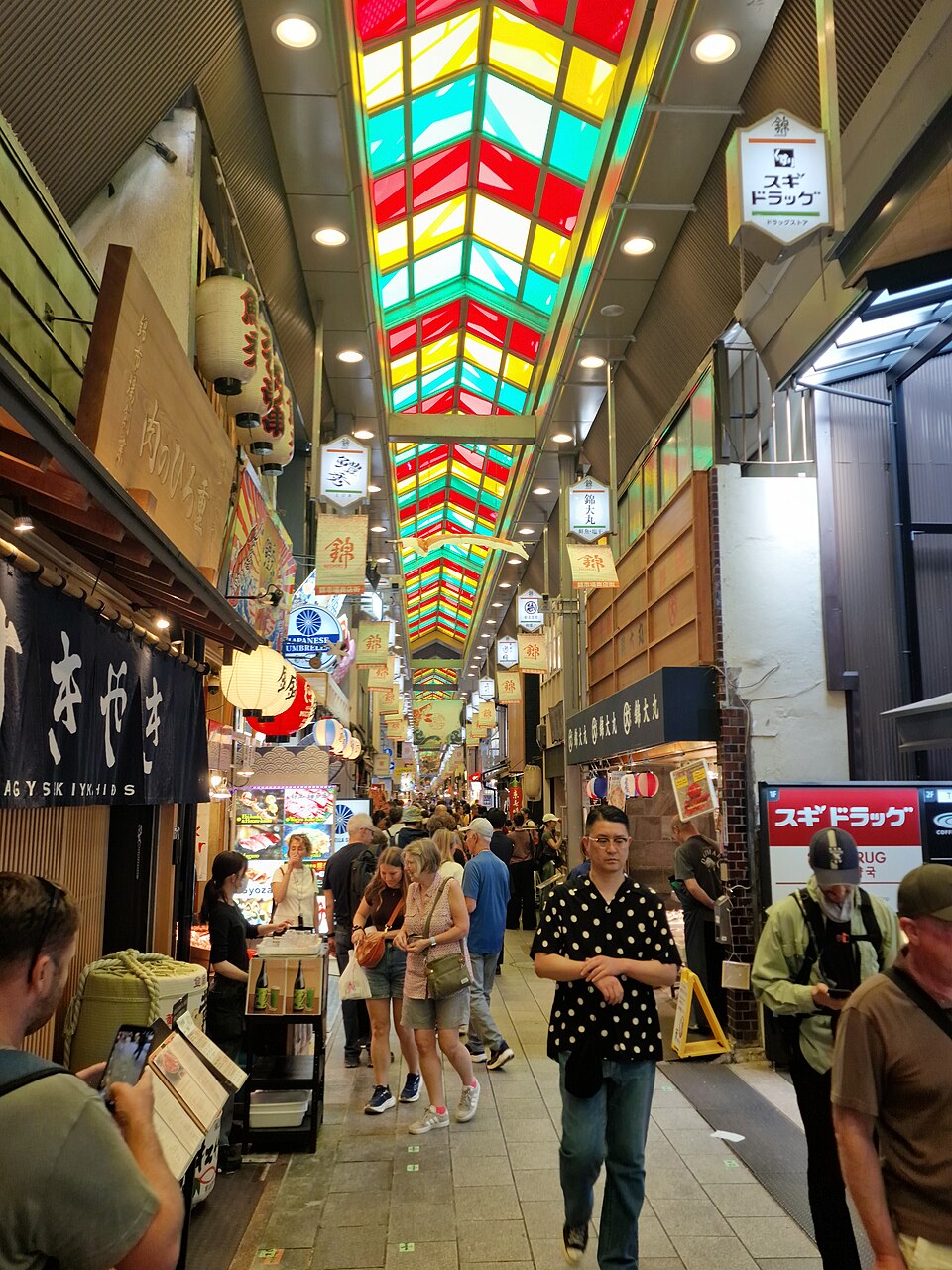
A narrow 400-metre covered market that's been open for over 400 years — just 5 metres wide, yet packed with more than 100 shops crammed along both sides. They sell everything from raw fish, pickles, fresh tofu, yuba and dashi eel to yatsuhashi and matcha desserts. Some shops have been open 100+ years, others are new and aimed at tourists — and you can tell which by watching who buys. If someone wheels a bicycle up to buy, the shop is usually good. Come before 11am to avoid the crowds.

Getting there: MRT Karasuma (Karasuma line) or Shijo Station · Hours: 09:00–18:00 (some shops close earlier)
Pontocho alley, Kyoto at night, riverside restaurants along the Kamo River
Pontocho Alley (先斗町)
Pontocho · an alley with an old-world atmosphere

An alley so narrow two people can barely pass each other, running between two streets parallel to the Kamo River — izakaya, kaiseki restaurants, obanzai shops and tiny bars line both sides along its 500-metre length. In summer many places open verandas over the river, called "Noryo-yuka"; prices rise 30–50% but the atmosphere is something else. After 6pm you might see a maiko walking past on her way to work — don't photograph her or block her path.

Getting there: Keihan Gion-Shijo Station exit 7 · Hours: most shops open 17:30–23:00
Arashiyama, Kyoto, yudofu and matcha shops near the bamboo grove temple
Arashiyama (嵐山)
The bamboo district · yudofu and matcha

The prettiest part of Kyoto for a lunch — the yudofu near the bamboo grove and Tenryu-ji is excellent. Yudofu Sagano and Yudofu Arashiyama have Japanese gardens out front, so you eat while gazing at the garden and the Oi River. Afterwards you can walk straight on to the Togetsukyo Bridge and the bamboo grove. Several stalls at the temple entrance serve matcha soft-serve — ¥600–800 a cup, no queue.

Getting there: JR Sagano Line or Hankyu Arashiyama Line · Hours: most shops open 11:00–17:00
Gion district, Kyoto, traditional tea and wagashi shops
Gion and Higashiyama (祇園)
Gion · Kyoto's tea-shop lanes

Gion and Higashiyama have the most little lanes selling wagashi, green tea and traditional sweets in all of Kyoto — the Ninenzaka and Sannenzaka lanes are lined with tea and sweet shops the whole way, perfect for snacking while you tour Kiyomizudera Temple. Gion Tsujiri sells matcha cake rolls and parfaits at the counter with no reservation needed. Don't go on a Saturday afternoon — it gets so crowded it's hard to walk.

Getting there: Keihan Gion-Shijo exit 6, or about a 30-minute walk from Kyoto Station · Hours: 10:00–18:00
Demachiyanagi (出町柳)
A local neighbourhood · no tourists

A northern railway station where locals actually live — there are no pretty old lanes, but the best genuine shops are here. Demachi Futaba (出町ふたば), open over 100 years, sells mochi from the morning and reliably sells out by early afternoon; you have to queue with the locals. The bento and breakfast shops around here are half the price of Gion and just as good. There's a Demachiyanagi morning market every Sunday from 07:00–10:00.

Getting there: Keihan Demachiyanagi Station · Hours: Demachi Futaba open 08:30–17:00 (closed Wednesdays)
Kawaramachi (河原町)
The central district · new shops and izakaya

Kyoto's main shopping street, home to both long-established shops and a new generation of places that don't sell the "traditional experience" but do sell good food at moderate prices — izakaya that have opened in the past five years, matcha bars modelled on specialty coffee, takoyaki shops Japan calls "new wave." For a night when you want something easier after a heavy kaiseki. Nishiki Market is a 5-minute walk away.

Getting there: Keihan Gion-Shijo Station or Hankyu Kyoto-Kawaramachi · Hours: izakaya open from 17:00
Legendary shops

Shops not to miss

Shops with history, with a reason they've lasted, and a taste that can't be replicated

1
Honke Owariya (本家尾張屋)
Open since 1465 · the oldest soba restaurant in Kyoto

Open since 1465 — back when Europe didn't even know America existed. It began as a confectionery selling to the nobility at court, then switched to soba in the 17th century. The soba here is hand-cut every day, and the simplicity lets the buckwheat flavour come through clearly. Order the "tororo soba" (with grated mountain yam) or the cold "seiro" with dark dipping sauce — ¥1,500 a bowl. The shop is open from lunch, no reservation, but seating is limited, so come before noon on weekends.

Address: Nishiki district, near the Oike-Fuyacho junction · MRT Kyoto-Shiyakusho-mae
Hours: 11:00–19:30 · closed Wednesdays · Signature: Seiro Soba ¥1,500 · open for 560 years
2
Junsei (順正)
Yudofu in a 1,200-tsubo garden in front of Nanzenji Temple

The restaurant that makes yudofu sound the most romantic in Kyoto — you sit in a Japanese garden that's been tended for over 100 years, pure white silken tofu floating in an earthen pot of konbu broth, eaten with fresh yuba and seasonal vegetables. The set is ¥2,600 per person. In the autumn-leaf season (November) you sit beneath orange maples eating hot yudofu — an experience you can't find anywhere else in the world. It's very easy to reach, just 5 minutes from Nanzenji Station.

Address: near the Nanzenji gate · Keihan Jingu-Marutamachi Station
Hours: 11:30–21:00 (last order 20:30) · Signature: Yudofu Set ¥2,600 · garden seating for 2+
3
Izuju (いづう)
Michelin-starred saba-zushi · open for a century

The most renowned sushi shop in Kyoto for saba-zushi — salt-cured mackerel from Wakasa Bay in the old way, laid on tightly packed cooked rice, wrapped in konbu seaweed, then pressed overnight. One bite gives you the sourness of the curing and the fragrance of the konbu at once. The Michelin star tells you the quality; no further proof needed. But fair warning — it's not cheap: a single set is ¥2,000+, and well worth a top spot on your Kyoto trip.

Address: Yasakamae lane in Gion · near Yasaka Shrine
Hours: 11:00–21:00 · closed Tuesdays · Signature: Saba-zushi ¥2,000+ · Michelin Star
4
Demachi Futaba (出町ふたば)
Mochi the locals queue for every morning

The wagashi shop Kyoto locals know you have to queue for — open over 100 years in the Demachiyanagi district, which sees few tourists. The famous item is "Mame Mochi," red-bean-filled mochi with whole reddish-black beans studded on the outside too; the taste is chewy rice and sweet red bean, so simple you won't believe it's this good. It sells out by early afternoon every day — come before 9am for the best chance. Cash only. You can buy several to take back to your hotel, but they keep only for the day.

Address: right by Demachiyanagi Station (Keihan) exit 2
Hours: 08:30–17:00 (or until sold out) · closed Wednesdays · Signature: Mame Mochi ¥200–250 / piece · cash payment
5
Tsuruya Yoshinobu (鶴屋吉信)
Wagashi since 1803 · watch them made fresh in front of you

A venerable wagashi shop that lets you sit and drink matcha with fresh sweets in-store — the Karasuma main branch has a counter where a wagashishi sits making namagashi (fresh sweets in natural shapes) right in front of you. In just a short while you watch a sweet shaped like a cherry blossom or a red maple leaf being created, then eat it with hot matcha, ¥1,500 a set. No reservation needed, but come in the afternoon and you can usually get a seat right away. You can buy a gift box to take home too.

Address: Karasuma Main Store near Imadegawa · MRT Kitaoji
Hours: 09:00–18:00 (tea service until 17:30) · closed Wednesdays · Signature: Namagashi + Matcha Set ¥1,500
Frequently asked questions

FAQ · things people ask

What should you wear to a kaiseki meal? What etiquette do you need to know?
You don't need a yukata or Japanese dress, but you should dress neatly — no shorts or flip-flops at high-end restaurants. Key etiquette: 1) Don't order extra dishes (everything is already set in the omakase) 2) Take phone calls outside the room 3) Wait for the staff to explain before eating — each course carries a story of the season 4) If there's something you won't eat, mention it when you book, not on the day you dine.
Does Kyoto have vegetarian food? Where exactly can you find it?
Yes — Kyoto is one of the best cities in Japan for vegan/vegetarian eating because it has the most Buddhist temples. Shojin ryori (精進料理) is temple cuisine with no meat, fish, garlic or onion — try Tenryu-ji Shigetsu (beside the temple, ¥4,000 per person) or Daikoku-ya near Kinkaku-ji (the Golden Pavilion). For general vegetarian, try the many obanzai shops around Nishiki Market that also have all-vegetable menus.
Which is the best matcha cafe in Kyoto?
Honestly — if you really want top matcha quality, head to Uji (30 minutes from Kyoto Station), Japan's number-one green-tea growing region. Tsujiri Uji Main Store has been open since 1860, serving traditional whisked matcha and desserts. Marukyu Koyamaen has been making tea for over 300 years and still offers factory tours you can book (¥500, reserve 7 days ahead). In Kyoto city itself: Saryo Tsujiri at Teramachi has long queues but is worth it, and Matcha Republic near Gion Shijo has no long wait. Prices from ¥500–1,500.
How can you dine at a geisha establishment in Kyoto?
Honestly — the restaurants where geisha regularly work in Kyoto (especially Gion and Pontocho) are mostly closed to ordinary tourists; you need a regular patron or a local to take you. But there are options: 1) Book through a tour company such as Magical Trip or Arigato Japan, which run an ochazake experience for ¥15,000–30,000 per person where you actually meet a real maiko 2) Some Pontocho restaurants (such as Nishi-ki Warai) serve obanzai with a Gion atmosphere without needing a connection.
How do you book high-end Kyoto restaurants, and how far ahead do you need to reserve?
Kaiseki-level restaurants (Hyotei, Kikunoi, Nakamura) need to be booked 1–3 months ahead or more, and some take reservations only by phone in Japanese. How to book: 1) Through Tableall or the OMAKASE app (English available) 2) Have your hotel book for you (the concierge can help a lot) 3) Tabelog.com lists good restaurants. Mid-range places (Junsei, Okutan) can be booked online 2–4 weeks ahead. Nishiki Market and ordinary obanzai shops need no reservation.
How do you tell a genuine restaurant from a tourist trap in Kyoto?
Signs of a tourist trap: signage only in English/Thai/Chinese · large photo menus out front · staff standing outside inviting you in · a ¥5,000 "set lunch" with nobody sitting inside. Good shops usually have no tourist-bait signage, have been open for decades, and have long queues of locals. Nishiki Market has both kinds — the good shop is the one where someone wheels a bicycle up to buy, not the one selling matcha ice cream on a stick for ¥1,200.
🟠 Klook

🍵 Tea Ceremony + Kaiseki Lunch + Nishiki Market Tour in Kyoto on Klook
A guided geisha-district experience

A tea ceremony in a kimono (45 minutes) + a Nishiki Market food tour (10 shops) + a traditional kaiseki lunch in Kyoto — from ~¥6,000/person · limited slots, book about a week ahead.

🛒 See Kyoto experiences on Klook →
Wherebest is a Klook affiliate partner — we may earn a commission when you book through our links, at no extra cost to you.