Hiroshima is compact, but choosing the wrong base still costs you time. Here is the honest breakdown: four neighbourhoods, who suits each one, and the real hotel options — from five-star Shinkansen convenience to a night alone on Miyajima Island.
Picture this: you want to walk to Peace Memorial Park at 7 a.m. before the tour groups arrive. If you stayed near Hiroshima Station, you are 20 minutes away by tram. If you chose a hotel in central Naka Ward, you are already there in 15 minutes on foot. That is the kind of difference a good area pick makes.
The city's layout is straightforward: Hiroshima Station sits to the east — Peace Memorial Park and the central shopping and dining district are roughly 2 km to the southwest — Miyajima Island is a further hour west. Hiroshima's streetcar network (Hiroden) threads everything together at ¥220 flat fare per ride. It is genuinely easy to get around, but knowing which base suits your priorities still saves time every day.
We cover four main areas — with honest trade-offs and our hotel picks for each.
For most first-time visitors, this is the most balanced base in Hiroshima. A tram stop right outside takes you to Peace Memorial Park in 2–3 stops. Hondori shopping arcade is a short walk. Hiroshima's best restaurants and evening bars are around the corner. And in the morning, you can board a tram to Hiroshima Station in 10 minutes when it is time to leave.
Our recommendation for this area: Hilton Hiroshima (opened September 2022 · Fujimicho, Naka Ward · 15-minute walk to Peace Memorial Park · indoor pool + Spa by L'OCCITANE · notably spacious rooms for Japan)
Read the Hilton Hiroshima Review →Real hotel picks with review links — choose the base that matches your trip style
Area 1
Best for: Business travellers who need quick Shinkansen access · people making a one-night stopover between cities · anyone planning an early-morning Miyajima day trip · groups with heavy luggage who want zero transfer hassle. Honest caveat: this is a busy station district — the evening atmosphere is more transient than the Hondori neighbourhood, and the best local dining is 10–15 minutes away by tram.
Area 2
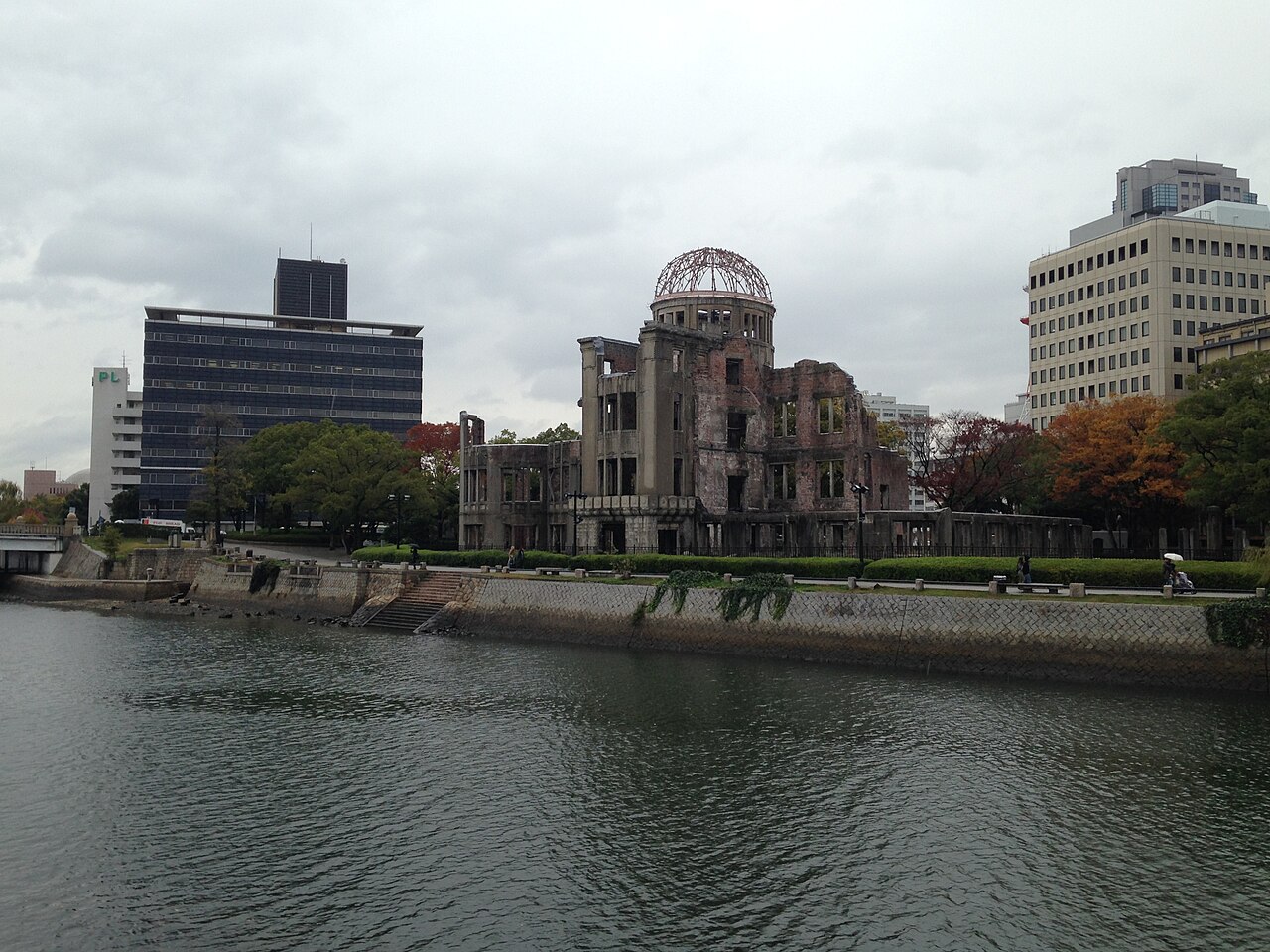
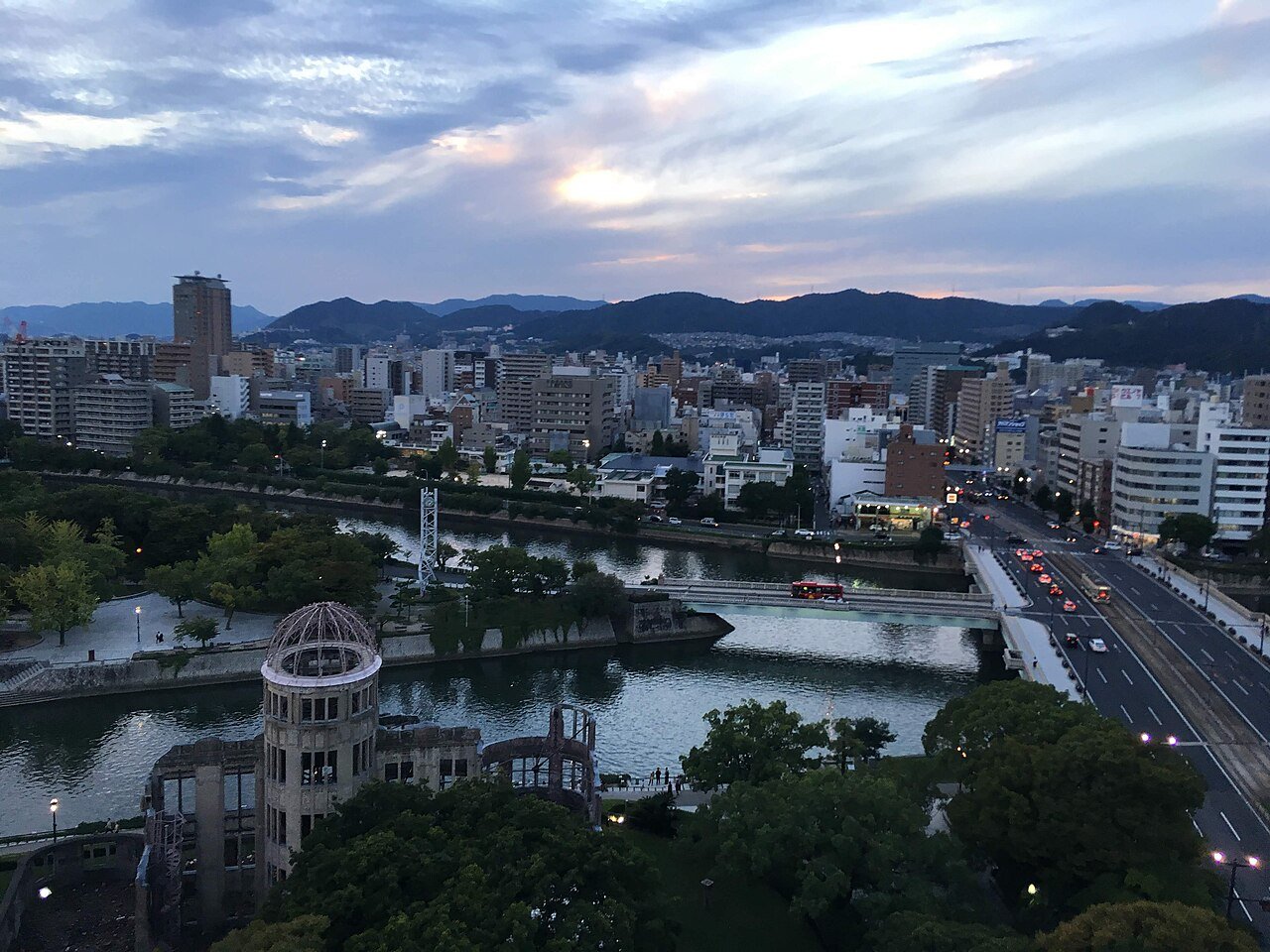
Best for: Anyone who wants to walk to Peace Memorial Park and the A-Bomb Dome in the early morning, before the day-trip coaches arrive · couples who want a lively neighbourhood base · visitors prioritising a "walkable to everything" location without needing a tram every time. Hiroshima Castle, Hondori arcade, and the best okonomiyaki restaurants are all within walking distance from here.
Area 3
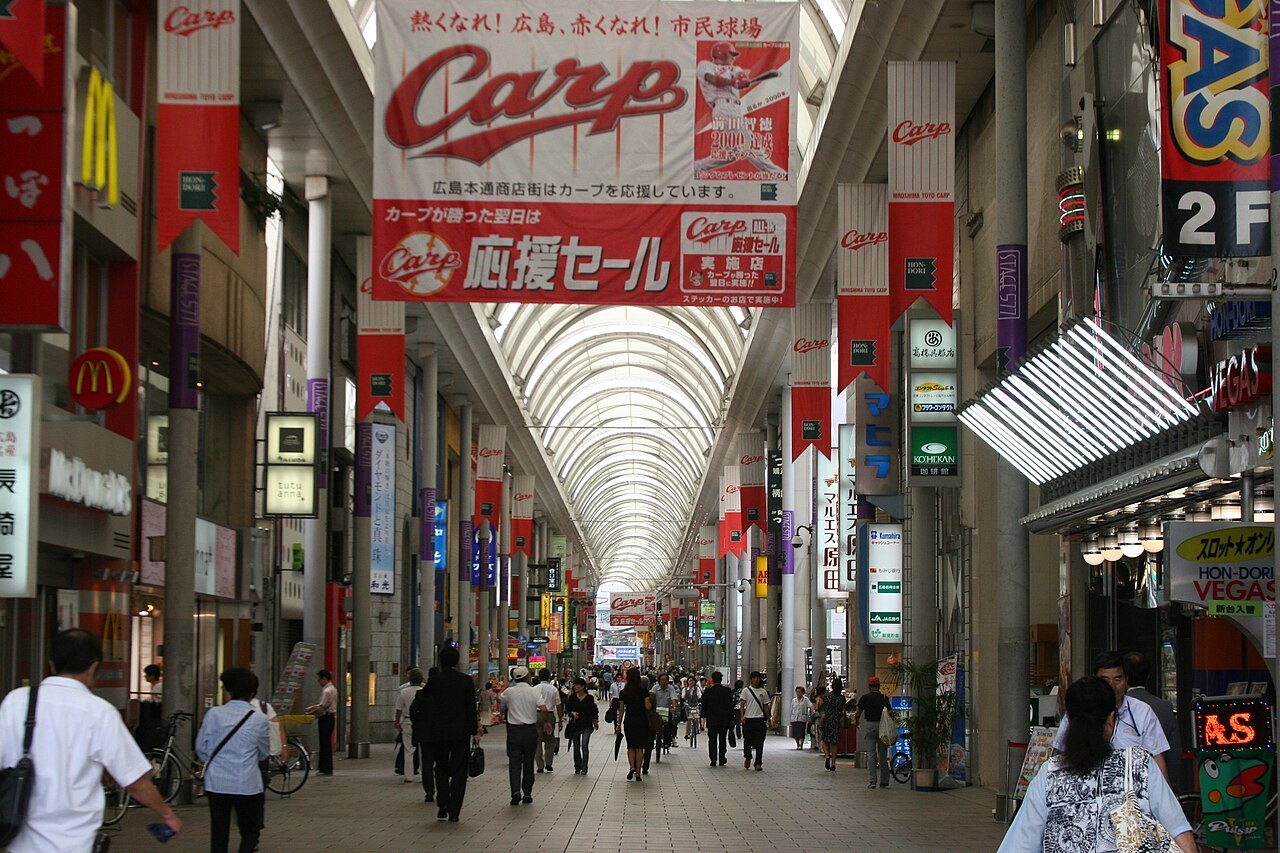
Best for: Friends travelling together who want nightlife, craft bars, and independent cafes within walking distance · younger travellers who want to see Hiroshima beyond its memorial sites · anyone who wants to browse Japanese goods, try street food, and eat late into the night. Hondori is Hiroshima's main covered shopping arcade — busy, atmospheric, full of local okonomiyaki joints, souvenir shops, and sake bars.
Area 4
Best for: Travellers who want an experience money genuinely cannot rush — after the last ferries carry the day-trippers back to the mainland, Miyajima's paths fall quiet, the torii gate catches the evening light, and deer wander lantern-lit lanes without competing with camera queues. The ryokan and resort options on the island typically include elaborate multi-course kaiseki dinners, and the early mornings are yours completely. Honest caveat: prices run ¥25,000–60,000 per night, rooms sell out months ahead, and day-tripping from Hiroshima Station is straightforward for anyone whose budget does not stretch that far.
Hiroshima offers good range: Budget: 3-star options around Hondori and Kakomachi from ¥8,000–12,000/night (roughly $55–80 USD) — functional, well-located, no frills. Mid-range: Hotel Granvia Hiroshima from ¥12,000 inside the station building, or Hilton Hiroshima from ¥20,000 in city-centre Naka Ward. Upscale: Sheraton Grand Hiroshima from ¥18,000 — five-star, Marriott Bonvoy, connected directly to the Shinkansen platform.
The right choice depends on your trip: a single-night stopover makes the Granvia hard to beat for convenience; two or more nights with city exploration tips towards the Hilton's location.
Hiroshima's Hiroden streetcar network is one of Japan's most extensive surviving urban tram systems — 8 lines, 35 km of track, covering every neighbourhood in this guide plus the ferry terminal for Miyajima. The flat ¥220 fare per journey applies regardless of distance. Suica and ICOCA IC cards work without hassle. If you plan multiple rides in a day, the Tourist Pass (1-day ¥900 / 2-day ¥1,100) saves money and includes some versions that cover the Miyajima ferry too.