Pick the right base for your trip
Hiroshima Prefecture has five distinct areas to stay in — each with a completely different atmosphere. Your choice shapes everything that follows.
The obvious base for most visitors — the Peace Memorial Park, A-Bomb Dome, Hiroshima Castle, and Shukkeien Garden are all within walking distance or a short tram ride. Hondori shopping arcade and the Okonomimura stall building are here too. Hotels range from budget business hotels to river-view mid-range choices.
Staying on Miyajima overnight transforms the experience. After the day-trippers leave on the last ferry, the island becomes eerily quiet — deer drift through the empty shrine corridors, the torii glows in evening light, and you have it almost entirely to yourself. Ryokans here serve Seto Inland Sea kaiseki dinners and are genuinely special.
Onomichi has an effortlessly cool, lived-in atmosphere — narrow lanes climbing hillsides, cats sunning themselves on temple steps, a waterfront lined with repurposed warehouse cafes. It's the starting point of the Shimanami Kaido, and the right place to base yourself if cycling is the focus.
Japan's former naval headquarters, 30 minutes from Hiroshima city by JR. The Yamato Museum — built around a 1:10 scale replica of the battleship Yamato — is extraordinary, and the Iron Whale submarine museum next door is genuinely unique. A day-trip destination from Hiroshima city.
Tomonoura is a beautifully preserved old port town on the Seto Inland Sea — stone sea walls, fishing boats, sake breweries. Hayao Miyazaki's "Ponyo" was inspired by views from here. Fukuyama is 10 minutes away and makes a convenient Shinkansen stop between Hiroshima and Osaka.
Packed with business hotels at competitive prices, and the Shinkansen, JR Sanyo Line (to Miyajima), and city trams all depart from here. Not as atmospheric as the Peace Park area but very practical for early Shinkansen departures or late arrivals.
3 well-placed hotels across every budget
Whether you want a city-centre base near the Peace Park, a ryokan on Miyajima, or a budget-smart business hotel by the station — these three cover the range.
Food you absolutely must try in Hiroshima
Hiroshima's food identity is defined by two things above all: the layered okonomiyaki that the whole city is obsessed with, and oysters so fresh and plentiful they're grilled, steamed, fried, and served raw at every price point.
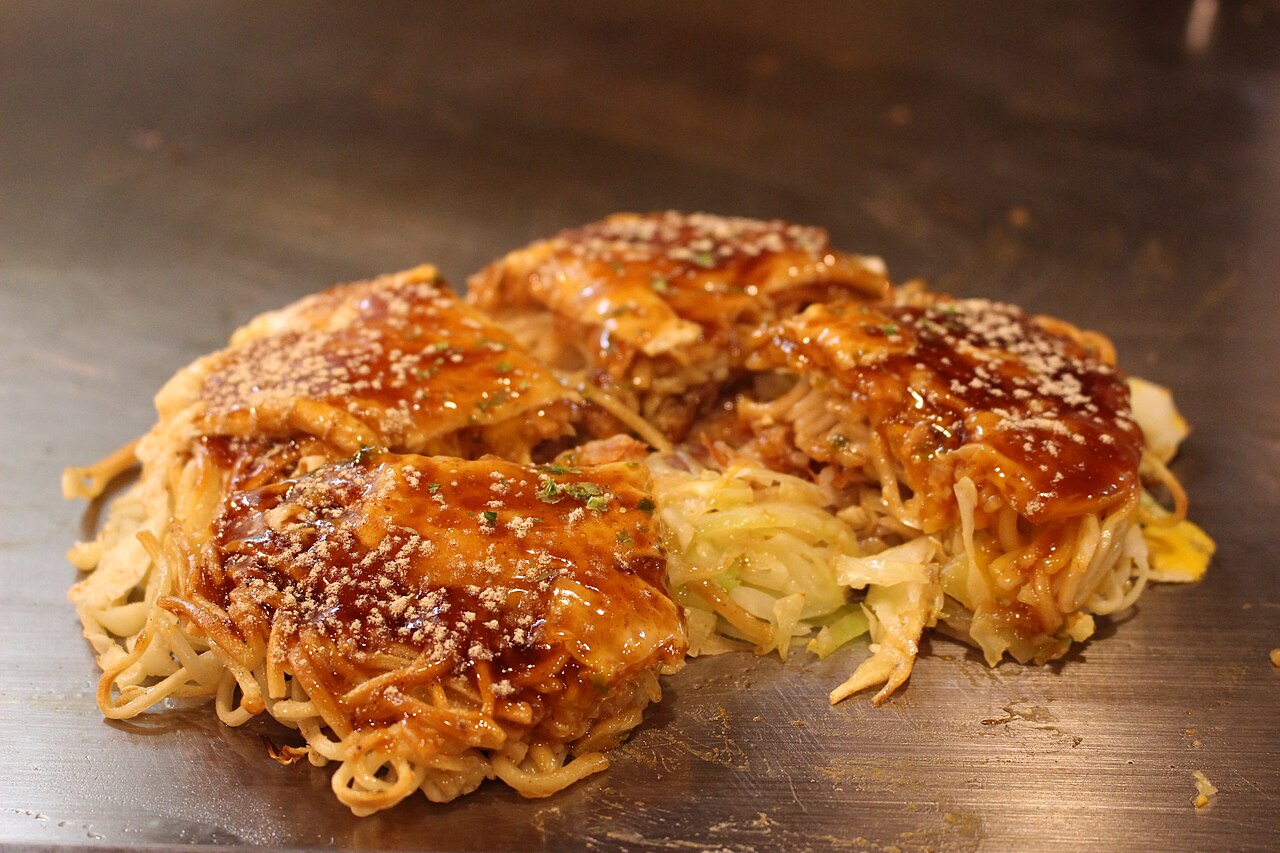
If you've only had the Osaka mixed style, you haven't tried the real thing. Hiroshima's version is assembled in distinct layers — batter base, mountain of shredded cabbage, thin-sliced pork belly, a tangle of stir-fried yakisoba noodles, then a fried egg spread on top and the whole stack flipped. Head to Okonomimura near Hondori: a three-storey building with more than 25 competing stalls, each with their own recipe passed down through generations.
Hiroshima original · Okonomimura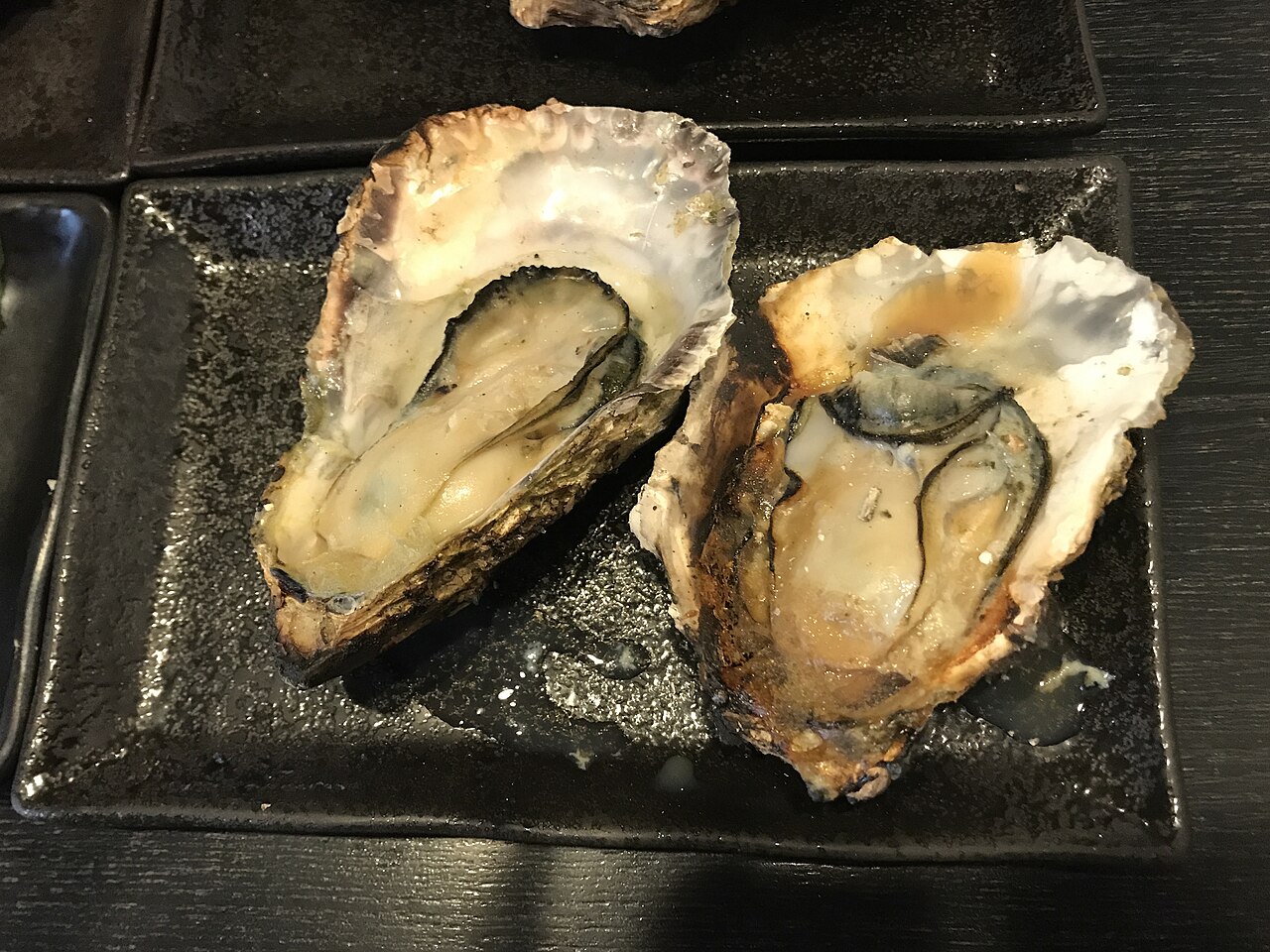
The sheltered waters of the Seto Inland Sea create ideal conditions for oyster farming. Hiroshima produces roughly 60% of all oysters farmed in Japan. Eat them grilled over charcoal at Miyajima's Omotesando street stalls, raw at a city-centre seafood bar, fried in panko batter (kaki furai), or in a rich miso soup. Peak season runs October through March, but they're worth eating year-round.
Year-round · peak Oct–Mar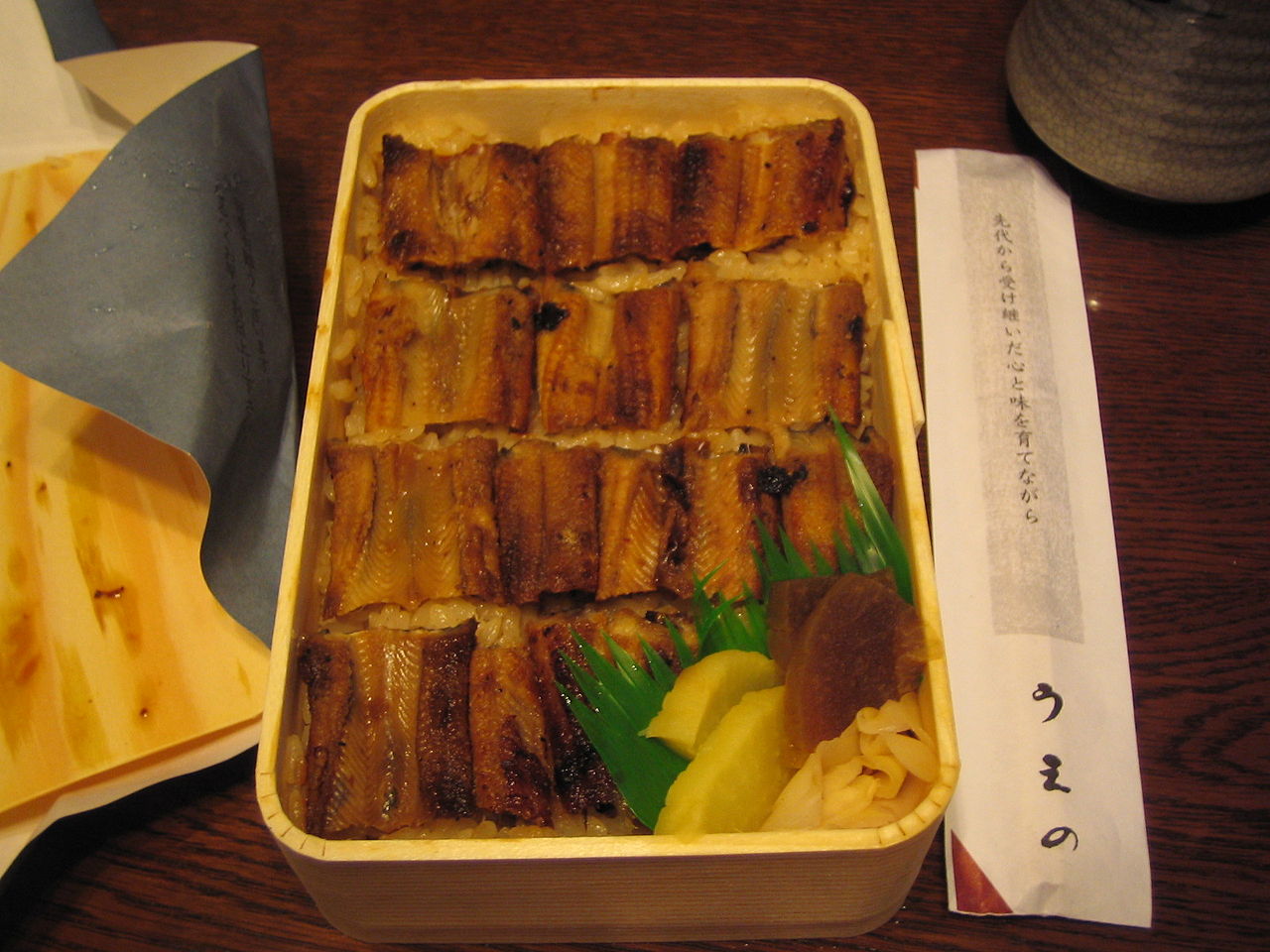
While the world knows unagi (freshwater eel), Miyajima's signature dish uses anago — conger eel from the Seto Inland Sea. The eel is simmered in a sweet soy-based broth until silky-soft, then grilled and laid over seasoned rice in a lacquered bento box. Warashibe and Ueno, both on Omotesando shopping street, have queued for it since the Meiji era. Buy a takeaway box and eat it on the waterfront facing the torii.
Miyajima specialty · Omotesando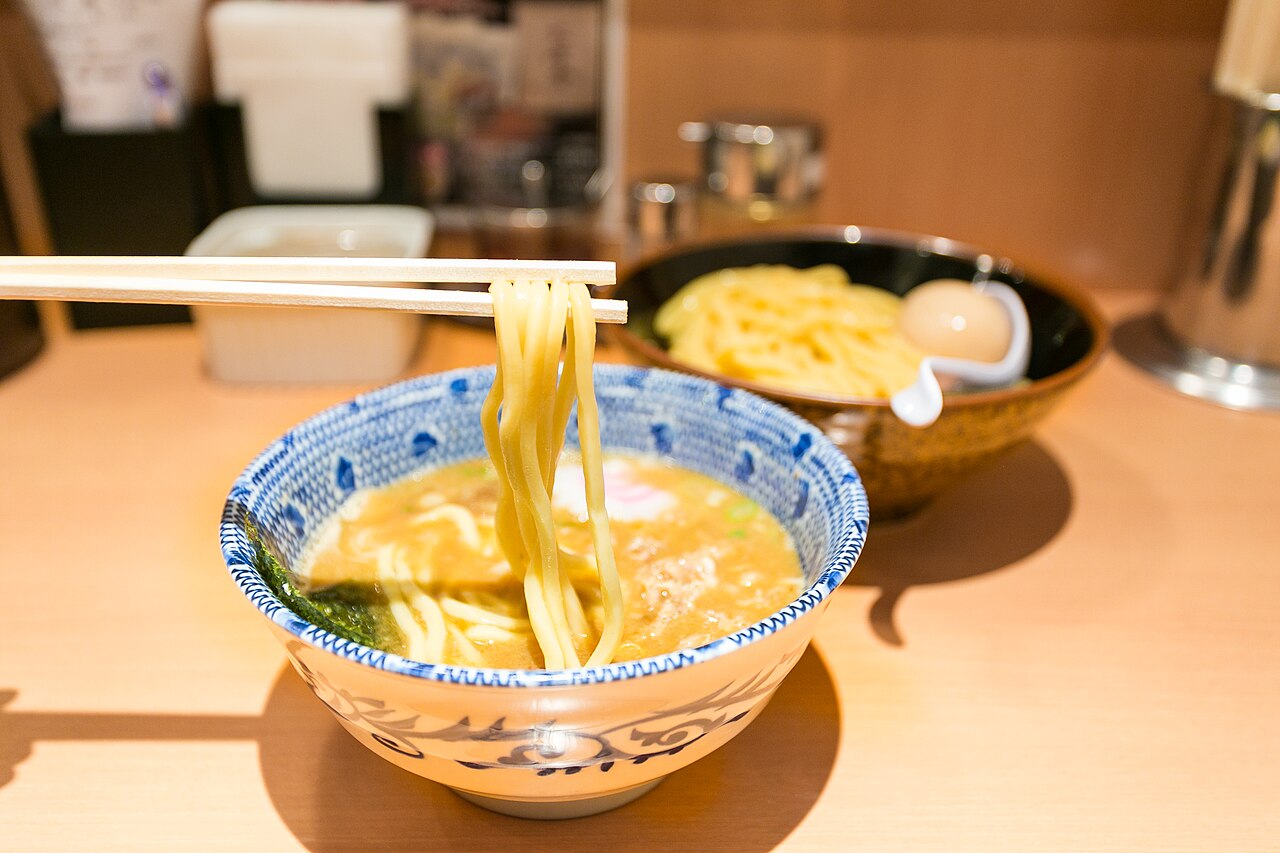
Hiroshima's version of tsukemen (dipping noodles) has a cult following in the city. The dipping broth is more intensely spiced than the Tokyo style — bright red, made with a complex chili and sesame base — and the noodles are served cold for contrasting texture. You set the spice level from 0 to 10 when you order. Several dedicated shops cluster around Hiroshima Station.
Local cult classicAttractions you have to visit in Hiroshima Prefecture
From the world's most important peace memorial to a mythical floating shrine and a hill-town gateway to one of Asia's greatest cycle routes — Hiroshima rewards time.
A-Bomb Dome & Peace Memorial Park
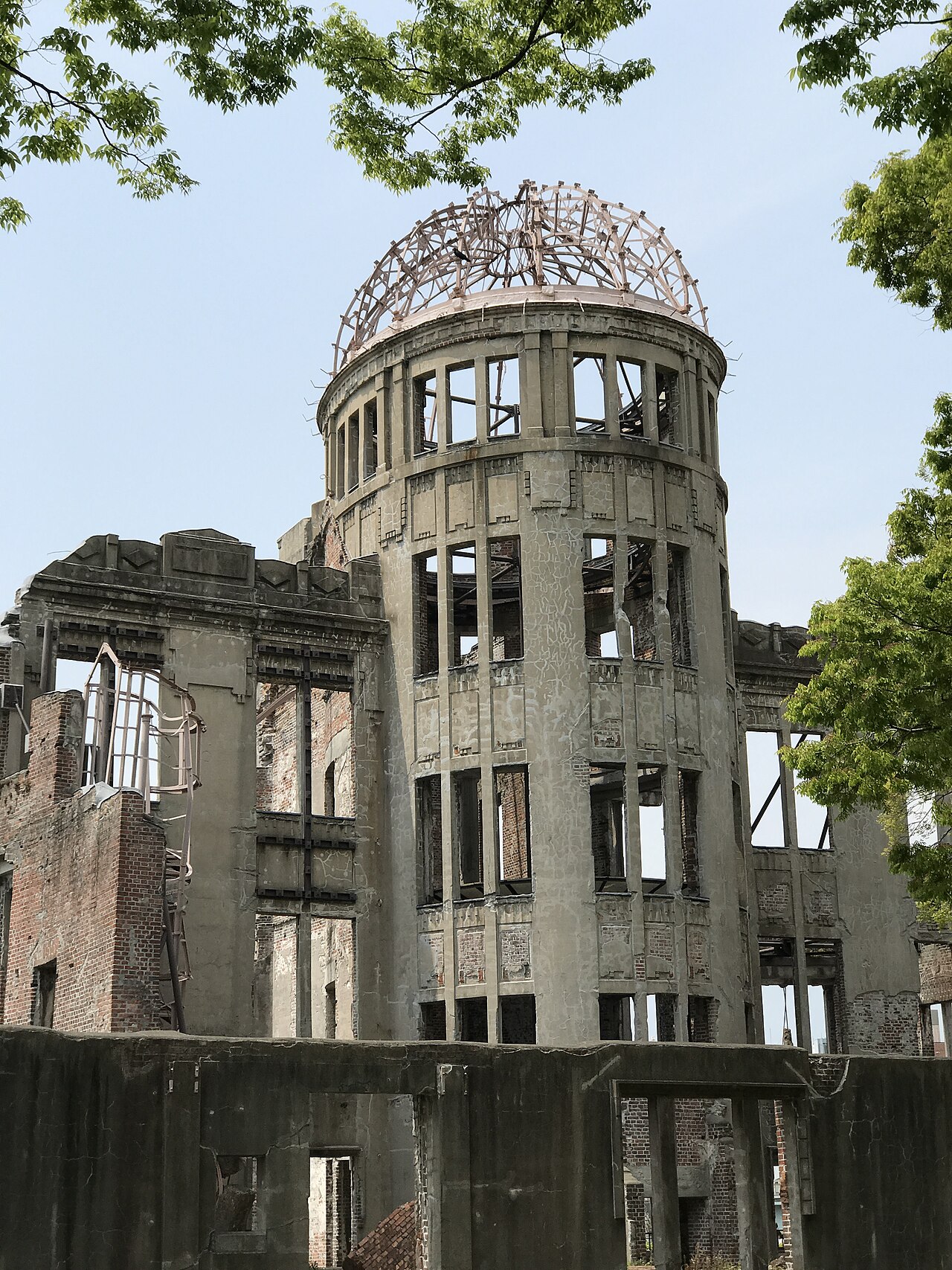
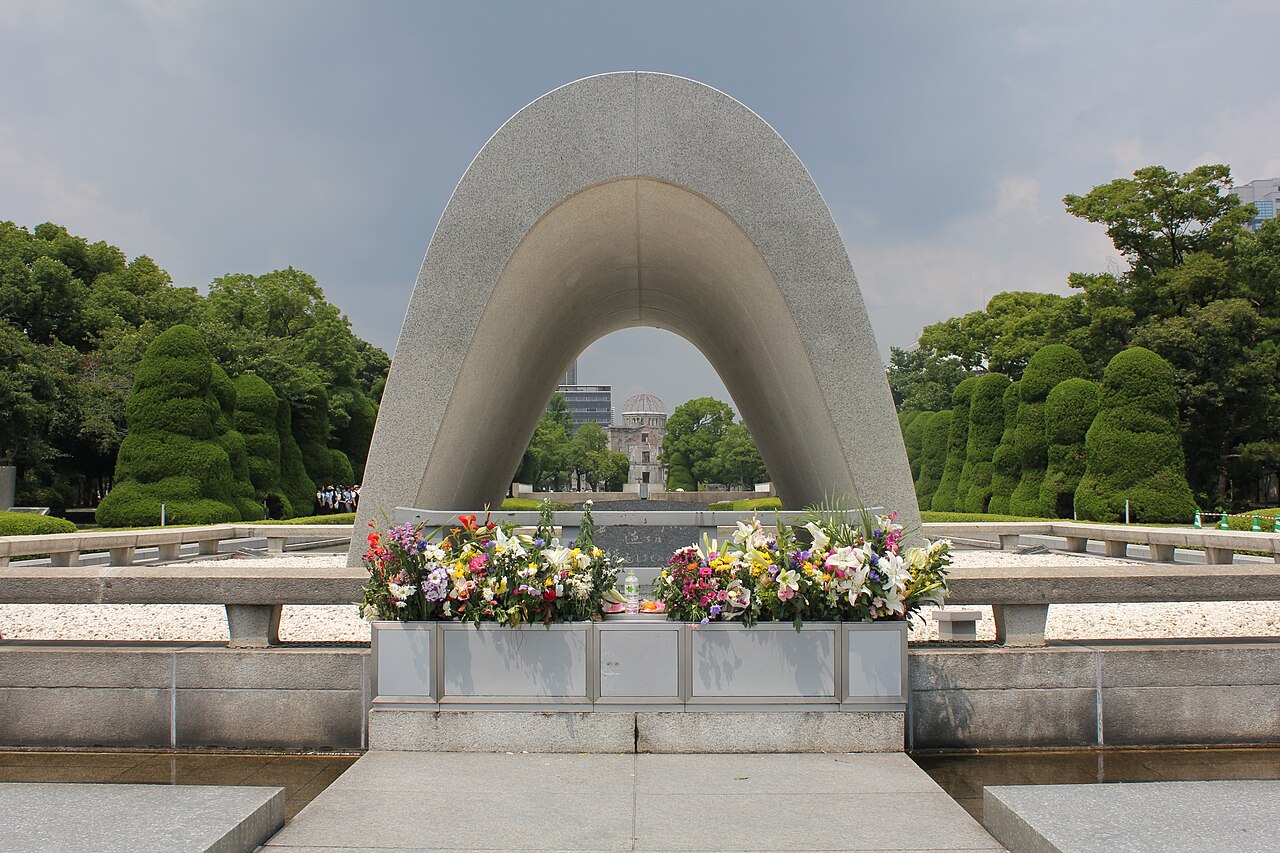
On the morning of August 6, 1945, an atomic bomb detonated almost directly above what was then the Hiroshima Prefectural Industrial Promotion Hall. The building's skeletal iron dome survived the blast — and by collective decision, it was left exactly as it fell. A permanent witness. Today the A-Bomb Dome stands at the northern tip of Peace Memorial Park, surrounded by the Motoyasu River and the quiet footsteps of visitors from every country on earth. The Peace Memorial Museum nearby holds personal belongings of the approximately 140,000 people who died by the end of 1945. The exhibits are not easy to look at. They are not meant to be. Allow at least two hours, and go with a willingness to be moved.
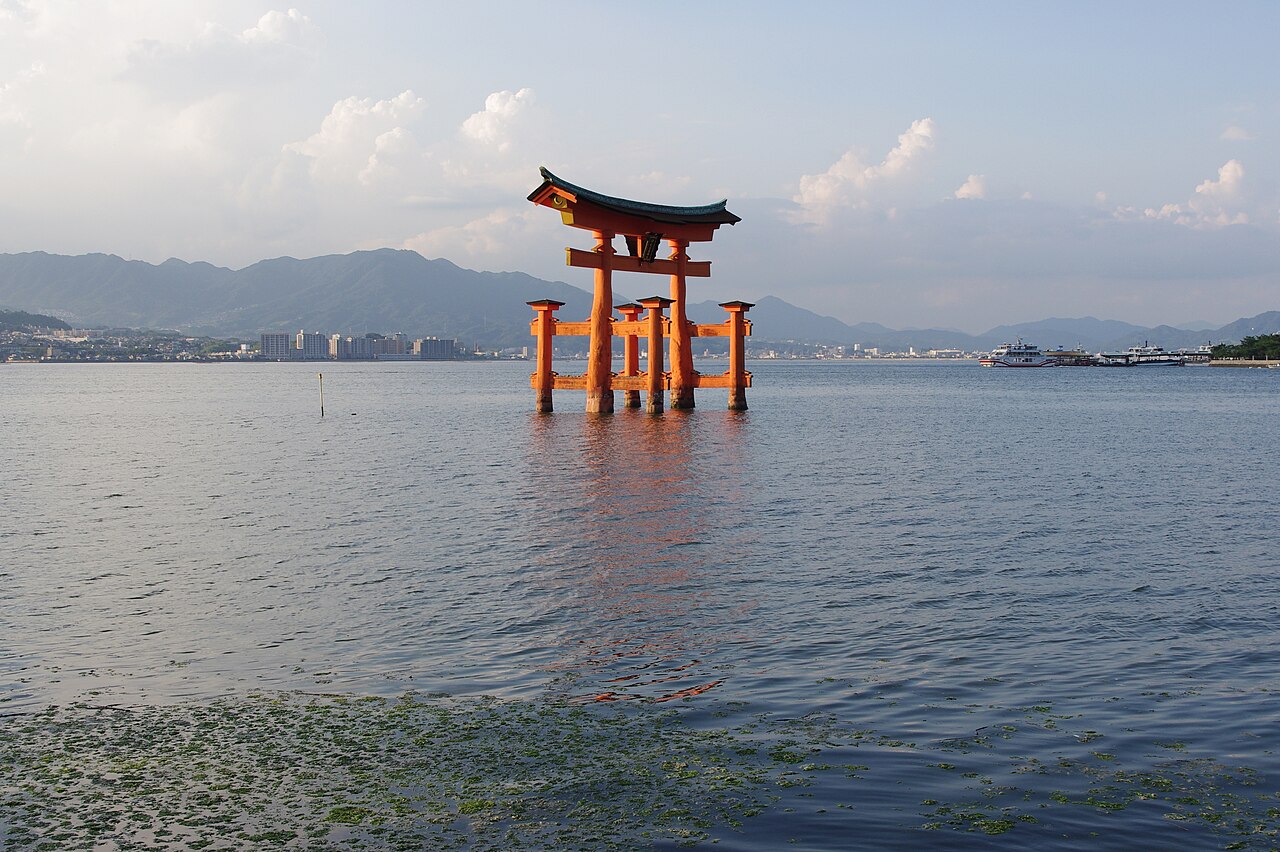
One of Japan's officially designated "Three Views" — the great vermilion torii of Itsukushima Shrine appears to float on the sea at high tide. At low tide you can walk out to it across the sand. Take the ferry from Miyajimaguchi (~10 min) and allow a full day: the shrine, Mount Misen ropeway, Omotesando food street, and the deer who roam freely through all of it.
UNESCO · Japan's Three Views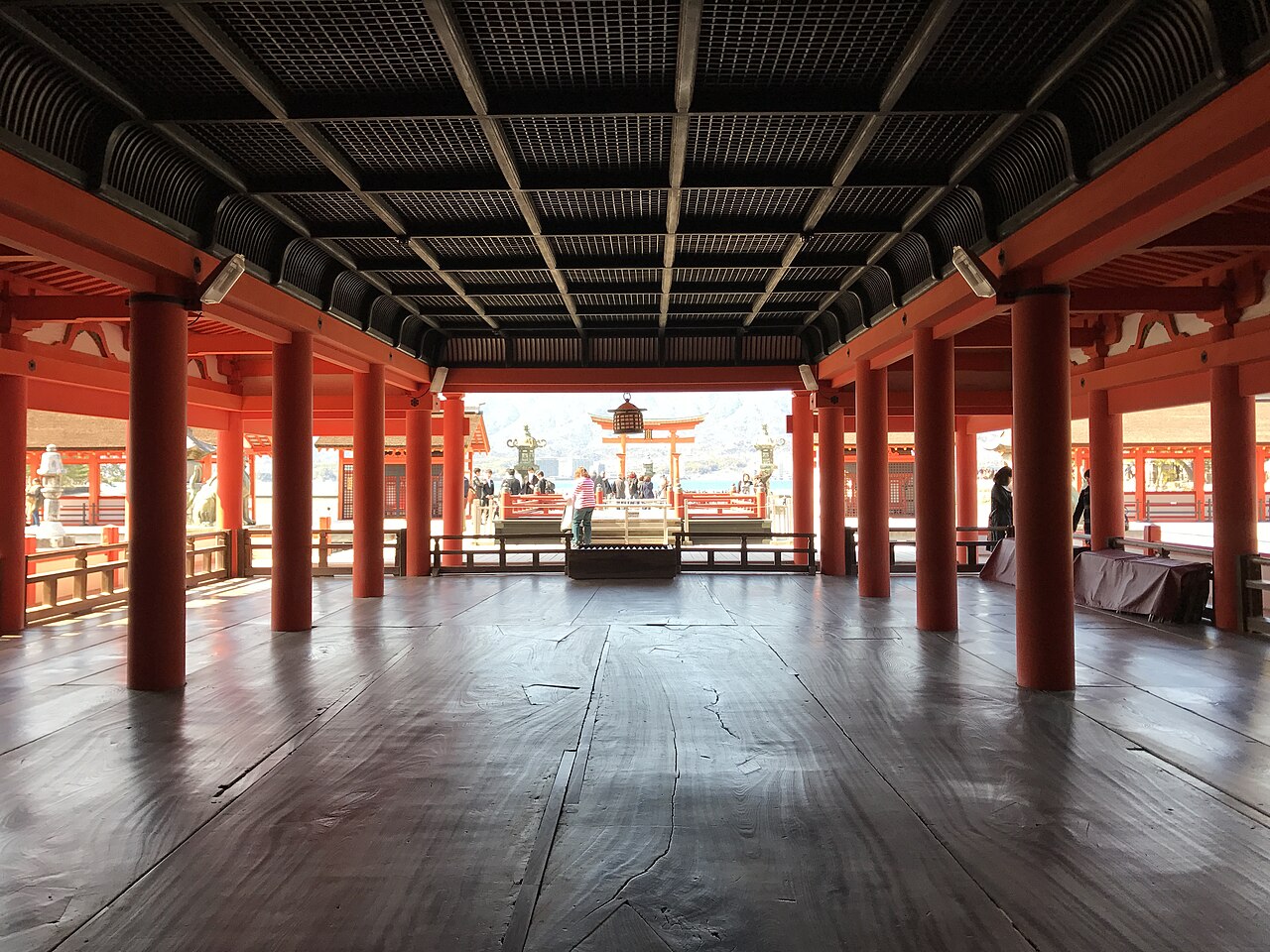
Built over the sea on wooden stilts, the shrine's covered galleries, no-hana stage, and main hall are reflected in the water at high tide in a scene that looks more painted than real. Founded in the 6th century and designated a UNESCO World Heritage Site along with the surrounding forest. The shrine is approached through the sea gate of the torii. Entry ¥300.
UNESCO · Over-water shrine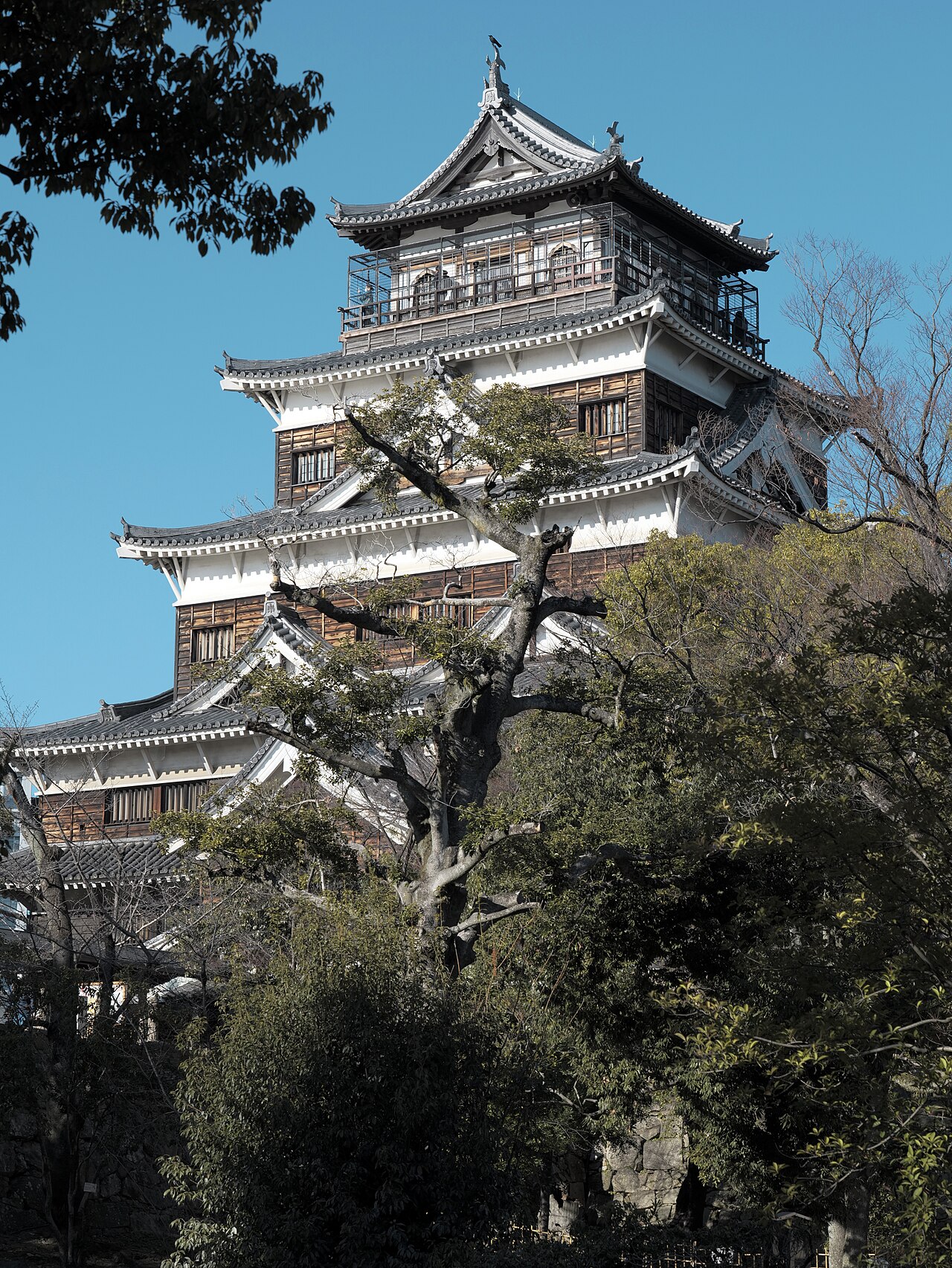
Known locally as Rijo-jo ("Carp Castle"), originally built in 1589 and destroyed by the atomic bomb. The 1958 reconstruction contains a museum of feudal history, and the moat and grounds are one of Hiroshima's finest cherry-blossom spots in late March. The five-storey keep offers sweeping views over the city and mountains.
Cherry blossom late March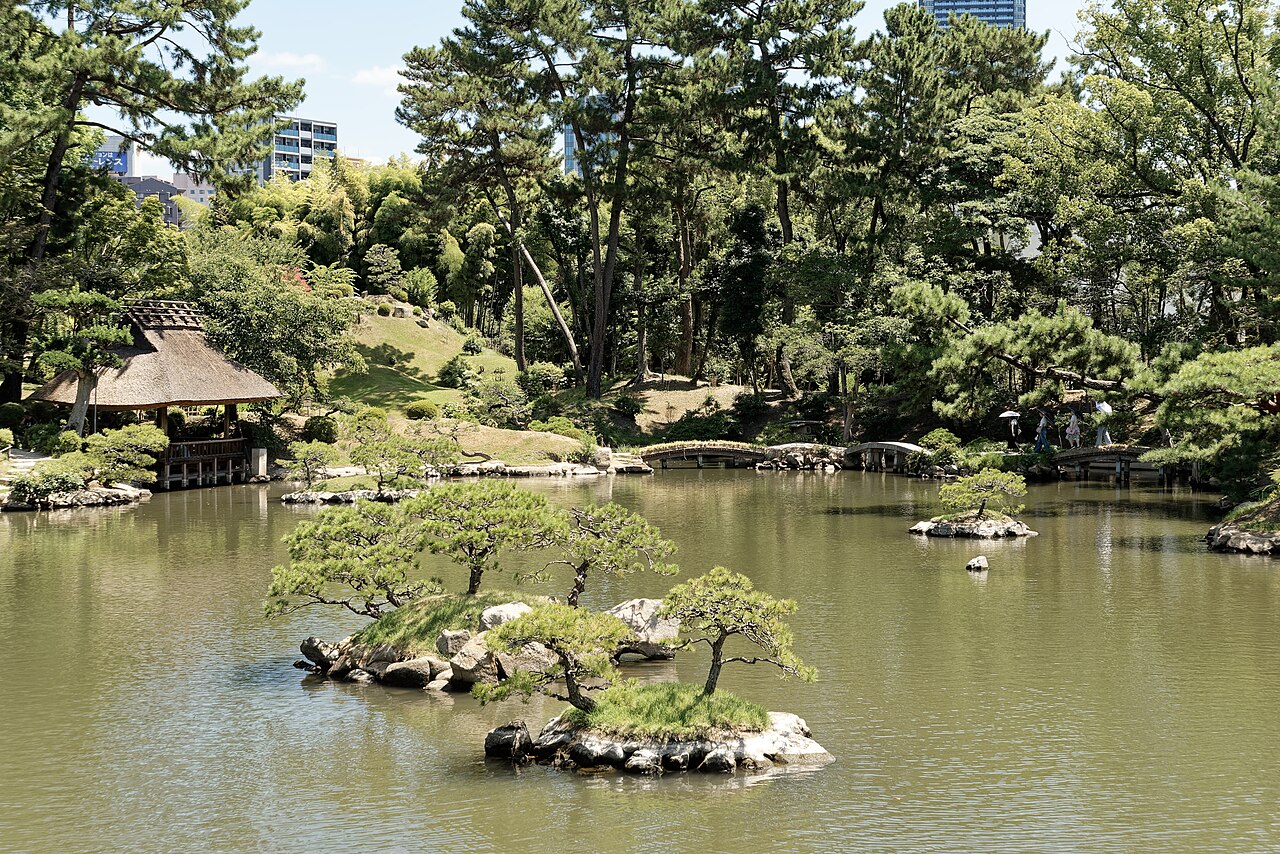
Laid out in 1620 by a samurai lord who modelled it on the West Lake in Hangzhou, Shukkeien uses its central pond and winding bridges to create the illusion of a much larger landscape. Devastated in 1945 and meticulously restored, it's one of Hiroshima's most tranquil spots. Autumn maples make it especially beautiful from late October.
Autumn foliage late Oct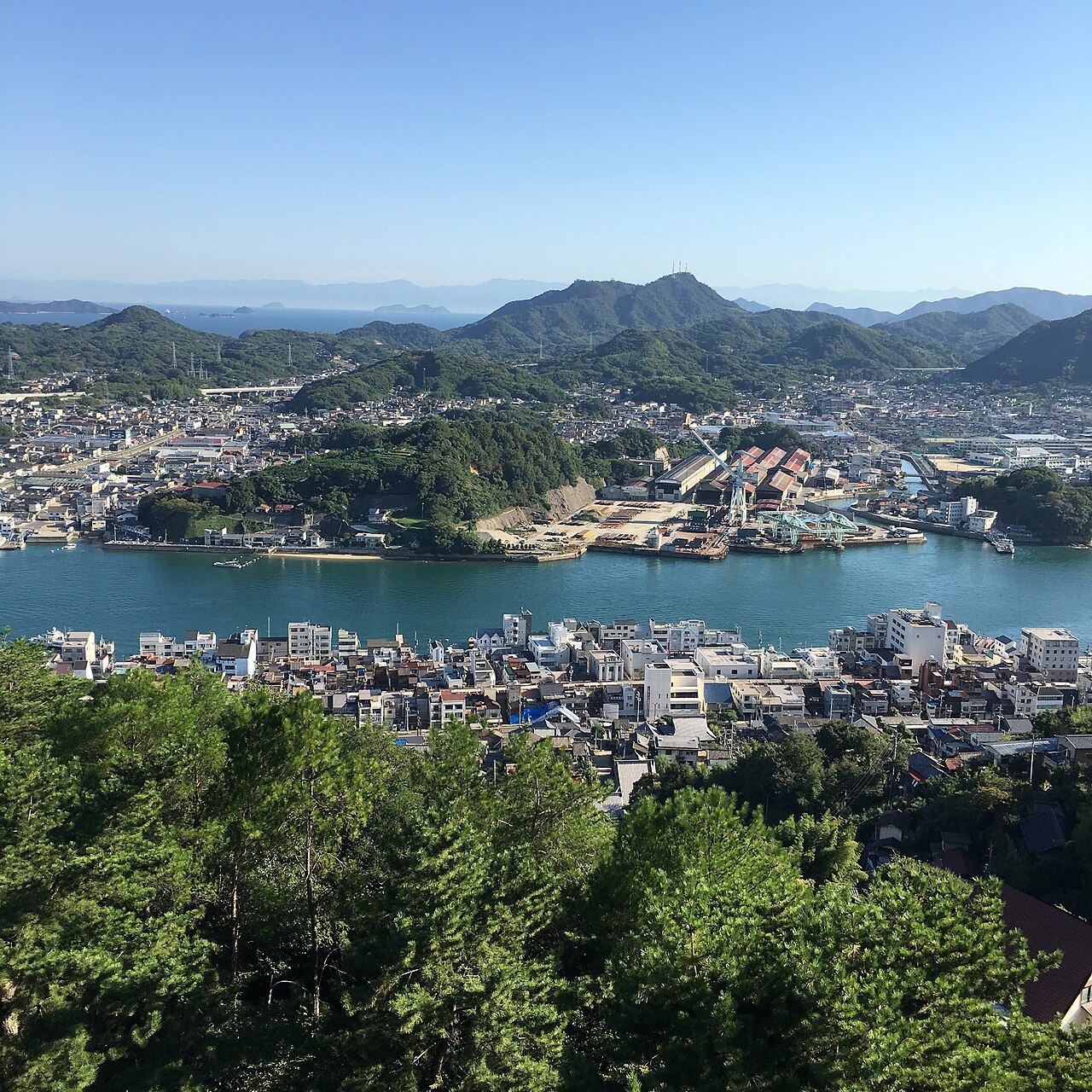
A hillside port town where narrow lanes connect 25 temples along the Senkoji-yama temple walk, and stray cats have colonised the stone steps so thoroughly there's a dedicated "cat alley" (Neko no Hosomichi). At the waterfront, the Shimanami Kaido begins — a 70 km cycleway across six islands and six suspension bridges to Imabari in Shikoku. Rent a bike and ride as far as you like.
Temple walk · Shimanami Kaido gatewaySample Hiroshima itinerary — 3 days, 2 nights
This itinerary covers the emotional and scenic core of the prefecture without rushing — Day 1 in the city, Day 2 on Miyajima, Day 3 out to Onomichi. Based in Hiroshima city centre.
Everything you need to know before flying to Hiroshima
Essential facts and practical steps to make your Hiroshima trip run smoothly — from arriving by Shinkansen to getting the ferry to Miyajima.
Most visitors arrive by Shinkansen at Hiroshima Station. Hiroshima Airport (HIJ) serves domestic flights; the limousine bus to the city takes ~45 min. The Peace Park area is 15–20 min by city tram from the station. · Japan transport guide →
Hiroshima's tram network (Hiroden) covers the city centre for a flat ¥220 fare. ICOCA or Suica IC cards work on trams and the JR Sanyo Line. For Miyajima, take JR to Miyajimaguchi then the 10-min ferry (JR Pass valid on JR ferry).
Allow a full morning minimum — 2–3 hrs just for the museum and park. Free audio guides are available. The Peace Ceremony on August 6 draws thousands — book accommodation months in advance for that date.
Activate a Japan eSIM before you fly — covers all of western Honshu including Hiroshima city, Miyajima, and the Shimanami Kaido islands on 4G/5G.