6 things to eat before you leave Hiroshima
Ranked by how irreplaceably local they are — dishes you will not find done quite like this anywhere else.
 1
1
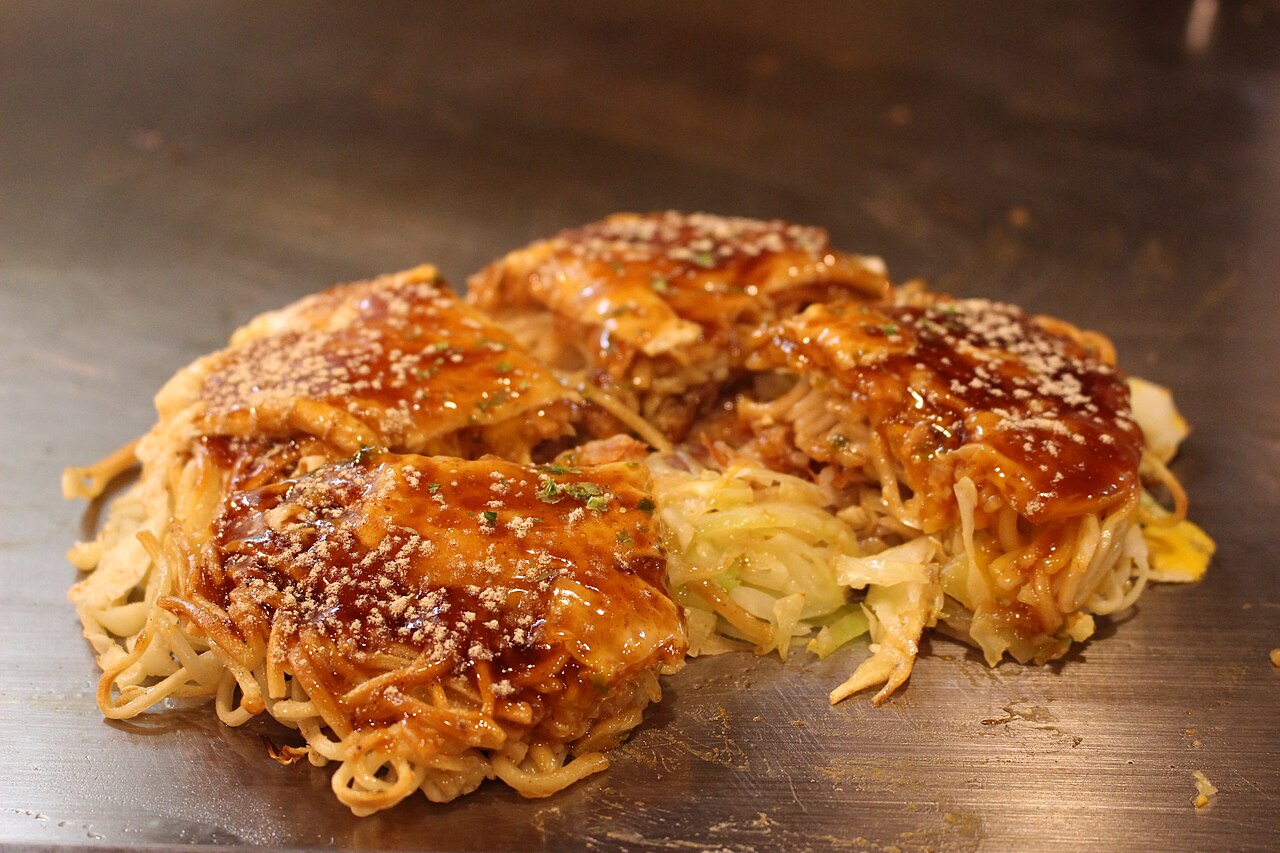
If you have eaten okonomiyaki in Osaka, set that aside for now — the Hiroshima version starts with a thin crepe of batter on the iron, then a mountain of shredded cabbage (genuinely enormous), then fried yakisoba or udon noodles, then pork slices or seafood, then another thin batter layer. Underneath, separately, a cracked egg fries in the pan's edge before the whole stack is flipped onto it. You end up with distinct, readable layers — soft sweet cabbage, crisp noodles, fragrant egg — all topped with thick okonomiyaki sauce and Japanese mayonnaise. It is a much larger plate than the Osaka version and the flavour is richer for it. The debate between the two cities is settled, locally, in Hiroshima's favour.
 2
2
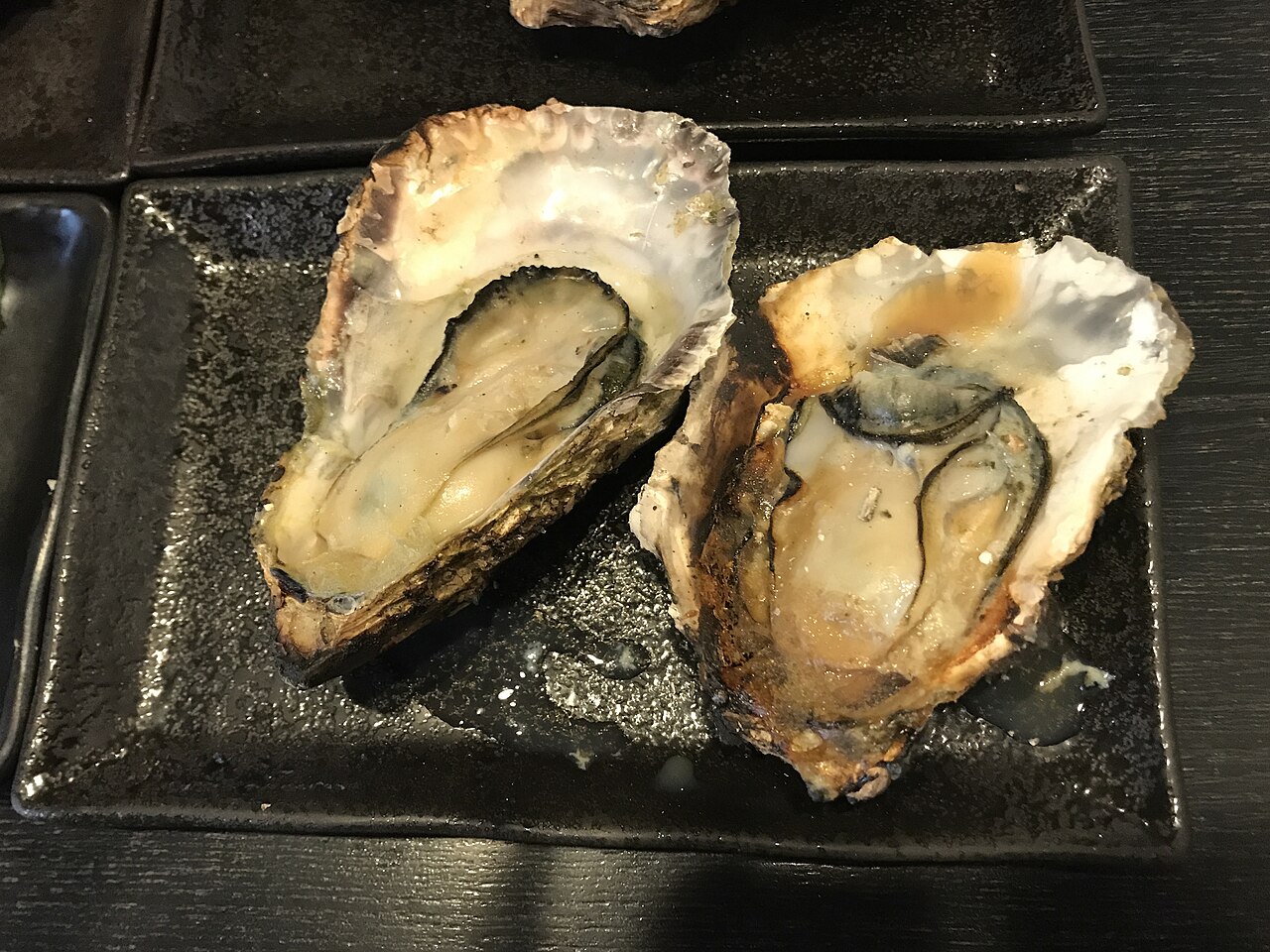
If you have ever bought oysters at a Japanese supermarket and wondered where they came from, the answer is probably Hiroshima. Six rivers drain mineral-rich mountain water into a sheltered bay that produces the ideal conditions for fast-growing, flavour-dense oysters. The result is a shellfish that is visibly larger than oysters from most other Japanese prefectures — and the flavour is correspondingly deep, briny and sweet. You can eat them three ways: nama-gaki (raw, with a squeeze of lemon), yaki-gaki (grilled over charcoal until the edges just curl and the juices concentrate), or kaki furai (breaded and fried to a crisp golden shell). All three are correct answers.
 3
3
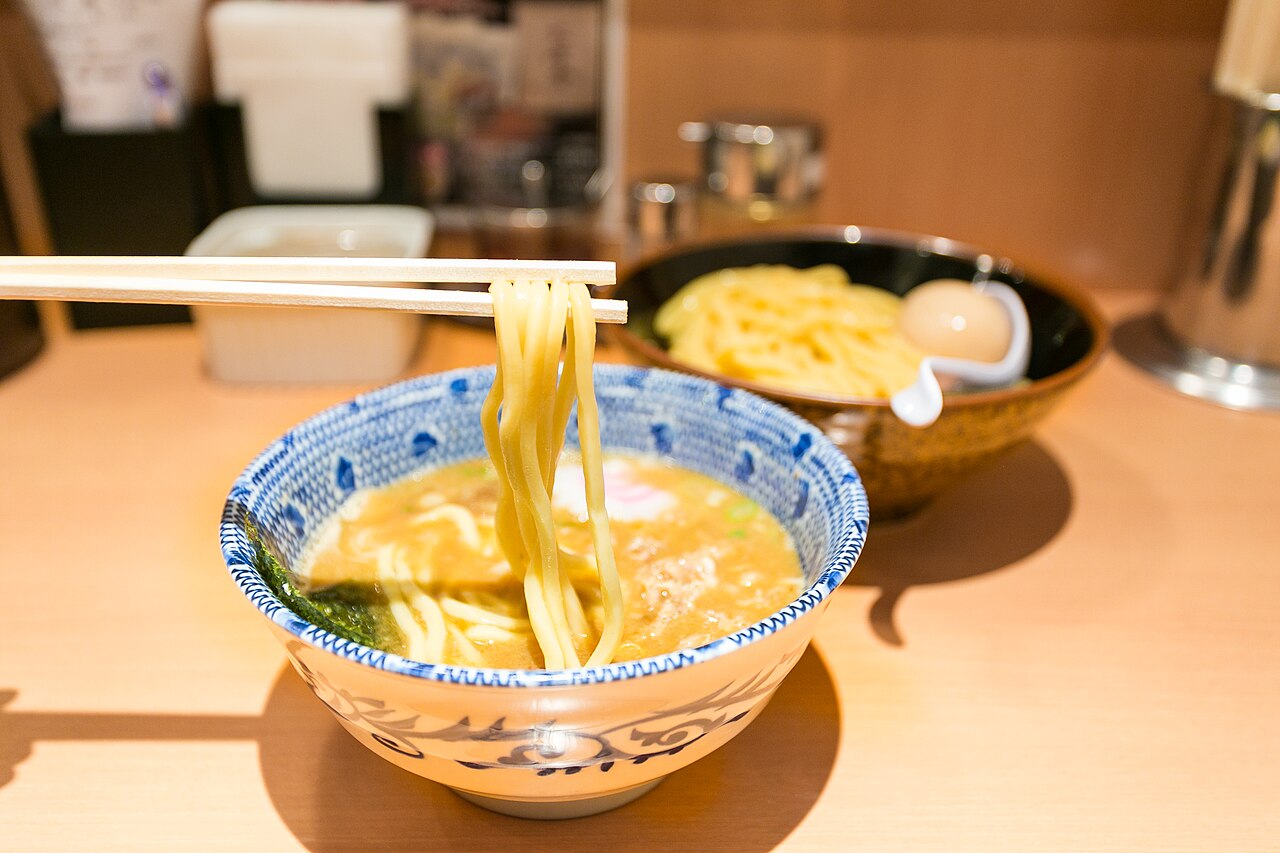
Tsukemen — thick noodles eaten by dipping into a separate broth rather than swimming in it — originally came from Tokyo. Hiroshima took the format and rewrote the broth. The Hiroshima version uses dried chilli, chilli oil, sesame, rice vinegar and seafood dashi from the Seto Inland Sea, served cold. You lower a tangle of thick noodles into it, coat each strand, and eat. The broth is bold and layered — spicy on the front, nutty in the middle, deeply savoury and faintly sour throughout. Most restaurants let you choose your chilli level from zero to ten. At the end, staff bring hot water to pour into your remaining broth so you can drink it as a warm soup — do not skip this part.
 4
4
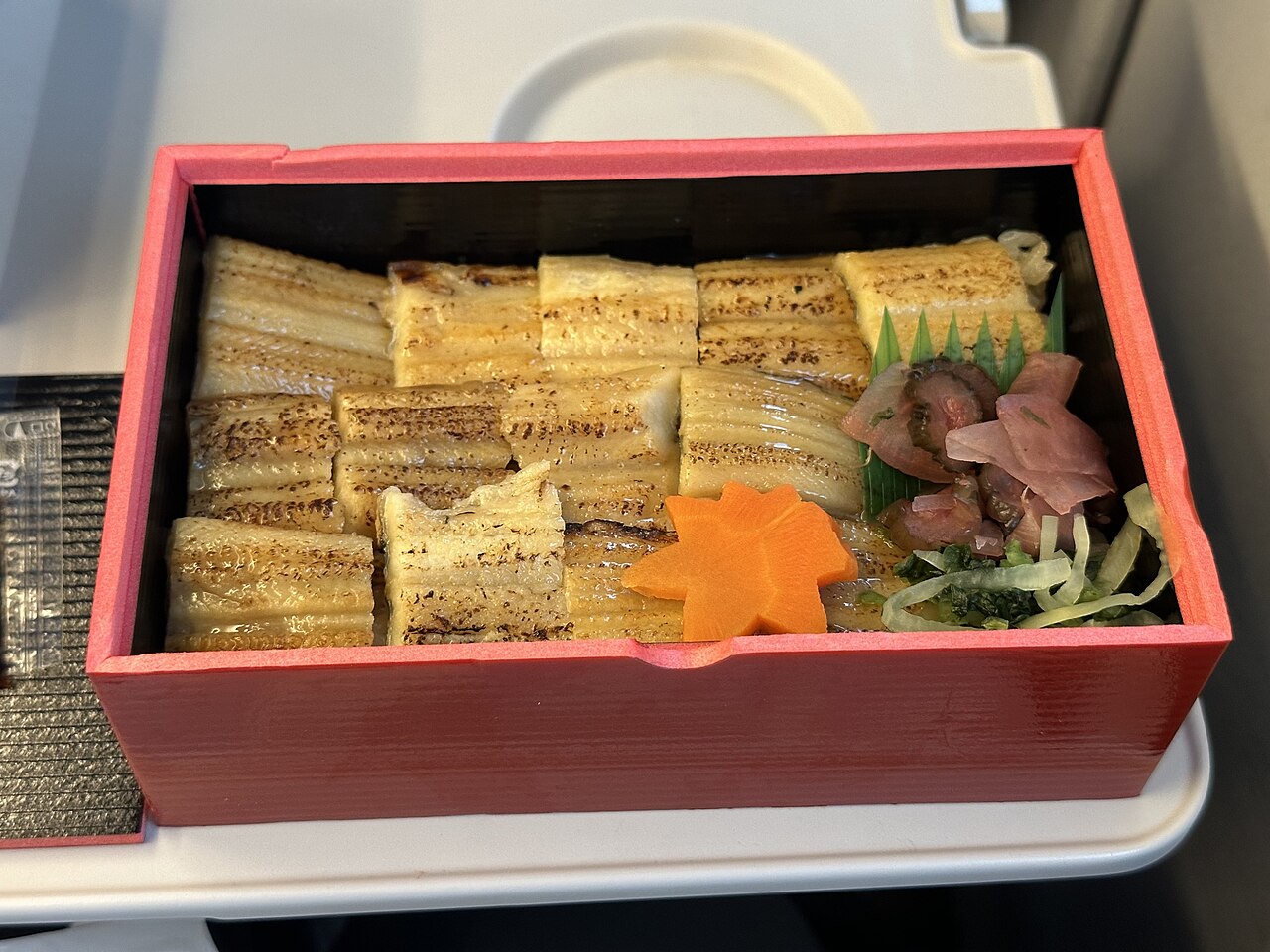
Anago (穴子) is saltwater conger eel — leaner, more delicate and sweeter than the freshwater unagi most visitors know. The Miyajima preparation is centuries old in spirit and formalized since 1901, when Tanikichi Ueno refined it into a bento lunch: the eel is gutted, skewered and grilled over bincho charcoal while being basted repeatedly in a glaze of soy, mirin and sake. The finished pieces are arranged over rice that has been steamed with dashi stock rather than plain water. The flavour is quietly rich — sweet and smoky, nothing aggressive, the eel dissolving softly rather than needing to be chewed. It tastes best eaten on the ferry from Miyajimaguchi.
 5
5
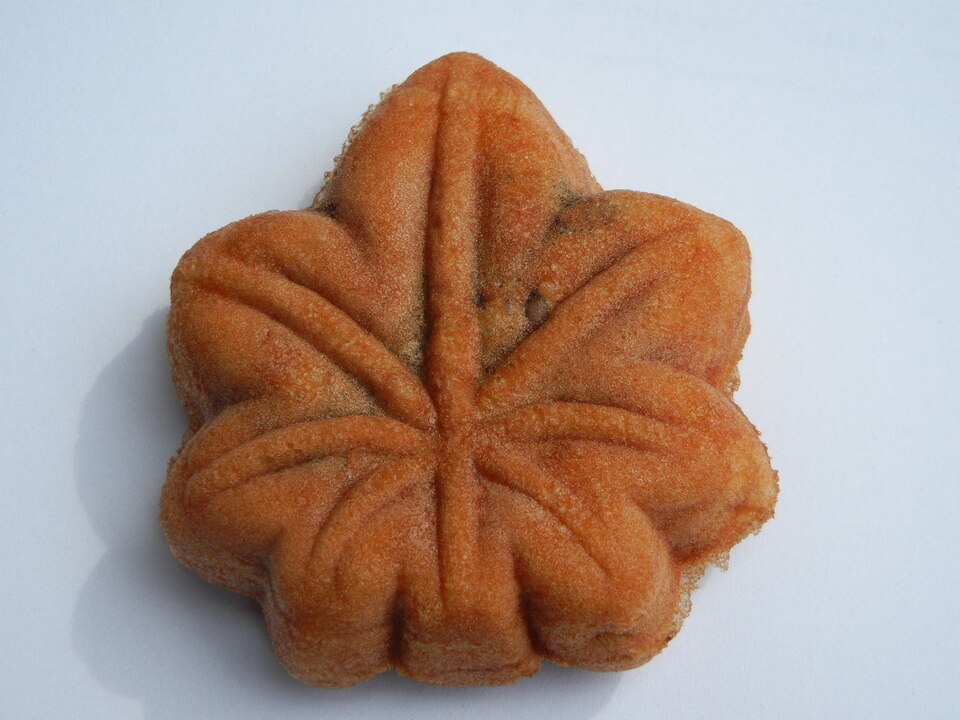
The Japanese maple leaf (momiji) is the symbol of Miyajima, and the little cakes pressed into that shape are one of the best-selling souvenirs in all of Japan — which should not put you off them. The classic filling is anko, a smooth sweet red-bean paste, but the shops on Miyajima's Omotesando arcade now offer dozens of variations: custard cream, matcha, chocolate, yuzu, cheese, chestnut in season. The base cake — a fluffy, faintly sweet castella-style sponge — is good enough that the filling almost doesn't matter. More important: the fried version, age-momiji, is sold on sticks at street stalls on the island. Batter-fried until the shell shatters slightly, warm and yielding inside, it costs ¥200–250 and should be eaten on the spot.
Hiroshima is Japan's largest producer of lemons — a fact most visitors do not know until they start noticing the citrus motifs everywhere. The lemons come from small islands in the Seto Inland Sea and are grown without the post-harvest pesticide treatment used on most imported lemons, which means the zest is edible and the skin is thin enough that the oil in the peel comes straight through. You will find Hiroshima lemon in beer (the Setouchi Lemon cans are genuinely refreshing), in ramen broth, squeezed over grilled oysters, baked into tarts and loaf cakes, and mixed into soft-serve ice cream. Any menu that says "Hiroshima lemon" is worth investigating — it does not taste like the lemons you are used to.