Hat Yai is a food-and-shopping city, not a beach town, so the area you pick comes down to how close you are to the markets, the malls and the railway station. Here's who each one suits — and the honest trade-offs before you book.
Hat Yai isn't the beach town some people expect — it's the food-and-shopping city and commercial hub of southern Thailand, with the good stuff packed into the centre: morning dim sum, Hat Yai fried chicken, Kim Yong Market, the Lee Gardens and Central malls, and the night markets. There's no BTS or MRT here, and no city train at all (only the intercity Southern Line runs through), so if you sleep in the wrong corner of town you'll burn time and songthaew or Grab fares getting back to the centre for every meal.
The good news is that the main areas sit closer together than they do in a beach town. We've split it into five areas — from the downtown core where everything is on foot to the option of basing yourself by the sea in Songkhla and day-tripping into Hat Yai. Each has a distinct feel, price level and headline draw. Get this right before you book and the rest of the trip falls into place.
Want the bigger picture of the trip first? Start with the Hat Yai first-timer guide. Otherwise, if you just want a straight answer on where to stay — read on.
For a first trip, the downtown core around Niphat Uthit Road is the most balanced base, because Hat Yai is a food-and-shopping city where the good stuff is all within walking distance. You can walk to morning dim sum and Hat Yai fried chicken, to Kim Yong Market, Lee Gardens and Central Festival, and to the Greenway Night Market in the evening — no ride for every meal. The range of rates is the widest of any area, from guesthouses behind the market to full-service hotels attached to the malls. If you don't know the city yet, this is the safe, hard-to-regret choice. The trade-off: it's the densest part of town and stays lively at night, so light sleepers may notice the buzz.
For recommended hotels across every budget, each with links to compare prices on three sites before you book, see the Hat Yai city guide — scroll to the recommended-hotels block, with options both attached to the malls and within walking distance of the markets.
See all Hat Yai hotels →Who fits where, with the honest trade-offs — choose the one that matches your trip.
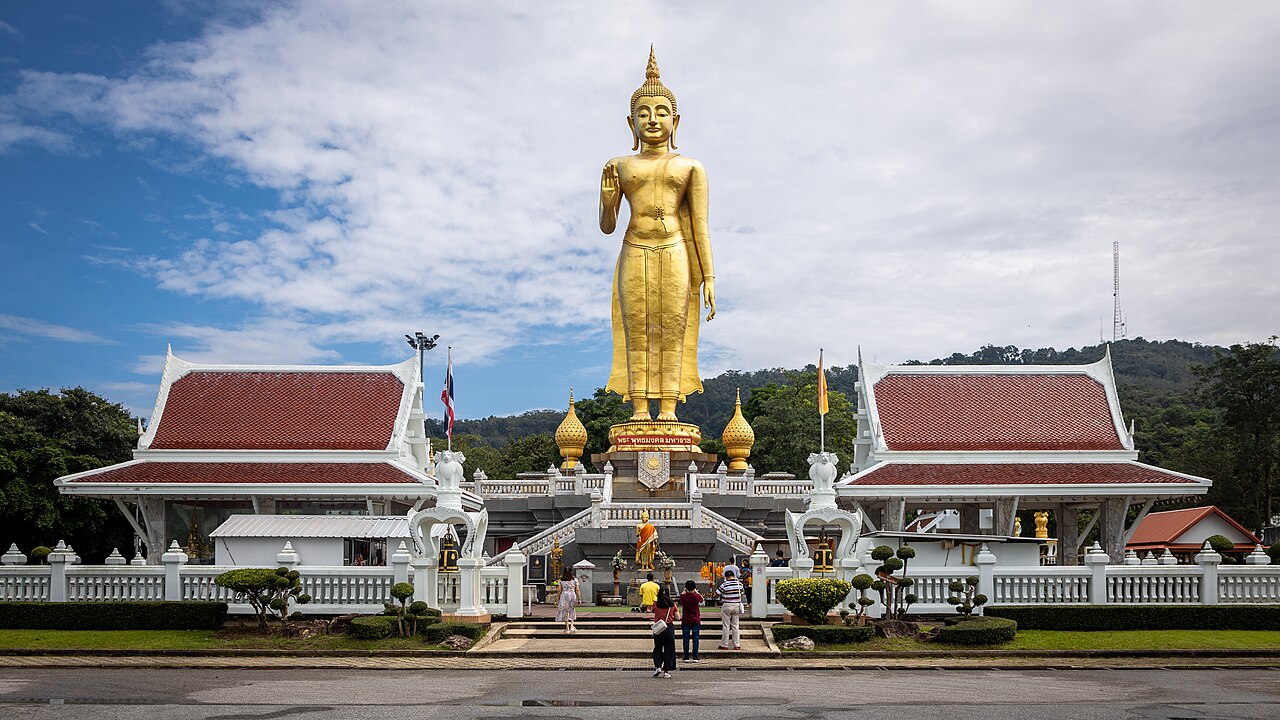
Area 1
Best for: first-timers, shoppers, night owls and anyone who wants to walk to everything — the Niphat Uthit zone is the heart of the city, on foot from the dim sum shops, fried-chicken spots, Kim Yong Market, the Lee Gardens and Central Festival malls and the Greenway Night Market. Rooms cover every budget, and songthaews and Grab out to the other areas are the shortest of any base. The trade-off: this is the densest part of town and it stays lively at night, so expect some noise.
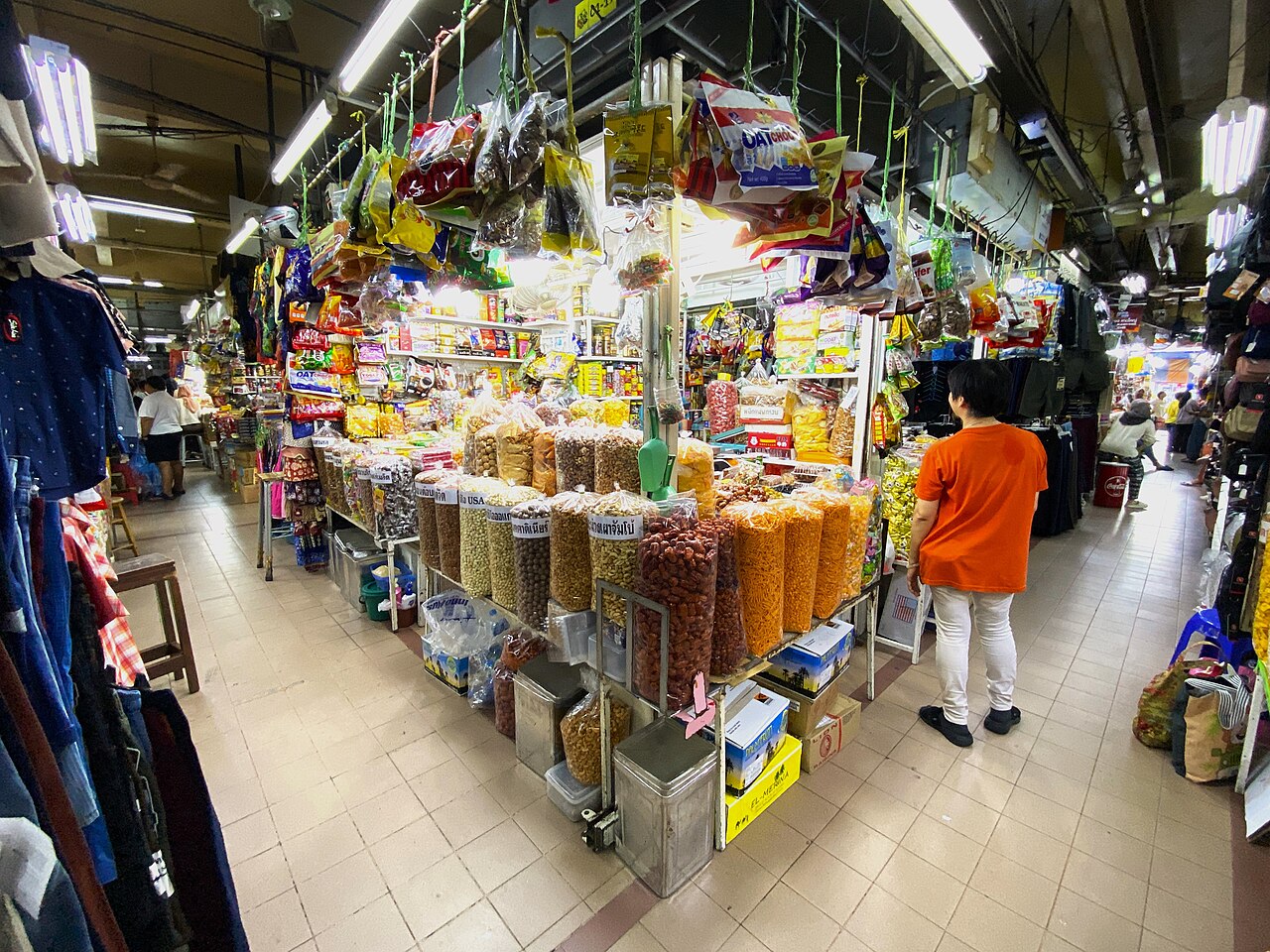
Area 2
Best for: budget shoppers and anyone here for a Malaysian- or Singaporean-style shopping run — Kim Yong, Plaza and Santisuk markets sit together in the centre, the place for dried goods, snacks, souvenirs and imported items. Rooms here are the cheapest, and you can be up early for dim sum and shopping straight away. The trade-off: it's mostly guesthouses and small hotels, the lanes are narrow and busy by day, and rooms can be older.
Best for: anyone whose trip runs on the train — arriving and leaving by rail, connecting south to Padang Besar for the Malaysian railway, or taking the train back up to Bangkok (the Southern Line is about 16 hours, mostly an overnight sleeper). Stay near the station and you can wheel your bags onto an early train without a ride. There are plenty of budget rooms, and you can still walk into the downtown markets in a few minutes. The trade-off: the area around the station is a transit zone and not as polished as the mall side.
Best for: travellers who drive, families and anyone who wants a calm night away from the bustle — the newer hotels along the edge of town and the ring roads tend to have fresher rooms, quieter surroundings and easy parking, which beats hunting for a space down a narrow downtown lane. The trade-off: you're away from the food and the markets, so it's a drive or a Grab into the centre each time, and it doesn't suit anyone who wants to explore on foot.
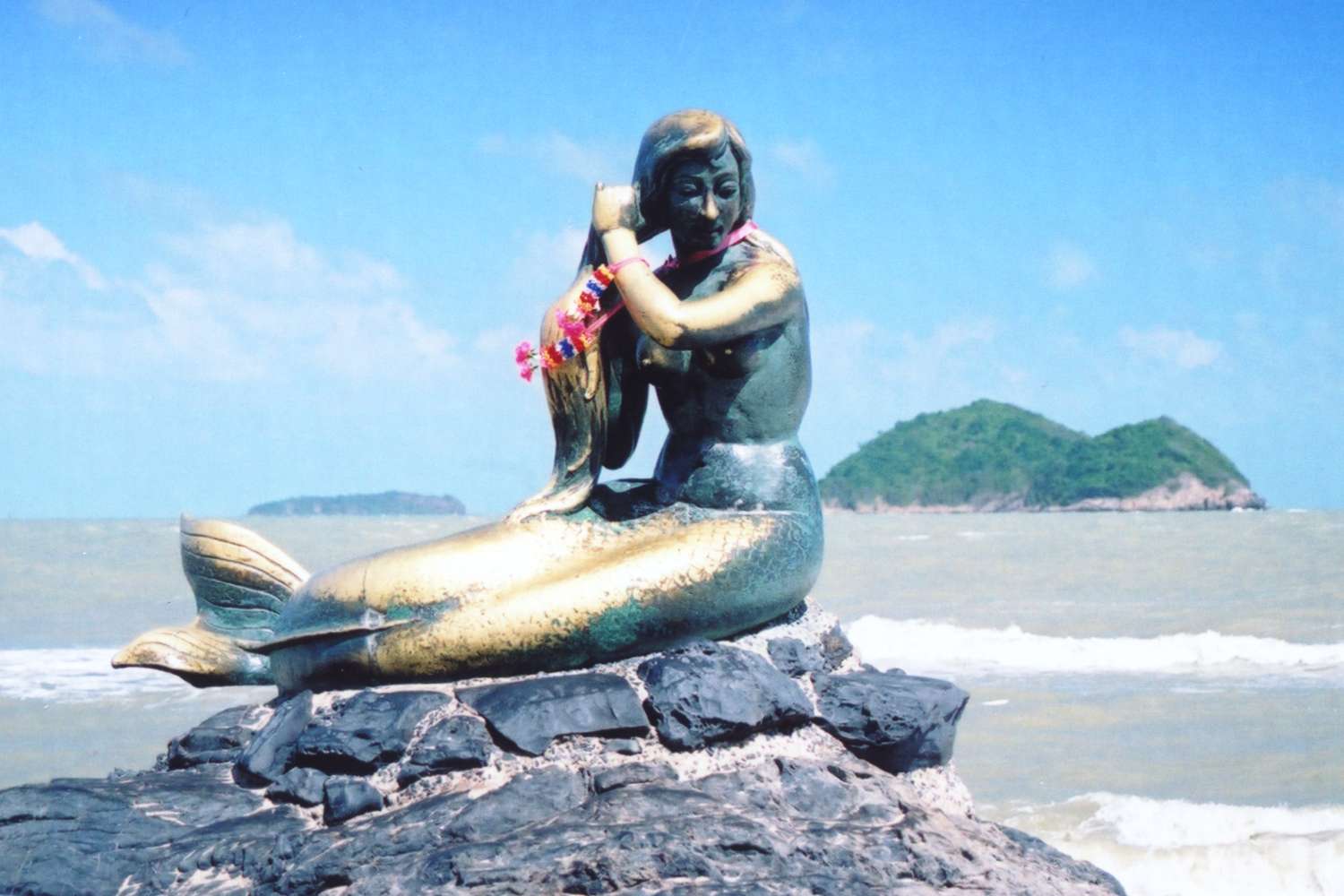
Area 5
Best for: anyone who wants a slower seaside base with an old town, then to day-trip in for the food — because Hat Yai itself isn't a beach town (the nearest beach is Samila in Songkhla town, about 30 minutes away). In Songkhla you get Samila Beach, the Golden Mermaid statue and the Sino-Portuguese old town with its street art, then drive or take a songthaew into Hat Yai to eat and shop. The trade-off: the famous food and the big malls are mostly in Hat Yai, so you'll travel back and forth each day.
On a tight budget, start with a guesthouse or small hotel in the lanes around the downtown market at ฿400–800 a night, or a 3-star hotel within walking distance of the malls at ฿800–1,400 — close to the food without paying for a ride each meal. The recommended shortlist across every budget, with links to compare three sites before you book, is in the Hat Yai city guide.
If you want a full-service 4-star, the city has larger hotels attached to the malls (around the Central Festival / Lee Gardens area) with a pool and shopping and food on the doorstep, usually about ฿1,200–2,000 a night — compare every area in one place in the Hat Yai city guide. Hat Yai is known for good hotels at fair prices compared with other tourist cities.
Hat Yai has no BTS or MRT and no city train (only the intercity Southern Line runs through). Around town you move by songthaew (red trucks on fixed loops, cheap), tuk-tuk or motorbike taxi (agree the fare first) and Grab, which works well here. Stay in the downtown core and you can walk to almost everything without a ride. For the full local guide see getting around Hat Yai, and for how to get there (by plane, train or overland from Malaysia) see getting to Hat Yai.
Staying in the centre is wasted if you eat at the wrong place — the Hat Yai food guide covers what to eat and where, from Hat Yai fried chicken and morning dim sum to Chinese-southern Thai cooking. For evening street food see the Hat Yai night markets, an easy walk from the downtown core, and if you like a café morning, see the Hat Yai café guide.