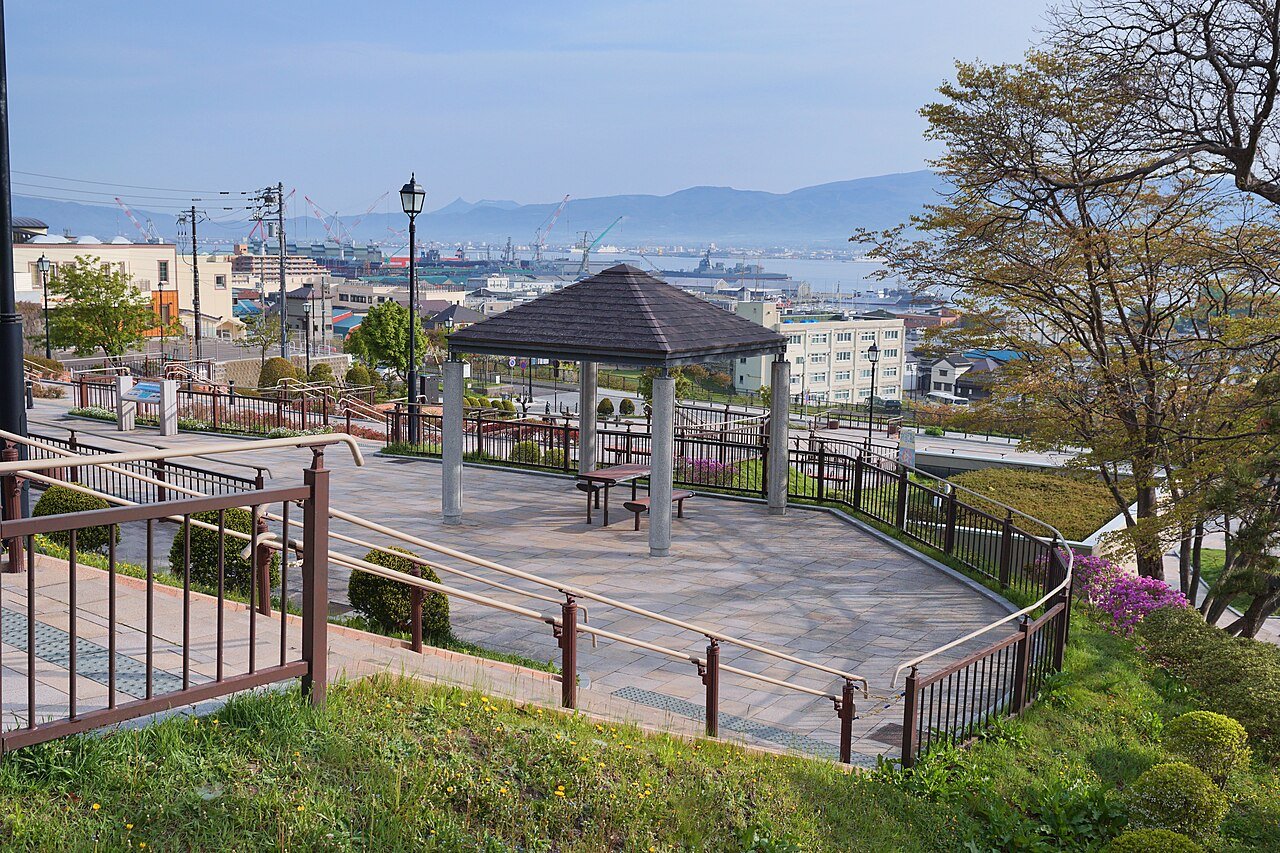
Which Shinkansen station do you actually get off at? Is the tram day pass worth buying? When does the hairy crab taste best? Everything you should know before you land in one of Japan's most atmospheric port cities.
Hakodate sits at the southern tip of Hokkaido. You can arrive by Shinkansen from Tokyo, limited express from Sapporo, or fly direct into HKD Airport.
Almost every highlight in Hakodate sits on or near the tram lines. Understand two or three routes and you have the whole city covered.
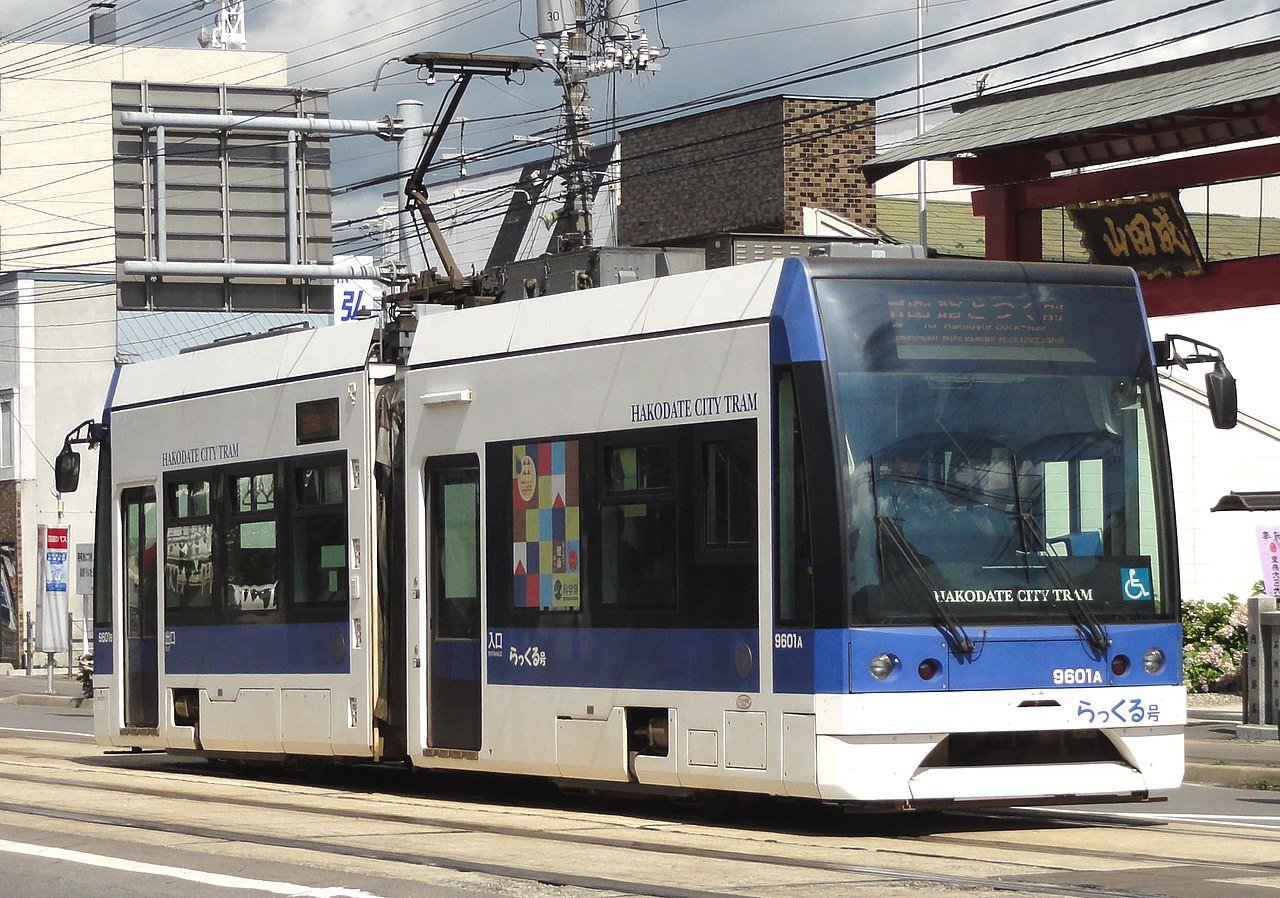
Here is the simple truth: you do not need a car in Hakodate. The tram connects the red-brick Kanemori waterfront, Hakodate Station and the morning market, the western hill district of Motomachi, and the Yunokawa hot-spring town to the east — all on the same network. The ropeway up Mount Hakodate is a short taxi or walk from the tram terminal at Jujigai.
Unlimited tram rides for one calendar day. Adults ¥600, children ¥300. Since single fares run ¥210–260 per ride, three journeys recoup the pass price. Available from the Tourist Information Center near Hakodate Station or from the driver. A smartphone digital version is also available.
If your itinerary includes Hakodate Bus routes beyond the tram lines, the combined 1-day pass (¥1,400) or 2-day pass (¥2,400) adds Hakodate Bus services. Useful for reaching Trappistine Convent, Lake Onuma area, or deeper parts of Yunokawa. Does not cover the Airport Limousine Bus.
Route 5 runs from Yunokawa (hot-spring district, eastern terminus) through Hakodate-Ekimae (the station stop) and on to Hakodate-Dokkumae in the west. It covers the morning market and most of the old town sights. Yunokawa Onsen is about 25 minutes from the station on this line.
Taxis are convenient for groups or late nights. The flag-fall is around ¥680 for the first 1.4 km. Ranks at the station are reliably staffed. Car rental makes sense if you plan to reach Onuma Quasi-National Park, the Seikan Tunnel Memorial museum, or other points outside the tram network.
Yunokawa is Hakodate's main onsen district, 25 minutes east on the tram. Plan a morning market breakfast followed by an afternoon soak and you have a perfect day sorted.
Cherry blossoms at the star fort · fresh squid in summer · fiery autumn leaves · hairy crab and first snow in winter
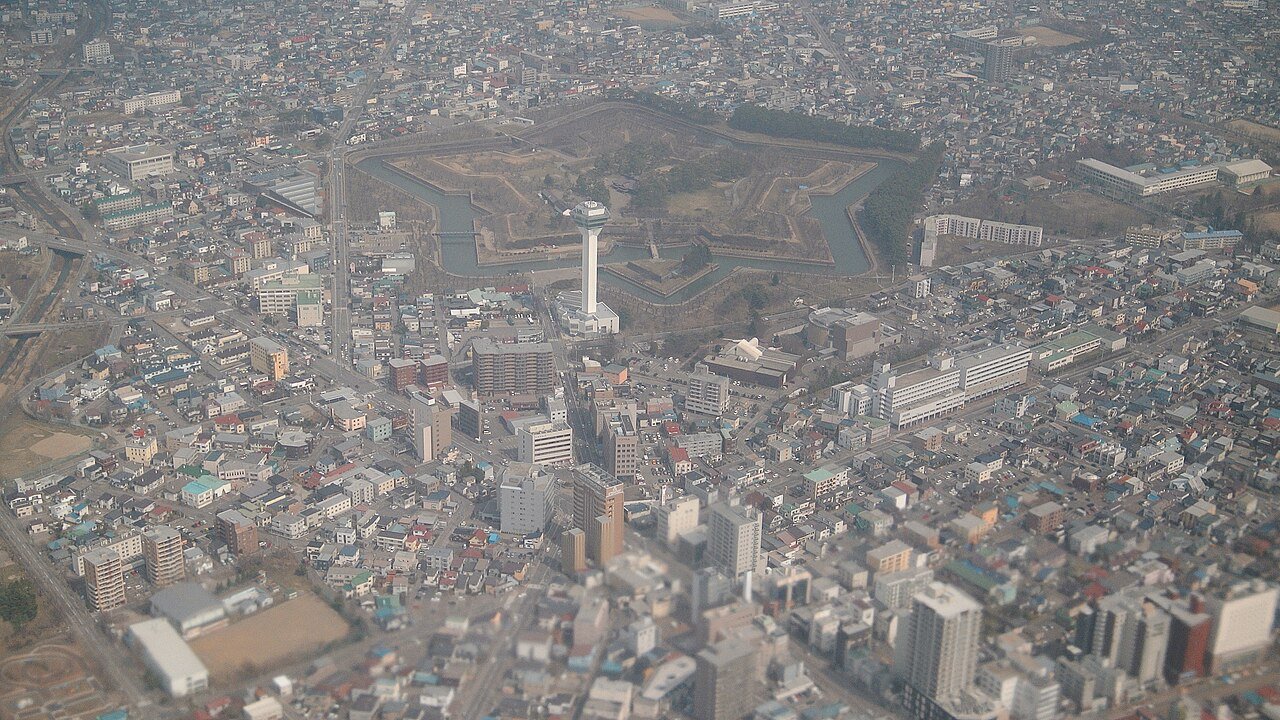
Cherry blossoms bloom at Goryokaku Park from late April into early May — 1,600 trees ringing the star-shaped 1864 fort. This is arguably the finest hanami spot in all of Hokkaido. The Goryokaku Tower observation deck gives a perfect aerial view. Temperatures run 8–15 °C; a light jacket is still needed at night.
Hakodate escapes the muggy heat of mainland Japan. Highs stay at 20–25 °C. Fresh squid (ika) reaches peak season — the live squid fishing pond at the morning market runs from June, peaking July to October. The night view from Mount Hakodate is enhanced by the string-of-lights from squid-fishing boats far out at sea.
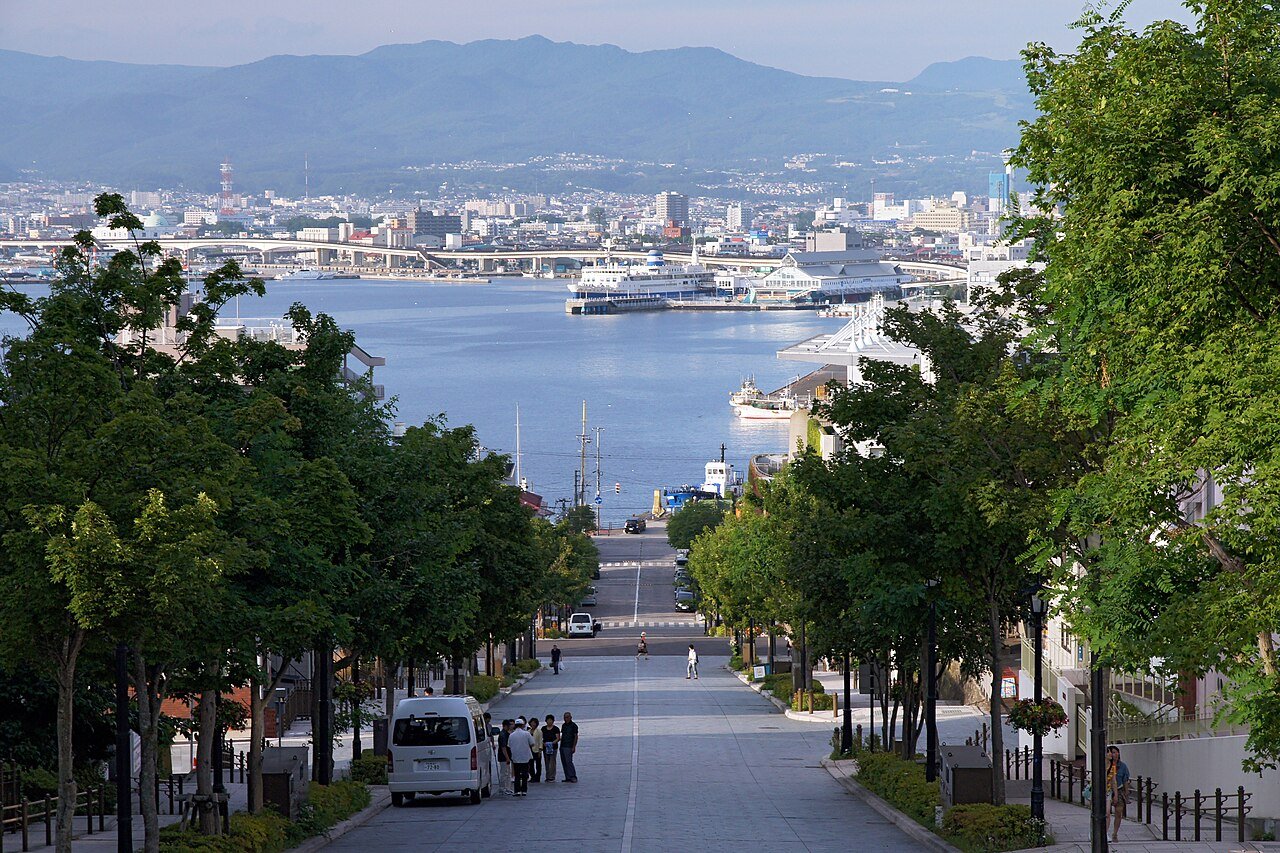
Foliage turns at Goryokaku and Onuma Quasi-National Park. Fewer tourists than cherry-blossom season, prices are calmer, and the 8–16 °C weather is perfect for walking the Motomachi and Hachimanzaka slopes. Hairy crab starts coming into condition towards late autumn.
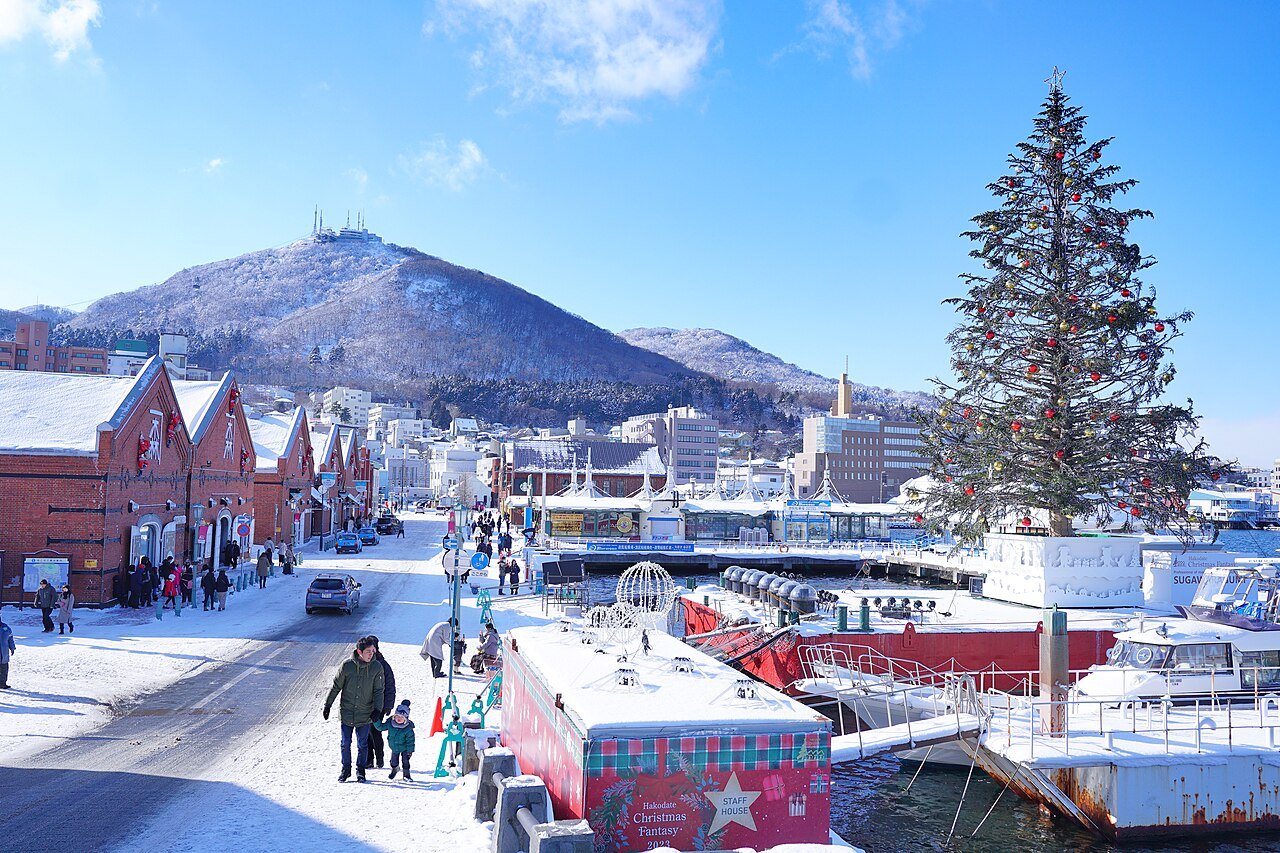
Hairy crab (ke-gani) is richest January through April — dense white flesh, full roe sac. Luminance Hakodate illuminations run November through February. The night panorama from Mount Hakodate in snow is genuinely stunning. Pack serious layers: -5 to 3 °C with wind. Hotel prices spike around New Year and early February.
A rough breakdown for planning. Excludes intercity travel to get here. Prices tend to rise during Golden Week, Obon and winter peak season.
| Item | Budget | Mid-range | Comfortable |
|---|---|---|---|
| Accommodation (per night / per person) | ¥3,500–5,000 (hostel / business hotel) | ¥7,000–12,000 (mid-range hotel) | ¥18,000+ (ryokan with dinner) |
| Food (3 meals) | ¥1,500–2,500 (morning market + convenience store) | ¥3,000–6,000 (seafood restaurant) | ¥8,000+ (whole hairy crab / premium kaisen-don) |
| Getting around | ¥600 (Tram Day Pass) | ¥1,400 (Tram + Bus Pass) | ¥2,000–3,000 (taxi for comfort) |
| Hakodate Ropeway (return) | ¥1,500 per person — the same at all budget levels | ||
| Onsen (1–2 soaks) | ¥400–800 (public bath in Yunokawa) | ¥1,000–2,500 (hotel bath or spa) | ¥3,000+ (private rental bath) |
| Sights (Goryokaku Tower etc.) | ¥500–800 | ¥1,000–1,500 | ¥2,000+ |
| Rough total per day | ~¥8,000–11,000 | ~¥15,000–22,000 | ¥30,000+ |
All seasons: Small towel for onsen · hair tie · comfortable walking shoes (Motomachi slopes are steep) · cash (local onsen and small stalls rarely accept cards). Winter: Thermal base layers · gloves · warm hat — temperatures reach -5 to 3 °C with wind-chill. Spring and summer: A light jacket for evenings; even Hokkaido summer mornings can be fresh.
The morning market (朝市) is a 3-minute walk from Hakodate Station. Open daily. The live squid fishing pond — catch your own and watch a chef turn it into sashimi in minutes — runs June through October for around ¥1,800. It is one of those experiences that sounds gimmicky and turns out to be genuinely memorable. Arrive early; by 9 am it can get crowded, especially when cruise ships are docked.
Hakodate is well set up for international visitors. Major signs are bilingual. Google Maps is accurate for tram timings and walking routes. The Google Translate camera function handles menus and shop signs well. Onsen staff at local public baths may not speak English, but the process is simple once you know the routine (as described above).
Local onsen, morning-market stalls and small restaurants often operate cash only. The best ATMs for foreign cards are at 7-Eleven convenience stores (several near Hakodate Station) and Japan Post offices. Load your Suica or ICAS nimoca card at station machines — it covers tram fares, convenience stores and vending machines throughout the city.