Thailand is one of the easiest, most rewarding countries in Asia for a first trip — but a handful of avoidable mistakes trip up almost every newcomer. Here's the full list, with a simple fix for each, so your first trip runs smoother than most.
Honestly? Thailand is one of the most forgiving countries in Asia for a first trip. People are friendly, the food is cheap and brilliant, getting around is easy. But there's a set of repeat mistakes that newcomers fall into — some just cost you a bit of frustration, some cost you money, and one or two (renting a scooter with no licence, say) can genuinely cost you your health.
The good news: every single one of these is easy to dodge if you know about it first. We'll go through them one at a time, friend-to-friend — what the mistake is, why people make it, and the fix that actually works. Read to the end and your first trip will run smoother than most people's.
Roughly in order of how often they happen — each card gives you the trap and the fix you can use straight away.
Bangkok + Chiang Mai + a southern island in seven days sounds efficient, but Thailand is longer than it looks. A Bangkok–Phuket flight is about 1h 20m — then add airport transfers and a ferry to the island and you've lost half a day. You end up living out of transit instead of actually relaxing anywhere.
Thailand has two coasts with opposite wet seasons. The Andaman side (Phuket, Krabi, Koh Lanta) is best Nov–Apr, monsoon May–Oct. The Gulf side (Samui, Phangan, Tao) flips it — best Feb–Sep, heaviest rain Oct–Dec. Plenty of people book an island on the wrong side and get rained on the whole trip.
The usual ones: a tuk-tuk offers a suspiciously cheap tour, then steers you into a gem or tailor shop; someone claims a temple is "closed today" to redirect you; a taxi won't use the meter; a jet-ski rental hits you with a damage claim for marks you didn't make; a tour priced too good to be true.
Temples have a dress code — cover your shoulders and knees, take your shoes off before entering a hall, never point your feet at a Buddha image or climb on one for photos, and women shouldn't touch monks. And critically: disrespecting the monarchy is a serious criminal offence in Thailand.
This is the number-one way tourists get hurt or hit a huge medical bill. Rental shops often don't ask for a licence, but the law requires one (an IDP with the motorcycle category for foreigners) plus a helmet — and your insurance won't pay out if you were riding without a valid licence.
Bangkok and Phuket are a fine start, but stop there and you miss half of what makes Thailand special — the north (Chiang Mai, Chiang Rai, Pai). Cooler air, mountains, Lanna temples, hill-country coffee and a culture that feels completely different from the central plains or the beaches.
Smaller than the big six, maybe — but each one can still throw your trip off if you miss it.
Don't drink straight from the tap. City water is treated, but old pipes and rooftop storage tanks make the quality at the tap unreliable. Drink bottled water (around ฿7–20) or refill from the coin-operated filter machines you'll see everywhere. The cylindrical tube ice with a hole through it that restaurants use is factory-made and perfectly safe.
Private hospitals in Thailand are good but expensive. A motorbike accident, a diving incident or food poisoning bad enough for a hospital stay can run from tens of thousands to hundreds of thousands of baht. Insurance costs only a few hundred baht per trip and covers medical care, delays and lost bags. Read the fine print — some policies exclude riding a motorbike yourself or scuba diving.
Thai ATMs charge a foreign-card withdrawal fee of around ฿220 per transaction, so take out larger amounts less often rather than topping up constantly. But don't carry a huge wad either — most shops, restaurants and markets now take QR payment and cards. Split your cash across a couple of places in case a bag goes missing.
Staying past your permitted date carries a fine of ฿500 per day, capped at ฿20,000, paid at the border on exit. Get caught first, or overstay for long, and you risk a re-entry ban. Always check the expiry date on the stamp in your passport, and extend before it runs out. See the Thailand visa guide.
Bargaining at markets is normal, but do it with a smile and in proportion — grinding someone down over ฿20 just leaves you both annoyed. Thai culture places huge value on staying calm and saving face. Raising your voice or losing your temper in public reads as very poor manners. Stay easy-going and keep smiling, and almost everything gets easier.
The Thai sun is stronger than you expect, especially Mar–May — wear sunscreen, drink plenty of water, rest in the afternoon, and note the north's crop-burning haze around Mar–Apr. Thai rain usually comes in short heavy bursts then clears, so keep a few indoor options (malls, spas, cafés, a cooking class) in your back pocket and your days stay flexible.
The best first trips usually mix the capital, the north and a bit of beach — start with the two cities that are easiest for newcomers.
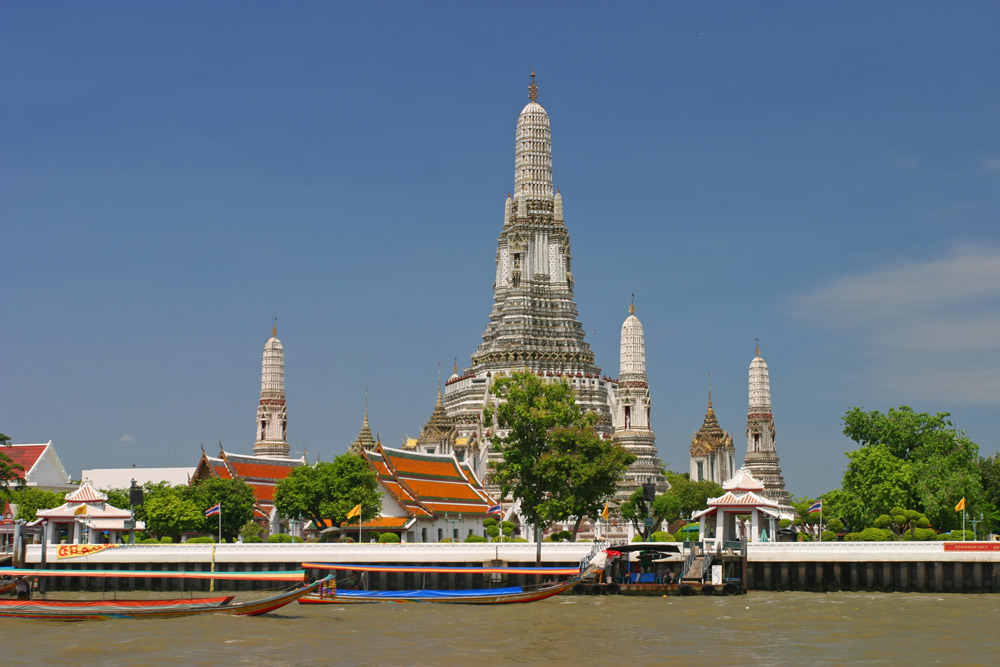
Why start here: almost every flight lands in Bangkok first. The city is easy to get around on the BTS/MRT and the Chao Phraya river boats (so you sidestep the meter-dodging taxis entirely). You've got the Grand Palace, Wat Pho, Wat Arun, weekend markets, the Yaowarat street-food scene and air-conditioned malls when the heat wins. A solid 2–3 day base before you fan out.
Bangkok guide →
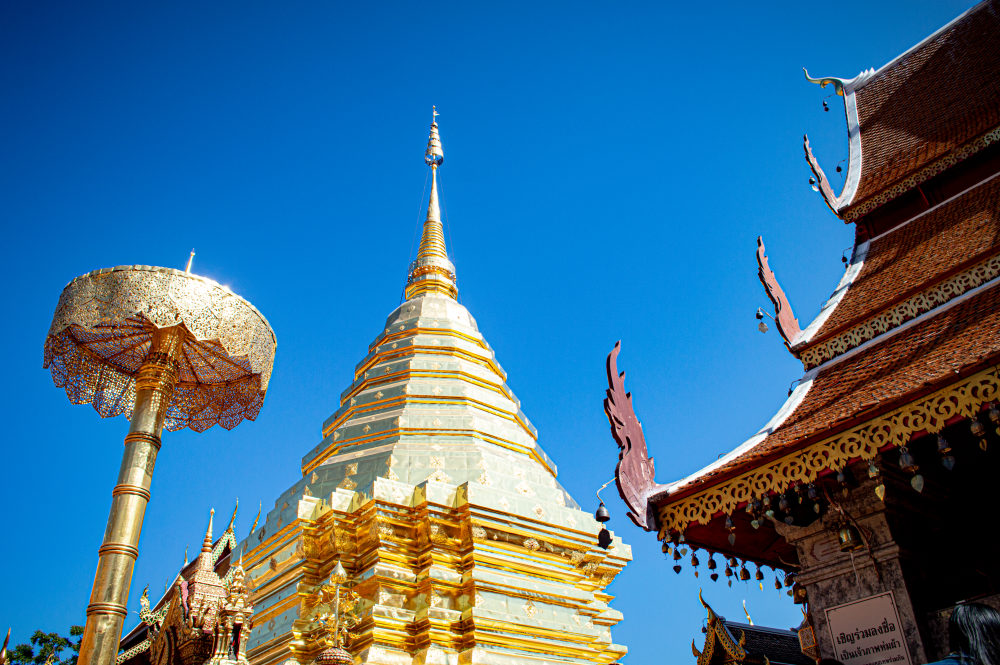
Why head north: it's only about 1h 15m by air from Bangkok, but the mood is a different world — cooler weather (best Nov–Feb), a moated old city, Lanna temples, Doi Suthep, hill-country cafés and northern cooking classes. ⚠️ Skip around the burning-season haze (roughly Mar–Apr) if smoke bothers you.
Chiang Mai guide →Start by booking a well-located base in Bangkok, then get yourself online the moment you land — data in hand means Grab, maps and translation in your pocket, and you've dodged half these traps on day one.