Pudong International is China Eastern's front door. No other airline operates more flights in and out of PVG, which means more schedule options, more connections into China, and a carrier that treats Shanghai as its reason for existing.
If you are flying to Shanghai, China Eastern Airlines (IATA: MU) is the natural first airline to check — not because it is the cheapest or the most luxurious option in every case, but because Shanghai Pudong International (PVG) is its main hub. That means China Eastern holds more slots at PVG than any other carrier, which translates into more departure times across the day, stronger onward connections into the Chinese domestic network, and schedules calibrated around the city rather than around a hub somewhere else.
Founded in 1988 and headquartered in Shanghai, China Eastern is one of China's three major state-owned carriers alongside Air China and China Southern. It is a full member of the SkyTeam global alliance — the same group as Delta Air Lines, Air France, KLM, Korean Air and Vietnam Airlines. Miles earned through its Eastern Miles programme carry across all SkyTeam partners, and vice versa.
One thing worth knowing upfront: Shanghai Airlines (IATA: FM) is a wholly-owned subsidiary of China Eastern following a 2010 merger. Both carriers still use separate flight codes, so a China Eastern booking might carry an FM flight number on a Shanghai Airlines aircraft. Same group, same standards, same frequent-flyer programme.
This guide covers what you actually need to know before booking and before boarding — route specifics, cabin differences, baggage policy, getting from PVG into the city, and the honest caveats. It is based on published airline information and traveller reports, not a first-person cabin review of every seat class.
Everything useful in one place, before you open a booking tab.
China Eastern Airlines is one of China's three major state carriers. Its primary hub is Shanghai Pudong International (PVG), with a secondary presence at Shanghai Hongqiao (SHA) for domestic routes. The network covers over 50 countries, with the densest domestic coverage inside China of any carrier with a Shanghai hub.
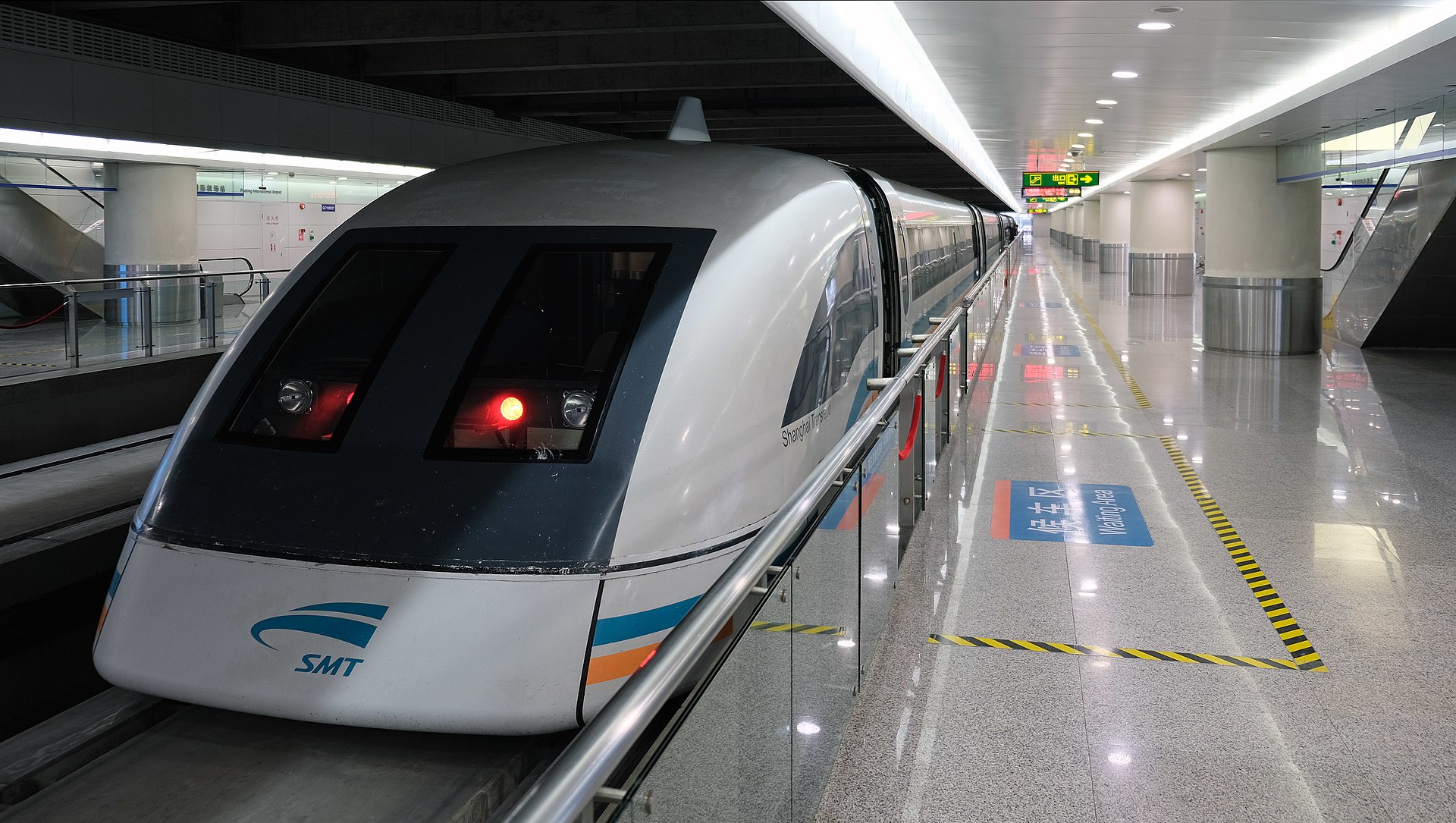
PVG is China Eastern's home airport and the entry point for almost all international arrivals into Shanghai. From the terminal, the Maglev train reaches Longyang Road station in the city in 7 minutes at 430 km/h. Metro Line 2 takes roughly 60 minutes for a fraction of the price. Hongqiao Airport (SHA), which handles most of China Eastern's domestic departures, is on the opposite side of the city.
SkyTeam includes Delta Air Lines, Air France, KLM, Korean Air, Vietnam Airlines, Garuda Indonesia, Aeromexico and Aeroflot, among others. If you already hold miles with Delta SkyMiles or Flying Blue, those miles earn on China Eastern flights and can be redeemed there too. Eastern Miles earned on MU flights credit to partner programmes in return.
Shanghai Airlines operates as part of the China Eastern group and shares its hub at PVG. Some BKK–PVG flights sold under a China Eastern reservation carry an FM flight number on a Shanghai Airlines aircraft. From a passenger standpoint the distinction is minor: same check-in counters, same Eastern Miles accrual, the same group's service standards.
Direct, roughly five hours, landing at China Eastern's front door.
✈
The Bangkok–Shanghai Pudong route is one of the most-flown Thailand–China corridors. China Eastern (and its subsidiary Shanghai Airlines) operates it as a direct service from Suvarnabhumi (BKK), landing at Pudong (PVG) — the airport China Eastern effectively treats as its main terminal. Flight time is typically 4.5 to 5 hours. Departure times spread across the day, including early-morning options that get you into Shanghai before lunch, and evening departures that arrive for a late dinner and a first morning free for sightseeing. Check whether the specific flight you are looking at is non-stop or involves a stopover; some MU-code itineraries route through Kunming or Chengdu.
🏠
Clearing customs at PVG puts you roughly 40 km from the city centre with three practical options. The Maglev is the memorable choice: a magnetic levitation train that hits 430 km/h and deposits you at Longyang Road in 7 minutes flat for ¥50 (~฿250). From Longyang Road you transfer to Metro Line 2 to reach the Bund area or People's Square. The Metro Line 2 goes the whole way from PVG to central Shanghai in about 60 minutes for just ¥7–8 — the budget option. A taxi or DiDi ride to central Shanghai costs roughly ¥160–200 depending on traffic and destination; use the official taxi rank, not touts who approach inside the terminal.
Based on published airline specifications and traveller-reported experiences — not a personal seat review of every cabin.
On long-haul widebody aircraft (A350, B777), China Eastern's Business cabin offers lie-flat seats with personal IFE screens and premium meal service. The BKK–PVG route is a medium-haul sector of roughly 4.5–5 hours; Business here delivers a wider, more reclined seat, better food, additional baggage allowance, and lounge access at departure airports. The flat-bed configuration applies mainly to transcontinental routes — check the specific aircraft for your flight.
China Eastern operates a Premium Economy cabin on some widebody aircraft — wider seats with more pitch than standard Economy. This cabin is not available on every flight or aircraft type; the BKK–PVG route may or may not have it depending on the specific aircraft scheduled for your date. Check the seat map when booking to see whether a middle cabin is offered.
China Eastern is a full-service carrier, which means Economy on international routes includes checked baggage, a hot meal (typically one main course and a snack on medium-haul), beverages and a personal IFE screen on widebody aircraft. Narrowbody aircraft on the BKK–PVG route may have seatback screens or not — the seat map at booking usually indicates the aircraft type. Wi-Fi is available on some aircraft for a fee; coverage and speed vary.
On international routes, Economy class typically permits one checked bag of 23 kg. However, the exact allowance depends on the fare type you purchase: Economy Light fares often include reduced baggage or charge separately; flexible Economy fares may include more. Business class receives a higher allowance. Cabin baggage allowance is typically one piece, around 5–7 kg. Always read the Baggage section on your specific ticket — do not rely on a previous booking or general estimates.
China Eastern sells tickets directly through its website (ceair.com) and app, which supports multiple languages. Booking directly sometimes offers price advantages since there is no intermediary fee. Online travel agencies such as Trip.com, Ctrip or Skyscanner let you compare fares across carriers side by side, which is useful if you are weighing China Eastern against other options on the same route.
If you fly China Eastern or Shanghai Airlines with any regularity, enrol in Eastern Miles before your next booking — it is free and takes a few minutes at ceair.com. Miles credit on MU and FM flights plus any SkyTeam partner airline. They can be redeemed for award tickets or upgrades. Signing up after a flight means the miles are usually still claimable retroactively, but it is easier to have the number ready at check-in.
Thai passport holders can currently enter China without applying for a visa in advance. The details — permitted length of stay, conditions, and any requirements at the port of entry — are covered on our dedicated page. Policy can change, so check the current status before every trip: china-visa-free entry guide →
China Eastern opens online check-in 24–48 hours before departure via its app or website. For flights to China, arriving at Suvarnabhumi at least 2.5–3 hours before departure is sensible: check-in queues at BKK for Chinese carriers can be substantial, and the passport-control and boarding process for China-bound flights is typically methodical. Pack within the baggage allowance on your ticket — excess luggage charges at the airport apply and are not negotiable.
1
Walk out of PVG arrivals and the transfer decision is straightforward once you know the options. The Maglev is genuinely worth doing once: 430 km/h, 7 minutes, ¥50 to Longyang Road where you transfer to Metro Line 2. It is not the most practical transfer with heavy luggage, but the experience is real. For everyday travel, Metro Line 2 runs the full distance from PVG to central Shanghai (People's Square, the Bund area, Hongqiao) in roughly 60 minutes for ¥7–8 — the cheapest and most reliable option for most travellers. A taxi or DiDi is worth it if you are arriving with a family, have a lot of bags, or are heading to an address that requires multiple metro transfers. Use the official taxi rank; ¥160–200 gets you to central Shanghai, more if traffic is heavy.
2
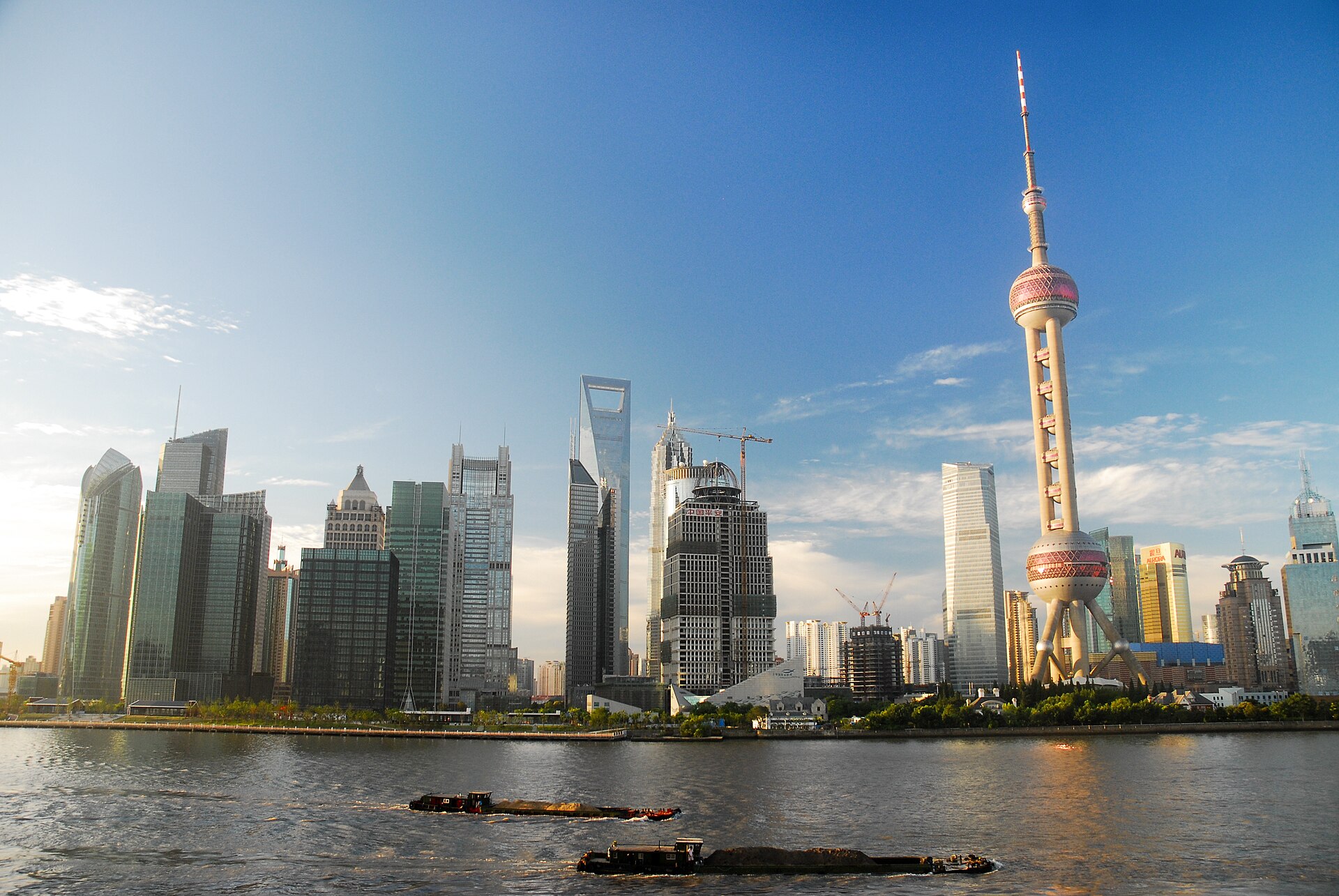
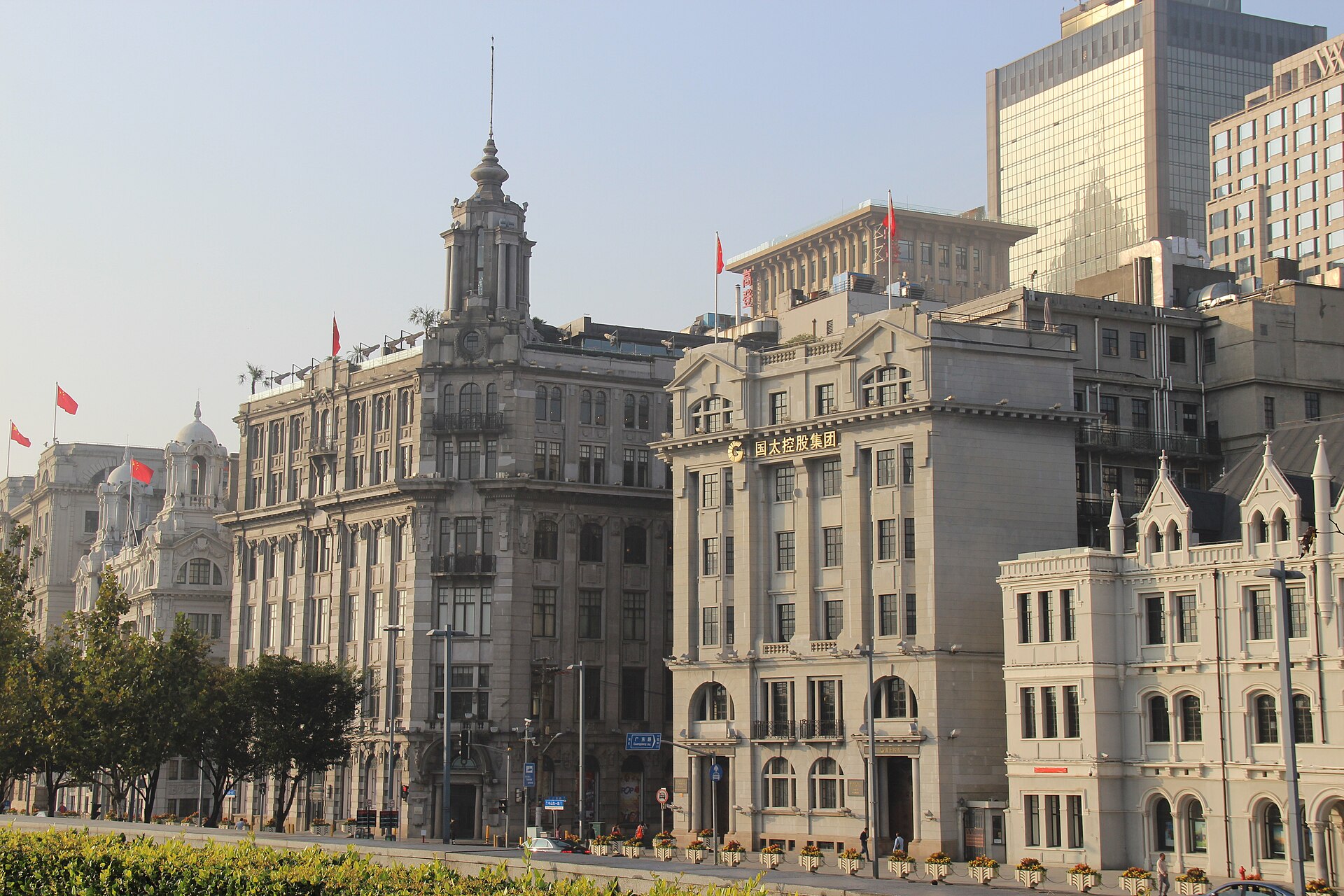
The question of which neighbourhood to base yourself in matters more in Shanghai than in most cities, because the Bund, the French Concession, Lujiazui and Jing'an each put you within easy walking distance of different clusters of sights. Staying near Nanjing Road or the Bund means the colonial riverfront is a ten-minute walk in one direction and the Old City is twenty minutes in the other. Lujiazui puts the tower skyline immediately outside your window. If you have not yet sorted accommodation, the comparison we have done is at Top 10 Hotels in Shanghai →
The questions travellers ask most before booking and boarding.