The neighbourhood you pick decides your whole trip. Stay in the wrong area and you'll lose an hour a day getting to the sights before you see anything. Here is how to choose — honestly.
Beijing is bigger than first-time visitors expect, and it's laid out as a series of concentric ring roads with the major sights spread further apart than a map suggests. Book a cheap hotel without checking where it sits and you can find yourself two metro changes and a long walk from the Forbidden City on your first morning. Over four or five days, an hour of daily commuting is a real chunk of sightseeing time, quietly gone.
The good news is that once you understand the layout, the choice is easy. We've split the city into five main neighbourhoods, each with a clear personality — different prices, atmosphere and what you can reach on foot. Work out what you want from the trip, pick the right area now, and the whole thing runs more smoothly.
Want the wider picture of the city and its sights first? See the Beijing city guide or the Beijing attractions roundup. Otherwise, read on for the where-to-stay answer.
For the majority of people visiting Beijing for the first time, this is the most practical base by a wide margin. You can walk to the Forbidden City and Tiananmen Square, or hop one stop on metro Line 1, which runs straight through the area and connects east-west across the city. The Wangfujing pedestrian shopping street, full of department stores and restaurants, is right around the corner. Hotels span every price point, from around ¥400 a night (about ฿2,000) up to a Peninsula suite. On your first morning in an unfamiliar city, not having to commute makes a real difference.
A strong pick for this area: Mandarin Oriental Wangfujing — a polished 5-star right on the Wangfujing pedestrian street, within walking distance of the Forbidden City. For a lighter budget, Crystal Orange Wangfujing is a stylish, well-priced choice in the same central spot.
See all hotels in this area →Honest vibe, nearest metro, and real reviewed hotels in each — with links to the full roundups.
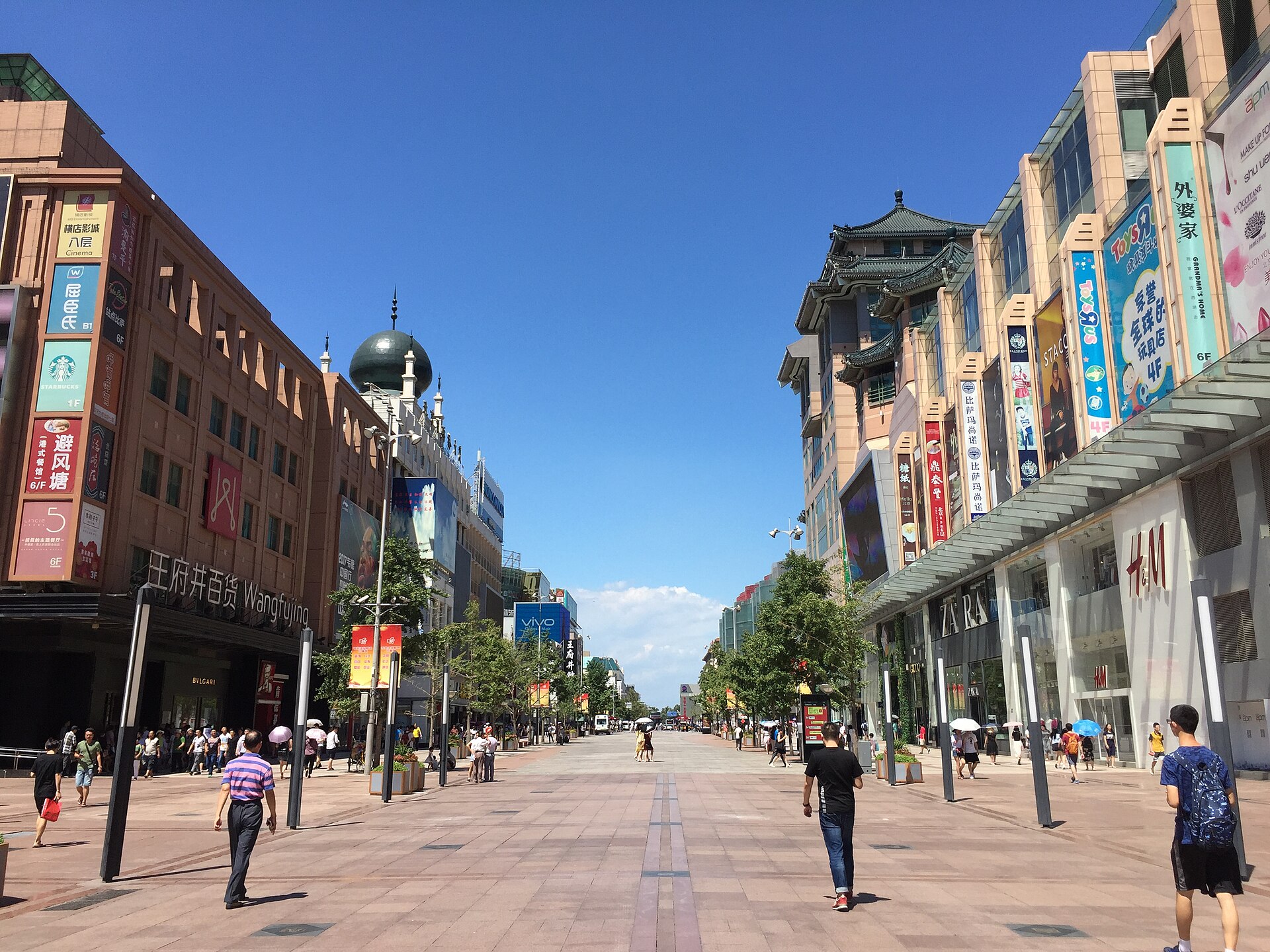
Area 1
Right for: First-timers who want to see the historic core on foot. Wake up and walk to the Forbidden City and Tiananmen Square; the Wangfujing pedestrian street runs the length of the area with shops and restaurants throughout. The trade-off: this is prime central real estate, so it costs more than the outer districts — but you save commuting time every day, which pays off on a short trip.
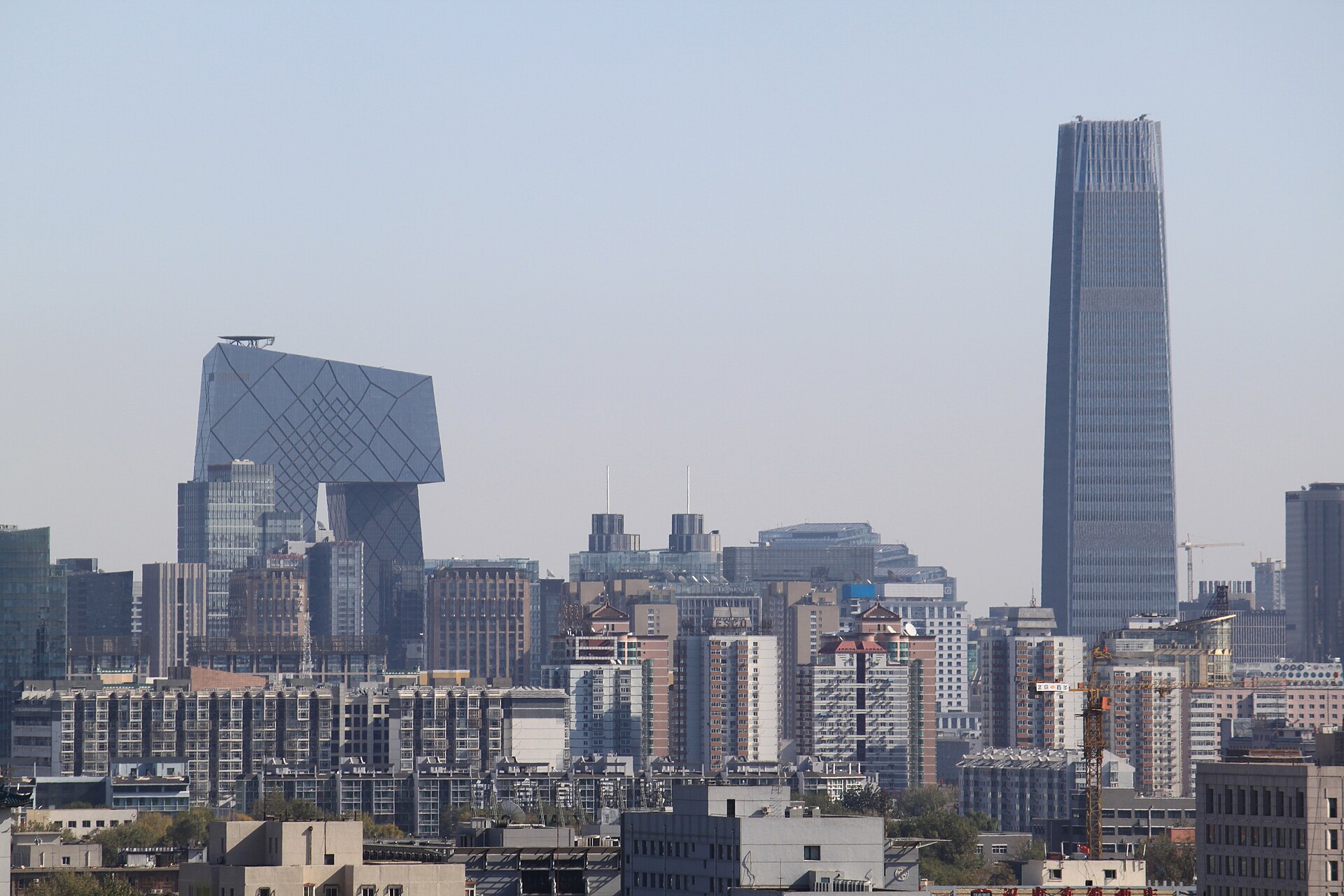
Area 2
Right for: Travellers who want to be near the historic centre but pay a little less than Wangfujing. This area sits just south of Tiananmen Square, with the restored Qianmen pedestrian street, old hutong lanes to wander, and the Temple of Heaven within reach. It's a mix of boutique and budget hotels. The trade-off: the pedestrian street itself is tourist-focused and can get crowded in places.
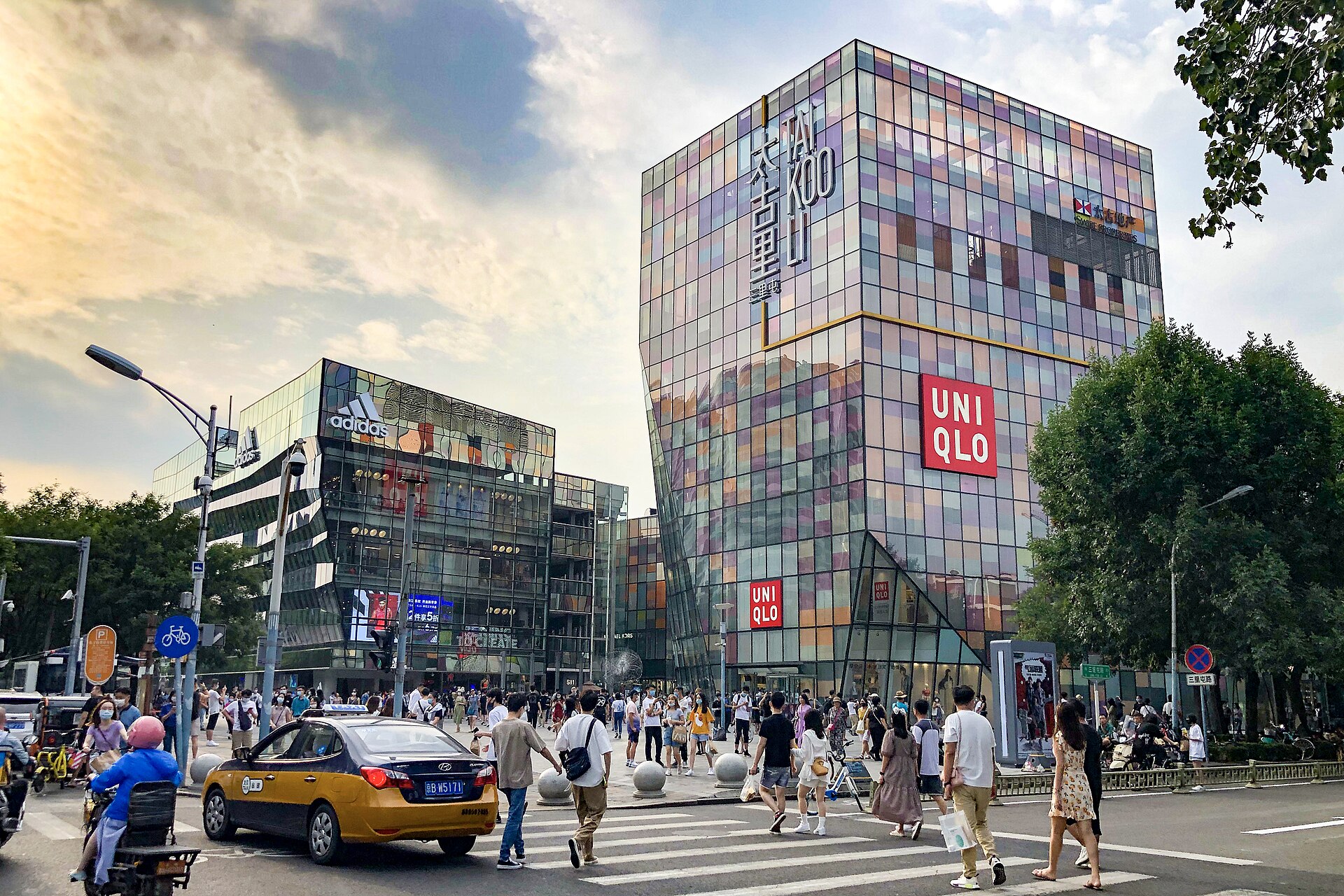
Area 3
Right for: Food-and-drink travellers and younger visitors. Rooftop bars, international restaurants, cafés and the Taikoo Li shopping complex are all in one area — the embassy-and-lifestyle district, and the liveliest part of the city after dark. Hotels here are mostly modern, and the metro connects well. The trade-off: it's well away from the Forbidden City and the historic sights, so you'll commute to the main attractions each day.
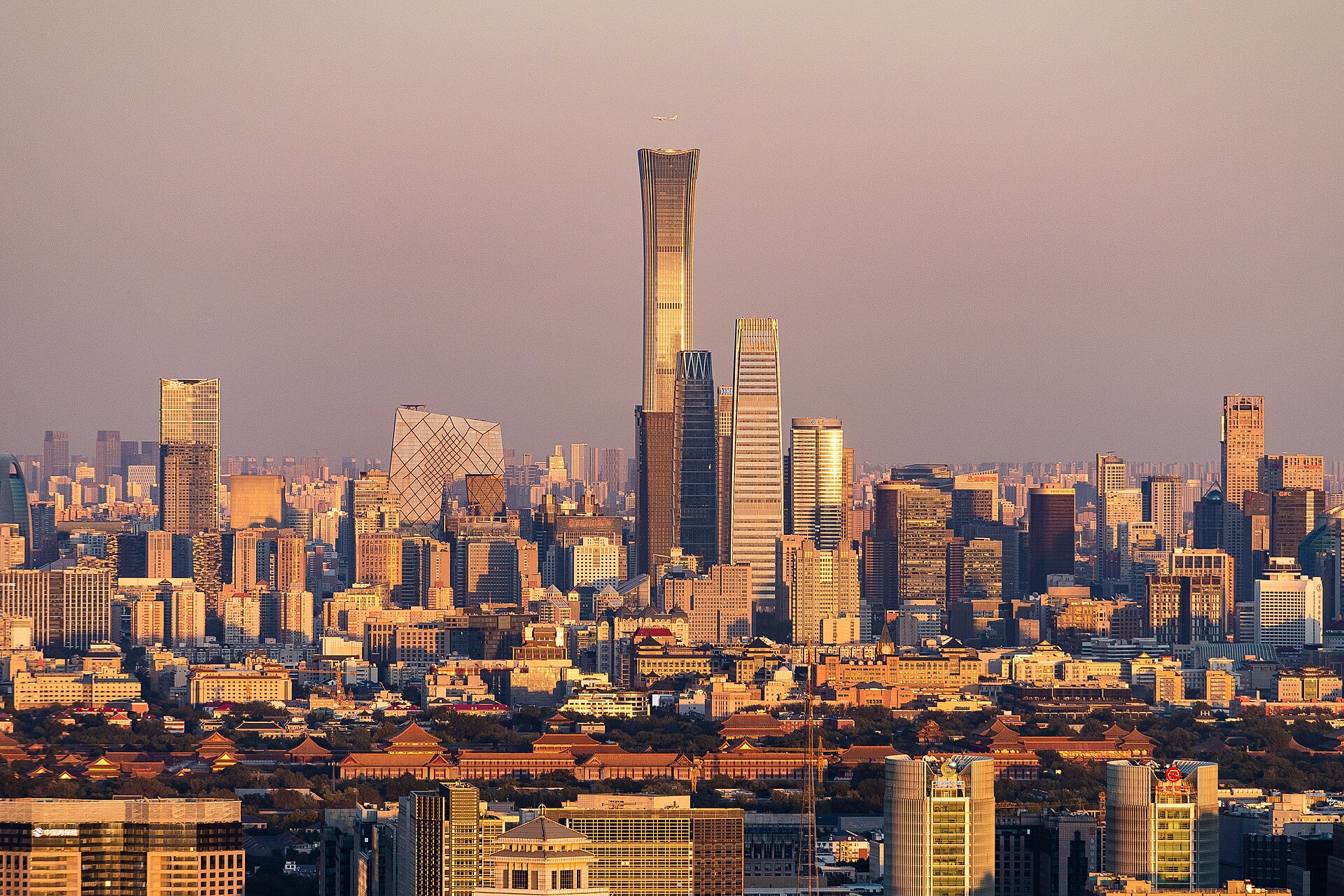
Area 4
Right for: Business travellers, and anyone who likes international 5-star hotels and serviced apartments. This is the skyscraper district (home to the landmark CCTV tower), on metro Lines 1 and 10, with Line 1 running directly to Wangfujing and the centre. There are upscale malls and good restaurants. The trade-off: it's a working district with a more corporate feel than a tourist neighbourhood, and it's a way from the historic sights.
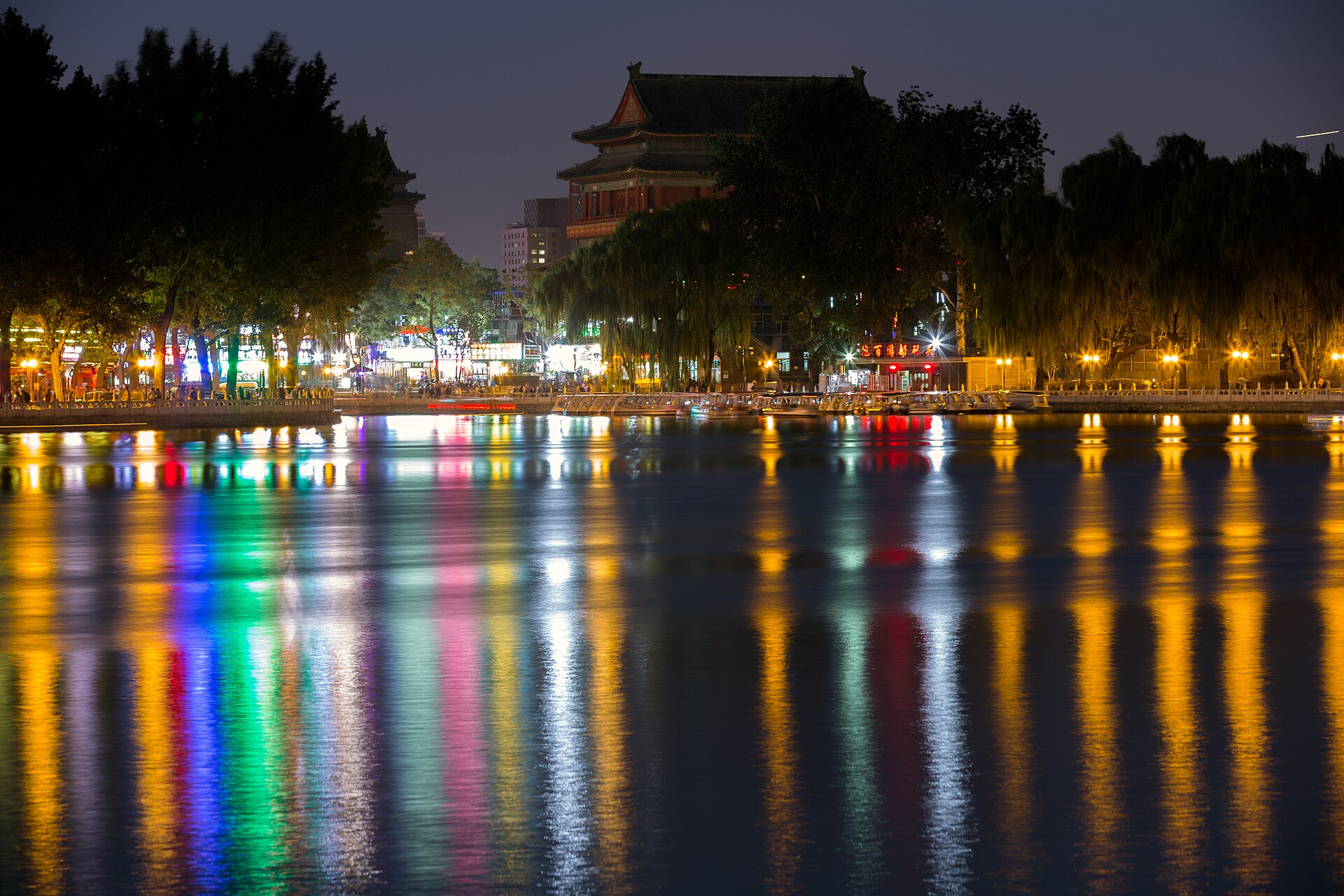
Area 5
Right for: Travellers who value atmosphere over convenience — courtyard (siheyuan) hotels in the old hutong lanes around the Drum and Bell Towers. Wake up in a historic courtyard, and stroll the bar-lined shores of Houhai lake; it's quieter and more local than elsewhere in the city. The trade-off: rooms tend to be small and older than a standard hotel, and some lanes are too narrow for taxis, so you may have to wheel your luggage in on foot.
A note on stations and airports: if you're stopping in Beijing for one night to catch a train, there are plenty of hotels around Beijing South Railway Station (the high-speed rail hub) where staying close to the platforms makes sense. And bear in mind that Daxing Airport (PKX) sits far to the south of the city — if you land there, allow at least 45–60 minutes to reach the centre.
If you're watching costs, budget hotels in central areas like Qianmen and Wangfujing start at very reasonable rates — see the full shortlist at Top 10 Budget Hotels in Beijing, which includes strong-value central picks like HanTing and Crystal Orange.
For the best at the top end without doing the legwork, the Top 10 Luxury Hotels in Beijing covers the Peninsula, Waldorf Astoria, Mandarin Oriental and Rosewood. The Top 10 Hotels in Beijing gives a broader overview across every budget and area.
With your neighbourhood chosen, map out the trip day by day — the Beijing 3-day itinerary threads together the Forbidden City, the Great Wall, the Temple of Heaven and the Summer Palace at a realistic pace, and the Beijing attractions roundup tells you which area each sight is in and how long to spend there.