One of China's fastest-growing specialty coffee scenes. Century-old courtyard houses turned into tiny cafés. Disused factories turned into galleries with great coffee. And roasters Beijingers are genuinely proud of — a capital that takes its coffee more seriously than you'd expect.
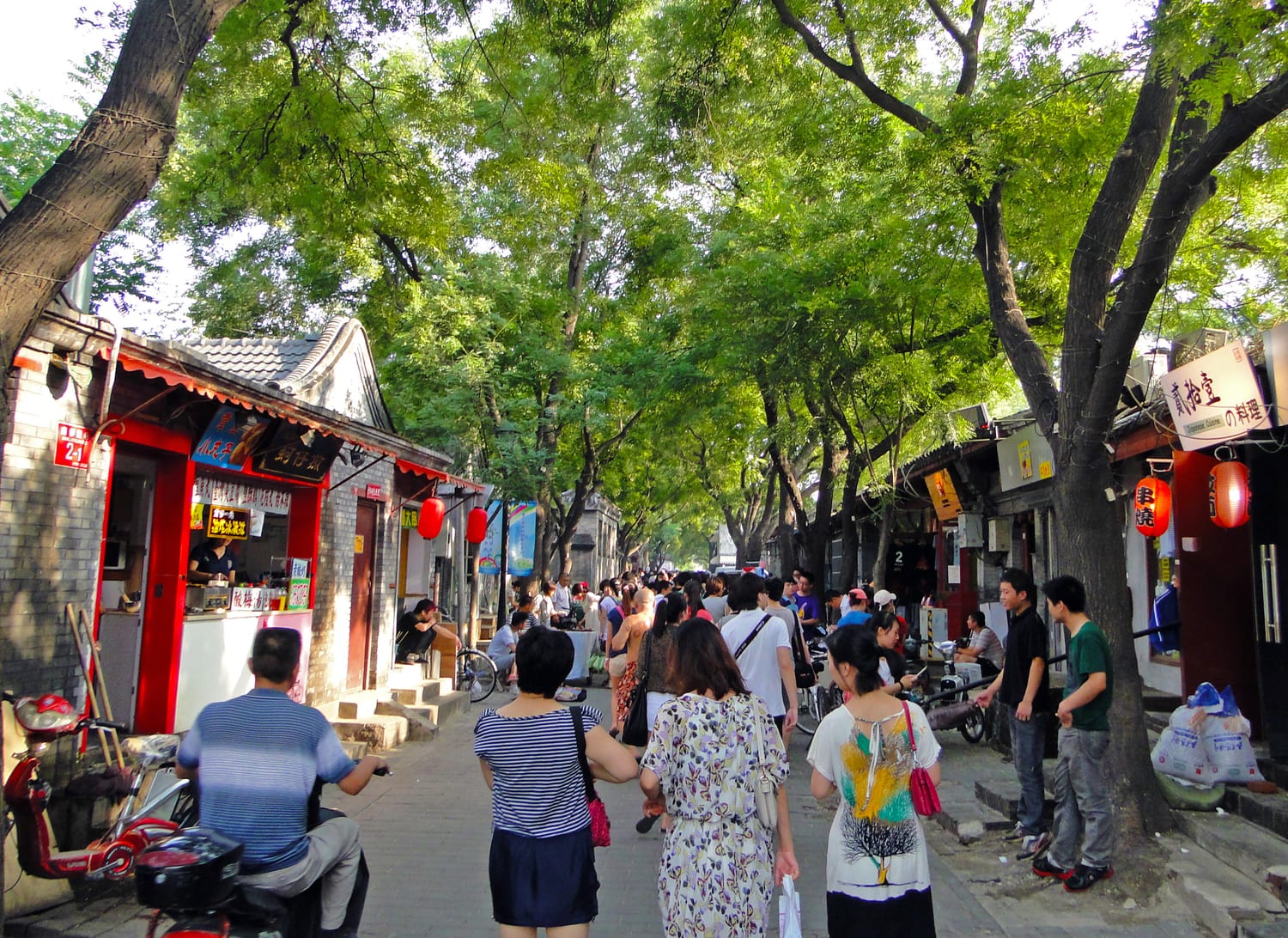
Imagine a narrow grey hutong lane that has been quiet for centuries, lined with old courtyard houses hundreds of years old. Then one wooden door opens onto a counter-sized café: a gleaming espresso machine inside, shelves of roasted beans, two or three wooden chairs. Outside it is still old Beijing. Inside it is specialty coffee as good as anything you'd find in Tokyo or Melbourne. This has been happening across the capital for the past decade.
Beijing is not China's number-one coffee city — that title belongs to Shanghai, which has more than 9,000 cafés, the most of any city on earth. What makes Beijing interesting is that its specialty scene runs deep and has a clear personality. Beijing drinkers tend to care about the story and origin of the beans more than chasing the newest flavour every week, and several specialty brands the whole country knows were born right here.
The most important difference is that Beijing's cafés are spread out. They don't cluster in one district the way Shanghai's do in the French Concession. You'll find a great café in a Gulou hutong one day, an upscale mall café in Sanlitun the next, a gallery café in the 798 Art District after that — which is exactly why this guide is built around zones. A good area usually holds several good cafés, so even if one has closed or moved on, you'll still be spoilt for choice.
Where hundred-year-old courtyard houses have become Beijing's most characterful cafés
A hutong (胡同) is one of Beijing's traditional residential lanes — a narrow passage flanked by grey courtyard houses (siheyuan), some of them centuries old. Over the past ten years these lanes have become home to the most characterful cafés in the city, because a tiny coffee shop inside an old house has an atmosphere no new-build mall can manufacture: aged timber beams, brick walls, a small courtyard, and the quiet of the lane outside.
The hutongs with the densest café scene sit around Gulou (the Drum Tower) and Beiluoguxiang, north of the old city, and around Wudaoying and Fangjia Hutong, close to the Lama Temple. Both areas are a pleasure to explore on foot, with cafés, design shops and little bars mixed together in the same lane. Wander, and when you spot a coffee-cup sign down an alley — go in. That is the right way to discover Beijing.
Beijing is dispersed — walk one zone at a time and each gives you a different mood, from old courtyards to modern roasteries
The heart of Beijing's hutong café scene — the lanes around the Drum Tower and Beiluoguxiang (the calmer, cooler lane that runs parallel to the tourist-heavy Nanluoguxiang) are full of small cafés in old courtyard houses. Some have an interior courtyard; some hide behind a wooden door you'd barely notice from the street. The pace is slow and it's perfect for a whole morning.
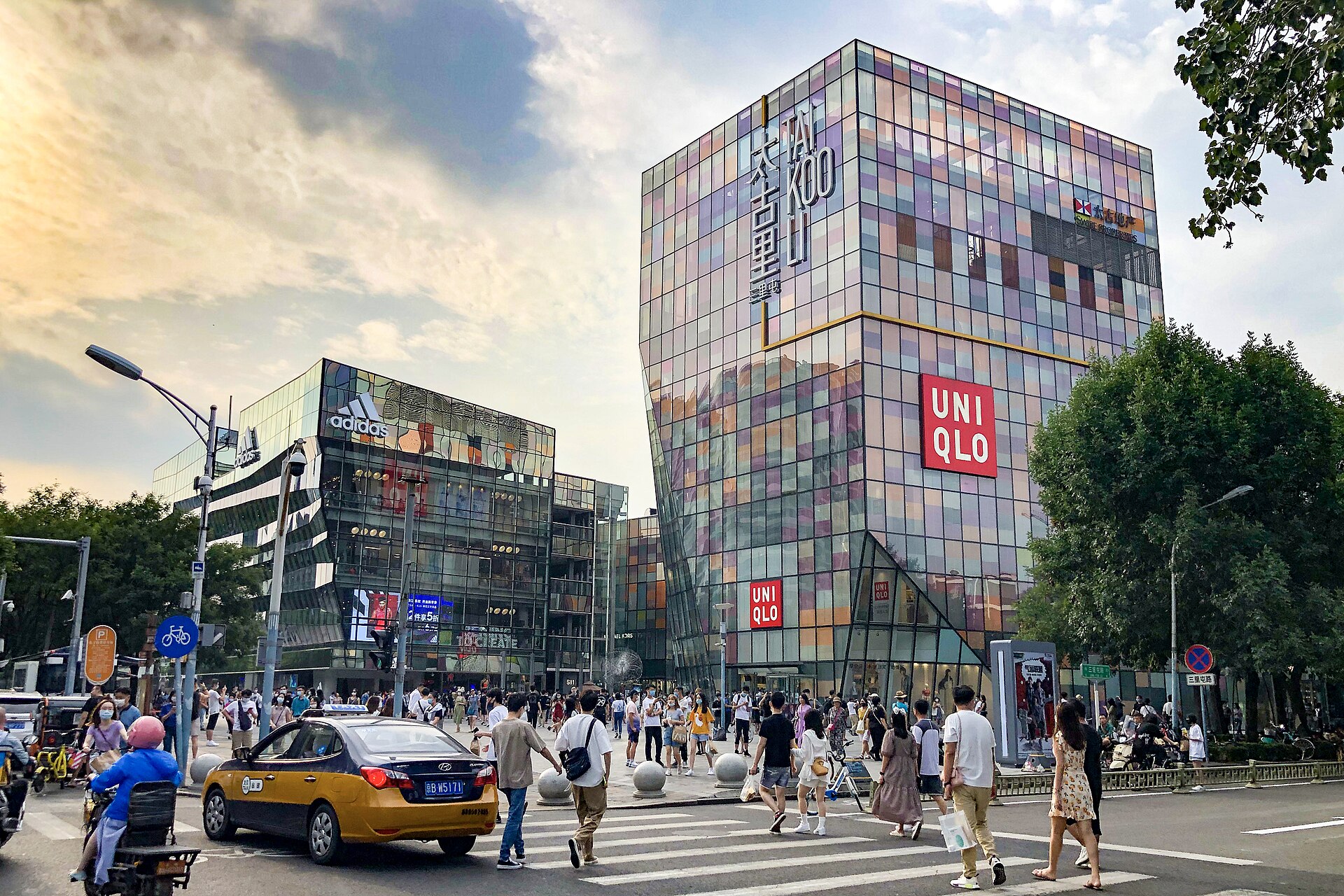
The modern side of Beijing's coffee scene — Taikoo Li is an open-air mall packed with brunch cafés, good-looking design spots and % Arabica, which has spaces in both the north and south sections. Nearby, Soloist Coffee runs its largest and most upscale branch. This is the zone for anyone who wants good coffee, a full breakfast and comfortable seating on a day they don't feel like walking the lanes.
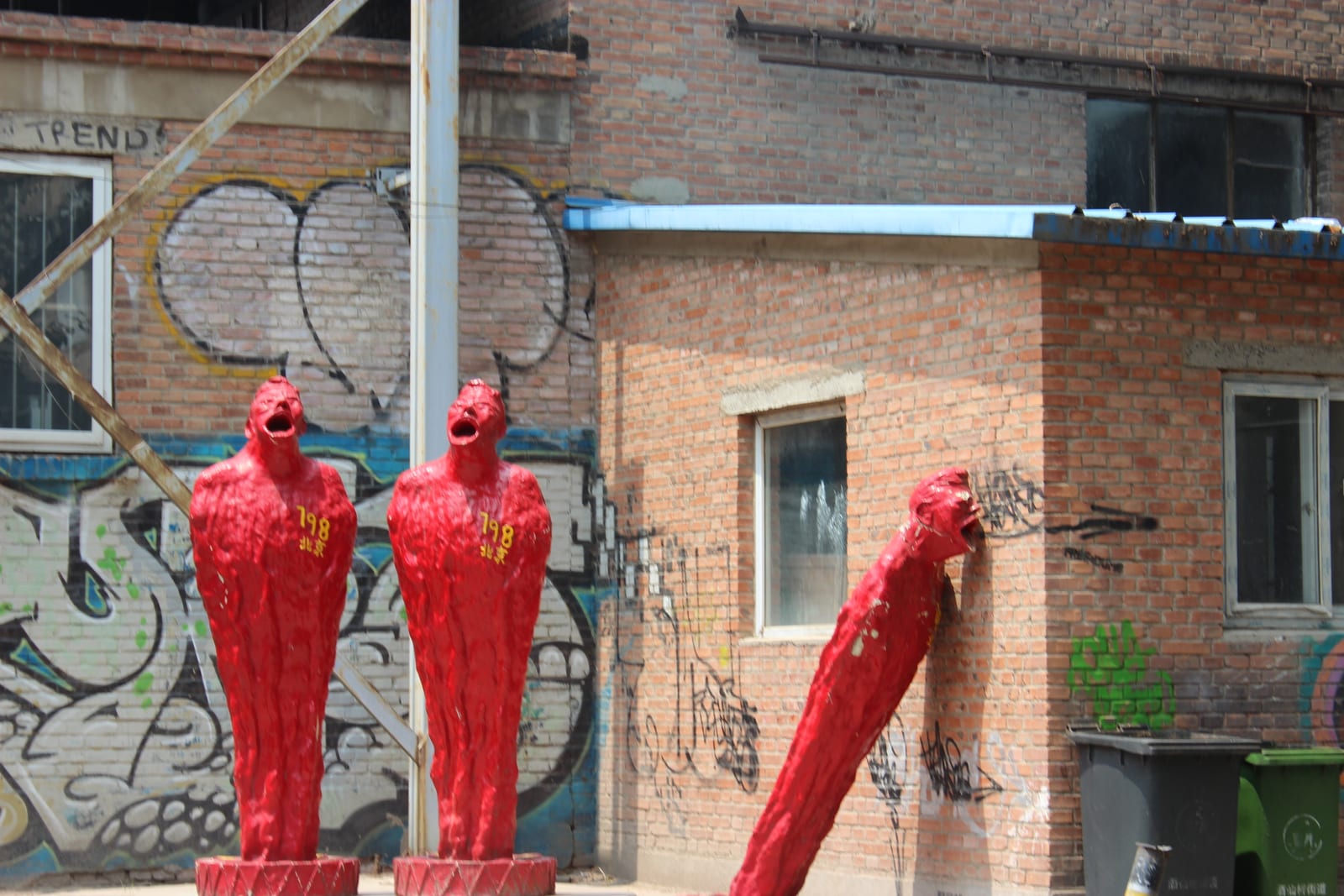
A 1950s Bauhaus-style industrial complex that became Beijing's largest art zone. Galleries, studios, outdoor sculpture and cafés are scattered all through it. Voyage Coffee has a branch here. Cafés at 798 are made for a day spent wandering between exhibitions and stopping to rest in stages — coffee and art in one place.
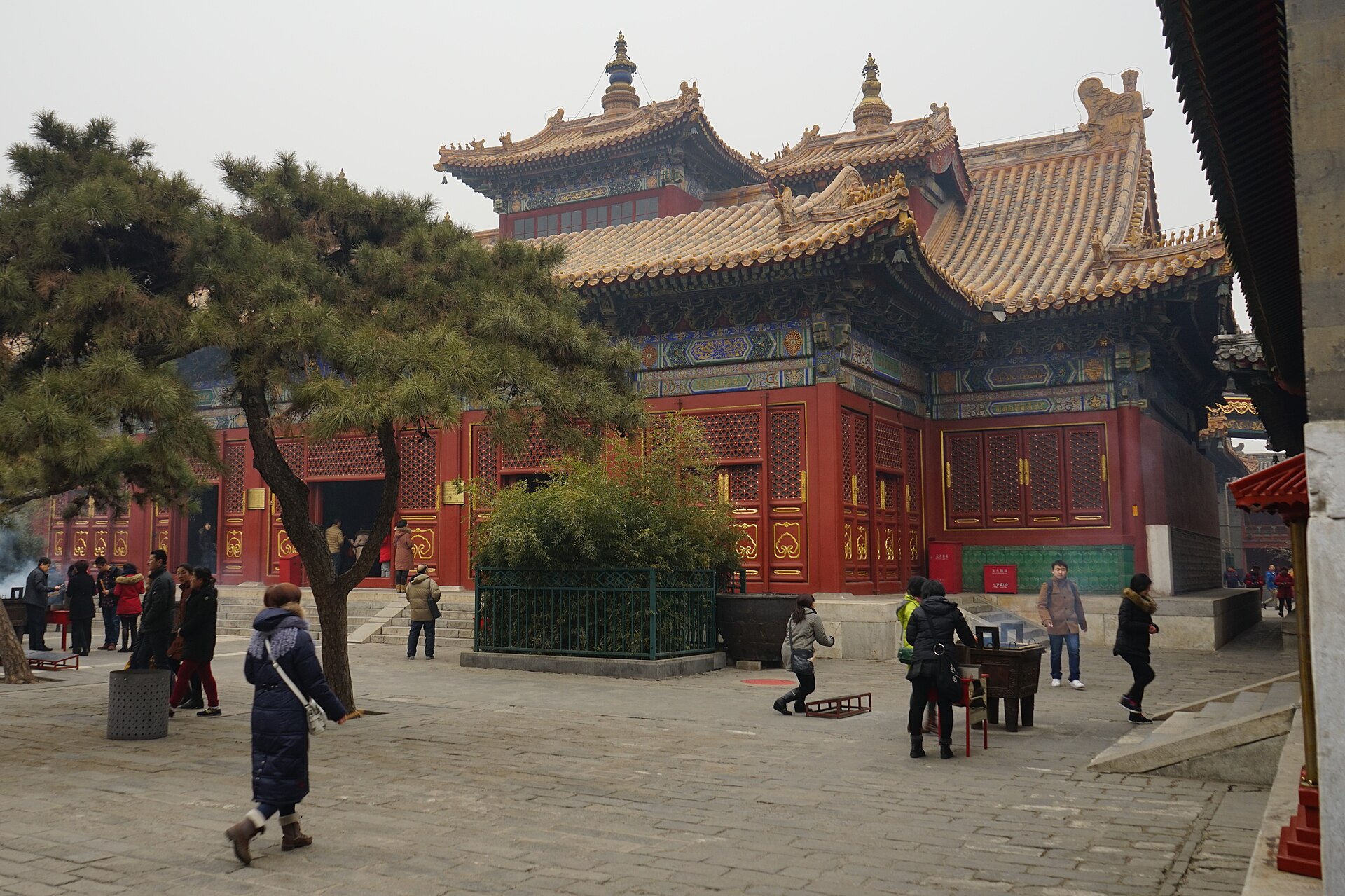
Beijing's two most indie lanes, right by the Lama Temple (Yonghe Temple). Wudaoying Hutong was an early leader of Beijing's modern coffee wave, with roasters, indie cafés and small restaurants. Fangjia Hutong is quieter, with cafés tucked in among art studios. Both lanes can be explored in half a day, before or after visiting the Lama Temple.
The east side of the city, Chaoyang District, is home to several specialty roasters and flagship cafés, including Metal Hands, which has multiple branches. The Liangmaqiao area along the Liangma River is an up-and-coming café pocket, while the CBD and Guomao have larger cafés that suit working — wide tables, lots of seats, some with power outlets. For a long half-day stay, this side is the most comfortable.
One of the leafiest, most tranquil old streets in Beijing, with ancient ceremonial archways and big trees shading the road, fronting the Confucius Temple and Imperial College. Cafés here feel calmer and more classic than the indie lanes. It pairs beautifully with the Lama Temple and Wudaoying right next door — you can comfortably walk all three in a single day.
Spend a day gallery-hopping and stop for coffee along the way — Beijing does both of these well at once
The 798 Art District is a former 1950s electronics-factory complex, designed in Bauhaus style by an East German team. When the factories moved out, artists moved in for the cheap space, and it grew into the largest and liveliest contemporary art zone in Beijing. Today galleries, studios, bookshops and cafés are spread throughout it. The old brick walls still carry graffiti, sculptures stand in the courtyards, and original factory pipework has become part of the atmosphere.
The best way to do 798 is to walk the galleries and stop for coffee in stages — there's no need to rush, and the site is big enough to fill an afternoon. Voyage Coffee has a branch here, and there are plenty of gallery cafés where the coffee is as good as the art around you. It's a day best saved for fine weather, when you can take it slowly — honestly one of the best days in Beijing for anyone who loves both coffee and art.
These brands have genuine reputations — but cafés change fast, so always check current branches and hours before you go
One of the names Beijing coffee lovers mention most. Metal Hands started small and grew into a brand with several branches across the city. It roasts its own beans and is known for consistent quality and well-designed spaces that work for both a quick cup and a long sit. If you want to get to know Beijing specialty coffee through a trustworthy local brand, start with Metal Hands.
Voyage is a Beijing roaster known for a range of roast levels, from light to dark, and a rotating seasonal menu. Its branches sit in some of the city's key spots, including the 798 Art District and near Nanluoguxiang, which makes it easy to drop into while sightseeing. If you like comparing several beans side by side, Voyage delivers.
Soloist began on Yangmeizhu Byway near Qianmen, in an old hutong house with timber beams and brick walls. It roasts its own beans and is known for its Dirty coffee and desserts inspired by old Beijing sweets. It later opened a branch at Sanlitun Taikoo Li, its largest and most polished. If you want both good coffee and a photogenic setting, Soloist works on both counts.
% Arabica is a name coffee lovers across Asia recognise. It started as a small mobile cart at Sanlitun back in 2019 and now has full spaces in both the north and south sections of Taikoo Li. Minimalist white counter, baristas in black, a focus on flat whites and espresso of dependable quality. It's not special because of any Beijing flavour — it's special for its reliable standard and an easy location to drop into between Sanlitun shops.
SOE is another specialty brand that started in Beijing and has several branches; the name stands for Single Origin Espresso, which tells you exactly where its priorities lie. Beyond it, the lanes around Wudaoying and Beiluoguxiang hold a rotating cast of indie roasters and small cafés that open and close. These are the soul of the hutong scene — there's no fixed list, so walk in and try one. Some of the best have never appeared in any guide.
The Lama Temple (Yonghe Temple) — a good place to start a café-walk day. The indie-café lanes of Wudaoying and Fangjia are right next door.
Paying: Beijing is almost entirely cashless. Nearly every café takes WeChat Pay and Alipay as its primary methods. Cafés inside malls like Taikoo Li and some premium spots also accept Visa and Mastercard, but many small hutong cafés take QR payment only, and some don't take cash at all. Before you travel, set up Alipay and link a foreign card through its international mode — it works for visitors (see our China payments guide).
Wi-Fi and working: Mid-size and large specialty cafés in Chaoyang, Sanlitun and 798 are comfortable to work from — wide tables, plenty of seats, some with outlets. Small hutong cafés lean toward atmosphere, with limited seating, and aren't ideal for long stays. The key thing: Wi-Fi in China can't reach many foreign sites without a VPN, so set up a VPN and an eSIM before you travel (see our China internet & VPN guide).
Best timing: On weekday mornings the hutong lanes are still quiet, the light is lovely, and you'll have your pick of seats. On weekends Nanluoguxiang and 798 get very busy. And on opening hours — once more: independent cafés change fast, so before making a special trip to any one of them, check on Dianping (大众点评) or the café's WeChat first so you don't end up at a closed door.
Sanlitun Taikoo Li — the modern, open-air side of Beijing's coffee scene, home to % Arabica and Soloist Coffee's largest branch
Basing yourself around Sanlitun/Chaoyang or near the Gulou hutongs puts good cafés within a few minutes' walk