A side of Yokohama with a different mood from Minato Mirai and Chinatown — the Sankeien Japanese garden with its 3-story pagoda brought from Kyoto, the Yamate Bluff lined with Meiji-era Western houses, the Harbor View Park rose garden, and the Motomachi shopping street, all in one day.
Say "Yokohama" and most people picture the Ferris wheel at Minato Mirai and Chinatown first. But this port city was one of the first places in Japan to open to foreigners back in the 1860s, and the traces of that are all still here — picture a Japanese garden of more than 17 hectares with a centuries-old three-story wooden pagoda, lifted whole from Kyoto and set on a rise above a pond; and, on another side of the city, sloping streets lined with Western-style timber houses where foreign consuls and merchants once actually lived.
This page takes you through Yokohama's heritage side — Sankeien Garden, the Yamate hill that foreigners called "the Bluff", the Harbor View Park rose garden, the Foreigners' Cemetery, and Motomachi, one of the city's oldest shopping streets. The mood here is completely different from the waterfront: quieter, leafier, and just right if you love gardens, architecture, and a bit of history.
See it all in one table: when each spot opens, whether there's an entry fee, and which station to use — prices and hours for 2026 may change, so it's safest to double-check the official sites before you go.
| Spot | Area | Hours | Entry | Nearest station |
|---|---|---|---|---|
| Sankeien GardenJapanese garden | Honmoku | 09:00–17:00 (last entry 16:30) | ~¥900 / kids ~¥200 | Negishi (JR) + bus |
| Berrick HallLargest Western house | Yamate | ~09:30–17:00 (closing days) | Free | Motomachi-Chukagai |
| Diplomat's House1910 residence | Yamate | ~09:30–17:00 (closing days) | Free | Motomachi-Chukagai |
| Harbor View ParkHilltop park | Yamate | Always open (public park) | Free | Motomachi-Chukagai |
| Foreigners' CemeteryHistoric cemetery | Yamate | Sat–Sun/holidays 12:00–16:00 | Donation ~¥500 | Ishikawacho (JR) |
| Motomachi Shopping St.Shopping street | Motomachi | By shop (free to stroll) | Free | Motomachi-Chukagai / Ishikawacho |
From a hushed Japanese garden to a hill of Western houses and a retro shopping street — follow these and you'll catch both sides of Yokohama in a single trip.
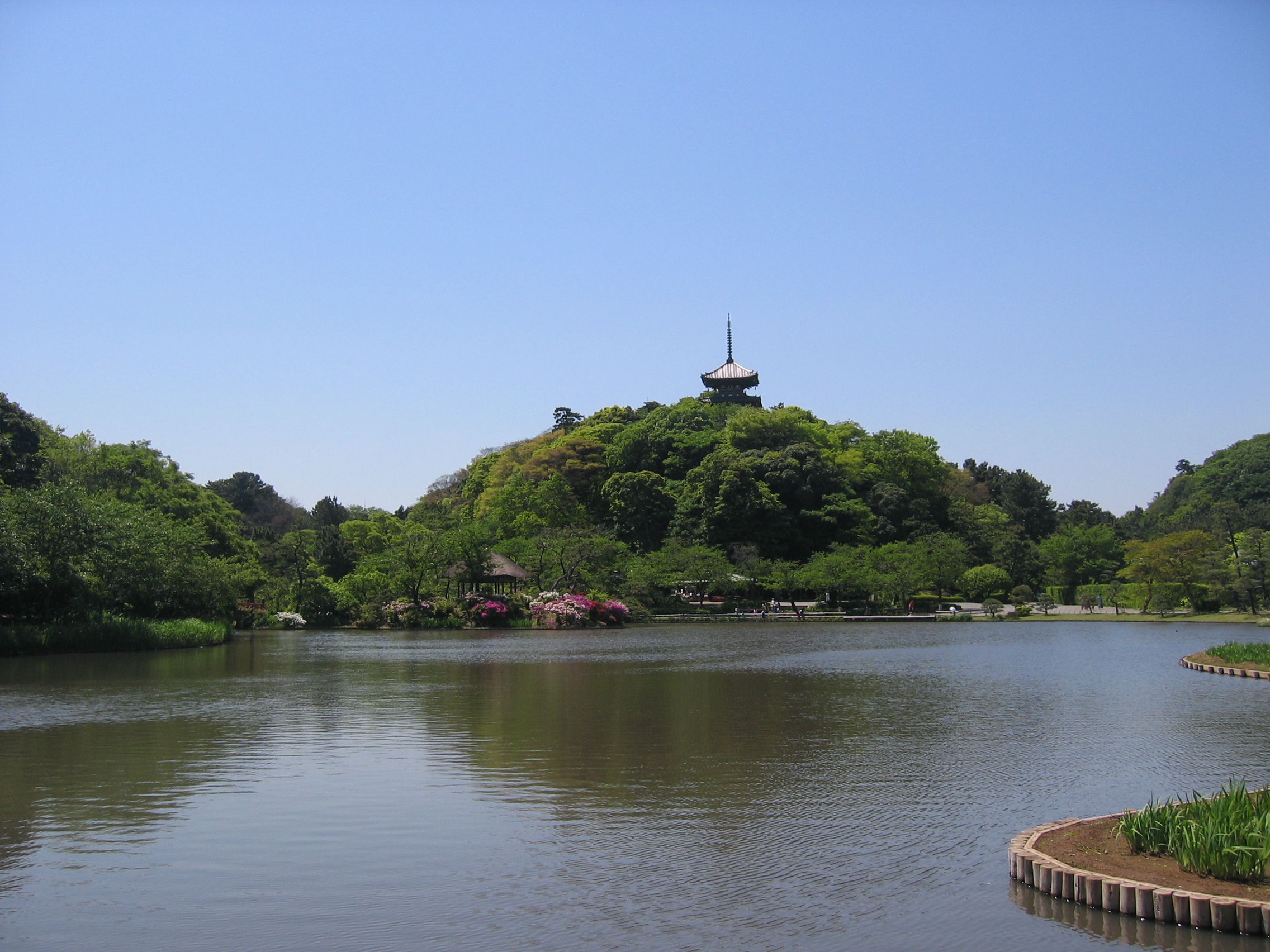
⛩️ Honmoku1
A Japanese garden of about 17.5 hectares, created by the businessman Hara Tomitaro (Sankei). The highlight is the three-story wooden pagoda from Tomyoji temple, brought here from Kyoto (built in 1457) and set prominently on a rise above the pond. Across the grounds are 17 historic buildings relocated from all over Japan, including Rinshunkaku, an Important Cultural Property. A loop around the pond takes a comfortable 1–2 hours.
Yokohama Attractions →The hill foreigners called "the Bluff" is the district where overseas residents settled from the late 19th into the early 20th century. Today several Western-style timber houses are still open to walk through, such as Berrick Hall, the largest residence in the area (built in 1930 in Spanish style), and the Diplomat's House of the diplomat Sadatsuchi Uchida (built in 1910 in Victorian style). Going from one to the next feels like stepping back in time.
Yokohama Guide →A public park on a rise of about 35 metres, named for the view over Yokohama Bay and the Yokohama Bay Bridge you get from here. Inside is the "English Rose Garden", one of Japan's well-known rose gardens, and nearby sits an Italian-style garden with Bluff No.18. It's the best place to start a Yamate walk, since you can head downhill from here to the Western houses and on to Motomachi.
Yokohama Attractions →On the Yamate hill stands an old cemetery with a history reaching back to 1854, designated as a burial ground for foreign residents in 1861. Today it holds around 4,200 graves of people from many nations who once settled in this port city. Part of it is open to visitors, with a small museum beside the entrance — a quiet spot that tells the story of the open-port era well.
Yokohama Guide →
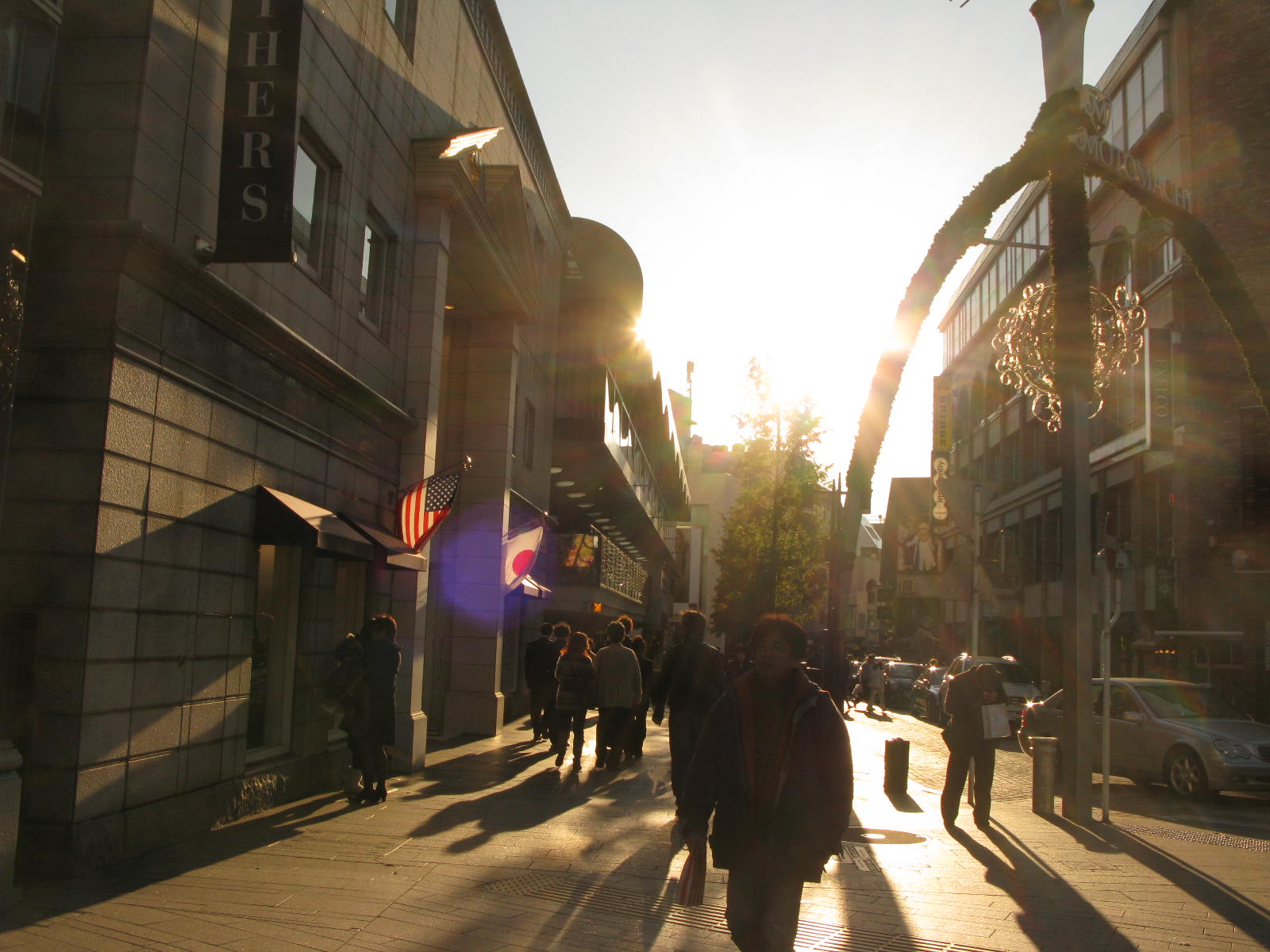
🛍️ Motomachi5
A shopping street of about 500 metres running parallel to the Nakamura River. It once served Yokohama's first foreign residents and was where many goods first entered Japan. These days it's full of long-established boutiques, local brands, bakeries, and retro-feel cafés — and it picks up right where the Yamate hill leaves off as you walk down.
Yokohama Food Guide →
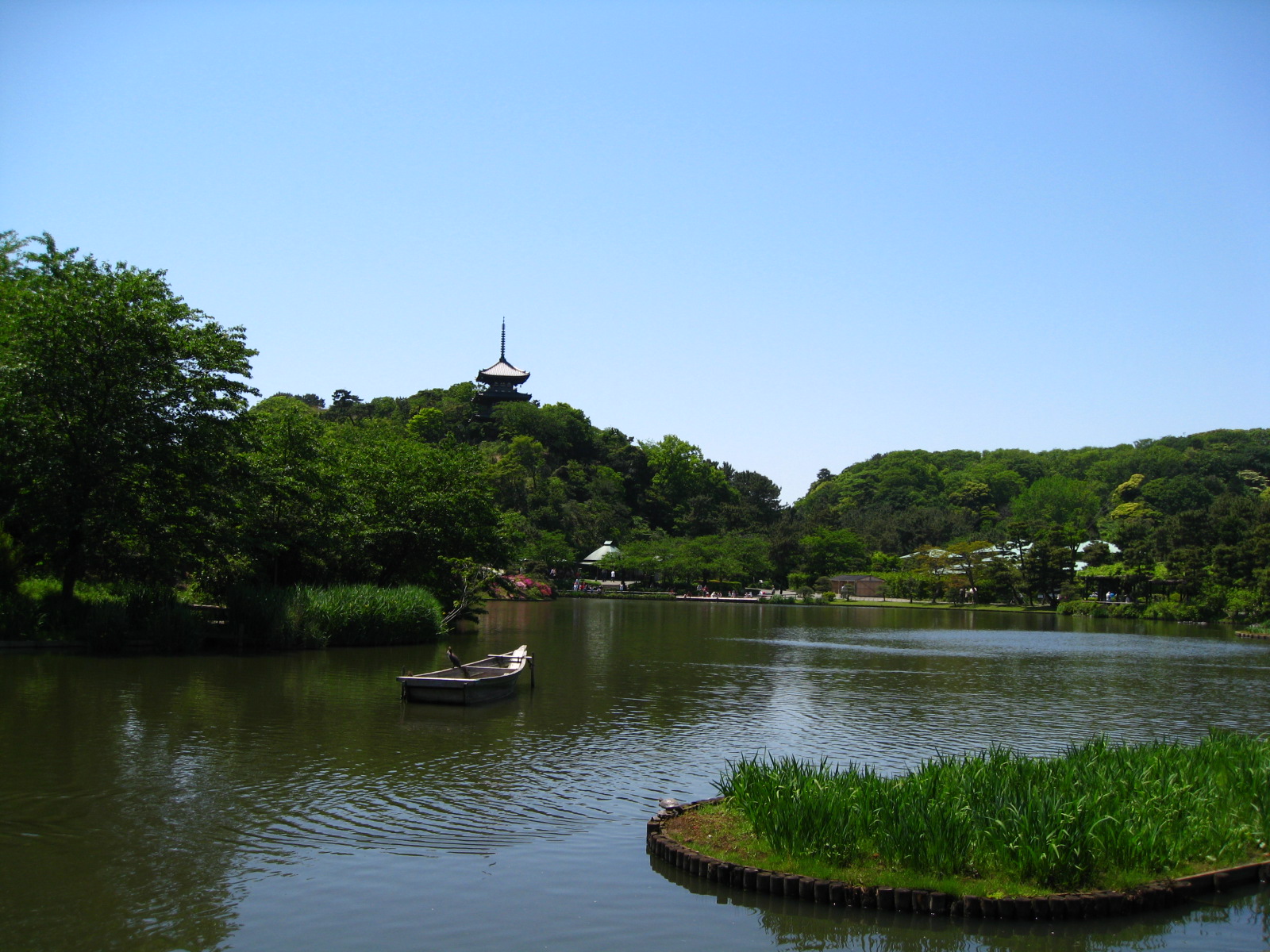
⛩️ Honmoku6
What sets Sankeien apart from an ordinary garden is the genuine old buildings relocated here from Kyoto, Kamakura, and elsewhere — 17 in all, 10 of them Important Cultural Properties. The highlights are the three-story Tomyoji pagoda (from Kyoto) and Rinshunkaku, a sukiya-style building linked to the Kishu branch of the Tokugawa family. Walking through it feels like an open-air museum of architecture.
Yokohama Attractions →This district was the birthplace of many things foreigners introduced during the open-port era — so bakeries, cafés, and Western-style sweets are the standout here. For the full range, dive into the complete Yokohama food guide.
Motomachi was one of the first places Western bread and confectionery arrived in Japan, and several long-established bakeries and sweet shops are still here to drop into. Browsing the shops with a coffee in hand is just right — an ideal light bite mid-walk.
Up on the Yamate hill there are cafés and tearooms set in old buildings or shaded corners, perfect for resting with a bay view after touring the Western houses and the rose garden. It's a break that suits the district's mood beautifully.
If you want a proper meal, Yokohama Chinatown — the largest in Japan — sits right next to Motomachi, an easy walk for a single meal. Dim sum, steamed buns, and hundreds of Chinese restaurants — see our city-wide food picks in the guide below.
The key thing to know: Sankeien is in a different area from Yamate–Motomachi and uses a different station. Plan your route like this and you won't get lost.
It's clear at a glance that Sankeien to the south sits apart from the Yamate–Motomachi cluster, while Harbor View Park, the Foreigners' Cemetery, and Motomachi street are close enough to walk between.
Open our shortlist of the best Yokohama hotels, or start comparing real room availability on Agoda right away.
The whole city at a glance — attractions, hotels, food, and how to get there from Tokyo, all on one page.
Yokohama Guide →The other side of the city — the Cosmo World Ferris wheel, Landmark Tower, the Red Brick Warehouse, and the bay at night.
Minato Mirai →The largest Chinatown in Japan, right beside Motomachi — dim sum, steamed buns, and hundreds of Chinese restaurants.
Chinatown →Fresh-style ramen, Chinatown dim sum, Motomachi bakeries, and the standout spots across the city you shouldn't miss.
Yokohama Food →Build a one-day or multi-day Yokohama route, weaving this heritage district together with Minato Mirai and Chinatown.
Yokohama Plan →An old temple town near Yokohama — the Great Buddha, Hase, and the Shonan coast, easy to pair into a trip.
Kamakura Attractions →Open the Yokohama city guide to plan attractions, hotels, and food across the city, or browse all the top sights before you map out your real route.