🌏 Destinations · All 🇯🇵 Japan · full guide Yokohama Yokohama Attractions Minato Mirai Chinatown ⛩️ Sankeien & Yamate 🧭 Travel Prep About Contact 🇹🇭 ไทย🇬🇧 English🇨🇳 中文🇪🇸 Español🇫🇷 Français
⛩️ Sankeien & Yamate, Yokohama

Sankeien & Yamate — A Classic Japanese Garden, a Hill of Western Houses, and Old Yokohama

A side of Yokohama with a different mood from Minato Mirai and Chinatown — the Sankeien Japanese garden with its 3-story pagoda brought from Kyoto, the Yamate Bluff lined with Meiji-era Western houses, the Harbor View Park rose garden, and the Motomachi shopping street, all in one day.

Start Here

Yokohama Isn't Just Towers by the Bay —It Hides a Japanese Garden and a Hill of Western Houses

Say "Yokohama" and most people picture the Ferris wheel at Minato Mirai and Chinatown first. But this port city was one of the first places in Japan to open to foreigners back in the 1860s, and the traces of that are all still here — picture a Japanese garden of more than 17 hectares with a centuries-old three-story wooden pagoda, lifted whole from Kyoto and set on a rise above a pond; and, on another side of the city, sloping streets lined with Western-style timber houses where foreign consuls and merchants once actually lived.

This page takes you through Yokohama's heritage side — Sankeien Garden, the Yamate hill that foreigners called "the Bluff", the Harbor View Park rose garden, the Foreigners' Cemetery, and Motomachi, one of the city's oldest shopping streets. The mood here is completely different from the waterfront: quieter, leafier, and just right if you love gardens, architecture, and a bit of history.

⛩️ One thing to know up front: Sankeien is in a different area from Yamate–Motomachi (you have to take a bus in from Negishi Station), while Yamate–Motomachi–Chinatown–Yamashita Park all sit together within walking distance. The simple plan is to give Sankeien half a day, then cover the Yamate Bluff and Motomachi in the other half — or split them across two days if you'd rather take it slow.
⛩️
A Real Japanese Garden
Sankeien — a 3-story pagoda plus 17 historic buildings relocated here.
🏯
Western Houses
The Yamate Bluff's open-port residences — several free to enter.
🌹
Bay Views + Roses
Harbor View Park on the hill, with views of the Yokohama Bay Bridge.
🛍️
Retro Shopping
Motomachi street — old-school shops, boutiques, and hillside cafés.
The Overview Before You Set Out

6 Highlights —Hours, Fees, and How to Get There

See it all in one table: when each spot opens, whether there's an entry fee, and which station to use — prices and hours for 2026 may change, so it's safest to double-check the official sites before you go.

SpotAreaHoursEntryNearest station
Sankeien GardenJapanese gardenHonmoku09:00–17:00 (last entry 16:30)~¥900 / kids ~¥200Negishi (JR) + bus
Berrick HallLargest Western houseYamate~09:30–17:00 (closing days)FreeMotomachi-Chukagai
Diplomat's House1910 residenceYamate~09:30–17:00 (closing days)FreeMotomachi-Chukagai
Harbor View ParkHilltop parkYamateAlways open (public park)FreeMotomachi-Chukagai
Foreigners' CemeteryHistoric cemeteryYamateSat–Sun/holidays 12:00–16:00Donation ~¥500Ishikawacho (JR)
Motomachi Shopping St.Shopping streetMotomachiBy shop (free to stroll)FreeMotomachi-Chukagai / Ishikawacho
📅 A note on opening times: the Foreigners' Cemetery only opens to visitors on weekends and public holidays (and closes every day in January and August) · several Western houses in Yamate each have their own monthly closing day · Motomachi street is closed to traffic for pedestrians only on weekend and holiday afternoons — so if you want the full atmosphere, a weekend visit pays off.
What to See

6 Spots That MakeHeritage Yokohama Worth the Walk

From a hushed Japanese garden to a hill of Western houses and a retro shopping street — follow these and you'll catch both sides of Yokohama in a single trip.
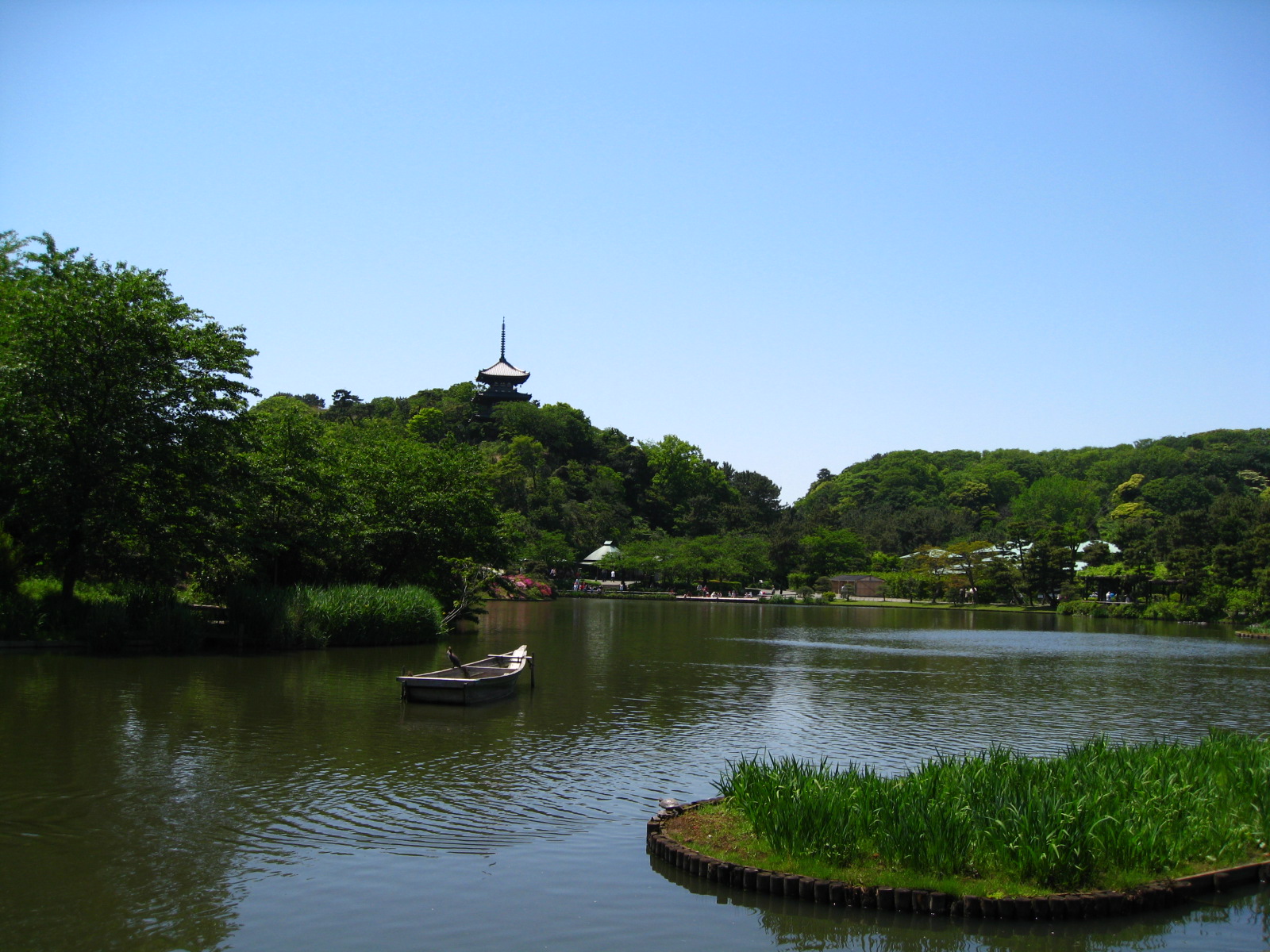
Sankeien Garden in Yokohama, with the three-story pagoda on a rise above the pond ⛩️ Honmoku1
Sankeien Garden
Sankeien Garden · Honmoku

A Japanese garden of about 17.5 hectares, created by the businessman Hara Tomitaro (Sankei). The highlight is the three-story wooden pagoda from Tomyoji temple, brought here from Kyoto (built in 1457) and set prominently on a rise above the pond. Across the grounds are 17 historic buildings relocated from all over Japan, including Rinshunkaku, an Important Cultural Property. A loop around the pond takes a comfortable 1–2 hours.

🕘Hours: 09:00–17:00 (last entry 16:30)
🎟️Entry: adults ~¥900 · children through junior high ~¥200 (check the latest)
🚆Getting there: JR Negishi Line to Negishi Station, then a city bus ~10 min, plus a 7–10 min walk
💡Tip: Lovely in every season — plum in late winter, cherry in early spring, autumn leaves and illuminations in fall. Some periods have evening firefly viewing.
Yokohama Attractions →
🏯 🏯 Yamate2
Yamate Bluff Western Houses
Yamate Bluff · Western Houses

The hill foreigners called "the Bluff" is the district where overseas residents settled from the late 19th into the early 20th century. Today several Western-style timber houses are still open to walk through, such as Berrick Hall, the largest residence in the area (built in 1930 in Spanish style), and the Diplomat's House of the diplomat Sadatsuchi Uchida (built in 1910 in Victorian style). Going from one to the next feels like stepping back in time.

🕘Hours: mostly around 09:30–17:00 · each has its own monthly closing day
🎟️Entry: many are free (including Berrick Hall and the Diplomat's House)
🚆Getting there: Motomachi-Chukagai Station (Minatomirai Line), then walk up the hill
💡Tip: Check each house's opening days first, since they don't all match. Starting from Harbor View Park and walking downhill is the easiest route.
Yokohama Guide →
🌹 🌹 Yamate3
Harbor View Park + Rose Garden
Harbor View Park · Yamate

A public park on a rise of about 35 metres, named for the view over Yokohama Bay and the Yokohama Bay Bridge you get from here. Inside is the "English Rose Garden", one of Japan's well-known rose gardens, and nearby sits an Italian-style garden with Bluff No.18. It's the best place to start a Yamate walk, since you can head downhill from here to the Western houses and on to Motomachi.

🕘Hours: open as a general public park (roses look best in spring–early summer and autumn)
🎟️Entry: Free
🚆Getting there: a short walk from Motomachi-Chukagai Station
💡Tip: Visiting when the roses are in bloom is the most rewarding — the bay view is lovely by day and in the evening alike.
Yokohama Attractions →
🌿 🌿 Yamate4
Foreigners' Cemetery
Foreigners' Cemetery · Yamate

On the Yamate hill stands an old cemetery with a history reaching back to 1854, designated as a burial ground for foreign residents in 1861. Today it holds around 4,200 graves of people from many nations who once settled in this port city. Part of it is open to visitors, with a small museum beside the entrance — a quiet spot that tells the story of the open-port era well.

🕘Hours: Sat–Sun/holidays 12:00–16:00 · closed every day in Jan and Aug
🎟️Entry: a donation of about ¥500 (during visiting hours)
🚆Getting there: Ishikawacho Station (JR Negishi Line), then walk up the hill
💡Tip: It's only open on weekends, so plan a Saturday or Sunday visit if you want to go in — and stop by the small museum at the gate too.
Yokohama Guide →
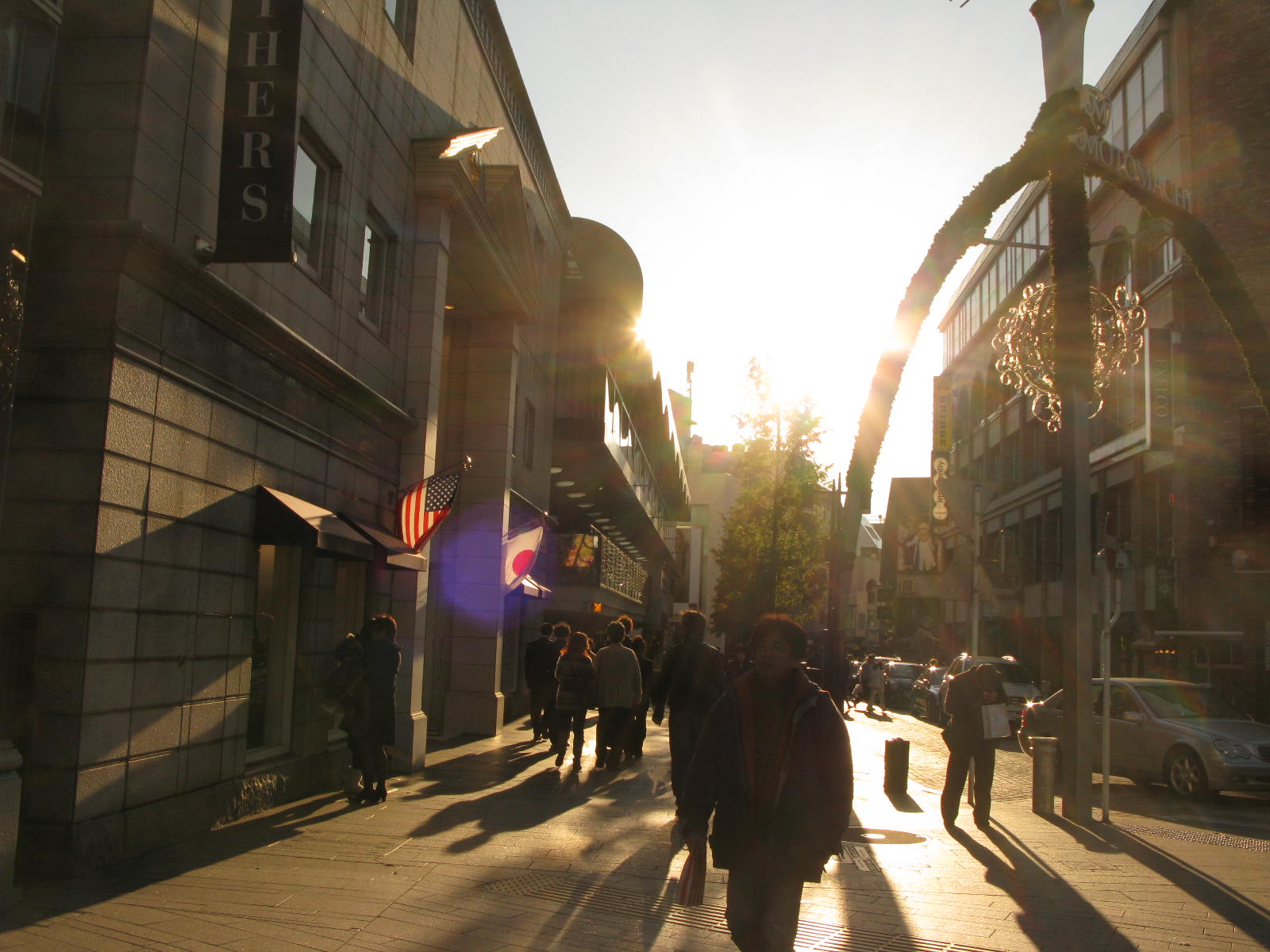
The Motomachi Shopping Street in Yokohama in the evening light 🛍️ Motomachi5
Motomachi Shopping Street

A shopping street of about 500 metres running parallel to the Nakamura River. It once served Yokohama's first foreign residents and was where many goods first entered Japan. These days it's full of long-established boutiques, local brands, bakeries, and retro-feel cafés — and it picks up right where the Yamate hill leaves off as you walk down.

🕘Hours: by shop · pedestrianised on weekend/holiday afternoons
🎟️Entry: Free (just browsing)
🚆Getting there: north end near Motomachi-Chukagai · south end near Ishikawacho (JR)
💡Tip: Come on a weekend for the full pedestrian-street feel, and pair it with the adjacent Chinatown for a single meal stop.
Yokohama Food Guide →
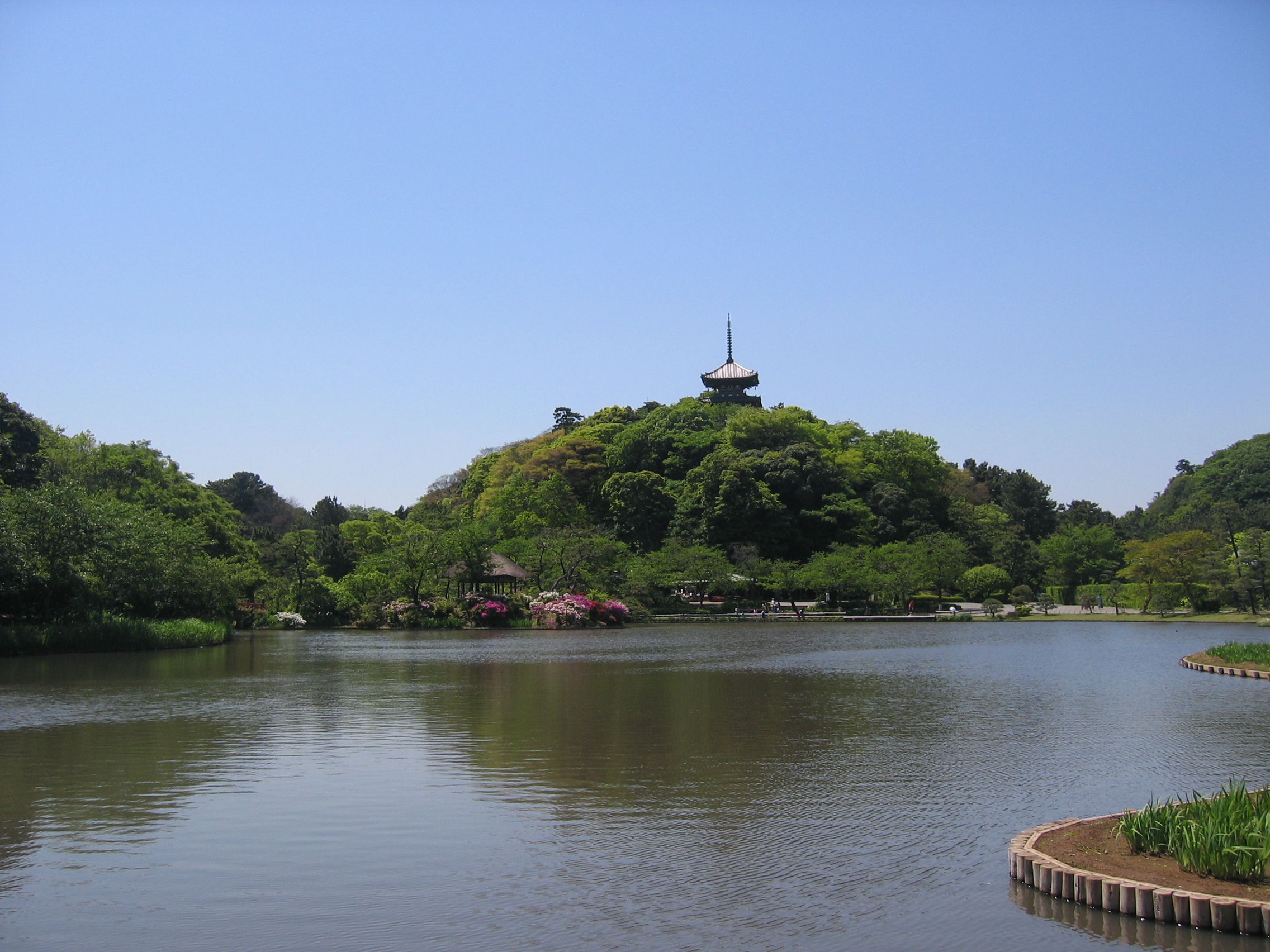
The historic three-story pagoda from Tomyoji temple above the pond in Sankeien Garden, Yokohama ⛩️ Honmoku6
Historic Buildings in Sankeien
Historic Buildings · Sankeien

What sets Sankeien apart from an ordinary garden is the genuine old buildings relocated here from Kyoto, Kamakura, and elsewhere — 17 in all, 10 of them Important Cultural Properties. The highlights are the three-story Tomyoji pagoda (from Kyoto) and Rinshunkaku, a sukiya-style building linked to the Kishu branch of the Tokugawa family. Walking through it feels like an open-air museum of architecture.

🏯Highlights: the three-story Tomyoji pagoda (1457) · Rinshunkaku (Important Cultural Property)
🌿Mood: old buildings blending into a stroll garden around the pond
🚆Getting there: inside Sankeien Garden (Negishi, then a bus)
💡Tip: Leave time for the Inner Garden, which holds the main buildings — taking it slowly is the most rewarding.
Yokohama Attractions →
Eat & Drink Around Here

What to EatWhile Walking Yamate–Motomachi

This district was the birthplace of many things foreigners introduced during the open-port era — so bakeries, cafés, and Western-style sweets are the standout here. For the full range, dive into the complete Yokohama food guide.

MOTOMACHI
Bakeries + Retro Sweets

Motomachi was one of the first places Western bread and confectionery arrived in Japan, and several long-established bakeries and sweet shops are still here to drop into. Browsing the shops with a coffee in hand is just right — an ideal light bite mid-walk.

YAMATE
Cafés in Old Houses

Up on the Yamate hill there are cafés and tearooms set in old buildings or shaded corners, perfect for resting with a bay view after touring the Western houses and the rose garden. It's a break that suits the district's mood beautifully.

NEXT DOOR
Chinatown Right Beside It

If you want a proper meal, Yokohama Chinatown — the largest in Japan — sits right next to Motomachi, an easy walk for a single meal. Dim sum, steamed buns, and hundreds of Chinese restaurants — see our city-wide food picks in the guide below.

🍜 Want the full restaurant list: open the Yokohama food guide for the city's standout spots, or the Japanese food guide if you want to know which dishes to try across the country.
Getting There — Trains/Buses

Getting toSankeien and Yamate

The key thing to know: Sankeien is in a different area from Yamate–Motomachi and uses a different station. Plan your route like this and you won't get lost.

🚆
Sankeien = Negishi + Bus
Take the JR Negishi Line to Negishi Station, then a city bus (e.g. routes 54/97 or 58/99/101) for about 10 minutes, getting off near the garden for a further 7–10 minute walk.
🚉
Yamate = Motomachi-Chukagai
Motomachi-Chukagai Station (Minatomirai Line) sits at the north end of Motomachi street and near Harbor View Park — walk up the hill to reach Yamate from there.
🚇
Motomachi = Two Stations Flanking It
North end near Motomachi-Chukagai · south end near Ishikawacho (JR Negishi Line). Get off at either and you can walk the whole street through.
🏙️
From Yokohama Station
About 8 minutes to Motomachi-Chukagai (~¥230) · about 7 minutes to Ishikawacho (~¥200). Fares may shift slightly in 2026.
🗺️
Check the Latest Bus Routes
Schedules and route numbers for buses to Negishi/Sankeien can change — use Google Maps for live stops and times before you set out, to be safe.
🚶
Plan to Walk Downhill
On the Yamate side it's common to start at Harbor View Park up high, then walk down past the Western houses to finish at Motomachi–Chinatown — easier on the legs than walking up.
Map

The Sankeien–Yamate Highlightson the Map

It's clear at a glance that Sankeien to the south sits apart from the Yamate–Motomachi cluster, while Harbor View Park, the Foreigners' Cemetery, and Motomachi street are close enough to walk between.

Where to Stay

Base in Yokohama andCover the Heritage District at Your Own Pace

🏨 Easy as a day trip: Sankeien–Yamate is within Yokohama, so it's a comfortable day trip from Tokyo (about 30–40 minutes from Shinjuku/Shibuya) or an add-on from Kamakura. But if you'd rather amble without rushing, staying one night in Yokohama and covering Minato Mirai, Chinatown, and this heritage district together is a good option. The handiest locations are around Yokohama Station or Minato Mirai, thanks to easy connections.
🗼
Stay Around Minato Mirai
Lovely bay views and pleasant evening strolls, with easy connections to Yamate–Motomachi and Sankeien. Great for couples and families.
🚉
Stay Around Yokohama Station
The city's biggest rail hub, with simple JR Negishi Line access to Ishikawacho/Negishi. Rooms come at every price level here.
🏯
Soak Up the Old District
There are places to stay around Motomachi–Chinatown so you can wake up and walk straight into the heritage area — but rooms are fewer and book up early in high season.
Find a Yokohama Hotel

Pick a Well-Placed Hotel
and Spend the Day in the Heritage District

Open our shortlist of the best Yokohama hotels, or start comparing real room availability on Agoda right away.

Related Guides

Keep Exploring Yokohama and Kanagawa — Districts, Cities, and Plans

🏙️

Yokohama City Guide

The whole city at a glance — attractions, hotels, food, and how to get there from Tokyo, all on one page.

Yokohama Guide →
🎡

Minato Mirai Guide

The other side of the city — the Cosmo World Ferris wheel, Landmark Tower, the Red Brick Warehouse, and the bay at night.

Minato Mirai →
🏮

Yokohama Chinatown Guide

The largest Chinatown in Japan, right beside Motomachi — dim sum, steamed buns, and hundreds of Chinese restaurants.

Chinatown →
🍜

Yokohama Food

Fresh-style ramen, Chinatown dim sum, Motomachi bakeries, and the standout spots across the city you shouldn't miss.

Yokohama Food →
🗓️

Yokohama Itinerary

Build a one-day or multi-day Yokohama route, weaving this heritage district together with Minato Mirai and Chinatown.

Yokohama Plan →
⛩️

Kamakura Attractions

An old temple town near Yokohama — the Great Buddha, Hase, and the Shonan coast, easy to pair into a trip.

Kamakura Attractions →
Frequently Asked Questions

Questions AboutSankeien & Yamate

What are Sankeien Garden's opening hours and entry fee?
Sankeien Garden is open 09:00–17:00 (last entry 16:30). Admission is around 900 yen for adults and about 200 yen for children (through junior high). At certain times there are special events, such as firefly viewing on summer evenings or autumn-leaf illuminations in fall. Prices and hours for 2026 may change, so check the official site before you go.
How do I get to Sankeien Garden?
The garden isn't next to a train station. The main way is to take the JR Negishi Line to Negishi Station, then a city bus (e.g. routes 54/97 or 58/99/101) for about 10 minutes, getting off near the garden for a 7–10 minute walk. From central Yokohama it's only a few minutes by train to Negishi before the bus. Use Google Maps to check the latest bus routes and stops, as schedules can change.
Which Western houses in Yamate are worth visiting, and is there a fee?
Several houses stand out in Yamate, such as Berrick Hall (the largest Western residence in the area, built in 1930 in Spanish style), Bluff No.18 in the Italian Garden, and the Diplomat's House (built in 1910 in Victorian style). Many are free to enter (Berrick Hall and the Diplomat's House among them). Opening days and hours vary, and most have a regular monthly closing day, so it's safest to check before you go.
How do I get between Yamate and Motomachi, and are they close together?
They sit right next to each other and are walkable. The main station is Motomachi-Chukagai (Minatomirai Line), at the north end of Motomachi street and near Harbor View Park, while Ishikawacho (JR Negishi Line) is near the south end of Motomachi. From Yokohama Station it's about 8 minutes to Motomachi-Chukagai. The easy way to do it is to start at Harbor View Park on the Yamate hill, then walk downhill to shop along Motomachi.
Is half a day enough for Sankeien–Yamate, and what can I pair it with?
If you walk briskly, half a day covers the main spots, but if you want to amble through several Western houses plus a full loop of Sankeien Garden, a whole day is more comfortable. Because Sankeien is in a different area from Yamate/Motomachi (you need a bus), most people pick one as their focus, then pair Yamate–Motomachi with the adjacent Chinatown and Yamashita Park.
What time of year is Sankeien–Yamate at its best?
Sankeien is beautiful in every season — plum blossoms in late winter, cherry blossoms in early spring, autumn leaves and illuminations in fall, and a quiet hush under snow. Yamate and Harbor View Park have a rose garden that looks its best in spring to early summer and again in autumn. Overall, spring and autumn bring the most pleasant weather and the prettiest views.
Ready to Explore Yokohama?

Cover the Heritage District in Full
then See the Rest of Yokohama

Open the Yokohama city guide to plan attractions, hotels, and food across the city, or browse all the top sights before you map out your real route.

🔴 Find Yokohama Hotels Yokohama Guide