Home Yokohama Japan Kanagawa About
Home  ›  Asia  ›  Japan  ›  Yokohama  ›  Attractions
🇯🇵 Yokohama Attractions · 2026

What to See in Yokohama —
Harbour, Chinatown, Gardens & More

Japan's original international port opened to the world in 1859, and the city has never stopped wearing that cosmopolitan character. European villas on the hillside, a Meiji red-brick waterfront, Japan's biggest Chinatown, and a hidden garden that most Tokyo day-trippers miss completely — all of it within 30 minutes of Shibuya.

Why Come Here

A City Where History Faces the Sea

Yokohama is one of those cities that people underestimate — they write it off as a "Tokyo suburb" and keep moving. That's a mistake. When Japan forced open its ports in 1859, Yokohama was where American, British, French, German and Chinese merchants first landed, and they left behind layers of culture you can still walk through today.

Stroll from the Meiji-era Red Brick Warehouse — once a customs depot, now a weekend market — along the waterfront to Osanbashi Pier, whose extraordinary wave-shaped wooden rooftop is free and open around the clock. Turn inland and the scent of steamed pork buns pulls you into Chinatown, the largest in Japan with nearly 600 restaurants and shops. If you have a second day, the Sankeien Garden is one of those rare places that genuinely surprises people — a 175-acre private garden full of transplanted historic buildings from Kyoto and Kamakura, with almost no crowds on a weekday morning. We picked ten sights that together tell this city's whole story.

The Top Sights

10 Places Worth Making Time For

Ranked by the experience rather than the Instagram count — with honest notes on what each place actually delivers.
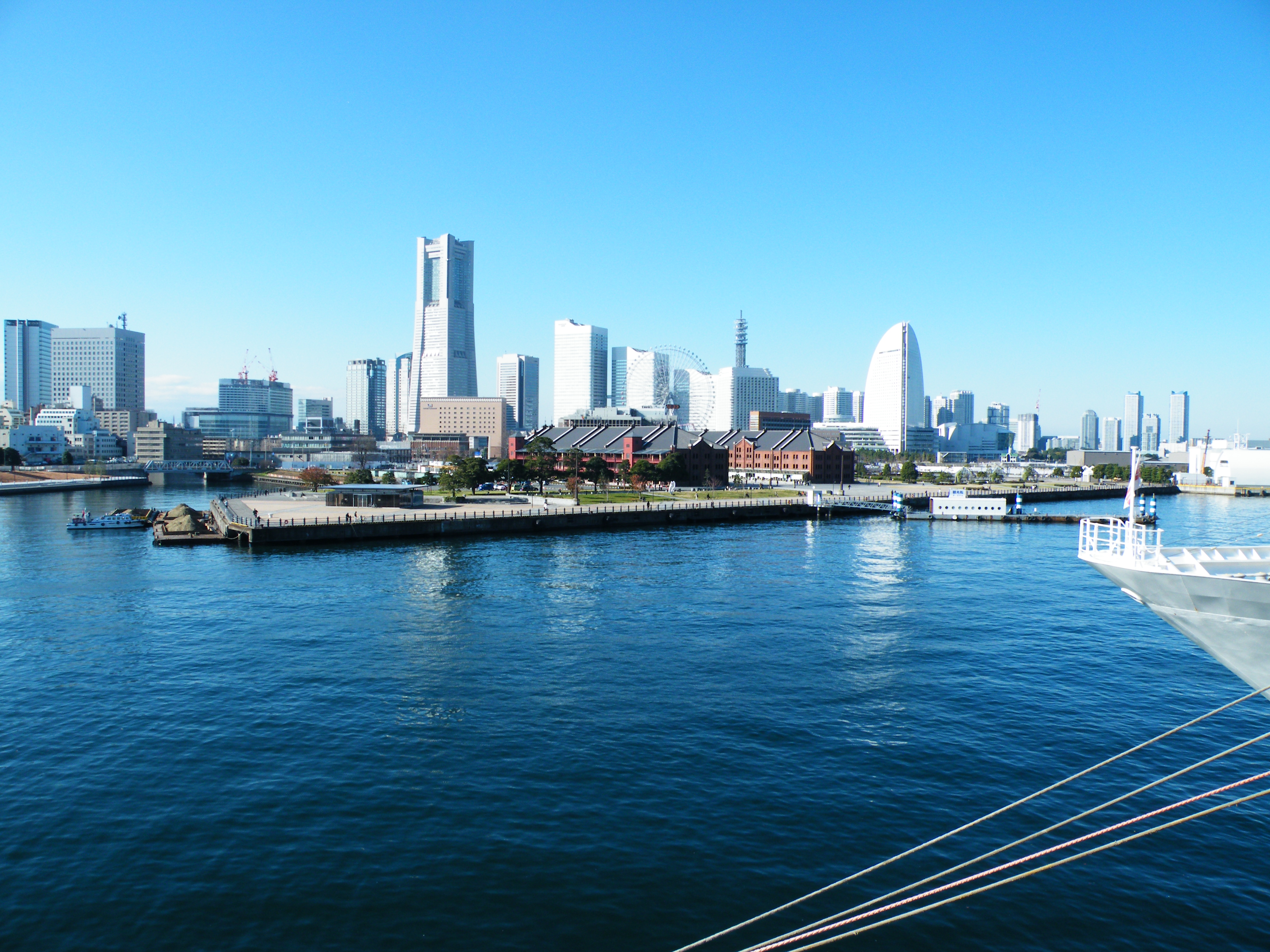
Minato Mirai 21 waterfront district Yokohama — Landmark Tower and harbour lights reflected on the water at dusk 1
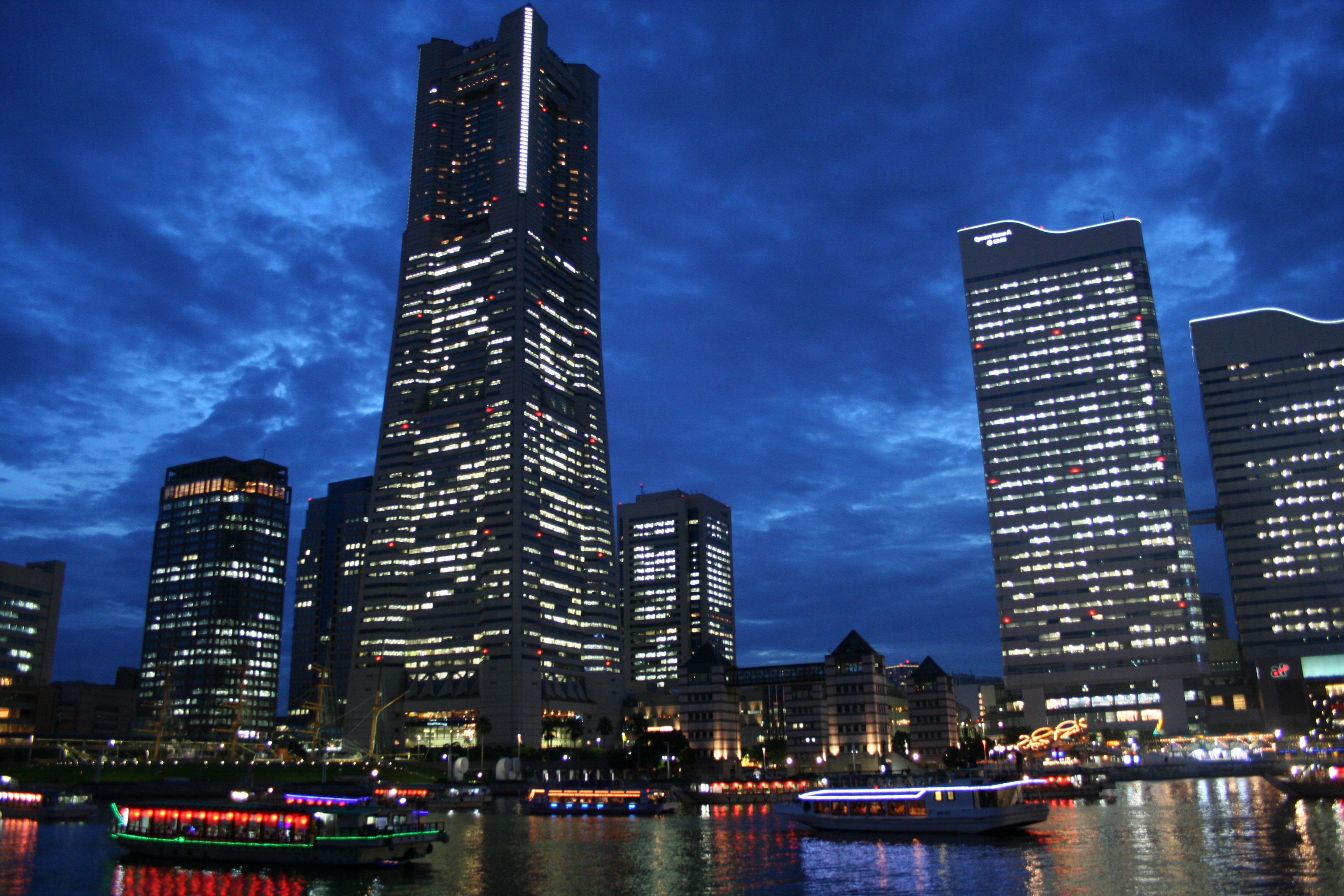
Minato Mirai 21 — Harbour of the Future
みなとみらい · modern waterfront, towers, golden-hour views

Step out of Minatomirai station and the city opens up in front of you: a wide working harbour, the 296-metre Landmark Tower, a giant illuminated Ferris wheel, and cruise ships framed against the bay. Minato Mirai was built on land reclaimed from the old Mitsubishi shipyards, and the whole district is designed to be walked at leisure — shopping arcades, waterfront restaurants, the Cup Noodles Museum, and a bayside promenade that connects seamlessly to the Red Brick Warehouse and Osanbashi. Start in the afternoon to catch the best of the golden hour and the gradual lighting of the skyline after dark.
Train: Minatomirai Line to Minatomirai station (from Shibuya ~28 min, ¥310)
Best time: 5:30–8 pm — harbour lights begin at dusk, full glow by 7 pm
Cost: Free to walk; individual attractions and restaurants priced separately
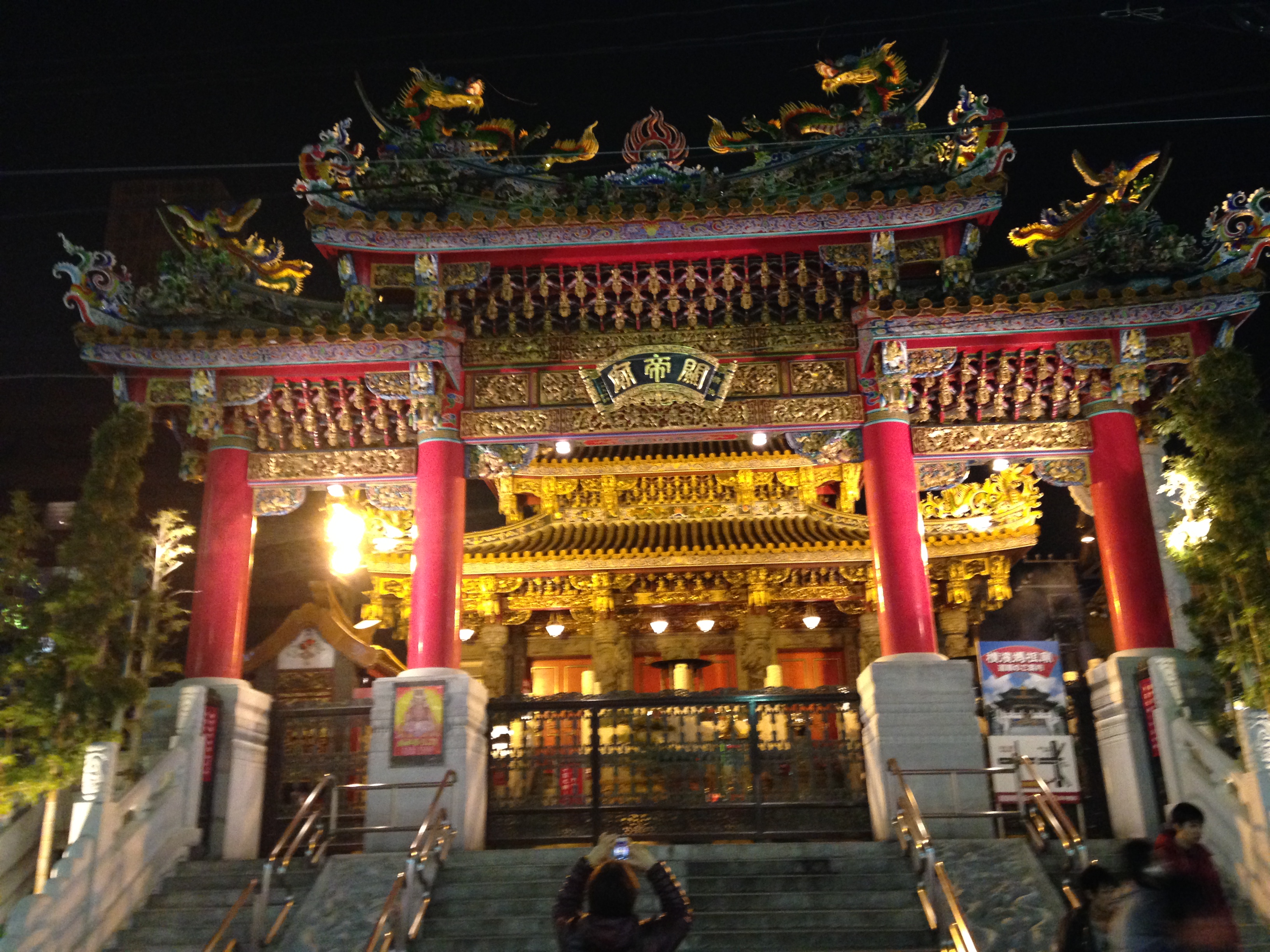
Yokohama Chinatown gateway — red and gold dragon gate with Chinese lanterns and shop signs along the main street 2
Yokohama Chinatown (横浜中華街)
Japan's largest · 600+ shops · authentic Cantonese and Shanghainese food

Japan's largest Chinatown grew up here in the 1860s when Cantonese and Shanghainese merchants settled near the port, and it has never lost its pulse. Nearly 600 restaurants, tea houses, and shops pack ten city blocks, framed by ten ornate gateways painted in red and gold. The thing to eat here is nikuman — steamed pork buns at ¥200–350 each — sold from shop fronts up and down the main street, eaten while walking. You'll also find proper dim sum, Chinese desserts, and bubble tea shops that have been here for decades. Busy all day, but the lanterns light up the evening and the atmosphere genuinely shifts — earlier in the day for less crowds, evening for theatre.
Train: Minatomirai Line to Motomachi-Chukagai (exit 2), a one-minute walk
Hours: Most shops 11 am–9 pm; street vendors often later
Best time: 5–8 pm for lantern atmosphere, weekday afternoons for fewer crowds
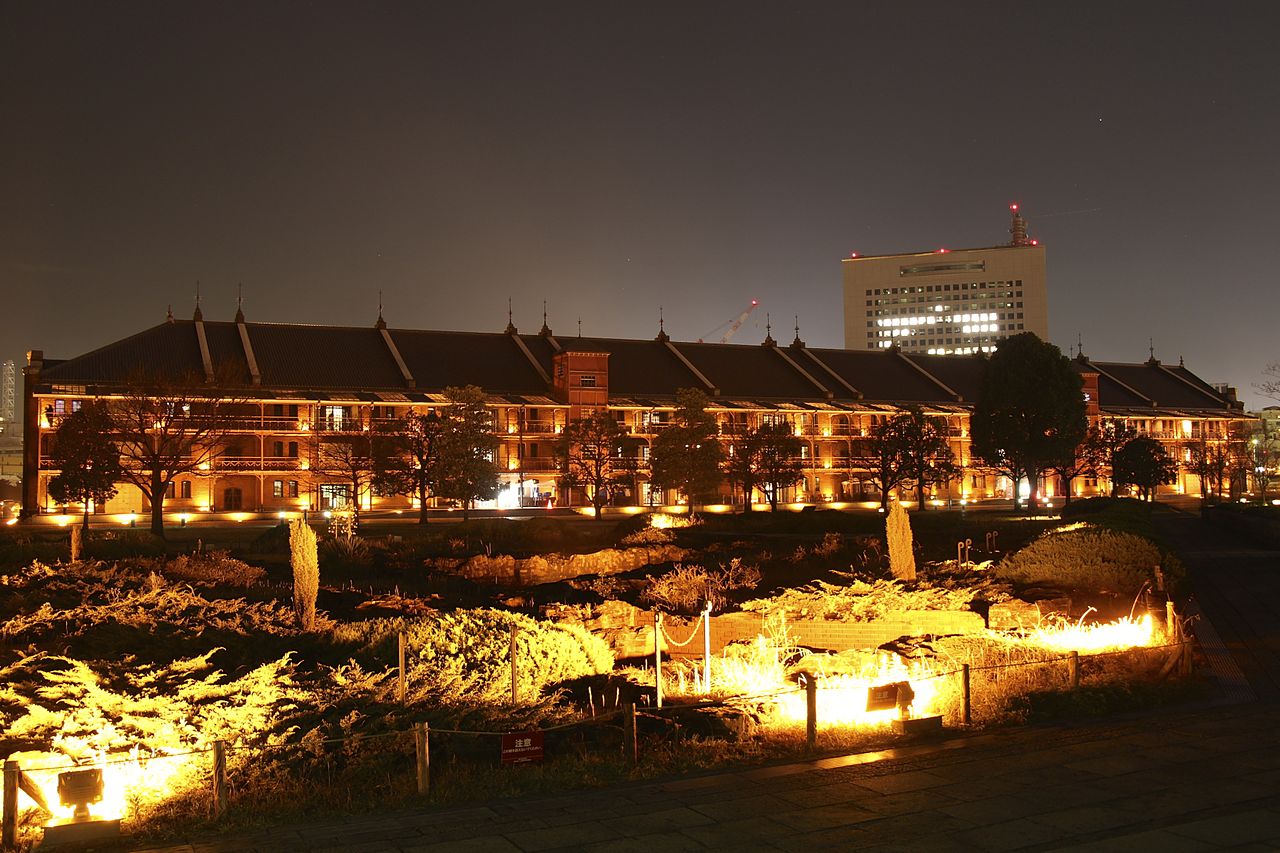
Yokohama Red Brick Warehouse Akarenga — Meiji-era red brick buildings along the waterfront under a blue sky 3
Red Brick Warehouse (赤レンガ倉庫)
Akarenga · 1911 Meiji customs warehouses turned waterfront market

If you want to understand why Yokohama feels different from every other Japanese city, come here first. These two red-brick warehouses were built in 1911 and 1913 to store goods arriving from foreign ships — their thick walls, arched windows and industrial iron fittings are as original as they get. Today they house about 50 shops and restaurants, but the real draw is the waterfront plaza in front: it looks directly out to the harbour, with the Landmark Tower to one side and Osanbashi Pier to the other, and it hosts outdoor events all year — the Christmas Market in December is one of the best in Japan. Entry to the grounds is always free.
Train: Minatomirai Line to Bashamichi (exit 6), about 7 minutes on foot
Hours: Shops 10 am–7 pm · Restaurants 11 am–8 pm, broadly
Cost: Free to enter the grounds; shops and food priced individually
Tip: The Christmas Market here in December is one of Yokohama's most popular seasonal events — mulled wine, German-style stalls and lights reflecting on the water. Book weekend evenings well in advance if you want a table at any of the restaurants.
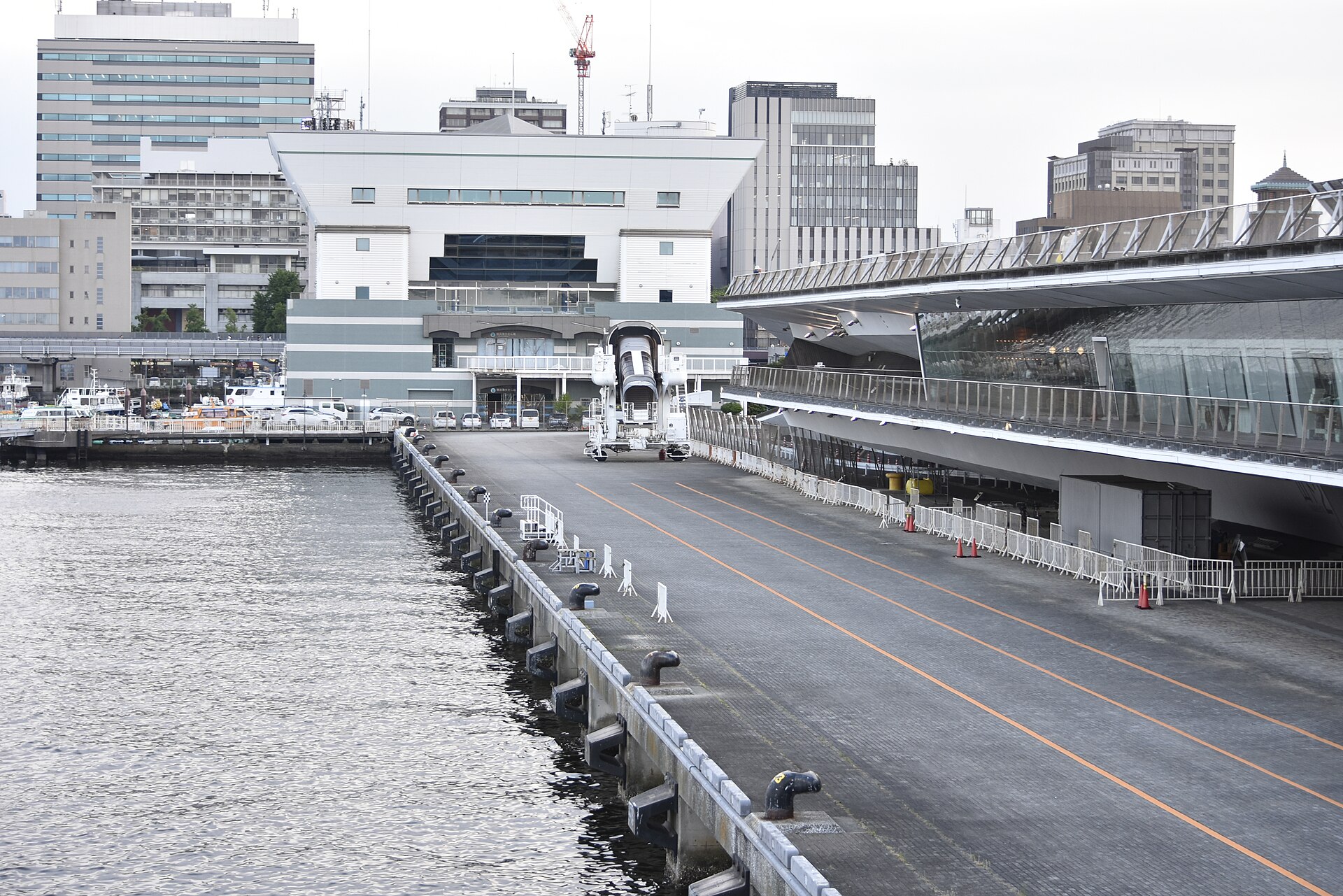
Osanbashi International Passenger Terminal Yokohama — wave-shaped wooden rooftop pier extending into the harbour with Minato Mirai skyline behind 4
Osanbashi International Passenger Terminal (大さん橋)
free 24-hour rooftop · 360-degree harbour panorama · best free view in Yokohama

This is the building you photograph a hundred times before you realise what it is. The long wave-shaped wooden deck curls out over the water like a gentle hill, and when you reach the end of it you're standing on a promontory with the entire Minato Mirai skyline spread in front of you — Landmark Tower, Cosmo Clock 21, the Red Brick warehouses, the Bay Bridge — all in one frame. The terminal was designed by London-based architects Alejandro Zaera-Polo and Farshid Moussavi and opened in 2002. It's a working cruise terminal, but the rooftop is free and open 24 hours a day, making it one of the best — and most underused — viewpoints in the whole city. People from Yokohama come here in the evening just to sit and watch the lights come on.
Train: Minatomirai Line to Nihon-Odori (exit 3), about 7 minutes on foot
Rooftop: Open 24 hours, free of charge
Best time: Sunset and after dark — the full skyline lights up gradually from around 6:30 pm
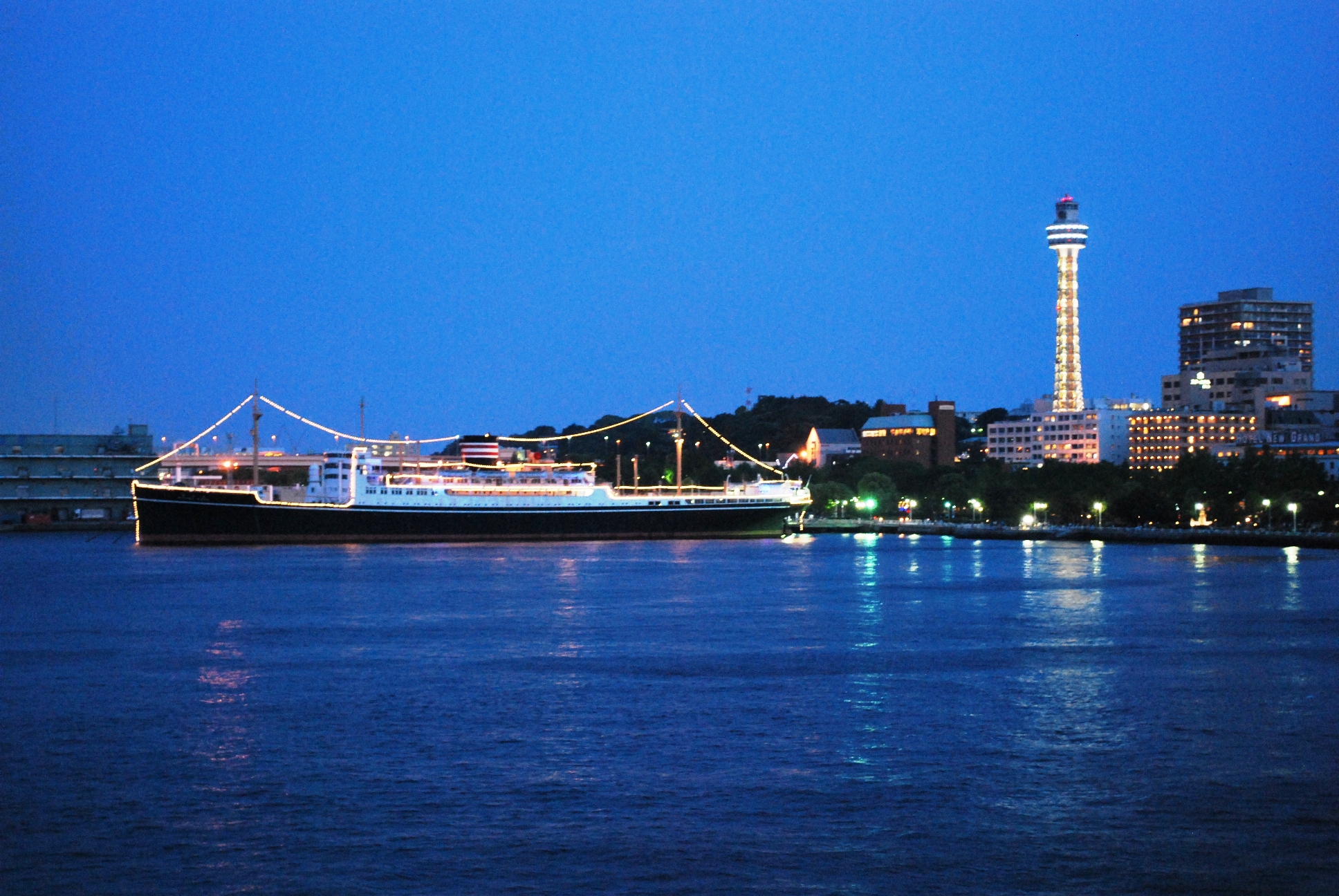
Yamashita Park Yokohama — bayside lawn promenade with SS Hikawa Maru historic ocean liner moored alongside 5
Yamashita Park (山下公園)
bayside promenade · SS Hikawa Maru · sea breeze and seasonal flowers

Yamashita Park is the kind of place where Yokohama residents go for a walk without any particular plan — a 700-metre strip of lawn and flower beds running along the bay, with benches facing the water, a much-loved fountain sculpture called the Indian Water Fountain Girl, and the extraordinary sight of the SS Hikawa Maru moored alongside. The Hikawa Maru is a 1930s Japanese ocean liner that plied the Yokohama–Seattle route until 1960 and is now a museum ship (¥300 to board). The park connects via a waterfront walkway all the way to Osanbashi Pier in one direction and to Chinatown in the other — you can do the whole stretch without ever taking a train.
Train: Minatomirai Line to Motomachi-Chukagai (exit 4), about 5 minutes on foot
Park: Open 24 hours, free · SS Hikawa Maru: 10 am–5 pm, closed Mondays, ¥300
Best time: Morning for a quiet stroll, or at dusk when the Marine Tower lights up
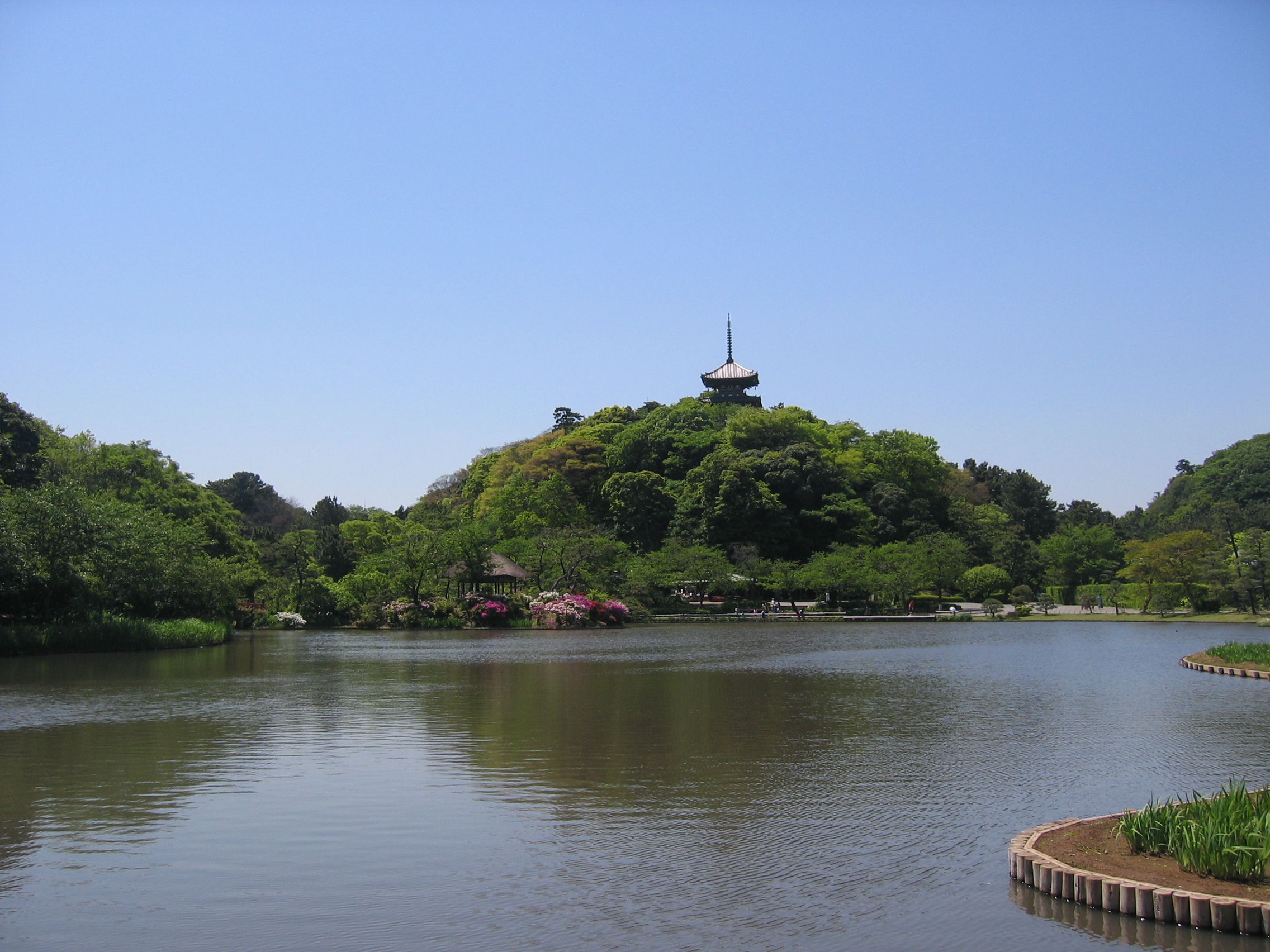
Sankeien Garden Yokohama — three-storey pagoda reflected in a still pond surrounded by maple and pine trees 6
Sankeien Garden (三溪園)
175-acre historic garden · transplanted Meiji buildings from Kyoto and Kamakura

Sankeien is what most visitors miss, and it's arguably the most surprising place in Yokohama. The garden was created by silk merchant Hara Sankei on 175 acres in the Honmoku district during the Meiji era. He filled it with over ten historic buildings transported from Kyoto, Kamakura and Wakayama — Buddhist halls, farmhouses, tea pavilions and a three-storey pagoda that reflects in the central pond with a clarity that makes it hard to believe you're in a Japanese city of 3.7 million people. Highlights: the Rinshunkaku villa, the Tokeiji pagoda, and the inner garden where the old buildings feel genuinely out of time. Cherry blossoms in late March and April, autumn colours through November — both seasons draw crowds, but it never feels chaotic.
Bus: From Motomachi-Chukagai station, city bus 8 or 148 to Honmoku Sankeien-mae (~15 min)
Admission: ¥900 adults · ¥200 children under 14 · Open 9 am–5 pm (closed 26–31 Dec)
Best time: Weekday mornings — significantly fewer people than weekends
Planning tip: Sankeien sits slightly outside the main Minatomirai corridor. Pair it with a morning arrival — the garden at 9 am is a different experience from the same garden at noon — then head back into the city for the Minato Mirai evening light show.
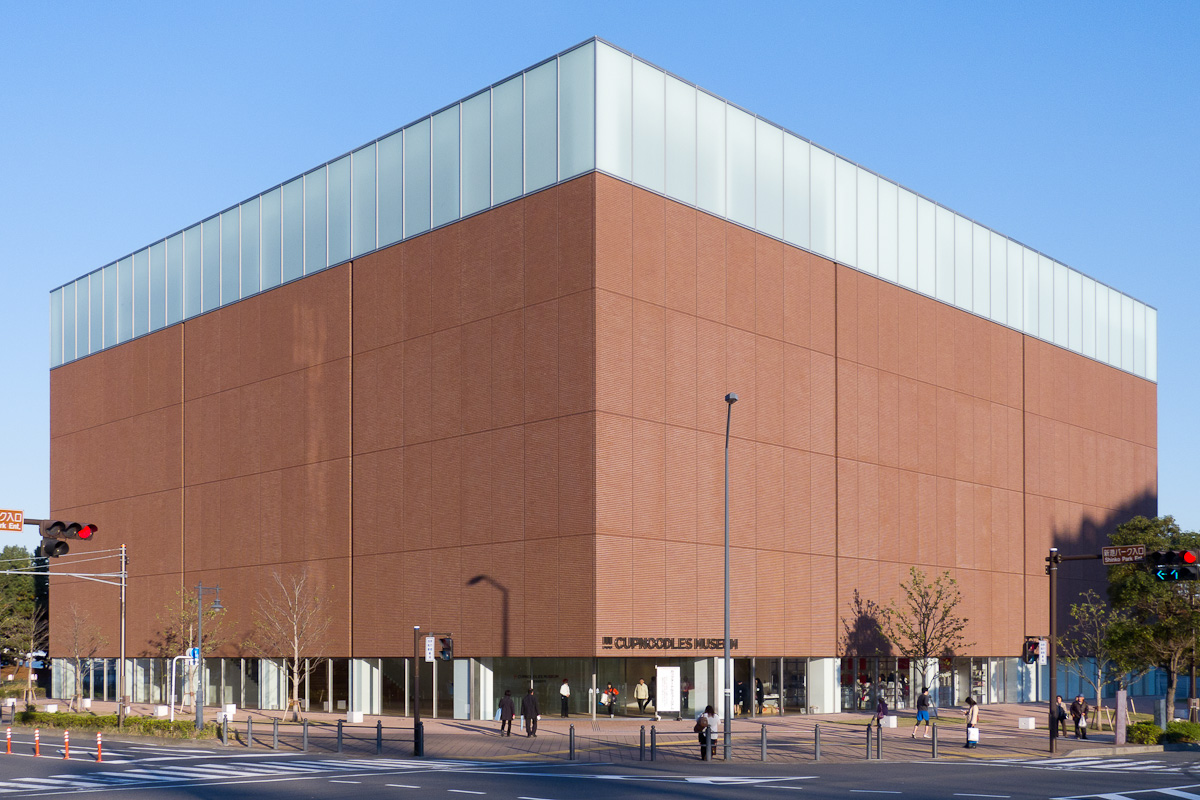
Cup Noodles Museum Yokohama — giant colourful cup noodle sculptures in the entrance hall 7
CUPNOODLES MUSEUM YOKOHAMA
interactive instant-noodle museum · design your own cup to take home

There aren't many museums where you leave with lunch, but this is one. Momofuku Ando invented instant noodles in 1958 — the museum built in his honour in Yokohama is far more engaging than it sounds. The main attraction is the My Cup Noodles Factory: you choose your broth base from four options, scatter four toppings from a menu of twelve, seal the cup, and walk out with a custom ramen you designed yourself. The cost is a flat ¥500 on top of admission. There's also a full history of instant noodles (more absorbing than expected), a Chicken Ramen Factory where you knead and make dried noodles from scratch (¥500, book ahead), and a gallery dedicated to the 1971 original. Families, solo travellers and couples all seem to enjoy it for different reasons.
Train: Minatomirai Line to Minatomirai (exit 7), about 8 minutes on foot
Admission: ¥500 adults · Free for high school students and younger · Open 10 am–6 pm (closed Tuesdays)
My Cup Noodles Factory: ¥500 extra · Book a slot in advance at the official website on busy days
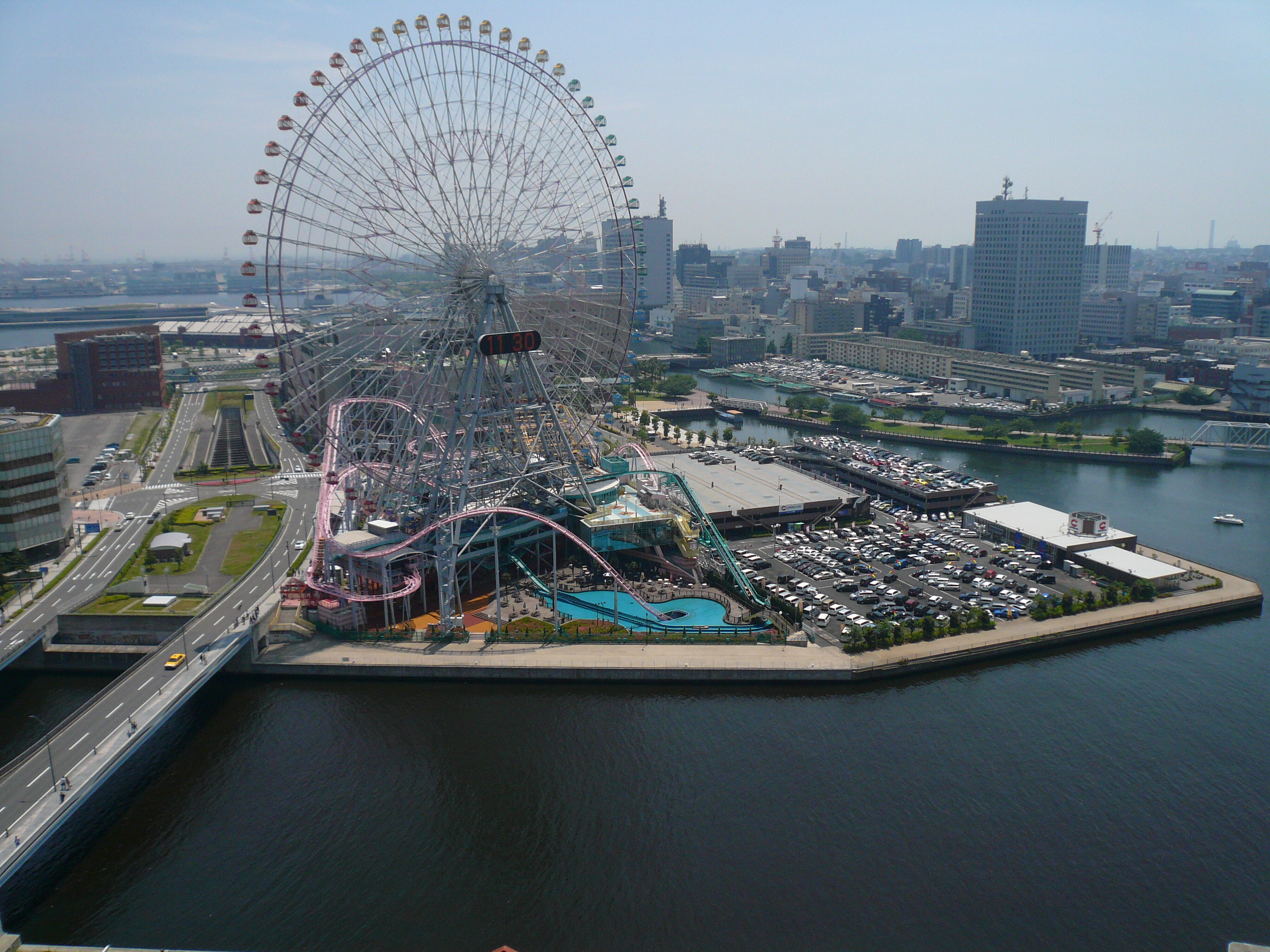
Yokohama Cosmo World Ferris wheel Cosmo Clock 21 — 112-metre illuminated Ferris wheel at night beside the waterfront 8
Yokohama Cosmo World & Cosmo Clock 21
free entry · 112-metre Ferris wheel that doubles as a working clock

Cosmo Clock 21 is one of those landmarks that becomes more interesting once you know its story. Built in 1989 as the world's tallest Ferris wheel — a title long since overtaken — its real trick is the green LED display running around the rim that shows the actual time, making it a functional clock at 112 metres. The surrounding amusement park, Cosmo World, charges no entry fee: you pay per ride. The Ferris wheel costs ¥700 per person and takes about 15 minutes to complete a full rotation, giving views across the harbour and, on clear days, towards Miura Peninsula. Other rides include a water roller coaster and dark rides aimed at families. The whole complex sits right on the waterfront, making it an easy addition to an evening walk between the Red Brick Warehouse and the Cup Noodles Museum.
Train: Minatomirai Line to Minatomirai (exit 7), about 5 minutes on foot
Hours: Mon–Fri 11 am–9 pm · Sat–Sun 11 am–10 pm (closed most Thursdays)
Cost: Free to enter · Cosmo Clock 21 ride ¥700 per person
Motomachi Shopping Street Yokohama — European-style boulevard lined with trees and boutique shops 9
Motomachi & Yamate — Yokohama's European Quarter
元町 · 山手 · 600m boutique street · Foreign Cemetery · harbour viewpoint

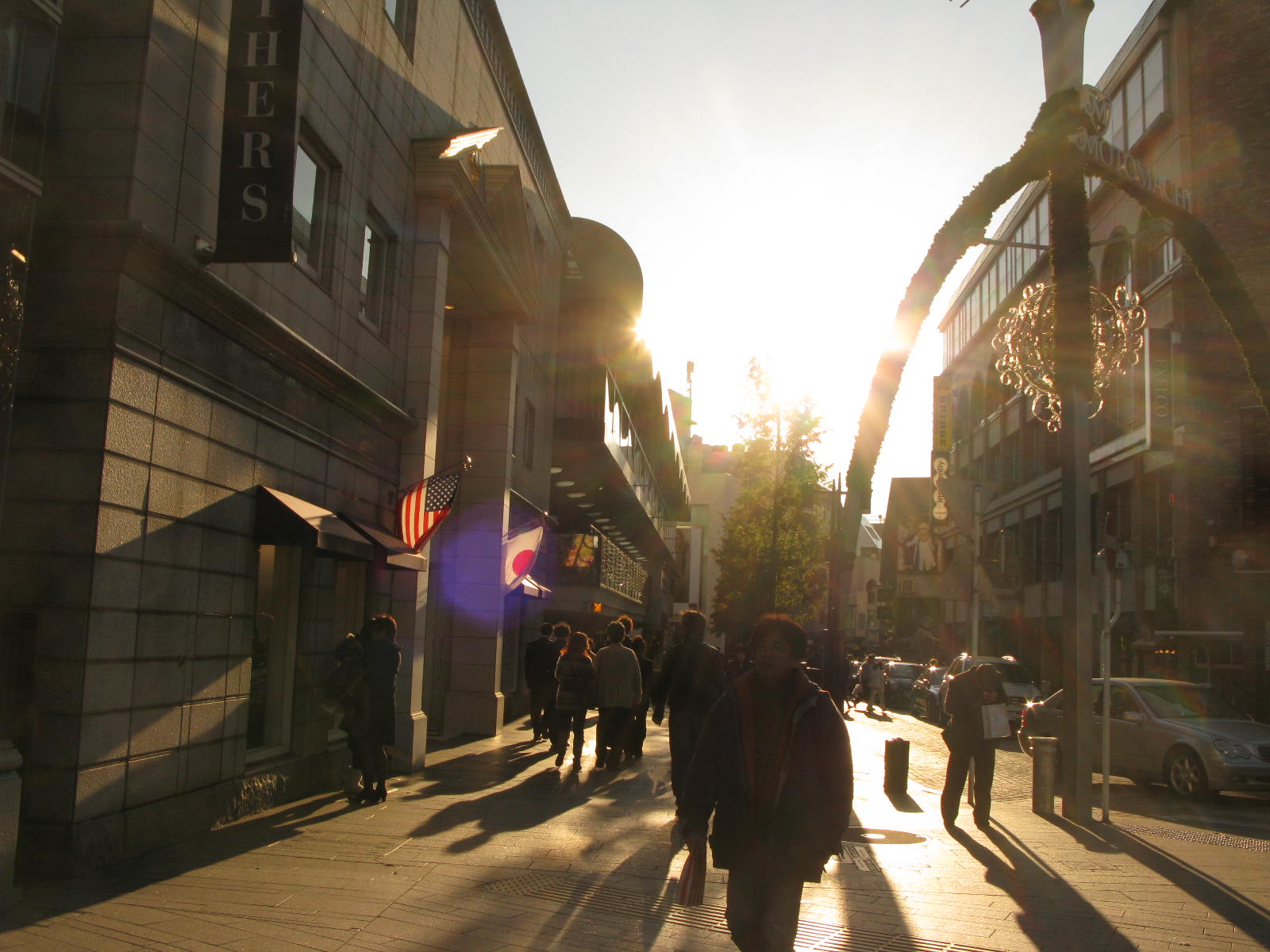
Motomachi is a 600-metre shopping street that developed to serve the foreign community living on the Yamate hillside above — and you can feel that heritage in the scale and character of the shops, which run more towards independent boutiques, patisseries and artisan goods than chain retail. Walk it end to end, then take any of the paths up the hill and within five minutes you're in a different era entirely. The Yokohama Foreign General Cemetery holds around 4,200 graves of residents from 42 countries, set on a peaceful slope with views over the city; it opens on weekends from 10 am to 5 pm, entry is free (donations welcome). A short further walk brings you to Harbour View Park — Minato Mirai spread out below you at sunset is one of the best views in the city.
Train: Minatomirai Line to Motomachi-Chukagai (exit 5), one-minute walk to the street
Motomachi shops: Around 10 am–7 pm; some close Mondays
Foreign Cemetery: Weekends and holidays 10 am–5 pm · Free (donations accepted)
Yokohama Marine Tower — 106-metre lighthouse tower with red and white bands beside the harbour at dusk 10
Yokohama Marine Tower & Yamashita Waterfront
106-metre lighthouse · observation deck · bay views and occasional Fuji sightings

The Marine Tower has stood beside Yamashita Park since 1961, its red-and-white banded shaft a consistent fixture in Yokohama's waterfront photographs. The observation deck on floor 29 (¥1,000 adults) gives a clear view over Yamashita Park, the SS Hikawa Maru, the bay entrance and, on the clearest winter days, a distant silhouette of Mount Fuji. It's not as dramatic as a full skyscraper deck — this is a 106-metre lighthouse, not a 300-metre tower — but the human scale is part of the appeal: you're close enough to read the ship names in the harbour and count the Ferris wheel cabins across the bay. Because it sits right beside Yamashita Park, it pairs naturally with a walk along the waterfront and a stop at the Hikawa Maru museum ship.

Train: Minatomirai Line to Motomachi-Chukagai (exit 4), about 3 minutes on foot
Admission: ¥1,000 adults · ¥500 seniors and high school students · Open 10 am–10 pm (last entry 9:30 pm)
Best time: After 7 pm — the city lights are at full brightness and the Ferris wheel is glowing
Note on Landmark Tower Sky Garden: The 69th-floor observation deck has been closed for large-scale renovation since late 2024 and is not expected to reopen until 2028 or later. In the meantime, Yokohama Marine Tower (floor 29, ¥1,000) and the free Osanbashi Pier rooftop are the best alternatives for harbour views.
Plan Your Visit

How to Fit It All In

Yokohama is compact — the main sights cluster into two areas you can walk between.

Minato Mirai Waterfront Zone
Recommended for Day 1 · Minatomirai Line

Red Brick Warehouse, Osanbashi Pier, Cosmo World, Cup Noodles Museum and Yamashita Park all sit within a 20–30 minute walk of each other. Take the Tokyu Toyoko Line from Shibuya directly to Minatomirai station and walk from there. Arriving in the early afternoon gives you time to hit the indoor attractions before the golden-hour waterfront light.

Time needed: 4–6 hours · Key stations: Minatomirai, Bashamichi, Nihon-Odori
Chinatown + Motomachi Zone
Pairs with the waterfront on Day 1 · 10–15 min walk from Yamashita Park

Chinatown, Motomachi Shopping Street, the Foreign Cemetery and Harbour View Park are all walkable from Motomachi-Chukagai station. The transition from Yamashita Park into Chinatown is a 5-minute flat walk along the waterfront road — no trains needed.

Time needed: 2–3 hours · Key station: Motomachi-Chukagai
Sankeien Garden (Honmoku area)
Best for Day 2 morning or early Day 1 · Bus from Motomachi-Chukagai

Sankeien sits outside the Minatomirai Line and requires a 15-minute bus ride. It rewards an early start on a weekday — arrive at opening (9 am) and you may have the inner garden almost to yourself for the first hour. Cherry blossom season (late March–April) and autumn colour (November) are the most spectacular times, but both draw larger crowds.

Time needed: 2–3 hours · Access: Bus 8 or 148 from Motomachi-Chukagai
Getting Here from Tokyo
Tokyu Toyoko Line from Shibuya · 28–32 min · ¥310

Yokohama makes an excellent day trip from Tokyo. Leave Shibuya at 10 am, arrive at Minatomirai by 10:30, and you can comfortably cover the main Minato Mirai and Chinatown areas before heading back to Tokyo for dinner. For an overnight stay, see hotel options at the Yokohama city guide →

From Shibuya: Tokyu Toyoko → Minatomirai Line ¥310 · From Tokyo Station: JR to Yokohama ¥480 + Minatomirai Line
Klook · Yokohama Tours
Book Yokohama Tickets & Tours — Skip the Queues

Yokohama Marine Tower observation deck · Chinatown and Minato Mirai walking tours · Full-day Yokohama day trips from Tokyo — book on Klook in advance and go straight in.

Browse Yokohama on Klook →
Wherebest is a Klook affiliate partner — we may earn a commission when you book through this link, at no extra cost to you.
Frequently Asked Questions

FAQ — Before You Go

How many days do you need in Yokohama?
One full day is enough for a day trip from Tokyo covering Minato Mirai, the Red Brick Warehouse, Chinatown and Osanbashi Pier. Staying one or two nights gives you space to add Sankeien Garden (half a day), the Motomachi and Yamate hillside (an afternoon), and the evening bar district of Noge or Isezakicho.
How do I get to Yokohama from Tokyo?
The simplest route is the Tokyu Toyoko Line from Shibuya directly to Minatomirai station — about 28 to 32 minutes, ¥310 — which drops you right in the waterfront district. Alternatively, the JR Tokaido Line from Tokyo Station reaches Yokohama Station in 25 minutes for ¥480, then one more stop on the Minatomirai Line to Minatomirai station.
Is the Landmark Tower Sky Garden open?
No. The 69th-floor Sky Garden has been closed for large-scale renovation since late 2024 and is not expected to reopen until 2028 or later. For harbour views while it's closed, try Yokohama Marine Tower (floor 29, ¥1,000) or the free Osanbashi Pier rooftop, which gives a sweeping panorama of the Minato Mirai skyline.
When is the best time to visit Yokohama Chinatown?
Early evening from 5 to 8 pm is the most atmospheric: the red lanterns are glowing, steam rises from nikuman (steamed pork bun) vendors, and the ornate gateways look spectacular after dark. For fewer crowds, a weekday afternoon from around 2 pm is noticeably quieter. Most restaurants and shops open from 11 am to 9 pm.
How do I get to Sankeien Garden?
From Motomachi-Chukagai station take city bus 8 or 148 to the Honmoku Sankeien-mae stop — about 15 minutes. A taxi or Uber from Yokohama Station costs roughly ¥1,500–2,000 and takes about 20 minutes. The garden is open 9 am to 5 pm daily except 26–31 December. Adult admission is ¥900.