The main Trang islands and what each is like
From the closest, most famous island — Koh Mook and the Emerald Cave — out to the quieter local islands in the south like Koh Libong and Koh Sukorn. Pick by what you actually want.
Koh Mook (เกาะมุก) sits close to shore and is home to the Emerald Cave (Tham Morakot), the signature experience in Trang — you swim through a dark sea tunnel about 80 metres long and come out onto a small hidden beach in the middle of the island, ringed by tall cliffs. The water glows emerald green inside, which is how it got its name. The middle of the tunnel is genuinely pitch dark, so wear a life jacket and go with a guide or tour that has a guide rope and headlamps, and go early in the morning when it's quieter and at low tide for the safest, prettiest version. The island itself has a fishing village, a beach on the front side and stays from bungalows to mid-range resorts. It suits anyone who wants a one-of-a-kind experience and to base near the cave. The honest trade-off: on days with bigger swell or lots of visitors the cave gets crowded and can be closed altogether — go early and plan around the sea state.
Koh Kradan (เกาะกระดาน) is the island known for the best beach in Trang — a long stretch of fine white sand and clear turquoise water that has been ranked among the best beaches in Thailand and the world. You can snorkel over coral and fish off the beach, and every Valentine's Day there's a famous underwater wedding ceremony. The island has almost no roads or shops — just a handful of resorts and nature, with limited power and signal — so it suits people who really want a quiet, beautiful beach and to switch off. The honest trade-offs: very few places to stay or eat, the on-island resorts are fairly pricey, and a lot of them close in the low season. Many people visit Koh Kradan as a day trip on the 4-islands tour and then stay on an island with more options, like Koh Ngai.
 3
3
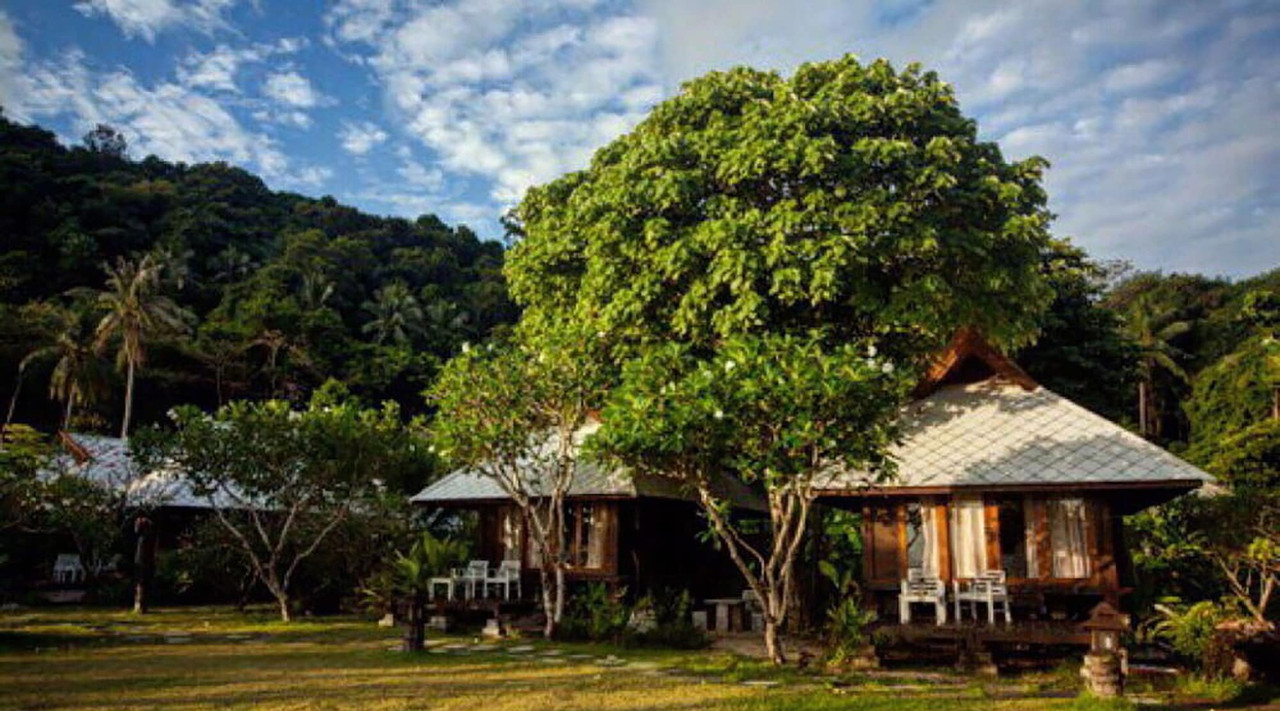
Koh Ngai (เกาะไหง, also spelt Koh Hai) is the island for people who want clear water and quiet resorts with more places to stay than Koh Kradan. The east-facing beach has clear, shallow water with a reef not far off the sand, so it's easy to swim or snorkel right off the beach without a long boat ride. The mood is a quiet, restful island — no nightlife, no car roads, just resorts strung along the beach from bungalows to mid-range and upscale. It suits couples, families and anyone who wants a peaceful island stay but still wants resorts and restaurants on hand. It's close to Koh Kradan and Koh Ma, so it's easy to hop out on a snorkelling trip. The trade-off: on-island stays cost more than the mainland, and a lot of resorts close in the low season.
Koh Libong (เกาะลิบง) is the largest of the Trang islands and home to Thailand's biggest seagrass and dugong habitat. The draw here isn't a postcard beach but nature and wildlife — local boat tours take you out to look for dugongs grazing on the seagrass at low tide in the morning (they're wild, so there's no guarantee you'll see them), plus a wildlife reserve that's a good spot for birdwatching, especially migratory birds. The island has Muslim fishing villages, a simple pace of life and a few small homestays and resorts. It suits nature lovers, wildlife and birdwatchers, and anyone who wants a genuine taste of local life. The honest trade-offs: it isn't a beach-lounging island, places to stay and eat are limited, and dugong-watching should be done respectfully with a local guide — keep your distance and don't chase or feed them.
Koh Sukorn (เกาะสุกร) is at the far south of the Trang group and is an island where people genuinely live, as a Muslim fishing community — not a resort or tour island, but one with everyday life, rubber plantations, watermelon fields and sea-gypsy villages. It has quiet beaches with almost no tourists; the water is cloudier than the outer islands because it's close to shore and river mouths, but the charm is the peace and the local life — cycling or riding a motorbike around the island past the fields and villages, watching the sunset, and eating fresh seafood cooked by local families. There are a few homestays and small resorts. It suits anyone who really wants to get away, travellers drawn to local life, and people who aren't here for postcard-perfect beaches. The honest trade-offs: it's very quiet with few options, and it's a Muslim community, so dress and behave respectfully of local culture.
If you're in Trang for the first time and short on time, the 4-islands + Emerald Cave tour is the best-value way to catch the highlights of the Trang islands in a single day — boats leave from Pak Meng or Hat Yao, stop at the Emerald Cave (Koh Mook) so you can swim through to the hidden beach, then snorkel at Koh Ma and Koh Chuak, and spend beach time on Koh Kradan (some tours include lunch on an island or on the boat). You can choose a shared speedboat (faster, more stops) or a private longtail charter (slower and more personal), and book ahead through a Trang operator or online. The honest trade-off: in high season each stop, especially the Emerald Cave, gets busy, and a tour like this is about ticking off the highlights rather than spending long on any one island — if you want to soak up a particular island, stay there separately. It runs in the dry season only, November–April.