Home Takayama Japan Gifu Prefecture About
Home  ›  Asia  ›  Japan  ›  Takayama  ›  Where to Stay
Takayama Neighbourhood Guide · 2026

Where to Stay
in Takayama

Sanmachi old town ryokan steps from Nakabashi bridge · station-area spa hotels · Higashiyama temple walk · Okuhida mountain onsen — a straight answer on who each suits and which hotels to actually book.

Before you book

Takayama is small — but getting the area wrong still matters

Let's be upfront: Takayama is not a large city. Almost everything worth seeing sits within a 20-minute walk of JR Takayama Station. Local transport is limited to infrequent community buses, and taxis are available but quickly add up. So the question is less about distance and more about what kind of stay you want.

What makes Takayama unusual is that the type of accommodation matters more than the neighbourhood itself. A ryokan in the old town and a spa hotel two streets from the station are only ten minutes apart, yet they deliver completely different experiences — one is kaiseki dinners, tatami rooms, and stepping outside into Edo-era alleys; the other is a flexible base with a rooftop natural-spring bath. We've divided the city into 4 distinct areas and will tell you exactly who each one suits.

We have verified reviews for 3 hotels in Takayama, covering every budget tier from ¥8,000 to ¥86,900 per person. You'll find links to each review in the relevant area below.

Top Recommendation

First visit? Start here

🏆
Best Base for First-Timers
JR Station Area / Nadamachi

For most first-time visitors, a spa hotel near Takayama Station offers the best balance. You're 3–5 minutes from the train, can walk to the morning markets and old town without any transport, and have access to a genuine natural hot spring bath — often on the roof with mountain views. Rates start around ¥8,000–12,000 per room (meals extra), making this the clearest value proposition in the city.

Our two top picks in this area: Spa Hotel Alpina Hida Takayama (3 min from station · 9th-floor onsen with city views · score 9.2/10 · from ¥8,000) and Hida Hotel Plaza (5 min from station · rooftop natural onsen with Japan Alps views · score 8.9/10 · from ¥12,000).

See full Takayama guide →
4 Areas to Stay

Which area suits you?

Real hotel picks with review links in each area — choose the one that matches your travel style.
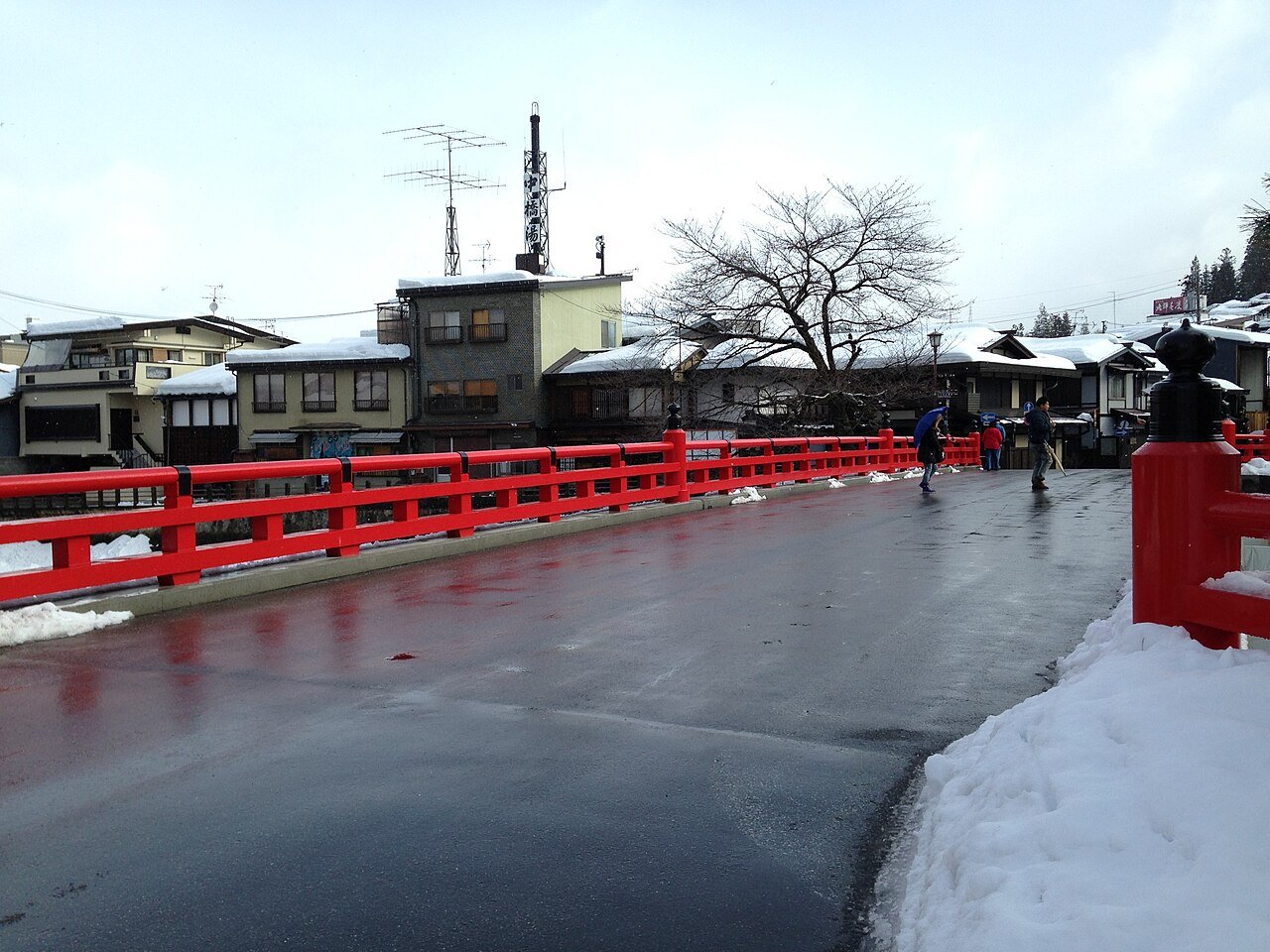
Nakabashi red bridge over the Miya River in Takayama, surrounded by green foliage and old wooden buildings Area 1
Sanmachi Old Town / Hommachi
三町筋 · Miya Riverfront · Ryokan by Nakabashi Bridge

Best for: Travellers who want to open their door and be inside the Edo-era city immediately — the Jinya morning market is a 1-minute walk, the sake-merchant row of Sanmachi another 3 minutes. Most accommodation here is ryokan or machiya townhouse. Rates are higher than other areas, but you're paying for an experience that no chain hotel can replicate. Ideal for honeymoon trips, milestone celebrations, or anyone for whom a kaiseki dinner with Hida beef is the point of the visit.
Getting there: JR Takayama Station ~10 min walk · most ryokan offer a free station pick-up · free parking available
🏯 Honjin Hiranoya Kachoan — 5-star ryokan beside Nakabashi bridge 9.5
♨️ Natural hot spring onsen + Hida beef kaiseki dinner included ¥28,500+/pp
Read Honjin Hiranoya review →
Sanmachi Suji historic district in Takayama, dark wooden Edo-era merchant houses lining a narrow street Area 2
JR Station Area / Nadamachi
高山駅周辺 · Practical & Connected · Wide Price Range

Best for: Travellers who want a strong balance of convenience, onsen, and value — whether travelling solo, as a couple, or with family. You are 3–5 minutes from the train for day trips to Shirakawa-go or onward to Nagoya and Toyama, and can walk to the old town and morning markets without needing any transport. The spa hotels here score consistently well and deliver real natural hot spring baths, often on rooftop floors.
Getting there: JR Takayama Station 3–5 min walk · Nohi Bus to Shirakawa-go and Osaka departs from the station
♨️ Spa Hotel Alpina Hida Takayama — 3 min from station, 9th-floor onsen 9.2
🏨 Hida Hotel Plaza — 5 min from station, rooftop onsen with Alps view 8.9
Read Spa Hotel Alpina review →
Higashiyama Walking Course in Takayama, a tree-lined path winding past ancient temples and graveyards Area 3
Higashiyama Temple Walk
東山 · 13 Temples in 3.5 km · Quiet & Affordable

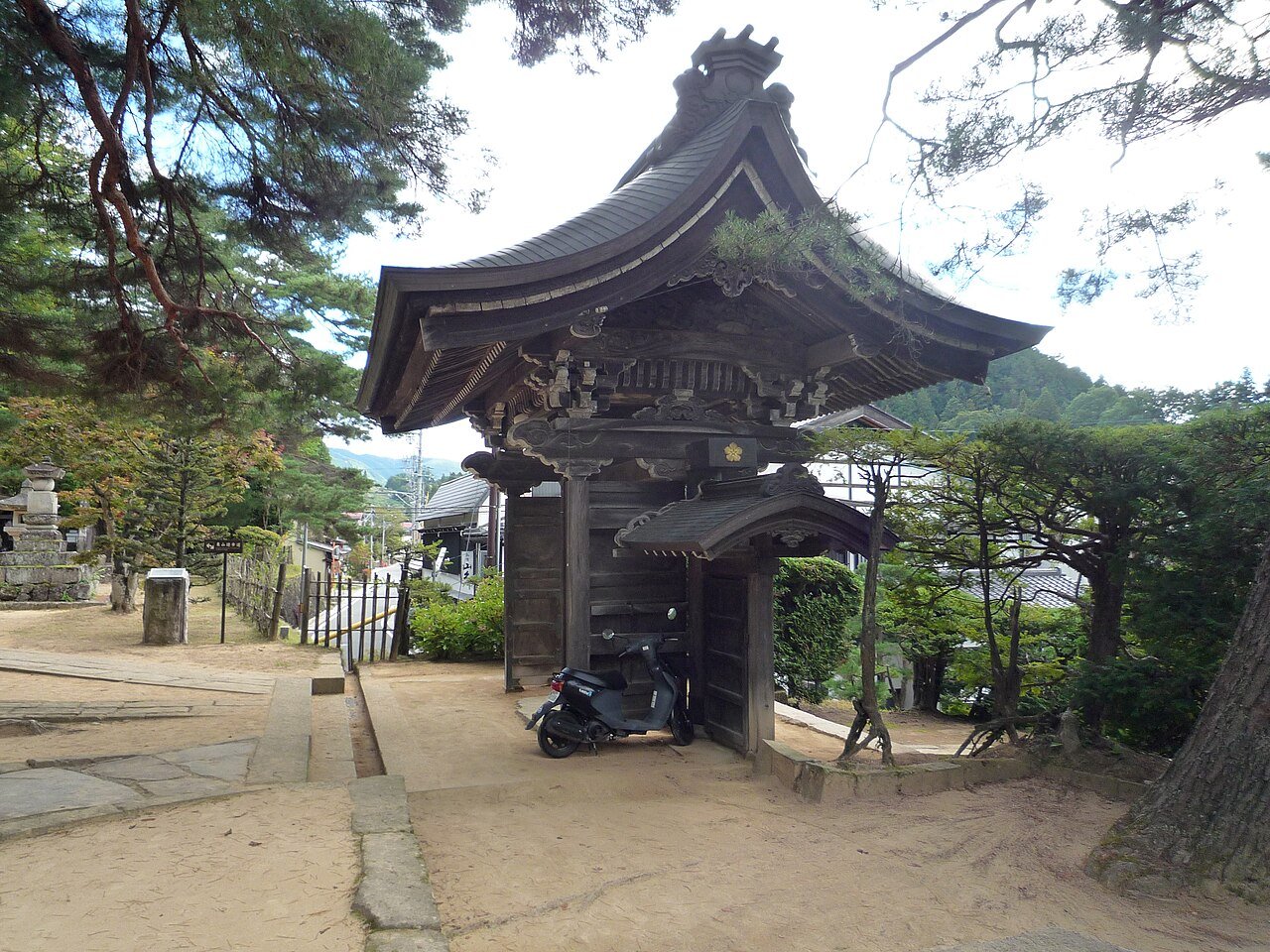
Best for: Independent travellers who want peace and quiet, enjoy exploring on foot, and prefer to step back from the crowds that flow through the Sanmachi streets. The Higashiyama Walking Course links 13 temples and shrines over 3.5 km, finishing at Shiroyama Park with a view over the whole city. Accommodation here is limited — mostly small minshuku guesthouses — and priced a little below the old town. The trade-off: JR Station is a 20-minute walk from the heart of the area.
Getting there: JR Takayama Station ~20 min walk · Sarubobo community bus ¥100/ride · 10 min walk from Sanmachi old town
🏯 13 Temples & Shrines — Unryuji, Hakusan Shrine, Daioji and more Peaceful
🌿 Shiroyama Park — pine forest, panoramic city views from the hilltop Free
See all Takayama accommodation →
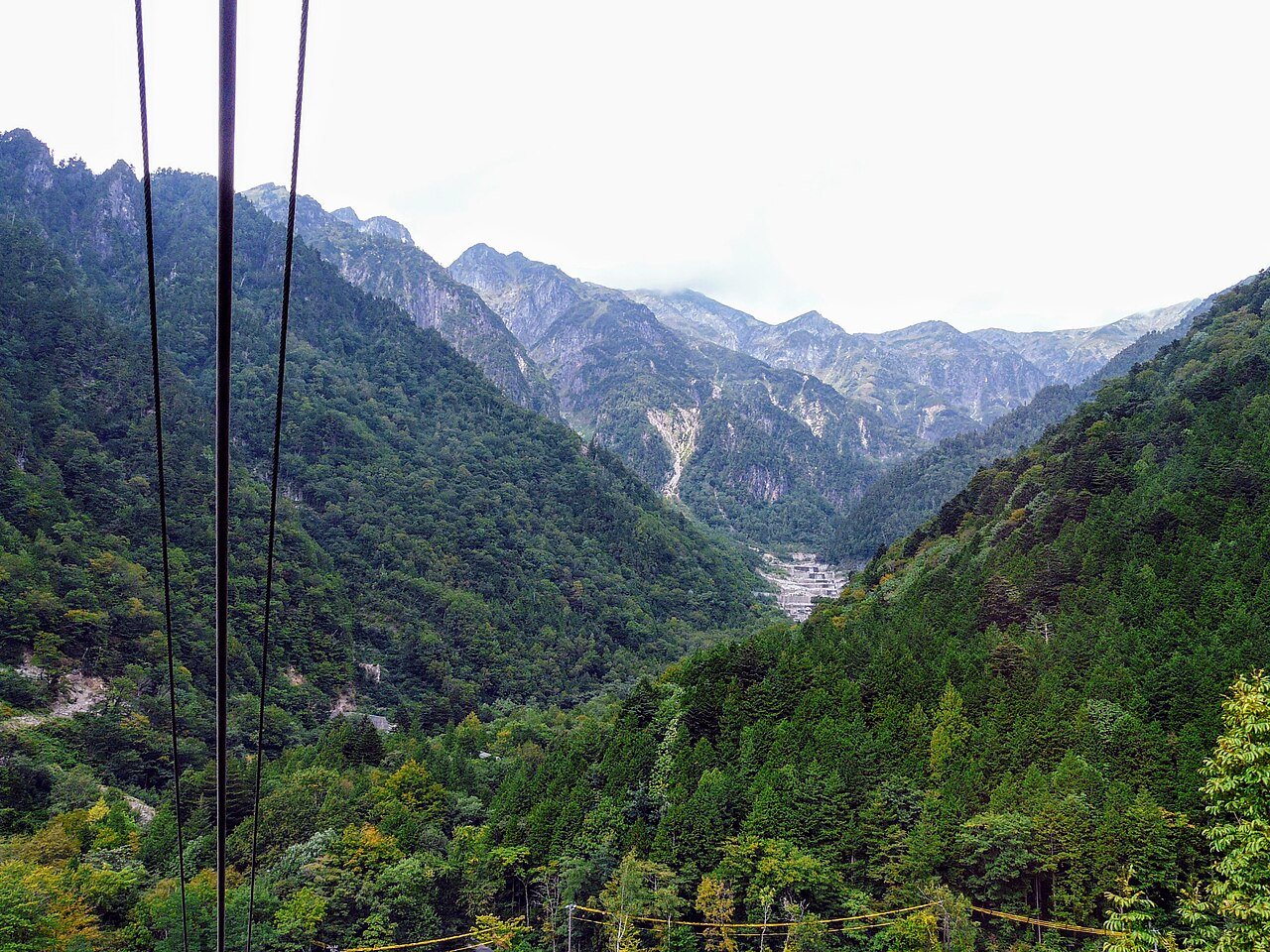
Shinhotaka Ropeway gondola ascending above the Japan Alps in Gifu, with snow-dusted peaks and autumn foliage below Area 4
Okuhida Onsen Valley
奥飛騨温泉郷 · Hirayu · Fukuji · Shin-Hirayu · Mountain Onsen

Best for: Visitors whose primary goal is a deep-mountain onsen experience in the Japan Alps, or those combining Takayama with a Kamikochi hike the following morning. Hirayu Onsen is the most accessible of the five Okuhida hot spring villages (~60 min by Nohi bus from Takayama). The ryokan here are immersed in forested mountain scenery, and the outdoor rotenburo baths with snow views in winter are exceptional. Important caveat: dining options outside your hotel are very limited, and most properties operate on a half-board basis (dinner and breakfast included in the rate).
Getting there: Nohi Bus from Takayama Station ~60 min to Hirayu · ~75 min to Fukuji · last bus return is in the early evening — plan accordingly
♨️ Hirayu Onsen — 5 hot spring sources, rotenburo in snow, high altitude Mountain
🚠 Shinhotaka Ropeway — double-decker gondola, Japan Alps summit views ¥3,300 Scenic
See Takayama city guide →
The Many Faces of Takayama

A city with more layers than a day trip shows

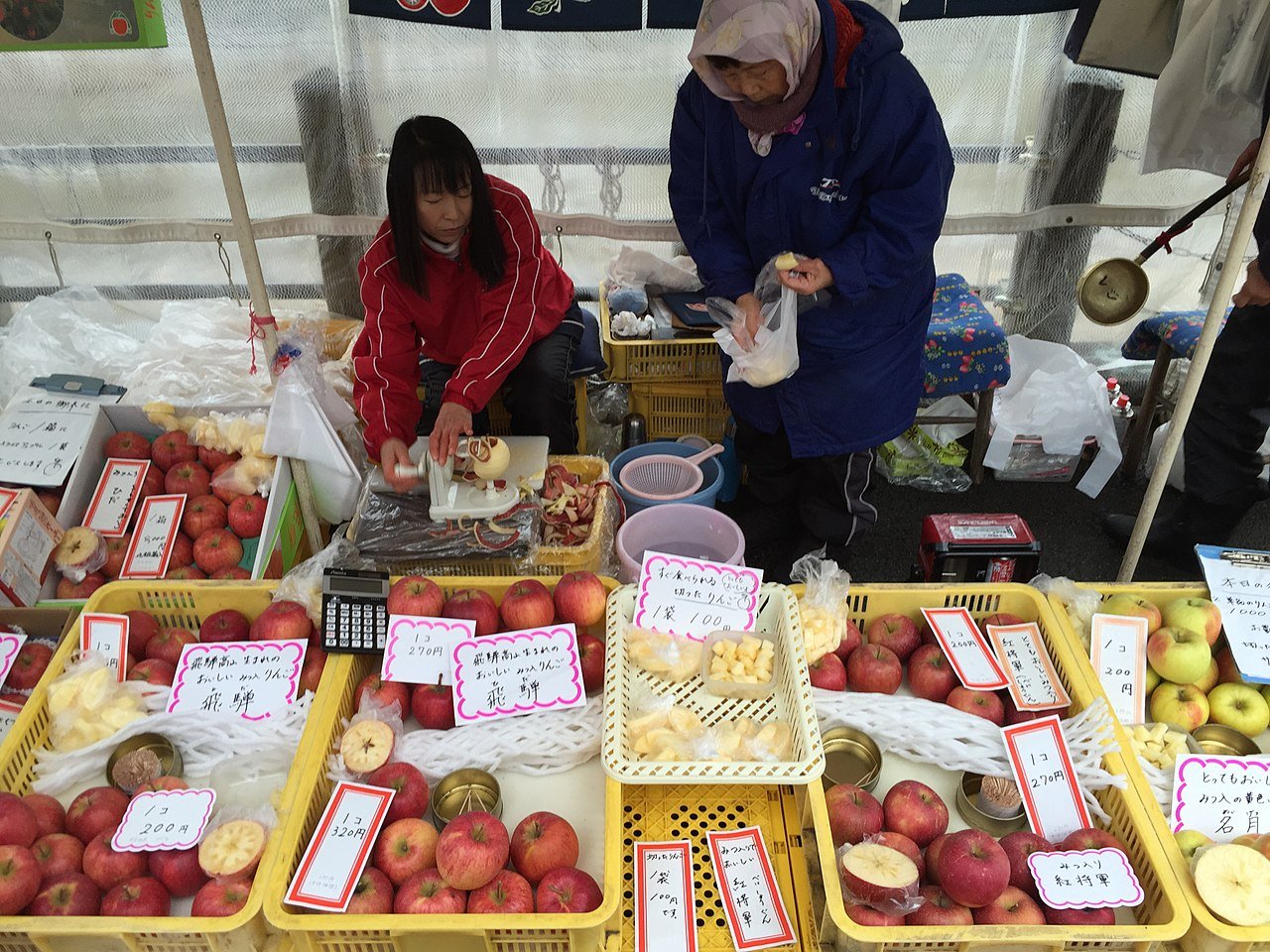
Miyagawa Morning Market in Takayama, stalls selling pickled vegetables and local crafts along the riverside
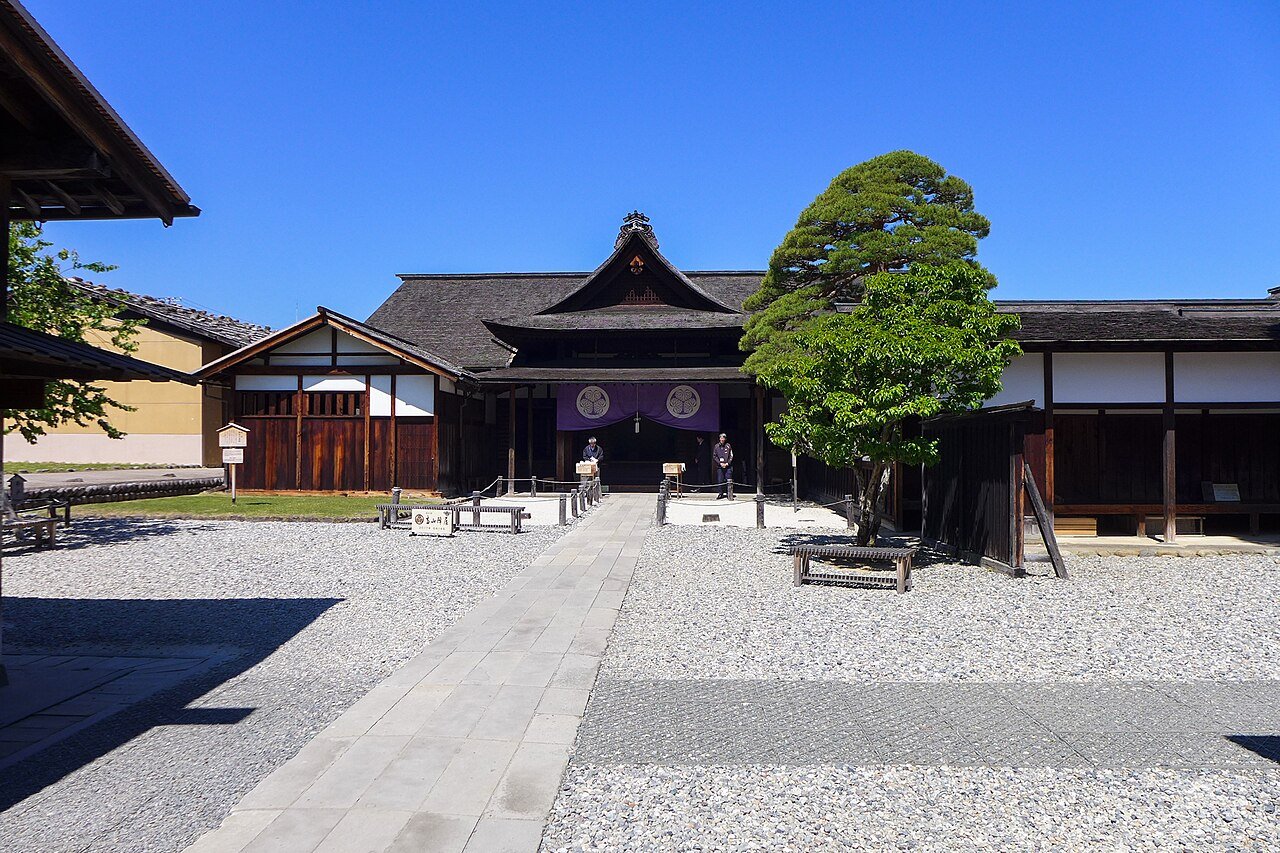
Takayama Jinya government house from the Edo period, dark wooden building surrounded by tall cedar trees
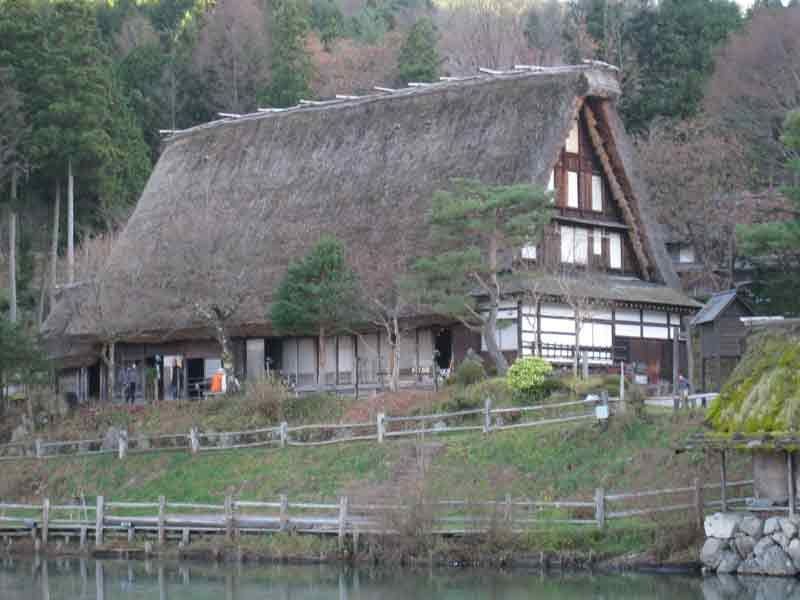
Hida Folk Village open-air museum in Takayama, Gassho-zukuri thatched-roof farmhouses standing in snow

Takayama wears several faces: the preserved Edo-era merchant streets of Sanmachi Suji, the Miyagawa morning markets with their river mist and pickled vegetables, the open-air Hida Folk Village with its relocated gassho-zukuri farmhouses, and — further out — the Japan Alps dominating the horizon. The area you base yourself in shapes which of these faces greets you first each morning.

Budget Guide

Budget, Mid-Range & Luxury in Takayama

Budget (¥8,000–12,000/night)

Spa hotels near the station deliver the best value. Spa Hotel Alpina starts at ¥8,000 with a genuine natural hot spring on the 9th floor (score 9.2/10). Hida Hotel Plaza starts at ¥12,000, with both Western and tatami rooms and a rooftop onsen overlooking the Japan Alps. Neither includes breakfast in the base rate — add ¥1,600–1,980 per person if you want the buffet.

Luxury (¥28,500/person and above)

The best-reviewed luxury option in the old town is ryokan Honjin Hiranoya Kachoan — rates are per person and always include kaiseki dinner with Hida beef and a traditional Japanese breakfast. Rooms with a private semi-open-air onsen bath climb to ¥86,900 per person. Book 2–3 months ahead for autumn foliage and spring festival seasons — they sell out fast.

Seasonal Pricing

Takayama has two clear peak periods: autumn foliage (October–November) and the Takayama Spring Festival (April). Expect prices 30–50% above normal, with top ryokan selling out months ahead. Winter (January–February) is the quietest time and often the most affordable — and soaking in an outdoor onsen while snow falls around you is one of the best things a Japanese mountain town has to offer.

Frequently Asked Questions

FAQ · Questions people ask before booking

What is the best area to stay in Takayama for a first visit?
For most first-time visitors, the JR Station area or Sanmachi old town are the strongest options. The station area gives you flexibility — 3–5 minutes to the train, walking distance to everything, and solid spa hotels with real natural hot spring baths from around ¥8,000 per night. Sanmachi suits travellers whose budget stretches to a ryokan and who want to open the door into the Edo-era streets. See Spa Hotel Alpina and Honjin Hiranoya for full reviews.
How much does a ryokan in Takayama cost?
Ryokan rates in Takayama are quoted per person per night and include kaiseki dinner and Japanese breakfast. Standard tatami rooms start around ¥28,500 per person (roughly ¥57,000 per night for two). Rooms with a private semi-open-air onsen bath go up to ¥86,900 per person. For natural hot spring access at a fraction of the price, station-area spa hotels start at ¥8,000–12,000 per room (meals not included). Compare at Hida Hotel Plaza.
What is the difference between Okuhida Onsen and staying in the city?
Okuhida Onsen (Hirayu, Fukuji, Shin-Hirayu) is about 60 minutes from Takayama city by Nohi bus, deep in the Japan Alps. It is a mountain resort area — accommodation is almost entirely ryokan with meals included, outside dining options are very limited, and the last bus back to Takayama runs in the early evening. It suits visitors who want a proper mountain onsen immersion and perhaps plan a Kamikochi day trip the next morning. For flexibility and easier exploration of the city itself, stay in town.
When is Takayama most expensive and how far ahead should I book?
Autumn foliage (October–November) and the Takayama Spring Festival (April) are peak periods — prices run 30–50% higher than normal and top ryokan sell out months in advance. Book at least 2–3 months ahead for these dates. Winter (January–February) is the quietest and most affordable time, and soaking in an outdoor rotenburo while snow falls is genuinely outstanding.
Who is Higashiyama best suited for?
Higashiyama works best for independent travellers who want quiet, are happy exploring on foot, and enjoy the idea of walking a 3.5 km course past 13 temples and shrines — ending at Shiroyama Park with a panoramic view of the city. Accommodation options are limited here, mostly small minshuku guesthouses priced slightly below the old town, but JR Takayama Station is a 20-minute walk from the heart of the neighbourhood.
Trip.com · Book Takayama Hotels

Book your Takayama stay — compare all areas in one search

Sanmachi old town · Station area · Higashiyama · Okuhida Onsen — ryokan, spa hotels, and minshuku across every budget level.

Search Takayama hotels on Trip.com →
Wherebest is a Trip.com affiliate partner — we may earn a commission when you book through our links, at no extra cost to you.