Honjin Hiranoya Kachoan — Ryokan in the Heart of Old Takayama That Guests Return to Again and Again
Picture this — you open the window in the morning to find the red Nakabashi Bridge arching over the Miya River in the early mountain mist. One minute's walk takes you to the Jinya morning market. An hour later you are soaking in a natural hot-spring bath. Then evening comes and the kaiseki dinner arrives course by course, each plate built around locally raised Hida beef and seasonal produce from the Hida mountains. That is every single night at Honjin Hiranoya Kachoan. The 9.5/10 score from 132 Trip.com reviews does not come by accident.
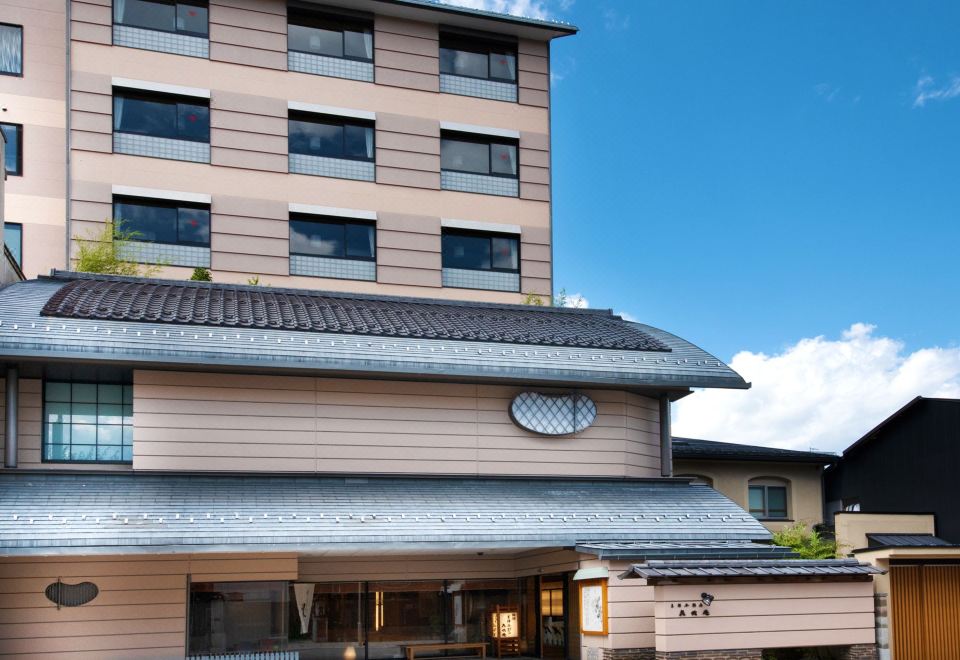
Honestly — very few ryokan anywhere in Japan combine location and quality the way this one does. Honjin Hiranoya Kachoan sits on Hommachi street on the bank of the Miya River, directly beside the red Nakabashi Bridge that has come to symbolise Takayama on every travel poster. Step outside and in one minute you are at the Jinya morning market; in three you are walking down Sanmachi, the preserved Edo-period merchant quarter where sake breweries and dark-timber shophouses stand exactly as they did three centuries ago. That proximity means you do not need transport to reach Takayama's best — you walk straight out the ryokan gate and you are already there.
One guest recalls: "Service is impeccable starting with the managing hostess and the private service attendant. Location is perfect — everything they wanted to see in Takayama was a short walk away. The kaiseki dinner with Hida beef was the highlight of their entire Japan trip."
One practical thing to know before booking: Honjin Hiranoya Kachoan prices per person, not per room, and always includes a kaiseki dinner and Japanese breakfast in the rate. Standard rooms start at around ¥28,500 per person per night, which works out to roughly ¥57,000 for two. The two special rooms with in-room semi-open-air baths go up to ¥86,900 per person. During peak autumn foliage season (October–November) and spring festival season (April), rates rise and rooms sell out weeks ahead — booking 2 to 3 months in advance for those periods is realistic. Winter weekdays offer the best availability and calm.
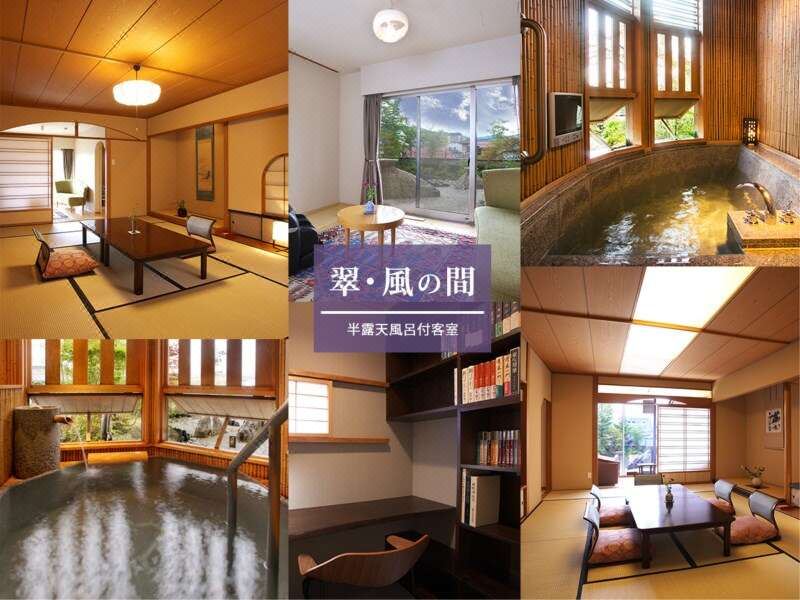
The onsen here draws from a single natural mineral spring — a gentle, skin-friendly water that regulars say feels noticeably different from heated tap water. For men there is an open-air bath with a view over the old townscape; for women both indoor and outdoor baths are available. Both sides are quiet and unhurried, the way a traditional ryokan bath should be. Then there are the two special rooms in the 翠・風の間 wing, each with a private semi-open-air onsen bath (半露天風呂) built into the room itself — you soak whenever you want, for as long as you want, with no queue and no timetable. Guests who have stayed in these rooms describe losing track of hours without any regret at all.
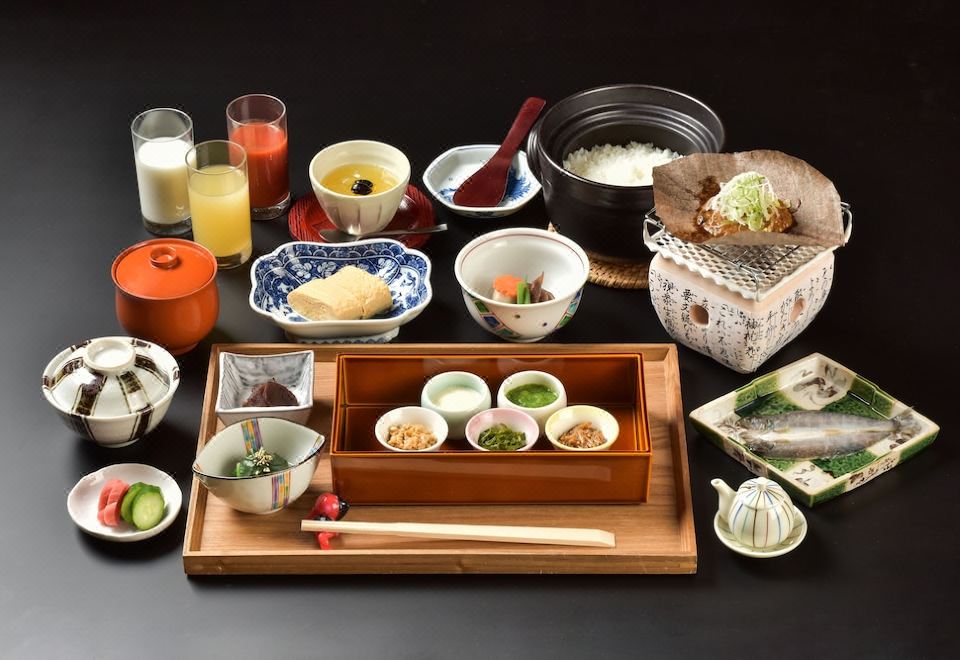
The kaiseki dinner is what most guests remember longest. The kitchen sources Hida beef — the prized local cattle raised in the Gifu mountain valleys, considered among Japan's finest wagyu alongside Kobe — and serves it grilled, simmered and even as sushi, alongside seasonal vegetables, mountain herbs and seafood from the coast. Each course arrives in your private dining room or a quiet corner of the restaurant; you are never crowded alongside other tables. The Japanese breakfast is equally considered: charcoal-grilled fish, rice cooked in an earthen pot, tamagoyaki, house-made tofu, miso soup and a spread of pickles. To be direct — it is the kind of breakfast that stays with you longer than anything a hotel buffet could offer.
Beyond the onsen and meals, the ryokan provides a full-service spa with massage and aromatherapy treatments, bicycle rentals for exploring the old town at your own pace, a small library nook, complimentary parking, and a free shuttle from JR Takayama Station (arrange it at booking). The station is only 700 metres away — a ten-minute walk if you prefer — but arriving by shuttle means no dragging luggage down cobblestones. The staff-to-guest ratio is high for a 28-room property; the managing hostess and personal service attendants are consistently named in reviews as a defining part of the experience.
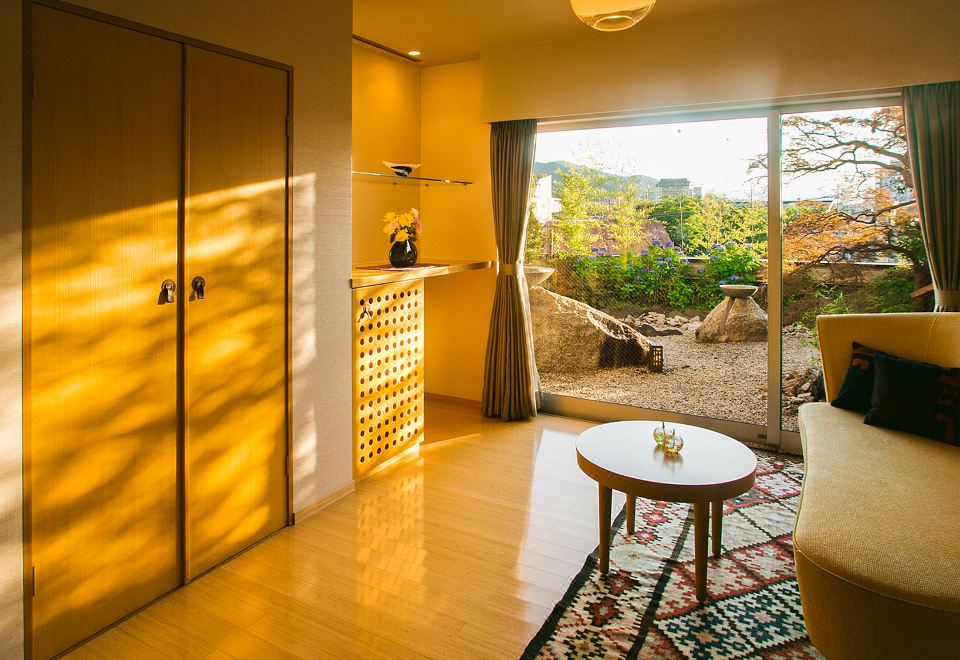
A few honest notes worth knowing. Some reviews mention that certain standard room interiors show their age — clean and well-maintained, but the fixtures and furnishings date from an earlier renovation. If this matters, ask the reservation team which rooms have been most recently updated before confirming. The meal schedule is relatively fixed, and a handful of guests found the dinner timing less flexible than they expected — if your group keeps irregular hours, flag this at booking. Public onsen baths carry the standard Japanese no-visible-tattoo rule; check in advance if this applies to you. None of these are dealbreakers for the vast majority of guests — the 9.5/10 speaks for itself — but they are worth knowing. To put it plainly: if you want to stay in Takayama and feel like you are actually living in the old town rather than visiting it, Honjin Hiranoya Kachoan is the answer. One tip from repeat visitors: the Nakabashi Bridge is at its most photogenic in the early morning — before tour groups arrive at the morning market — and guests at this ryokan have a genuine head start on everyone else. That ten-metre walk from the entrance to the bridge railing, in the quiet before the day begins, is itself worth mentioning.
Summary from Booking & Agoda
- ✓ Location beside Nakabashi Bridge — step outside and you are in the old town; the morning market is a 1-minute walk
- ✓ Hida beef kaiseki served in a private dining setting — many guests describe it as the best meal of their entire Japan trip
- ✓ Personal service from the managing hostess and private attendants — attentive without being intrusive
- ✓ Natural hot-spring onsen: clean, quiet and genuinely therapeutic mineral water
- ! Some standard room interiors show their age in the fixtures and décor, despite being clean and well-kept
- ! Meal times are relatively fixed — limited flexibility for guests who prefer eating on their own schedule
- ! Price per person is on the higher end for what you get in terms of room size
- ✓ Nakabashi Bridge views from the ryokan corridors and some rooms — old-town atmosphere without leaving the building
- ✓ Free station shuttle is genuinely useful when arriving with luggage
- ✓ The two special rooms with private semi-open-air baths (翠・風の間) are extraordinary — guests say they soak for hours
- ✓ Trip.com score of 9.5 sustained over many years confirms the standard is consistent
- ! Public onsen baths have a no-visible-tattoo policy — standard in Japan but worth checking if applicable
- ! Standard room bathrooms use tap water, not onsen water (only the public baths and the 2 special rooms have hot-spring water)
- ! Only 28 rooms — availability in peak season is tight, especially for the private-bath rooms
- 💡If a private in-room onsen bath is a priority — only 2 rooms in the 翠・風の間 wing have the private semi-open-air bath. Contact the reservation team directly to check availability before booking. Standard rooms use the excellent shared baths, which are genuine hot-spring water.
- 💡If anyone in your group has a visible tattoo — public onsen baths in Japan typically restrict access for tattooed guests. Contact the ryokan directly before booking to understand the policy and your options.
- 💡If anyone in your group has dietary restrictions (vegetarian, shellfish allergy, etc.) — inform the kitchen at booking. The team can adapt the kaiseki course to a degree, but they source ingredients far in advance. Without notice, several courses may be off the menu.