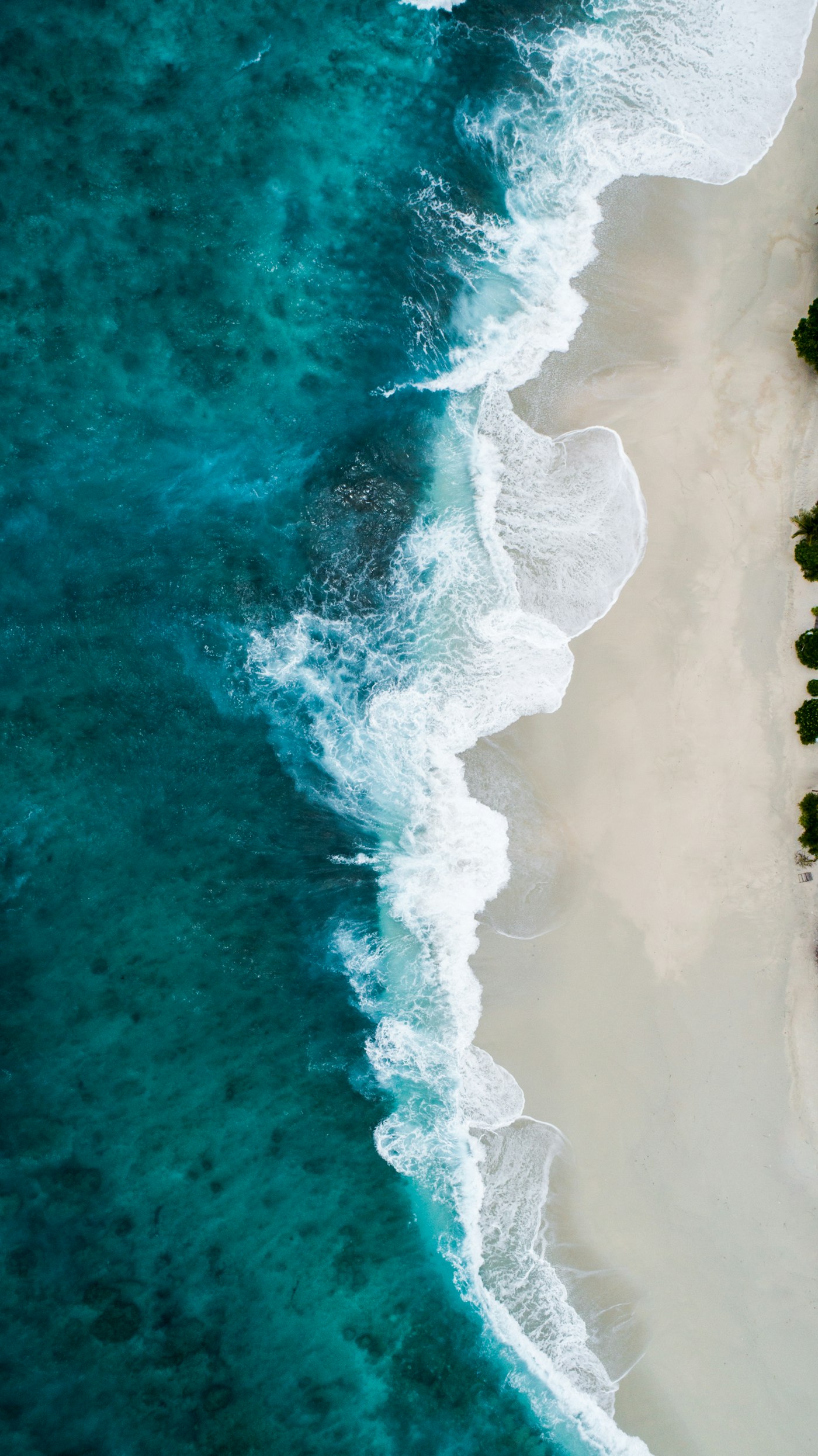
From a beginner beach with a train station at its edge to a typhoon-powered bay where WSL pros have trained — here is every surf spot you need to know, honestly rated, with seasons and lesson costs.


Taiwan does not appear on the classic surf-trip poster, but within Asia's surfing community the island has a quiet reputation. Wai-ao in Yilan is arguably the most accessible beginner beach in East Asia — a TRA train station stands steps from the sand. Jialeshui in Kenting is tagged "Taiwan's Surf Town" and has hosted competitive events attracting WSL-calibre surfers. Between those poles lie four more spots covering every level and mood.
This guide covers six spots with honest level ratings, the months each performs best, where to find lessons and gear, and exactly how to get there from Taipei.
From a complete first-timer to a seasoned charger hunting overhead+ barrels — Taiwan has a spot for you.
If you have never stood on a surfboard, start here. Wai-ao's consistent 1–3 ft beach break over a sandy bottom is forgiving and readable. The TRA station "Waiao" sits directly beside the car park — no transfers. Multiple surf schools line the beach, including G-Cool Surf Club, Blue Ocean Surf Club and Johnny Rose Surf Club, several with English-speaking instructors. Lesson packages run NT$1,000–1,500 per hour including board and wetsuit. Busy on weekends from Taipei — come on a weekday morning for breathing room. In the northeast monsoon peak (November–January) the break can push to a solid 4–6 ft, interesting for intermediates too.
The closest surf to Taipei: 45–60 minutes by car along the north coast highway. Jinshan delivers a left and right beach break with more shape than most north-coast spots, working well in the northeast swell season. Once you have graduated from Wai-ao's mellow walls and want something with a bit more punch and form, Jinshan is the natural next step. It gets busy on weekends with Taipei-based surfers arriving early — timing matters. No resident surf school, but board rentals are available locally. The surrounding town has good seafood and hot-spring hotels if you want to make a night of it.
When Wai-ao is jammed on a long weekend, Hutoubi — a few kilometres down the coast — offers a quieter alternative that local surfers keep to themselves. The break has a slightly more defined shape than Wai-ao, pushing it into intermediate territory, but it is still a sand-bottom beach break without serious hazards. No school on site, but you can arrange instruction through the Wai-ao schools and transfer over, or simply rent gear from Wai-ao and paddle out here. No facilities — bring water and snacks.
Jialeshui is the one name every serious surfer in Taiwan knows. A black-sand beach break at the mouth of a small river generates both a left-hander and a more powerful right-hander. In the April–October typhoon season, groundswells push waves to 6–10+ feet; the right side handles the biggest surf and is strictly for experienced riders. WSL-calibre surfers have trained and competed here. The surf community is tight-knit and welcoming if you show respect. Board rentals and surf hostels line the road behind the beach. Rip currents are serious — particularly in the 24–48 hours following a typhoon — assess conditions carefully before paddling out.
Nanwan is Kenting's main beach and the social hub of its surf scene. A right-hand beach break with waves that are noticeably gentler than Jialeshui makes this the place for surfers who are past their very first lesson but not yet ready for open-ocean power. The water is strikingly clear — blue-green with decent coral offshore — and snorkelling is popular alongside surfing. Surf schools and rental shops sit directly on the beach, with some English instruction available. The atmosphere is lively, with bars and restaurants a short walk away. If you want both surfing and a social holiday, Nanwan is the right choice.
Dongao is an open secret among Taiwan's local surfing community — a small jade-green bay on the east coast south of Yilan where a long, peeling left-hand break runs with surprising consistency during the northeast swell season. The water clarity is exceptional; you can see the sandy bottom clearly from the lineup. Getting there requires passing through a tunnel on Highway 9 and descending a short steep track, which keeps the crowds away. No facilities on the beach — bring water, food and sunscreen. Board rental is not available locally so bring your own or borrow from a Wai-ao school. The rip current here should be treated with respect: do not surf alone.
| Spot | Prime Season | Level | Wave Type | Stand-out Feature |
|---|---|---|---|---|
| Wai-ao (Yilan) | Oct–Mar | Beginner | Sandy beach break | Train to the sand · surf schools |
| Jinshan (North Coast) | Oct–Mar | Intermediate | Left & right break | Closest surf to Taipei |
| Hutoubi (Yilan) | Oct–Mar | Intermediate | Beach break | Quiet · near Wai-ao |
| Jialeshui (Kenting) | Apr–Oct | Advanced | Beach break · black sand · Left & Right | Typhoon swell · WSL calibre |
| Nanwan (Kenting) | Year-round | Beg–Intermediate | Right-hand beach break | Clear water · social scene |
| Dongao (Yilan) | Oct–Mar | Advanced | Long left-hander | Crystal water · no crowds |
Combine a surf session with whale-watching off Turtle Island, the geothermal hot springs of Jiaoxi, and Luodong Night Market — Yilan is a full two-day escape from Taipei.
Beyond the surf — coral reefs, Kenting National Park, Aboriginal culture, and diving with sea turtles all await the southern tip of Taiwan.
Kenting Guide →Not just surf — Turtle Island whale-watching, Jiaoxi hot springs, Luodong Night Market and the dramatic Lanyang Museum await in Yilan.
Yilan Travel Guide →Visa requirements, transport, budget planning and the best season to visit — everything in one authoritative guide to Taiwan.
Taiwan Guide →