Ninety minutes from Tokyo on a bullet train, a sightseeing bus that loops past samurai shrines, and a Tanabata festival that draws two million people every August. Sendai is straightforward to visit — but knowing these details before you arrive makes a real difference.
Sendai is the main city of Miyagi Prefecture in the Tohoku region, about 350 km north of Tokyo. There are several ways in, but not all are equal for time or cost.
Sendai has clean, reliable public transport and most major sightseeing spots are within a short loop of the station — once you know the system, navigating is simple.
The key thing to know upfront: Sendai's main sightseeing spots cluster in a loop around the city centre, and a dedicated sightseeing bus called the Loople connects them. For longer journeys — to your hotel, to Matsushima, or to the university area — the two subway lines take over. Most visitors find they need both in a single day.
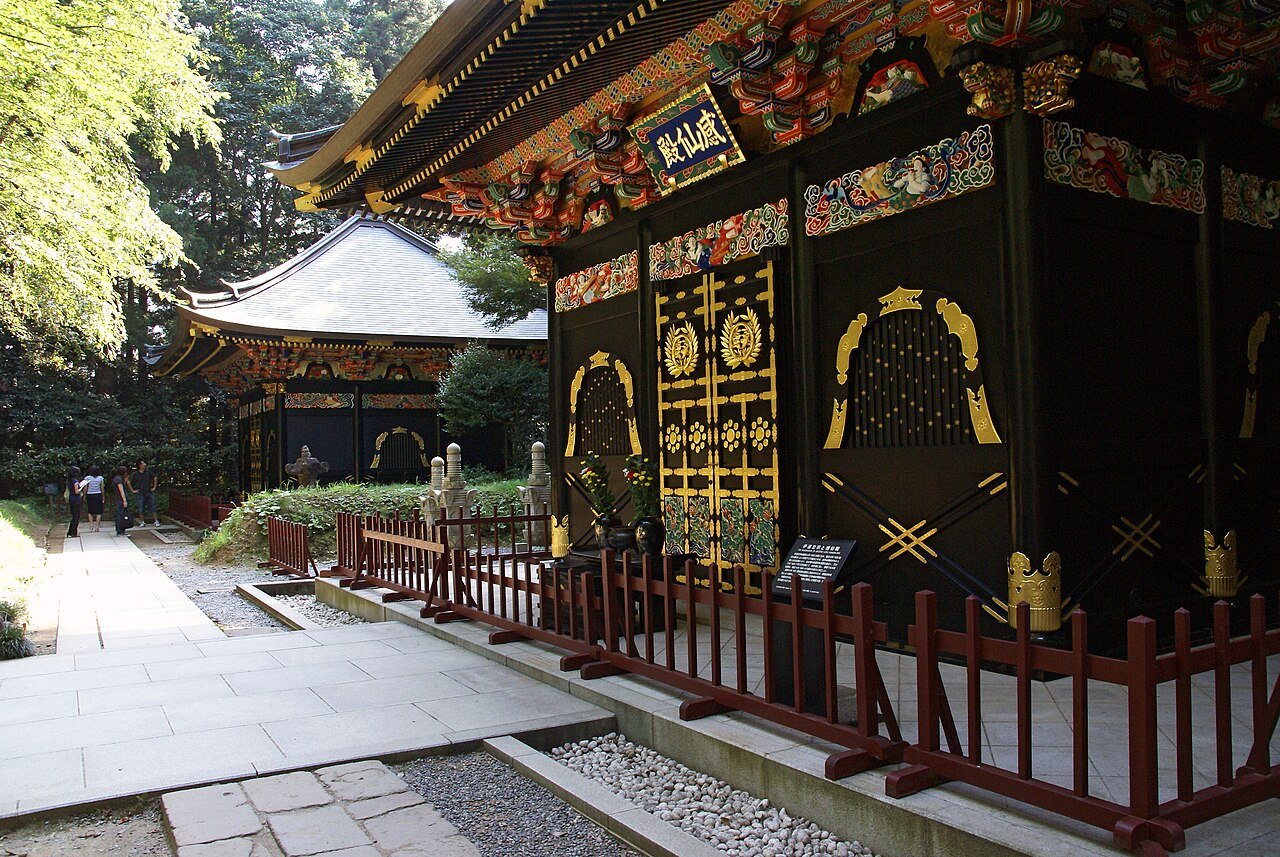
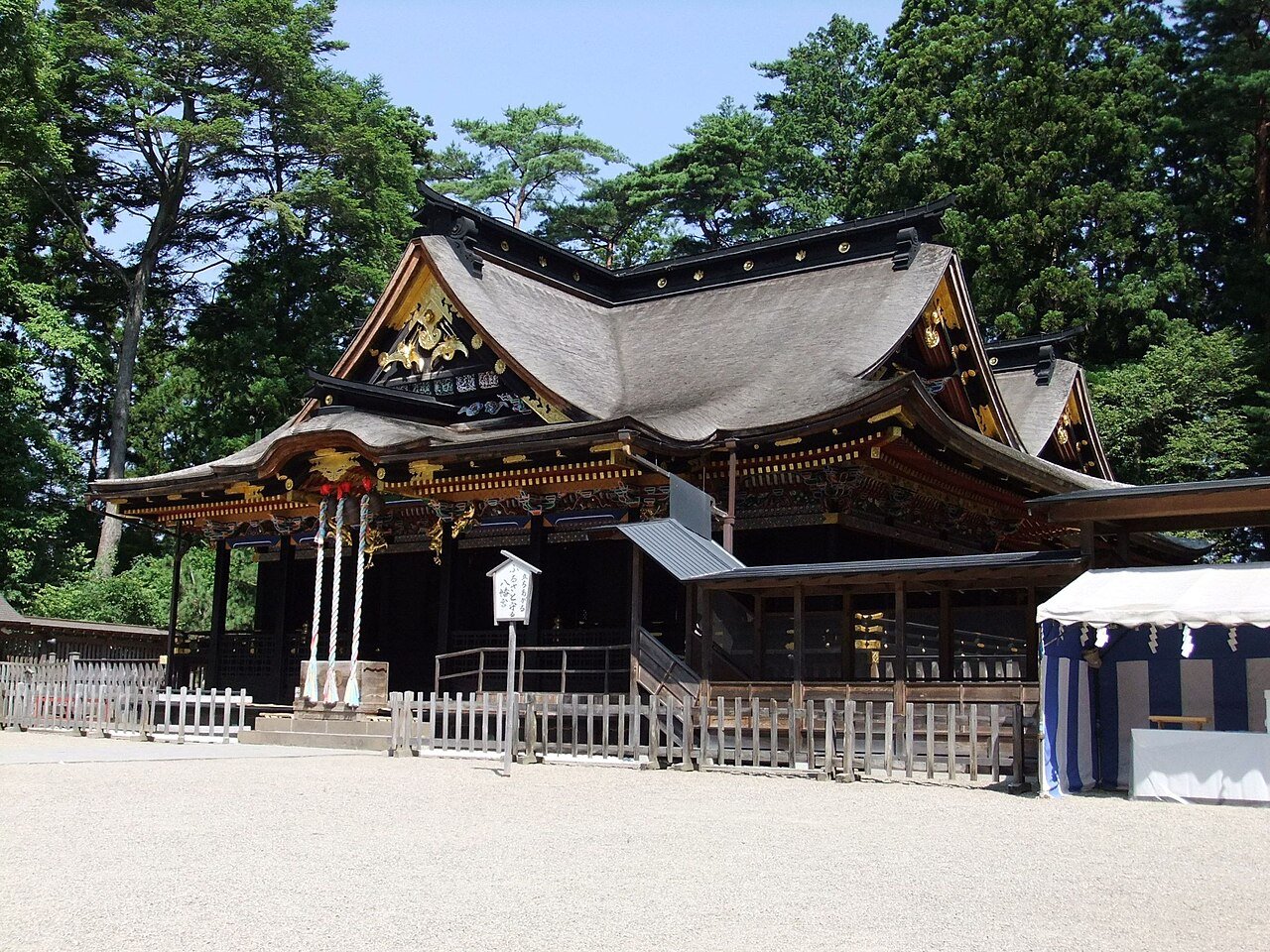
A clockwise loop bus that stops at Zuihoden, Sendai Castle ruins, Sendai City Museum, Osaki Hachimangu shrine and several other spots. Departs from Sendai Station East Exit every 20 minutes between 9:00 and 16:00. One full loop takes about one hour.
The Namboku Line runs north to south, connecting the station to residential areas and Tohoku University. The Tozai Line runs east to west, useful for Aobayama and eastern districts. Both accept IC cards and single-journey tickets. Fares range from ¥200 to ¥350 depending on distance.
Icsca is Sendai's own IC card, usable on all subway lines, city buses and the Loople. Your existing Suica from Tokyo works just as well — no need to buy a new card. Top up at any station vending machine. Tap in and out; no need to buy paper tickets.
Taxis queue outside both Sendai Station exits. Flag-fall is around ¥670–730. Within the central area, the Ichibancho shopping arcade and Kokubuncho entertainment district are a comfortable 5–10 minute walk from the station. Sendai is a flat, walkable city on its main streets.
Sendai is a year-round destination, but each season has a genuinely different character. Here is the honest breakdown.
Cherry blossoms arrive in early April, one to two weeks later than Tokyo due to latitude. Nishikouen Park, Tsutsujigaoka Park and Mikamine Park are the popular hanami spots. In mid-May the Aoba Matsuri festival fills the city centre with samurai parades and a spirited Suzume Odori (Sparrow Dance) competition. Temperatures 10–20°C, pleasant and uncrowded.
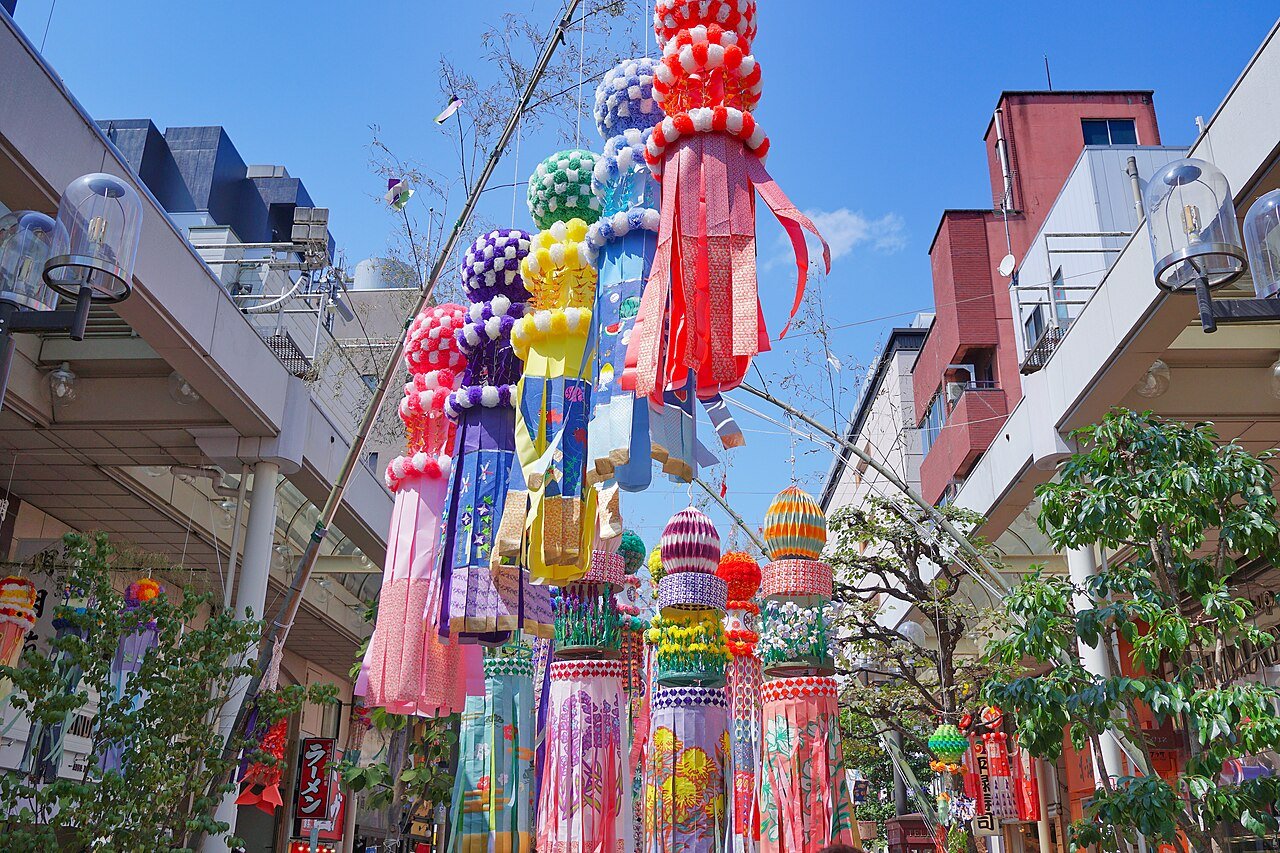
August 6–8 brings the Sendai Tanabata Matsuri, the largest Tanabata festival in Japan with over two million visitors. Thousands of handcrafted washi-paper streamers fill the shopping arcades to ceiling height. The evening of August 5 has a fireworks display at Nishikouen — around 16,000 shells. Hot and humid at 25–30°C. Book accommodation two to three months ahead for the festival period.
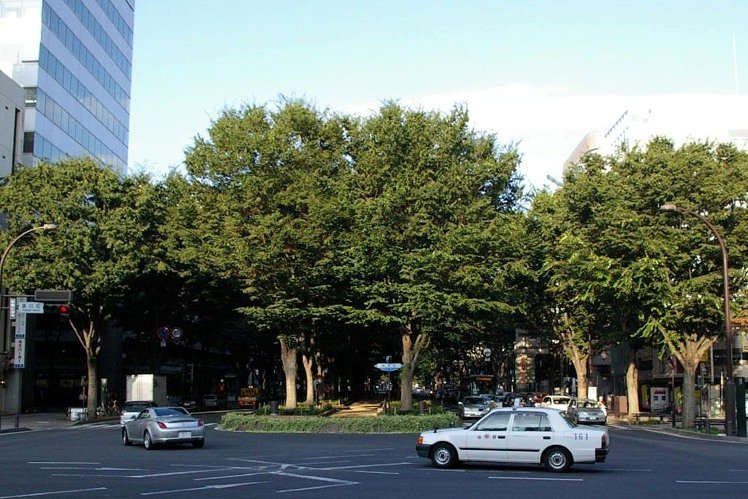
The zelkova trees along Jozenji-dori turn amber and gold in late October, creating one of Sendai's most photographed scenes. Temperatures 10–18°C, comfortable for walking. Fewer crowds than cherry blossom or Tanabata season, hotel prices are reasonable, and the Sendai Jazz Festival in late October adds a lively backdrop.
Cold at 0–7°C with occasional snow, though lighter than cities further north. The Sendai Pageant of Starlight (late December through early January) lines the Jozenji-dori zelkovas with thousands of tiny lights — beautiful and quietly magical at night. Hotel prices are the lowest of the year and the city is calm. Bring a warm coat, thermal layers and non-slip footwear.
Sendai is noticeably cheaper than Tokyo and Osaka, particularly for accommodation and food. These figures are per person per day, excluding the Shinkansen fare to get here.
| Category | Budget | Mid-range | Comfortable |
|---|---|---|---|
| Accommodation (per person/night) | ¥2,300–4,000 (hostel / capsule) | ¥6,000–10,000 (business hotel) | ¥15,000+ (4–5 star hotel) |
| Food (3 meals) | ¥1,500–2,500 (teishoku sets, convenience stores) | ¥3,000–5,000 (sit-down restaurants) | ¥7,000+ (gyutan restaurant, seafood, sushi) |
| City transport | ¥630 (Loople 1-day pass) | ¥920 (Loople + subway combo) | ¥2,000–3,000 (taxi supplement) |
| Admission fees | ¥500–800 (Zuihoden or castle) | ¥1,500–2,500 (2–3 sites) | ¥4,000+ (multiple sites + Matsushima day trip) |
| Matsushima day trip | ~¥1,000–1,500 (JR train return + boat cruise) per person — same across all budget levels | ||
| Estimated daily total | ~¥8,500–10,000 | ~¥15,000–22,000 | ¥30,000+ |
Sendai was built by Date Masamune and carries real historical weight. A few things are worth knowing before you arrive.
Sendai has distinct seasons with genuine temperature swings. Packing right makes a bigger difference here than in many Japanese cities.
Heavy down jacket or insulated coat · Thermal base layers (indispensable) · Hat, scarf and gloves · Waterproof shoes with non-slip soles — pavements can ice over in the morning · Lip balm and moisturiser — the air is very dry · Thick socks, two or three pairs · A small umbrella (light snow is common)
Light breathable clothing · Compact umbrella or rain jacket (rainy season is June–July) · Sunscreen SPF 50+ · A handheld fan — useful during Tanabata · Comfortable walking shoes for full days on pavement · A refillable water bottle · Small daypack to carry layers when indoors (air conditioning is powerful)
Google Maps — excellent public transport data for Sendai, shows Loople stops · Navitime Japan — more detailed bus timetables · Google Translate camera mode — handles menus and signs · PayPay — useful for QR code payments where card is not accepted, particularly at street food stalls during Tanabata
A Japan eSIM purchased before departure is more convenient than a pocket Wi-Fi device — one less gadget to charge and worry about. Sendai Airport (SDJ) sells SIM cards from IIJmio, Softbank and au on arrival. Tokyo's Narita and Haneda airports have a wider selection. Look for plans of at least 3 GB for a week; they typically cost the equivalent of ¥1,000–2,000.