Home Sendai Japan Miyagi Prefecture About
Home  ›  Asia  ›  Japan  ›  Sendai  ›  Attractions
🇯🇵 Sendai, Japan · 2026

What to do in Sendai?
Samurai shrines, Japan's scenic bay, a street of a million lights

Most travellers blast through Sendai on the Shinkansen — and miss one of Tohoku's most rewarding cities. The gilded mausoleum of a legendary warlord, an entire bay that 17th-century poets called the most beautiful in Japan, and a zelkova-lined avenue that transforms into a tunnel of light every December.

Why Sendai

Tohoku's gateway city — still underrated

Here's the honest version: most international visitors see Sendai through a train window on their way to Hokkaido or further into Tohoku. The ones who stop tend to say the same thing afterwards — "glad we got off." Because Sendai has real depth packed into a manageable, walkable city.

Date Masamune, the one-eyed warlord who ruled this region during Japan's turbulent Sengoku period, left behind a legacy of extraordinary architecture — from a mausoleum that looks more lavish than most royal palaces, to a shrine hall designated a National Treasure. Outside the city, Matsushima Bay's 260 pine-covered islands have been drawing poets and painters since the Edo period. We've picked the 10 places that tell Sendai's story most honestly.

Top Attractions

10 places worth your time

Ordered by how strongly people who have been tend to recommend them — not just by photogenic value.
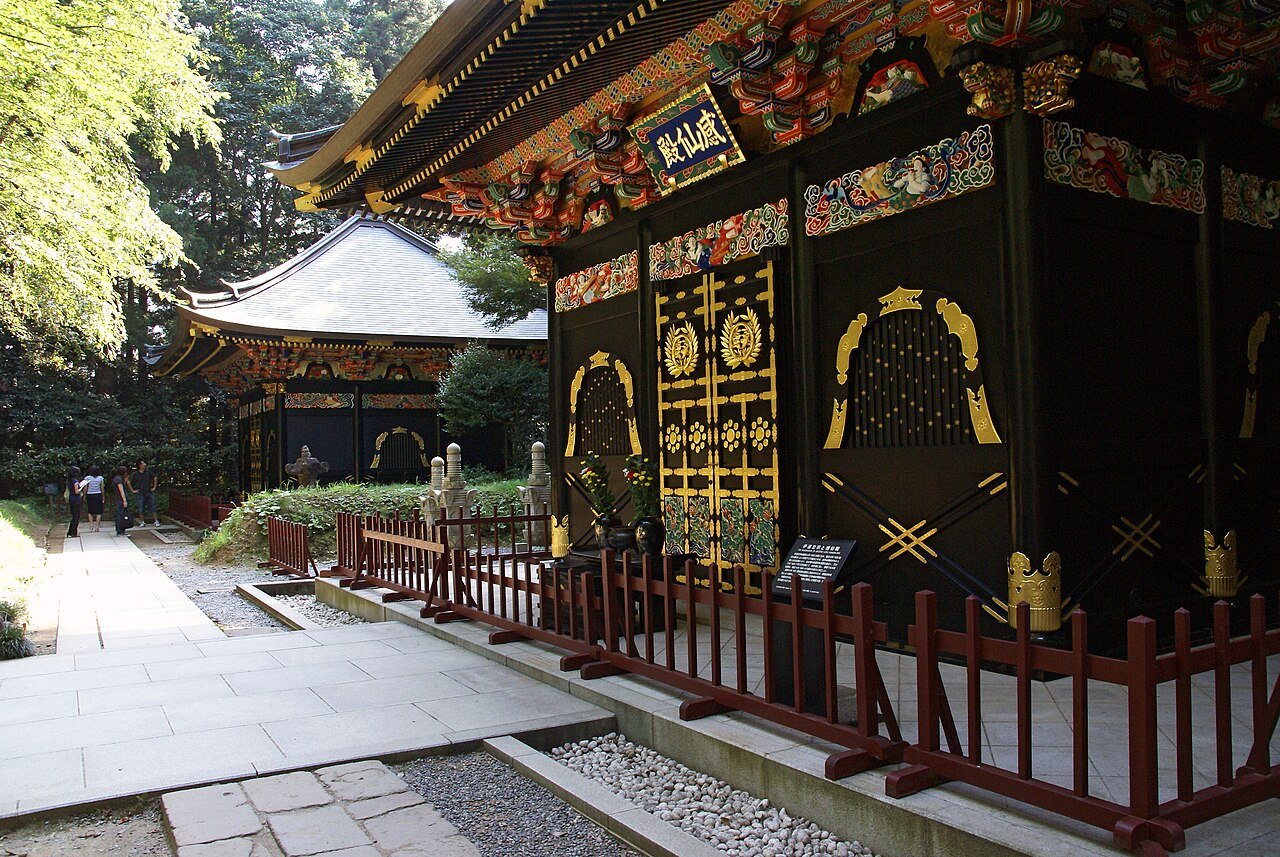
Zuihoden Mausoleum Sendai — ornate Momoyama-style gilded and lacquered mausoleum of Date Masamune deep in a cedar forest 1
Zuihoden Mausoleum (瑞鳳殿)
Date Masamune's resting place · Momoyama-style lacquer and gold

Picture this: you climb stone steps through a towering cedar forest, and then a mausoleum explodes into view — deep vermillion lacquer, gilded carvings covering every surface, interlocking patterns that took master craftsmen years to produce. That's Zuihoden, the burial site of Date Masamune, the most powerful lord in Tohoku's history. The original 17th-century structure was destroyed in World War Two and fully reconstructed in 1979 with the same Momoyama-era techniques used at Nikko Toshogu — though far quieter and less crowded. The small museum inside uses archaeological finds from the original excavation to tell Masamune's story. Don't skip it.
Hours: 09:00–16:50 (Feb–Nov) · 09:00–16:20 (Dec–Jan) · closed 31 Dec
Admission: ¥570 adults (includes museum)
Access: Sendai Loop Bus 'Ruru-ru Sendai' from Sendai Station West Exit — ¥260/ride or ¥630 all-day pass
Pro tip: The ¥630 all-day Loop Bus pass pays for itself the moment you combine Zuihoden with Osaki Hachimangu and Aoba Castle on the same day.
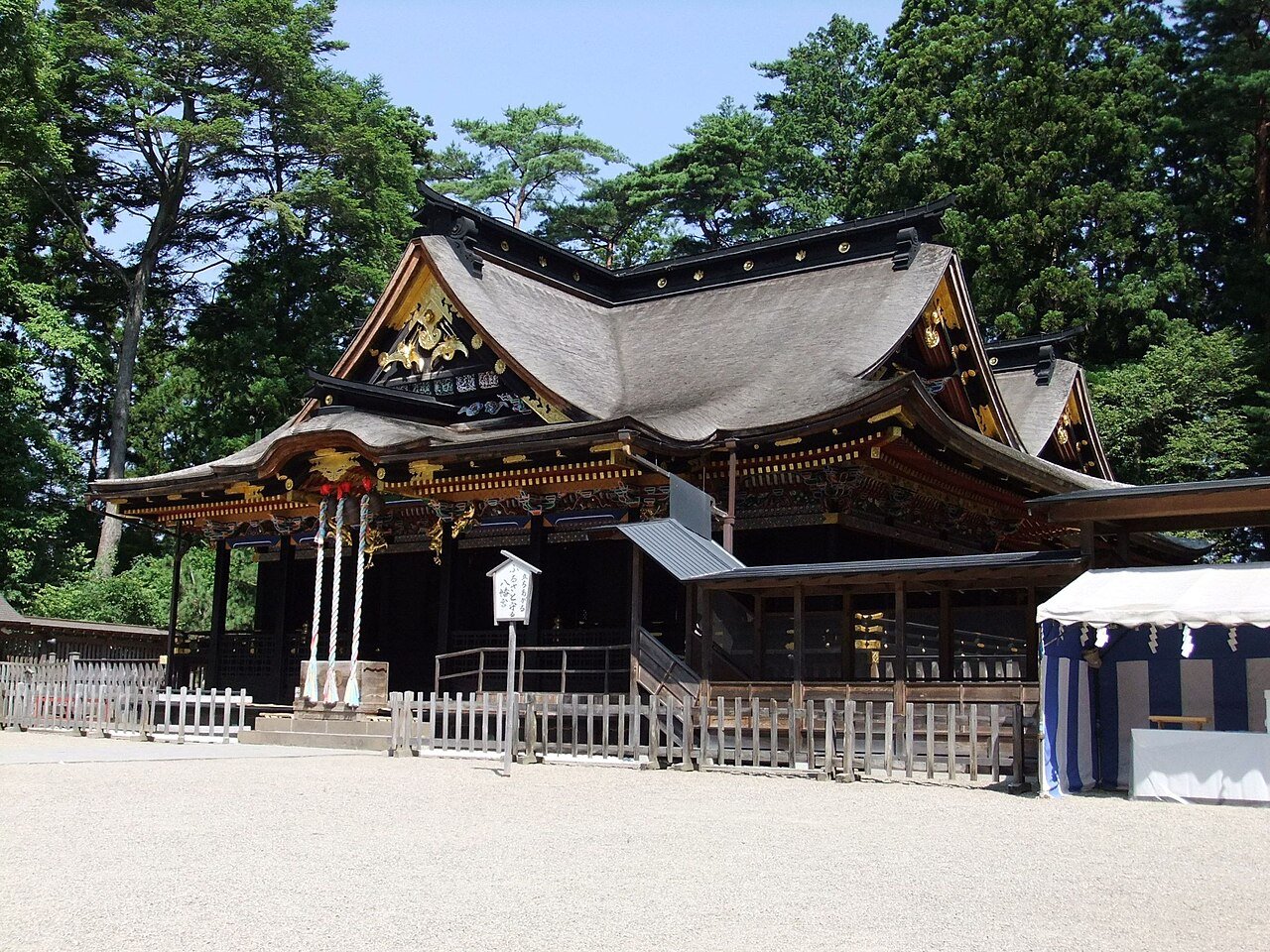
Osaki Hachimangu Shrine Sendai — deep black lacquer main hall with vivid gold and carved details, built 1607, National Treasure of Japan 2
Osaki Hachimangu Shrine (大崎八幡宮)
Built 1607 · National Treasure · oldest Gongen-zukuri in Japan

There are shrines in Japan that greet you with bright orange torii and a cheerful atmosphere. And then there are shrines like Osaki Hachimangu — where the main hall's deep black lacquer and the sudden flash of gold carvings makes you stop walking mid-step. Commissioned by Date Masamune in 1607, it holds the distinction of being Japan's oldest surviving example of Gongen-zukuri architecture (a style where a worship hall and inner shrine are connected under a shared roof). The contrast of sober black against vivid decorative detail is intentional and striking. The cedar-lined approach, the red torii, the silent grounds — it all feels earned. Free to enter, easy to linger.
Hours: 09:00–17:00 daily
Admission: Free (shrine grounds)
Access: Loop Bus from Zuihoden, or city bus No. 10/15/46 from Sendai Station — alight at Hachimangu Mae (~25 min)
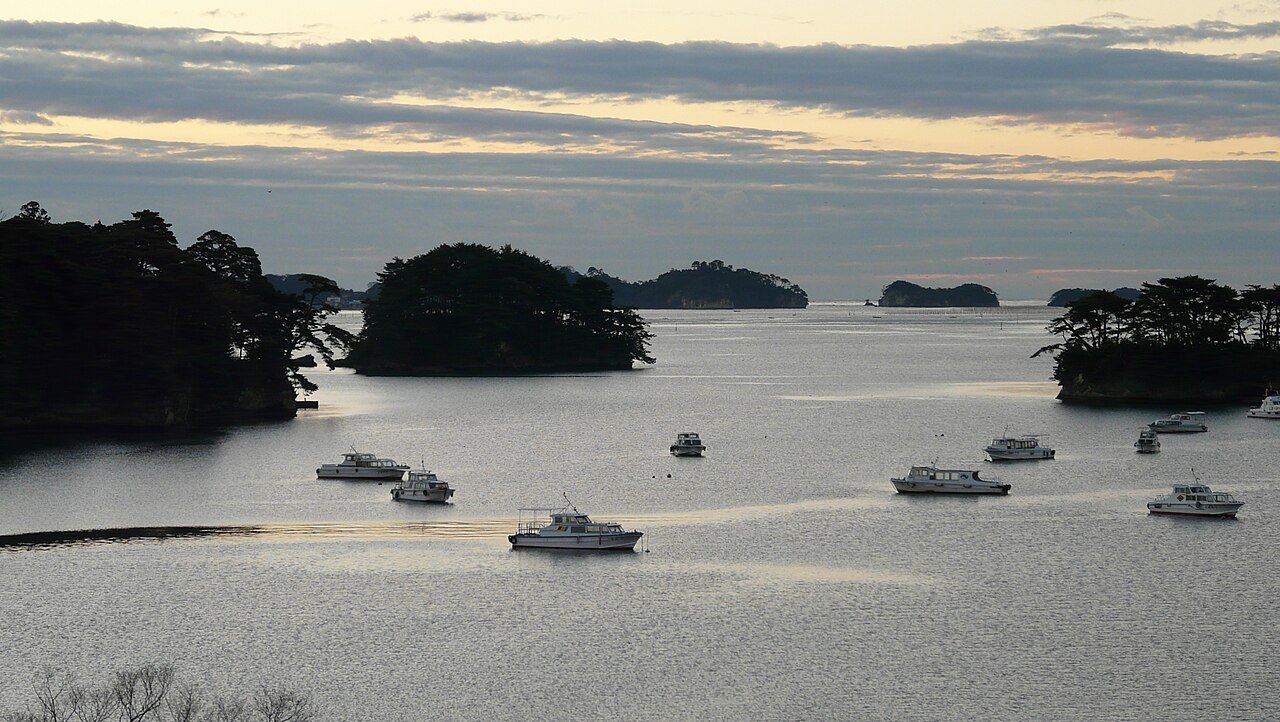
Matsushima Bay Sendai — 260 pine-covered islands scattered across a calm sea viewed from a sightseeing cruise boat 3
Matsushima Bay (松島)
One of Japan's Three Scenic Views · 260 pine islands

Japan has an unofficial canon of its three most beautiful views — Amanohashidate in Kyoto, Miyajima in Hiroshima, and Matsushima right here. A sheltered bay scattered with over 260 islands, each covered in wind-bent pines that have been growing for centuries. Edo-period poet Matsuo Basho famously arrived here and was so moved he struggled to write about it. You can see the bay for free from the shoreline promenade, but the 50-minute sightseeing cruise (¥1,500) weaves between the islands and gives you the view that earned the reputation. Combine it with Zuiganji Temple directly next door, and fresh oysters from the stalls by the pier in season (October–March).
Access: JR Senseki Line from Sendai Station to Matsushima Kaigan — ~40 min, ¥420 (JR Pass valid)
Bay cruise: ¥1,500/person · boats run roughly every 60 min from ~08:00
Best time: Arrive before 09:00 to beat the tour groups; avoid Golden Week and summer weekends
Local tip: The oyster stalls along the harbour sell freshly grilled oysters for around ¥200–300 each — October through March is peak season for the best flavour.
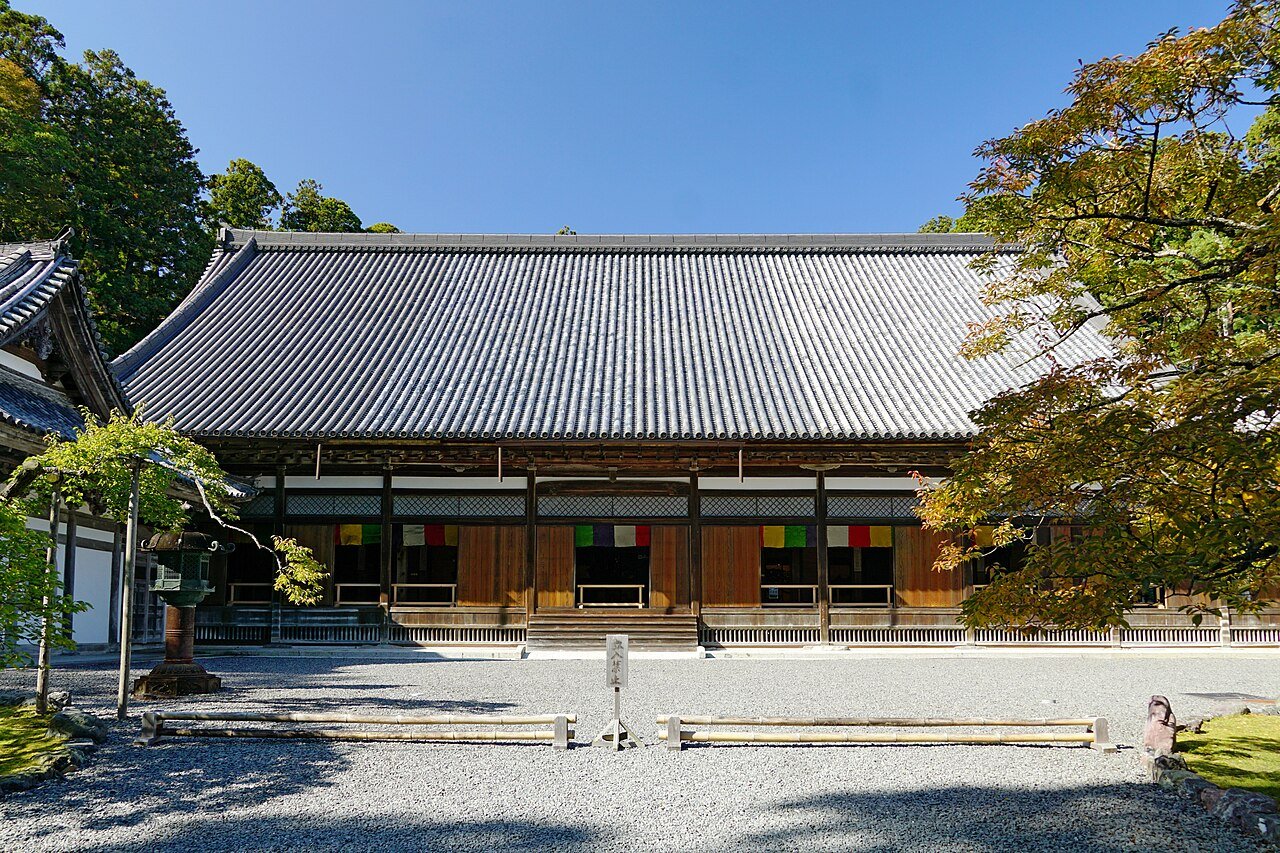
Zuiganji Temple Matsushima — cedar-lined approach leading to an ancient wooden gate, cave walls carved with Buddhist imagery 4
Zuiganji Temple (瑞巌寺)
1,200 years old · National Treasure · Zen · 5 minutes from the bay

Walk five minutes from the Matsushima pier and you reach the cedar-lined approach to Zuiganji — one of those temple entrances that looks better in real life than in any photograph. Founded in the 9th century, it was extensively renovated by Date Masamune in 1609 and remains one of the finest Zen temples in Tohoku. The main hall is a National Treasure. What makes Zuiganji unusual are the caves carved into the rock face along the approach: monks hollowed them out over centuries and lined the walls with Buddhist carvings and stone lanterns. The combination of forest light, carved rock and cedar silence makes this one of the calmest 30 minutes you can spend in the Sendai area.
Hours: 08:00–17:00 (Apr–Oct) · closes earlier in winter · check ahead
Admission: ¥700 adults
Access: 5-min walk from Matsushima Kaigan Station or from the pier
Aoba Castle Ruins Sendai — bronze statue of Date Masamune on horseback overlooking the city from the hilltop, panoramic view of Sendai below 5
Aoba Castle Ruins (青葉城址)
Date's hilltop stronghold · panoramic views of Sendai

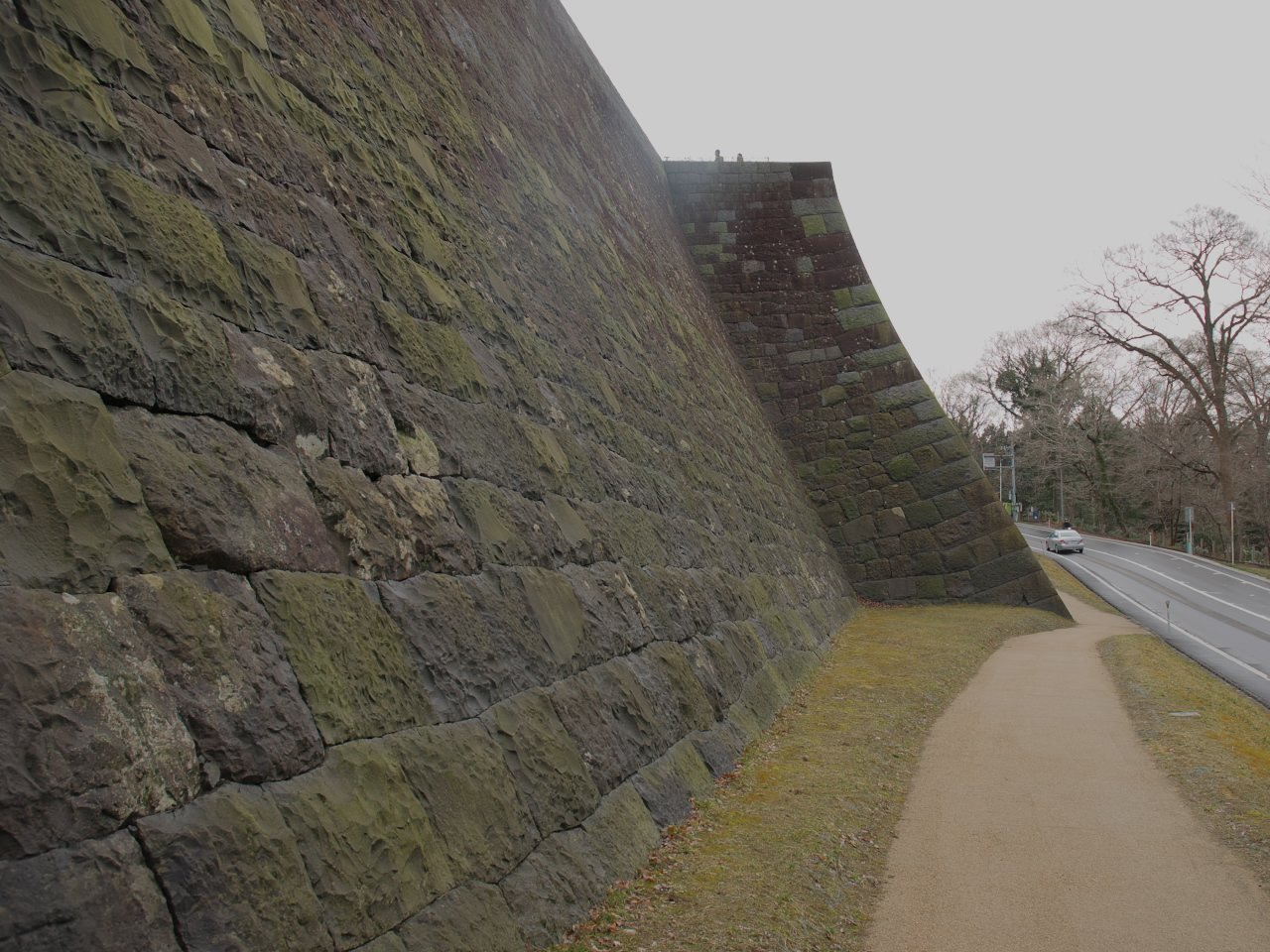
The actual castle is long gone — most of it burned down centuries ago and was never fully rebuilt. What remains is the stone foundation, the watchtower reconstruction, and — standing watch over it all — a bronze statue of Date Masamune on horseback, eyes fixed on the city he built from this hill. The view is genuinely worth the trip: Sendai spreads below in every direction, and on a clear day Mount Zao's snow-capped peak is visible to the southwest. The Aoba Castle Museum on the grounds (¥700) walks you through the history with good English signage. The hilltop grounds are free to walk any hour.
Grounds: Open 24 hrs, free · Museum: ¥700, 09:00–17:00
Access: Loop Bus from Sendai Station, or walk from Kokusai Center Station (Tozai Line) ~15 min uphill
Best time: Before 09:00 or after 17:00 for the panoramic view with fewer crowds
Jozenji-dori Avenue Sendai — four rows of tall zelkova trees arching over the boulevard creating a green canopy in summer 6
Jozenji-dori Avenue (定禅寺通り)
Four rows of zelkova trees · City of Trees · December LED festival

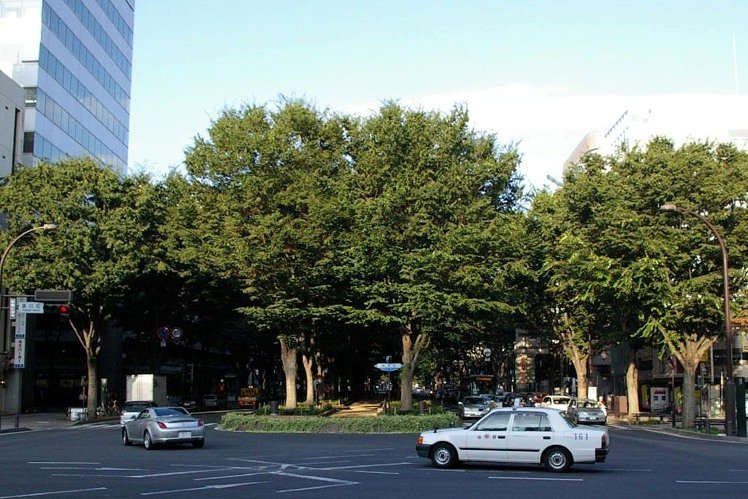
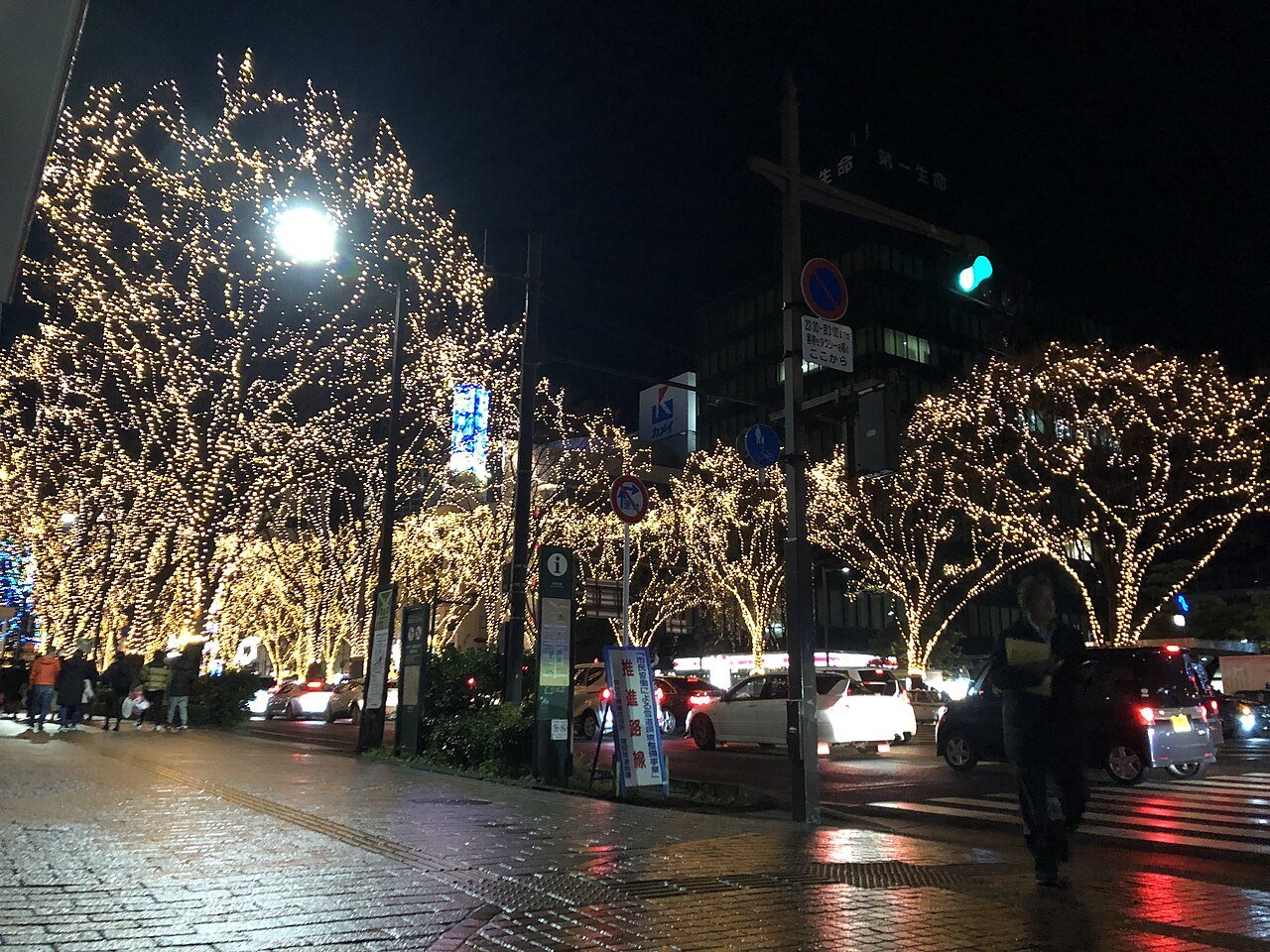
The reason Sendai earned the nickname "City of Trees" is this 700-metre boulevard with four parallel rows of zelkova (keyaki) trees forming a canopy over the median. In summer, walking under it feels like entering a cool green tunnel. In autumn the leaves turn gold and rust. And in December, every tree along the avenue is wrapped in 600,000 LED lights for the SENDAI Pageant of Starlight — the effect is genuinely dreamlike, and locals bring their families here every year as if it is a ritual. The Sendai Mediatheque building partway along the avenue is worth a look too: designed by Pritzker Prize-winner Toyo Ito, the ground floor hosts free exhibitions year-round.
Access: 10-min walk from Sendai Station West Exit · free to walk any time
Pageant of Starlight: Early–late December each year (exact dates announced annually)
Mediatheque: Free exhibitions ground floor · 09:00–22:00 · closed Tue
Sendai Tanabata Festival August — enormous colourful paper streamers hanging from every arcade and shopfront across the city centre 7
Sendai Tanabata Festival (七夕まつり)
August 6–8 every year · one of Tohoku's three great festivals

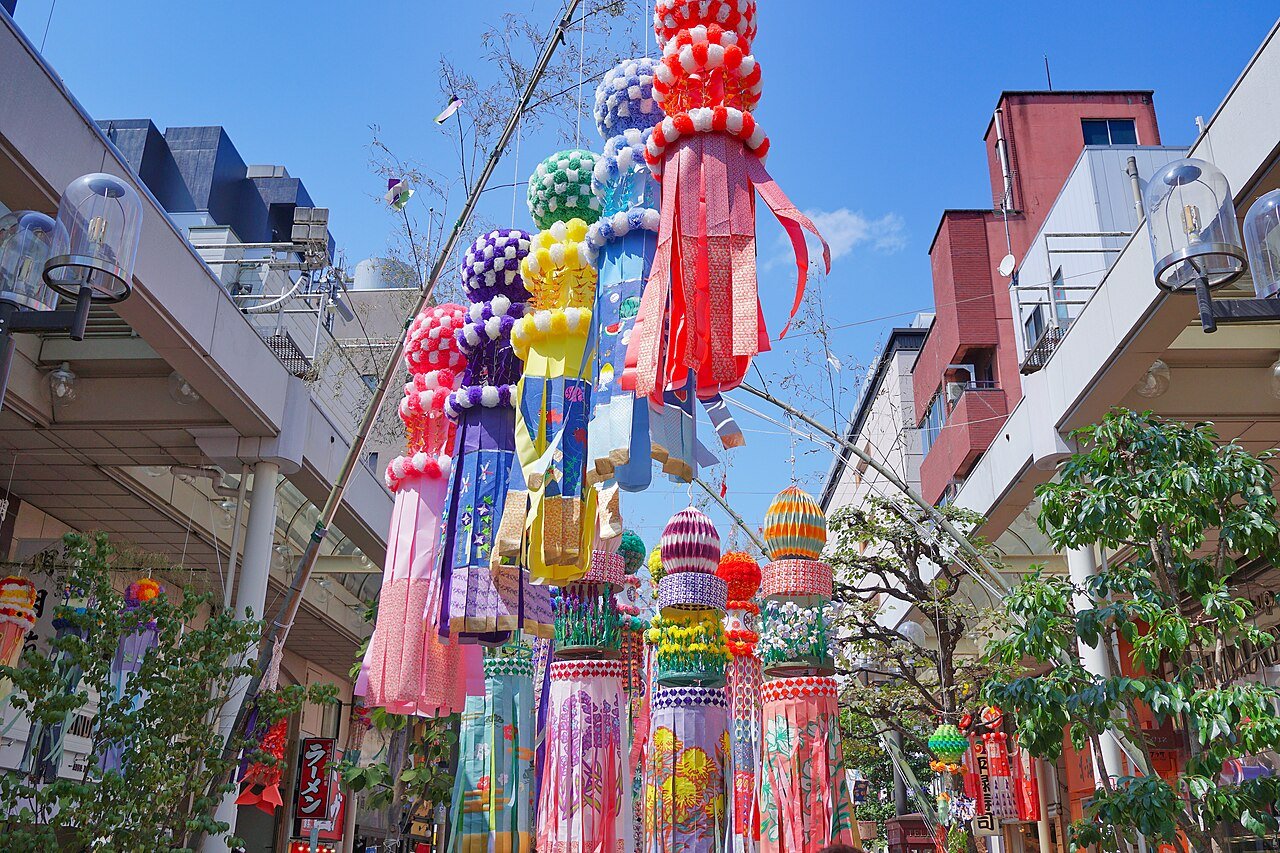
If you have any flexibility in your Japan itinerary and can be in Sendai on August 6–8, go. The Sendai Tanabata Matsuri is the largest Tanabata celebration in Japan — the shopping arcades along Ichibancho and Chuo-dori are completely transformed by enormous streamers called fukinagashi, some stretching five to eight metres, in every colour imaginable, each made by hand. Stalls spill into the streets, the yukata-clad crowds are thick but cheerful, and every arcade entrance has its own decorating competition. On the evening of August 5, the Sendai Fireworks Festival lights up the Hirose River a few kilometres away. Book your hotel two to three months out if you want this window.

Dates: August 6–8 · Fireworks: August 5 · admission free
Location: Ichibancho arcade, Chuo-dori and surrounding streets near Sendai Station
Note: Book accommodation early — this is the busiest weekend of the year in Sendai
🍃8
Rinnoji Temple (輪王寺)
Date clan temple · Japanese garden · autumn leaf colour

If you like Japanese gardens but find Kyoto's most famous ones exhausting — Rinnoji is the antidote. The Date clan's Buddhist temple sits on a wooded hillside north of the city centre, surrounded by a garden with a reflective pond, maple trees, stone lanterns and a wooden footbridge over the stream. In late October and early November, the maples turn deep red and orange against the temple's dark eaves, and the garden becomes one of Sendai's best foliage spots without any of the queuing that characterises Kyoto at the same time of year. Quiet on weekdays year-round; busier but still manageable on autumn weekends.
Hours: 09:00–16:30 · closed Tuesday (outside peak seasons)
Admission: ¥300 adults
Access: Sendai City Bus from Sendai Station ~25 min, alight at Kita-Sendai
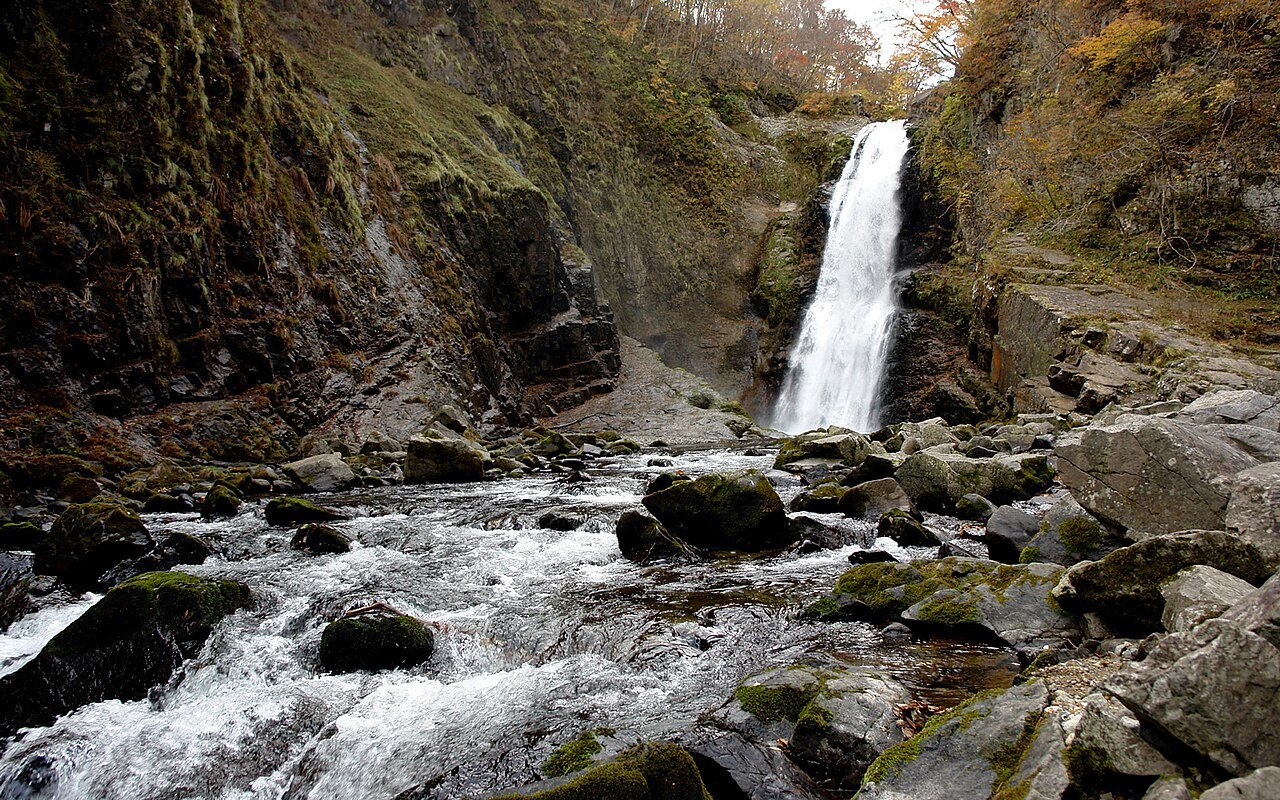
Akiu Onsen Sendai area — Akiu Otaki waterfall 55 metres high plunging into a rocky gorge surrounded by green forest 9
Akiu Onsen (秋保温泉)
Hot spring valley · 55 m waterfall · 30 min from the city

Akiu is the rare hot spring resort that actually feels remote while being less than 30 minutes from a major city. The valley follows the Natori River into forested hills; the Akiu Otaki waterfall drops 55 metres down a sheer rock face that turns golden in autumn. Most of the ryokan here offer day-use onsen (called higaeri nyuyoku) for around ¥1,000–2,500 per person — you can arrive, hike to the falls, soak in an outdoor hot spring, eat a kaiseki lunch, and be back in Sendai by early evening. A genuinely restorative half-day that doesn't require packing an overnight bag.
Access: Akiu Line bus from Sendai Station West Exit — ~30 min, ¥730/person
Day-use onsen: ¥1,000–2,500 · most open 10:00–21:00 (confirm with hotel)
Waterfall: Open year-round, free · best in autumn (Oct–Nov) and fresh-snow winter
Pro tip: Several ryokan offer a free shuttle from Sendai Station for guests — worth calling ahead to check even for day-use visits.
SENDAI Pageant of Starlight December — Jozenji-dori avenue with every zelkova tree covered in warm white LED lights creating a glowing tunnel at night 10
SENDAI Pageant of Starlight & Godaido Pavilion
600,000 LED lights in December · ancient pavilion over Matsushima Bay

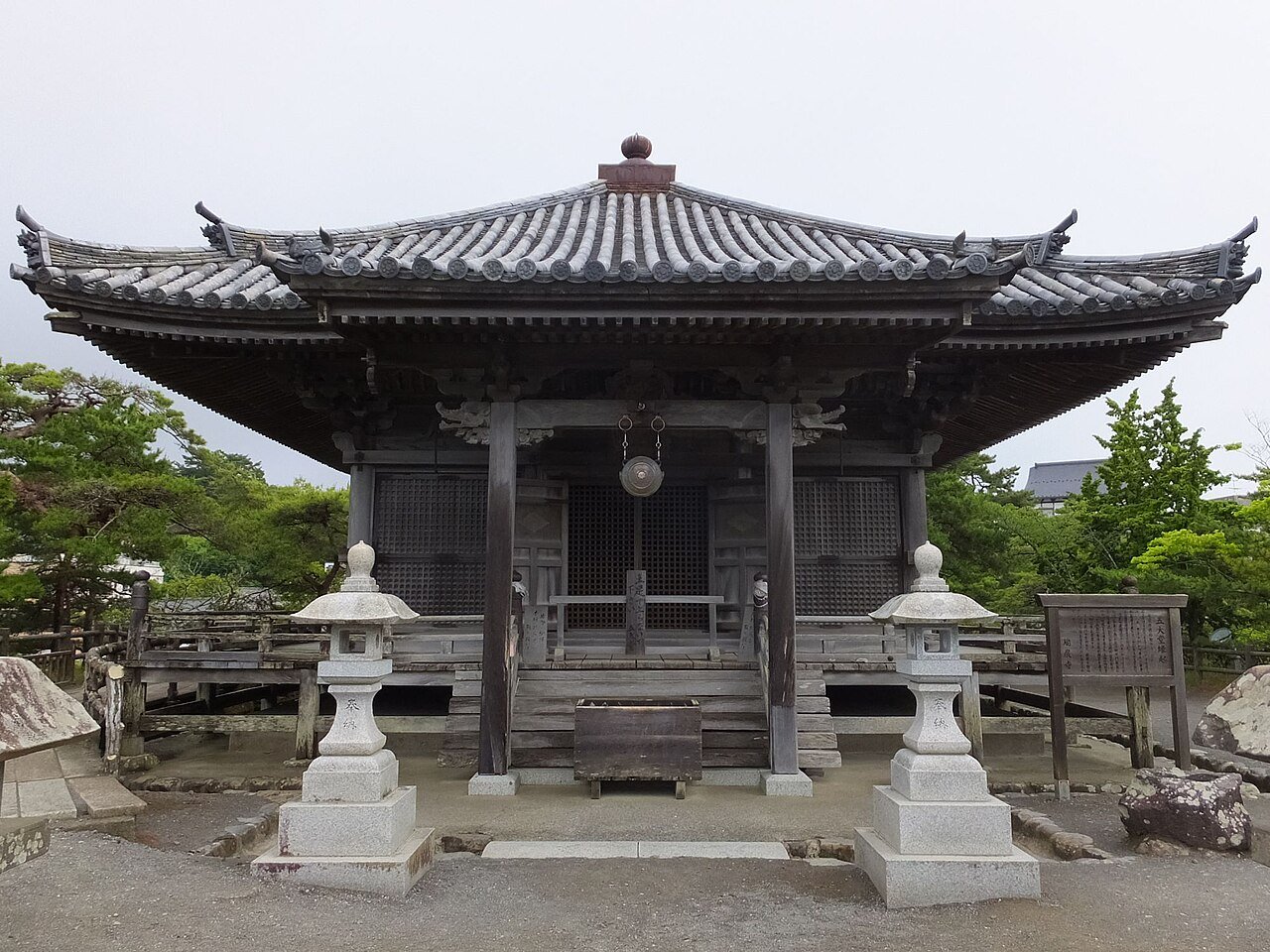
Two experiences that Sendai residents are most likely to mention when they describe why they love their city. The SENDAI Pageant of Starlight fills Jozenji-dori with 600,000 LED lights every December — every zelkova tree along the 700-metre avenue is wrapped from root to crown, and standing underneath the glowing canopy is one of those moments that photographs can only suggest. The actual experience is better. The Godaido Pavilion (五大堂) at Matsushima is a small wooden hall built by Date Masamune in 1604, connected to the shore by a narrow bridge. It's free, takes ten minutes to visit, and delivers one of the most photographed views at Matsushima: an ancient wooden structure balanced above the bay with pine islands behind it.
Pageant: Early–late December · Jozenji-dori · free
Godaido: Matsushima · open year-round · free · 5-min walk from Matsushima Kaigan Station
Klook: Sendai and Matsushima guided day tours available — browse on Klook →
Plan Your Visit

How to fit it all in — day by day

Sendai is compact. Two days covers the city highlights; a third day adds Matsushima or onsen. Here is a realistic schedule.

Day 1 — In-City (Loop Bus day)
Morning: Zuihoden + Osaki Hachimangu · Afternoon: Aoba Castle · Evening: Jozenji-dori

Buy the ¥630 all-day Loop Bus pass at Sendai Station West Exit and you can hit three of the top five sights without a taxi. Take the first bus of the day to Zuihoden (~30 min), continue to Osaki Hachimangu (Loop Bus), then Aoba Castle in the afternoon for sunset views over the city. Wind down with a walk along Jozenji-dori and dinner in the Kokubuncho entertainment district or the Ichibancho shopping arcades.

Time needed: Full day · Entry cost: ¥570 (Zuihoden) + ¥0 + ¥0 + ¥630 Loop Bus pass
Day 2 — Matsushima Day Trip
Morning: Zuiganji Temple · Late morning: Bay cruise · Afternoon: Oysters + Godaido

Take the JR Senseki Line from Sendai Station at 08:30 (arrives Matsushima Kaigan 09:15). Enter Zuiganji before the tour buses arrive. Walk out to Godaido pavilion on the water. Board the sightseeing cruise at 10:30 or 11:00 (50 min, ¥1,500). Afterwards, lunch on grilled oysters and oyster rice at the harbour stalls. If time allows, cross the bridge to Fukuura Island (¥200) for the elevated bay view. Back to Sendai by 16:00.

Time needed: Full day · Budget: Rail ¥840 return + Zuiganji ¥700 + cruise ¥1,500 + food
Day 3 (optional) — Onsen or Wildlife
Akiu Onsen (relaxation) or Zao Fox Village (families / animal lovers)

Akiu Onsen suits anyone who wants a slow recovery day — bus there, walk the gorge path to the waterfall, soak in a ryokan day-use onsen, back by evening. Zao Fox Village is in neighbouring Yamagata Prefecture (~1.5 hrs by bus from Sendai) and has over 100 free-roaming foxes you can hand-feed inside an enclosed area — polarising for adults, universally loved by children.

Akiu bus: ¥730/person · Zao Fox Village: ¥1,000 entry + transport
Sendai as a Tohoku Base
Hiraizumi · Yamadera · Naruko Gorge · further Shinkansen hops

Sendai's position makes it an ideal base for exploring Tohoku. Hiraizumi (UNESCO World Heritage golden temples) is just 20 minutes by Shinkansen. Yamadera cliff-top temple takes an hour by regional train. Naruko Gorge's autumn colours are 1.5 hours away. And Aomori — for the Nebuta Festival in August — is 1.5 hours further by Shinkansen. Two or three nights in Sendai can anchor a serious Tohoku circuit.

Recommended stay: 2–3 nights in Sendai for a Tohoku base strategy
Godaido Pavilion Matsushima — small ancient wooden pavilion extending over the bay on a rocky islet, pine islands visible in the distance
Sendai by Season

Every season offers something different

Winter has the lights, summer has the festival, autumn has the foliage — there is no bad time to visit, just different reasons to go.

SENDAI Pageant of Starlight in December — zelkova trees along Jozenji-dori wrapped in white and gold LED lights at night
December — Pageant of Starlight
600,000 LED lights · Jozenji-dori

Every zelkova tree along the 700-metre avenue is covered from trunk to canopy in warm white LED lights for the entire month of December. Walking through the tunnel after dark is one of Sendai's defining experiences — locals treat it as an annual pilgrimage.

Sendai Tanabata Festival August — enormous handmade paper streamer decorations filling the covered shopping arcades
August — Tanabata Festival
6–8 August · Japan's largest Tanabata

Japan's biggest Tanabata celebration fills every shopping arcade with massive handmade paper streamers. The Hirose River fireworks on August 5 add an extra evening highlight. Accommodation books out early — plan two to three months ahead for this window.

Frequently Asked Questions

FAQ — before you go

How many days do you need in Sendai?
Two to three days is enough for the main highlights comfortably. Day one: Zuihoden + Osaki Hachimangu + Aoba Castle ruins + Jozenji-dori (all linked by the Loop Bus). Day two: Full day trip to Matsushima — Zuiganji Temple, bay cruise, oysters at the harbour stalls. If you have a third day, add Akiu Onsen for a relaxing half-day, or Zao Fox Village for families. Sendai also makes an excellent Tohoku base — Hiraizumi (UNESCO) is 20 minutes by Shinkansen.
How do you get from Sendai to Matsushima?
Take the JR Senseki Line from Sendai Station to Matsushima Kaigan Station — approximately 40 to 50 minutes, ¥420 (~USD 3). If you have a JR Pass it's included. Aim to arrive by 09:00 so you can enter Zuiganji Temple before the tour groups. Bay cruise boats run roughly every 60 minutes from around 08:00, costing ¥1,500 per person for 50 minutes among the islands.
What are the opening hours and admission price for Zuihoden?
Zuihoden is open 09:00–16:50 (February–November) and 09:00–16:20 (December–January), closed on 31 December. Admission is ¥570 for adults, which includes the small museum inside. To get there, take the Sendai Loop Bus ('Ruru-ru Sendai') from Sendai Station West Exit — ¥260 per ride, or ¥630 for an unlimited day pass that also covers Osaki Hachimangu and Aoba Castle (strongly recommended if visiting all three).
When is the Sendai Tanabata Festival?
The Sendai Tanabata Matsuri takes place every year on August 6–8. It is one of Tohoku's three great festivals alongside Aomori Nebuta and Akita Kanto. The shopping arcades along Ichibancho and Chuo-dori fill with enormous handmade paper streamer decorations (fukinagashi) up to eight metres long. On August 5 there is a large fireworks show over the Hirose River. Book accommodation two to three months ahead if you want this time window — Sendai fills up.
How do you travel from Tokyo to Sendai, and how long does it take?
The Hayabusa or Hayate Shinkansen from Tokyo Station to Sendai takes approximately 1.5 to 2 hours. The unreserved fare is around ¥11,200 (~USD 75); JR Pass holders travel at no extra cost. Budget option: overnight highway buses take 5.5 to 6 hours and cost ¥2,000 to ¥8,000 depending on the season and operator.
Klook · Sendai & Tohoku

Sendai & Matsushima tours — local guides, no queuing

Guided Matsushima bay tours with a local expert, Sendai city cycling tours, Zuihoden and Aoba Castle packages — book through Klook with instant confirmation and free cancellation on most activities.

Browse Sendai tours on Klook →
Wherebest is a Klook affiliate partner — we may earn a commission if you book through our link, at no extra cost to you.