Sapporo brewed Japan's first lager back in 1876. Today you can tour the free beer museum, drink Sapporo Classic that's sold nowhere else, and eat all-you-can-grill Genghis Khan lamb with draft beer straight from the keg.
Here's the thing most people don't know: when you crack open a Sapporo beer anywhere in the world, you're drinking from a story that began right here. In 1876 the Japanese government's Hokkaido Development Commission — the Kaitakushi — built a brewery in Sapporo and rolled out the first Sapporo Lager the next year. Hokkaido had everything a brewer needs: a cold climate, clean meltwater, and room to grow barley and hops. That makes Sapporo Beer one of the oldest beer brands in Japan, and Sapporo the place it all started.
Those original red-brick factory buildings are still standing east of downtown. One half is now the Sapporo Beer Museum — the only beer museum in the whole of Japan, and free to walk through — and the other half is the Sapporo Beer Garden, where the classic move is a 100-minute all-you-can-eat-and-drink Genghis Khan feast: lamb grilled on a domed cast-iron skillet, washed down with cold Sapporo Draft poured from the keg.
This guide walks you through the whole Sapporo beer experience — the museum and its tasting corner, the Beer Garden lamb buffet, the Sapporo Classic you can only buy in Hokkaido, the beer bars of Susukino, and how to actually eat Genghis Khan like a local. If you're more about food than beer, pair this with our full Sapporo Food Guide.
From the free museum to the lamb buffet — ranked from the experience you absolutely shouldn't skip
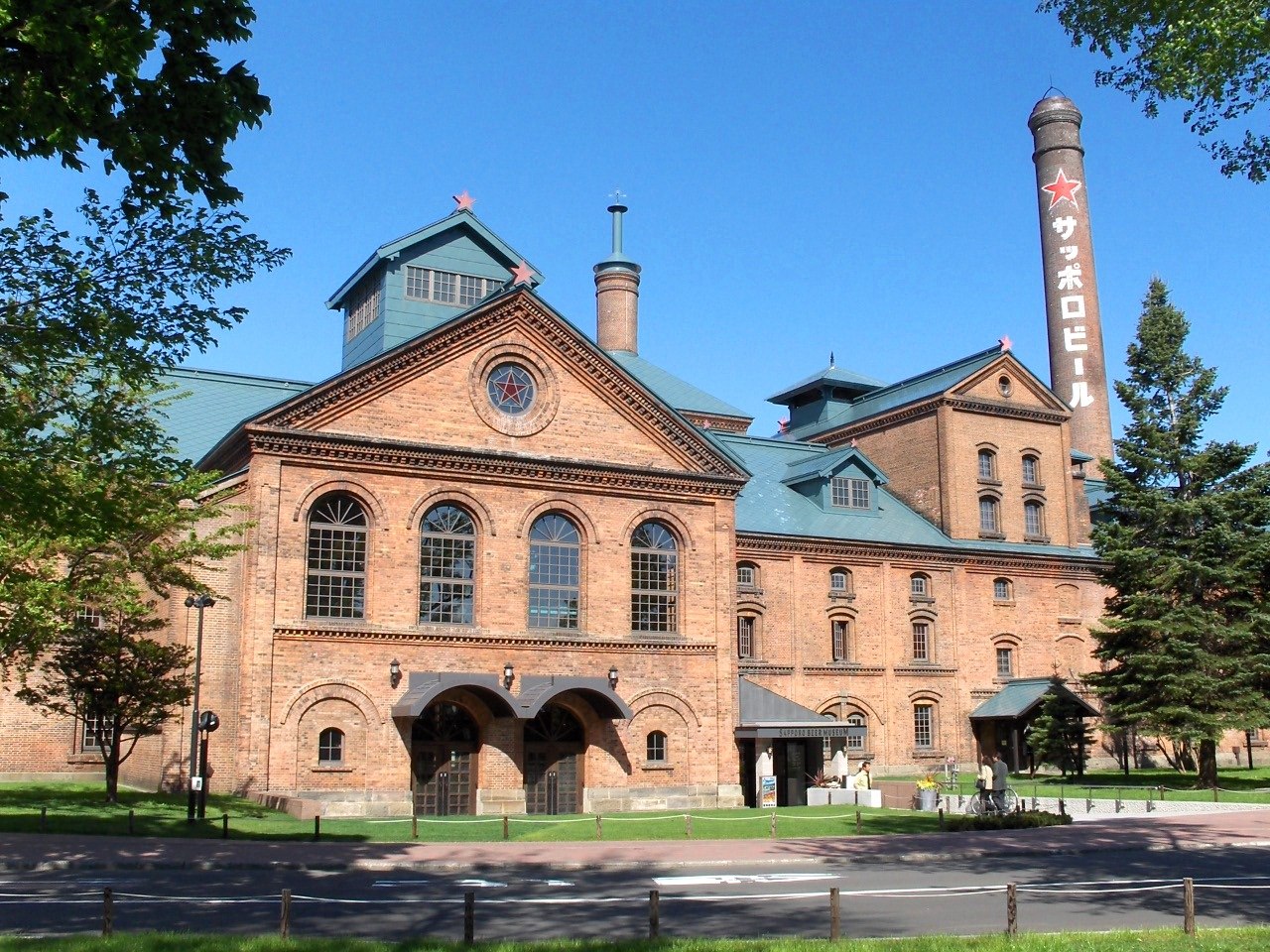
Start here. This is the only museum in Japan dedicated to beer, set inside the red-brick brewery the Kaitakushi built. Entry is free, and you walk the timeline of Japanese brewing from 1876 — copper kettles, vintage posters, the famous Kaitakushi star logo that became Sapporo's. It ends, naturally, at a tasting corner where you can pour a small glass of Kaitakushi Beer, Sapporo Classic or Black Label. Allow about an hour, then walk straight into the Beer Garden next door for lunch.
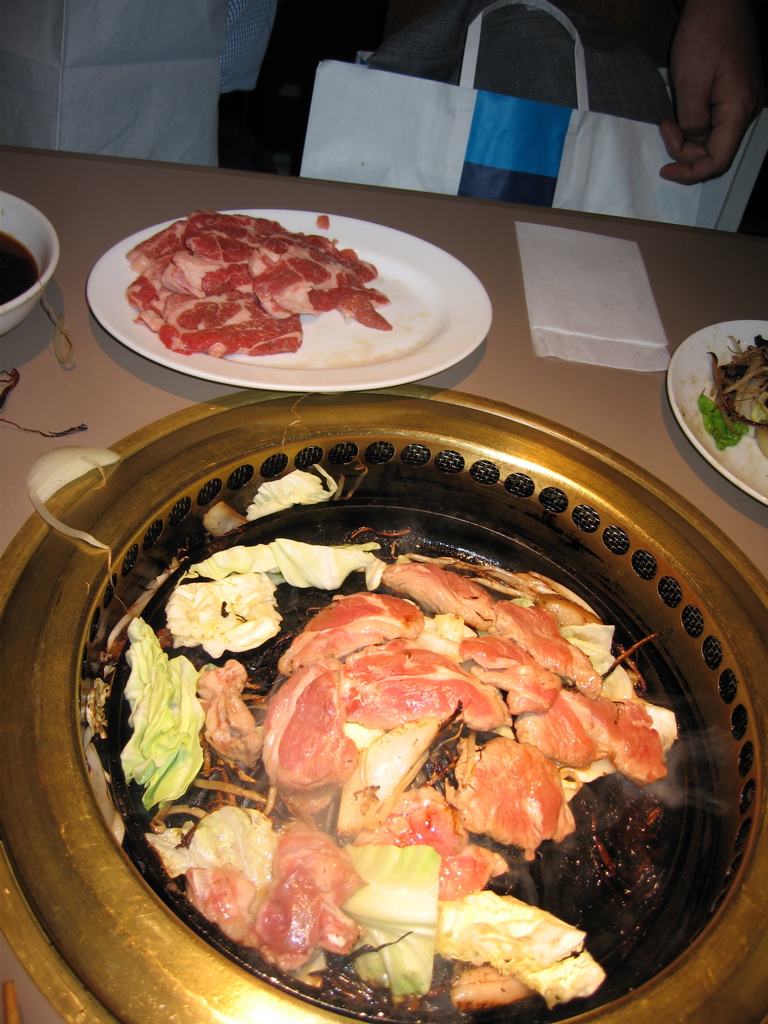
The signature Sapporo experience. Inside the Beer Garden's Kessel Hall — backed by a giant 1912 copper brewing kettle — you grill thin slices of Hokkaido lamb on a domed skillet while the juices drip down to cook sprouts and onion around the rim. The headline deal is the roughly 100-minute all-you-can-eat-and-drink course: as much grilled lamb and cold Sapporo Draft as you can manage. Hokkaido lamb is tender with barely any gamey smell, and paired with the beer it's the meal you'll remember from the trip.
Here's a small thrill for visitors: Sapporo Classic is an all-malt beer sold only in Hokkaido. You won't find it in Tokyo, Osaka, or anywhere outside the island — locals are genuinely proud of that. It's crisp and clean with a touch more bitterness than the nationwide Black Label, and it tastes best ice-cold after a day in the snow or the summer heat. Grab a can from any Hokkaido convenience store for around ¥230, or order it on draft at the Beer Garden and Susukino izakaya.
Beer poured fresh from the keg at its own brewery tastes like a different drink from the same beer in a bottle — brighter, softer, with a fuller head. At the Beer Garden it comes from giant tanks; in Susukino it's pulled at the izakaya counter. The brewery also pours a Black Label served extra-cold with a thick creamy foam they nickname the "perfect pour". If you only learn one Japanese phrase here, make it "nama biiru" (draft beer).
Sapporo Breweries makes more than the green-can lager travellers know abroad. Black Label (Kuro Label) is the smooth everyday draft you'll see most in bars; Yebisu is the older, richer premium brand first brewed in 1890 and now part of the same company. At the museum tasting corner you can line them up side by side — Kaitakushi, Classic and Black Label — and finally taste the difference everyone argues about. It's a cheap, fun way to figure out which one you actually like.
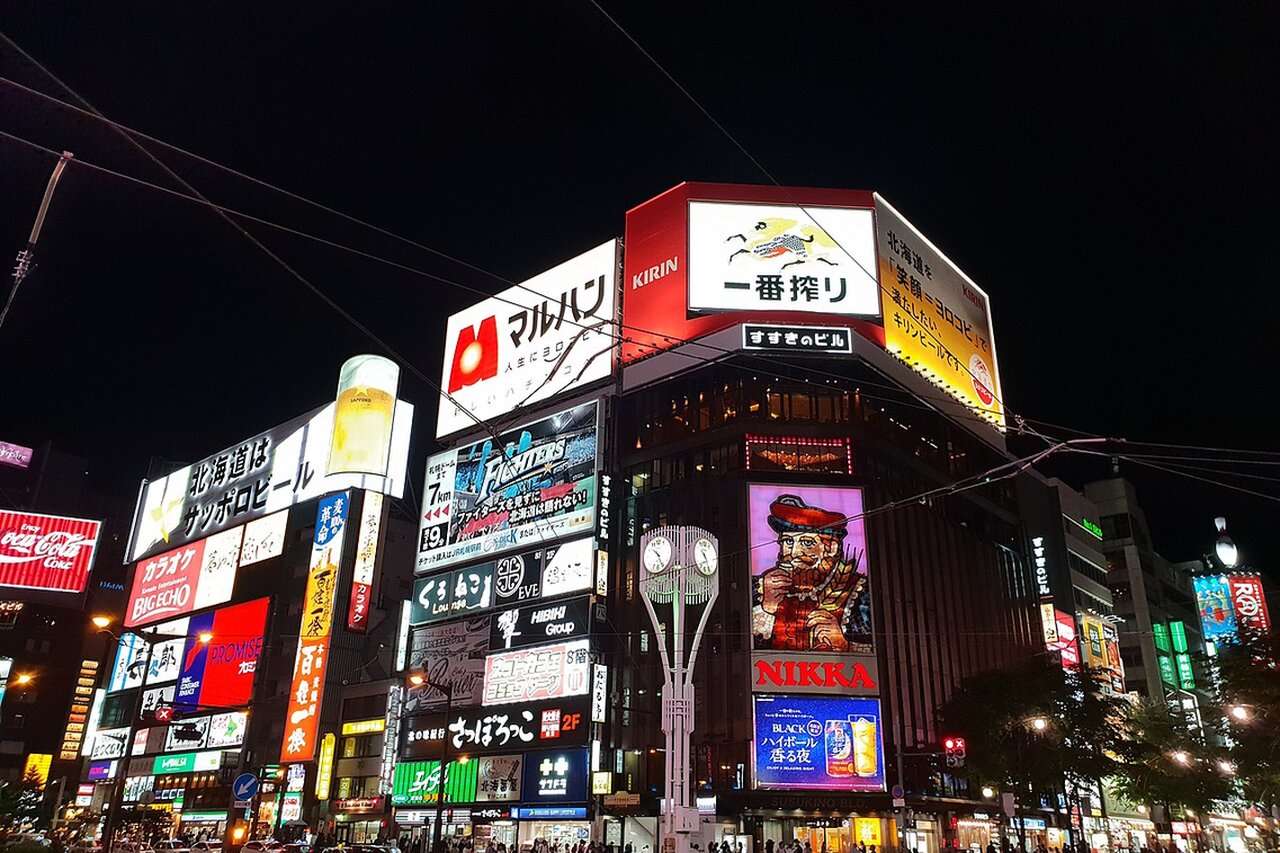
Susukino is the biggest nightlife district north of Tokyo, and after the museum closes it's where the drinking really happens. Tiny izakaya stacked into multi-floor buildings pour Sapporo Classic and Black Label on tap alongside crab, grilled skewers and sashimi. Wander the neon backstreets and duck into whichever counter has a free seat — many run late, some until 2–3am. It's the easy, no-plan way to spend a Sapporo night with a glass in hand.
If you visit in summer, time it for the Sapporo Summer Festival (mid-July to mid-August) at Odori Park — billed as the largest open-air beer garden in Japan. The four big breweries each set up their own zone with long tables under the trees, so you can drink Sapporo, Asahi, Kirin and Suntory in one evening and decide which you prefer. A glass runs around ¥600 and the whole downtown park turns into one giant beer hall on a warm Hokkaido night.
Beyond the big brewery, Hokkaido has a quietly growing craft scene worth a glass or two. Otaru Beer brews German-style lagers and dunkels you can taste at its warehouse hall near the canal, a short day trip from Sapporo. Around the city you'll also find small taprooms pouring local pale ales and beers made with Hokkaido barley, honey or yuzu. Ask an izakaya for "ji-biiru" (local beer) and see what's on — it's a nice change of pace from the standard lager.
Why it's called Genghis Khan, the two styles, and the simple rules that make it taste right
The dish is named after the Mongol leader Genghis Khan, tied to the popular legend that Mongol soldiers grilled meat on their domed metal helmets out on campaign. Whether or not that's literally true, the image stuck — and the cast-iron skillet really is shaped like a low warrior's helmet. Japan adopted lamb-eating in Hokkaido in the early 20th century to support a domestic wool industry, and the grilled-lamb dish became the island's own comfort food.
The whole dish is built around that dome. Thin slices of lamb or mutton grill on the raised centre where the heat is highest, while the fat and juices run down the slope to the rim — and that's where you pile bean sprouts, onion, cabbage and pumpkin so they soak up all the flavour. Don't crowd the top; grill a few pieces at a time so the meat sears instead of steaming. The veg around the edge is half the joy.
There are two camps. The older Sapporo style uses fresh, un-marinated lamb that you grill and then dip into a soy-and-fruit "tare" sauce afterwards — this is what Daruma serves. The other style, common in central Hokkaido, marinates the meat in sauce before it ever hits the pan, so it grills with a sweeter, caramelised edge. Both are great; the fresh-dip style lets you taste the lamb more, the pre-marinated one is more forgiving for first-timers.
For the full picture, the Sapporo Beer Garden's 100-minute buffet pairs the lamb with unlimited draft in a historic hall — ideal for a first time and for groups. For a grittier, local feel, head to a Susukino specialist like Daruma: a tiny smoke-filled room, charcoal heat, a queue out the door and a sauce recipe unchanged in 70 years. Do the buffet once for the experience, then a Susukino counter for the soul of it.
The beer and lamb spots worth pinning on the map before you go
The heart of any Sapporo beer trip. Housed in the original Kaitakushi-era red-brick brewery, it's the only museum in Japan devoted to beer and it's free to enter. The exhibits trace Japanese brewing from the 1876 founding through the rise of the Sapporo star logo, with old copper kettles and posters you can photograph. Finish at the ground-floor tasting corner — pay ¥200 a glass or about ¥800 for a three-beer flight — then step next door for Genghis Khan.
Right beside the museum, this is the spot for the classic lamb-and-beer feast. Kessel Hall on the upper floor is backed by a giant 1912 copper brewing kettle and serves the famous roughly 100-minute all-you-can-eat-and-drink Genghis Khan course: unlimited grilled Hokkaido lamb and cold Sapporo Draft. There are several halls of different sizes, so it works for couples or big groups. Book ahead on weekends, holidays and through the summer — outside those, walk-ins are usually fine.
If the Beer Garden is the grand version, Daruma is the soul version — and many locals call it the best Genghis Khan in Sapporo. It's a cramped, smoke-filled counter in Susukino where you grill fresh un-marinated lamb over charcoal and dip it in a soy-and-fruit sauce whose recipe hasn't changed in 70 years. There are a handful of branches around Susukino; the main shop has a queue out the door most nights. Order beer, lamb and a refill of sauce, and don't expect to leave smelling clean.
After the museum and dinner, Susukino is where the night carries on. It's the largest entertainment district north of Tokyo, packed with multi-floor buildings of tiny izakaya pouring Sapporo Classic and Black Label on tap. Pair the beer with crab legs, grilled skewers or fresh sashimi, hop between counters, and stay out as late as you like — many places run until 2–3am. No reservation, no plan needed; just follow the neon and grab a seat.
For something beyond the big brewery, take the short trip to Otaru — about 30–40 minutes by train — and visit the Otaru Beer warehouse hall by the historic canal. It brews unfiltered German-style lager, dunkel and weiss to the Reinheitsgebot purity standard, served fresh in a brick beer hall with hearty food. It pairs perfectly with a canal stroll and Otaru's famous sushi. Round it into a full day out with our day-trips guide.