Home Sanya China Sanya Beaches About
Home  ›  China  ›  Sanya  ›  Best Time to Visit
Sanya Seasonal Guide · 2026

Best time to visit Sanya
an honest season-by-season guide

Sanya is a tropical beach city at the southern tip of Hainan Island — sun all year, but two clearly different faces. The dry season (November to April) brings clear skies and bright seas, drawing millions of mainland Chinese fleeing the northern winter. The wet season (May to October) is cheaper, but you'll be checking the sky before you head to the water.

The short answer
The best window is November–April (the dry season)

If you can only pick one month, pick November or March — warm, comfortable temperatures of 24–29°C, little rain, clear seas, and sun that's strong without being punishing. This is when Yalong Bay's beach and the water around Wuzhizhou Island look their best, and you're not yet fighting the long-holiday crowds that make some weeks hard to move through.

If budget matters most, May–June and September (outside the public holidays) bring sharply lower hotel rates, traded against afternoon rain and humidity. But avoid Chinese New Year and National Day (1–7 October), when prices jump 2–3× and the beaches pack out — along with the heaviest typhoon months, July to September, when the sea can close.

Sanya's two seasons

What each part of the year actually feels like

A tropical beach city has only a dry season and a wet one — each with its upsides and its trade-offs, told straight.
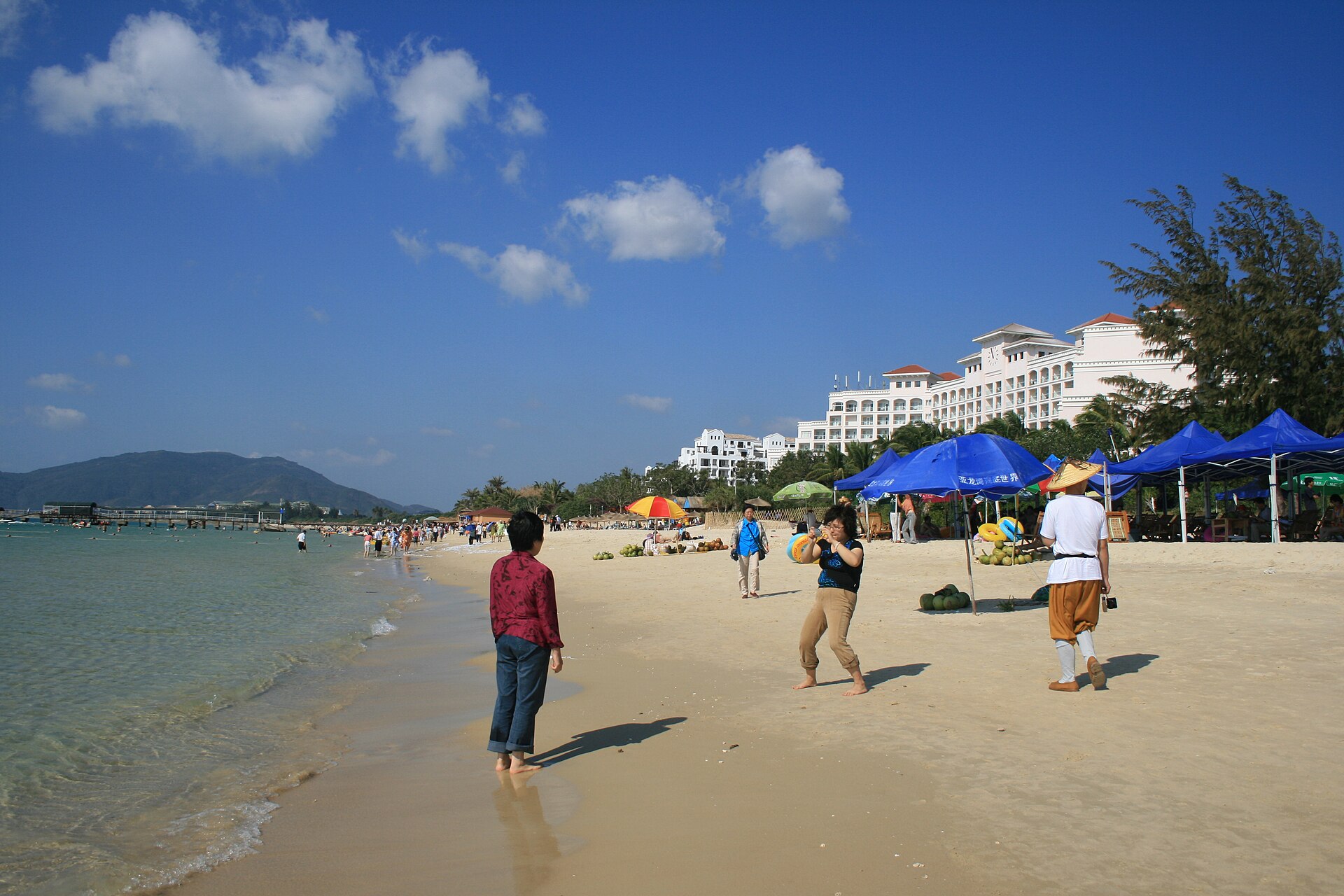
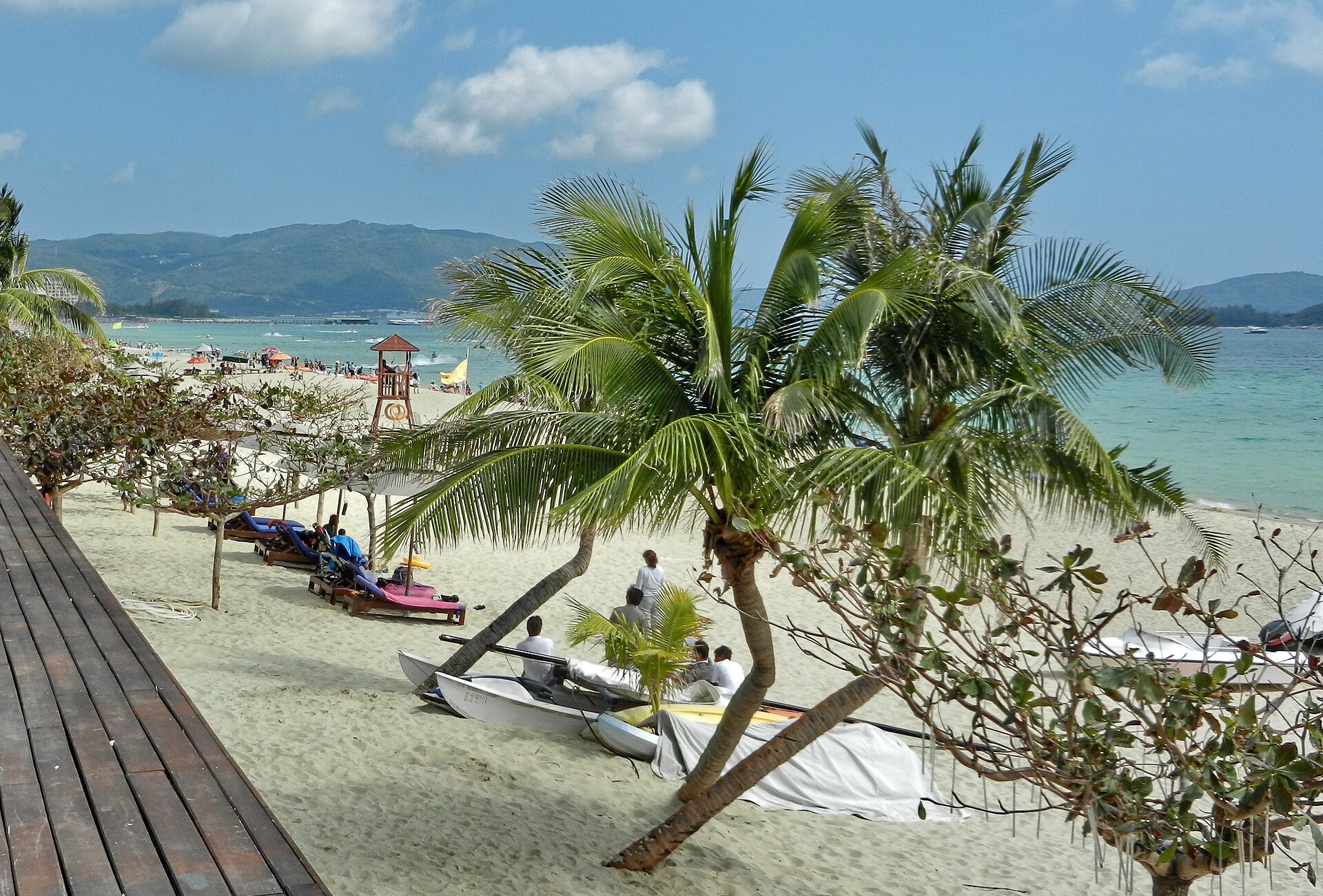
Yalong Bay Sanya in the dry season — clear blue sea, white sand and strong sunshine Yalong Bay · Dry season The best
Early dry season
November – January · 20–28°C

This is Sanya at its finest. Rain all but disappears, skies are clear on most days, and the air sits at a comfortable 26–28°C by day, cooling to a pleasant 20–22°C at night. The sea settles and clears — ideal for snorkelling over the coral at Wuzhizhou Island and lying on the sand all day. This is exactly why so many mainland Chinese head south from the cold north to sun themselves here through the winter.

The trade-off: this is the start of high season, so crowds build and hotel rates climb, especially approaching Christmas and New Year. Late November to early December remains the sweet spot.
Temperature: 20–28°C (pleasantly cool at night)
Rain: Very low — clear skies most days
Crowds: Building — peaks over Christmas–New Year
Hotel prices: Climbing, high over New Year
Late November to early December is the sweet spot — the best weather and a settling sea, before New Year prices spike. Book 1–2 months ahead.
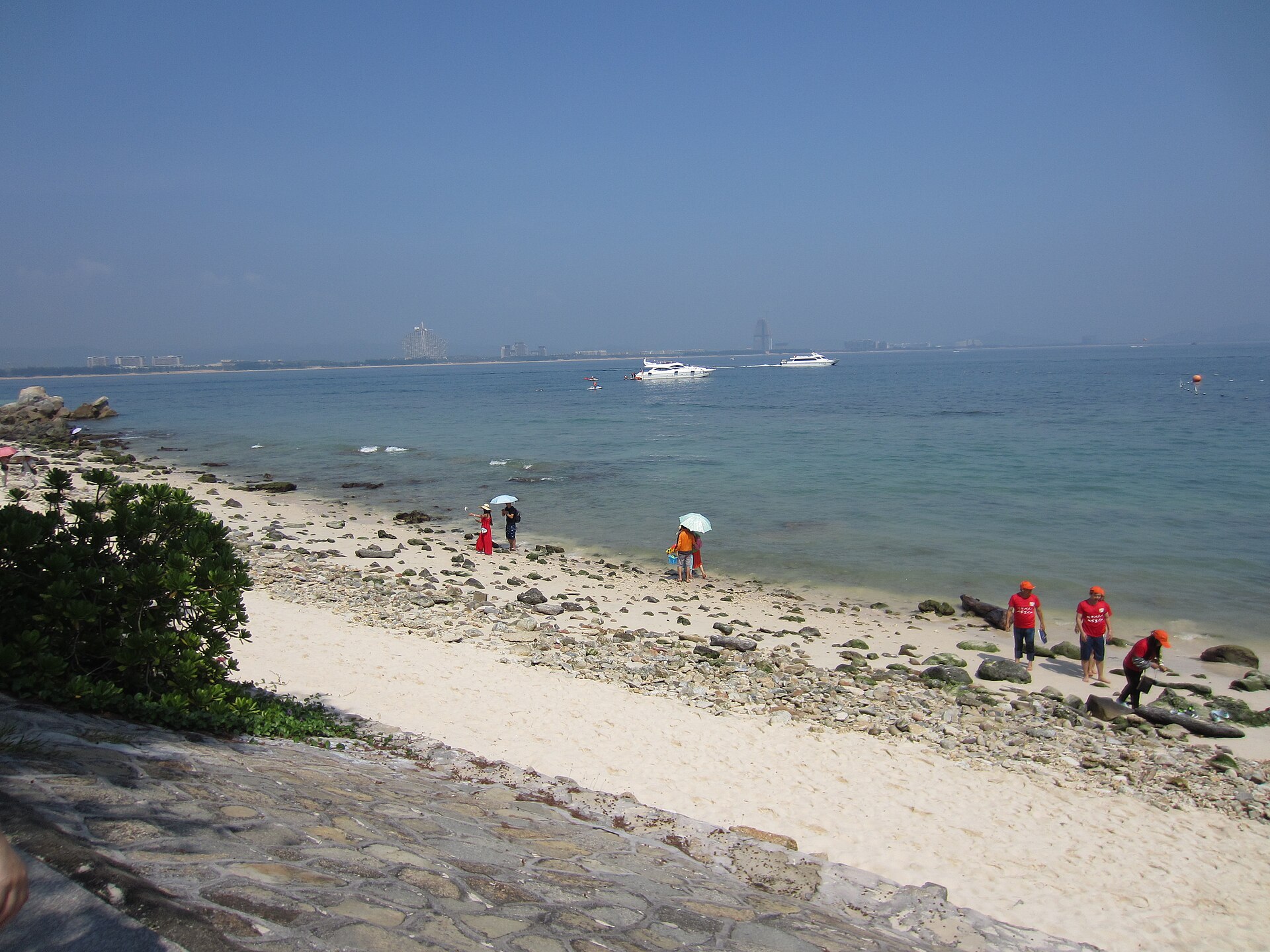
Wuzhizhou Island Sanya — clear water with visible coral, ideal for diving in the dry season Wuzhizhou Island · Late dry season The best
Late dry season
February – April · 20–31°C

Many travellers rate this the best stretch of all: the sea is at its clearest and rain is still scarce. February is mild and comfortable; March and April warm steadily from 24 up to 31°C, with sun that's strong but tempered by the sea breeze. It's the prime window for everything on the water — diving, kayaking and island-hopping.

Watch out for Chinese New Year (late January or February), when Sanya is a top winter-escape destination and rates jump 2–3× while the beaches fill. Late April starts to feel hotter and brings the first rains of the wet season.
Temperature: 20–31°C (April noticeably hotter)
Rain: Low — first showers arrive in late April
Crowds: Heavy at Chinese New Year · moderate after
Hotel prices: Peak during Chinese New Year
Chinese New Year sends Sanya hotel rates up 2–3×. If you must travel then, book 2–3 months ahead and prepare for crowded beaches.
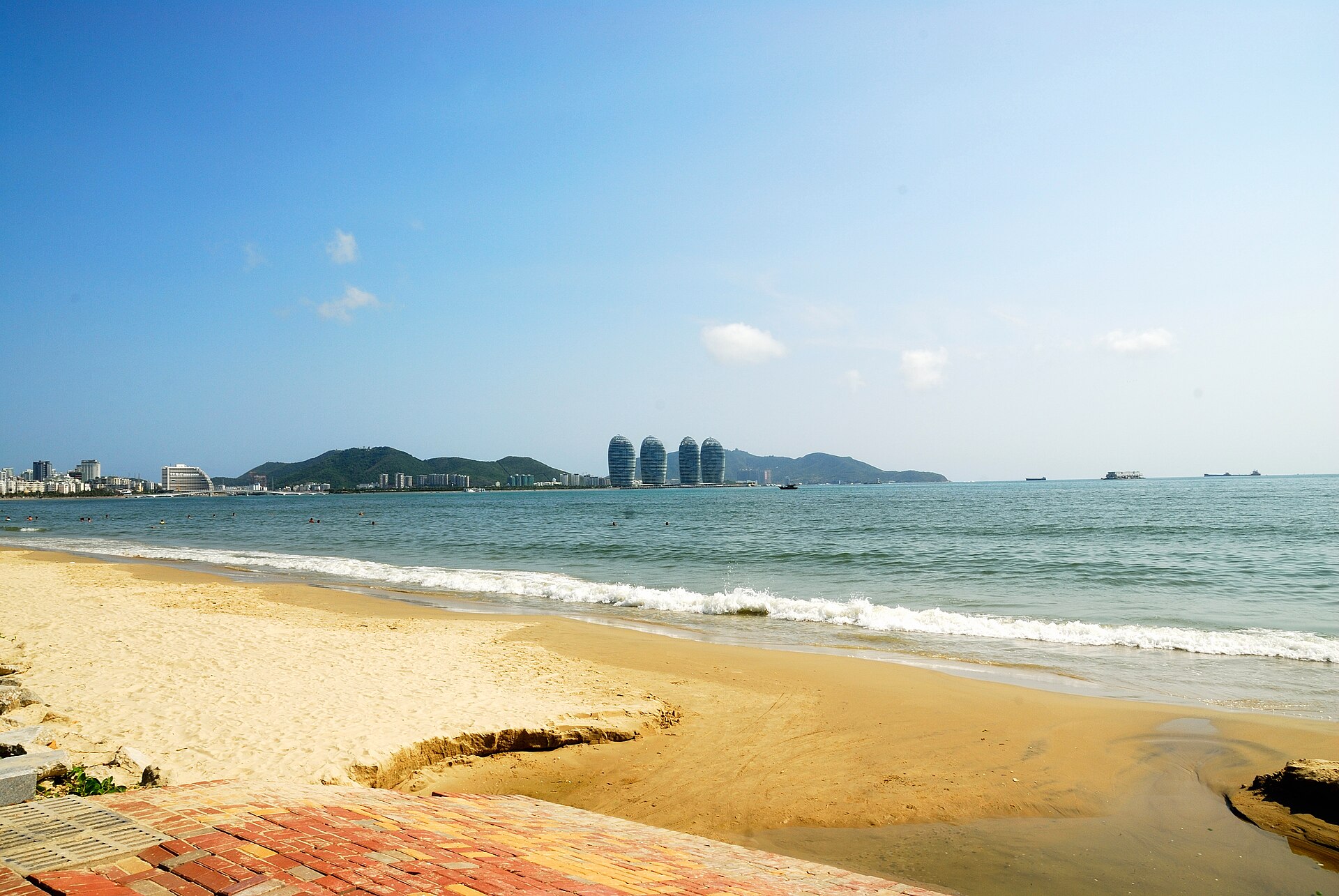
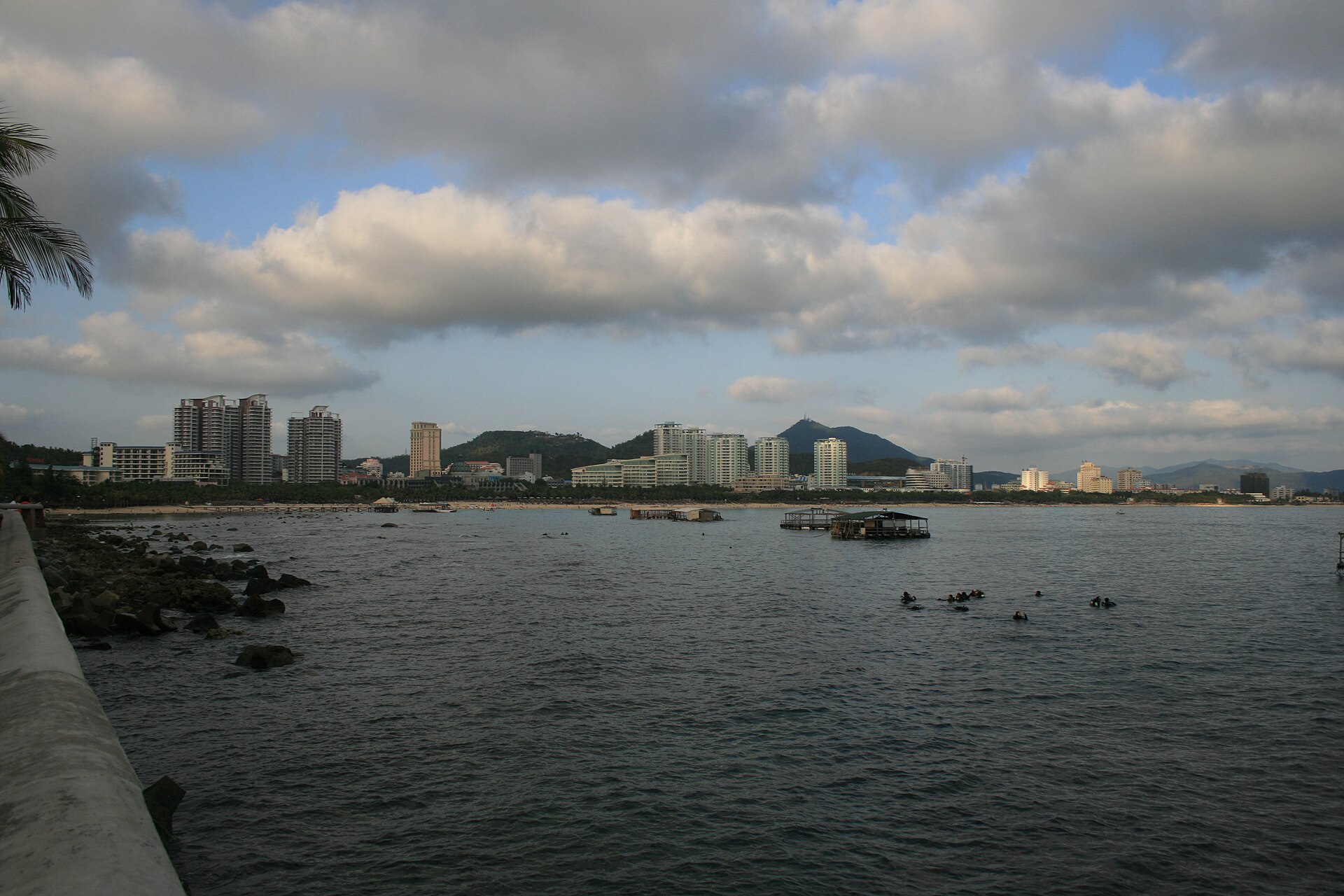
Sanya Bay — the sea and a fringe of coconut palms under a cloudier wet-season sky Sanya Bay · Early wet season Best value
Early wet season
May – June · 25–33°C

The wet season starts here — but it's less daunting than it sounds. Most of the rain comes as short, heavy bursts in the afternoon or evening that pass quickly, while mornings are usually sunny and good for the water. It's hotter and more humid than the dry season, around 31–33°C by day, but this is when hotel prices drop hardest: the luxury resorts at Yalong Bay and Haitang Bay cut rates to genuinely surprising levels.

Crowds thin noticeably and the beaches feel open. If you can take afternoon rain and the humidity, May–June is the best value of the year — and typhoons aren't yet as frequent as the months that follow.
Temperature: 25–33°C (hot and humid)
Rain: Picking up — mostly afternoon and evening
Crowds: Low, beaches feel open
Hotel prices: Lowest of the year
Want a luxury resort at half price? May–June outside the Labour Day holiday (1–5 May) is your window. Swim in the morning before the afternoon rain.
Dadonghai Bay Sanya in the wet season — bigger waves and rain clouds over the sea Dadonghai Bay · Typhoon season Check the sky first
Peak wet / typhoon season
July – October · 24–33°C

The wettest stretch and the heart of typhoon season. August and September see the most rain of the year, and typhoons can roll through anytime from July to October — usually fast-moving and well forecast, but when one hits, the sea closes, island ferries stop, and rain can settle in for days.

It isn't always grim — prices are low, crowds are thin, and clear days bring the sea right back to beautiful. But you need a flexible plan, a spare buffer day, and a daily check of the forecast and the beach warning flags. After October 8 the rain begins to ease and high season starts to open up.
Temperature: 24–33°C (very humid)
Rain: Heaviest Aug–Sep · typhoon risk
Crowds: Low, except 1–7 Oct (Golden Week)
Hotel prices: Low, except National Day in Oct
Typhoon season runs July–September. Check forecasts daily — when a typhoon warning is up, ferries to Wuzhizhou and other islands stop and beaches close. Keep an indoor backup plan ready.
Month by month

Sanya every month at a glance

Temperature, rainfall and crowd levels — in one table for easy comparison.

Month Temperature Rain Crowds Notes
January 19–27°C Very low High (winter escape) Coolest, most comfortable · clear sea · high prices
February 20–27°C Very low High (CNY) Chinese New Year — prices jump 2–3×
March 22–29°C Low Moderate Clearest sea · ideal weather
April 24–31°C Low Moderate Warmer · first rains late month
May 25–32°C Moderate Low (1–5 May busy) Wet season begins · prices easing
June 26–33°C Heavy Low Hot, humid · cheapest · afternoon rain
July 26–33°C Heavy Low Hottest · typhoon risk begins
August 25–32°C Heaviest Moderate (school holidays) Wettest month · watch for typhoons
September 25–31°C Heaviest Low Heavy rain · typhoon risk · low prices
October 24–30°C Moderate High (Golden Week) 1–7 Oct packed · after 8th rain eases
November 22–28°C Low Moderate High season begins · weather clearly improving
December 20–27°C Very low High (New Year) Clear sea · prices spike over New Year
Sea & swimming conditions

When the sea is best for swimming

The water is warm year-round, but clarity, waves, seaweed and jellyfish all shift with the season — here's what to know before you get in.

Nov
Apr
Dry season — clear sea, gentle waves, best for diving
November–April · the prime window for the water

The sea is at its calmest and clearest — you can see the coral clearly around Wuzhizhou Island, making it ideal for snorkelling, scuba diving, kayaking and island-hopping. The water is a comfortable 22–26°C. Yalong Bay has the widest, gentlest swimming beach, and seaweed and jellyfish are minimal. Use our Sanya beaches guide to pick the right bay.

May
Jun
Early wet season — still swimmable, waves building
May–June · swim in the morning before afternoon rain

The water warms to 27–30°C and is lovely for swimming, but waves grow stronger than in the dry season and seaweed can drift in on some days. Mornings are usually clear — the best part of the day to get in, ahead of the afternoon rain. Island ferries run as normal when there's no storm warning.

Jul
Oct
Typhoon season — check the warning flags every time
July–October · the sea closes during storms

The water is at its warmest, 28–30°C, but waves are strong and rip currents are a real risk. On days with a typhoon warning, beaches close and island ferries stop running. Seaweed and jellyfish can increase after a storm. Always check the beach warning flags — a red flag means no swimming — and stay within lifeguarded zones.

When to avoid

The Chinese holidays that spike prices and crowds

Sanya is one of China's top winter-escape destinations — these holiday windows are what many travellers don't realise until they've booked.

Jan
Feb
Chinese New Year (Spring Festival)
Late January or February · date shifts each year with the lunar calendar

China's largest holiday, and Sanya's absolute peak — mainland travellers pour south to escape the cold all at once. Hotel rates jump 2–3× over normal, with some luxury resorts touching tens of thousands of yuan a night. Flights are expensive and sell out fast, and the beaches and sights are heavily crowded. If you must go then, book 2–3 months ahead. If you can be flexible, shift to early or mid-March — the weather is just as good but prices return to normal.

1–7
Oct
National Day Golden Week
October 1–7 every year

The largest Golden Week of the year, when hundreds of millions of Chinese travel simultaneously. Sanya is a favourite destination, so the beaches and sights crowd up and hotel prices spike. And because early October still sits at the tail of the wet season, the rain may also turn up — meaning you get both the crowds and the weather risk. The better move is to wait until after October 8, when the rain begins to ease, crowds thin sharply and prices normalise — a good moment to catch the start of high season.

Late
Dec
Christmas – New Year
Late December–early January · the dry season's peak

Not a Chinese public holiday as such, but the peak of high season because the weather is at its best and it lines up with many countries' end-of-year breaks. Hotel rates are the highest after Chinese New Year and the beaches start to fill. For dry-season weather at more reasonable prices, shift to early-to-mid January once the New Year crowds clear, or aim for early November before the peak arrives.

Packing by season

What to bring for each season

A hot beach city means a light bag — these are the things that actually matter for Sanya.

Dry season
November – April
  • Two swimsuits — you'll be in the water daily; clear seas, gentle waves
  • High-SPF water-resistant sunscreen — tropical sun is fierce ☀️
  • Hat and sunglasses — strong sun on most days
  • A light long-sleeve layer — Jan–Feb evenings dip to around 20°C
  • Water shoes — some beaches have rocks and coral
  • Snorkel gear if you have it — the sea is at its clearest 🏖️
Wet season
May – October
  • Compact umbrella or light rain jacket — afternoon and evening rain is routine 🌧️
  • Quick-dry clothing — breathable fabrics; the humidity is high
  • Non-slip sandals — streets and beaches get wet
  • Sunscreen still essential — strong morning sun before the afternoon rain
  • Waterproof phone pouch — rain arrives fast and heavy
  • Weather and typhoon-tracking app — check it daily 🌀
Sanya in every light

Sanya any season

Whatever month you arrive, this beach city always has something worth seeing.

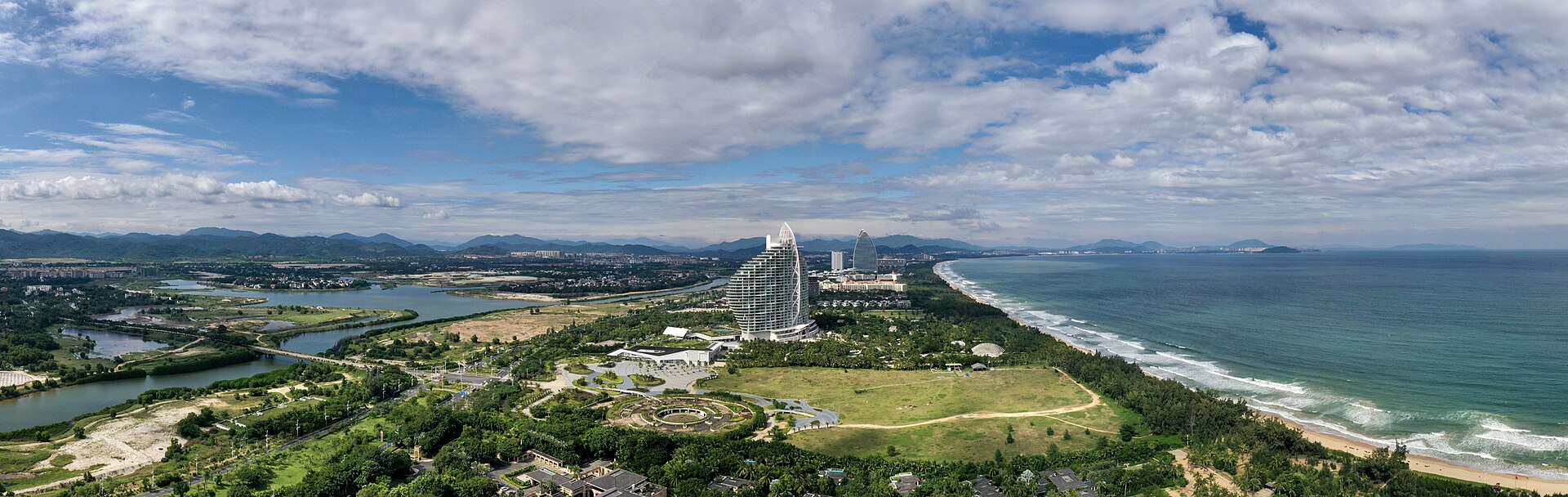
Haitang Bay Sanya — a long sweep of white sand backed by luxury beachfront resorts
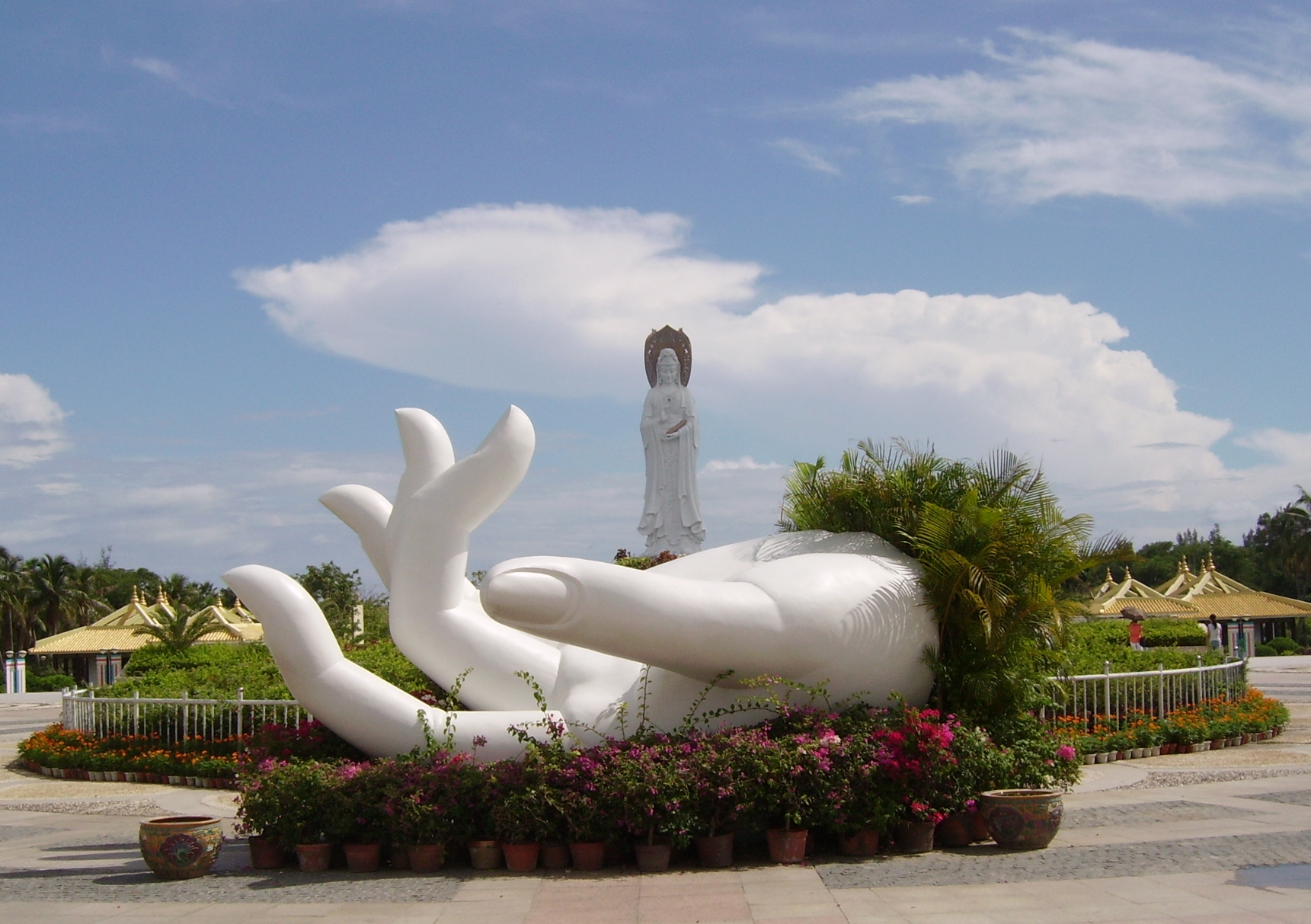
Nanshan Temple Sanya with the Guanyin statue rising from the sea
Sanya overview — the tropical sea and a line of coconut palms along the shore
Frequently asked

FAQ · Before you book

When is the best time to visit Sanya?
November to April is the best window — warm, comfortable temperatures of 25–28°C, little rain, clear seas and strong sunshine. This is when mainland Chinese travellers escape the cold north and head for Sanya's beaches. If you can only pick one month, choose November or March: the weather is excellent and you avoid the long-holiday crowds.
What is the rainiest month in Sanya?
May to October is the wet season, with over 70% of the annual rainfall in this period. August and September are the wettest. Most of it comes as short, heavy afternoon or evening downpours rather than all-day rain, but July to September carries typhoon risk that can bring sustained rain and close the beaches.
When should you avoid visiting Sanya?
Avoid the two Chinese long holidays when prices spike and crowds are heaviest: Chinese New Year (late January or February) and National Day Golden Week (1–7 October). During Chinese New Year, Sanya hotel rates jump 2–3× because it is one of China's top winter-escape destinations — book months ahead or avoid it altogether. See our Sanya trip budget guide.
Which month has the cheapest hotels in Sanya?
The low season of May–June and September (outside the public holidays) brings the lowest prices. It is the hot, wet season, so visitor numbers drop and many luxury resorts cut rates sharply. If you can handle the afternoon rain and avoid the heaviest typhoon months (July–August), it is excellent value. Browse options in our Sanya city guide.
Can you visit Sanya in the wet season — is the sea swimmable?
Yes. The wet season does not mean all-day rain — most of it is short, heavy afternoon and evening downpours, with sunny mornings ideal for swimming. The sea is warm year-round (22–30°C), but waves are stronger in the wet season and there can be more seaweed and jellyfish on some days. Check the forecast and the beach warning flags daily, especially during the July–September typhoon window. See the Sanya beaches guide for the calmest bays.
What is October like in Sanya?
October is a transition month. The first week (1–7 October) is National Day Golden Week, when crowds and prices peak. From October 8 the rain begins to ease, the dry season starts to set in, crowds thin and prices return to normal. Late October is a good moment to catch the start of high season, with the sea settling and clearing.
Klook · Tours & Activities

Book Sanya activities in advance — make the most of every clear day

Wuzhizhou Island tickets, Atlantis Aquaventure, Yanoda Rainforest and Nanshan Temple — book through Klook before you arrive for better prices than at the gate, with the flexibility to shift dates when the rain comes.

Browse Sanya Activities on Klook →
Wherebest is an affiliate partner of Klook — we may earn a commission when you book through our links, at no extra cost to you.