12 things to eat before you leave Samui
Ranked by how much of the island's character they carry — Gulf seafood, southern heat and coconut in every form.
 1
1
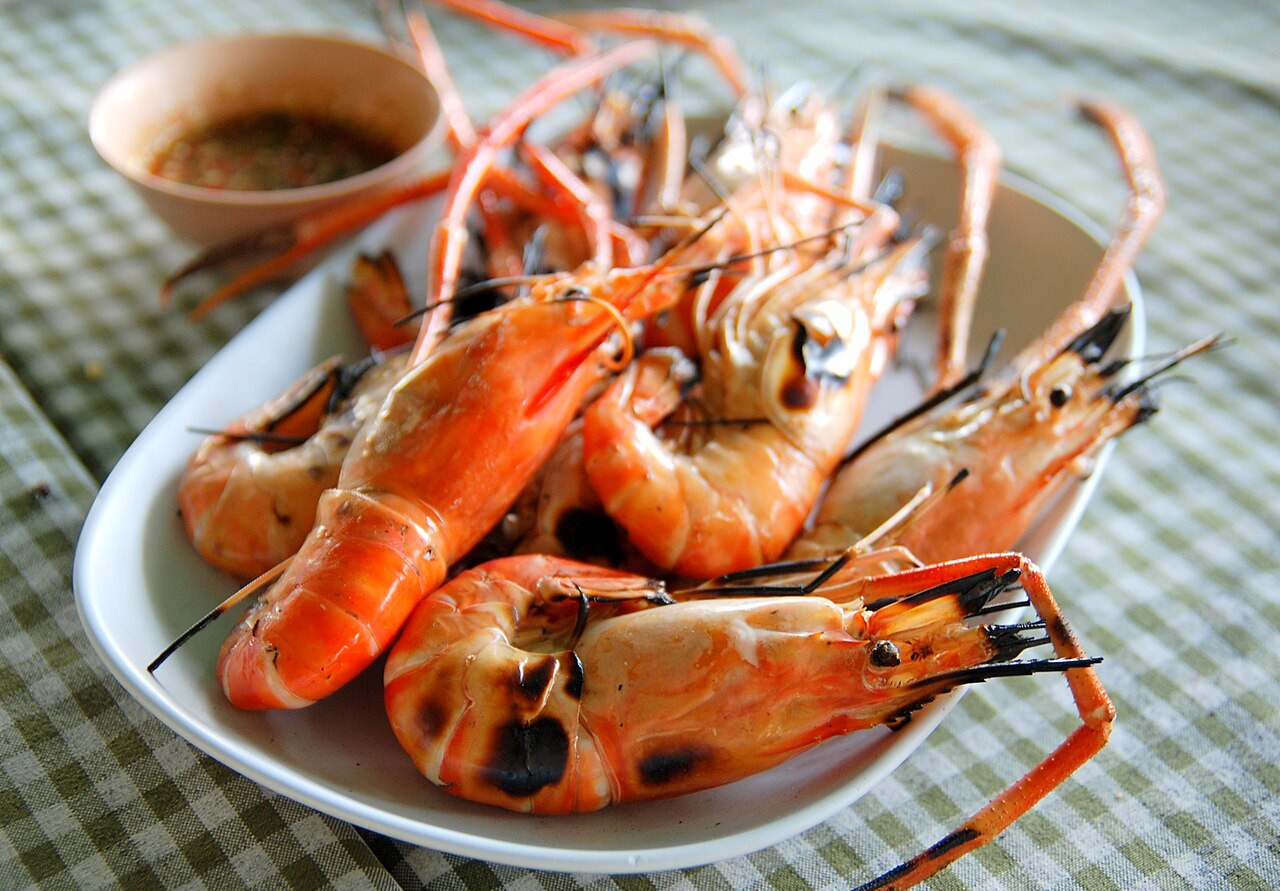
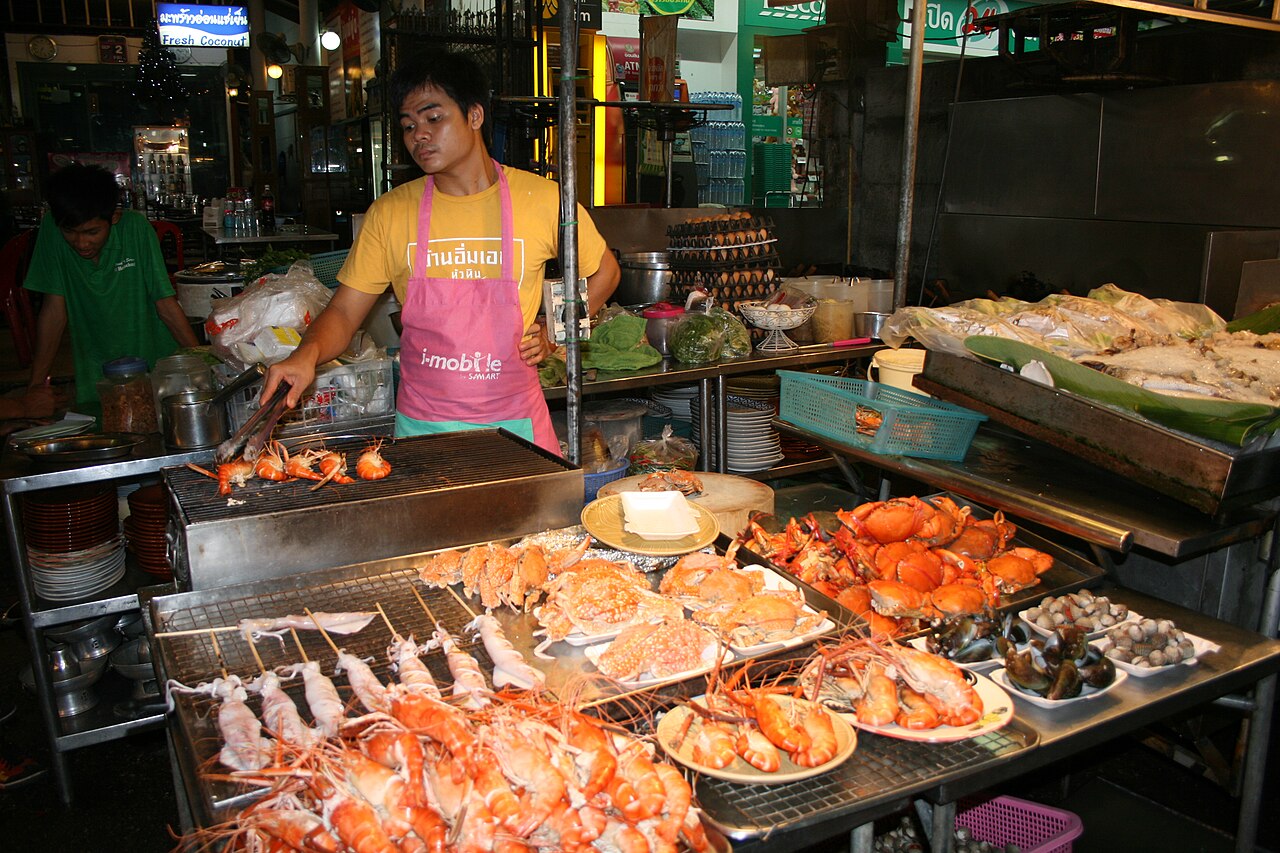
The first thing to eat on the island — charcoal-grilled prawns, steamed blue crab, grilled squid, butter-baked scallops and a whole sea bass or grouper baked in a salt crust, all dunked in the sharp green seafood sauce (nam jim seafood). Most places work display-counter style: you pick from the ice, it's weighed, you choose how it's cooked. The Bophut, Bang Po, Lamai and Chaweng coasts are lined with options; among the places people talk about most are Sabeinglae on the Lamai side, cooking seafood the southern way, and Bang Po Seafood, an island-recipe stalwart on Bang Po beach. The one thing to watch is the bill: ask the per-kilo price and watch the weighing before you order.
 2
2
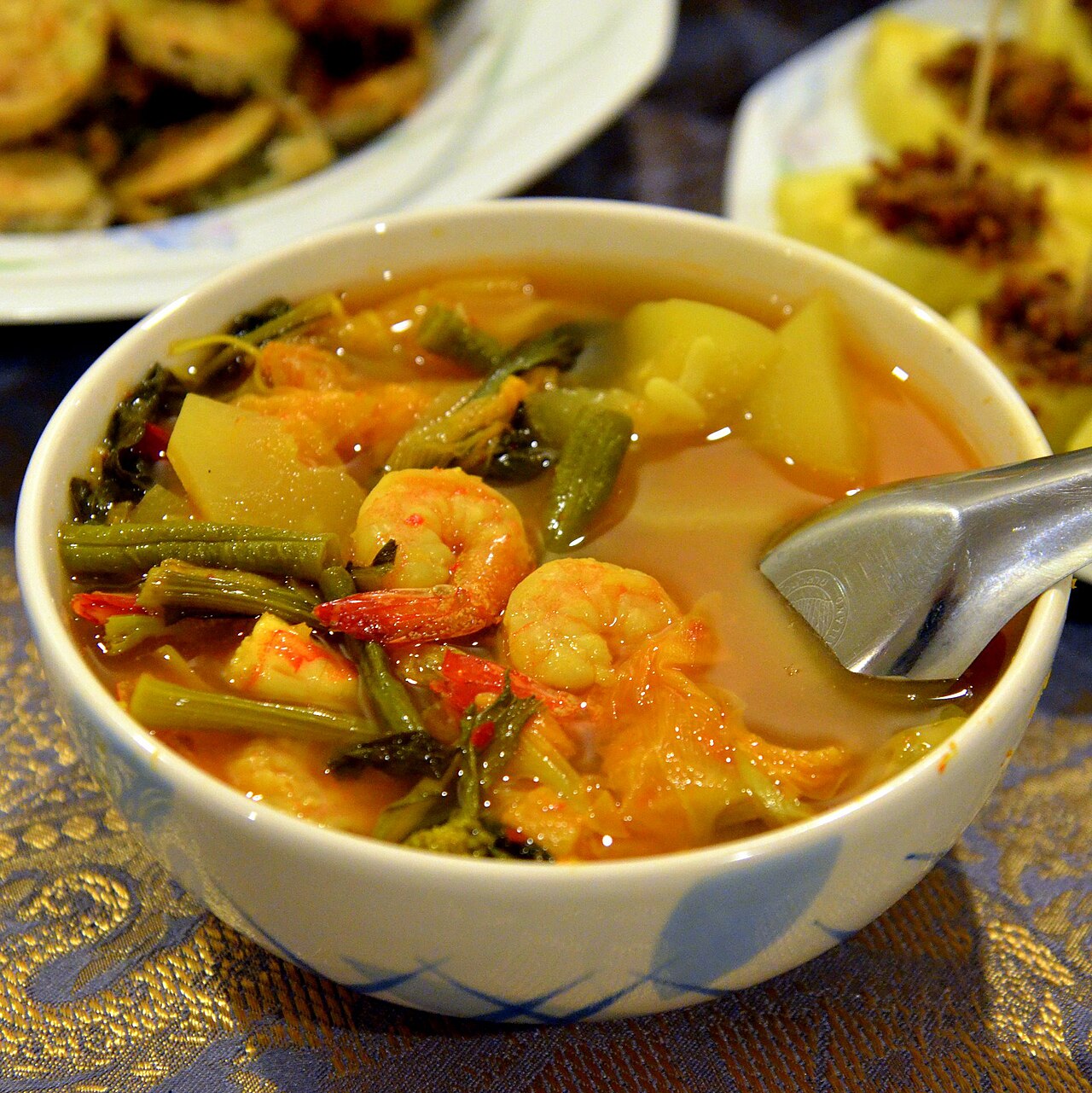
The dish that tells you you've reached the south — the southern sour curry locals call gaeng lueang, a deep turmeric-orange broth soured with asam fruit and unapologetically hot, usually loaded with sea bass, fresh prawns or pickled bamboo shoots. Eat it over hot rice with a fried omelette and raw vegetables to cool the burn. The southern rice-and-curry shops around the island — especially near Nathon, Maenam and the Laem Din market — display the day's curries in trays, so you can just point. To be straight with you: it is genuinely hot, and asking for it milder breaks no rules.
 3
3
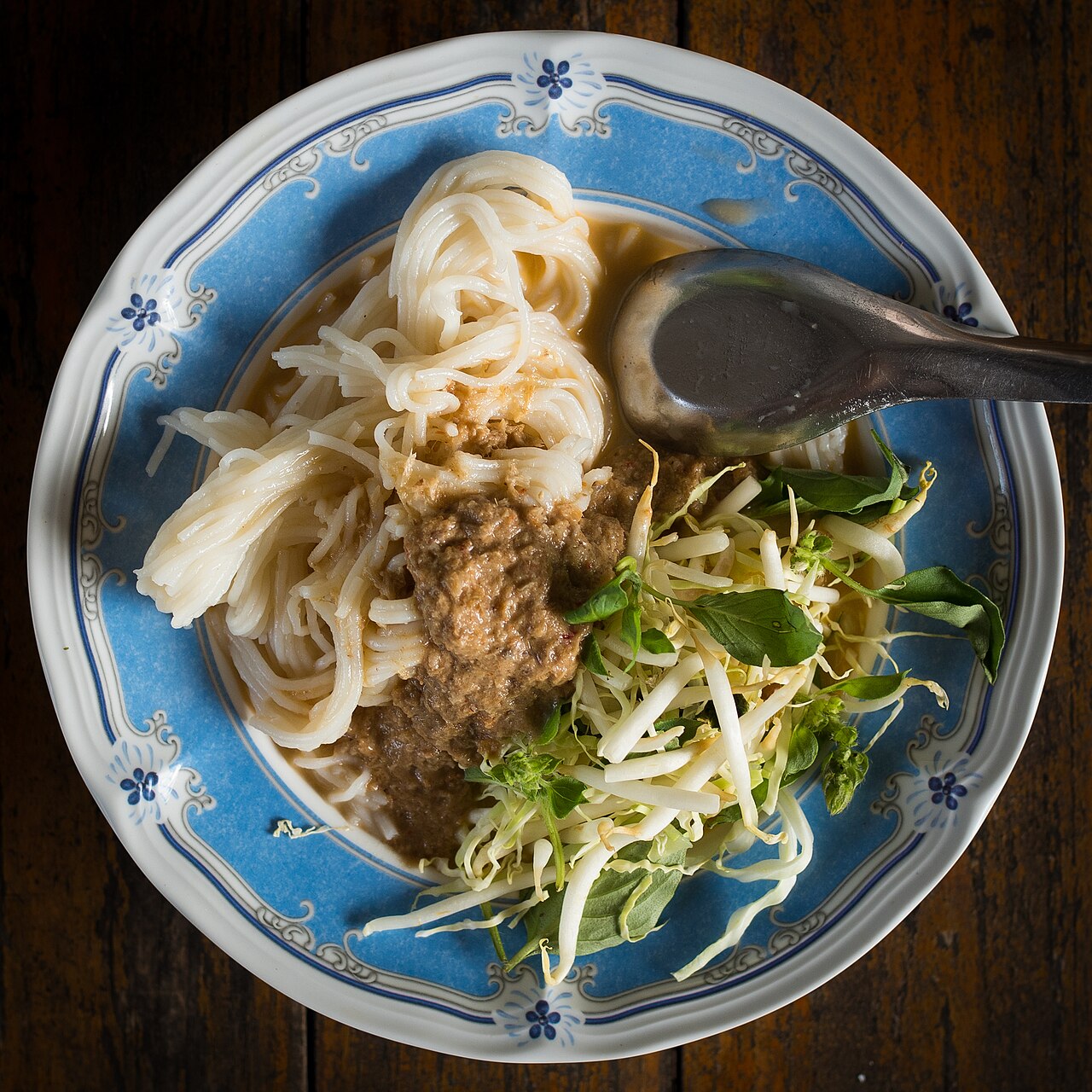
The cheapest, best local breakfast on the island — soft fermented rice noodles under southern nam ya, a curry of pounded fish simmered with turmeric and southern curry paste, noticeably punchier than the central Thai version (many stalls also offer a coconut-milk nam ya and the fierce fish-innards curry, gaeng tai pla). It comes with a heap of pak naw — bean sprouts, long beans, cucumber, pickled greens — and if you spot stink beans (sator) on the table, you've found a true southern stall. Go to the morning market early; it sells out before mid-morning.
The south's original light meal, eaten long before anyone said "clean eating" — rice scattered with toasted coconut, ground dried shrimp, slivered lemongrass, finely cut kaffir lime leaf, long beans and green mango or pomelo (season depending), then dressed with budu, a sweet-salty fermented fish sauce. Toss the whole plate together and every spoonful lands a different mix — fresh, light, and exactly right for a hot day by the sea. Find it at rice-and-curry shops and morning markets; a few island cafés plate it prettily for photos too.
 5
5
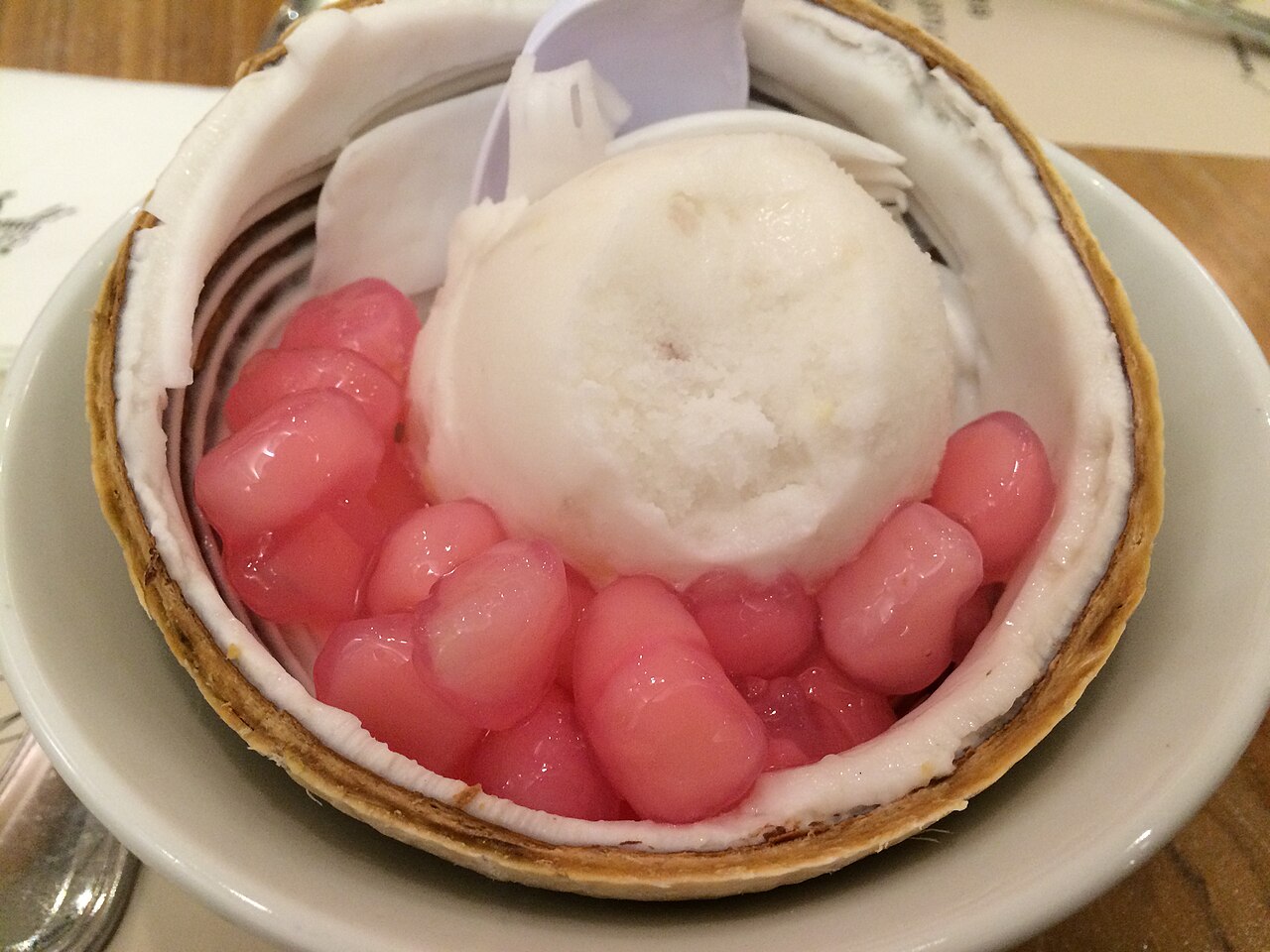
Before the resorts, Samui was a coconut plantation island — said to have shipped a million coconuts a month to Bangkok in its heyday — and the palms still define the view. Work through the list: fresh-cut chilled coconut water on the beach; coconut ice cream served in a young coconut shell with Thai toppings like crunchy water-chestnut rubies or sticky rice; coconut-milk sweets at the markets; and southern coconut-milk curries that many kitchens here still press from actual coconuts. It tastes sweeter and fresher than elsewhere for the simplest reason: it's cut from trees just up the road.
 6
6
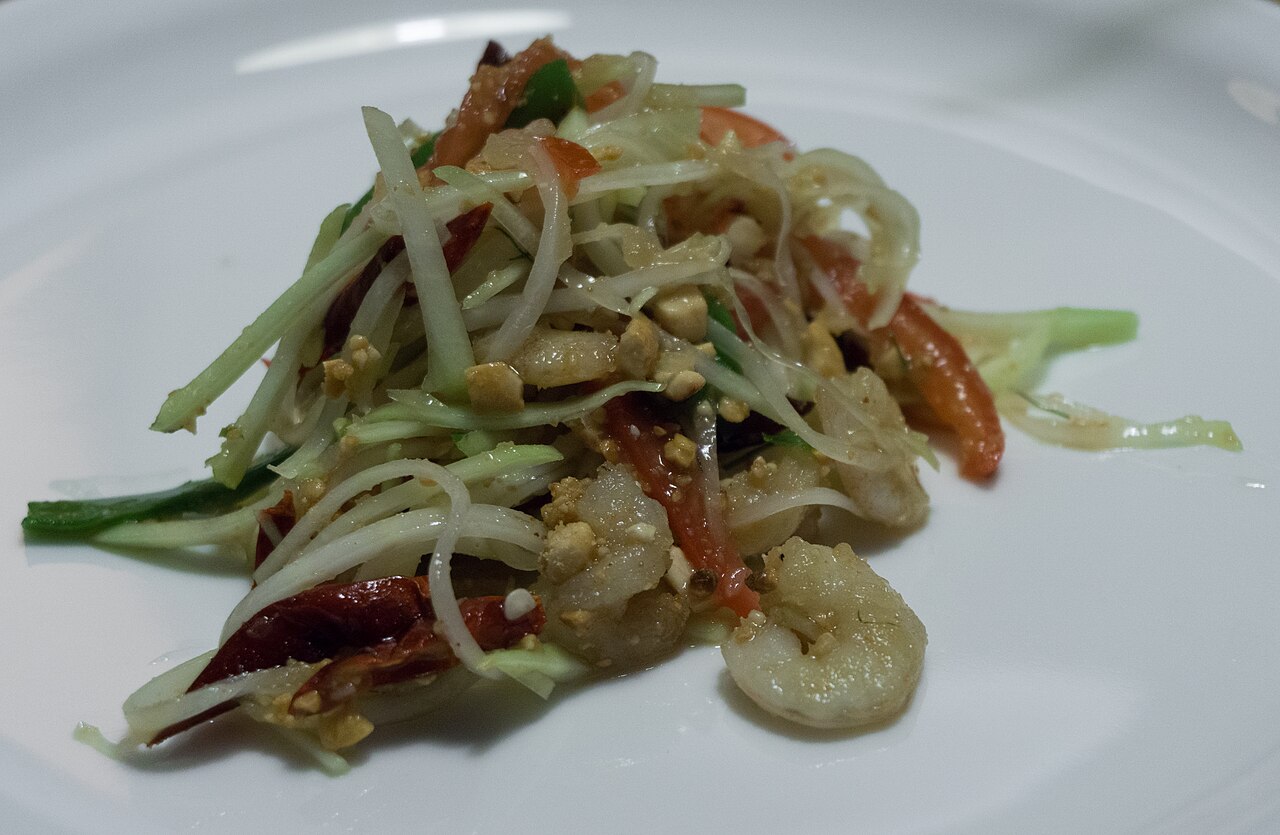
Not southern by origin (the dish is from Isan, the northeast) but nothing pairs with a Thai beach better — papaya salad pounded fresh in the mortar while you wait, charcoal chicken with crackling skin, hot sticky rice. The island adds its own Gulf twists: som tam with fresh prawns or blue-crab som tam. You'll find a som tam stall on almost every beach and in every market; order, find a mat under a coconut palm, and let the sea breeze do the rest.
 7
7
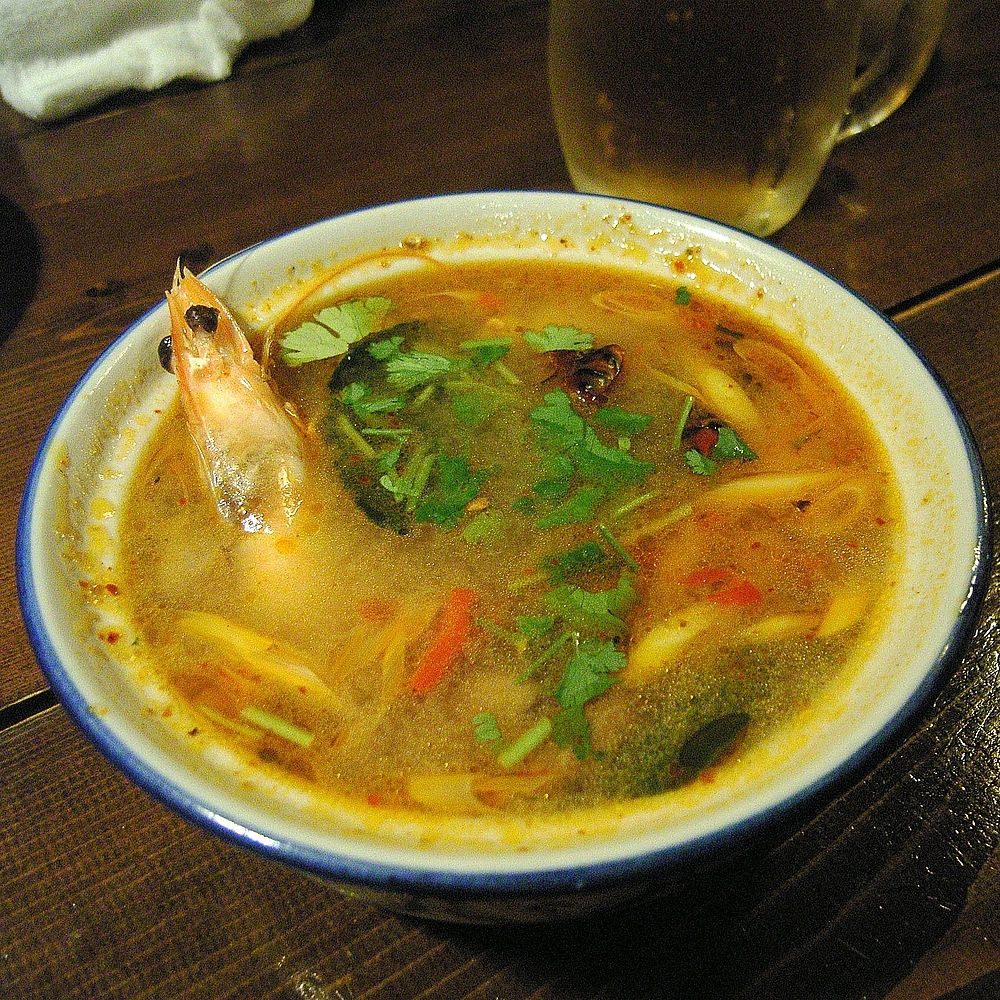
The Thai classics every visitor hunts for, with one real advantage here: the prawns, squid and fish come off the boats around the island almost every morning. Tom yum goong comes clear (lighter, cleaner) or creamy (richer); tom kha gai is mellow with young galangal and kaffir lime; pad thai arrives with properly large fresh prawns. Honestly, many kitchens in the tourist strips tone the seasoning down for foreign tables — if you want the real pitch, ask for it "Thai spicy" or pick the restaurants where Thai customers fill the seats.
The most atmospheric dinner address on the island — the old wooden shophouses of Bophut's fishing village, now a line of restaurants, bars and small shops along an unusually calm stretch of beach. The range runs from Thai seafood and wood-fired pizza to toes-in-the-sand bars like Coco Tam's, where you sink into a beanbag with a drink as the sun drops, and long-standing Thai kitchens such as Krua Bophut. Prices sit above the markets, but the setting earns the difference — and on Friday night the whole village turns into the island's biggest walking-street food crawl.
Chaweng is the island's international restaurant mile — Italian, steakhouses, burgers, Indian, Japanese, end to end. Friend to friend: there are kitchens doing serious work (the gastropub The Larder has kept a loyal following for years), but plenty of middling resort-priced rooms sit between them, and Western food generally costs two to three times the Thai equivalent. Our advice for a southern island: give most of your meals to southern food and seafood, and save the Western dinner for the night you're genuinely homesick.
 10
10
For cheap and real, go where the islanders shop — Laem Din market in the middle of Chaweng is the working fresh market: khanom jeen and rice-and-curry in the morning, grilled and fried things toward evening. Nathon has food stalls around the pier and an evening market; Maenam's walking street runs Thursday night; and Friday night belongs to the Fisherman's Village walking street, the island's biggest and best food night — skewers, grilled seafood, fruit, sweets, one long eating lane (nights can shift through the year, so confirm with your hotel).
Across the water, Surat Thani is one of southern Thailand's great fruit provinces — the "school rambutan" (ngo rongrian) of Na San district, famously sweet and crisp; mangosteen; durian; longkong; and cempedak, ferried over to the island almost daily. The big fruit season runs roughly April–August (it drifts year to year), when the stalls at Laem Din and Nathon overflow. Island prices carry a small transport premium but still beat any supermarket. Outside the season there's a year-round rotation of mango, pineapple, watermelon, banana and coconut.
 12
12
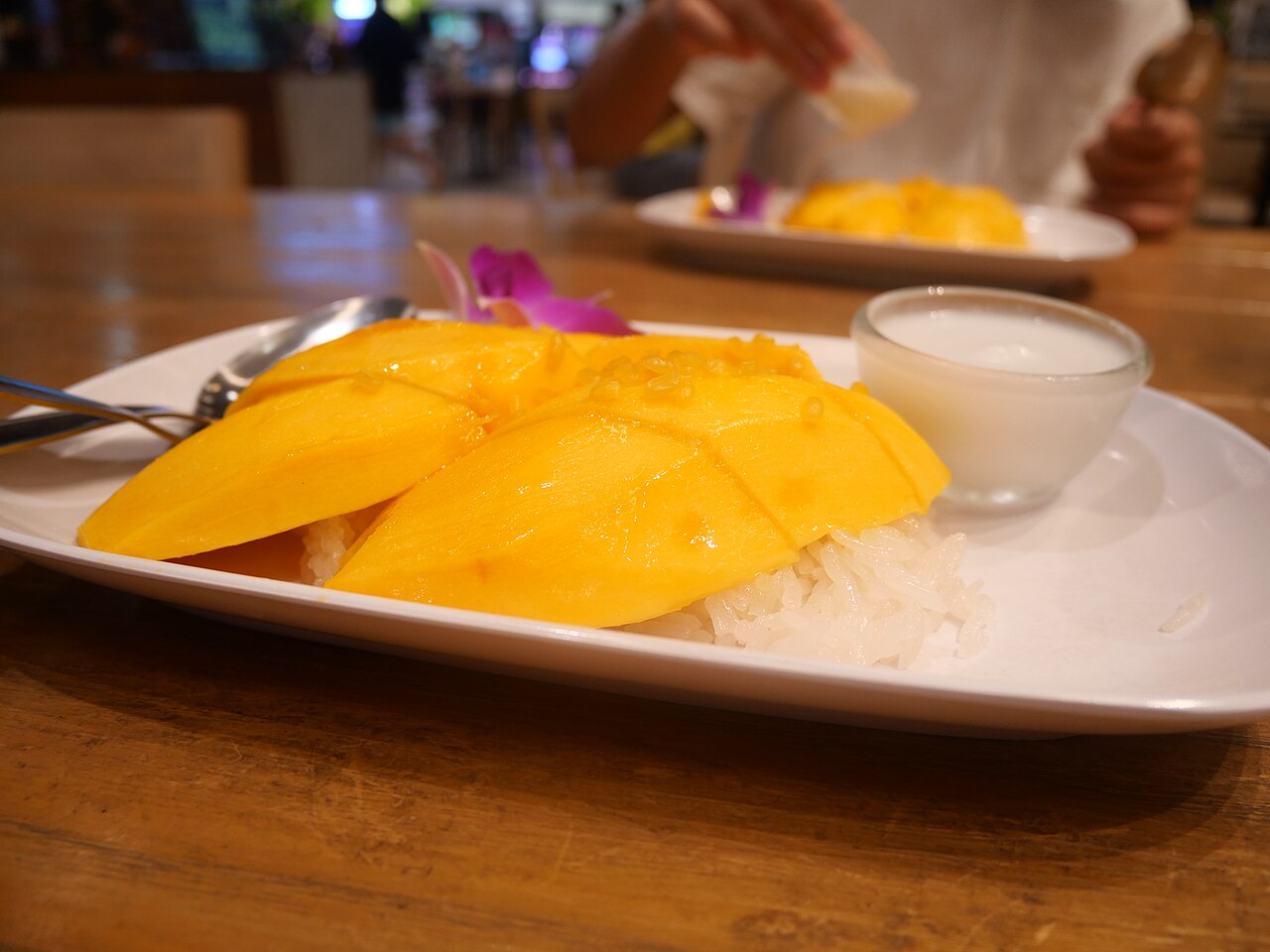
Finish the Thai way — mango sticky rice under rich coconut cream (best in mango season, roughly April–June); roti, the buttery crisp-edged pancake from the night stalls, sharing roots with the Muslim cooking woven through southern Thailand; khanom krok, little coconut-milk hotcakes crisp at the rim and molten in the middle, fresh off a morning-market griddle; crunchy fried bananas; and rows of coconut-milk sweets at every market. On a coconut island, coconut desserts are the home game. And if coffee is your dessert, the island adds more sea-view cafés and serious roasters every year.