Hotel Cote Cour Beijing — Sleep Inside a 500-Year-Old Courtyard Where the Real Old Beijing Still Hides
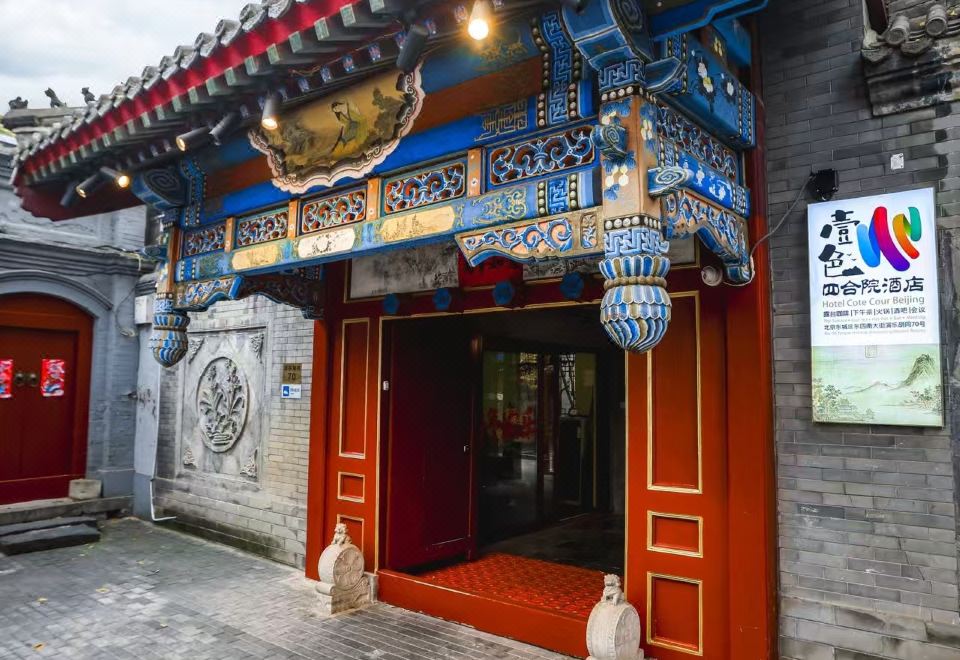
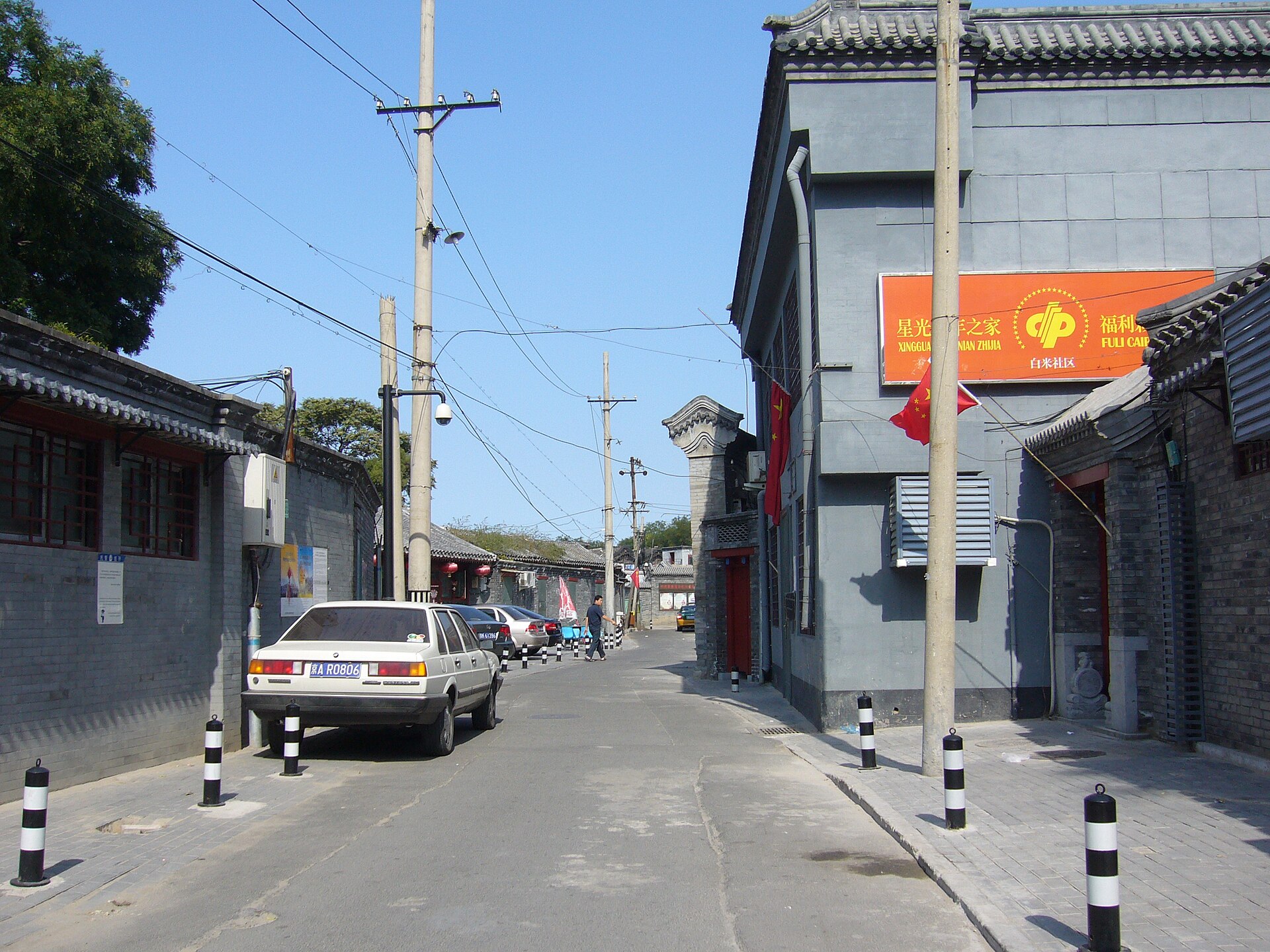
Picture yourself walking down a narrow Beijing hutong, pushing open a tall scarlet wooden gate painted in intricate blue and gold — and the noisy world outside simply falls away. What's left is a quiet siheyuan courtyard with trees, a koi pond, and the soft sound of water. That's Hotel Cote Cour Beijing (壹色四合院酒店), a tiny boutique of just 17 rooms inside a beautifully restored old courtyard house. It sits at No. 70 Yanyue Hutong, in the Dengshikou area of Dongcheng District. Score 9.4/10 from around 531 real guest reviews. This is not a glossy high-rise — it's the real old Beijing, the kind that gets harder to find every year.
Honestly, the charm here starts the moment you arrive — with the building itself. Hotel Cote Cour is a genuine Chinese siheyuan (四合院), a courtyard house, carefully restored. The Yanyue Hutong it stands in goes back more than 500 years; in dynastic times it was a rehearsal quarter for the imperial court musicians. The compound is made up of a main house, side wings, a central courtyard, a back building, and a rooftop terrace. Guest after guest says the same thing: the moment the gate closes behind you, the chaos of the city is gone, and all that remains is the calm of an old courtyard with its trees, its pond, and a quiet corner to sip tea.
One guest recalls: "Staying here felt like visiting the home of a very kind Chinese friend. The staff remembered our names, asked where we were headed each day, recommended restaurants, booked our tickets. It was so warm we didn't want to leave. The room was small but cosy and spotless."
What guests praise most isn't room size or fancy facilities — it's the warm, personal, almost familial service. Because it's a tiny 17-room hotel, the staff look after everyone the way you'd look after family. There's a 24-hour butler service that books attraction tickets, calls cars, and points you to the best places to eat in the neighbourhood. Many reviewers note that the team speaks good English and quietly solves every problem before you've even asked. For a first-time visitor nervous about the language, this makes the whole trip run far more smoothly.
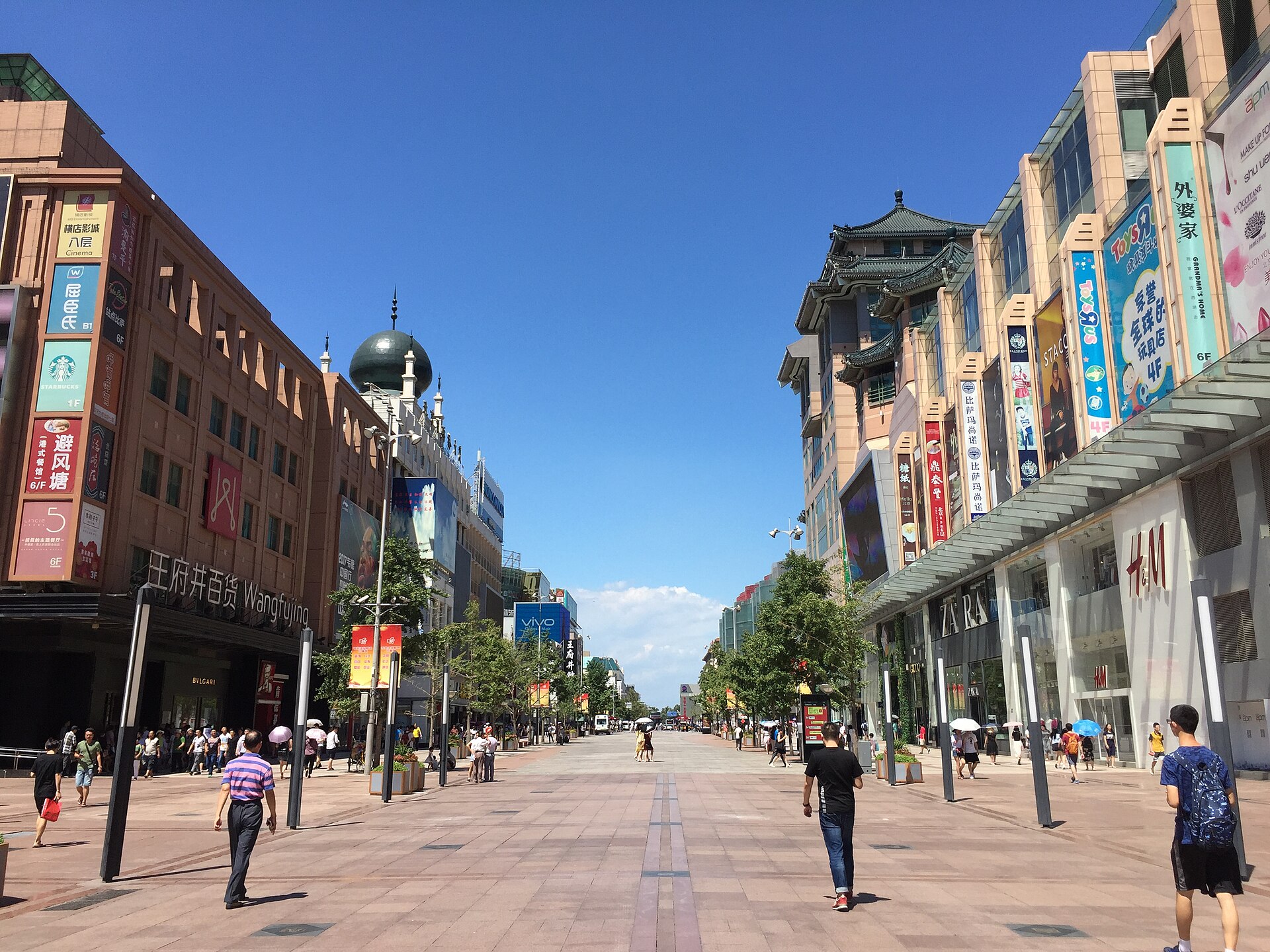
On location, this is one of those rare spots that's quiet but still right in the centre. The hutong itself is leafy and peaceful, yet it's only about a 15-minute walk to Wangfujing (王府井), Beijing's busiest shopping and street-food district. The nearest metro, Dengshikou (Line 5), is just a few minutes away on foot, and Dongsi station (Lines 5 and 6) isn't far either — easy connections to Tiananmen Square, the Lama Temple, or the Nanluoguxiang lanes. That's the real upside of a hutong stay: you get the authentic old-city feel without losing the centre of the city.
But it's only fair to say plainly that this is not an easy walk to the Forbidden City — it's roughly 3 km away, so you'll want the metro or a taxi. And because this is an old courtyard house, the rooms are compact in the way a siheyuan always is, and the facilities are nothing like a big tower hotel: no swimming pool, no large gym. Anyone who needs a spacious room or a full set of amenities may feel something is missing. But that's simply the nature of sleeping inside a centuries-old home — the trade-off for a charm that modern hotels just can't offer.
Another favourite among guests is the breakfast, available in both local Chinese and European styles, cooked fresh, and eaten out in the courtyard in the calm of the morning. There are also several lovely free touches: bikes to borrow for rides through the hutong, free laundry, and complimentary wontons and noodles when you use the tour-ticket service. A rooftop terrace looks out over the tiled roofs of the old city. All of it leaves you feeling you got back far more than just a bed for the night.
Room rates start at around ~¥900 (฿4,500) per night in normal periods, rising with room type and season. Larger rooms or those with a private patio run roughly ¥1,400–2,500+, with a typical range of about ฿4,500–10,000 a night. Because it's a small, much-loved hotel, rooms fill quickly and should be booked several weeks ahead — especially around China's long holidays like Golden Week (October 1–7) and Chinese New Year, when rates climb and availability is at its tightest.
The honest summary, friend to friend: Hotel Cote Cour Beijing is for travellers who want the real Beijing — old-city atmosphere and warm, home-like service over the polish of a high-rise. If you value character, calm, and the story of a place, this will be one of the stays you remember longest. But if you need a big room, a full set of facilities, or a walk straight to the Forbidden City, look at the other options in our Beijing list first.
Summary from Booking & Agoda
- ✓ A genuine siheyuan courtyard — rare old-Beijing atmosphere
- ✓ Warm, friendly service that looks after guests like family
- ✓ Peaceful yet central, an easy walk to Wangfujing
- ✓ Fresh breakfast in both Chinese and European styles, in the courtyard
- ! Rooms are compact, in the way of an old courtyard house
- ! Not walkable to the Forbidden City (~3 km, needs the metro)
- ✓ A tiny boutique of just 17 rooms — highly personal service
- ✓ Dengshikou metro (Line 5) just a few minutes' walk
- ✓ Free bikes to explore the hutong + a rooftop terrace
- ✓ English-speaking team that helps with tickets and cars
- ! Few rooms, fills fast — book ahead
- ! Fewer facilities than a tower hotel (no pool/gym)
- 💡If you need a spacious room and full facilities · Rooms here are compact in the old-courtyard style, with no pool or large gym · Fix → for a big room and full service, look at Hilton Beijing Wangfujing or The Peninsula Beijing in our list
- 💡If you want to walk straight to the Forbidden City · It's about 3 km away, needing the metro or a taxi · Fix → for a walk to the Forbidden City, choose a Wangfujing hotel closer to the historic core
- 💡If you're travelling during Golden Week or Chinese New Year · With only 17 rooms it fills fast and rates spike · Fix → book several weeks to a month ahead and take a free-cancellation rate