Amanfayun Hangzhou — Sleep in a Qing-Dynasty Longjing Tea Village Beside Lingyin Temple, Quiet Among the Bamboo, a True Aman Escape
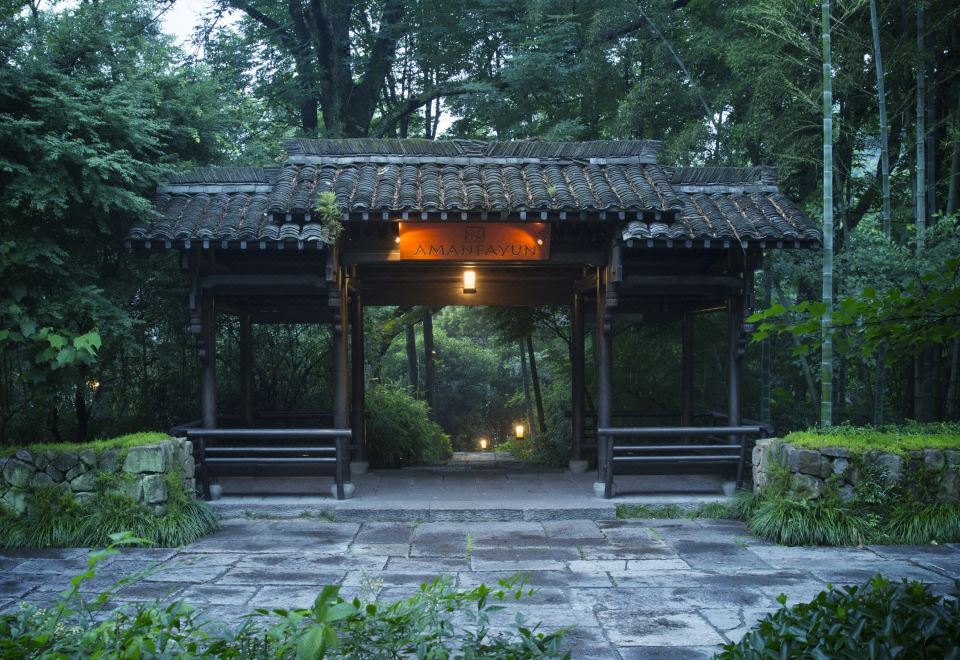
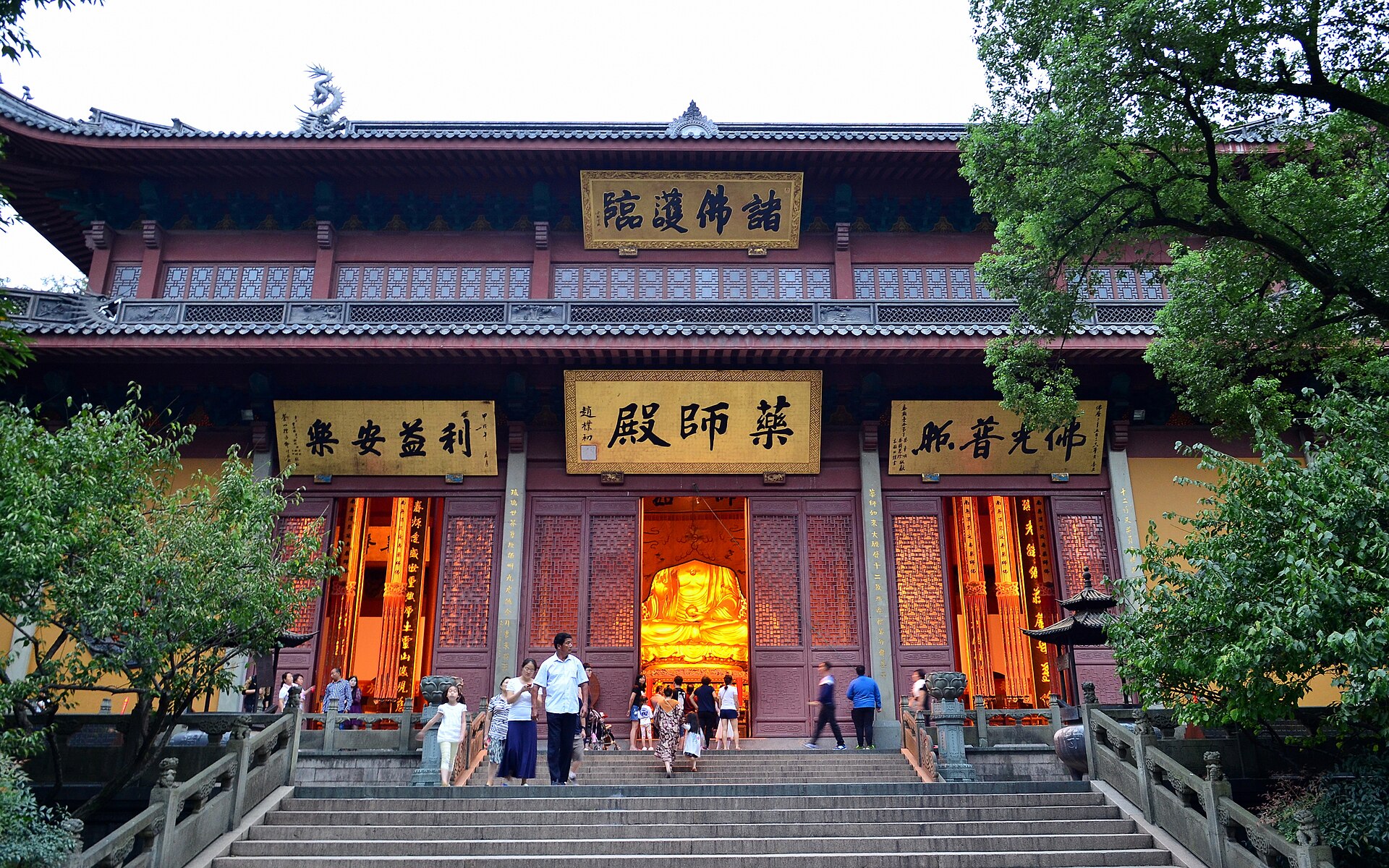
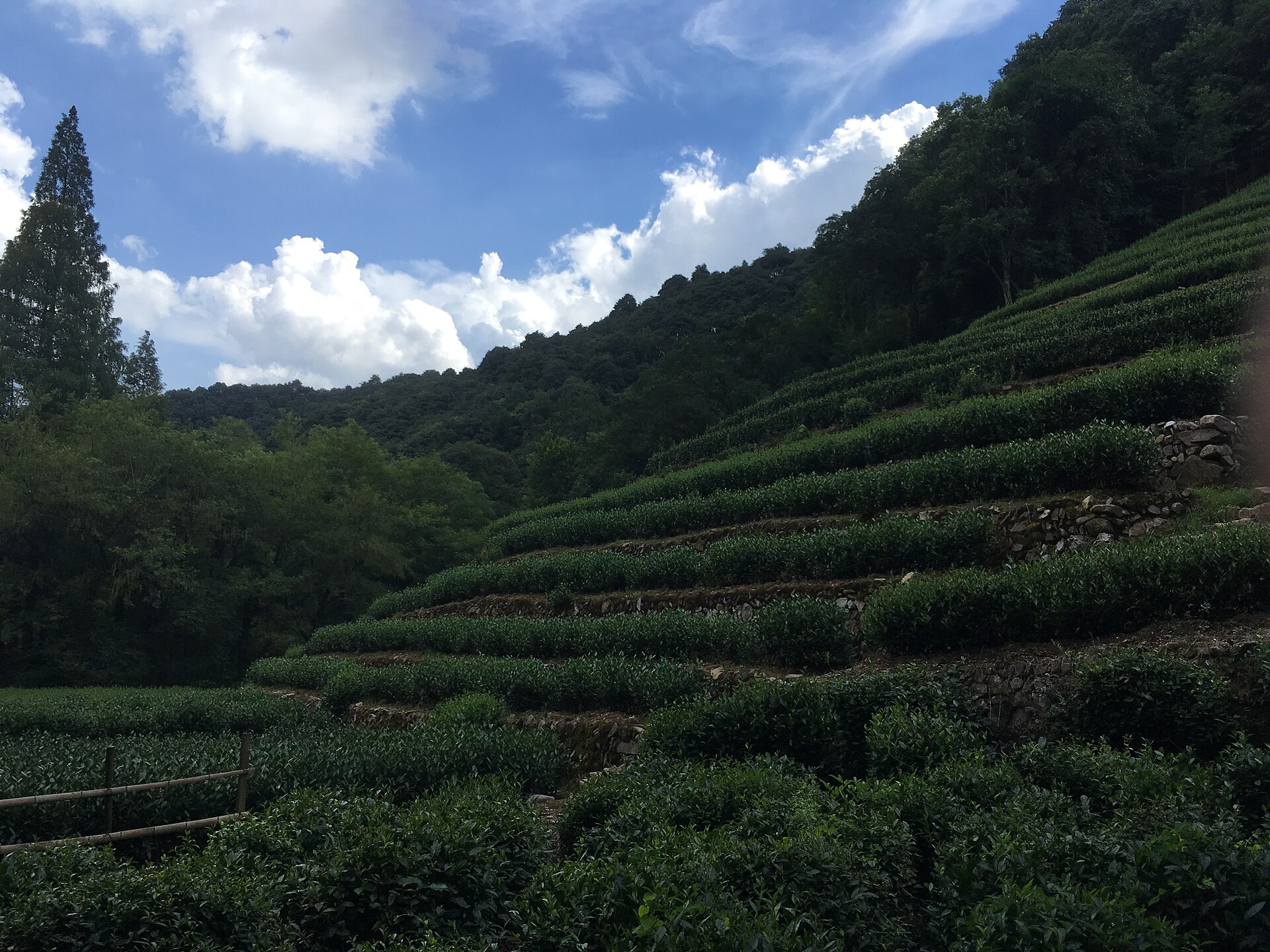
Picture stepping out of your room at first light, mist still hanging over the Longjing (龙井) tea fields, the bell of Lingyin Temple (灵隐寺) drifting in on the breeze, bamboo groves and old tile-roofed dwellings around you so quiet you can pick out the birds. That's an ordinary morning at Amanfayun (法云安缦), the Aman resort that turned an entire Qing- and Ming-era village into just 47 luxury rooms and villas. Honestly, this is not a lakefront hotel you walk to the water from — it's an ultra-luxury escape in the hills, about 6 km from West Lake, a 20-minute drive away, with no metro at the door (taxi or resort car only). It scores very highly across around 501 real reviews, and it is the most expensive hotel in Hangzhou. If you're after a place where opening your door feels like stepping into an old Chinese mountain village, this is the answer.
The first thing guests keep coming back to is the sense of stepping back in time. Amanfayun didn't put up a new building — it restored Fayun village (法云村), a centuries-old hamlet in the valley beside Lingyin Temple, keeping the rammed-earth dwellings, whitewashed walls, grey-tiled roofs, and original stone paths, then quietly fitting out the interiors as luxury rooms. The result is that you walk along stone lanes through bamboo groves, past tea fields and tiny shrines, as if you were in a real Chinese village rather than a hotel lobby. Many guests describe how, the moment the car stops and you walk in, the noise of the city simply falls away, leaving birdsong, running water, and the scent of bamboo leaves.
One guest puts it this way: "It felt like sleeping inside a beautifully cared-for ancient village — utterly peaceful. You can walk to Lingyin Temple early in the morning before the tourists arrive, and the staff look after you so well you feel like an honoured guest. It is genuinely expensive, but it's an experience you won't find anywhere else."
On the rooms, there are only around 47 of them, including villas, each converted from an original village house — high ceilings, exposed timber beams, stone floors, paired with deep comfortable beds, Aman's signature stone bathrooms, soaking tubs, and, in some, a small private courtyard. The design is calm and pared-back, Zen in feel, with an earth-wood-white palette and nothing cluttering the eye. Guests who've stayed at other Amans often say Fayun has the strongest village character of any of them, precisely because these are real old houses, not buildings made to look old. One thing to know: some of the heritage dwellings don't soundproof between rooms quite as well as a new building, so if you're a light sleeper it's worth asking for a particularly quiet house when you book.
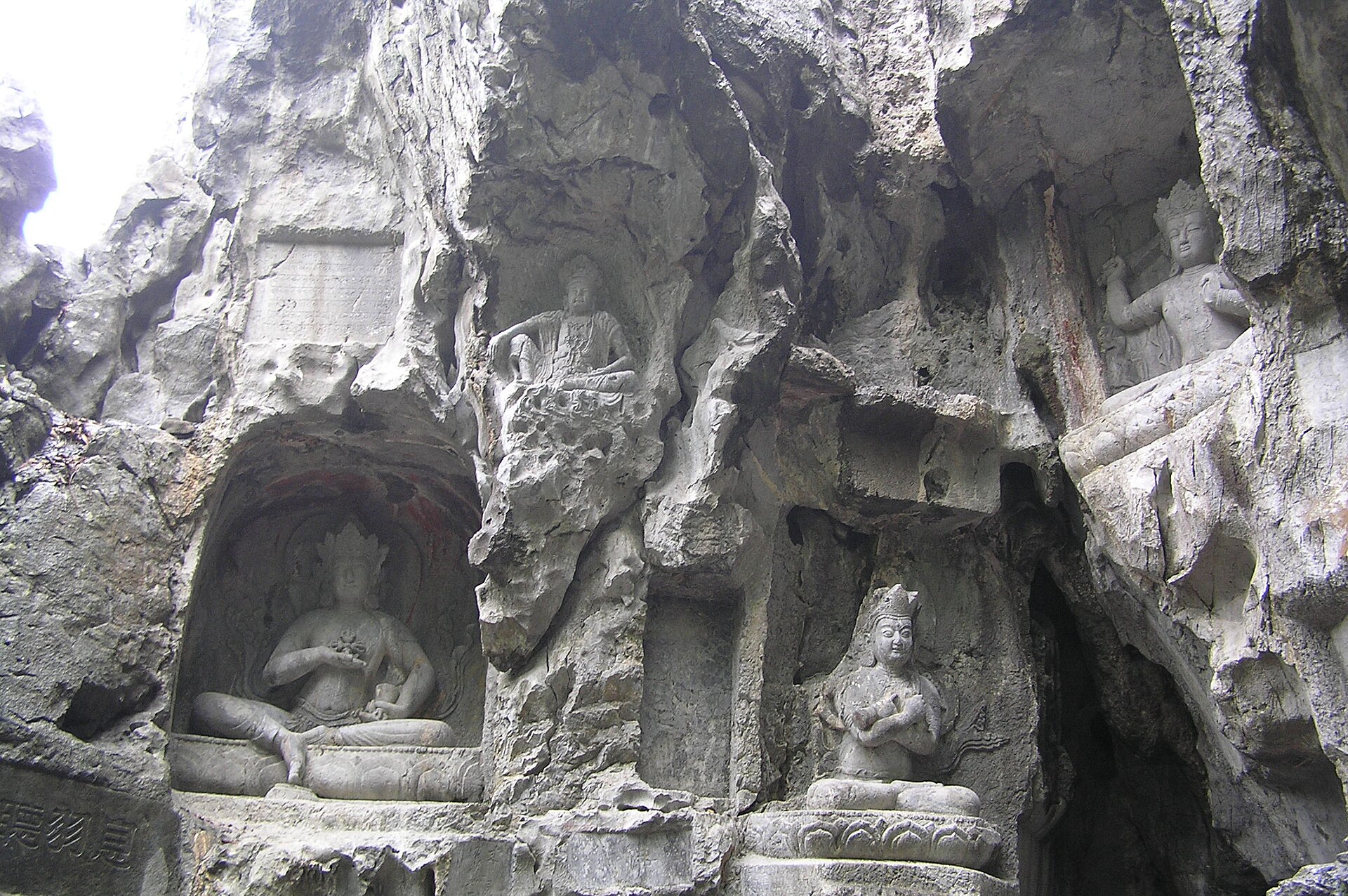
The facilities are pure Aman. There's an Aman Spa giving treatments in a quiet timber pavilion, an indoor swimming pool, a gym, and — more special than most — a traditional Tea House where you sip Longjing tea grown right around the resort. Dining is spread across several houses: Hangzhou home cooking, Chinese dishes from across the regions, and Western food, some meals served inside old buildings that were once villagers' homes, so it feels like eating in an ancient Chinese house. Guests love the early-morning forest walks, the tea-brewing lessons, and being able to walk to Lingyin Temple and the Feilai Feng carvings next door before the day-trippers arrive — a draw no downtown hotel can offer.
On getting around, be clear before you book. Amanfayun sits in a valley on the western side of Xihu District, beside Lingyin Temple and Feilai Feng, about 6 km from West Lake itself — roughly a 20-minute drive — and there is no metro station at the door, so you rely on taxis, the resort shuttle, or a hired car. It's about 50–60 minutes by car from Xiaoshan airport and 35–45 minutes from Hangzhou East high-speed rail station. The upside is total quiet and nature; the trade-off is that any time you want to stroll the West Lake shore, walk Hefang Street, or shop downtown, you take a car each way — it isn't a stroll out of the door. If you want to base yourself for daily lake walks, look at a lakefront hotel instead; but if you want a resort to retreat from the city entirely, this setting is the whole point.
Review scores run very high across around 501 real reviews. The praise is unanimous — the peace you can't find in the city, the meticulously cared-for old-village setting, the personal Aman service, and the location beside Lingyin Temple that lets you reach it before the crowds. The criticisms are real and worth weighing first. The first is price: this is the most expensive hotel in Hangzhou, several times the rate of a typical luxury resort. The second is that it's far and inconvenient for city sightseeing — no metro, a car ride to everything. The third is that it's a restored heritage village: the charm is in the age and the raw materials, so if you're expecting a pristine new build, ultra-modern bathrooms, or dazzling city views, this isn't that.
Rates start at around ~¥4,500 (฿22,500) per night, and to be straight with you it is the priciest hotel in Hangzhou. In normal periods the range sits around ฿22,500–45,000 a night depending on room type and season, and the larger courtyard villas climb well beyond that. China's long holidays — Golden Week (October 1–7), Chinese New Year, Labour Day (May 1–5) — plus spring (fresh green tea fields) and autumn (turning leaves) see rates jump and rooms sell out fast, since there are only around 47 of them; for peak dates you'll want to book a month or more ahead. On the whole, if you've come to Hangzhou for a stay that's genuinely luxurious and unlike anywhere else, and you'll pay for quiet and an old-village atmosphere in the hills, Amanfayun is the very top of the city. If you'd rather walk to West Lake every day on a sensible budget, compare the lakefront options in our list first.
The honest summary, friend to friend: Amanfayun is for travellers who want an ultra-luxury escape, deep quiet, and the atmosphere of an old Chinese village beside Lingyin Temple more than the convenience of a downtown hotel. If you want to wake up to a bamboo-forest walk, sip Longjing tea from the fields outside your door, and reach Lingyin Temple while it's still silent, and you'll pay the highest rate in town, it's worth every bit of it. But if your plan is daily walks along West Lake with everything in strolling distance, compare it against the Four Seasons Hotel Hangzhou at West Lake or the Midtown Shangri-La in our list first.
Summary from Booking & Agoda
- ✓ An old tea-village setting among the bamboo — utterly quiet, unlike anything in the city
- ✓ Walk to Lingyin Temple and Feilai Feng before the tourists
- ✓ Personal Aman service that makes you feel like an honoured guest
- ✓ Aman Spa, indoor pool, Longjing tea house, and dining in old houses
- ! The most expensive hotel in Hangzhou — several times a typical luxury resort
- ! No metro at the door; ~20 min from West Lake, a car ride to everything
- ✓ A retreat in an old Chinese village like nowhere else
- ✓ Rooms in restored earthen dwellings — real timber beams, high ceilings, calm Aman style
- ✓ Ideal for honeymoons, couples, and anyone escaping the city
- ✓ Nature all around — bamboo, tea fields, and the temple bell at dawn
- ! Far from the centre and the lake — not for daily walk-to-it sightseeing
- ! Some heritage houses soundproof less well between rooms than a new build
- 💡If you want daily walks along West Lake · Amanfayun is in a valley beside Lingyin Temple, about 6 km from the lake (a ~20-minute drive), with no metro at the door — you take a car everywhere · Fix → if you want to walk to the lake, look at the Four Seasons Hotel Hangzhou at West Lake or a lakefront hotel in our list
- 💡If you're on a budget · This is the most expensive hotel in town — from around ¥4,500 (฿22,500)/night, rising past ฿45,000 for the larger villas · Fix → for five-star comfort at a more reachable price, see the Midtown Shangri-La or the Sofitel Hangzhou Westlake in our Hangzhou hotels list
- 💡If you prefer a pristine new build and modern bathrooms · This is a restored heritage village; the charm is in the age and raw materials, and some houses soundproof less well between rooms than a new building · Fix → if you're a light sleeper, request a particularly quiet house when you book, or choose a new-build luxury hotel like the Park Hyatt Hangzhou instead