Taiwan's southernmost inhabited island, 91 km off Taitung — home to the Tao (達悟族), who have kept their tatara canoe-carving, Flying Fish Festival and jipanapan underground architecture alive without interruption. An island that asks visitors to listen before they look.

Orchid Island (蘭嶼 · Lanyu) is called Pongso no Tao in the indigenous language — literally "island of the people." It is home to the Tao (達悟族), a group found nowhere else on earth, who have lived here for thousands of years. What makes Orchid Island different from every other destination in Taiwan is that the culture here is entirely unperformed: the tatara canoes are used for real fishing, the jipanapan underground houses are actual dwellings, and the Flying Fish Festival marks a genuine seasonal shift in oceanic life.
One thing matters before you arrive: the people here are called Tao, not Yami. That Japanese-colonial-era label has been firmly set aside. Using the right name costs nothing and means everything. Beyond that — respect the rules, slow down, and this island will give you something no resort ever could.
Two routes, each with tradeoffs. Plan ahead and always carry a backup plan — weather runs this island on its own schedule.
Departs from Taitung Airport (TTT). Flight time 25–40 minutes · round-trip fare approximately NT$1,800 · Each aircraft carries only 19 passengers — book two months in advance, especially during Flying Fish season. Multiple daily departures but subject to weather cancellation.
Departs from Fugang Fishing Harbor (富岡漁港) near Taitung. Crossing time 2.5 hours · round-trip fare approximately NT$1,200 · More seats available than the flight, but the Pacific swell on this route is significant. Bring seasickness medication.
Getting around the island: Rent a scooter (NT$500/day — International Driving Permit with motorcycle category required) or a low-power electric bicycle (NT$300–400/day, no licence needed). The coastal loop is 45 km, taking 2.5 hours non-stop or a full day with stops. Bring enough cash: ATMs exist only in Hongtou and Yeyou villages. Card payments are rarely accepted outside of the ferry port area.
These are not museum exhibits or folklore performances. They are the living architecture of Tao society — know them before you arrive.
Tao canoes come in two forms: tatala (small personal fishing boat) and chinurikuran (large family vessel carrying ten men). Both are carved from single tree trunks using mortise-and-tenon joinery — no nails, no metal. Each geometric pattern painted on the hull represents a protective spirit and is handed down through oral tradition. Women and outsiders who touch the boat without explicit permission are believed to bring misfortune upon the owner's household. This rule is observed as seriously in 2026 as it was a century ago.
Flying fish (飛魚) are simultaneously food, religion and social structure for the Tao. Every year from March through June, the migratory flying fish schools pass through Orchid Island's waters. The Tao open the season with the mivanwa fish-calling ceremony, launch their canoes in full ritual dress, and close the season with a thanksgiving rite. Visitors may watch from a respectful distance only. Do not enter ceremonial areas, do not photograph ceremonies without a community representative's permission, and during certain rites women should keep away from the boats and the ceremonial beach. Bringing oranges to the beach during the festival period is considered a curse upon the fishermen — leave the fruit at your guesthouse.
The jipanapan underground dwelling is dug 2–3 metres into the earth, with a roof that barely clears ground level. Typhoon winds that would destroy any normal structure simply pass overhead. Each house has a layered plan: an outer working platform, a middle level for daily life, and an inner sleeping space. The best-preserved examples are in Yeyin village (Ivalino, 野銀) on the island's east coast, where some elderly residents still live in them daily. Access is only permitted with a Tao local guide (NT$200–300 per person) — these are not tourist attractions, they are someone's home.
Tao food follows the natural calendar strictly. During flying fish season: fresh flying fish (steamed or boiled, never grilled during ceremony days) and dried flying fish (飛魚干) preserved for the off-season months. Year-round staples include taro, sweet potato, wild yam (山藥), millet (小米 — used in ceremonies), and mountain tea with a mineral quality from the volcanic island water. If your homestay hosts offer fresh flying fish in season, that is the meal you came for.
Each village has a different character. Say "Apoyo" (hello in Tao) when you pass locals — the response will tell you everything about how welcome you are.
The island's largest village. Has the Tao Cultural Museum, ATM, dive shops, and the most homestay options. The best starting point for first-time visitors.
Ferry port Kaiyuan is here. Has the island's second ATM and a 7-Eleven. Two Fish Homestay and DoDoWu Homestay are both based in this village.
The quietest village, with the best preserved traditional daily life. Cliff views on the north side. Worth a deliberate stop rather than a drive-by.
The most complete collection of jipanapan underground houses. Yeyin Cold Spring pools are by the sea here. B'Fin Hostel — the island's only backpacker hostel — is based in this village.
The Dongqing Night Market operates here each evening in season — the best place for local Tao food. Pacific sunrise views from this side of the island are spectacular.
"Village of the fishermen." The best sunset and stargazing spots on the western shore. Quieter than Hongtou with a more traditionally unhurried atmosphere.
From underground house tours to Pacific diving and stargazing — approach everything with patience and curiosity.
Yeyin village (Ivalino) has the most intact underground dwellings. Book a local Tao guide (NT$200–300 per person) and let them tell the stories from inside. Do not enter unaccompanied — these are lived-in homes. Ask before pointing a camera at anything.
If your timing aligns, you may see ceremony preparations on the beach from a respectful distance. Even outside formal ceremonies, this is the season when fresh flying fish is on every homestay table. Buying dried flying fish directly from a village vendor is the single best way to financially support the Tao community.
The defining Orchid Island experience. The coastal road passes through all six villages, along clifftops above the Pacific and through patches of subtropical forest. Rent a scooter for NT$500/day (IDP required) or an electric bike for NT$300–400/day. Allow a full day if you intend to stop at villages, viewpoints and reefs.
The island's highest accessible summit, with a 6 km return trail and 360-degree views of the entire island and open Pacific. Start by 06:00 to beat the midday heat. Bring 1.5 litres of water and proper footwear. Tell your guesthouse before you go — trails are isolated.
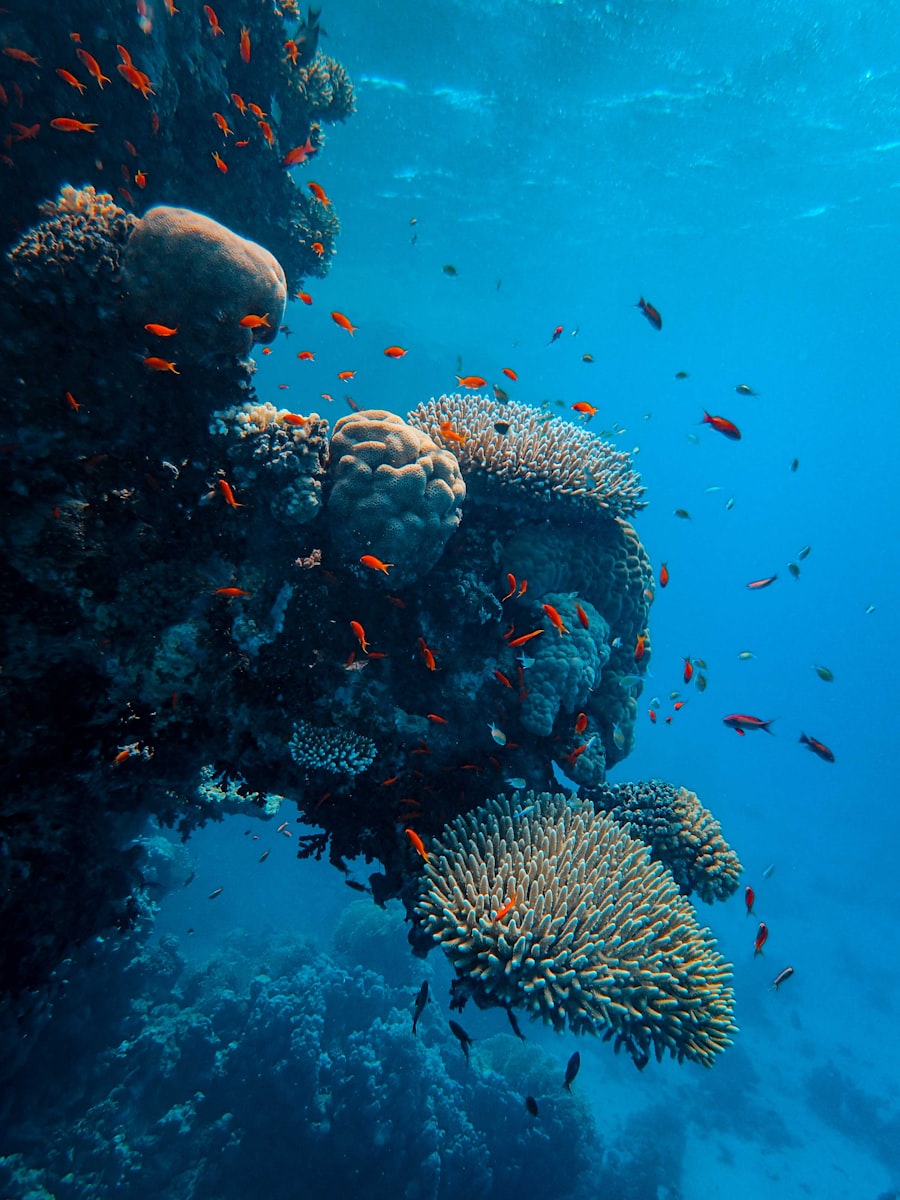
Visibility reaches 15–30 metres in the April–September season. Common encounters include green sea turtles, blacktip reef sharks, manta rays and dense coral formations. Scuba tours run NT$2,500–4,500 (PADI/SSI certification required). Snorkel tours at Bashan Cave run NT$800–1,200 with a mandatory guide — the currents inside the cave are deceptive.
The southwest lighthouse and Cape Longmen on the north coast are the top sunset spots. Pull over, let the sky change from orange to purple to black — then do not move. Orchid Island has Taiwan's darkest skies: the Milky Way is visible to the naked eye on clear nights from April through September.
Ask your homestay owner to cook fresh flying fish (steamed or boiled) during the season, or order dried flying fish (飛魚干) if visiting out of season. Wild yam, sweet potato, and Orchid Island mountain tea are year-round staples. A meal from a Tao kitchen is not replicable anywhere else in the world.
Buy from village shops and individual artisans, not airport gift shops. Tao patterned jewellery, woven textiles and carved wooden items purchased on the island return money directly to the community. The geometric sun-and-ray pattern on canoes also appears on jewellery — a small, meaningful souvenir.
The most culturally meaningful window of the year. Flying Fish Festival ceremonies are active, fresh flying fish is available, the sea is warming and diving conditions improve week by week. Book accommodation 2–3 months ahead — guesthouses fill up fast, especially on weekends.
Calmest seas, best underwater visibility. Sea turtles are encountered almost daily. Note: August and September sit squarely in typhoon season. Check typhoon forecasts before every departure. If a typhoon warning is issued, your ferry or flight may be cancelled for several days.
Orchid Island has Taiwan's darkest skies. The Milky Way is visible to the naked eye on clear nights from April through September, at its most dramatic in July and August. Position yourself on the west coast after sunset and wait — the light show needs no filter.
The northeast monsoon hits Orchid Island hard. Ferry cancellations are near-daily. Most guesthouses close. Dive shops close. If you must come in this window, fly — and accept that your return date may shift by a day or two depending on weather.
Orchid Island accommodation is almost entirely small Tao-owned homestays. Your host will know more about the island than any guidebook — that relationship is half the experience.
B&B in the heart of Hongtou village, steps from the dive shop and island clinic. Host helps arrange scooter rental and airport pickup.
Score 8.2 · from NT$2,000/night Read full review →Closest guesthouse to Kaiyuan ferry port — ideal for your first night on the island after a long crossing. Five-minute walk to 7-Eleven.
Score 8.4 · from NT$1,800/night Read full review →The island's only hostel, positioned in Ivalino village beside the traditional underground houses and Yeyin Cold Spring pools. Dorm beds from NT$800.
Google 4.9/5 · from NT$800/night Read full review →205 verified guest reviews — the most validated choice on the island. Sited above Yeyou's 7-Eleven with sea-view balconies. Host organises scuba trips and scooter hire.
Score 8.1 · from NT$2,000/night Read full review →Most Orchid Island homestays do not list on Agoda or Booking.com. Contact them directly by LINE or Facebook — your host will respond when signal allows, which on this island means on island time.
Only two ATMs on the island (Hongtou and Yeyou villages). Card payments are rarely accepted. Budget NT$5,000–8,000 for two people over three nights and withdraw everything before you leave Taitung.
Standard sunscreens containing oxybenzone and octinoxate kill coral. Orchid Island's reefs are exceptional — protect them. Use mineral-based sunscreen (zinc oxide or titanium dioxide) exclusively. This is not a request, it is the responsible minimum.
A motorcycle-category IDP is required for scooter rental. Enforcement has increased significantly since 2024. Without it, rent a low-powered electric bicycle instead — NT$300–400/day and no licence required. The loop is very manageable on an e-bike if you start early.
Tao culture places high value on reciprocal exchange. Snacks from Taipei, fruit, or a small practical item from the city will genuinely delight your homestay owners. It does not need to be expensive — the gesture itself carries meaning and starts the relationship well.
From underground Tao houses to Pacific scuba diving, stargazing and the 45 km scooter loop — every attraction with honest hours, prices and tips.
See All 10 AttractionsCan you do Orchid Island justice in one day? Honest comparison of day-trip vs overnight options with real timing and costs.
Day Trip GuideChoosing between Taiwan's three main island destinations? Side-by-side comparison on cost, activities, crowds and travel logistics.
Compare the IslandsPlan your full Orchid Island trip or find accommodation for your first night — a Tao homestay will teach you more about this island than any page ever could.