Guesthouses & Small Hotels — No International Hotel Brands
Orchid Island has no international chain hotels. Accommodation is guesthouse and small hotel style — some locally Tao-owned, others Taiwanese-run. Properties are spread across the island's six villages. Booking ahead during peak season (April–September) is essential — capacity is very limited.
The main entry point for flight arrivals. IGANG Hotel — the island's best-known modern property — is located here. Scooter rental shops, small restaurants, and the island's bank ATM are nearby. Most convenient base for first-time visitors arriving by air.
The main harbor village where ferries arrive from Taitung. Several guesthouses are within walking distance. A mix of Tao and Taiwanese-run options. The most accessible base if arriving by ferry — restaurants and shops are nearby.
Home to the best-preserved traditional underground houses (jipanapan) on Orchid Island — a living village where Tao families still reside in the ancient style. Staying near Yeyin gives proximity to the most authentic cultural experiences. Respectful visitors welcome.
The east-facing coastline of Orchid Island has the best diving and snorkeling — direct Pacific Ocean exposure brings clear water and healthy coral reefs. Dongqing and Langdao villages have a handful of guesthouses for those who want to be close to dive sites.
7 Best Places to Stay on Orchid Island
The highest-scoring, most practical, and best-located options. Compare prices across 3 platforms.
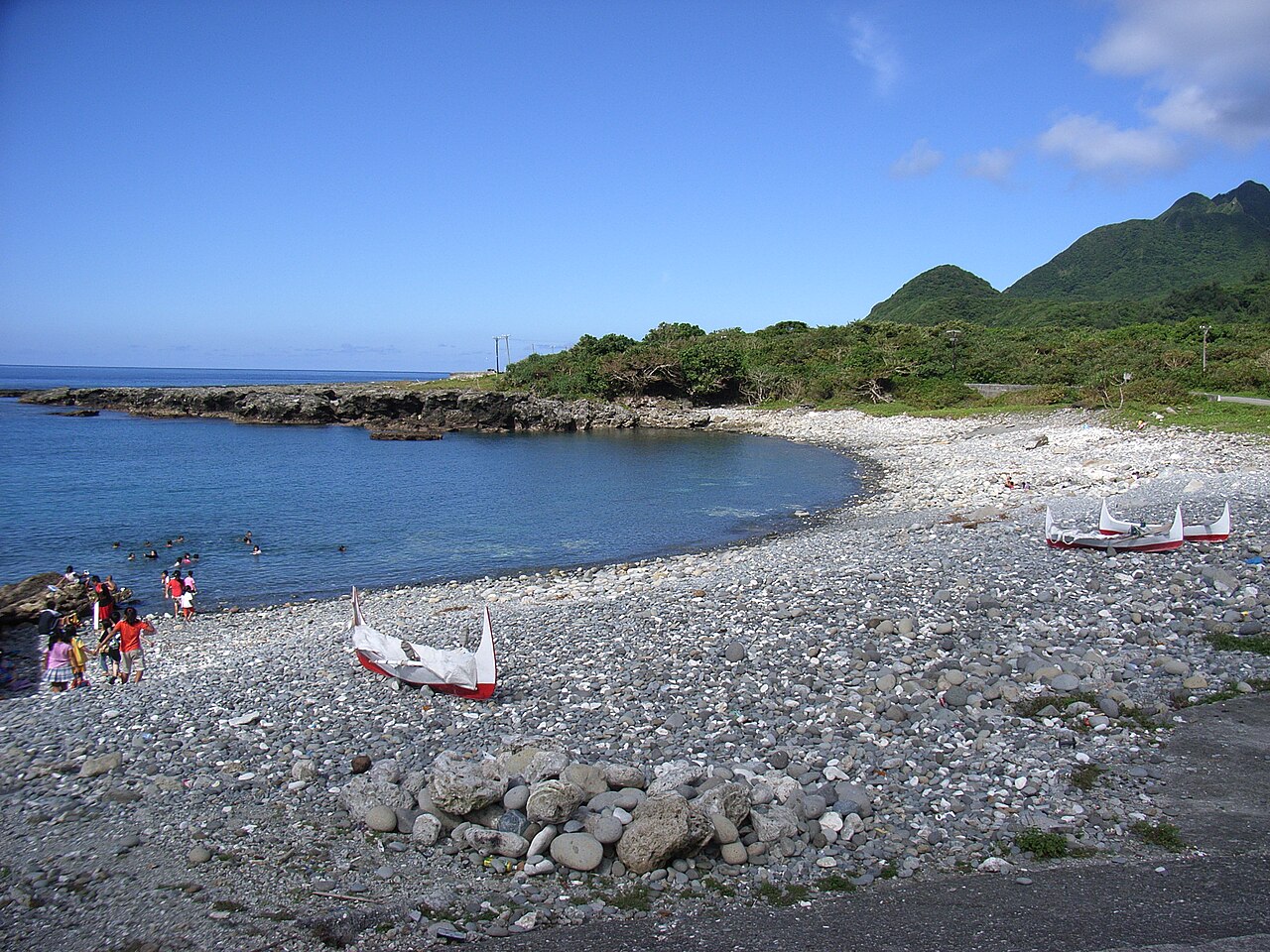
The island's best-known contemporary hotel with air-conditioned rooms, private bathroom, and a restaurant on-site. By Orchid Island standards, this is a premium choice. Located near the airport in Kaiyuan Village — convenient for arrivals and scooter rental pickup.
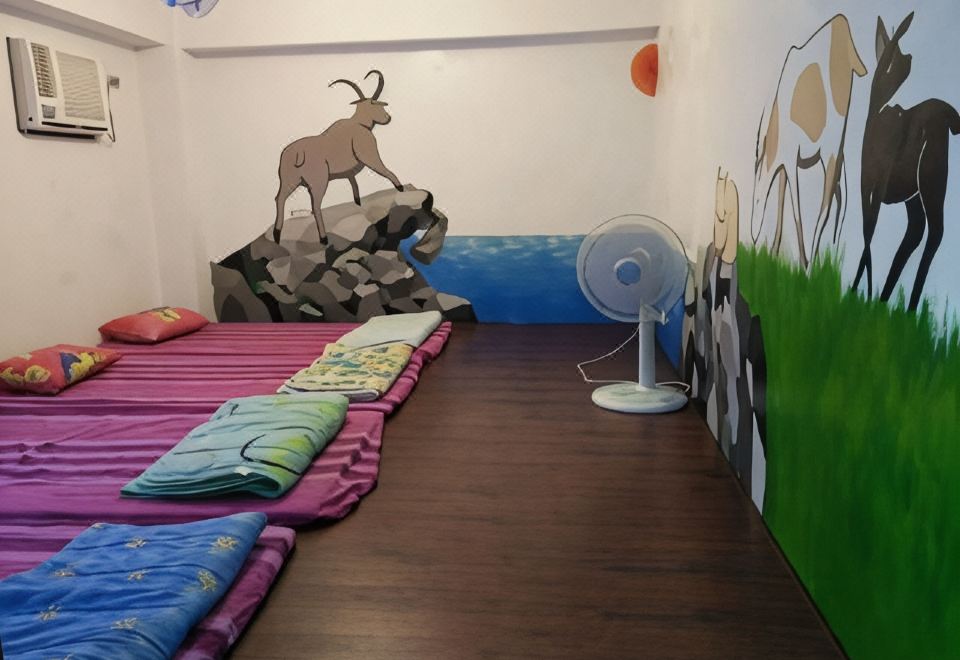
A warmly run family guesthouse with high guest scores for hospitality — hosts who share local knowledge about the Tao culture, best dive sites, and where to see flying fish preparation during the season. Simple but clean rooms with ocean views.
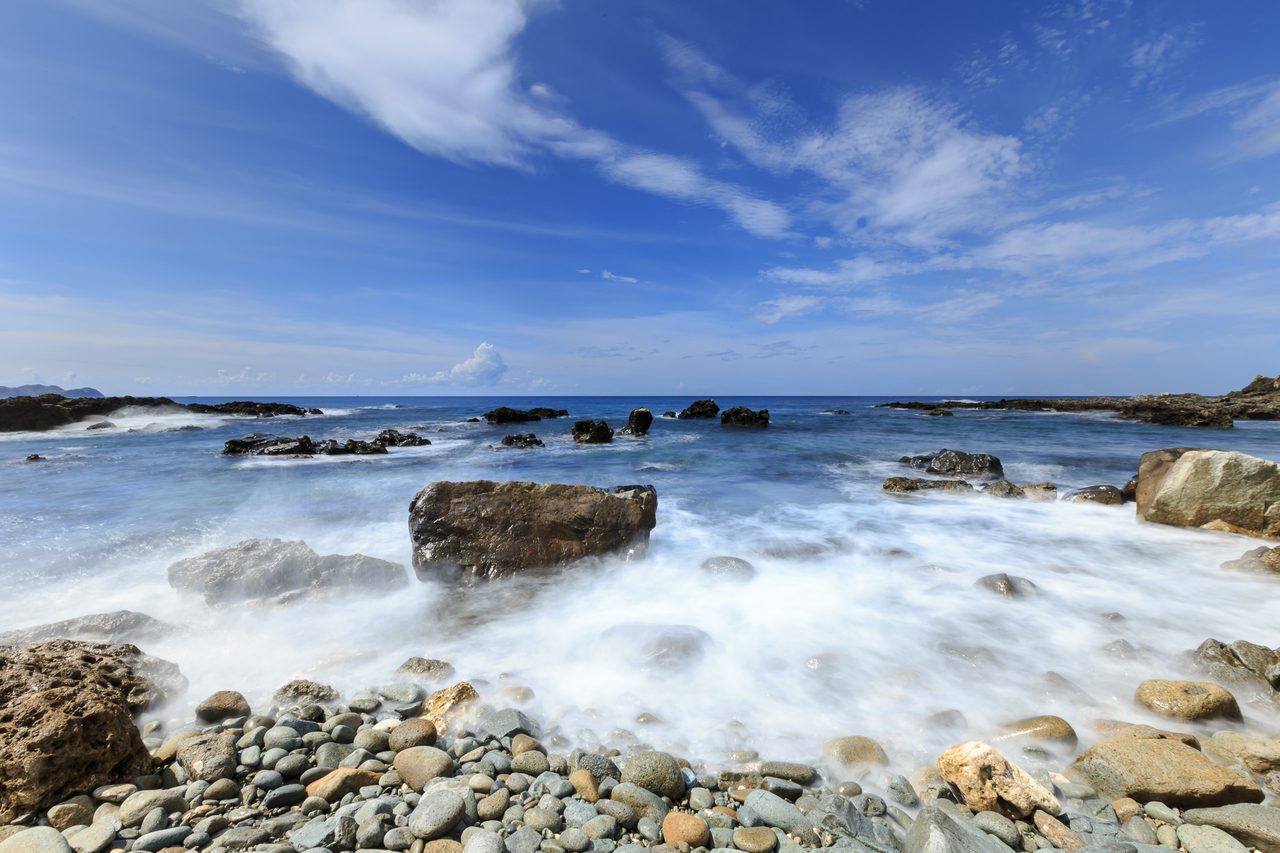
A guesthouse with a strong connection to Orchid Island's flying fish culture — named for the island's most iconic seasonal tradition. A good pick for travelers visiting specifically during the flying fish season (Mar–Jun) who want the cultural context reflected in their accommodation.
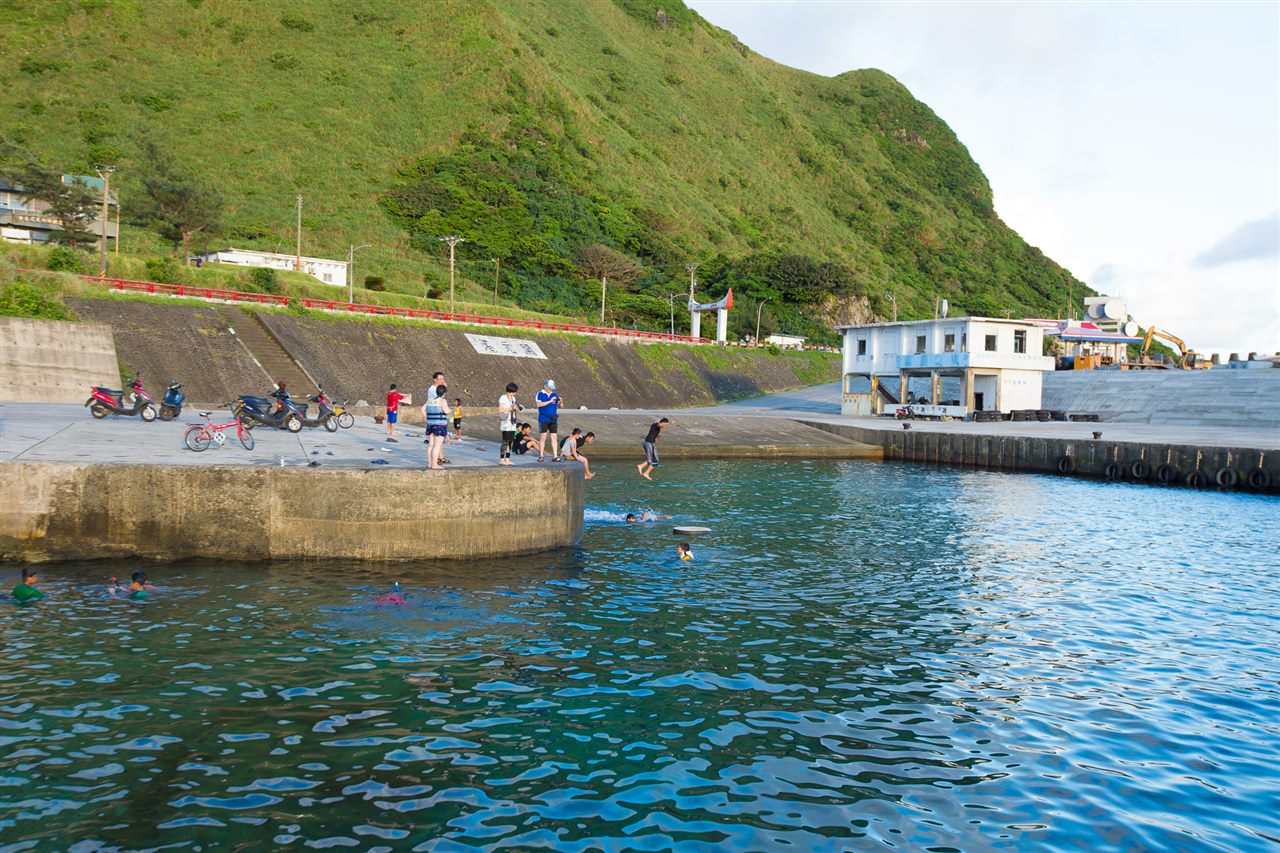
A scenic guesthouse on Orchid Island's coastline with Pacific ocean-facing rooms. The name references Tao cultural language — a guesthouse run with sensitivity to the island's indigenous heritage. Guest scores praise the views and the peaceful atmosphere.
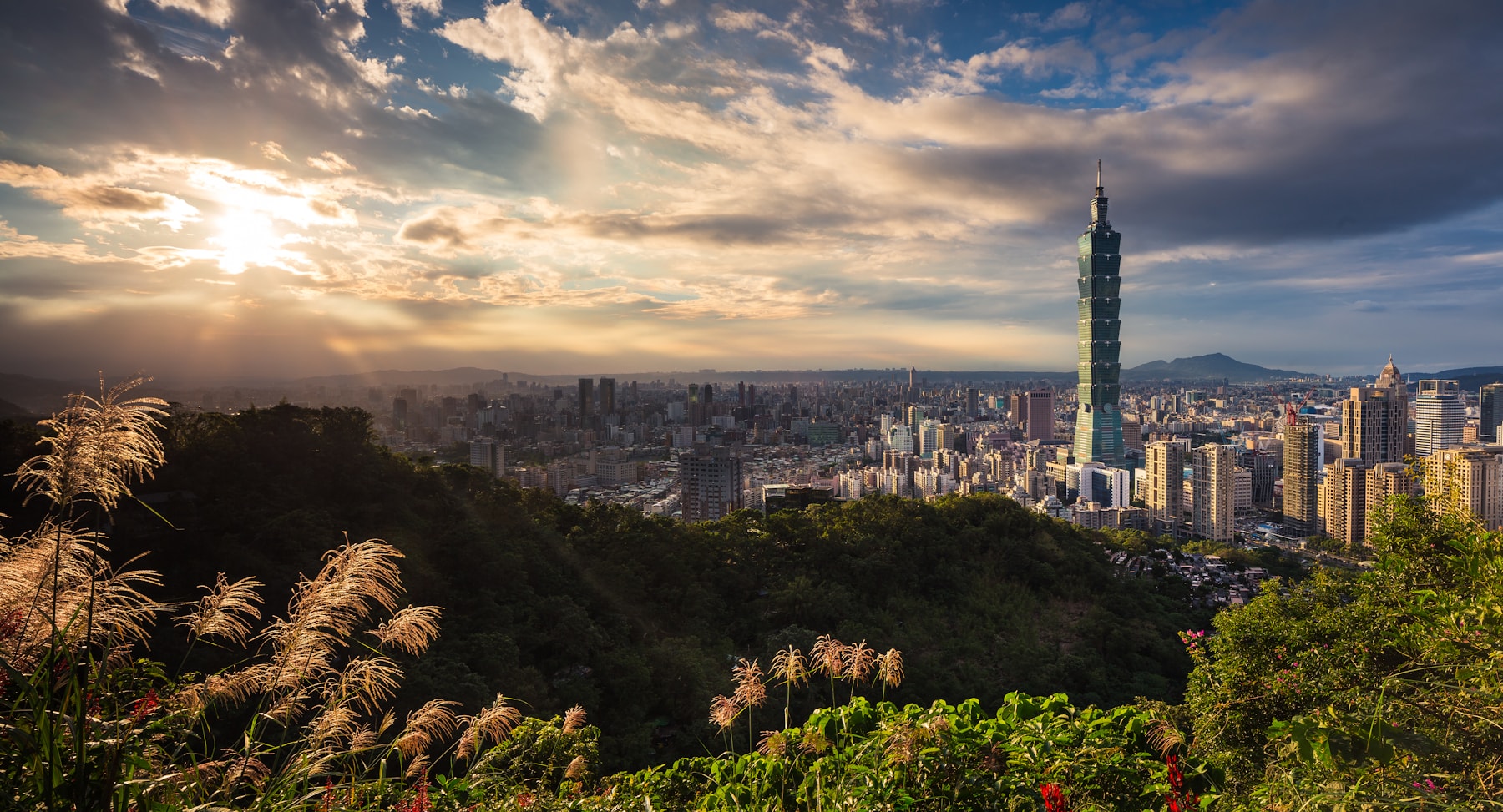
A guesthouse popular with divers visiting Orchid Island's Pacific reef sites. The host can arrange dive connections and knows the best spots for each season. Rooms are simple but functional — this is a base for getting in the water, not for lounging.
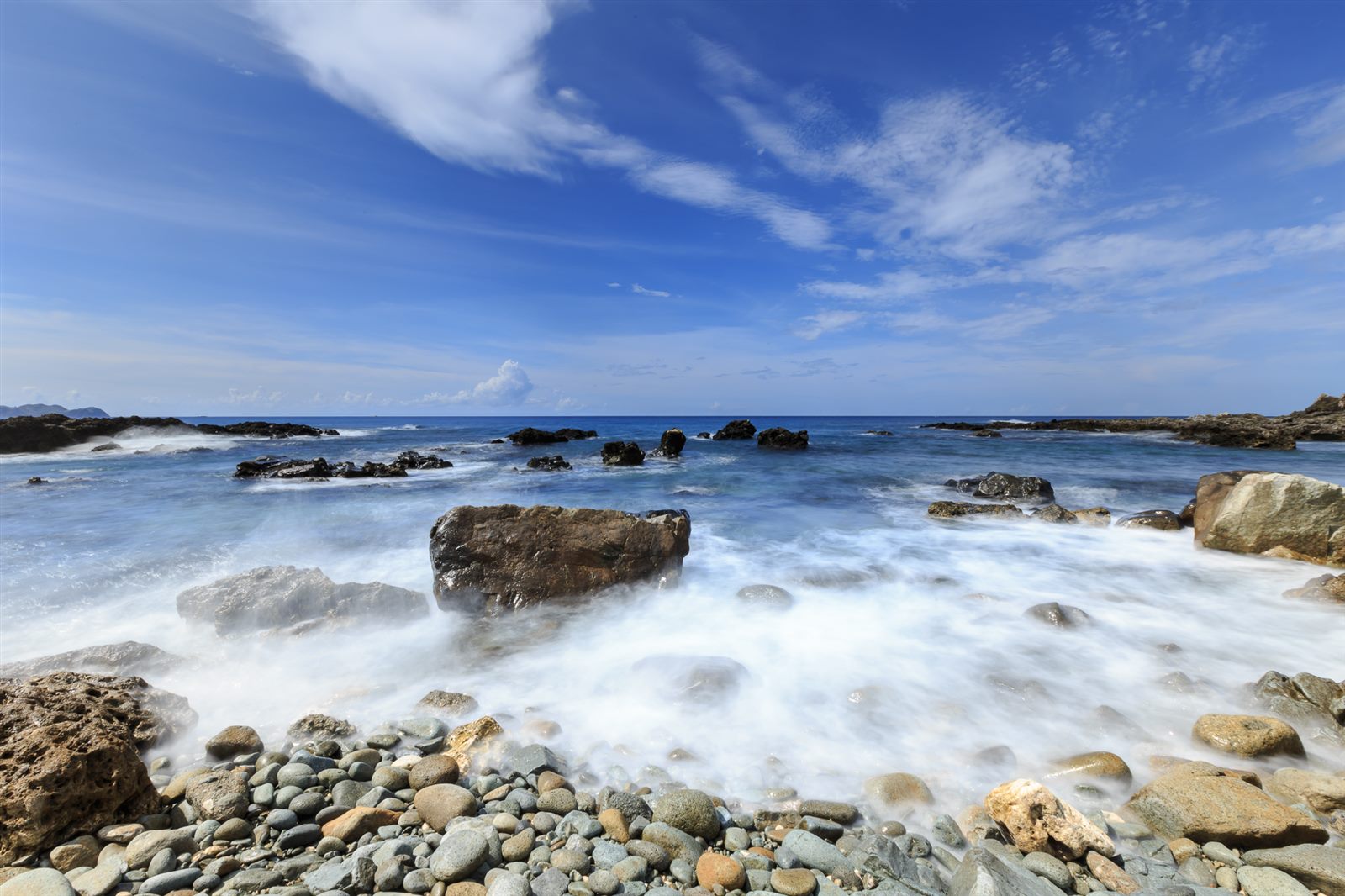
A well-positioned guesthouse on the east coast of Orchid Island with clear Pacific ocean views from the rooms. Good for watching sunrise over the water and easy access to the east coast diving spots. Simple facilities, consistently praised for its views and honest pricing.
The best budget option on Orchid Island — simple dormitory and private room options at rates accessible to backpackers. The owner is knowledgeable about island logistics, scooter rental, and diving arrangements. Popular with solo travelers who want to stretch their budget on what is an expensive island to reach.
Orchid Island has very limited accommodation capacity. During the peak season (April–September) and especially Flying Fish Season (Mar–Jun), guesthouses fill up 4–6 weeks ahead. Book accommodation at the same time as your flight or ferry ticket. Off-season (October–March) sees many properties close entirely.
Tao Traditional Food — Flying Fish, Taro & Pacific Catch
Orchid Island's food scene is small but deeply connected to Tao culture — especially during the Flying Fish Season (Mar–Jun). Dining options are limited: guesthouses serve simple meals and a handful of small restaurants operate in each village. Bring cash and low expectations for variety, but high expectations for freshness and cultural authenticity.
The flying fish (飛魚) is the most culturally significant food on Orchid Island — the Tao people have a complex ceremonial fishing tradition around them that spans generations. During March to June, flying fish are caught, dried, and prepared in traditional ways. Eating fresh or dried flying fish during this season is an authentic taste of Tao culture. Outside Mar–Jun, flying fish are largely absent — do not expect to find them year-round.
Mar–Jun Only · Cultural SignificanceTaro is the foundation of the Tao diet — grown on the island in terraced fields and prepared in multiple ways: steamed, mashed, or made into taro bread. Taro root dishes appear throughout Orchid Island's small restaurants and guesthouse meals. Simple, filling, and entirely local. A taste of the island's agricultural heritage alongside fishing.
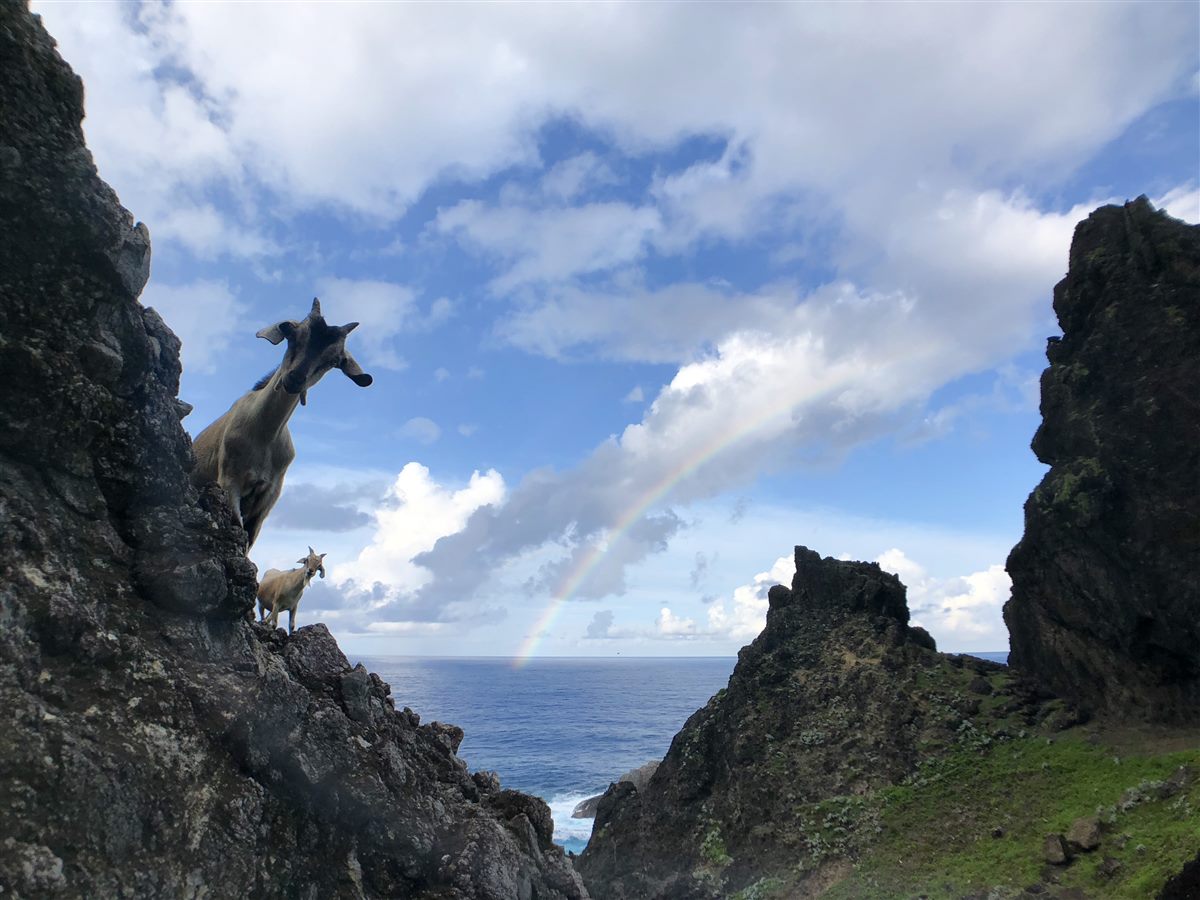
Year-round StapleLike Green Island, Orchid Island has a resident goat population that thrives on the rocky volcanic terrain. Goat soup is a warming, protein-rich dish served at small restaurants — slow-simmered with ginger and traditional herbs. A hearty option for cooler evenings or after a full day of island activities.
Local SpecialtyOrchid Island's warm Pacific climate supports coconut palms and tropical fruit — papaya, banana, and passion fruit are all grown locally. Fresh coconut water directly from the coconut is available at roadside stands during peak season. A refreshing natural drink after snorkeling or a scooter loop in the island heat.
Apr–Sep Best SeasonSome of Orchid Island's small restaurants prepare Pacific-caught fish in a mild curry style — a blend of Taiwanese-indigenous cooking that reflects the island's cultural mix. The catch varies daily; ask what the restaurant received that morning. Simple preparations let the freshness of the Pacific fish speak for itself.
Fresh Daily CatchMost Orchid Island guesthouses include breakfast and can arrange simple dinner meals — especially useful since restaurant options in some villages are very limited. A typical spread: rice, eggs, vegetables, and whatever fish is in season. Your host is often your best source of local food knowledge and can arrange a flying fish tasting meal during the season.
Included at Most GuesthousesSix Reasons to Come to Orchid Island
Orchid Island draws travelers who want something more than sun and diving — it's a culturally rich, remote experience. Every visitor comes for a specific combination of these six. See our full Orchid Island attractions guide for deeper coverage.
The traditional underground houses (jipanapan) of the Tao people — built partially below ground to withstand Pacific typhoons — are Orchid Island's most distinctive sight. Yeyin (野銀舊部落) has the best-preserved examples of traditional architecture still occupied by Tao families. Walk through the village respectfully — ask before photographing any property or person. This is a living community.
Cultural Core — Respectful Visit OnlyOrchid Island's Pacific-facing reefs are pristine and far less crowded than Green Island's. Visibility can reach 25+ metres on calm days. The island is surrounded by coral reef systems with diverse marine life — sea turtles, manta rays, and colorful reef fish. Fewer dive operators than Green Island, so book ahead. Certification required for reef dives.
Apr–Sep Best SeasonThe annual Flying Fish Season (Mar–Jun) is Orchid Island's most culturally significant period. Tao men fish at night from traditional wooden boats (chinurikuran), using traditional knowledge of ocean currents and fish behavior. During the day, flying fish are dried and prepared. Visitors in this period can taste fresh flying fish and witness preparation — though the sacred fishing ceremonies are internal to the Tao community.
Mar–Jun OnlyOrchid Island's lighthouse on the west coast marks the dramatic cliffs that face Taiwan's mainland. Sunset here — with the silhouette of Taiwan's mountains visible on clear days across the water — is one of Orchid Island's most memorable moments. The west coast cliffs also provide excellent viewpoints for spotting flying fish leaping from the water during the season.
Best at SunsetOrchid Island's coastal ring road is approximately 45 km — roughly 2.5 hours at a comfortable pace with stops. The road passes through all six villages, past volcanic rock formations, rocky beaches, and dramatic Pacific coastline. Scooter rental is available near the airport and harbor (approximately NT$400–600/day). 50cc with a valid car or motorcycle license.
NT$400–600 Scooter RentalHongtou Mountain (紅頭山) is Orchid Island's most accessible inland hike — a 2-hour trail to the summit with panoramic views of the Pacific Ocean in all directions. The hiking trail passes through tropical forest and volcanic rock landscapes unique to the island. Best done in the morning before the midday heat. Bring water — there are no facilities on the trail.
Moderate Hike · Morning BestOrchid Island in 3–4 Nights — The Island Properly
Orchid Island is a destination that rewards slower travel — the ferry alone takes 2.5 hours from Taitung, and the island's rhythm is unhurried. Three nights is the minimum to do it justice; four nights allows you to dive, explore the villages properly, complete the ring road, and absorb the cultural context. See our guide from Taitung for logistics.
Everything you need to know before you go
Getting there, cultural etiquette, best season, cash requirements, and the honest caveats about flights and ferries that most guides skip.
The 15-minute flight is dramatically faster and more reliable than the 2.5-hour ferry. For a 3–4 night visit, flying one-way and ferrying the other is a popular combination — arrive by air for speed, depart by sea for the experience. Book flights 2–4 weeks ahead during Apr–Sep as planes are small (19 seats) and fill quickly. The ferry experience is worthwhile once — the Pacific crossing is dramatic — but do not rely on it if weather is uncertain.
Orchid Island's Tao (Yami) people are not a tourist attraction — they are a living community with their own customs and sensitivities. The key rules: do not photograph underground houses, ceremonial canoes, or traditional pavilions without explicit permission. Do not enter working pavilions (工作房) without an invitation. Do not touch ritual objects. Most Tao people are welcoming to respectful visitors. Being respectful is not complicated — it is simply treating residents the way you would want to be treated in your own home.
If you plan to dive at Orchid Island's reef sites, bring your PADI Open Water (or equivalent) card. Dive operators on the island are legitimate and will check credentials. Orchid Island has fewer dive shops than Green Island — book your dive slot in advance. Also bring: reef-safe sunscreen (coral-safe), a rash guard, motion sickness pills for the ferry, and cash for activities (limited card acceptance).
ATM availability on Orchid Island is very limited. Withdraw sufficient New Taiwan Dollars before boarding your flight or ferry. Budget approximately NT$1,500–2,500 per day per person for meals, scooter rental, diving/snorkeling, and any activities — this excludes accommodation, which is typically paid in advance. During the Flying Fish Season (Mar–Jun), some cultural experiences may have a small fee paid in cash.


