Home Nara Japan Nara Prefecture About
Home  ›  Asia  ›  Japan  ›  Nara  ›  Where to Stay
Nara Neighbourhood Guide · 2026

Where to stay in Nara
choose the right area first

Nara is small enough to walk across — but there are two separate rail stations on opposite sides of the city, and which side you sleep on shapes your mornings considerably. Here is an honest guide to all five areas.

Before you book

Two stations, five very different moods

Nara is often treated as a one-day side trip from Osaka or Kyoto — and it works fine that way. But if you are staying overnight, the area you choose matters more than in most Japanese cities, and the reason comes down to geography: JR Nara Station sits on the west side of the city centre, connected to Osaka and Kyoto by JR rail. Kintetsu Nara Station sits on the east side, a 15-minute walk from the first, and is the closer of the two to Nara Park, Todai-ji and Kasuga Grand Shrine. The two stations serve different rail lines and the distance between them is short — but the character of the surrounding streets, the hotel prices, and the morning commute to the deer park are all meaningfully different.

Beyond those two station clusters, Nara has three other distinct places to stay: Nara Park itself (a handful of ryokans and a historic hotel inside or right at the edge of the park), Naramachi (the preserved merchant district south of Kofuku-ji, with boutique inns in converted Edo-period townhouses), and the outskirts — particularly Yoshino and Asuka, which offer a completely different pace altogether. Each suits a different kind of trip.

Top recommendation

The one-pick answer for most visitors

🏆
Best Base for Most Visitors
JR Nara Station Area — the practical, affordable base

For the majority of people visiting Nara — whether for one night or two — the JR Nara Station area is the most sensible base. Hotels here cover a wide price range: budget 3-star options from around ¥7,000 per night up to comfortable 4-star at ¥13,000–20,000. The JR rail connection to Osaka Namba (around 45 minutes) and Kyoto (around 50 minutes) is direct and straightforward, which matters if Nara is one stop on a broader Kansai itinerary. Naramachi is a 15-minute walk and the main eating streets are close by. The only honest trade-off: getting to Nara Park and Todai-ji requires a city bus ride of 15–20 minutes rather than a 5-minute walk.

The two strongest hotel picks in this area: Hotel Nikko Nara (4-star, score 9.0/10, connected directly to JR West Exit by a covered walkway, free natural hot spring bath included, breakfast buffet with local Nara dishes, from ¥13,000) and Super Hotel Lohas JR Nara (3-star, score 8.8/10, genuine natural onsen and free breakfast included, from ¥7,000 — exceptional value).

See the full Nara city guide →
5 areas

Which area suits your trip?

Honest vibe, nearest transport, real hotel picks — with links to full reviews.
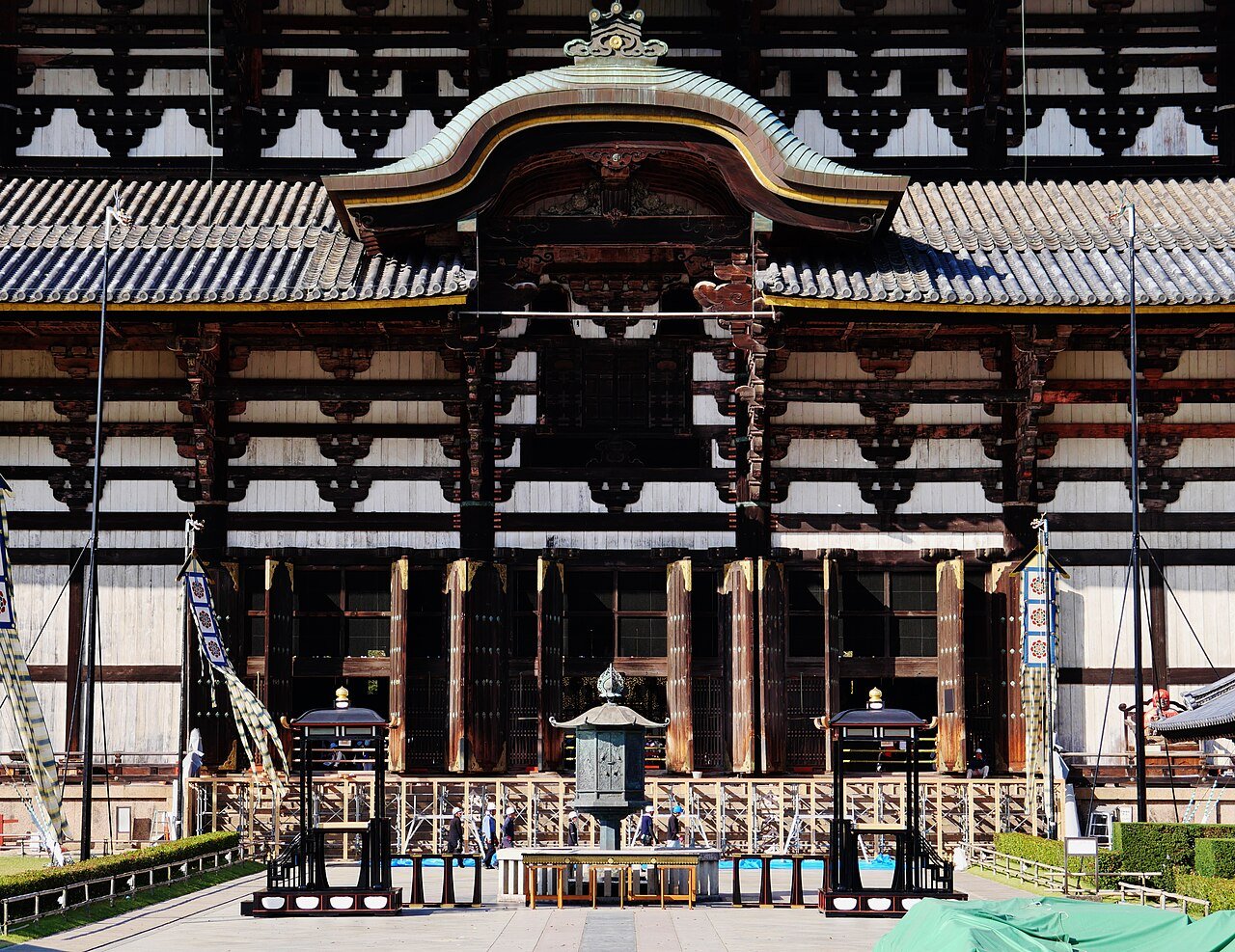
Todai-ji temple in Nara, the main gate framed by tall cedar trees on a clear afternoon Area 1
JR Nara Station Area
奈良駅 (JR) · Best practical base · Widest price range

Right for: Anyone travelling to Nara on a JR Pass, or using Nara as a base for multi-day Kansai travel. Hotels here are more plentiful and generally cheaper than near Kintetsu. City buses to Nara Park depart from directly outside the station. The short walk to Naramachi is straightforward. The honest downside: you are not walking to the deer park from your front door — that requires a bus journey or a 25-minute walk.
Transport: JR Nara Station · to Osaka Namba ~45 min (JR Yamatoji Line) · to Kyoto ~50 min (JR Nara Line)
🏨 Hotel Nikko Nara — 4-star, direct JR link, free hot spring 9.0
🏨 Super Hotel Lohas JR Nara — 3-star, genuine onsen, free breakfast 8.8
See all Nara accommodation →
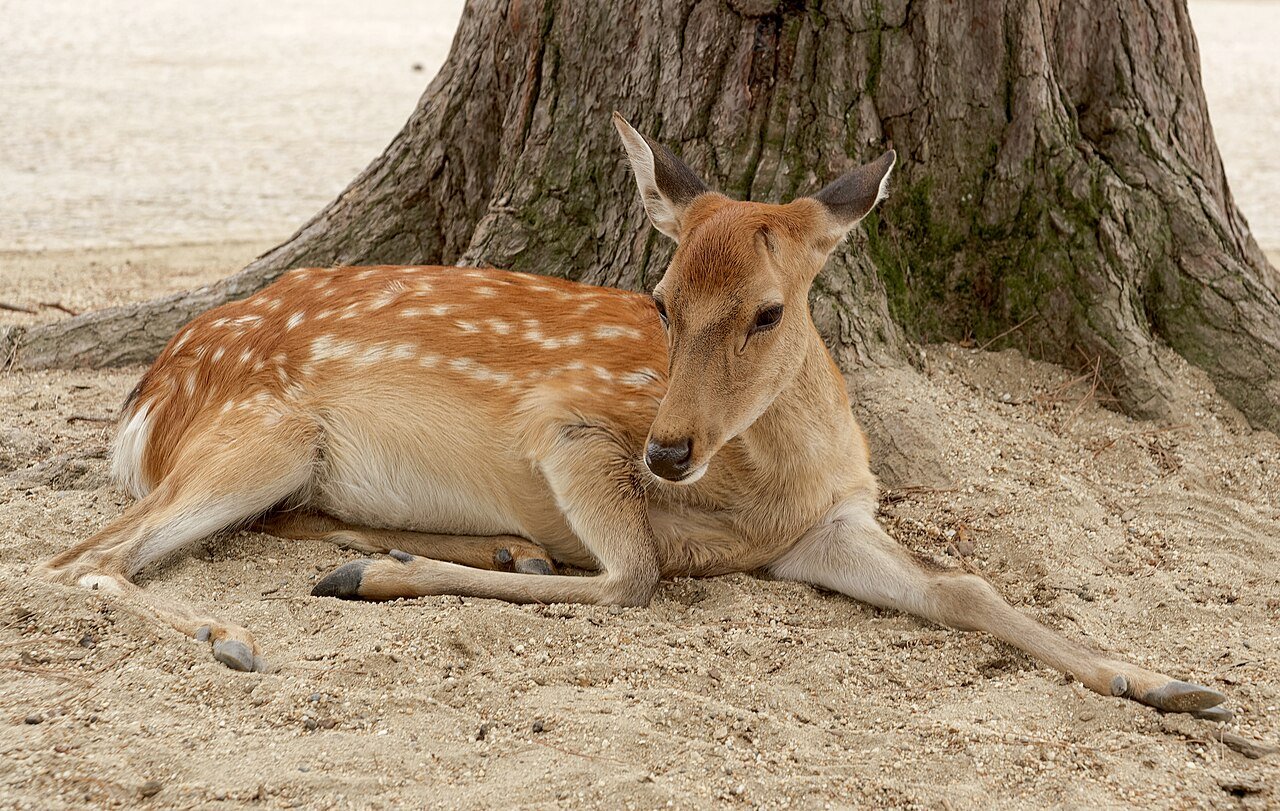
Sacred deer roaming freely in Nara Park on a dewy morning, with old cedar trees in the background Area 2
Kintetsu Nara Station Area
近鉄奈良駅 · Closest to Nara Park · The tourist hub

Right for: Visitors who want to step outside their hotel and reach the deer park in five minutes rather than twenty. Kintetsu Nara Station sits at the eastern end of Sanjo-dori, the city's main commercial street, within easy walking distance of Kofuku-ji and the park entrance. The surrounding streets are livelier and have more restaurant and cafe density than the JR area. The trade-offs: hotels average slightly more expensive, the choice is narrower, and the Kintetsu rail line to Osaka is separate from JR — less convenient if you have a JR Pass.
Transport: Kintetsu Nara Station · to Osaka Namba ~35 min (Kintetsu Nara Line) · to Kyoto requires a transfer
🏨 JW Marriott Hotel Nara — 5-star, Nara's first luxury hotel 9.4
🏨 Dormy Inn Nara — 3-star, onsen, good value near Kintetsu 9.1
See all Nara accommodation →
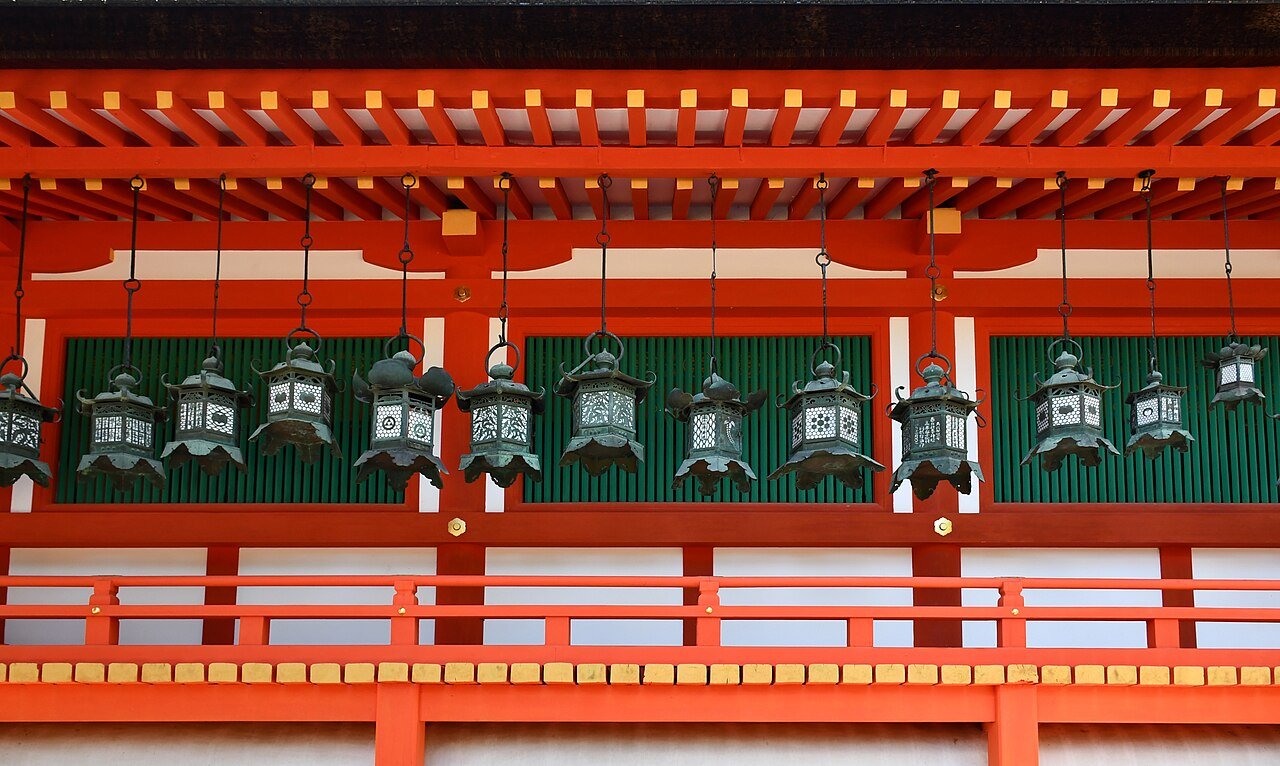
Kasuga Grand Shrine in Nara, late afternoon light filtering through ancient oak trees over rows of stone lanterns lining the approach path Area 3
Nara Park Area
奈良公園 · Inside the nature · Ryokans and historic inns

Right for: Anyone who wants to be inside the park experience rather than commuting to it. The deer and the temple grounds before 8 am — before the day-trip groups arrive — are extraordinary, and staying in the park area is the only way to access that calmly. Accommodation here is mostly traditional ryokans, small inns, or the historic Nara Hotel (open since 1909), which sits directly above the park. Prices tend to be mid to high. The honest trade-off: there are few convenience stores or affordable casual restaurants nearby; you are staying for atmosphere, not logistics.
Transport: No station nearby · city bus from JR or Kintetsu, ~15–20 min · taxi ¥800–1,200
🏨 Nara Hotel (奈良ホテル) — Meiji-era landmark, park views 9.0
🏨 Ryokan Asukasou — 4-star, park entrance, traditional style 8.9
See all Nara accommodation →
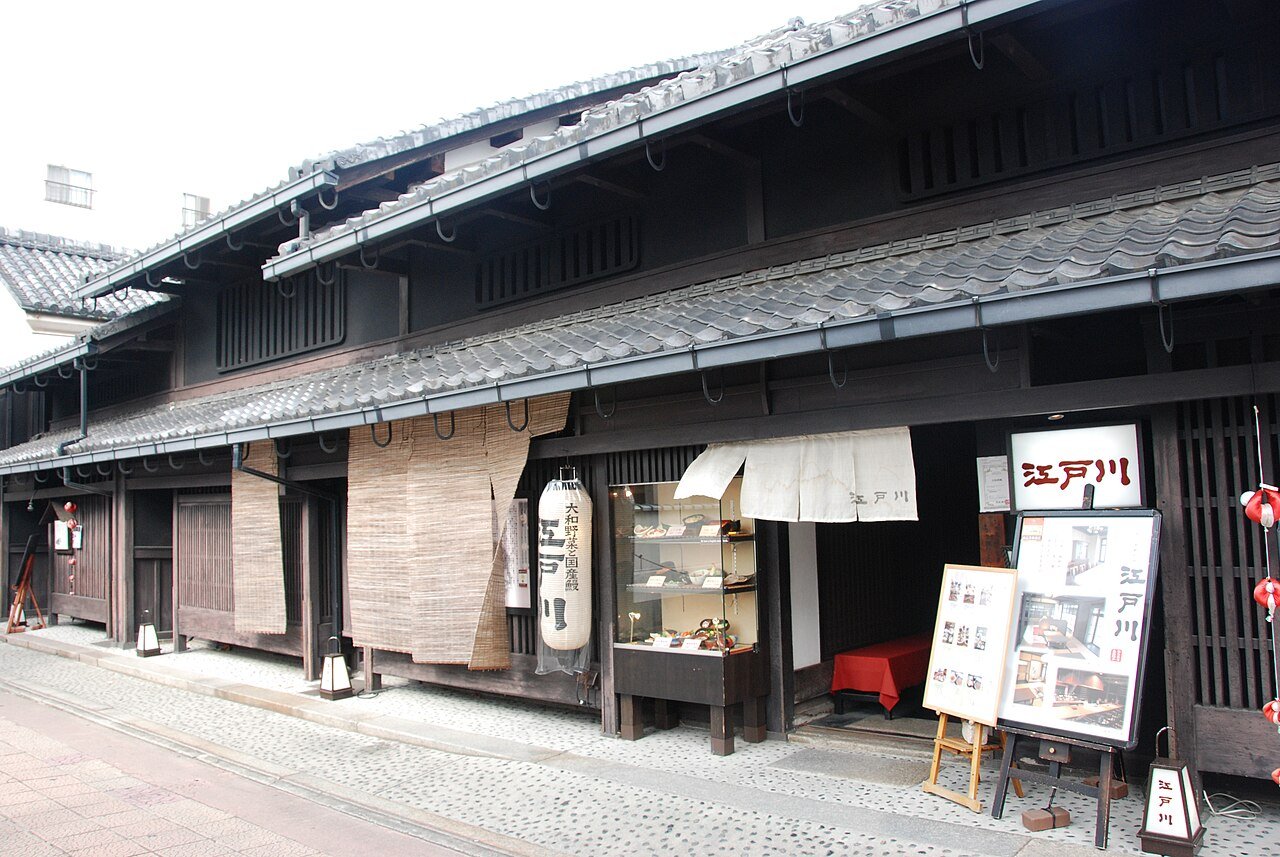
Naramachi historic district in Nara, narrow street lined with traditional Edo-period machiya wooden townhouses, paper lanterns hanging at doorways Area 4
Naramachi
ならまち · Historic merchant quarter · Boutique inns & tea houses

Right for: Visitors who want to feel Nara rather than just see it. Naramachi is the preserved merchant district south of Kofuku-ji, where Edo-period wooden townhouses (machiya) line narrow lanes alongside small museums, traditional tea shops, workshops and the restaurants where Nara residents actually eat. After the day-trippers leave in the afternoon the streets become genuinely quiet and cinematic. Accommodation here is mostly boutique inns with under 20 rooms, some inside restored historic buildings. It is a 10-minute walk from Kintetsu Nara and 15 minutes from JR Nara.
Transport: 10-min walk from Kintetsu Nara · 15-min walk from JR Nara · south of Kofuku-ji
🏨 Nipponia Hotel Nara Naramachi — converted sake brewery, 8 rooms 9.3
🏨 Guesthouse Tsubakiso — 85-year-old townhouse, lovely garden 9.0
See all Nara accommodation →
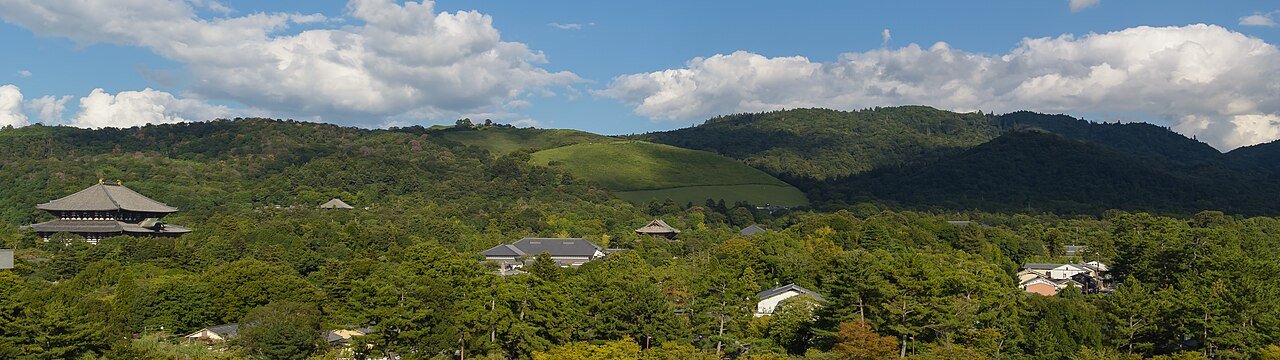
Mount Wakakusayama in Nara, a smooth grassy hillside rising above the city, late afternoon sunlight across the slopes Area 5
Outskirts — Yoshino & Asuka
吉野 · 飛鳥 · Complete countryside quiet · Traditional ryokans

Right for: Travellers who want a full traditional ryokan experience in nature rather than just a hotel in a city. Yoshino (吉野), south of Nara city, is famous for its mountain cherry blossoms in April — a UNESCO cultural heritage site — and has several riverside ryokans in the Kintetsu Yoshino valley. Asuka (飛鳥) to the southeast is Japan's earliest imperial heartland, with burial mounds and prehistoric stone carvings scattered across farmland. Accommodation is limited and quiet. The honest trade-off: you need either a car or local trains to reach Nara city, so this base works best if Yoshino or Asuka is itself your destination.

Transport: Yoshino: Kintetsu Yoshino Line, ~60 min from Kintetsu Nara · Asuka: Kintetsu Osaka Line + Yoshino Line, ~60 min
🏨 Yoshino Grand Hotel — mountain and river views, near Yoshino Shrine 9.2
🏨 Asuka Yuraku — traditional ryokan near archaeological sites 8.7
See all Nara accommodation →
More to know

Budget, splurge & whether to stay overnight at all

Budget vs splurge

At the affordable end, Super Hotel Lohas JR Nara is the most compelling option in Nara — from ¥7,000 per night with a genuine natural hot spring (Asuka no Yu) and free Japanese-style breakfast included. That combination is hard to beat at any price in the city. A step up, Hotel Nikko Nara at around ¥13,000 adds a covered connection directly to the JR station, a larger onsen floor, and a more varied breakfast buffet.

If budget is not a constraint, JW Marriott Hotel Nara — the only international luxury hotel in the city, opened in 2020 — offers an indoor pool with Jacuzzi, Spa by JW, a kaiseki restaurant (Azekura), and a free shuttle to Kintetsu Nara. Starting from around ¥30,000 per night in low season. For the right kind of trip, it is worth every yen.

Is a day trip from Osaka enough?

Nara is only 40–50 minutes from Osaka by train and most of the major sights — Todai-ji's Great Buddha, Kasuga Grand Shrine, a walk through the deer park — can be covered in a single long day. If that is the plan, a day trip is perfectly reasonable. Staying overnight is the right call if you want Naramachi in the evening when it is peaceful rather than crowded, the deer park at 7 am before the tour buses, or time to visit Horyu-ji (the world's oldest wooden structure) and Isuien Garden without rushing. See the full Nara city guide for trip planning.

Frequently asked

FAQ · Before you book Nara

What is the best area to stay in Nara for a first visit?
For most first-time visitors the JR Nara Station area is the strongest base. Hotels here range from budget 3-star options around ¥7,000 per night up to comfortable 4-star mid-range. The JR rail connection to Osaka and Kyoto is direct. You are within 15 minutes' walk of Naramachi and the main restaurant streets. The main trade-off is that Nara Park and Todai-ji require a further bus ride of 15–20 minutes rather than a direct walk.
Which Nara area has the cheapest accommodation?
The JR Nara Station area has the best-value options — Super Hotel Lohas JR Nara starts from around ¥7,000 per night and includes a genuine natural hot spring and free breakfast, which is exceptional value at that price point.
What is the difference between staying near Kintetsu Nara and staying in Naramachi?
Kintetsu Nara Station is about 5 minutes on foot from the edge of Nara Park and surrounded by restaurants and souvenir shops — the most tourist-convenient area. Naramachi, a short walk south of Kofuku-ji, is the old merchant quarter with narrow streets lined with preserved Edo-period wooden townhouses. Accommodation there tends to be boutique inns or guesthouses with fewer rooms. Naramachi is quieter in the evenings once the day-trippers leave, which many people find to be its main attraction.
Is it worth staying overnight in Nara or is a day trip from Osaka enough?
Nara is 40–50 minutes from Osaka by train and works well as a day trip. Staying overnight is worth it if you want to experience the deer park before 8 am when it is quiet, walk Naramachi in the evening after the crowds have gone, or visit Horyu-ji and Isuien Garden without rushing. If your only goal is Todai-ji and a few deer photos, a day trip is fine.
How far in advance should I book accommodation in Nara?
During normal periods, three to four weeks in advance is usually sufficient. During cherry blossom season (late March to early April), autumn leaf season (November) and Golden Week (early May), Nara fills up quickly — book two to three months ahead and choose free cancellation if your plans are not yet fixed.
Trip.com · Book Nara Hotels

Compare Nara hotels across all areas

JR Nara · Kintetsu Nara · Nara Park · Naramachi — search and compare every option in one place.

Search Nara Hotels on Trip.com →
Wherebest is an affiliate partner of Trip.com — we may earn a commission when you book through our links, at no extra cost to you.