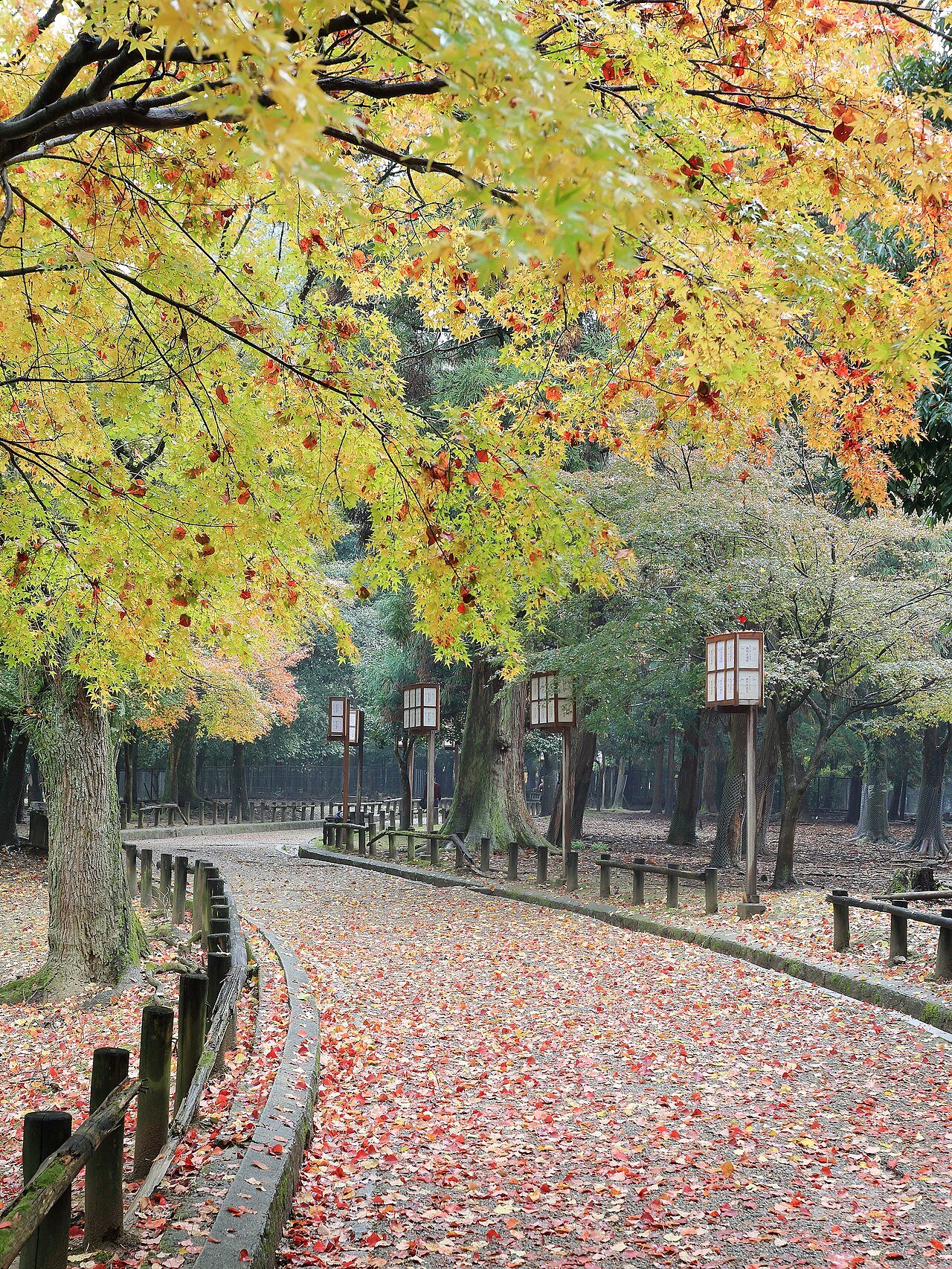
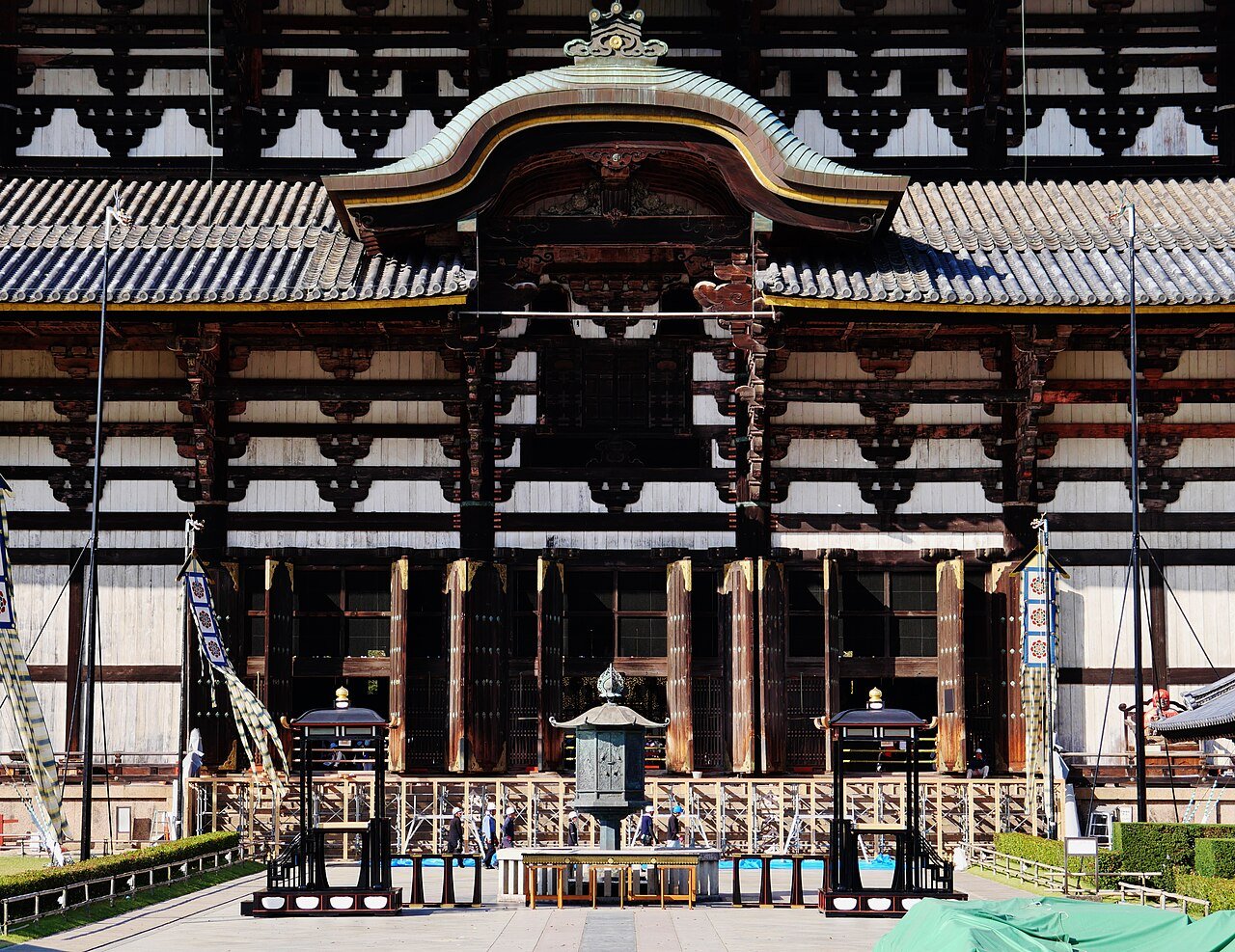
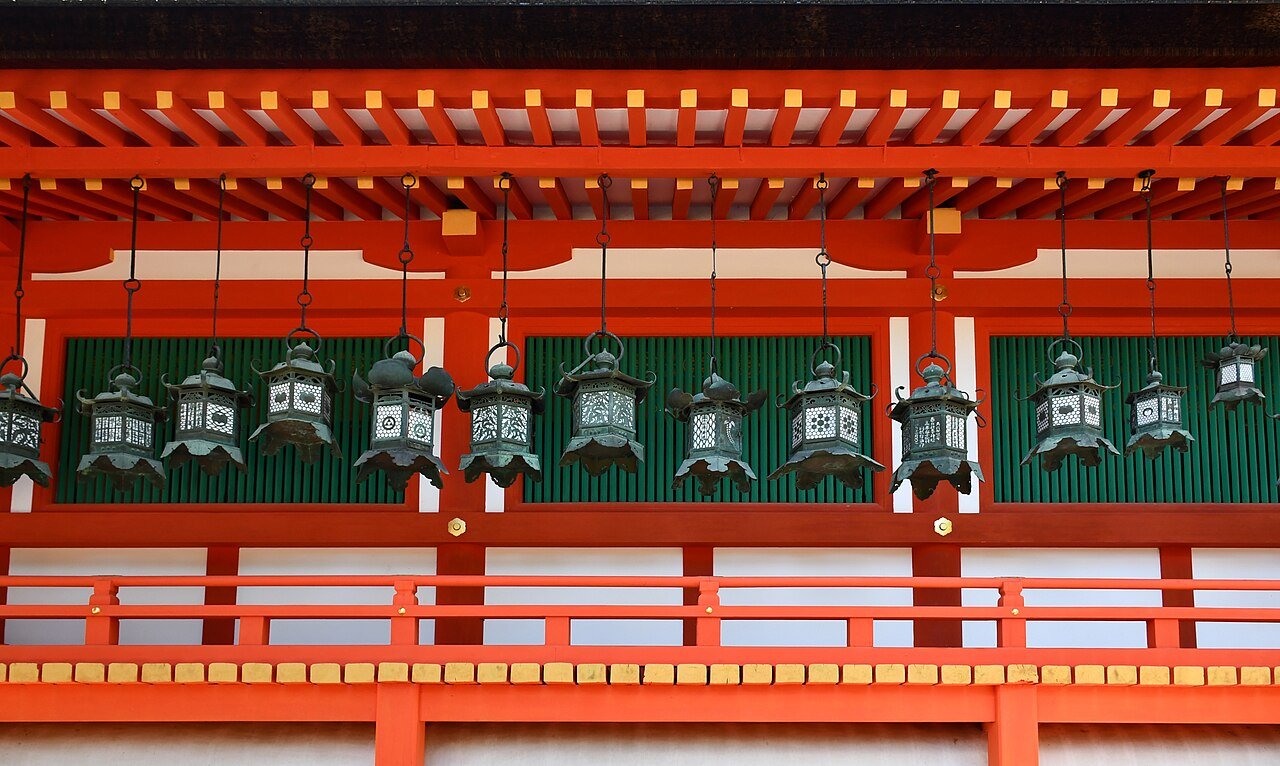
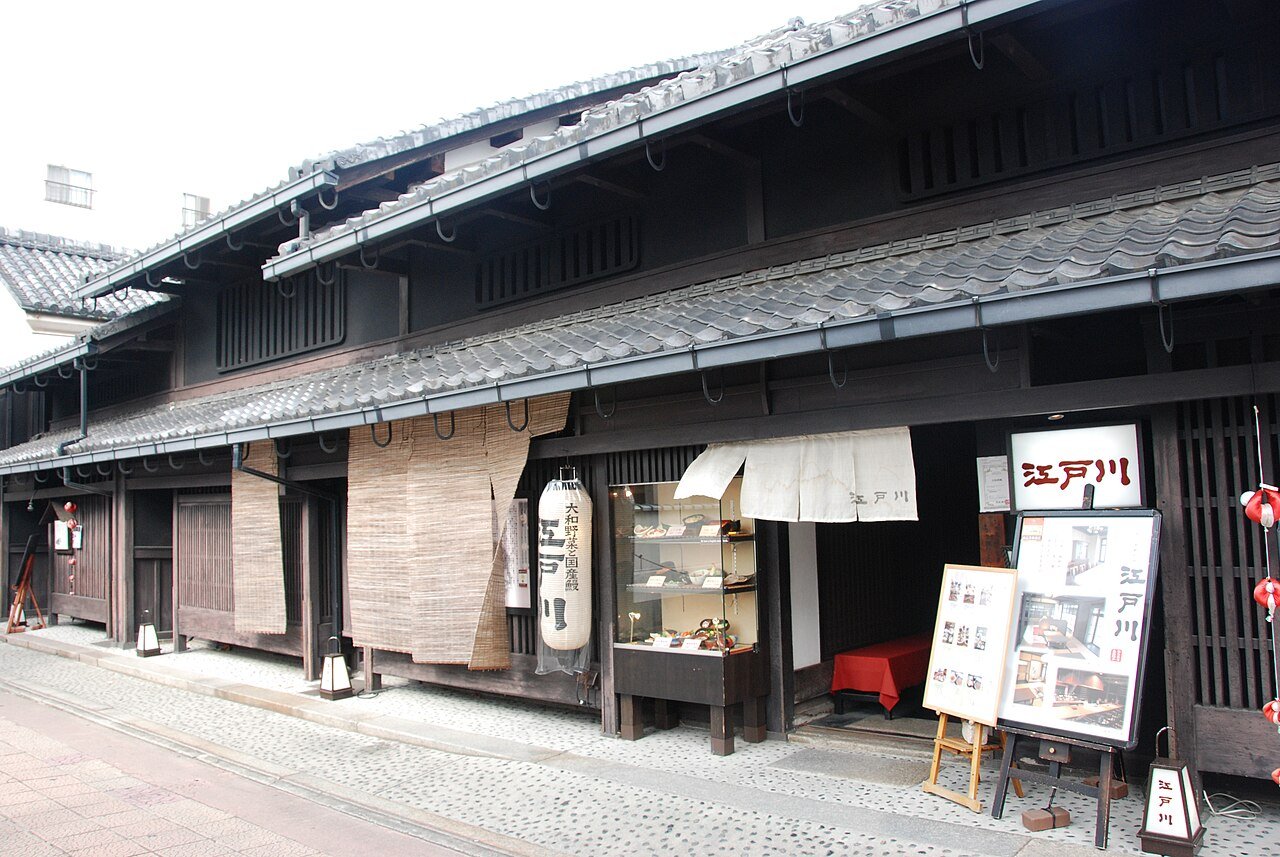
Deer park, Todaiji, Kasuga Taisha — Nara is one of Japan's most approachable day trips, but knowing which train to catch, when to arrive, and how the deer actually behave makes the whole day run better.
Nara sits at the heart of the Kansai region, an easy hop from Kyoto and Osaka — or a half-day journey from Tokyo.
The main Nara sites are an easy stroll from Kintetsu-Nara Station. Outlying temples require a bus or train.
One thing many visitors don't realise: Todaiji, Kasuga Taisha and most of Nara Park are all within walking distance of Kintetsu-Nara Station (10–25 minutes on foot). But Horyuji Temple — arguably one of Japan's most significant sites — sits about 12 km southwest, requiring a short JR train ride or a longer bus journey. Worthwhile, but budget an extra hour each way.
Nara Kotsu runs a distinctively yellow circular bus service connecting JR Nara Station, Kintetsu-Nara Station, Nara Park, Todaiji and Kasuga Taisha. Runs every 10–15 minutes. Route 2 (counter-clockwise, from JR Nara stop 2) takes you out through the sites; Route 1 brings you back.
Covers unlimited rides on Nara Kotsu buses in the Nara Park and Nishinokyo area (including Yakushiji and Toshodaiji temples). Buy from the bus driver or at the Tourist Information offices at JR Nara or Kintetsu-Nara stations. If Horyuji is on your list, upgrade to the 1 Day Pass Wide (¥1,100).
From Kintetsu-Nara Station to Todaiji it's a 20–25-minute walk along Noborioji-dori, a broad, sand-coloured street flanked by deer wandering freely. On a good weather day this walk is a highlight in itself. Yoshikien Garden — a beautifully maintained traditional Japanese garden directly opposite Todaiji — is free admission for international visitors (show passport at the gate).
Horyuji sits about 12 km southwest. The quickest way is the JR Yamato-ji Line from JR Nara Station to Horyuji Station (10–12 minutes, ¥210, covered by JR Pass), then a 15-minute walk to the temple gate. Alternatively, Nara Kotsu bus routes 52/97 from Kintetsu-Nara run to Horyuji in about 40 minutes.
Nara's sika deer are wild animals and a national treasure. Here's how to interact with them respectfully and safely.
Nara's sika deer have lived alongside the city for over 1,300 years. According to legend, the god Takemikazuchi-no-mikoto arrived in Nara riding a white deer, making the animals sacred. Today they are officially designated a Natural Monument of Japan — free to roam, legally protected, and genuinely wild, despite the centuries of coexistence. Some have learned to bow their heads to request crackers. Many will simply help themselves if you're not paying attention.
Nara's temples and shrines are active places of worship that have endured more than twelve centuries. Entering them thoughtfully costs nothing and enriches the experience enormously — both for you and for everyone else who is there.
There is no bad time to visit Nara — but each season offers a distinct experience.
Cherry blossoms in Nara Park typically peak in early April (2026 forecast: around 2 April). The image of deer among sakura trees is one of Japan's most iconic. Temperatures 15–20°C, but Golden Week in late April–early May brings additional domestic crowds on top of international visitors.
Hot and humid, often 28–34°C. June is the rainy season and sees noticeably fewer visitors — the park is quiet and green. August brings traditional festivals, including the Nara Tokae lantern festival lighting paths from Kasuga Taisha to Kofukuji. Pack breathable clothing and sun protection.
Foliage turns gold and amber across the park and temple grounds. Temperatures settle to a pleasant 15–22°C. Male deer carry their full antlers through rutting season — imposing and photogenic, though slightly more assertive. Kasuga Taisha holds its famous lantern ceremony (Mantoro) in early February and mid-August.
Visitor numbers drop sharply. Temperatures fall to 3–10°C, with occasional snowfall in January transforming the park into a setting of rare stillness. Deer in snow is something most people never see. The Kasuga Wakamiya On-Matsuri festival — one of Japan's oldest court ceremonies — takes place in mid-December. Accommodation prices ease considerably.
A rough guide for planning — Nara is noticeably more affordable than Kyoto for accommodation.
| Item | Budget | Mid-range | Comfortable |
|---|---|---|---|
| Accommodation (per night/person) | ¥3,000–5,000 (hostel/guesthouse) | ¥7,000–12,000 (business hotel) | ¥15,000+ (ryokan with meals) |
| Food (3 meals) | ¥1,500–2,500 (local spots/convenience stores) | ¥3,000–5,000 (sit-down restaurants) | ¥6,000+ (kaiseki/specialty dining) |
| Todaiji admission | ¥800 per person — same for all budgets | ||
| Kasuga Taisha (inner sanctuary) | ¥500 per person · grounds free | ||
| Horyuji (if visiting) | ¥1,500 per person | ||
| Shika senbei (deer crackers) | ¥200 per bundle — as many as you like | ||
| Local transport | ¥0 (walk everything) | ¥600 (1 Day Pass) | ¥1,500+ (Wide Pass/taxi) |
| Day total (excl. accommodation) | ~¥4,500–7,000 | ~¥8,000–15,000 | ¥20,000+ |
Comfortable walking shoes — a full day in Nara can cover 10+ km. A light jacket or windbreaker (even in spring the evenings drop). A compact umbrella or rain layer if visiting June–September. High-SPF sunscreen and a hat in summer. A small amount of cash — some shika senbei stalls and small restaurants are cash-only.
Google Maps works excellently in Japan and is essential for finding bus stops and navigating the park's unmarked trails between temples. An eSIM purchased before departure is more convenient than a pocket Wi-Fi device — no rental to return, no battery to manage separately.
Nara is well set up for international visitors. Signage at stations, park entrances and temple gates is bilingual. Staff at major sites typically manage basic English. Pointing at maps or showing your phone screen works reliably at ticket windows and bus stops.
Shika senbei stalls and some smaller restaurants near the park are cash-only. 7-Eleven and Japan Post ATMs accept international cards reliably. An IC card (Suica or ICOCA) makes bus and train travel faster — buy one at any JR ticket machine; it can be recharged and used across Japan.