10 Nara Attractions Worth Your Time
Ranked by the experiences visitors talk about long after returning home.
 1
1
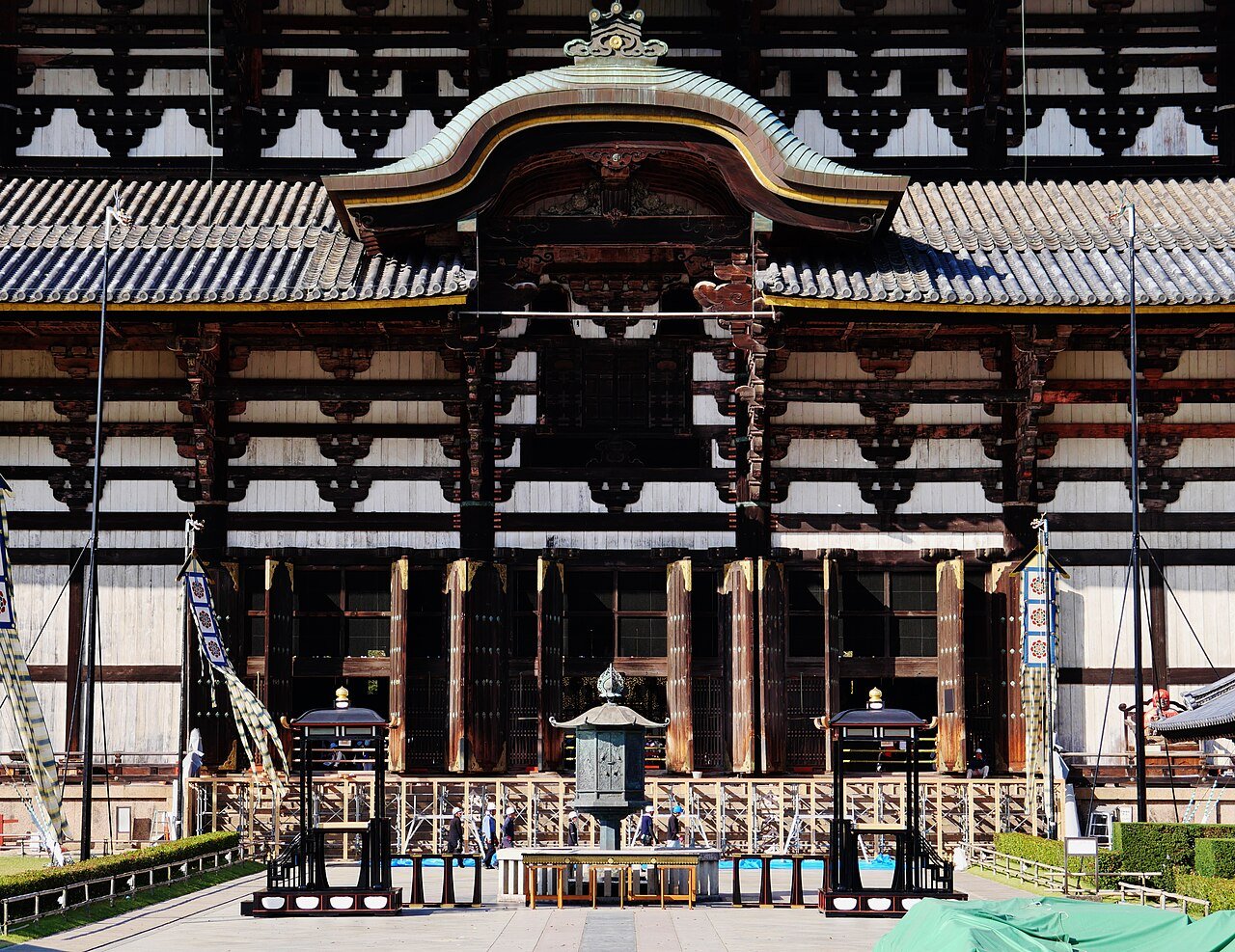
Walk through the Nandaimon Gate flanked by two guardian figures nearly 8 metres tall, and then stop. The Daibutsuden ahead of you — the largest wooden building in the world — is so wide and so tall that it takes a moment to accept it as a single structure. Inside sits the Daibutsu, a seated bronze Buddha 15 metres high, weighing 500 tonnes, cast in 752 AD on the orders of Emperor Shomu to protect the newly founded capital. The hall you see today dates from 1709 and is only two-thirds the size of the original; the original was larger still. A carved wooden pillar at the rear has a hole the size of one of the Buddha's nostrils — legend holds that squeezing through brings enlightenment. Children sail through; adults require commitment.
 2
2
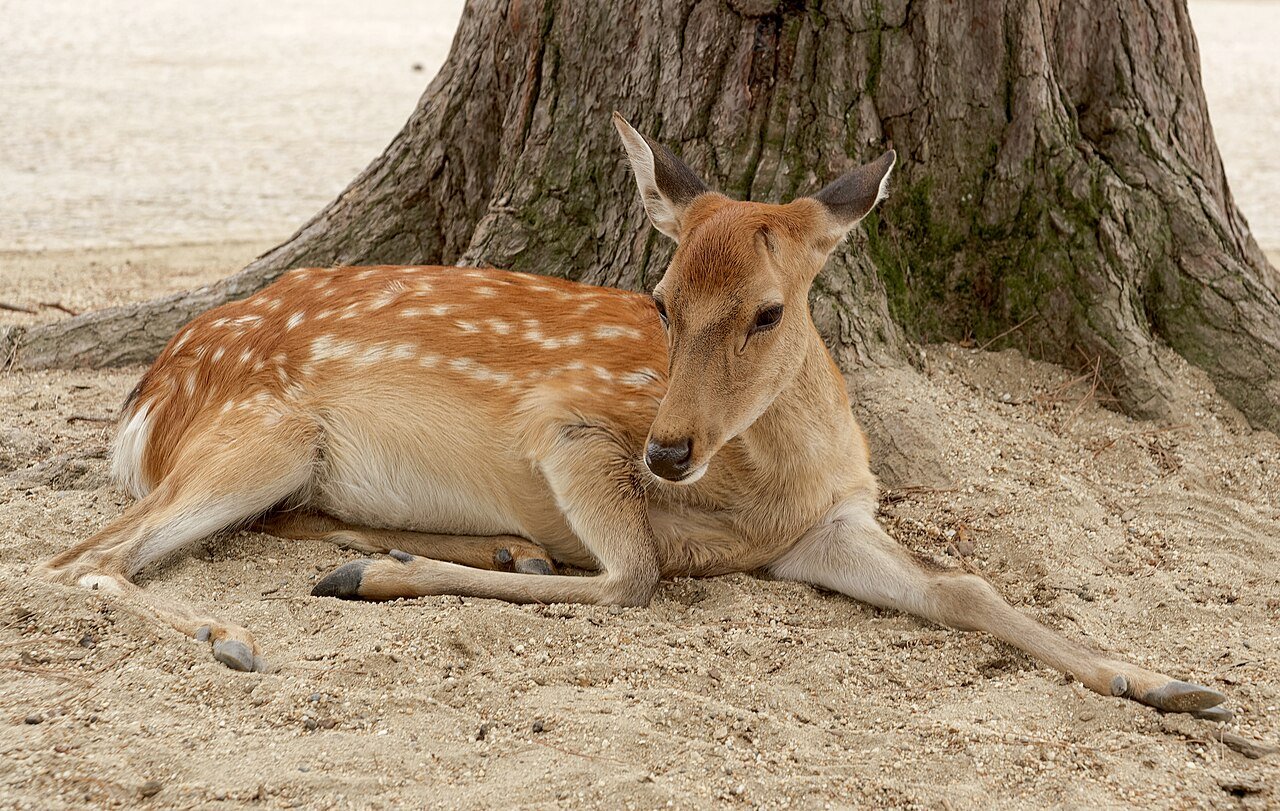
Nara Park's deer are not kept — they move freely across 660 hectares of park, into the temple grounds, along the streets, and occasionally through someone's shopping bag. There are around 1,200 of them. According to Shinto tradition, the god Takemikazuchi arrived in Nara on a white deer, making the deer sacred messengers; they were protected by law for centuries and remain a National Natural Monument today. Shika senbei (deer crackers) are sold by vendors throughout the park for ¥200 per packet. Many deer have learned to bow their heads before being given one — a behaviour passed down over generations of contact with visitors. The park links Todaiji, Kasuga Taisha, Kofukuji and the Nara National Museum in a single walkable area.
 3
3
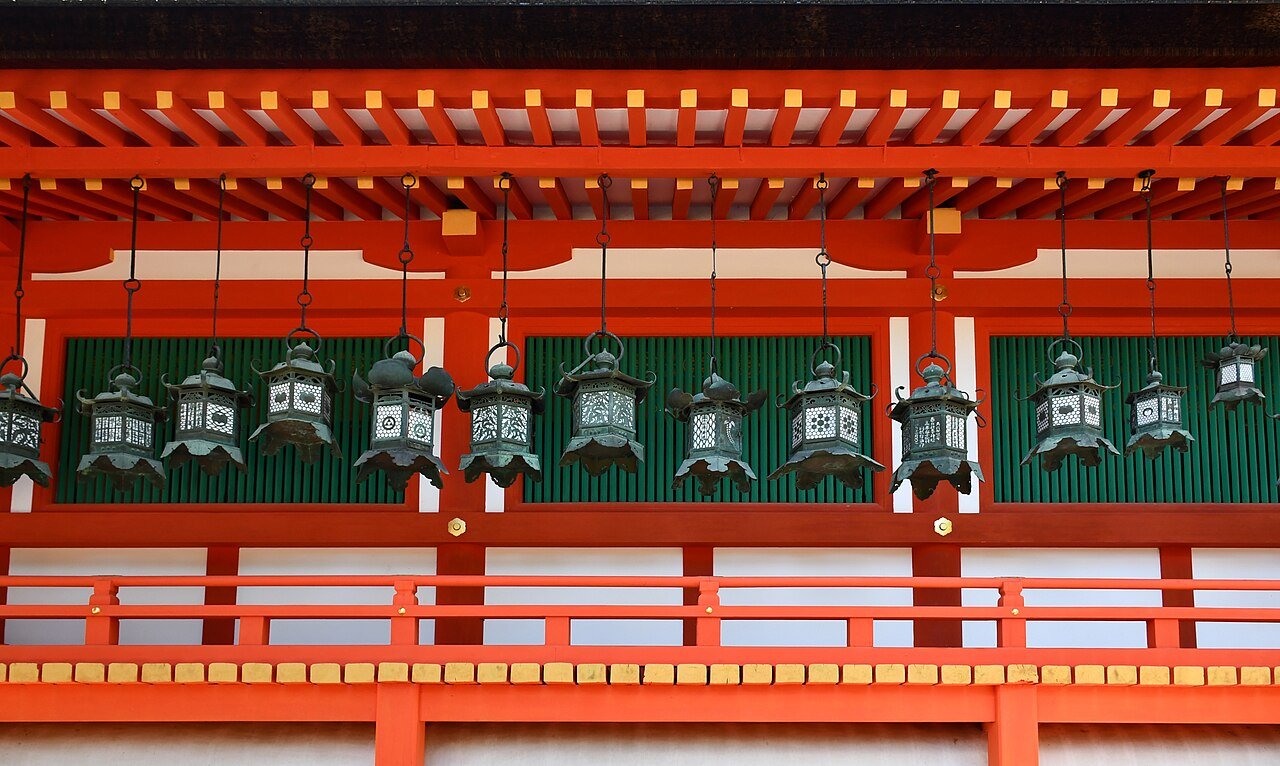
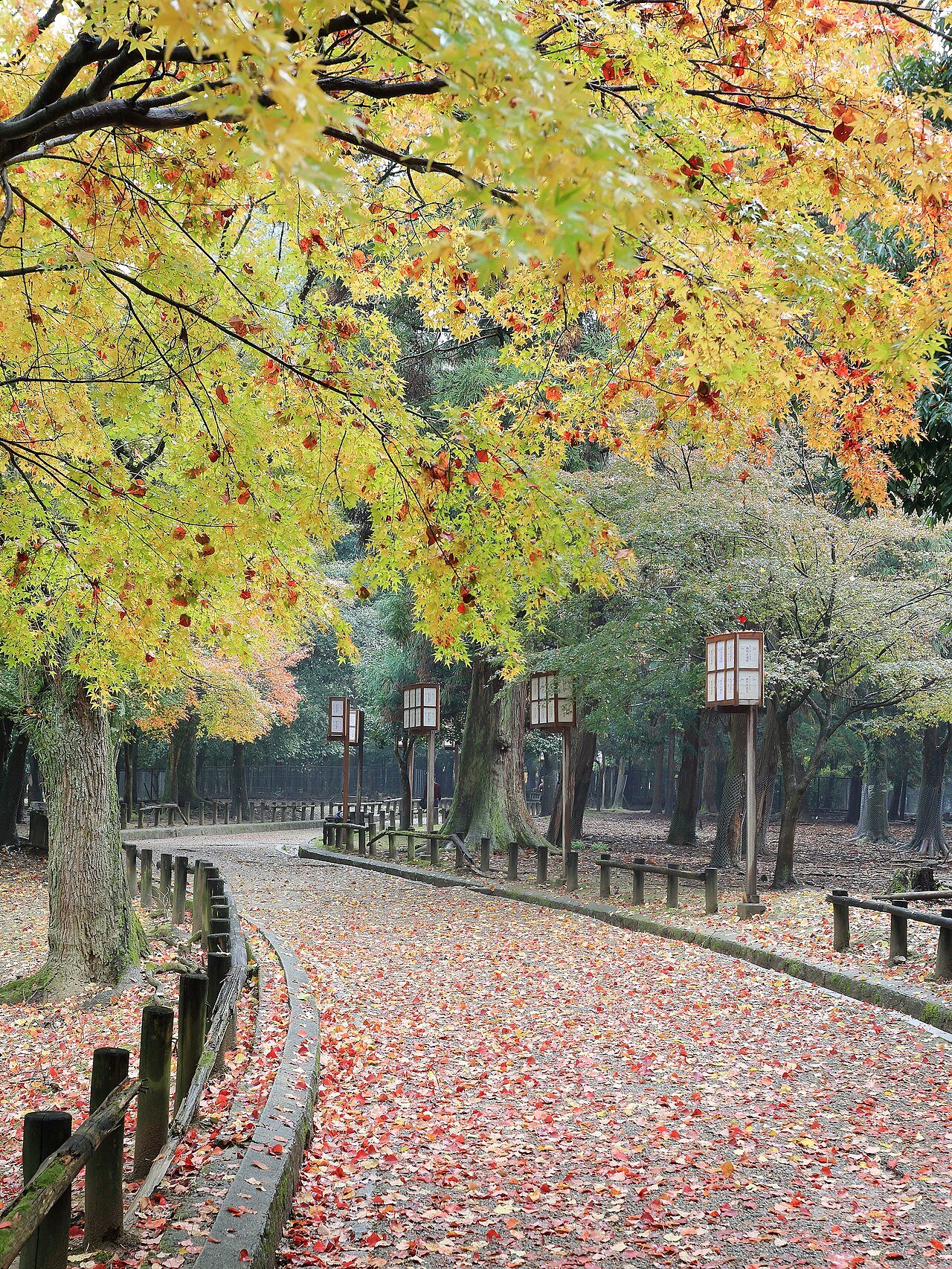
The path to Kasuga Taisha runs through forest, lined on both sides by stone lanterns placed by worshippers over many centuries — more than 2,000 in total. As the trees close overhead and the corridor of lanterns stretches ahead, the mood shifts from park to something older and quieter. The shrine was founded in 768 AD, dedicated to the protective deities of the Fujiwara clan and of Nara itself. Inside, over 1,000 bronze hanging lanterns crowd beneath the vermilion corridors; twice a year, in February and August, every lantern is lit simultaneously for the Mantoro festival — thousands of flames in absolute darkness, a sight visitors return specifically to see. The outer grounds are free to walk; the innermost sanctuary costs ¥500.
 4
4
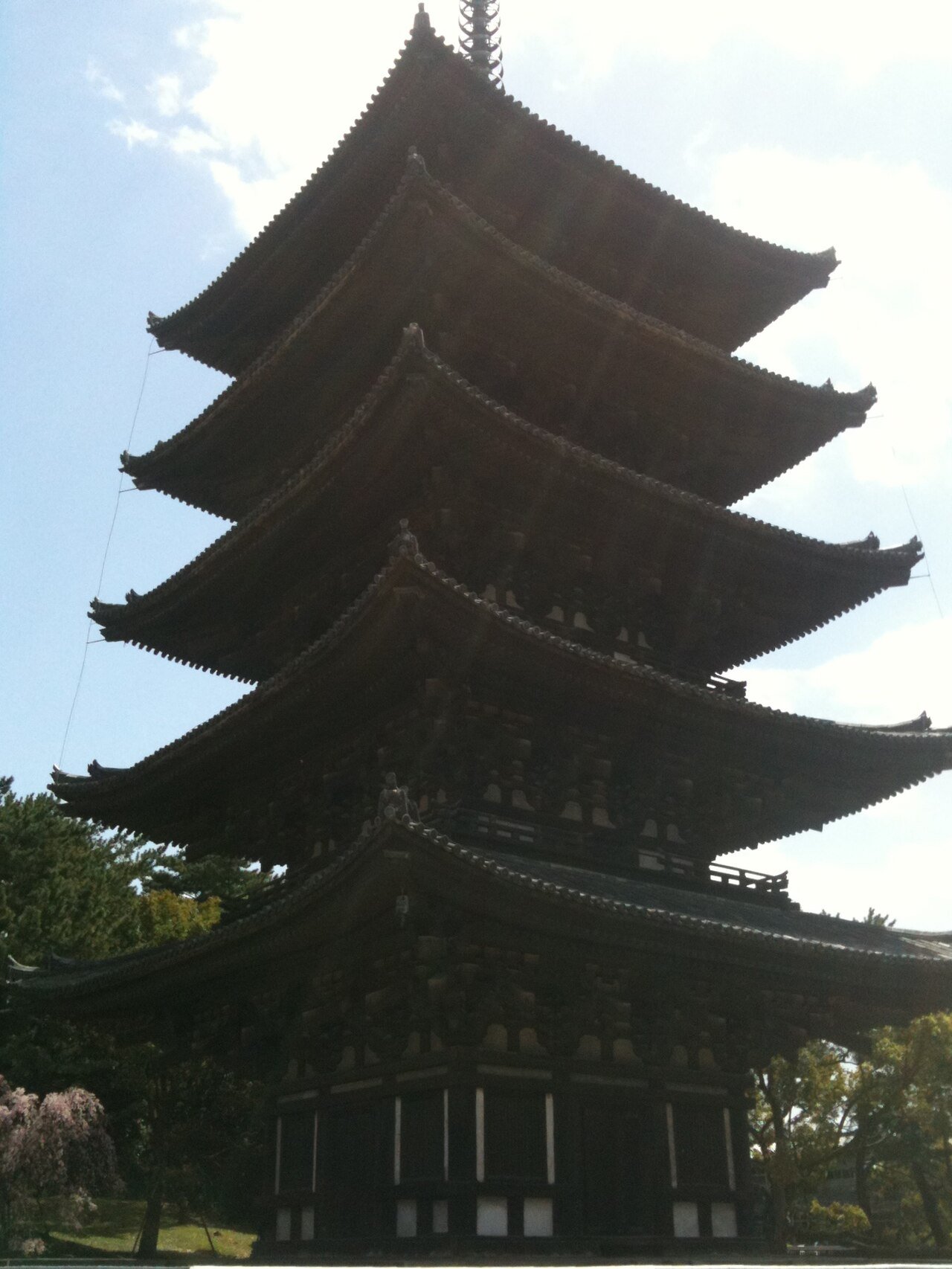
Kofukuji's five-storey pagoda — 50 metres tall, standing since 730 AD and rebuilt after fires five times over the centuries — is the view most people photograph the moment they arrive in Nara, perfectly reflected in Sarusawa Pond at its base. The temple was founded by the Fujiwara clan in 710, the same year Nara became Japan's capital, and served as their family temple for generations. The Kokuhokan treasure hall holds one of Japan's finest collections of Buddhist sculpture: the eight-armed, three-faced Ashura figure (734 AD) draws particular attention for the expression of sorrow on each of its three faces. The octagonal Hokuen-do and the Eastern Golden Hall open seasonally.
 5
5
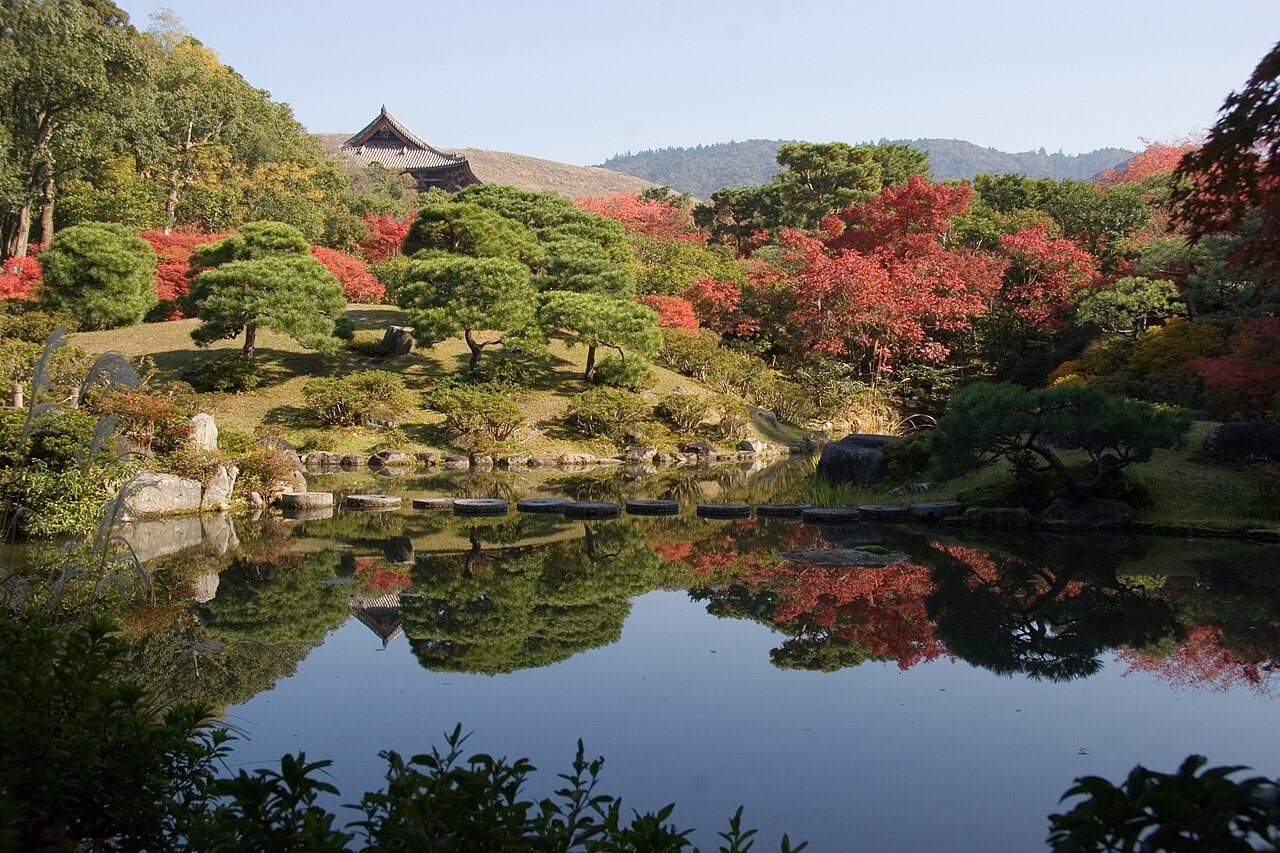
Isuien is one of the most accomplished examples of shakkei — borrowed scenery — in Japan. The garden is designed so that wherever you stand, your eye travels naturally from the pond and stone paths in front of you, across the garden wall, and out to Todaiji's great roof and Mount Wakakusa behind, which become part of the composition without being enclosed by it. The garden exists in two sections: the older western part (17th century) and the newer eastern part (late 19th century), connected by a path that moves between mossy rock arrangements, raked gravel and water. It is quiet here in a way that the main park rarely is — few visitors linger long enough, which is your opportunity.
 6
6
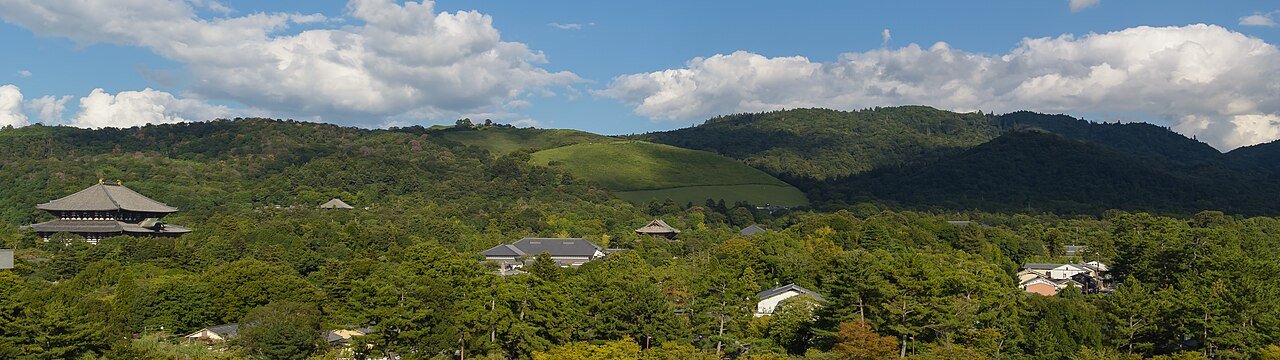
Wakakusayama is a grass-covered hill that rises in three clearly distinct tiers — the effect from below looks almost deliberate, as though someone stacked the landscape. The 342-metre summit gives an unobstructed 180-degree panorama: Nara's temple rooftops, the forests of Kasugayama, and the city spreading west into the Yamato plain. Deer graze on the slopes throughout the day. Every January the entire hill is set alight for the Wakakusa Yamayaki burning ceremony — the hillside blazes for around half an hour in a winter night, one of Japan's most dramatic seasonal spectacles. The hill is open from March to late November; admission ¥150.
 7
7
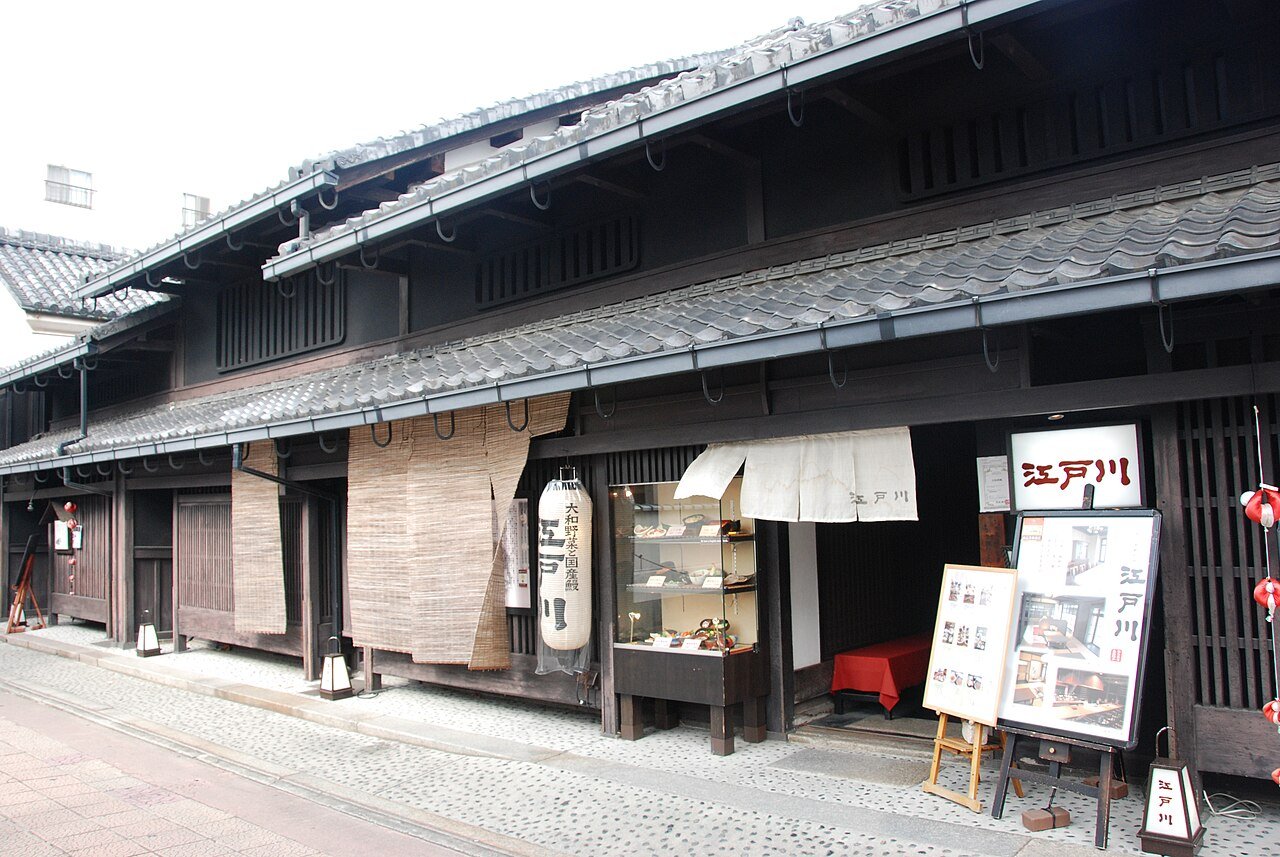
After a morning of large and reverent things, Naramachi offers something different: a neighbourhood that still feels inhabited. The district south of Sanjo-dori retains a dense fabric of machiya — traditional merchant townhouses, narrow-fronted and deep, built in the Edo and Meiji periods. Some remain as private residences; many have become cafes, craft shops, textile studios, small restaurants and independent galleries. The council-run Koshino Ie (free entry, 09:00–17:00) preserves an original machiya interior so you can understand the layout — the deep narrow plan, the earthen-floored workspace, the domestic rooms at the back — before exploring the district's working shops. Budget two to three hours for a relaxed wander.
 8
8
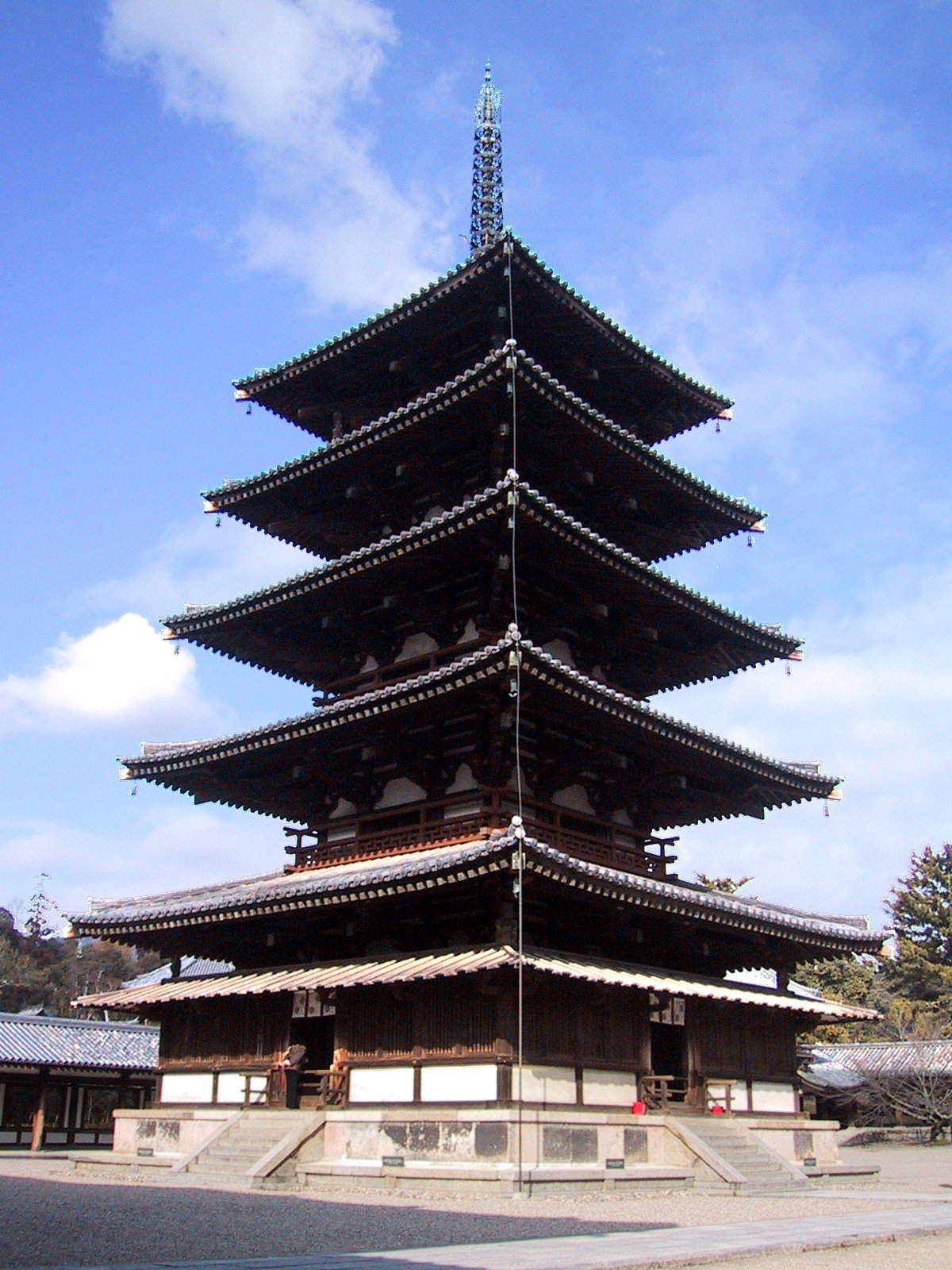
Horyuji was founded in 607 AD by Prince Shotoku and contains structures that have stood in some form for 1,400 years — making it home to the oldest surviving wooden buildings in the world. The five-storey West Pagoda is 32 metres tall and was built using a central pillar system that absorbs seismic energy through flex rather than rigidity — a structural approach that has outlasted many modern methods. Walking through the West Precinct (Saiin Garan), you are surrounded by timber that was felled when the Byzantine Empire was still standing. The scale is quieter than Todaiji, the crowds thinner, and the sense of age more palpable.
Something most Nara visitors miss: Yoshikien, immediately across the lane from Isuien Garden, offers free entry to non-Japanese visitors on presentation of a non-Japanese transport card or passport. The garden is divided into three connected sections — a moss garden, where a deep green carpet covers every stone and root; a pond garden, clear water reflecting the canopy; and a tea ceremony garden with a traditional tea house. It is smaller and less photographed than Isuien and often noticeably quieter, which makes it better for simply sitting down and staying a while. A morning spent between Isuien and Yoshikien, with Todaiji visible over the wall, is one of Nara's unhurried pleasures.
 10
10
Behind Kasuga Taisha Shrine, a forest begins that has not been logged or hunted since 841 AD — when the area was declared sacred and placed under permanent protection. That is nearly 1,200 years of uninterrupted growth. The result is a rare intact old-growth forest in the heart of a Japanese city: over 175 tree species, rare birds, insects found nowhere else nearby, and hiking trails that pass a waterfall and small caves carved with ancient Buddha figures. The forest can be entered from behind Kasuga Taisha and trails connect northward to the summit of Wakakusayama, a walk of 3–5 kilometres depending on route. The forest itself is free to enter.