🌏 Destinations · All 🇯🇵 Japan · Full guide Kyoto Kyoto Day Trips Kyoto Attractions 🌿 Ohara Guide 🧭 Travel Prep Guide About Contact 🇹🇭 ไทย🇬🇧 English🇨🇳 中文🇪🇸 Español🇫🇷 Français
🌿 Ohara Village · Kyoto

Ohara — Sanzen-in, Moss Gardens, and a Quiet Temple Village North of Kyoto

Ride a bus barely an hour out of the city and the chaos of Kyoto melts away — leaving terraced rice fields, clear streams, old temples tucked into tall cedar forest, gardens carpeted in green moss, and a November maple show that locals quietly insist is every bit as good as the famous spots in town.

Start Here

A Different Kyoto —Quiet, Slow, and Green

Picture this: you've spent all day elbowing through the crowds at Fushimi Inari and Gion, and now you just want a Kyoto that can breathe — that's Ohara. It's a small village in a valley to the north of the city, about an hour from Kyoto Station by bus, yet it feels like a completely different world. No buildings, no neon — just terraced rice fields, clear little streams, and centuries-old temples hidden among tall cedars.

Ohara's star is Sanzen-in temple, with its soft, thick carpet of green moss where tiny smiling stone Jizo statues hide for you to find as you wander. Around it are several smaller temples — Hosen-in, with its garden framed through the pillars and a 700-year-old pine, and Jakko-in, a nunnery tied to the Tale of the Heike. This page walks you through what's worth seeing, how to get there, when it looks its best, and how to plan the most rewarding day trip from central Kyoto.

🌿 Straight up, before anything else: Ohara is rural and hilly, so expect a fair bit of walking. The temples are spread across two sides of the valley — wear comfortable shoes and set aside half a day to a full day. It's also a little colder than central Kyoto, especially in autumn and in the early morning, so pack a warm layer.
🍃
A Legendary Moss Garden
Sanzen-in's green moss carpet, with smiling Jizo statues tucked into it.
🍁
November Maple Leaves
The whole valley turns red, peaking mid- to late November.
🛕
Several Old Temples
Hosen-in, Jakko-in, Shorin-in — all walkable in a single day.
🚌
An Easy Day Trip
A direct bus from Kyoto Station, ~60 min, easy out and back.
Temples & Highlights

What There Isto See in Ohara

A quick comparison of Ohara's main temples — at a glance you can see what each is known for, which side of the valley it's on, and roughly what admission costs (prices are the latest we could find and may change, so re-check before you go).

Temple / SpotSide of valleyKnown forAdmission (adult)Hours
Sanzen-in三千院EastMoss garden + Jizo statues + autumn leaves~700 yen08:30–17:00*
Hosen-in宝泉院EastGarden framed by pillars + 700-year-old pine (tea included)~800–900 yen09:00–17:00
Shorin-in勝林院EastBirthplace of shomyo chanting~400 yen09:00–16:30
Jakko-in寂光院WestBuddhist nunnery + Heike legend~600 yen09:00–17:00
Village + rice fieldsOhara villageWhole valleyStrolling, terraced rice fields, shibazuke pickle shopsFree
🗺️ How to plan it: the Sanzen-in–Hosen-in–Shorin-in cluster is on the eastern side, all linked by a single path up the hill, while Jakko-in is on the opposite western side — a separate 15–20 minute walk across the rice fields. *Sanzen-in switches to 09:00–16:30 from Dec 8 to February (last entry about 30 minutes before closing).
What You Must See

6 Things That MakeOhara Special

From the headline temples to the village corners most people just walk past — each spot has its own charm, and you can cover them comfortably in half a day to a full day if you plan your route well.
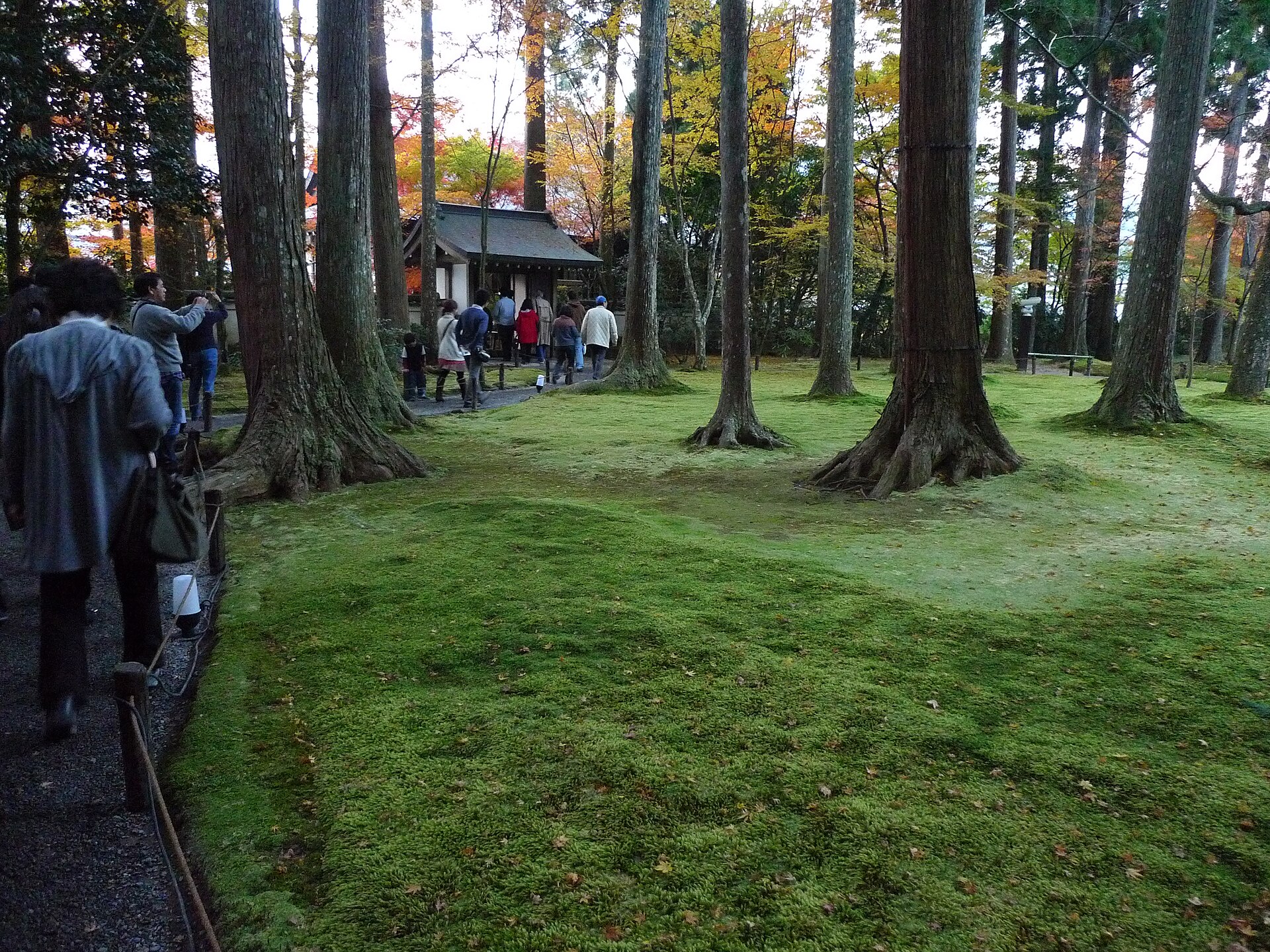
Yusei-en moss garden at Sanzen-in temple in Ohara, a thick green moss carpet under tall cedars 🍃 East side1
Sanzen-in Temple
Sanzen-in

The heart of Ohara and the reason most people come. The highlight is the Yusei-en garden, a soft, thick carpet of green moss beneath tall cedars, with tiny smiling stone Jizo statues (by artist Sugimura Takashi) hiding among it — walk slowly and you'll keep spotting more. Inside the Ojo Gokuraku-in hall sits a serene Amida Buddha. In the November foliage season the whole garden turns red and orange.

🎫Admission: about 700 yen for adults (check the latest before you go)
🕗Hours: 08:30–17:00 (Mar–Dec 7) · 09:00–16:30 (Dec 8–Feb)
🍁Best time: autumn leaves mid- to late Nov · fresh green moss May–Jun
💡Tip: Come early before the tour buses arrive — the moss garden is far quieter and far better to photograph.
See all Kyoto day trips →
🍵 🛕 East side2
Hosen-in Temple
Hosen-in

A small temple near the path up to Sanzen-in, known for its "framed garden" — you sip matcha and look out at the garden through the pillars and wooden beams, as if watching a scroll painting. In the garden stands the giant Goyo-no-Matsu pine, around 700 years old. Another talked-about feature is the "blood ceiling" (chi-tenjo): floorboards from Fushimi Castle where samurai committed seppuku after the 1600 battle.

🎫Admission: about 800–900 yen for adults (includes matcha + a sweet)
🕘Hours: roughly 09:00–17:00 (check the latest before you go)
🌲Known for: pillar-framed garden · 700-year-old pine · blood ceiling
💡Tip: Linger over your tea and take your time with the garden — it's a good rest for the legs between temples.
About Japanese green tea →
⛩️ 🛕 West side3
Jakko-in Temple
Jakko-in

A small Buddhist nunnery on the other side of the valley, far quieter and with far fewer visitors than the Sanzen-in side. It's tied to the Tale of the Heike — this is where Empress Kenreimon-in took the tonsure and lived out her later years in seclusion after the Taira clan fell at the Battle of Dan-no-ura. The small garden around the main hall is beautiful in a simple, understated way.

🎫Admission: about 600 yen for adults (check the latest before you go)
🕘Hours: 09:00–17:00 · winter 09:00–16:30
🚶The walk: separate from the Sanzen-in cluster, about 15–20 min across the rice fields
💡Tip: Allow walking time if you plan to do both sides, and don't rush — that's how you soak up the quiet over here.
Kyoto Guide →
🏯 🛕 East side4
Shorin-in Temple
Shorin-in

Right next to Hosen-in, few people stop here, but it has an interesting story — a Tendai-sect temple regarded as the birthplace of Japan's "shomyo" melodic chanting, which made Ohara a centre of shomyo from ancient times. The hall holds a large, serene Amida Buddha, and it was the setting for the famous "Ohara Debate" of 1186.

🎫Admission: about 400 yen for adults (check the latest before you go)
🕘Hours: roughly 09:00–16:30 (check the latest before you go)
🎶Known for: birthplace of shomyo chanting · large Amida Buddha
💡Tip: Carry on straight from Hosen-in and tick off the eastern-side temples in one continuous walk.
Kyoto Attractions →
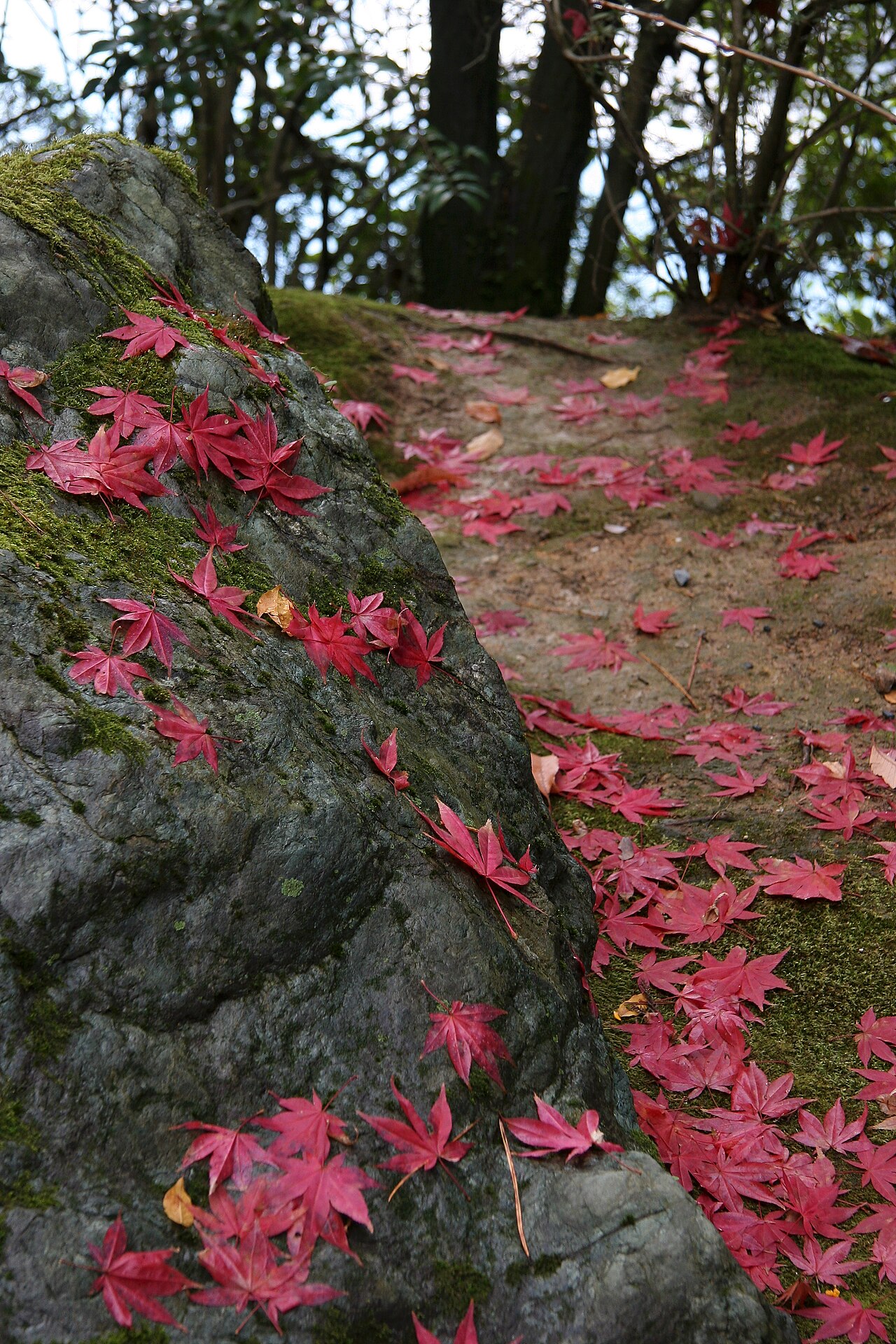
Red maple leaves on mossy stone in Kyoto, the kind of November foliage scene you find in Ohara 🍁 Whole valley5
November Autumn Leaves
Autumn foliage (koyo)

Honestly, Ohara is one of those autumn-leaf spots that Kyoto locals know about but that foreign visitors haven't flooded the way they have the in-town spots. From mid- to late November the maples across the whole valley turn red and orange, gorgeous against the green moss and temple roofs. Spring to early summer, meanwhile, brings fresh green moss after the rains — a totally different mood, but beautiful either way.

🍁Autumn leaves: around mid- to late Nov (peak shifts with the year's weather)
🍃Fresh green moss: May–Jun after the rains, quiet and uncrowded
📸Photo spots: the Sanzen-in garden · the path up to the temples · along the stream
💡Tip: The foliage season is busy and the buses fill up — heading out early is far more comfortable.
See all Kyoto day trips →
🥾 🌿 Whole valley6
Village Walk + Shibazuke Souvenirs
Ohara village walk

One of Ohara's quiet charms is the walk between temples — past terraced rice fields, little streams, tea houses, and old wooden souvenir shops. Don't miss a taste of shibazuke, the reddish-purple pickle made from the red shiso (aka-shiso) grown in this valley; it's said to go back more than 800 years and to be linked to the empress's legend at Jakko-in. Many shops let you taste before you buy.

🥬The specialty: shibazuke, Ohara's red-shiso pickle
🌾The atmosphere: terraced rice fields, streams, old wooden shops
🍴Lunch: small soba and udon shops dotted around the village
💡Tip: Grab some shibazuke to take home — genuine Ohara flavour that's hard to find elsewhere.
Kyoto Food Guide →
Getting There — Bus / Train

From Central Kyototo Ohara

Ohara has no train station of its own, so the main way in is by bus — there are two popular options, so pick the one that suits your starting point (fares and times are the latest available and may change, so re-check before you go).

OPTION 1
Direct Bus from Kyoto Station

Take Kyoto Bus route 17 from Kyoto Station all the way to the Ohara stop — about 60 minutes, roughly 580–630 yen. It's the easiest option with no transfers, ideal if you're staying near Kyoto Station.

OPTION 2
Subway + Bus Transfer

Ride the Karasuma subway line to its terminus, Kokusaikaikan (about 20 minutes), then transfer to Kyoto Bus route 19 to Ohara. The total time is similar — handy if you're staying north of the centre or along the Karasuma line.

WALKING TIP
Get Around Ohara on Foot

From the bus stop it's about a 10–15 minute walk up the slope to the Sanzen-in temple cluster, past the souvenir shops. Jakko-in is on the other side, a separate 15–20 minute walk — wear comfortable shoes and allow plenty of time.

Eat & Drink in Ohara

What to EatWhile Temple-Hopping

Ohara isn't a buzzing restaurant district, but it has good, simple country food that suits the rural mood — local ingredients and little shops along the temple walk.

🍜
Hot Soba & Udon
The little shops in the village serve steaming bowls of soba and udon — just right after walking the temples in the cool air, an easy, filling lunch.
🥬
Taste Shibazuke Before You Buy
Ohara's red-shiso pickle is tangy and salty and goes beautifully with rice. Several pickle shops let you taste first — find the one you like and take some home.
🍵
Matcha at the Temple
Hosen-in serves matcha and a sweet with the price of admission. Sit, sip, and look out at the pillar-framed garden — a good rest stop mid-walk.
🍡
Sweets & Street Snacks
Along the path up to the temples you'll find shops selling dango, green-tea ice cream, and Japanese snacks — grab one and munch as you stroll past the rice fields.
🏪
Plan for Early Closing
This is the countryside, so shops tend to close early and there are fewer of them than in town. If you arrive in the afternoon, check hours or carry a snack.
🍱
Save the Big Meal for the City
If you want a serious, varied meal, save it for when you head back into central Kyoto — there are far more options there.
🍽️ Want to go deeper on food: Ohara is best for simple food along the way. To hunt down the best spots in Kyoto or get the full picture of Japanese cuisine, read on at the Kyoto Food Guide and the Japan Food Guide.
Map

Ohara's Temples & Highlightson the Map

See clearly how the Sanzen-in cluster sits on the eastern side and Jakko-in on the opposite western side — use this map to plan the order of your walk.

Where to Stay + Tips Before You Go

Stay in Kyoto City and Visit Ohara as a Day Trip

🏨 On where to stay: Ohara is a tiny rural village with little accommodation, so most people base themselves in central Kyoto and bus out for the morning, back in the evening — far more convenient with many more options. See our picks at 10 Great Hotels in Kyoto and the Kyoto City Guide · or search availability on Agoda (Kyoto).
🌅
Set Off Early
The early buses are less crowded and get you to Sanzen-in's moss garden ahead of the tours — far quieter and far better for photos.
🪙
Carry Coins & Cash
Bus fares and some temple admissions are easier with cash or coins. IC cards work, but it's worth keeping some cash on hand.
🧥
Pack a Warm Layer
Ohara is up in the hills and a little colder than central Kyoto, especially in autumn and the early morning — bring a jacket.
👟
Wear Comfortable Shoes
The temple approaches are slopes and stone steps, and the temples are spread across two sides of the valley — shoes you can walk in all day help a lot.
🍁
Autumn Is Busy
Mid- to late November is peak — buses are packed and the temples are crowded, so allow time and head out early to make it easier.
📶
Get an eSIM / Download Maps
Signal can be patchy in parts of the valley — download offline maps and check the return bus schedule ahead of time.
Related Guides

Keep Exploring Kyoto — Day Trips, Other Areas, and the City

🚌

All Kyoto Day Trips

An overview of the day trips around Kyoto — Ohara, Uji, Kurama-Kibune, and more, with how to get to each.

Kyoto Day Trips →
🍵

Uji — Matcha + Byodo-in

The green-tea town south of Kyoto, with the World Heritage Byodo-in temple, a matcha street, and the Tale of Genji.

Uji Guide →
⛰️

Kurama & Kibune

A mountain temple, a red-lantern shrine, and riverside kawadoko dining in summer — another day trip north of Kyoto.

Kurama-Kibune Guide →
🏯

Kyoto City Guide

Hotels, sights, food, and how to get around Kyoto — start planning your trip from here.

Kyoto Guide →
⛩️

Kyoto Attractions

Gion, Fushimi Inari, Arashiyama, Kinkaku-ji, and the legendary temples of the old capital.

Kyoto Attractions →
🍴

Kyoto Food Guide

Kaiseki, soba, green-tea sweets, and the standout dishes you have to try when you're in Kyoto.

Kyoto Food →
Frequently Asked Questions

Questions AboutVisiting Ohara

Where is Ohara and how do I get there from central Kyoto?
Ohara is a rural village in the mountains north of Kyoto. The easiest way is to take Kyoto Bus route 17 directly from Kyoto Station to the Ohara stop — about 60 minutes, roughly 580–630 yen (re-check the latest fare). The alternative is to ride the Karasuma subway line to its terminus, Kokusaikaikan, then transfer to Kyoto Bus route 19; the total time is similar.
How much is admission to Sanzen-in and what are its opening hours?
Adult admission to Sanzen-in is about 700 yen. It opens 08:30–17:00 from March to December 7, and 09:00–16:30 from December 8 through February (last entry about 30 minutes before closing). The highlight is the green moss garden, where small smiling stone Jizo statues by the artist Sugimura Takashi hide among the moss. Prices and hours can change, so check the latest before you go.
What is the most beautiful time of year to visit Ohara?
Ohara has two peak seasons — the autumn foliage from mid- to late November is the most popular, with red maples set against the temples and moss. Spring to early summer (May–June) brings fresh, damp green moss after the rains, and it's quieter with fewer people. Pick whichever mood you prefer.
Are Jakko-in and Sanzen-in in the same place?
No. Sanzen-in, Hosen-in, and Shorin-in form one cluster on the eastern side of the valley and are within walking distance of one another. Jakko-in, a Buddhist nunnery, is on the opposite, western side — a separate 15–20 minute walk across the rice fields. Allow extra walking time if you plan to visit both sides.
Is half a day at Ohara enough, or do I need to stay overnight?
Most people visit Ohara as a day trip from central Kyoto, and half a day to a full day is plenty — walk the Sanzen-in temple cluster, drop by Jakko-in, have lunch, stroll the village, and pick up souvenirs. There's no need to stay overnight, so most travellers base themselves in central Kyoto and take the bus out in the morning and back in the evening.
What is Ohara's most famous souvenir?
Ohara is known for shibazuke, a reddish-purple pickle made from the red shiso (aka-shiso) grown in the Ohara valley. It's said to have a history of more than 800 years and to be linked to the legend of Empress Kenreimon-in at Jakko-in. Several pickle shops in the village let you taste before you buy — it's a take-home souvenir that's hard to find elsewhere.
Ready for Ohara?

Make Ohara a Day Trip
and Sleep Easy in Kyoto City

Slot a day at Ohara into your Kyoto trip — browse all the day trips around the city, or book a well-located place in town first, then bus out for the morning and back in the evening.

🔴 Book Kyoto Hotels Kyoto Day Trips