Kneeling on tatami, watching the host whisk matcha with quiet, unhurried care, the scent of green tea drifting in with the silence — we'll get you ready before you go: what the tea ceremony really is, where to join one in Kyoto, Tokyo, or Kanazawa, how to receive the bowl the right way, and how to book, all on one page.
Picture a small tatami room, so quiet you can hear the water bubbling in the iron kettle. The host, in kimono, slowly ladles the water and whisks the matcha with a bamboo brush, beat by beat — never rushing, never a word more than needed. This is sado (茶道), the "way of tea," sometimes called chanoyu (茶の湯). It's a tradition the master Sen no Rikyu (1522–1591) shaped roughly 450 years ago. Its heart isn't the taste of the tea, but the focus, the simplicity, and the way host and guest attend to every small detail.
The Japanese see the tea ceremony through the idea of wabi-sabi — the beauty of simplicity and the marks of time (a slightly chipped bowl, the patina on a tea kettle, beautiful in their own way) — and ichigo ichie (一期一会), "one time, one meeting": every tea ceremony happens only once and never repeats. The aim of this page is to let you join one with confidence — knowing where to go, what to expect, how to receive the bowl correctly, and how to book.
Most beginners start with a "for visitors" class: short, friendly, and available with English explanations. The full formal ceremony suits people who want to go deeper and already have some grounding. This table lays it out side by side before you book.
| Format | Best for | Total time | Language | Price per person (approx.) |
|---|---|---|---|---|
| Group class (casual)Casual group class | Beginners | 45–60 min | Often in English | ~¥2,000–4,000 |
| Small group + hands-onHands-on small group | Want to whisk it yourself | 60–90 min | Often in English | ~¥5,000–8,000 |
| Private / with kimonoPrivate + kimono | Special occasion, couples | 1.5–3 hrs | English (request ahead) | ~¥8,000 and up |
| Full formal ceremony (chaji)Formal chaji | Those with some grounding | 3–4 hrs | Usually Japanese | Varies by school (book ahead) |
You can join a tea ceremony all over Japan, but these three cities have the most visitor-friendly classes and clearly different moods — choose by which one your trip passes through, or by the vibe you're after.
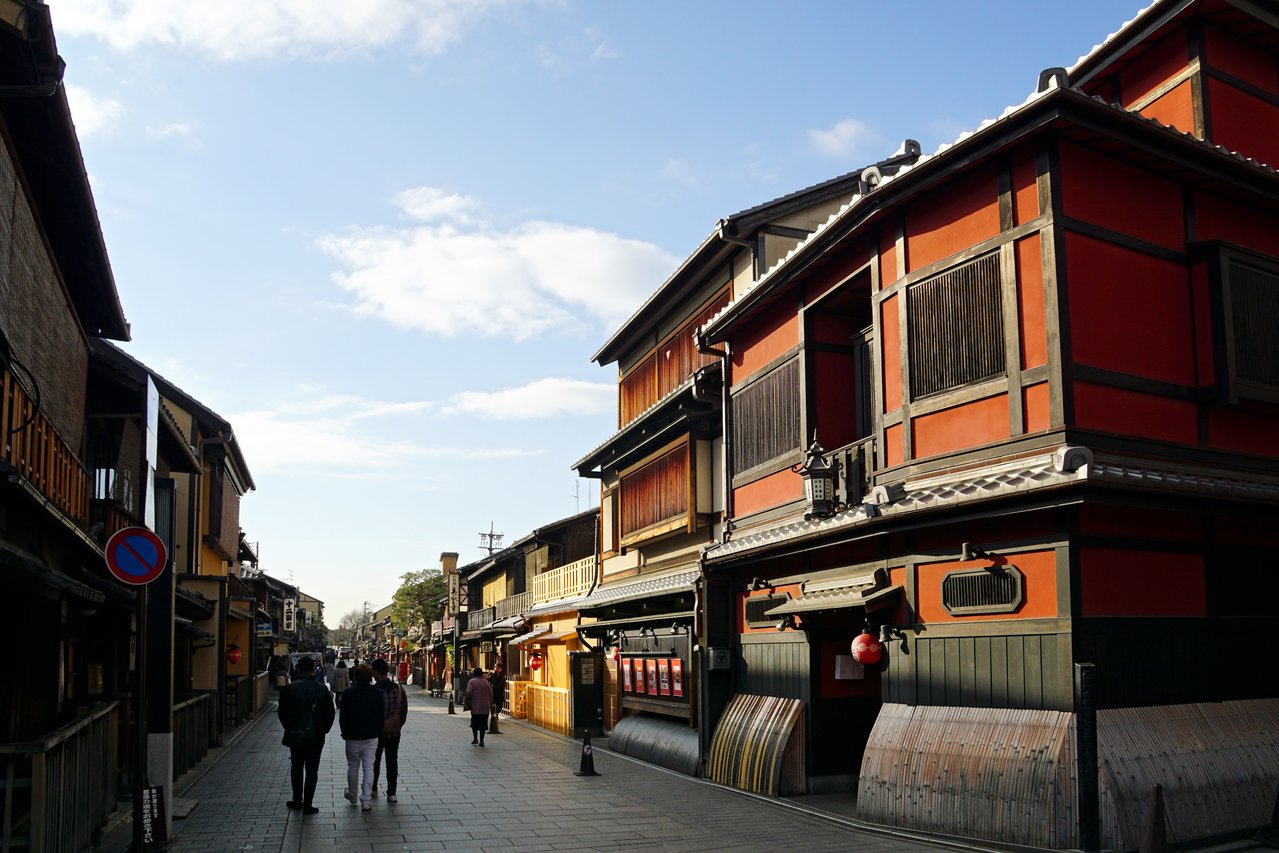
⛩️ Kyoto1
If you're trying it for the first time, Kyoto is the easiest place to do it — the birthplace of Japanese tea culture, with visitor classes scattered all over the Gion and Higashiyama districts. Many are held in old teahouses or machiya townhouses, and some let you rent a kimono and head out for photos afterwards.
Kyoto Travel Guide →
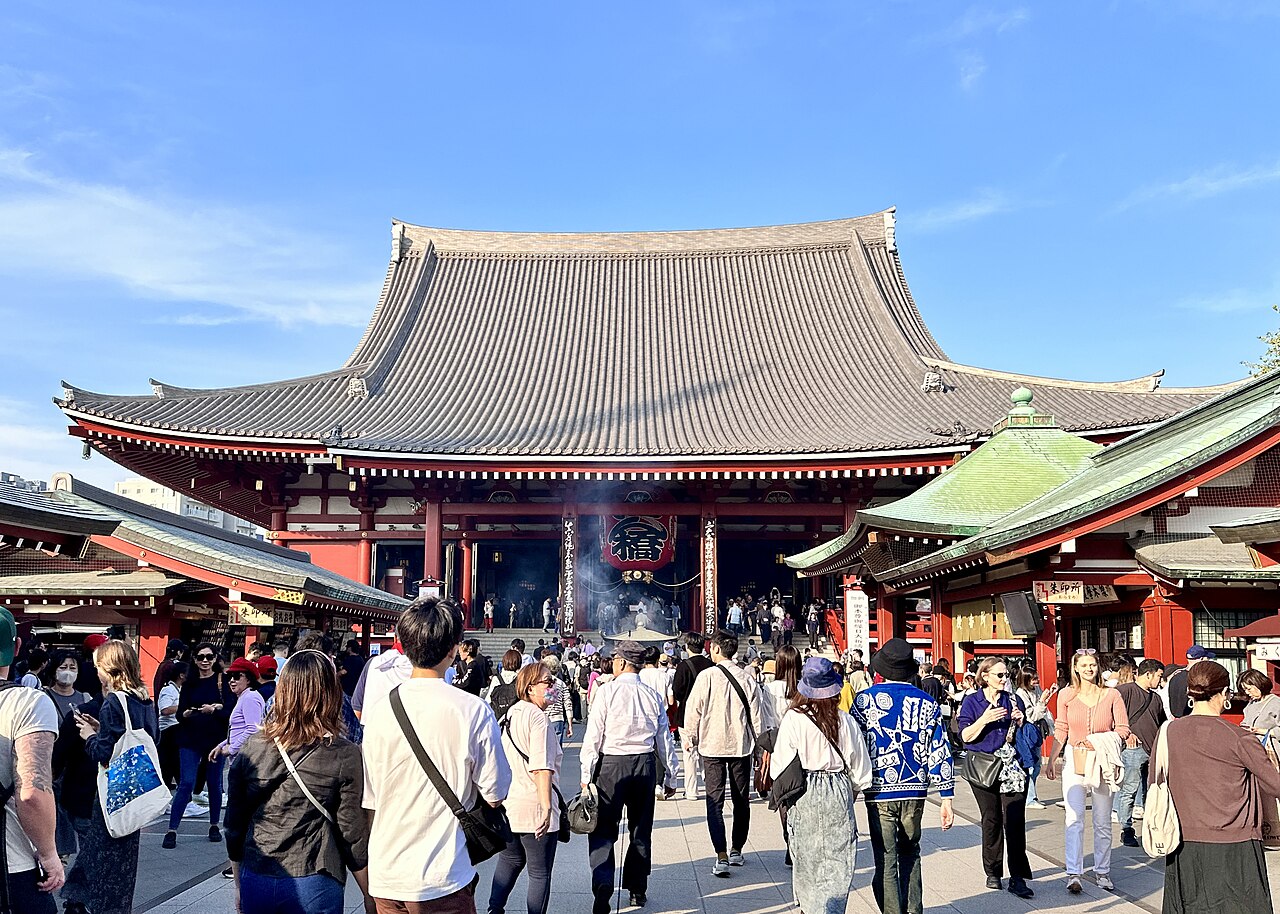
🗼 Tokyo2
If your trip is mostly in Tokyo, you don't have to go far — there are tea-ceremony classes in Asakusa (near Senso-ji Temple), Shinjuku, and inside some Japanese gardens. It's perfect for anyone short on time who wants to try one round while sightseeing in the city. Some are set in teahouses in gorgeous garden settings.
Tokyo Travel Guide →
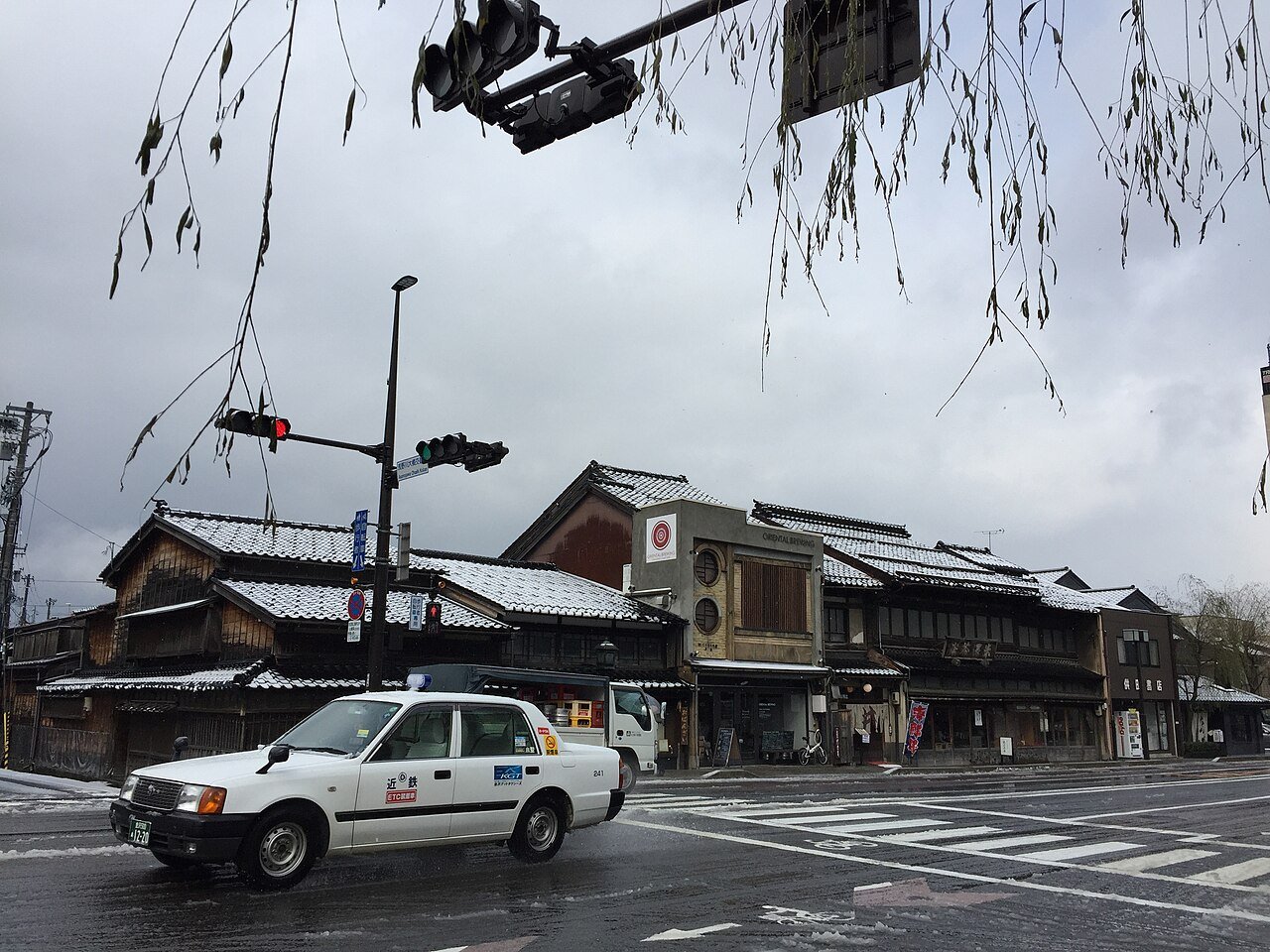
🏯 Kanazawa3
Kanazawa once flourished under the Maeda clan, who were great patrons of tea, so the culture runs deep here. Old teahouse districts like Higashi Chaya still keep their original wooden buildings where you can join a ceremony. There are fewer crowds than Kyoto and a calmer atmosphere — ideal if you want to escape the tourist crush.
Kanazawa Travel Guide →Know the order in advance and you won't tense up — this is what happens in a typical class for visitors (a formal ceremony has more detail, but the heart is the same).
Take off your shoes before stepping onto the tatami. Enter and kneel in the seiza position (sitting on your heels). If it really gets uncomfortable, many classes let you sit cross-legged. The host usually greets you and gives a short explanation before starting.
The wagashi sweet always comes before the tea. Pick it up with the small pick provided and finish it before the tea arrives — the sweetness lingers and balances the bitterness of the matcha that follows.
The host scoops the matcha powder, pours hot water from the iron kettle, and whisks it with a bamboo brush (chasen) in a steady rhythm until it froths. This is the heart of it — watch calmly, no need to talk, soak in the silence.
Take the bowl with both hands, rest it on your left palm, give a small bow of thanks, then turn it clockwise twice (about 90 degrees each time) to avoid drinking from the bowl's most beautiful front.
Drink in about three sips. A soft, slightly audible final sip is fine — it signals that it was good and you've finished. Real matcha leads with bitterness and then rounds out into something mellow.
Lightly wipe the rim where your lips touched, then turn the bowl back so the front faces out again, and set it down gently. Many classes invite you to admire the bowl's design too.
Again — nobody expects you to be perfect, and the host is always there to help. But knowing these six things will help you blend in and enjoy the moment more.
The three main cities with easy-to-find classes are right here — Kyoto and Osaka sit close together in Kansai, Tokyo is in Kanto, and Kanazawa is on the Sea of Japan coast. Check the coordinates and match them to your trip route.
Hooked on matcha? Take it further — the dishes to try, Japanese sweets, and matcha across all kinds of menus around Japan.
Japanese Food Guide →The capital of tea culture — Gion, Higashiyama, legendary temples, and well-placed hotels in the old capital.
Kyoto Guide →The old Higashi Chaya teahouses, Kenroku-en Garden, and gold leaf — a tea-culture city with fewer crowds than Kyoto.
Kanazawa Guide →Fushimi Inari, Arashiyama, Kiyomizu-dera, and the legendary temples — plan your sightseeing days around the tea ceremony.
Kyoto Attractions →Every region and city, with links into city guides, hotels, and attractions across Japan.
Japan Guide →Visa · eSIM · IC card · JR Pass · yen · power plugs · Japanese etiquette — everything before you fly.
Travel Prep →Open the Kyoto guide to find the districts where tea-ceremony classes are easiest to join, the sights nearby, and well-placed hotels — or start by lining up a stay in central Kyoto so you can walk to a tea ceremony and explore Gion in the same day.