Home Kumamoto Japan Kumamoto Prefecture About
Home  ›  Asia  ›  Japan  ›  Kumamoto  ›  Kumamoto Food Guide
🇯🇵 Kumamoto Food Guide · 2026

What to Eat in Kumamoto
6 Dishes You Cannot Leave Without Trying

Raw horse sashimi from Japan's top horse-meat prefecture, lotus root stuffed with a 400-year-old mustard recipe, ramen finished with black garlic oil you will not find anywhere else, and a warm sweet-potato dumpling that tastes exactly like Kumamoto feels.

Why Kumamoto

Kumamoto's food has a story four centuries old

People who visit Kumamoto tend to lead with the food before they get to the castle or Kumamon or the volcanic caldera at Aso. That is not an accident. Kumamoto produces over 40 per cent of Japan's horse meat, making basashi here fundamentally different from the thin slices you might encounter as a novelty elsewhere. The mustard-stuffed lotus root karashi renkon was invented for the Hosokawa clan in the seventeenth century and is still made to the original specification at Mori Karashi Renkon in the Shinmachi neighbourhood.

The ramen is a chapter of its own: while Fukuoka's Hakata style is all bone-white pork broth, Kumamoto's version blends pork and chicken stocks and is finished with kuro mayu, a black garlic oil caramelised until it smells of burnt sugar and deep umami. You will smell it from across the street before you sit down. Add taipien, a glass-noodle soup inherited from Fuzhou-Chinese migrants and now unmistakably Kumamoto, and you have one of Kyushu's most interesting eating cities in a compact, very walkable package.

Here are the 6 dishes that tell that story best, with real restaurants, honest yen prices, and the tips that keep you from joining the wrong queue.

Essential Dishes

6 Dishes to Eat Before You Leave Kumamoto

Ordered by how distinctly Kumamoto they are — the ones you simply cannot replicate anywhere else.
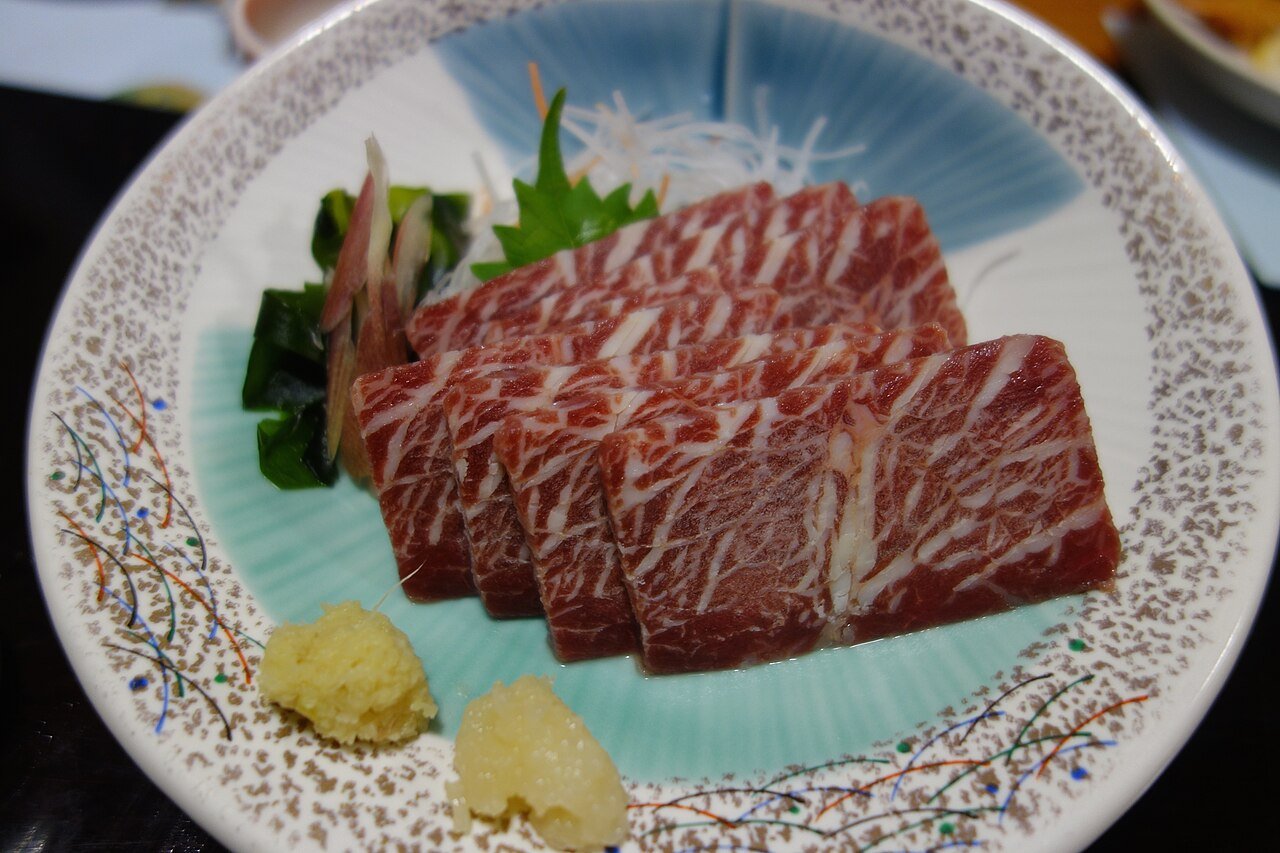
Basashi horse sashimi, deep-pink slices arranged on a blue-rimmed Japanese ceramic plate with grated ginger and minced garlic 1
Basashi (Horse Sashimi)
高肃 / 魅唐さし · Kumamoto's most talked-about dish

Most visitors hesitate. Most who try it order it again before they leave. Basashi is thinly sliced raw horse meat served sashimi-style, deep pink and clean-tasting, because the Kumamoto horses graze on open grassland and carry very little fat. The flavour is mild and sweet, softer than raw beef and with none of the gaminess people expect. Dip it in good soy sauce with a dab of minced garlic and grated ginger. Some restaurants serve a platter combining tongue, shoulder, sirloin and brisket so you can taste the textural differences — that is the version worth ordering.
Where: Kenzo (建造 B1F Nanahikari Bldg, 1-8-24 Shimotori) · Mutsugoro (六蔵 central) · Aoyagi (青柳 traditional multi-course)
Price: ¥1,200–2,200 per plate depending on cut
Tip: Order the moriawase mixed platter to compare tongue, hip and brisket side by side
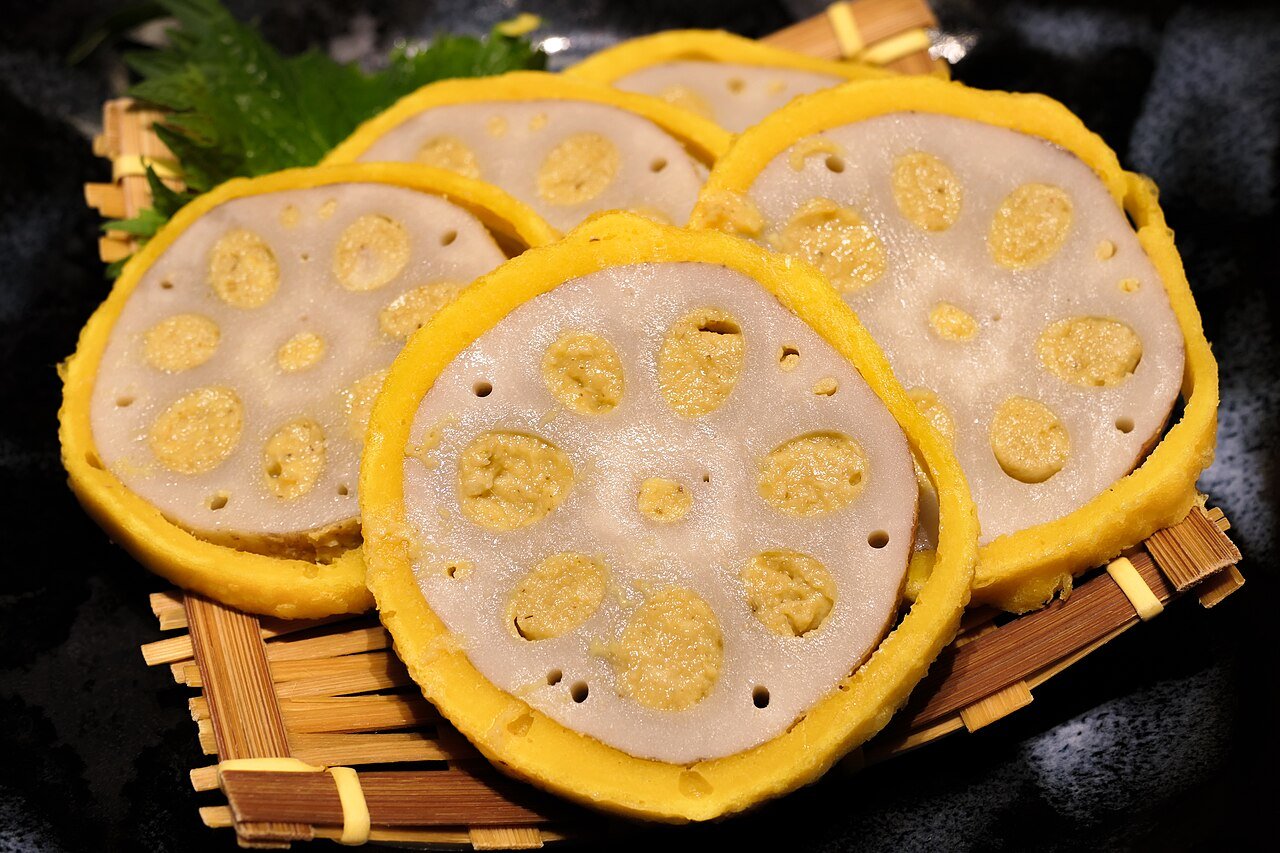
Karashi renkon, sliced lotus root rounds coated in golden tempura batter, arranged in a bamboo basket, mustard-miso filling visible in each hole 2
Karashi Renkon (Mustard Lotus Root)
辖子衔根 · A 400-year recipe from the Hosokawa era

The hollow tubes of a lotus root are the perfect vessel: each one is packed tightly with a paste of Japanese mustard and white miso before the whole root is battered and deep-fried until golden. Bite through the crisp shell and the mustard-miso releases in a burst across your tongue — crunchy, slightly spicy, savoury and just a little sweet, all in one mouthful. The recipe was created in the early 1600s on the orders of clan lord Hosokawa Tadatoshi, who wanted a nutritious food source from the lotus-rich moat around Kumamoto Castle. It is still made to that specification at Mori Karashi Renkon in Shinmachi.
Where: Mori Karashi Renkon (森からし蓮根, Shinmachi, the original shop) · Buy vacuum-packed to take home at Kumamoto Station
Price: ¥500–800 in-restaurant · ¥600–1,000 packed souvenir
Tip: Eat it hot the moment it is served — once it cools, the batter loses its crunch
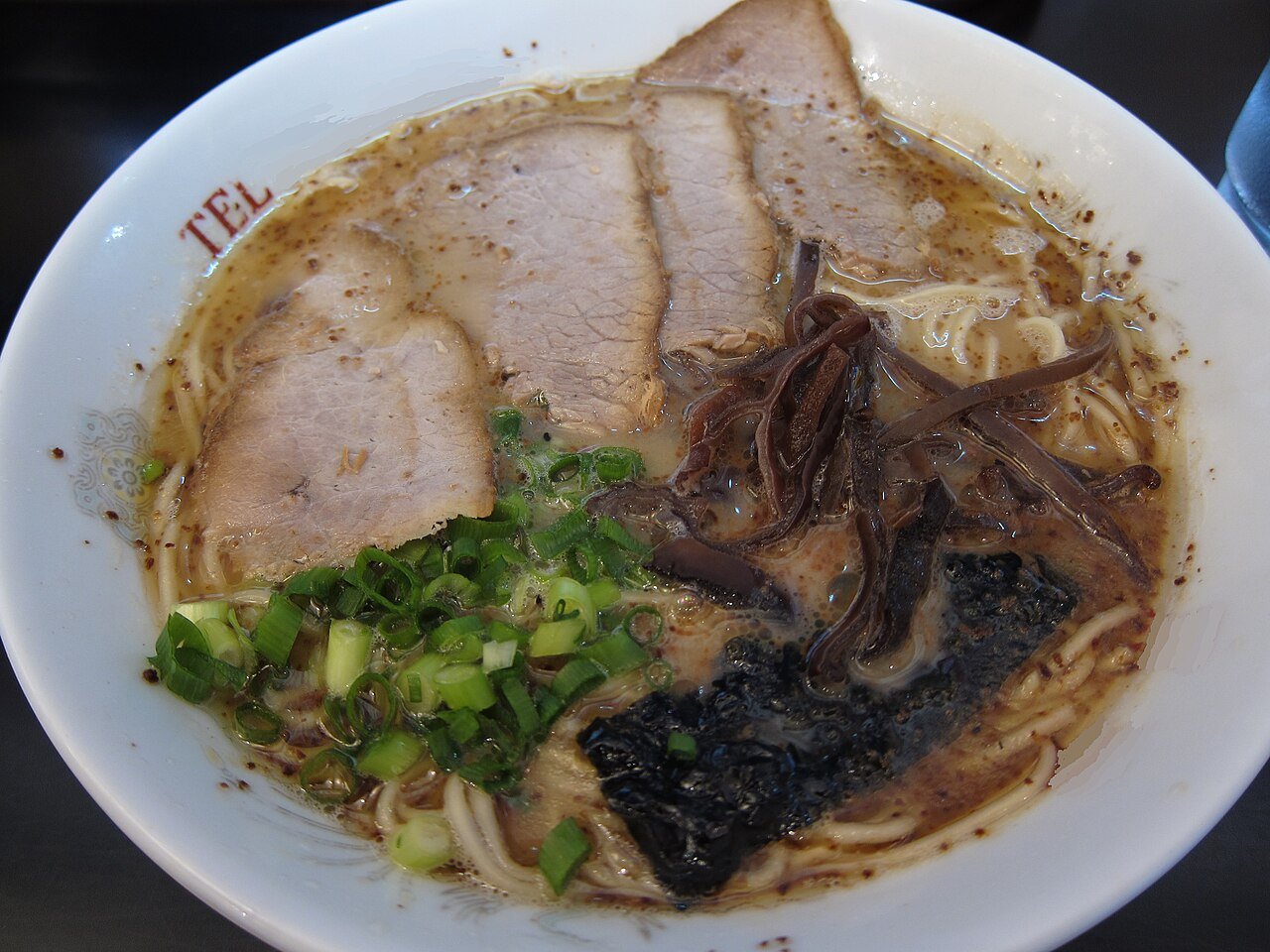
Kumamoto ramen bowl with pale tonkotsu-chicken broth, chashu pork slices, kikurage mushrooms, spring onion and a drizzle of black garlic oil 3
Kumamoto Ramen
熊本ラーメン · Black garlic oil makes the difference

Think you know Kyushu ramen after Hakata? Kumamoto will politely correct you. Where Hakata runs on pure pork-bone broth thick enough to stand a spoon in, Kumamoto cuts that bone stock with chicken, producing a broth that is clearer, more fragrant and noticeably more complex. But the real signature is kuro mayu — garlic cloves slow-cooked in lard until they blacken and caramelise, then blended to a paste. A spoonful goes into every bowl at service, releasing an aroma somewhere between burnt sugar and deep roasted umami. Kokutei has been making it this way for decades. The queue at lunch is almost always worth it.
Where: Kokutei (黒亭 10-min walk east of Kumamoto Station · opens 11.00) · Keika Ramen (桂花 since 1954) · Ajisen original (味千 since 1968)
Price: ¥680–1,100 at Kokutei · ¥650 classic bowl at Keika
Tip: Arrive before 11.30 to beat the lunch rush. Kokutei closes Wednesdays.
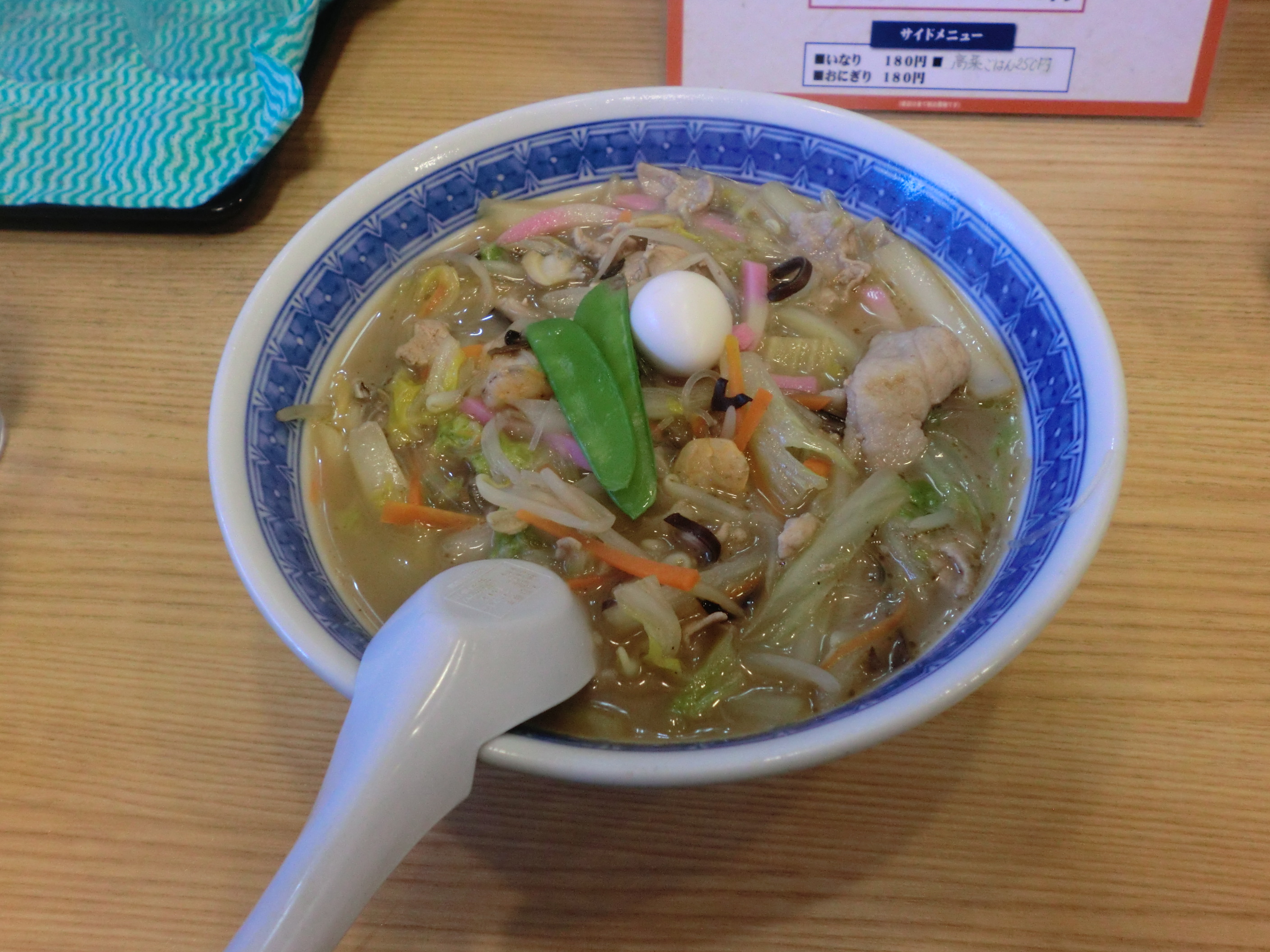
Taipien noodle soup in a blue-rimmed ceramic bowl, clear broth with glass noodles, mixed vegetables, quail egg and dried shrimp 4
Taipien
太平燕 · Fuzhou glass noodles that became Kumamoto's own

You will not find this on menus outside Kumamoto — at least not in a form the city would recognise. Taipien arrived with Fuzhou-Chinese migrants during the Meiji era and was gradually adapted until it became something entirely local. The base is a clear, delicately seasoned broth holding glass noodles, sliced pork, Chinese cabbage, quail eggs, fresh shrimp and a scattering of crispy dried shrimp on top. It is the antithesis of ramen: light, quick to eat, and kind to the stomach. A good bowl at lunch leaves room for everything else on this list. Priced lower than ramen and rarely crowded, it is one of Kumamoto's best-kept food secrets.
Where: B1 food court, SAKURA-MACHI Kumamoto · Amu Plaza food floor, Kumamoto Station · local Chinese-Japanese restaurants around Shimotori
Price: ¥700–1,000 per bowl
Tip: Check with the restaurant first — some only make it on weekdays
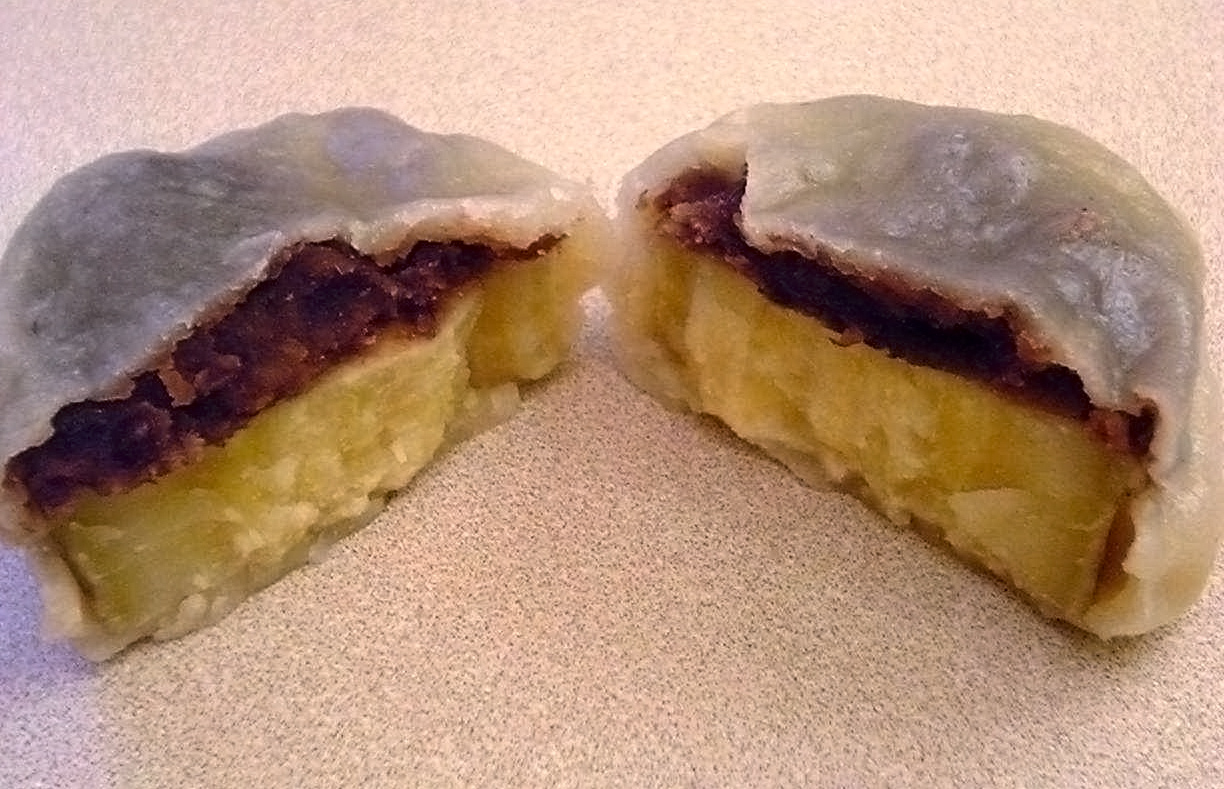
Ikinari dango cut open to show layers of grey steamed dough, yellow sweet potato and dark red bean paste in the centre 5
Ikinari Dango
いきなり団子 · Steamed sweet-potato and red-bean dumpling

“Ikinari” in Kumamoto dialect means “right away” or “all of a sudden” — because this was the food a household could pull together instantly from whatever sweet potatoes were on hand. A thick slice of sweet potato is layered with anko red-bean paste and wrapped in soft steamed dough. That is the entire recipe. What makes it special is the quality of Kumamoto sweet potato, sweet and starchy with a fragrance that fills the dough from the inside out. Eat it straight from the steamer while the potato is still warm. Once cold, the magic is mostly gone.

Where: Ikinari Dango Honpo stalls at Kumamoto Station and inside SAKURA-MACHI · confectionery shops along Shimotori Arcade
Price: ¥150–200 each
Tip: Ask for the purple sweet-potato version if available — slightly denser and earthier than the standard
Season note: Available year-round but best in autumn (October–November) when freshly harvested Kumamoto sweet potatoes are in the shops.
🍖6
Akaushi (Red Wagyu)
赤牛 · Aso grassland beef with a genuine flavour

If you have eaten A5 Wagyu and found it almost overwhelmingly rich, akaushi is the answer you did not know you were looking for. This red-coated breed grazes on the wide volcanic grasslands surrounding Mt Aso and develops far less marbling than the celebrated white Kuroge Wagyu. What it loses in fat it more than recovers in clean, deep, grassy beef flavour. You can eat a proper portion without feeling heavy afterward. The most accessible format is a donburi rice bowl topped with thin-sliced akaushi from around 1,500 yen, but if you want the full experience a shabu-shabu set for two is under 7,000 yen at most specialist restaurants.

Where: Akaushi Dining Yoka-Yoka (central, lunch ¥2,000–3,000) · steak and donburi shops near Kumamoto Castle · SAKURA-MACHI food market
Price: Donburi from ¥1,500 · Shabu-shabu ¥3,000–7,000 per person
Tip: Yoka-Yoka's lunch set is the best value — same quality kitchen as dinner at roughly half the spend
Plan Your Day

One day of eating in Kumamoto

If you only have a single day, this sequence covers the most ground without turning lunch into a sprint.

07:00–09:00
Japanese breakfast at Kumamoto Station

The B1 floor of Amu Plaza, connected directly to the station, has breakfast sets of rice, grilled fish and miso soup from around ¥500. Pick up a hot ikinari dango from a station stall as you leave — eat it while it is warm.

10:00–12:00
Kumamoto Castle + Shimotori Arcade

Take the city tram one stop to the castle area. After an hour exploring the reconstructed keep, walk south into the covered Shimotori Shopping Arcade where karashi renkon shops and snack stalls start from the northern entrance. Good for browsing and buying to take home.

12:00–13:30
Ramen at Kokutei or Keika

Kokutei is a 10-minute walk east of Kumamoto Station and opens at 11:00. Arrive by 11:30 to queue ahead of the midday rush. Order the plain ramen at ¥680 and watch the black garlic oil go in before it reaches your table. The kuro mayu aroma hitting you when the bowl lands is the moment this city makes sense.

14:00–16:00
Suizenji Garden + taipien at SAKURA-MACHI

Take the tram to Suizenji Jojuen (15 minutes), a serene Edo-period landscape garden that miniatures the fifty-three post-towns between Tokyo and Kyoto across a pond and carefully clipped hills. Back in the city, head to SAKURA-MACHI Kumamoto for taipien at the B1 food court — the lightest thing on this itinerary and a good afternoon reset.

18:00–20:30
Basashi dinner at Kenzo or Aoyagi

Order the moriawase platter at Kenzo (around ¥2,500–3,500) to compare tongue, sirloin and brisket side by side. Add an akaushi donburi or a side of yakigarashi (grilled garlic) if you have room. The izakaya alley around Shimotori comes alive after dark — easy to extend the evening.

Where to Eat

The four zones that matter for food

Kumamoto is compact — know which neighbourhood does what and you save a lot of unnecessary tram rides.

Shimotori & Kamitori Arcade
COVERED SHOPPING STREET · Tram stop: Torichosuji

A 400-metre covered arcade running through the heart of the city, lined with karashi renkon specialists, ikinari dango stalls, souvenir wagyu jerky shops and local sweet shops. The best place to graze and buy gifts in the same walk.

Best for: Karashi renkon · ikinari dango · local snacks · Hours: 10:00–20:00
Kumamoto Station & Amu Plaza
TRANSPORT HUB · Tram: Shin-Suizenji line to Kumamoto Station

The B1 and ground floors of Amu Plaza hold a dependable selection of local breakfast spots, ramen counters and taipien restaurants. Kokutei is a 10-minute walk east of the east exit. Ideal for first and last meals when the shinkansen schedule is in charge.

Best for: Ramen · taipien · breakfast · Hours: 07:00–21:00
SAKURA-MACHI Kumamoto
NEW COMPLEX (2019) · Near the castle · Tram: Shinmachi

The newest large food destination in the city, with a B1 floor dedicated to local Kumamoto food. Taipien, ikinari dango, black-garlic ramen offshoot counters and local confectionery all under one roof with a more contemporary atmosphere than the arcade.

Best for: Taipien · ikinari dango · food market browsing · Hours: 10:00–21:00
Izakaya Alley off Shimotori (Evenings)
NIGHT EATING · North exit of Shimotori Arcade

After 18:00 the narrow lanes north of the arcade fill with izakaya selling basashi, akaushi beef and local Kumamoto craft beer. Average spend ¥2,500–3,500 per person including drinks. No reservations needed for most spots, though Kenzo and Aoyagi benefit from booking ahead at weekends.

Best for: Basashi · akaushi · izakaya atmosphere · Hours: 18:00–23:00
Unmissable Restaurants

The places that have earned their reputation

Restaurants Kumamoto locals have been recommending for years — worth planning around.

1
Kokutei (黒亭)
Kumamoto's definitive ramen counter · near Kumamoto Station East Exit

A ¥680 bowl that locals have been defending as the city's finest for decades. The kuro mayu black garlic oil goes in at the last second before the bowl reaches you — you will smell it from across the room. Straight medium noodles, a modest hit of chashu pork, crispy kikurage mushrooms and bean sprouts. The queue moves fast; most people wait under 20 minutes even at peak times. Cash preferred.

Address: 10-minute walk northeast of Kumamoto Station East Exit
Hours: 11:00–21:30 · closed Wednesdays · Price: ¥680–1,100 · mostly cash
2
Keika Ramen (桂花ラーメン)
Original Kumamoto ramen since 1954 · central location

If Kokutei is the current champion, Keika is the founding document. Open since 1954 and claiming to have established the Kumamoto style, the ¥650 classic bowl has not changed much since the original formula was set. The broth is slightly leaner than Kokutei's, the garlic presence subtler — worth tasting both on a longer visit to understand the range within the style. There are branches in Tokyo's Shinjuku, but the flagship here in Kumamoto tastes noticeably different.

Address: Central Kumamoto, near Shimotori Arcade
Hours: 11:00–22:00 · Price: ¥650–1,000 · cards and cash accepted
3
Kenzo (建造)
Basashi specialist · Shimotori · basement dining

The name most visitors come away recommending for basashi. Beyond the classic horse sashimi in multiple cuts there is horse-offal tempura, horse-meat sushi and karashi renkon, all available individually or as part of a set course. The setting is a proper basement restaurant rather than a standing izakaya, which suits the occasion of eating something this particular for the first time. Booking ahead is recommended at weekends.

Address: Nanahikari Building B1F, 1-8-24 Shimotori, Chuo-ku
Hours: 17:00–23:00 · Price: ¥2,500–5,000 per person
4
Mori Karashi Renkon (森からし蓮根)
Original karashi renkon recipe · Shinmachi

Made fresh daily to the recipe that has been in the same family since the Hosokawa era. The lotus root is crunchier than the packaged supermarket versions and the mustard-miso filling measurably hotter and more aromatic. Buy a piece to eat warm with green tea on a bench, or pick up vacuum-packed portions to carry home as gifts. It travels well and keeps for a week under refrigeration.

Address: Shinmachi neighbourhood, central Kumamoto
Hours: 10:00–18:00 · Price: ¥500–800 in-shop · ¥600–1,000 packed to go
5
Aoyagi (青柳)
Traditional Kumamoto dining · multi-course · quieter atmosphere

For visitors who want to eat across the full Kumamoto repertoire in one sitting without hunting across different neighbourhoods, Aoyagi is the answer. Basashi, karashi renkon, hitomoji guruguru (spring onion tied in a knot and served with vinegar-miso dressing), and seasonal local fish all appear on the same menu in a calm, traditional setting. The courses run from around 3,000 yen per person and include dishes you would not know to order elsewhere. A reliable choice for a final-night dinner.

Address: Central Kumamoto, near Shimotori
Hours: 17:00–22:00 · Price: ¥3,000–6,000 per person · booking recommended
FAQ

Questions people ask before they eat in Kumamoto

Is basashi (raw horse meat) safe to eat?
Basashi served at reputable Kumamoto restaurants must by Japanese food law be frozen at -20°C for at least 48 hours, which eliminates parasitic risk. It is safe for healthy adults. Eat it at specialist restaurants like Kenzo, Mutsugoro or Aoyagi rather than unfamiliar stalls. Pregnant visitors or anyone with a compromised immune system should skip it and try karashi renkon instead.
How is Kumamoto ramen different from Hakata ramen?
Kumamoto ramen blends pork-bone tonkotsu stock with chicken stock, producing a broth that is clearer and more complex than Hakata's pure-pork style. The signature touch is kuro mayu, black garlic oil drizzled on before serving, giving a caramelised, smoky depth you will not find anywhere else in Japan. The noodles are straight and slightly heavier than Hakata's thin wavy noodles, and the overall bowl is more filling.
What is taipien and where can I find it?
Taipien is a clear glass-noodle soup that arrived with Fuzhou-Chinese migrants during the Meiji era and evolved into a Kumamoto local specialty. The broth is mild and holds glass noodles, pork, cabbage, quail eggs, shrimp and crispy dried shrimp. Find it at the B1 food court of SAKURA-MACHI Kumamoto, at Amu Plaza inside Kumamoto Station, and at local Chinese-Japanese restaurants around Shimotori. Price: roughly ¥700–1,000 per bowl.
How should I plan one day of eating in Kumamoto?
Morning: breakfast at Kumamoto Station plus a hot ikinari dango from a station stall. Lunch: Kokutei or Keika ramen before 12:30. Afternoon: Shimotori Arcade for karashi renkon snacking, then SAKURA-MACHI for a bowl of taipien. Evening: basashi moriawase platter and akaushi at Kenzo or Aoyagi in the izakaya alleys off Shimotori. Everything is within walking distance or a single tram stop.
How does akaushi wagyu differ from regular wagyu?
Akaushi (red wagyu), raised on Mt Aso's volcanic grasslands, carries significantly less marbling than the white Kuroge Wagyu or A5 premium cuts most visitors know. The result is a cleaner, beefier flavour and a texture that does not overwhelm — you can eat a proper portion without feeling heavy. It costs roughly 30 to 50 per cent less than A5 and is available as rice bowls from around ¥1,500 or shabu-shabu sets from ¥3,000 per person.
Klook · Experiences
Kumamoto Day Trips & Activities

Book JR Kyushu rail passes, Mt Aso volcano tours, city tram day tickets and Kumamoto Castle entry ahead of time — no Japanese language needed.

Browse Kumamoto on Klook →
Wherebest is a Klook affiliate partner — we may earn a commission when you book through this link at no extra cost to you.