6 things to eat before you leave Kawaguchiko
Ordered by how much they define this particular place — things you cannot eat quite like this anywhere else.
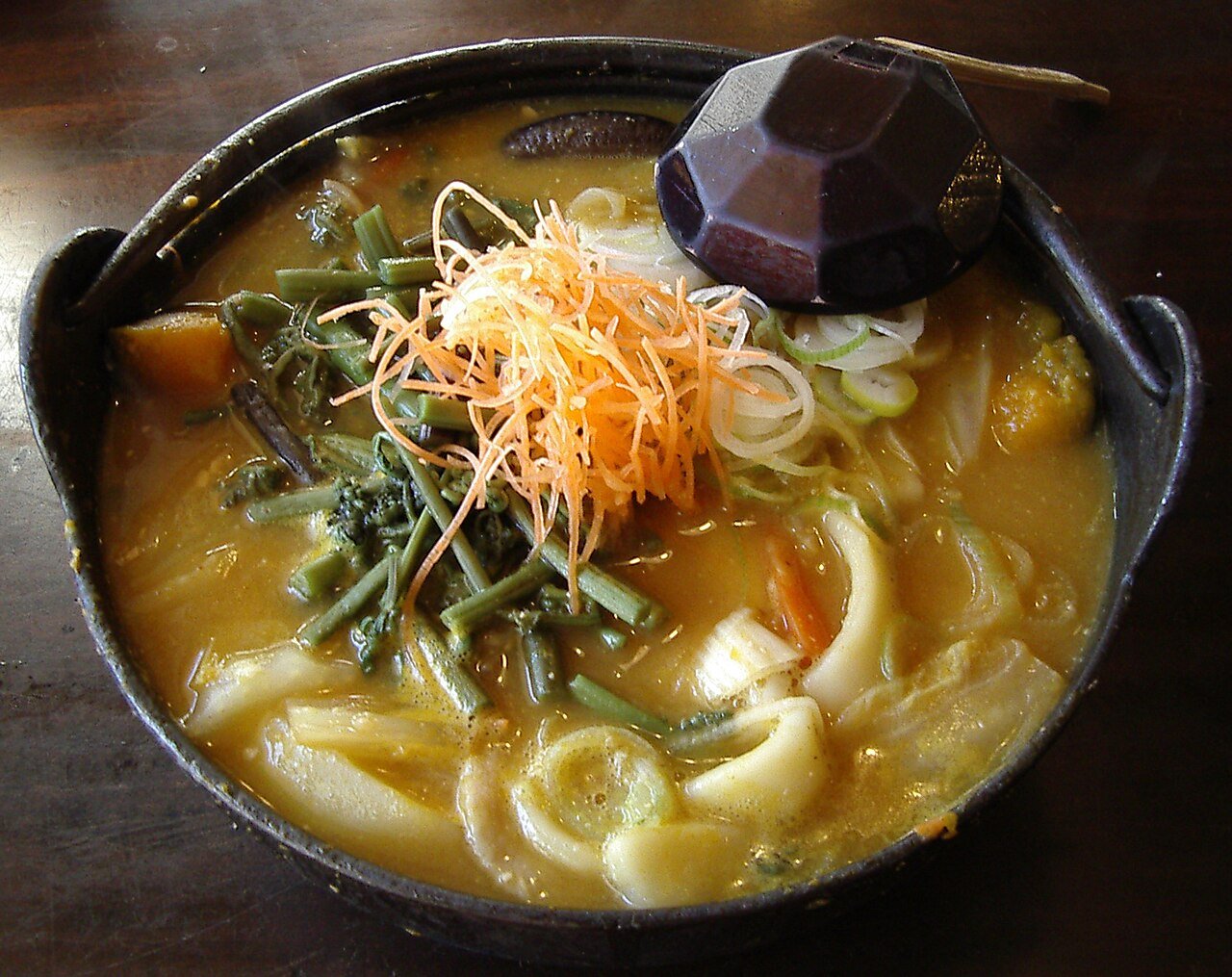 1
1
Think of something between thick udon and pappardelle, cooked directly in a cast-iron pot of miso broth alongside chunks of kabocha pumpkin, seasonal root vegetables, wild mushrooms and usually chicken or pork. The noodles never see a separate pot of water — they absorb the miso as they cook, thickening the soup into something dense and warming. Warlord Takeda Shingen fed this to his armies on mountain campaigns in the 1500s; today you queue 30 minutes for the same bowl at Hoto Fudo with Mt. Fuji in the window.
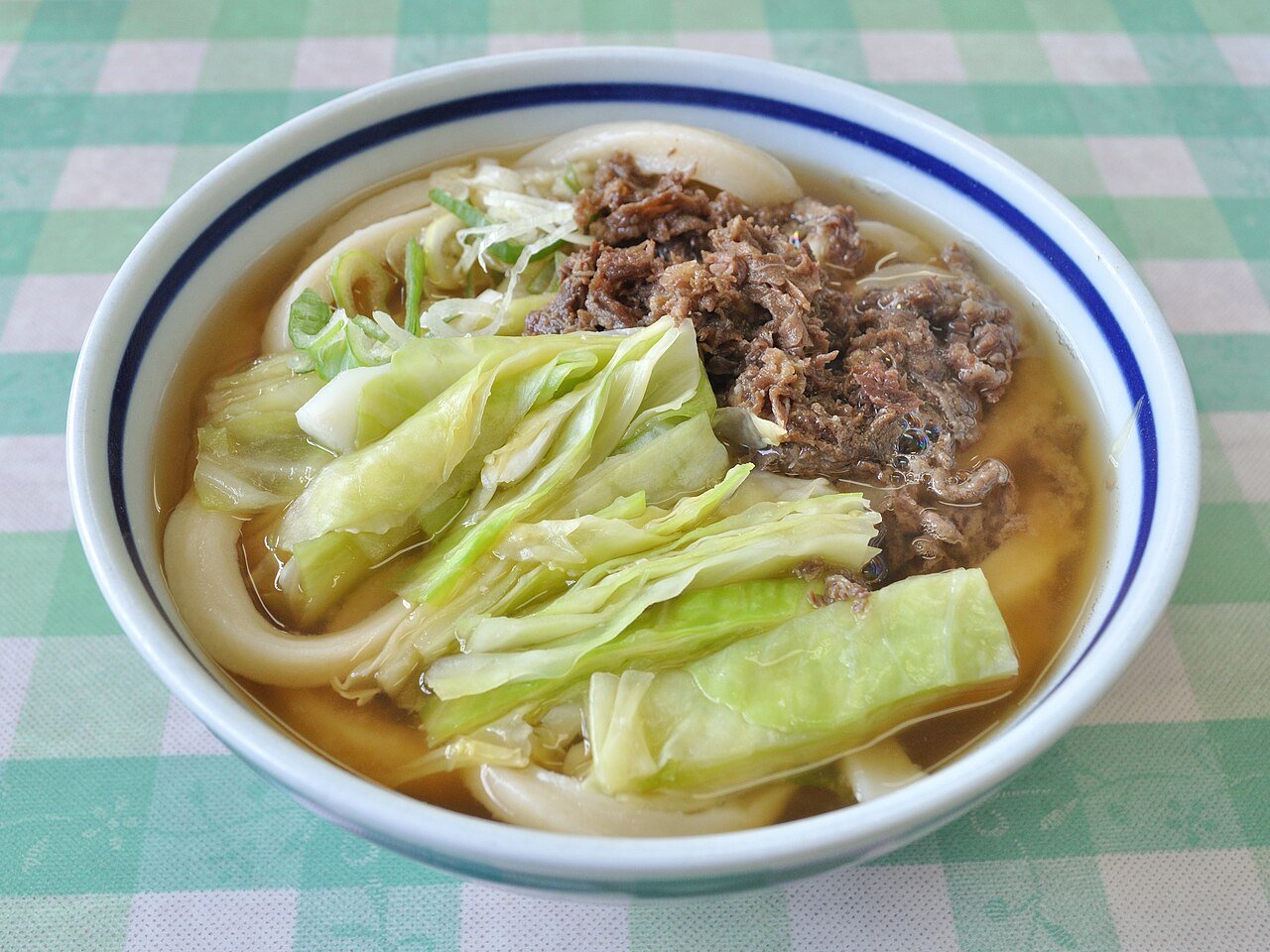 2
2
Sanuki udon is famous; Yoshida udon is harder. The noodles — made by shops in Fujiyoshida that often sell just 50 bowls a day and close when they run out — have a dense, springy bite that pushes back as you chew, a quality locals call koshi. The broth blends soy sauce and miso. Standard toppings are braised horse meat (sweet-savory basashi), blanched cabbage and a dry condiment of dried red chilli, sesame and sansho pepper. The combination is blunt, filling and completely specific to this corner of Yamanashi.
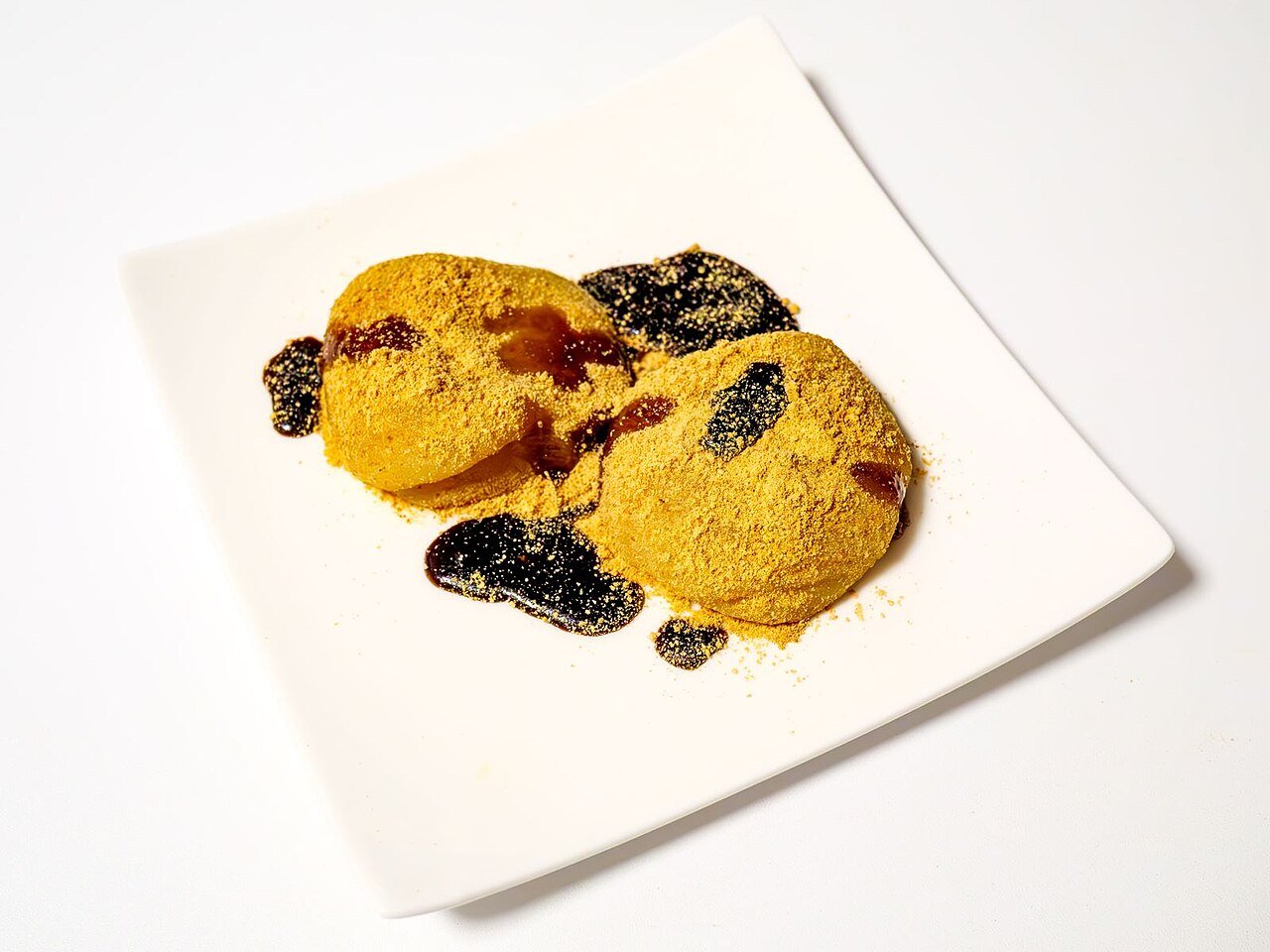 3
3
Named after Takeda Shingen, which makes a certain kind of sense — both are dense, soft and surprisingly difficult to improve upon. The mochi is pillowy and barely sweet on its own; what makes it is the generous coating of kinako (toasted and finely ground soybean flour, golden-brown, slightly nutty) and the drizzle of kuromitsu black sugar syrup on top. The combination is earthy, sweet and warmly autumnal. Kikyoya has been making the version people consider the original for over 60 years, and sells millions of boxes a year. Try one fresh in the shop; the experience is different from the boxed souvenir version.
At Oshino Hakkai (忍野八海) — eight spring-water ponds fifteen minutes east of Kawaguchiko — water that has filtered through Mt. Fuji's volcanic rock for roughly 80 years bubbles up clear and cold. Rainbow trout farmed in this water develop a sweetness and silkiness you notice immediately in a kaisen-don rice bowl. Restaurants and stalls in the village serve it as an "Oshino Salmon Bowl": slices of raw trout arranged over seasoned rice, clean and brightly flavoured. Several Kawaguchiko restaurants also offer it as salt-grilled teishoku. Simple preparation; the fish does the talking.
The team behind Fujizakura Heights Beer trained in traditional German brewing, then moved to the foot of a volcano. The water they drill 150 metres down to reach has been filtering slowly through volcanic basalt for decades, emerging cold, mineral-clean and low in iron — the sort of water that makes very good beer. The result has won the World Beer Cup and World Beer Awards across multiple categories. Four core beers: Pils (crisp and floral) · Weizen (banana, clove, hazy gold) · Rauch (lightly smoked, deeply warming) · Schwarz Weizen (dark wheat, chocolate, roast) — draft pours are available near the lake and the cans travel well.
Japan's wine story begins here. Yamanashi established its first private winery in Katsunuma in 1877, and the prefecture now hosts around 80 producers — more than any other. The indigenous Koshu grape, cultivated in volcanic alluvial soil at altitude, produces pale white wines with delicate citrus, stone-fruit and mineral notes that pair effortlessly with Japanese cuisine. Think about sipping chilled Koshu alongside a hot pot of hoto on a cool autumn evening — that combination exists here and essentially nowhere else. Red Muscat Bailey A has earned international recognition from the OIV. Most wineries offer free or low-cost tastings.