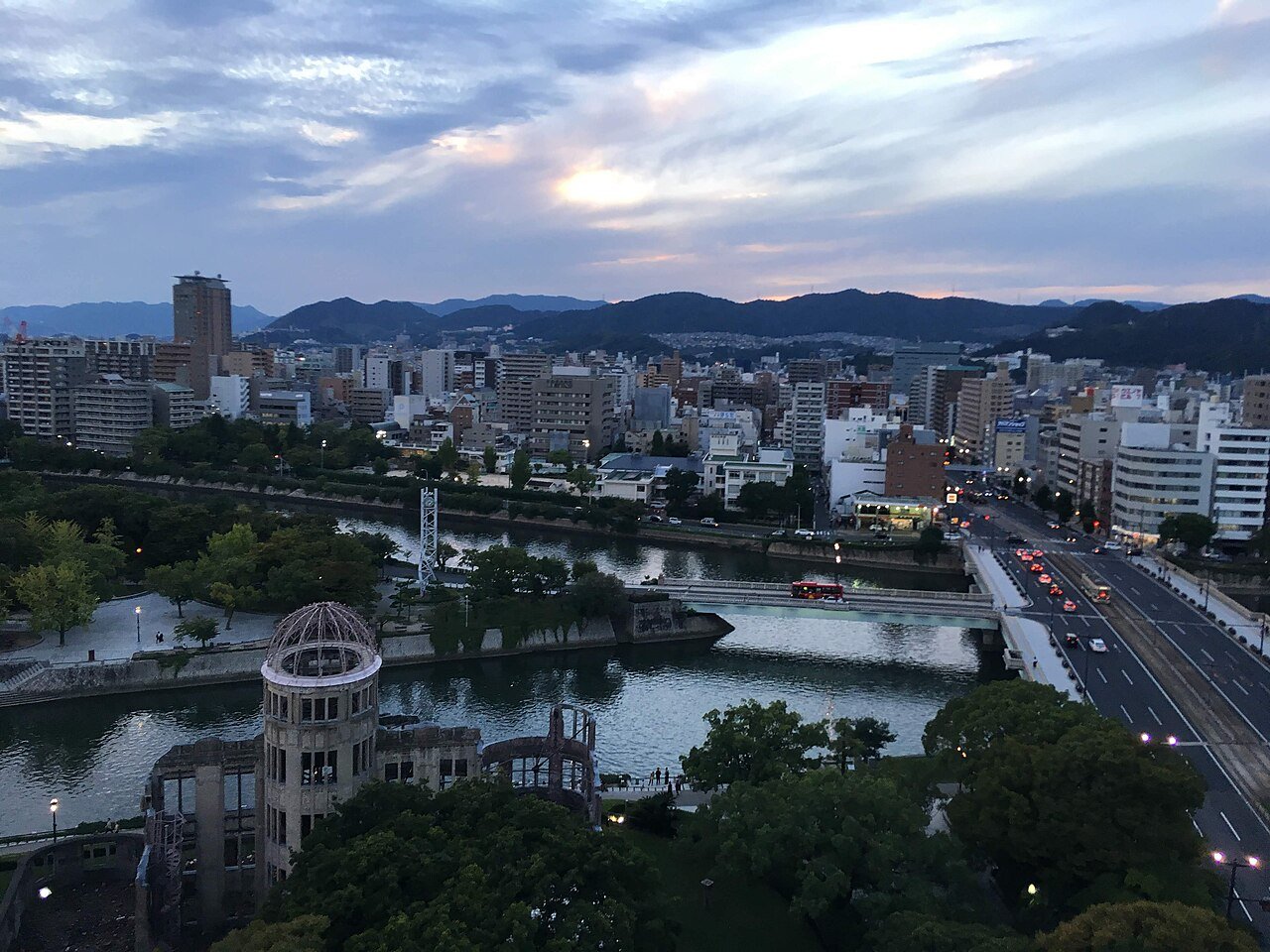
Hiroshima is far more than a pilgrimage to a historical site. It is a living city with fresh seafood, the world's longest streetcar network, and one of the most moving museums you will ever visit. Here is what to know before you arrive.
Hiroshima sits in the Chugoku region of Honshu — well-connected from Tokyo, Osaka, Kyoto, and Hiroshima Airport (HIJ) by bullet train or bus.
Hiroshima's electric tram system (Hiroden) connects the main station to Peace Memorial Park, the shopping arcades, the port for Miyajima, and beyond — all for a flat ¥220.
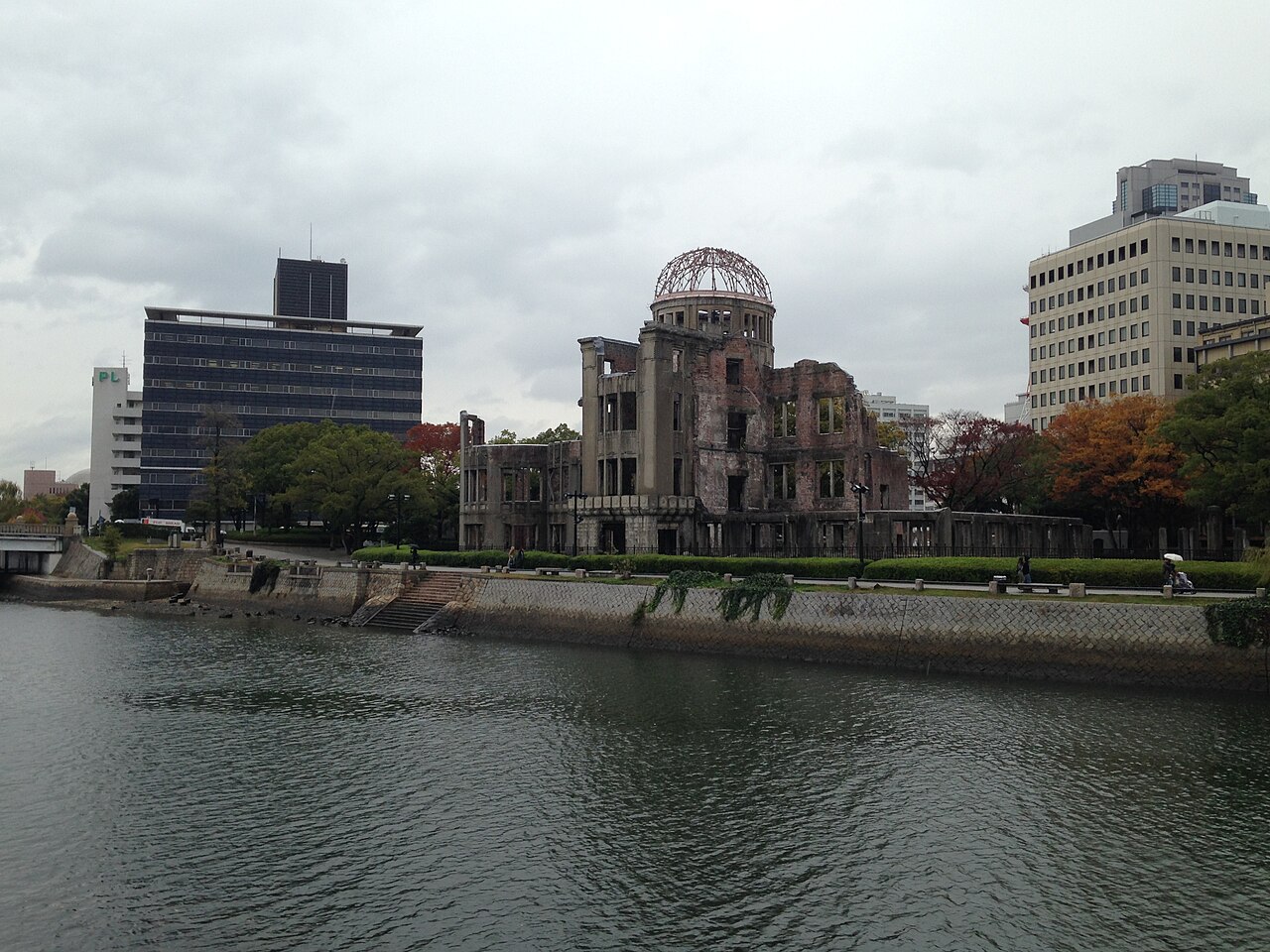
Here is something that quietly astonishes first-time visitors: several of Hiroshima's trams survived the atomic bomb and kept running. Some of the older rolling stock in service today dates to around 1945. Taking the tram is not just transport — it is a small, tangible link to the city's remarkable history. Lines 2 and 6 from Hiroshima Station pass directly in front of the Peace Memorial Park (stop: Genbaku Dome-mae) in about 15 minutes.
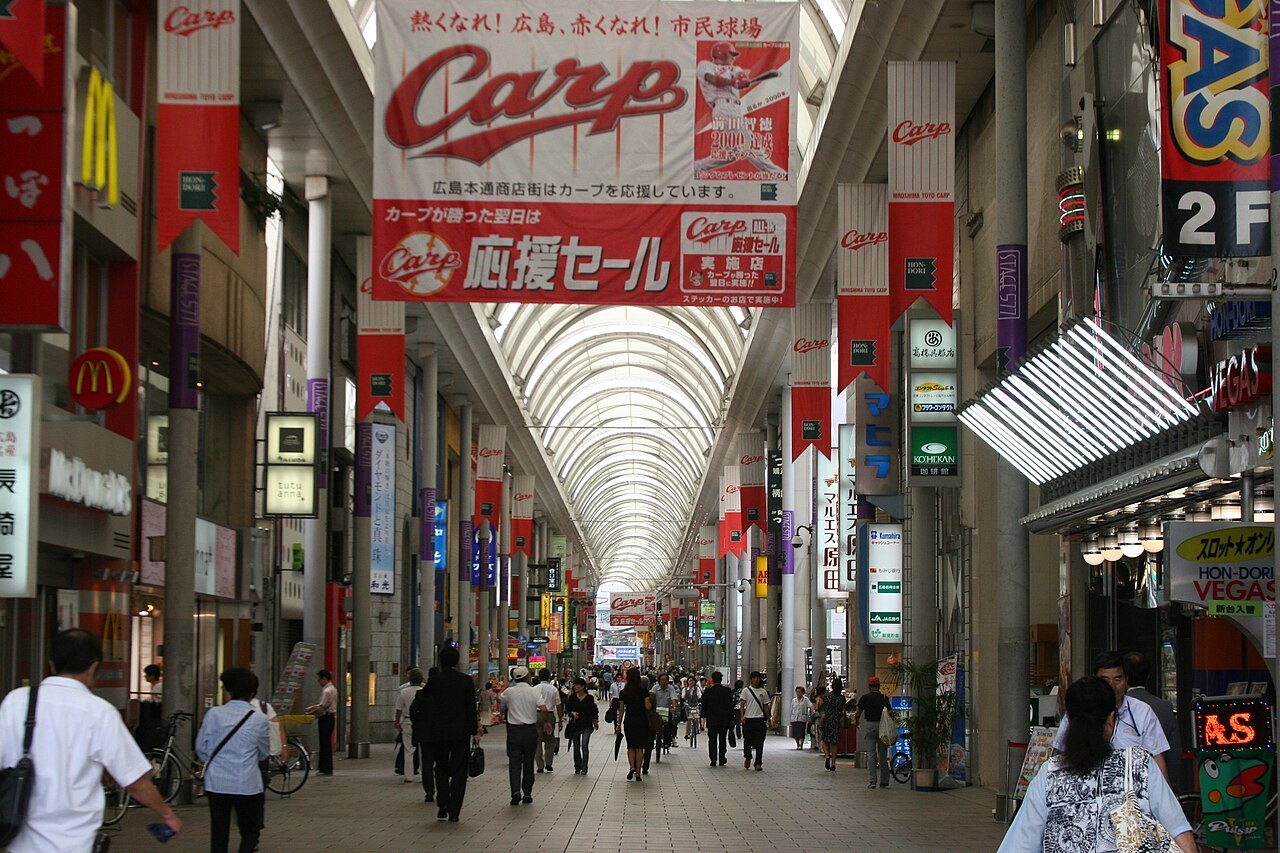
Unlimited rides on all Hiroden tram lines within the city for one day. The right choice if you plan multiple stops — Peace Memorial Park, Hondori shopping arcade, Hijiyama Park, and back to the station.
Covers all tram lines plus the JR ferry round-trip to Miyajima. If Itsukushima Shrine is on your itinerary — and it should be — this pass pays for itself immediately.
A flat ¥220 per ride within Hiroshima city limits. Pay in coins (or IC card) into the box at the front as you exit — no ticket machine or advance purchase needed. Simple and intuitive.
City buses (Hiroshima Bus) cover areas beyond the tram network for ¥200–400. Taxis start at about ¥720 — useful for groups, those with heavy luggage, or after the last tram. The GO app and DiDi work well in Hiroshima.
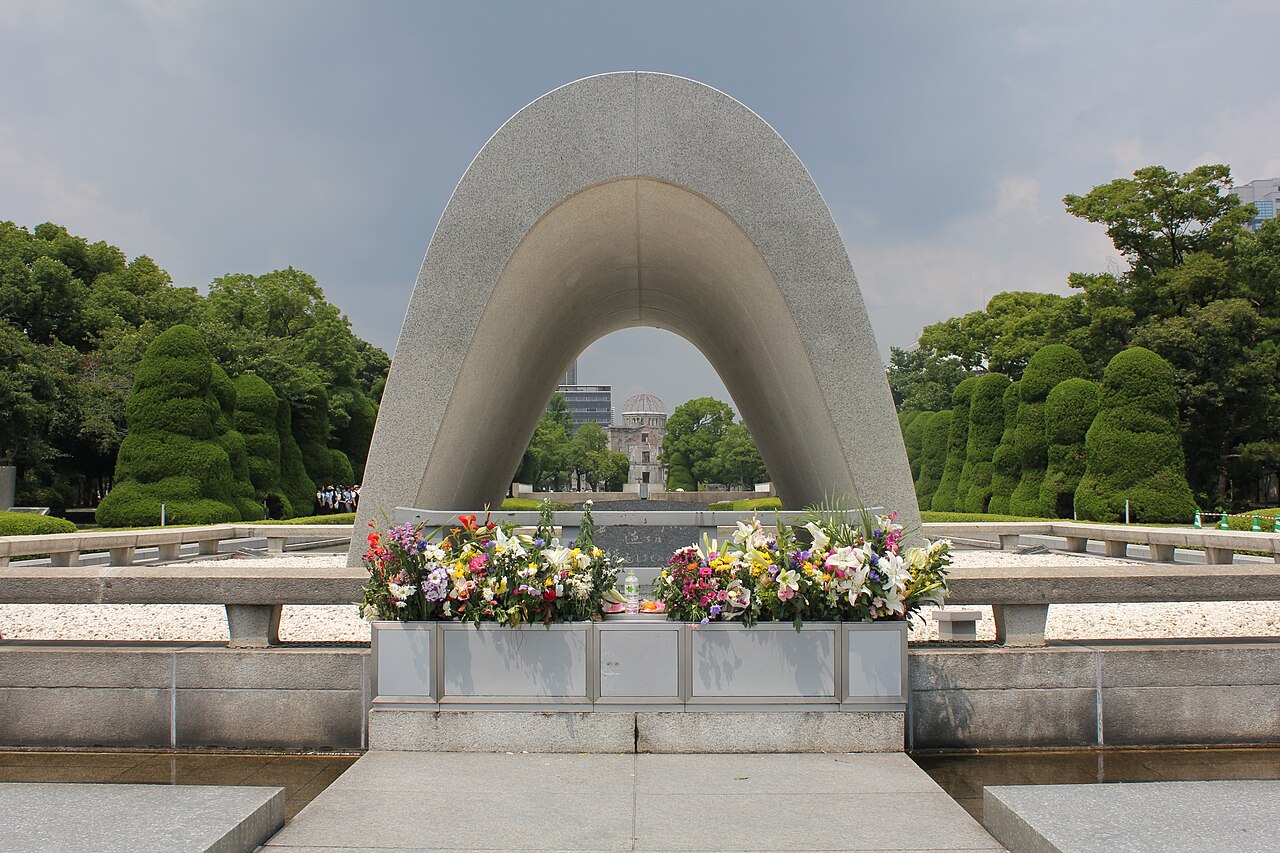
The Peace Memorial Park and Atomic Bomb Dome are among the most significant historical sites in the world. Coming with the right spirit matters more than following any checklist.
You can visit year-round, but spring cherry blossoms, autumn foliage on Miyajima, and the peak oyster months in winter each offer something you cannot get at other times.
Cherry blossoms in Peace Memorial Park typically open around March 25th, reaching full bloom in early April (usually April 7–10). The view of sakura framing the Cenotaph is one of the most photographed scenes in Japan. Temperatures 14–24°C are comfortable. Hotels book up 2–3 months ahead during peak bloom — reserve early.
Genuinely hot and humid, with highs of 31–33°C. Rain is frequent in June. The August 6 Peace Ceremony is the defining reason to come in summer — an experience with no equivalent anywhere. Carry water constantly, dress in light breathable fabrics, and arrive early for the ceremony if you plan to attend.
Maple foliage on Miyajima peaks in mid-to-late November, with vivid reds and golds surrounding Itsukushima Shrine. Temperatures 15–22°C are ideal for walking. Oyster season opens in October. The park is significantly less crowded than during sakura. This is arguably the most balanced time to visit.
Temperatures drop to 5–10°C; occasional light snow. Hiroshima oysters are at their absolute best from November through February — plump, briny, and rich. The Miyajima Oyster Festival typically runs in early February. Fewest tourists of any season, better hotel rates, and the Peace Memorial Park feels especially contemplative in the cold quiet.
Hiroshima produces roughly 60% of all oysters grown in Japan. Knowing when to come makes the difference between a revelatory plate and a mediocre one.
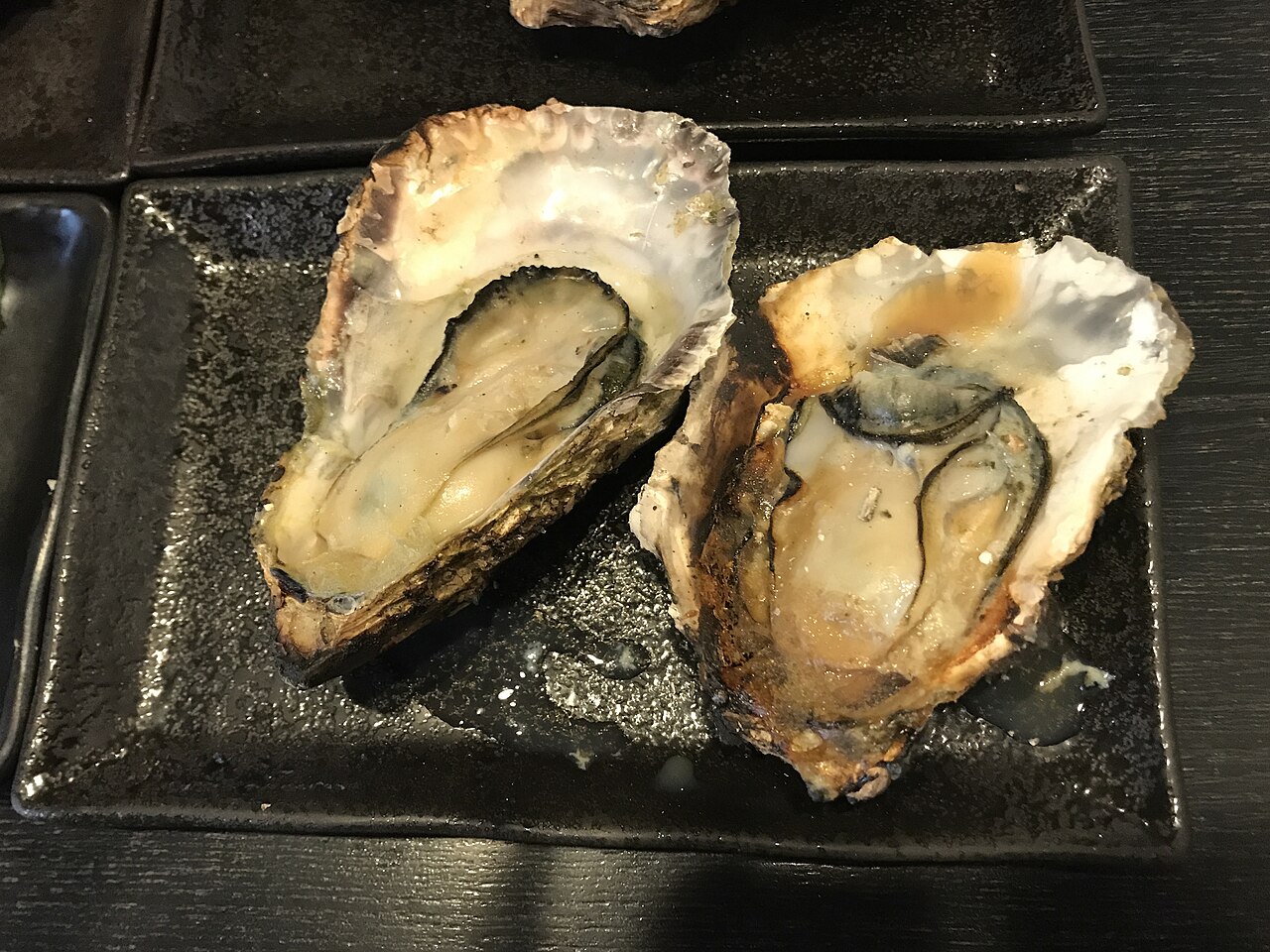
If you have heard that Hiroshima oysters are extraordinary and then found them underwhelming — the issue may well have been timing rather than the restaurant. Peak season runs October through March, with November through February producing the plumpest, most intensely flavoured oysters. After April, most of the harvest is processed and frozen; fresh oysters become genuinely scarce through summer and into September.
October–March, peaking November–February. Eat them raw with a squeeze of ponzu, grilled over charcoal at roadside stalls, or as kaki-furai (deep-fried in breadcrumbs). The Miyajima Oyster Festival usually runs in early February — fresh oysters grilled on site on the island, crowds permissible.
Hiroshima-style okonomiyaki is layered rather than mixed — noodles, cabbage, egg, and toppings stacked in distinct tiers, unlike the blended Osaka version. The most famous spot is Okonomi-mura, a three-storey building near Hondori with over 20 small stalls, each with their own recipe. Count on ¥900–1,200 per serving.
Hiroshima is noticeably more affordable than Tokyo or Kyoto — good accommodation and excellent food cost less here. These figures are per person excluding inter-city transport.
| Category | Budget | Mid-Range | Comfortable |
|---|---|---|---|
| Accommodation (per person/night) | ¥3,000–5,000 (hostel / guesthouse) | ¥7,000–12,000 (business hotel) | ¥18,000+ (upper-mid / design hotel) |
| Food (3 meals) | ¥1,500–2,500 (okonomiyaki + konbini) | ¥3,000–5,000 (sit-down restaurants) | ¥7,000+ (oyster restaurant / kaiseki) |
| Peace Memorial Museum | ¥200 (adult) / ¥100 (student) / Free (child) — exceptional value for a museum of this calibre | ||
| Miyajima Island (Itsukushima) | Ferry ¥180 (or free with JR Pass) + ¥300 shrine entry + ¥1,000–2,000 food on island | ||
| City Transport | ¥220/ride or ¥700 (tram day pass) | ¥700–1,000 (Streetcar + Ferry Pass) | ¥1,500–2,500 (taxi for the day) |
| Total per day (excl. accommodation) | ~¥5,000–8,000 | ~¥10,000–18,000 | ¥25,000+ |
Comfortable walking shoes (Peace Park + Miyajima add up to significant walking) · A light jacket for spring and autumn evenings · A compact umbrella for summer rain · Cash ¥10,000–20,000 (small market stalls and some restaurants are cash-only) · A refillable water bottle — vending machines are everywhere for top-ups.
7-Eleven ATMs and Japan Post (JP Bank) ATMs reliably accept foreign debit and credit cards. Mid-size and larger restaurants and shops in Hiroshima now generally accept Visa/Mastercard. Small stalls on Miyajima, local okonomiyaki shops, and market vendors tend to be cash only. An IC card (Suica or Pasmo) loaded with yen works on trams too.
Hiroshima is well-signed in English, especially around Peace Memorial Park and the main shopping streets. Museum staff at the Peace Memorial speak English, and audio guides are available in English, Chinese, and Korean. Google Maps handles Hiroden tram schedules accurately.
Miyajima is fantastic for all ages — free-roaming deer, a short ferry ride, and a ropeway up Mount Misen to spot the view. The Peace Memorial Museum is powerful but heavy content; most experts suggest 10 and older as a rough guide. The Children's Peace Monument in the park (dedicated to Sadako Sasaki) is a gentler introduction for younger kids. The Science Museum and Children's Museum sit near the main station.