Pick the right base for your trip
Ise is compact and easy to navigate — but where you stay shapes your experience, from a traditional ryokan steps from Naiku to a convenient business hotel by the station. Here are the main zones and who each suits best.
The most atmospheric base — small ryokan and inns within walking distance of Naiku's Uji Bridge and the Okage Yokocho Edo street. Wake early, cross the bridge before the crowds and have the forested shrine path almost to yourself.
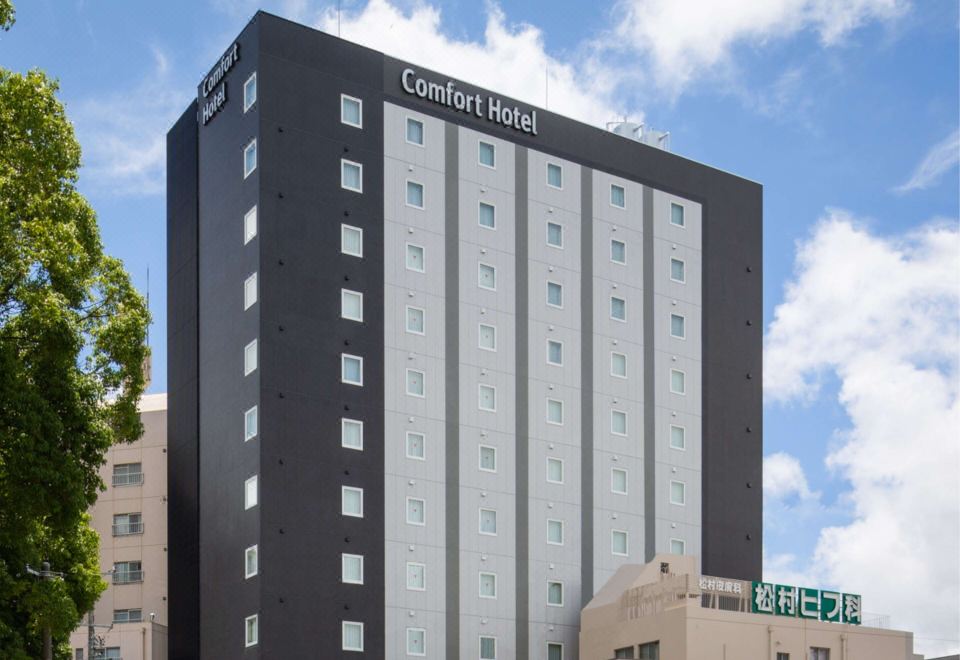
The most practical base — both the JR and Kintetsu lines stop here, and Geku is a 10-minute walk from either station. Business hotels with free breakfast and bicycle loans make this the best option for budget-conscious travelers.
On the coast, about 20 minutes by train from Iseshi. Resort hotels and ryokan overlook the bay, and Mikimoto Pearl Island, the Toba Aquarium and ama free-divers are right here. A great base if the sea matters as much as the shrine.
A quiet seaside village between Iseshi and Toba. The Meoto Iwa Wedded Rocks are the draw — arrive before dawn in summer for the sunrise framed between them, then walk to Futami Okitama Shrine and along the coast.
A cluster of mid-range hotels and guesthouses between the two stations and the old Ujiyamada district. Good value, well-served by bus, and convenient for both Geku and the road to Naiku.
Several small ryokan in Ise and along the Toba coast offer private onsen baths, kaiseki dinners and tatami rooms. The full pilgrimage experience — shrine by day, yukata and hot spring by night.
3 hand-picked stays across every budget
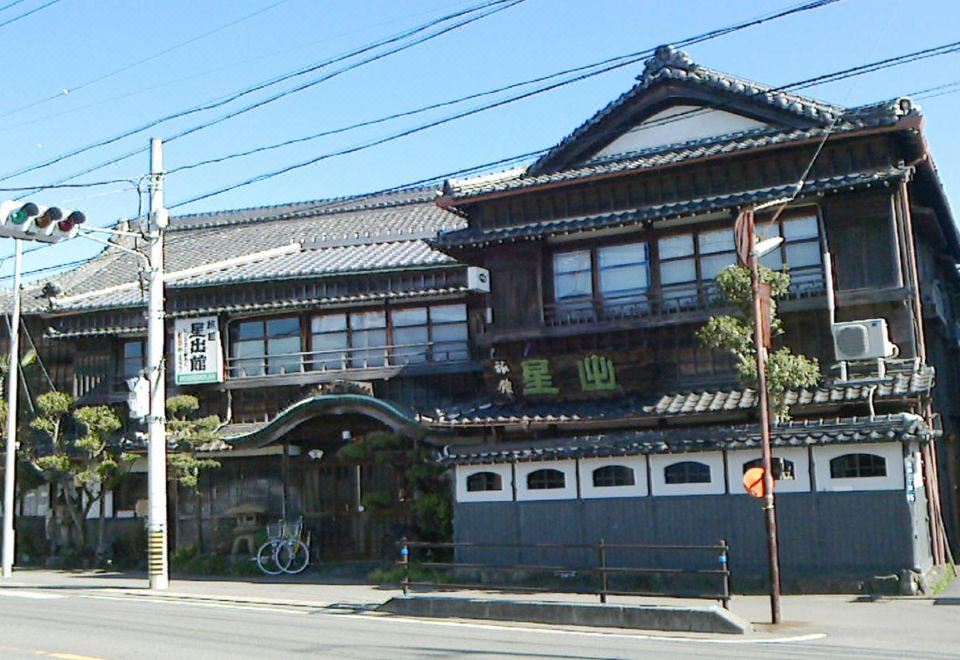
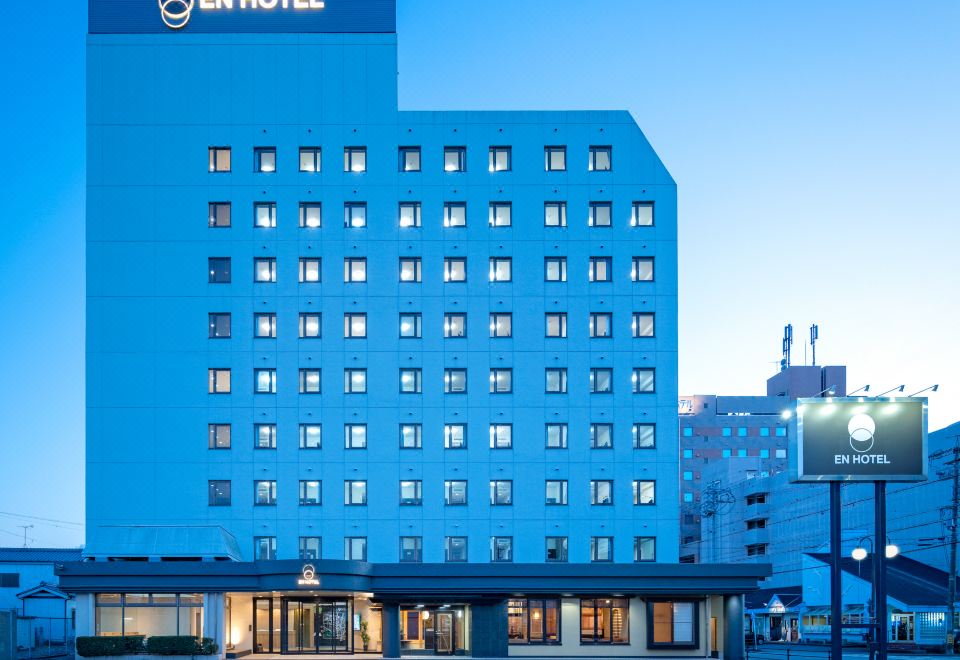
A celebrated 1920s Taisho-era ryokan within walking distance of both shrines, a business hotel with free breakfast and bicycle loans right by the station, and a budget-friendly city hotel. All with direct booking links across 3 platforms.
Food you absolutely must try in Ise
Ise's food is pilgrim comfort — thick, ultra-soft Ise udon in a dark tamari sauce, chewy Akafuku mochi from a 300-year-old shop, tekone-zushi with marinated bonito, seasonal oysters and the prized Matsusaka beef just down the road.
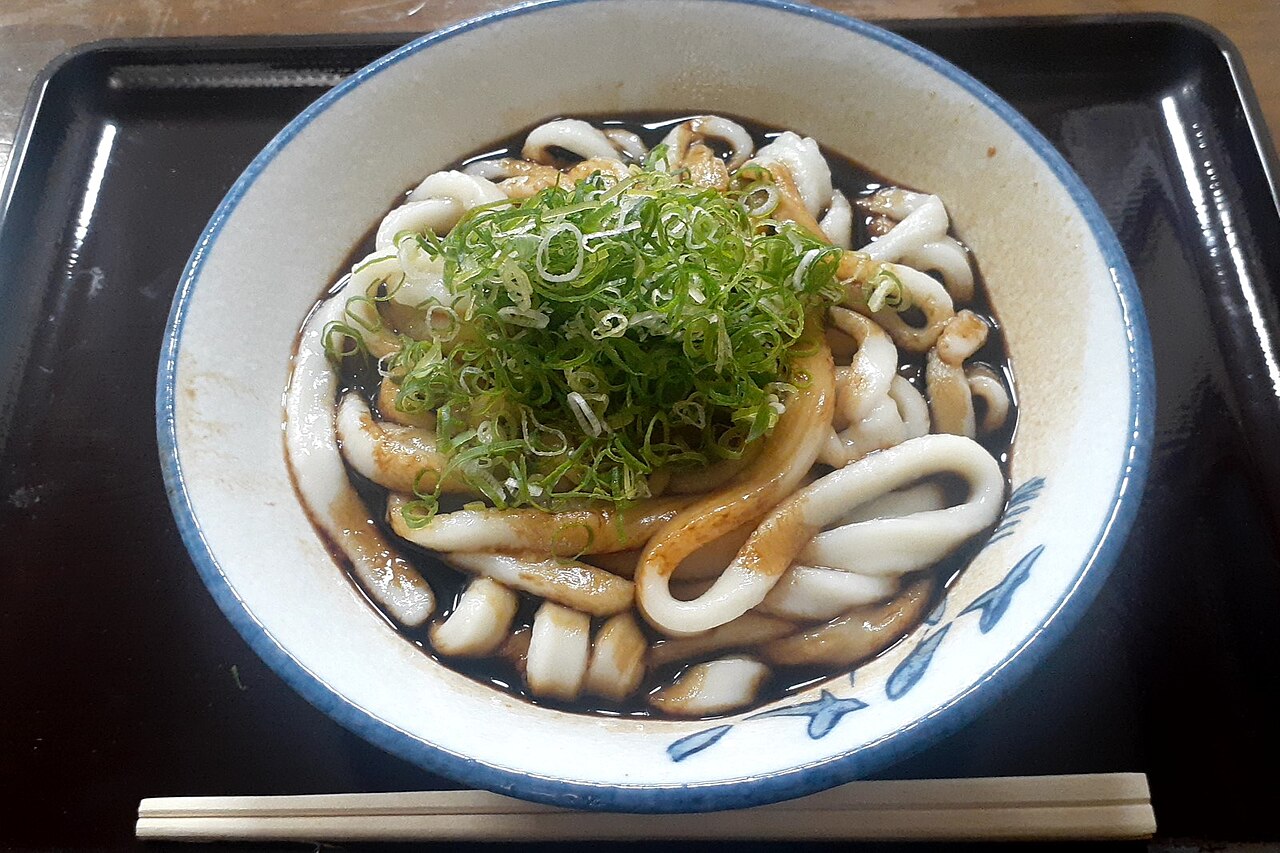
Ultra-thick, boiled-soft udon dressed with a rich dark tamari soy sauce — no broth, eaten in one unhurried bowl. Found all along Okage Yokocho and Ohare-machi. Around ¥500–800. The dish that defines Ise.
Ise signature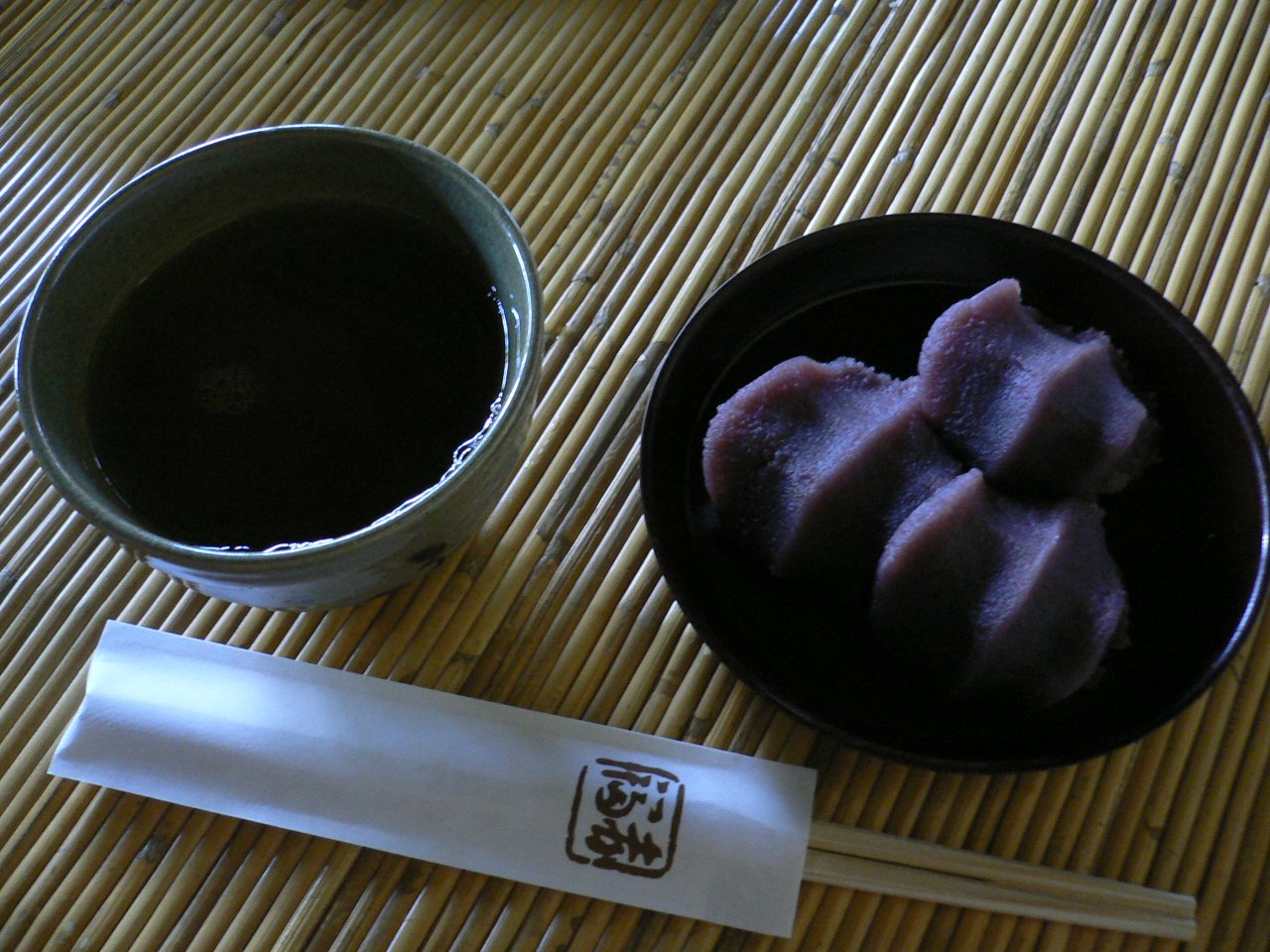
Chewy mochi rice cake topped with smooth sweet red-bean paste formed in a wave pattern — said to represent the Isuzu River. Made fresh daily and sold only at the main shop beside Naiku (and a few branches). Around ¥150 per piece.
Must-buy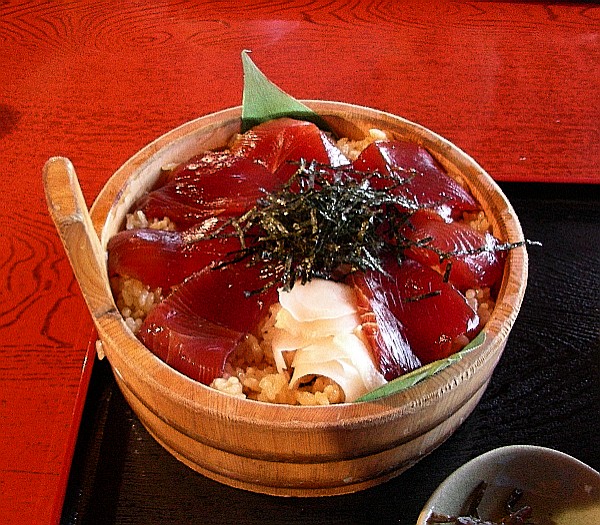
Vinegared rice mixed by hand (tekone) with strips of bonito or tuna marinated in soy — a fisherman's meal from Shima's coastal villages, now served in restaurants throughout Ise. Around ¥1,000–1,500.
Local originalMatsusaka City is just 20 km from Ise — home to one of Japan's three most celebrated wagyu beefs. Rich marbling, melt-in-the-mouth texture. Expect ¥3,000–8,000 per plate at a proper yakiniku or teppan restaurant.
Worth the tripToba and Ago Bay produce excellent oysters, abalone, spiny lobster and pearl oysters. Best in cooler months (October–March) — eaten grilled, raw or in a creamy soup. A 20-minute train ride from Iseshi.
Coastal treatThe Edo-style street beside Naiku is lined with stalls selling grilled skewers, miso soup in a clay bowl, sesame tofu, red rice and seasonal sweets — all while the cedar trees sway nearby. Best enjoyed with a slow walk, not a rush.
Walk-and-eatAttractions you have to visit in Ise
From the ancient forested precincts of Naiku and Geku to the Edo pilgrim street of Okage Yokocho, the iconic Meoto Iwa at dawn and the sparkling Ago Bay — Ise rewards those who linger rather than rush.
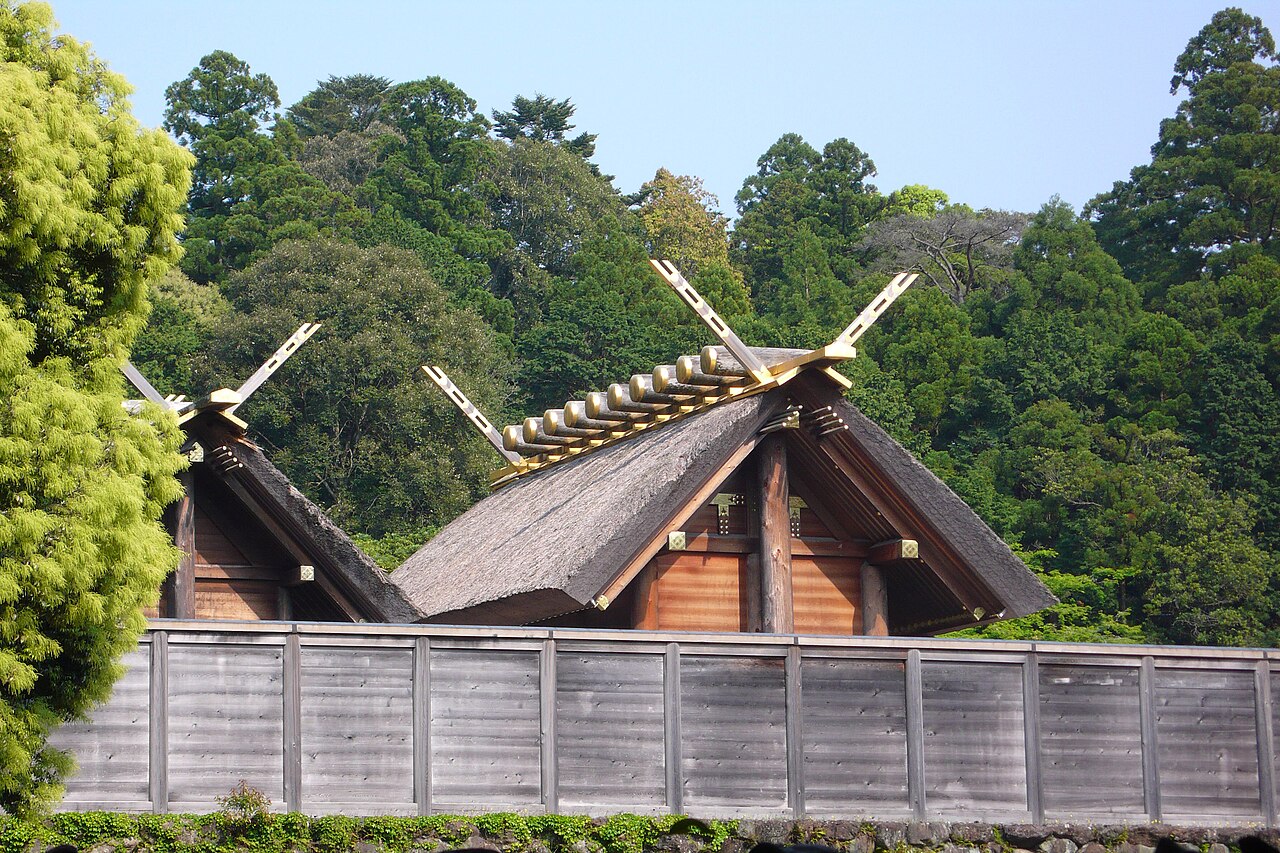
Cross the ancient Uji Bridge into the forested precinct of Naiku — dedicated to Amaterasu, goddess of the sun. The inner sanctum is hidden from view by wooden fences, but the towering cedar trees and gravel paths carry a stillness that stays with you long after you leave.
The heart of Ise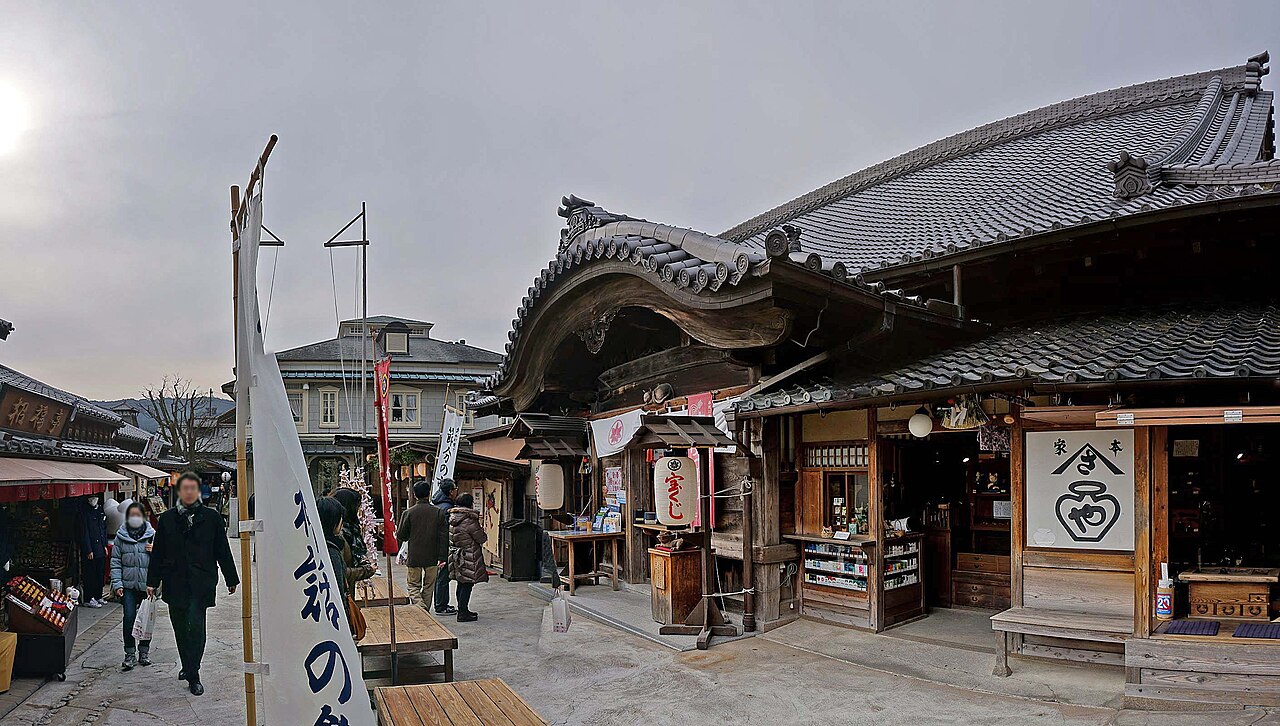
The atmospheric Edo-style lane immediately outside Naiku — filled with shops selling Akafuku mochi, Ise udon, local crafts and souvenirs. The rebuilt street faithfully recreates the look of Ise's pilgrimage heyday. Go in the morning before the tour buses arrive.
Most photographed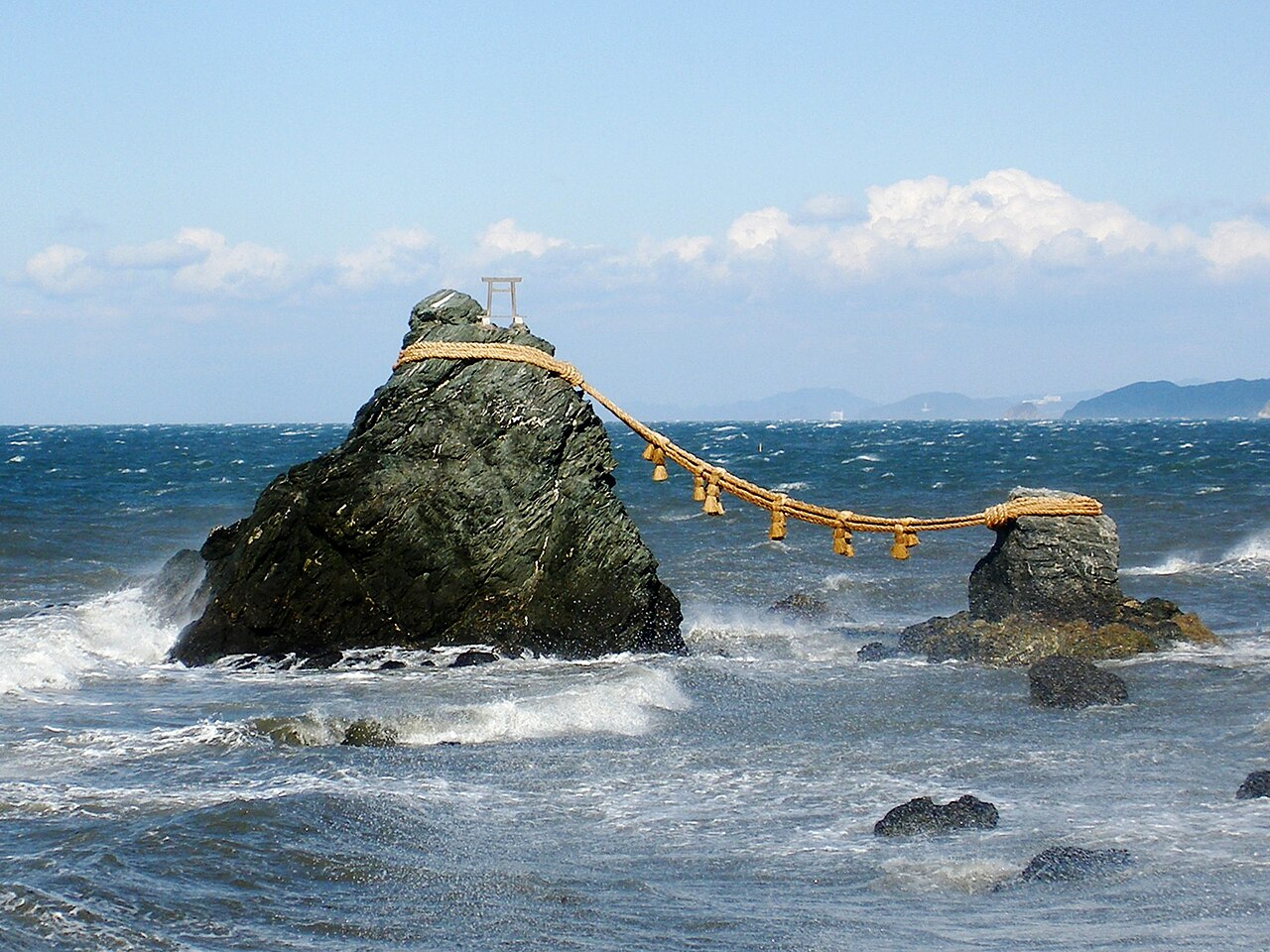
Two sacred boulders in the sea off Futami-ga-ura, linked by a thick shimenawa (sacred straw rope) — the larger topped with a small torii gate. In early summer, sunrise rises directly between them. Twenty minutes by train from Iseshi station.
Sunrise spot
Geku is dedicated to Toyouke, the goddess of food and agriculture — and Japanese tradition says to visit Geku before Naiku. A 10-minute walk from Iseshi or Ujiyamada station, with tall cedars, gravel paths and a quiet that makes the ideal introduction to the day.
Visit firstThe Isuzu River flows through Naiku's outer grounds. Pilgrims have washed their hands here before entering the shrine for over a millennium — a deeply calming ritual before stepping onto the bridge and into the trees.
Sacred ritual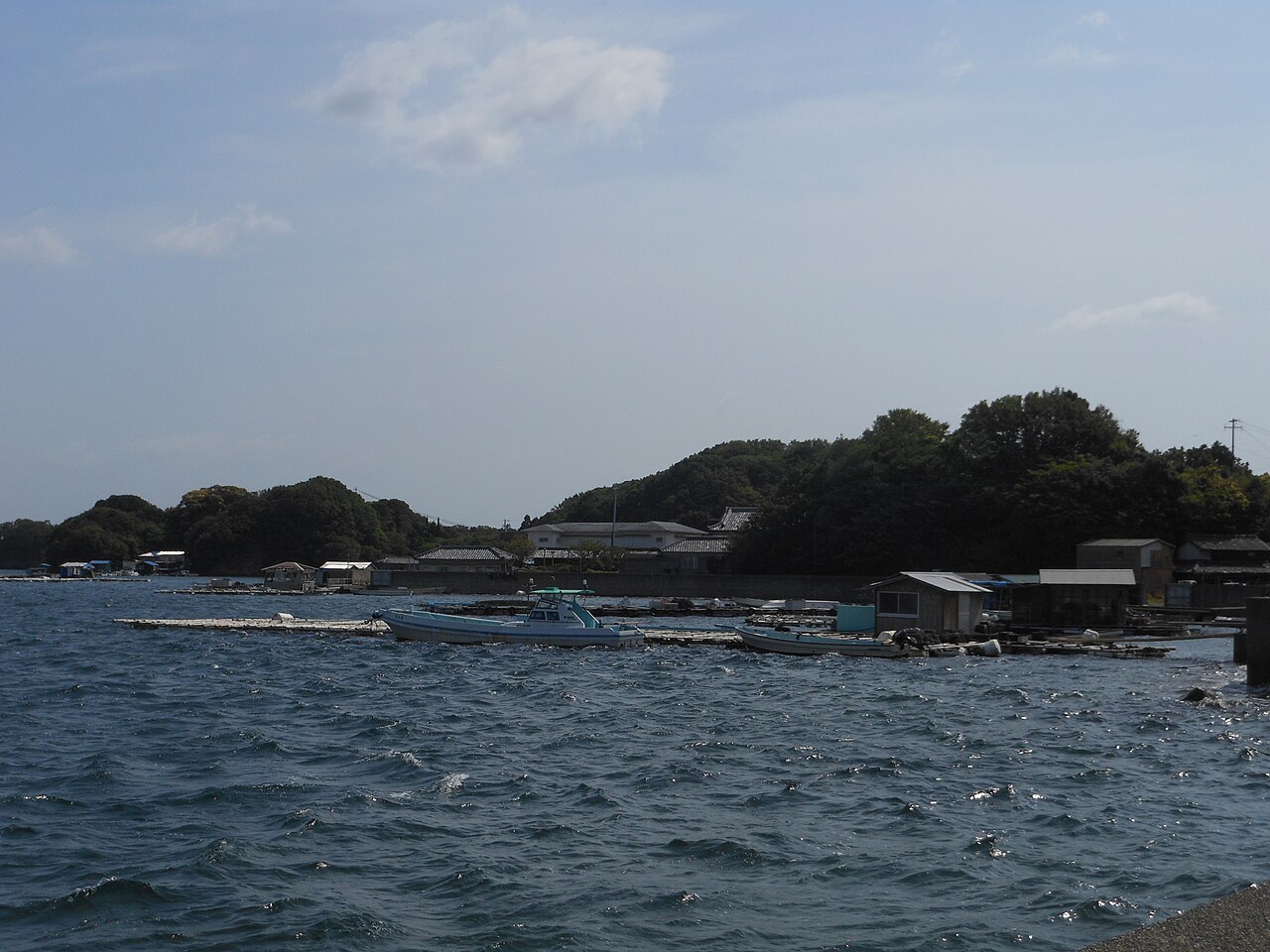
About 45 minutes south of Ise by Kintetsu train — Ago Bay's sky-blue waters are dotted with pearl-farming rafts, and Toba is home to the Mikimoto Pearl Island and one of Japan's best aquariums. A natural add-on to a two-day Ise trip.
Day tripSample Ise itinerary — 2 days, 1 night
A smooth route with no backtracking — Geku by morning, Naiku and Okage Yokocho by late morning, Futami by afternoon, and a coastal day trip to Toba on day two. Perfect for first-time visitors to Ise.
Everything you need to know before visiting Ise
Essential facts and practical steps to make your first trip to Ise run smoothly — how to get there from Nagoya, Osaka and Kyoto, how to move between Geku and Naiku, and when to visit.
From Nagoya: Kintetsu Ltd Express direct to Iseshi/Ujiyamada ~1 hr 20 min (~¥2,330 + ¥520 reservation). From Osaka Namba: Kintetsu direct ~2 hr (~¥2,570+). From Kyoto: Kintetsu to Yamato-Yagi then change, ~2 hr (~¥2,570+). From Tokyo: Shinkansen to Nagoya (~1 hr 40 min) then Kintetsu. · Ise travel tips →
Geku is a 10-minute walk from Iseshi or Ujiyamada station. Naiku is ~6 km further — take bus routes 51 or 55 from the Naiku-mae bus stop (¥440, ~15 min) or hire a bicycle at the station. Taxis cost around ¥2,000 one way. A bicycle is the most enjoyable option on a clear day.
All destinations are on the Kintetsu or JR Sangu line from Iseshi: Futami (~20 min), Toba (~20 min), Ago Bay/Kashikojima (~45 min), Matsusaka (~30 min). IC cards (Suica/Icoca) work across all these lines. No need to reserve seats for local trains.
Bring some cash for bus fares and small stalls in Okage Yokocho. Load a Suica or Icoca IC card for all trains and most buses. Activate a Japan eSIM before you fly for 4G/5G coverage — Ise, Toba and Ago Bay are all covered.