Sapporo reinvents itself completely across the year — metres of snow and a snow festival in February, late cherry blossoms in early May, Furano's lavender fields in July, and fiery autumn colours in October. Each season delivers something the others can't. Pick the right month and you are already halfway to a great trip.
Sapporo doesn't have a single "best" season, because people come for genuinely different reasons. If you want snow, the Snow Festival and world-famous powder skiing, early February is the peak (the 2026 festival runs 4–11 February) — but it's also the most expensive and crowded week of the year. If you want lavender fields and cool summer weather as an escape from the heat, mid-July is your window.
If you want clear skies, manageable crowds and fair prices, go late September into October — crisp air, turning leaves and ideal walking temperatures. And if you're chasing Japan's latest cherry blossoms, early May at Maruyama Park is the moment — just watch out for Golden Week at the start of the month, when the whole country travels at once.
The weather, what it delivers, and what you're trading for it — told straight.
Snow Festival, Odori Park · Winter
Signature
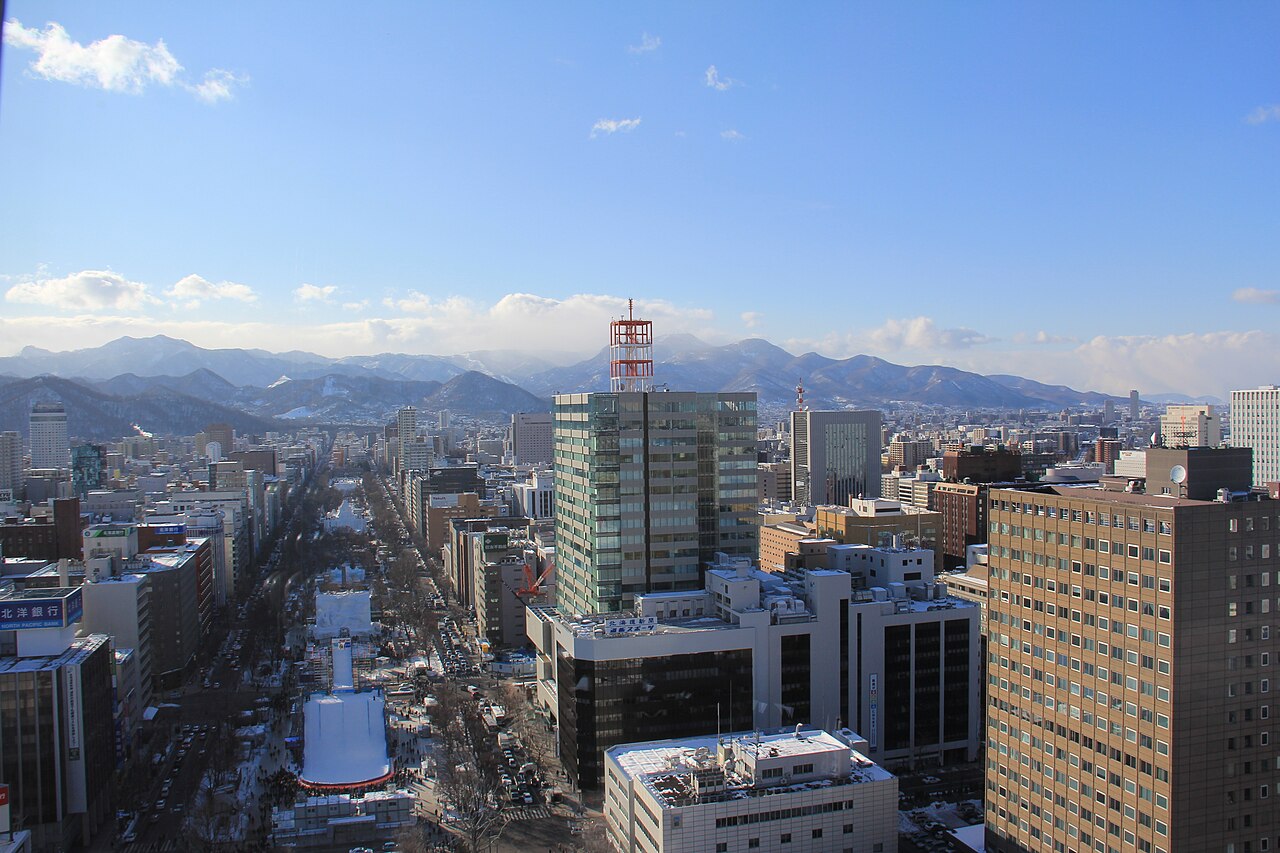
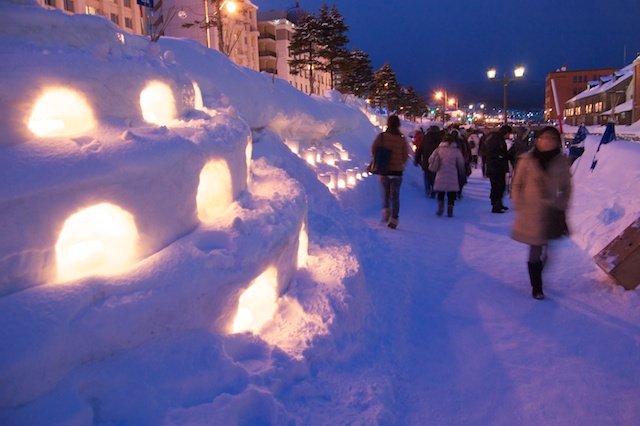
This is the season that makes Sapporo what it is. Heavy snowfall turns the whole city white — Sapporo is one of the snowiest major cities on Earth, with close to 5 metres a year. January runs around -4 to -5°C, dropping to -8°C at night. The highlight is the Sapporo Snow Festival in early February: giant snow sculptures line Odori Park and more than two million people come to see them each year.
Winter is also the season of Hokkaido's three crabs (king, hairy and snow crab) and of powder skiing at Niseko and Rusutsu — dry, light snow that many rank among the best in the world. Both resorts are about 2 to 2.5 hours from the city.
Maruyama Park · Spring
Good
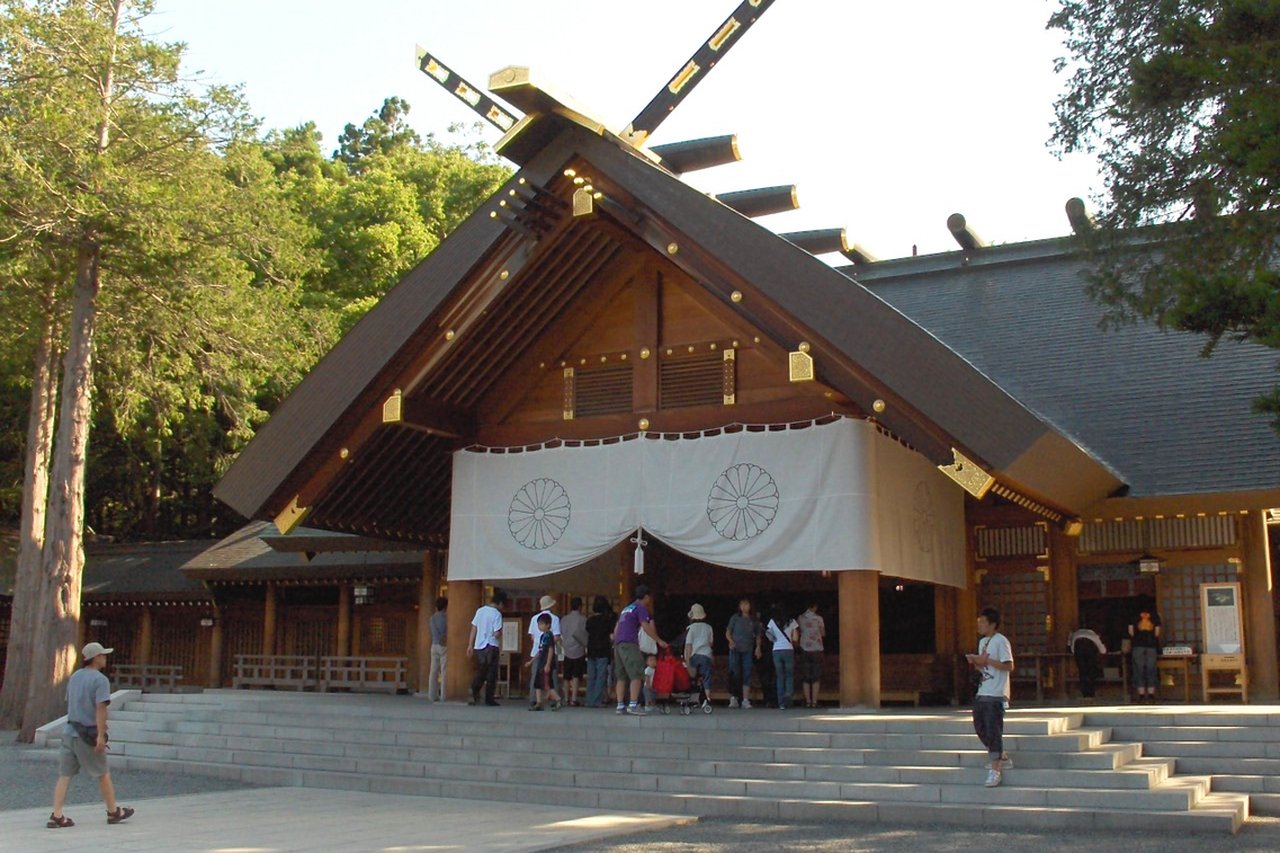
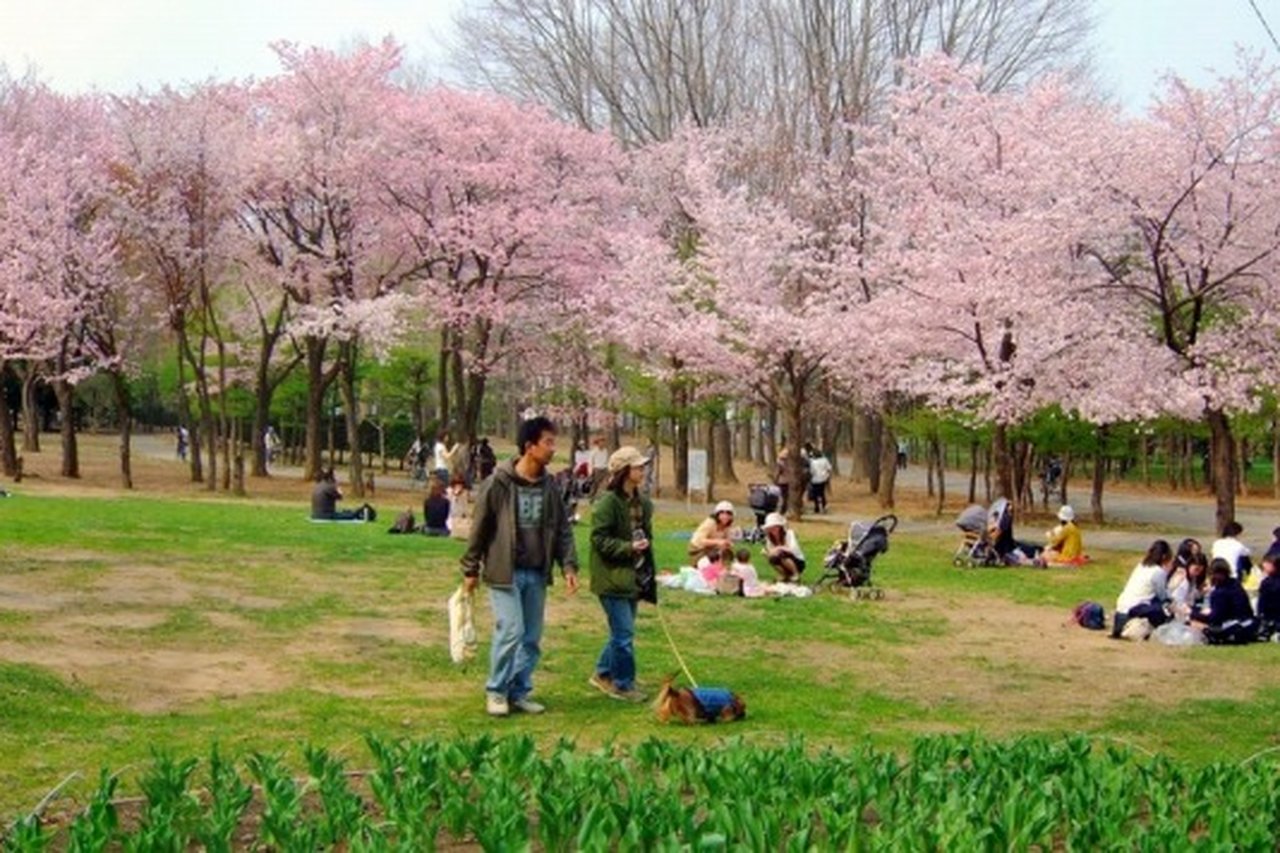
Hokkaido enters spring later than the rest of Japan; the snow only fully melts around mid-April before the city greens up again. The highlight is Japan's latest cherry blossom — Sapporo's sakura begin in late April (around 25–27 April) and reach full bloom in early May. The best spots are Maruyama Park and Hokkaido Shrine, where cherry and plum blossoms open together, a sight that's rare elsewhere in Japan. Locals fill the park with hanami picnics.
May after Golden Week is one of the most underrated windows of the year: pleasant weather, thinning crowds and prices that haven't yet climbed to summer levels.
Furano lavender · Summer
Great
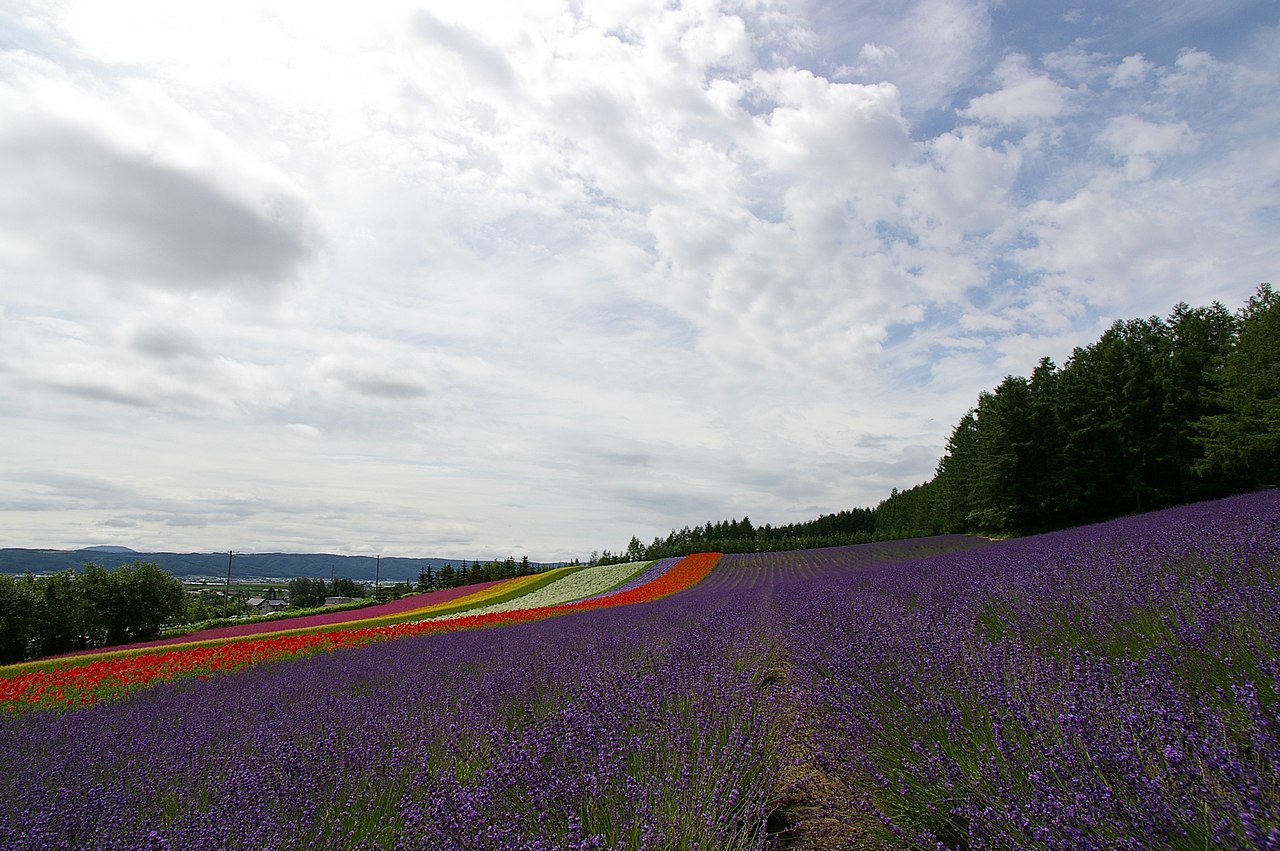
While the rest of Japan swelters, Hokkaido stays cool and relatively dry — July and August average just 17–26°C, with no proper rainy season like the main islands. It's a beloved summer escape for the Japanese themselves. The real headline is the Furano lavender fields, which bloom from late June into early August and peak in mid-July. Farm Tomita has both lavender rows and a rainbow of mixed flower beds, while the rolling patchwork hills of nearby Biei look straight off a postcard.
In the city, the Sapporo Summer Festival turns Odori Park into Japan's largest open-air beer garden through July and August.
Jozankei Onsen · Autumn
Good
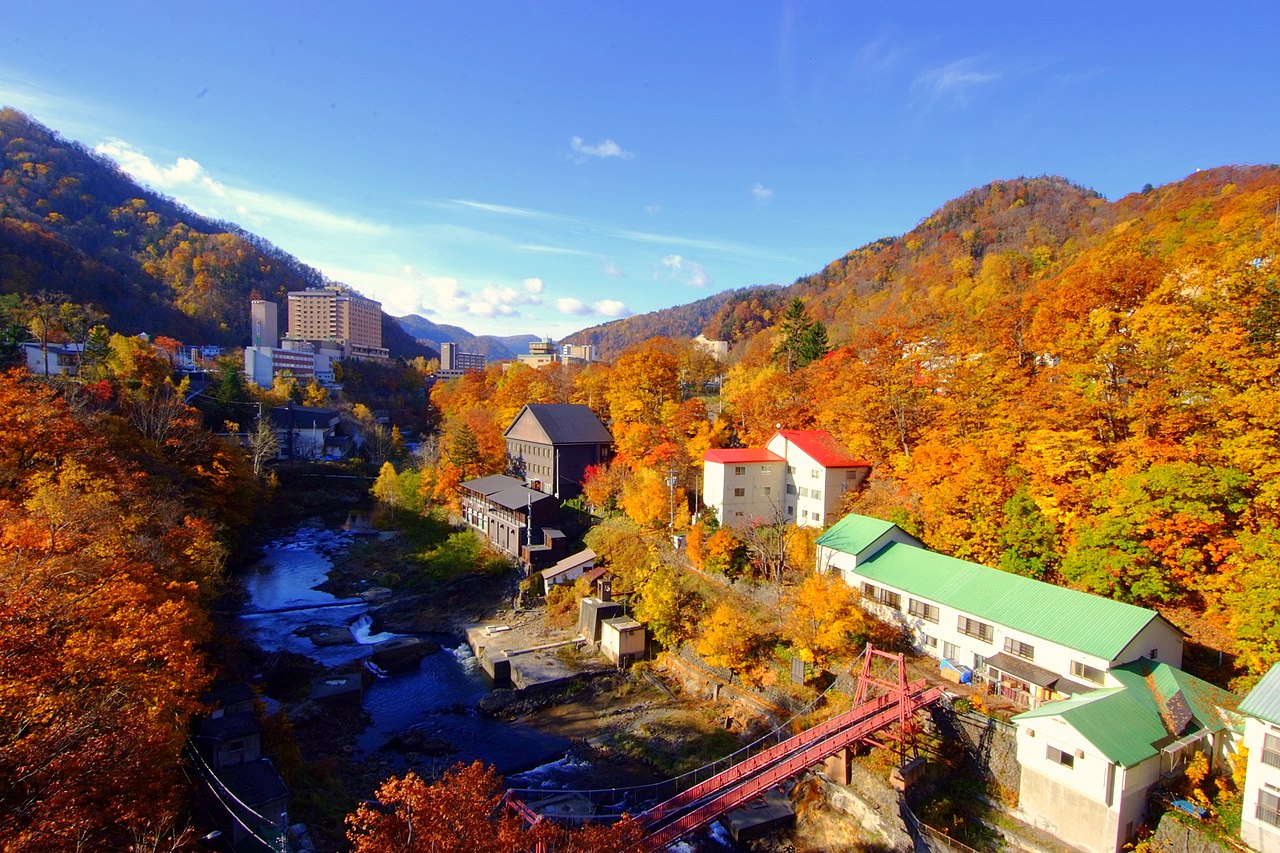
Hokkaido is the first place in Japan to turn — foliage starts in the high mountains in late September and works its way down into the city through October. The standout spot near Sapporo is Jozankei Onsen, a hot-spring valley where the reds, oranges and golds reflect in the river, peaking in early-to-mid October. Mt. Moiwa, reached by ropeway, pairs city views with a forested slope in full colour.
Early September is still mild (20–22°C) and great for walking; by November the cold sets in fast and the first snow can arrive late in the month. November itself is quiet and good value, just before the festival season begins.
Temperature, snow/rain and crowd levels — in one table for easy comparison.
| Month | Temperature | Snow / Rain | Crowds | Notes |
|---|---|---|---|---|
| January | -8 to -1°C | Heavy snow | Moderate | Coldest month · best powder skiing |
| February | -7 to 0°C | Heavy snow | High (Snow Festival) | Snow Festival 4–11 Feb — peak of the year |
| March | -3 to 4°C | Easing snow | Moderate | Late ski season · snow starts to melt |
| April | 2–12°C | Low | Low | Snow gone mid-month · blossoms begin late |
| May | 8–18°C | Low | High (Golden Week) | Full bloom early month · 29 Apr–5 May packed |
| June | 13–21°C | Low | Moderate | Cool, dry · lavender starts late month |
| July | 17–25°C | Moderate | High (lavender) | Furano lavender peaks mid-month |
| August | 19–26°C | Moderate | High (Obon) | Warmest · beer garden · Obon mid-Aug |
| September | 15–23°C | Low | Moderate | Fine weather · foliage starts on the peaks late |
| October | 8–17°C | Low | Moderate | Peak autumn colour · Jozankei / Mt. Moiwa |
| November | 1–9°C | First snow late | Low | Quiet, good value · first snow may arrive |
| December | -4 to 2°C | Heavy snow | Moderate | Ski season opens · White Illumination lights |
Not periods to avoid outright — just ones to book far ahead and budget more for.
Sapporo's biggest winter event. More than two million people come to see the giant snow sculptures at Odori Park, the ice sculptures at Susukino and the snow play park at Tsudome. The atmosphere is wonderful and the photography even better — but hotel prices hit their annual peak and rooms sell out fast. If you're set on this week, book two to three months ahead and budget for accommodation costs roughly double the norm.
When the lavender is at its best, Furano and Biei fill with visitors and tour coaches. Accommodation near Furano books out and prices rise, and the seasonal Lavender Express train is hard to reserve. If you're coming at this time, book your stay and rental car well ahead — or visit on a weekday morning to beat the tour groups that arrive later in the day.
Japan's spring run of public holidays, when much of the country travels at once — and it lands right on Sapporo's cherry blossom season. Maruyama Park and the hanami spots get busy, hotels fill and prices climb, and domestic flights are expensive. If you can shift your dates to mid-or-late May, the weather is still good, crowds are far thinner, and the late-blooming cherry varieties are still in flower.
Reasons to time your visit, if the dates line up.
Through summer, Odori Park becomes Japan's largest open-air beer garden, with zones from several brewers, Hokkaido food and live performances. The cool evenings make drinking outdoors genuinely comfortable here — an atmosphere you won't find in any other season.
When the cherry trees bloom, Sapporo's residents fill Maruyama Park with hanami picnics. Here the cherry and plum blossoms open at the same time — a combination that's hard to find elsewhere in Japan. The adjacent Hokkaido Shrine is calmer and ideal for an early-morning walk before the crowds arrive.
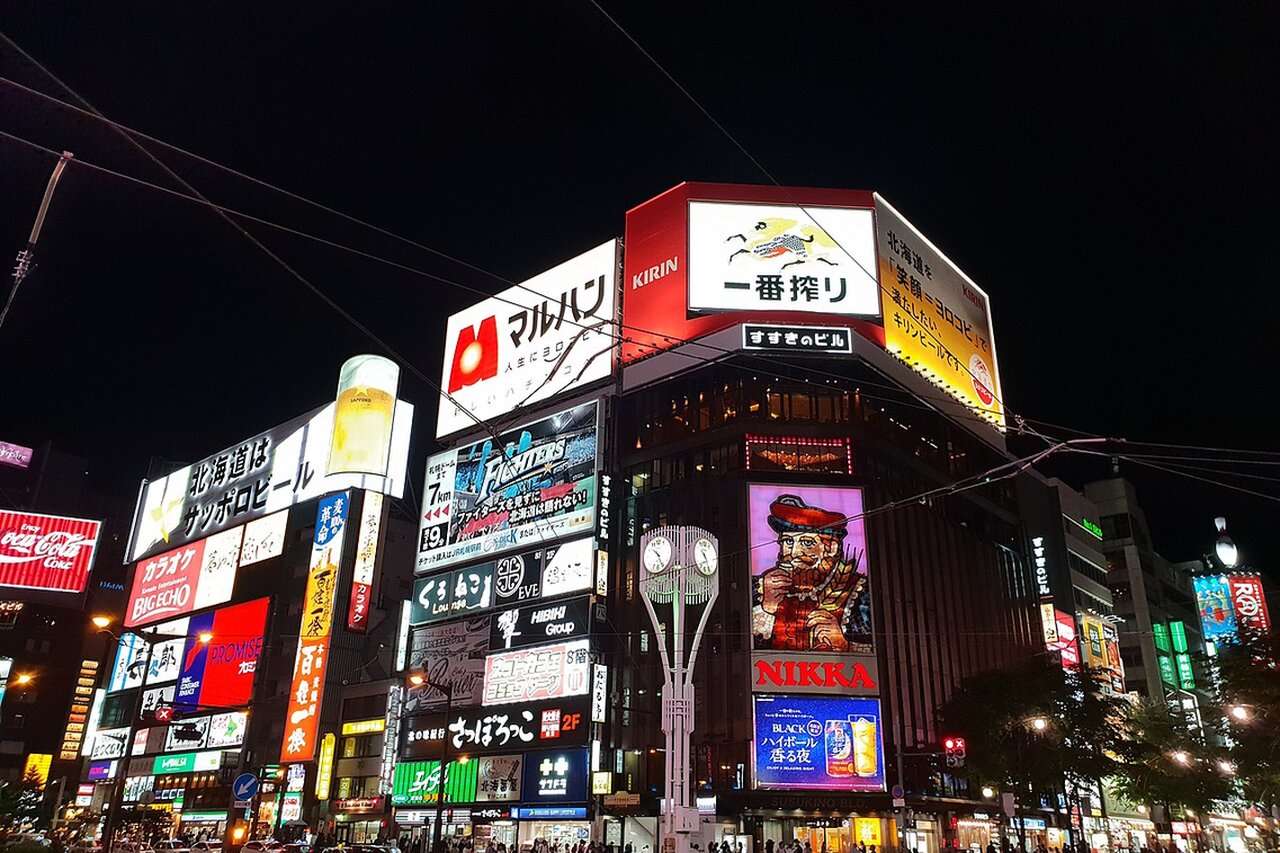
From late November, Odori Park and the main avenues glow with the White Illumination — snow and lights at their most romantic. It coincides with the season of Hokkaido's three crabs (king, hairy and snow), served at their freshest in the restaurants of Susukino. Pair them with a hot bowl of miso ramen and the cold suddenly feels like a feature, not a flaw.
Not exhaustive — just the things that actually matter for Sapporo.
Whatever month you arrive, there is something worth seeing.