Bangkok has two airports on opposite sides of the city. Suvarnabhumi (BKK) to the east has a direct train into town; Don Mueang (DMK) to the north is the low-cost hub with no train in the terminal. The Airport Rail Link beats the traffic, the taxi follows one simple fare formula, and Grab works everywhere. Everything sorted before you leave Arrivals.
Just booked a flight to Bangkok? Your first job is to check the airport code on your ticket, because Bangkok has two major airports on opposite sides of the city — Suvarnabhumi (BKK) to the east and Don Mueang (DMK) to the north — and the way into town from each is completely different. One has a train running straight into the city; the other relies on buses, a commuter line across the road, and taxis. Find your code, then read the section that applies to you.
Bangkok's main hub, opened in September 2006, sitting east of the city around 30 km from the centre. Most full-service airlines land here, using the main terminal and the SAT-1 satellite building. Its big advantage: the Airport Rail Link runs straight from the basement into town.
The older airport to the north, in operation since 1914, and today the base for low-cost carriers — AirAsia, Thai Lion Air, Nok Air. Terminal 1 handles international flights, Terminal 2 domestic. It sits around 25 km from the centre, with no train inside the terminal, so the plan here is different.
If your ticket lands here, read this before you walk out of Arrivals.
The low-cost hub — most AirAsia, Thai Lion Air and Nok Air tickets land here, and the transfer plan is different from Suvarnabhumi.
Don Mueang is actually a little closer to the centre than Suvarnabhumi, but the thing to remember is that there is no train inside the terminal. Your main options are the cheap and frequent A1/A2 buses, the SRT Dark Red Line commuter train reached by a walkway across the road, and taxis or Grab — direct, but at the mercy of Vibhavadi Rangsit Road, which jams badly at rush hour. Choose based on when you land and how much you're carrying.
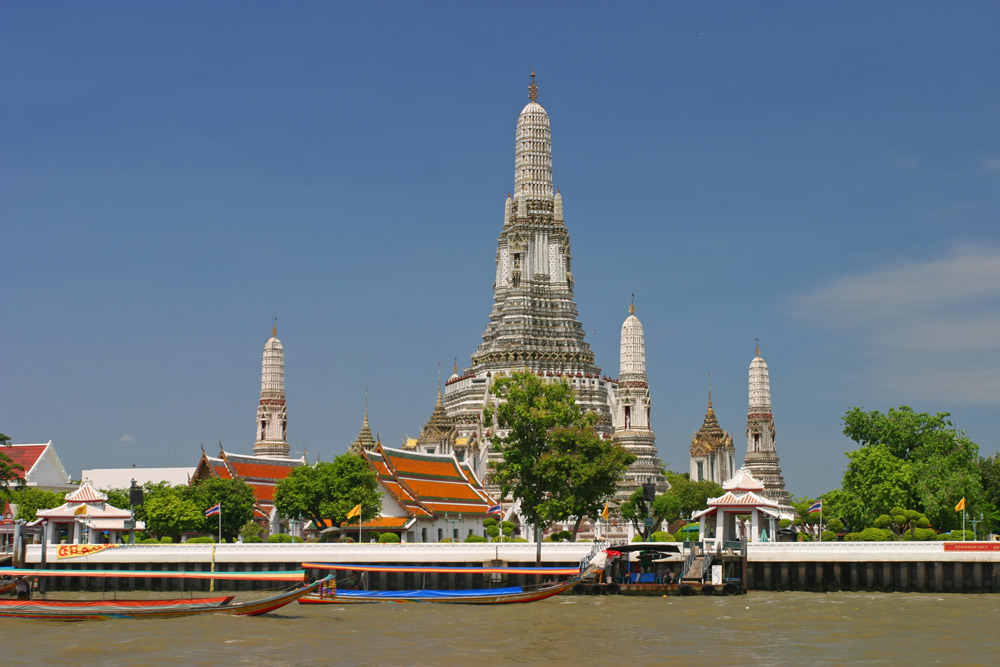
The popular budget option. Board outside the terminal (look for the signs around gate 6), pay about ฿30 on the bus. The A1 stops by BTS Mo Chit and MRT Chatuchak Park; the A2 continues to Victory Monument. Buses leave roughly every 5–20 minutes, running about 06:00–24:00 (double-check the signs).
Don Mueang station sits across the road, reached by a walkway from the terminal. Trains run to Krung Thep Aphiwat Central Terminal (Bang Sue) in about 15–20 minutes, where you transfer to the MRT Blue Line. No traffic at all — but departures are less frequent than the city metro, so check the timetable first.
The official rank uses the same queue-ticket system as Suvarnabhumi, and the same fare formula: meter + ฿50 airport surcharge + tolls. All-in to the centre is about ฿250–400. On empty roads it's around half an hour; at rush hour Vibhavadi Rangsit jams badly, so allow a full hour.
Works as usual — find the pickup point via the signs or the in-app map after booking. You see the price upfront, typically about ฿300–450 to the centre. Handy with lots of luggage and no route explanations needed. Surge pricing applies at peak times, as everywhere.
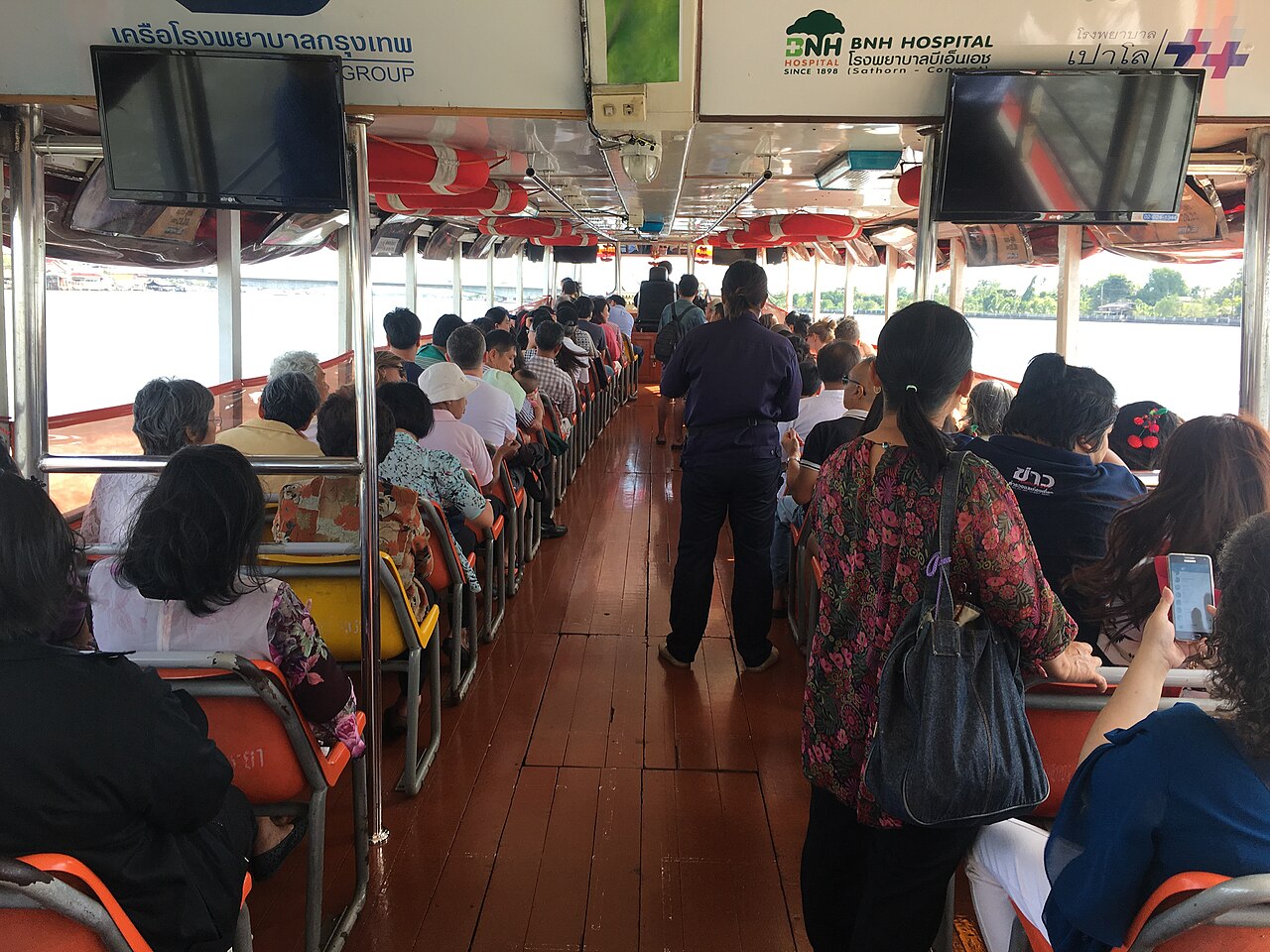
If you need to transfer between airports — say, flying into Suvarnabhumi and catching a low-cost domestic departure from Don Mueang — be aware that the two sit on opposite sides of the city: Suvarnabhumi to the east, Don Mueang to the north. The drive is roughly 40–50 km through areas that can jam at any hour, and there's no shortcut.
Four things that make the first hours of a Bangkok trip run smoothly — what to do after midnight, how much buffer to leave on departure day, where to handle your SIM and cash, and the honest truth about train tickets that confuses every visitor.
The official taxi ranks at both airports run 24 hours, and Grab works through the night. The Airport Rail Link and the A1/A2 buses stop around midnight — check the last departure if you're cutting it close. Roads are empty late at night, so the ride in is much quicker than by day.
For international departures from Suvarnabhumi, aim to arrive about 3 hours early — immigration and security queues get long at peak times. The ARL from Phaya Thai runs every 10–15 minutes. From the Don Mueang side, allow extra for Vibhavadi Rangsit traffic — the Red Line is the more predictable way there.
Tourist SIM and eSIM counters sit in the arrivals hall — registration takes minutes with your passport, prices depend on the package. Thai ATMs charge foreign cards a fee of about ฿220 per withdrawal, so take out larger amounts less often, or bring some cash; exchange rates in the city are usually better than at the airport.
Plainly: there is no shared ticket. The ARL uses its own tokens, the BTS uses the Rabbit card or single-journey tickets, and the MRT has its own cards and tokens — plus contactless credit-card tap at the gates. Every time you switch systems, you buy again. Fares run roughly ฿15–62 per ride depending on system and distance.