Jinsha Backpacker Inn (馬祖津沙背包客棧) — Cheapest in Matsu, Steps from Jinsha Village Beach
Jinsha Backpacker Inn is the cheapest verified accommodation in the Matsu Archipelago — from just NT$800 per night, housed in a century-old granite building at the heart of Jinsha Village, a traditional fishing settlement that has barely changed since the Cold War era. Steps from Jinsha Village Beach, it includes a simple breakfast, a shared kitchen, and a host whose local knowledge unlocks the island's best-kept secrets.
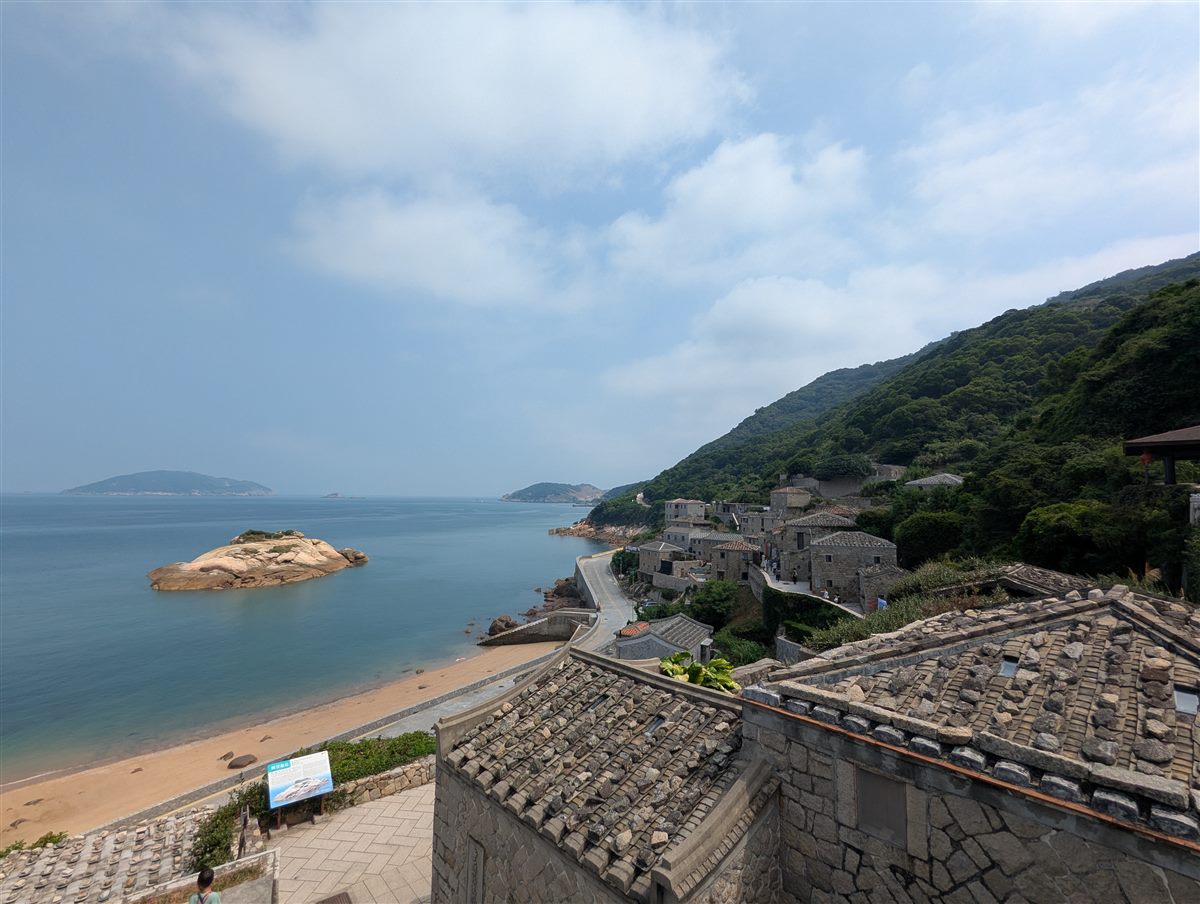
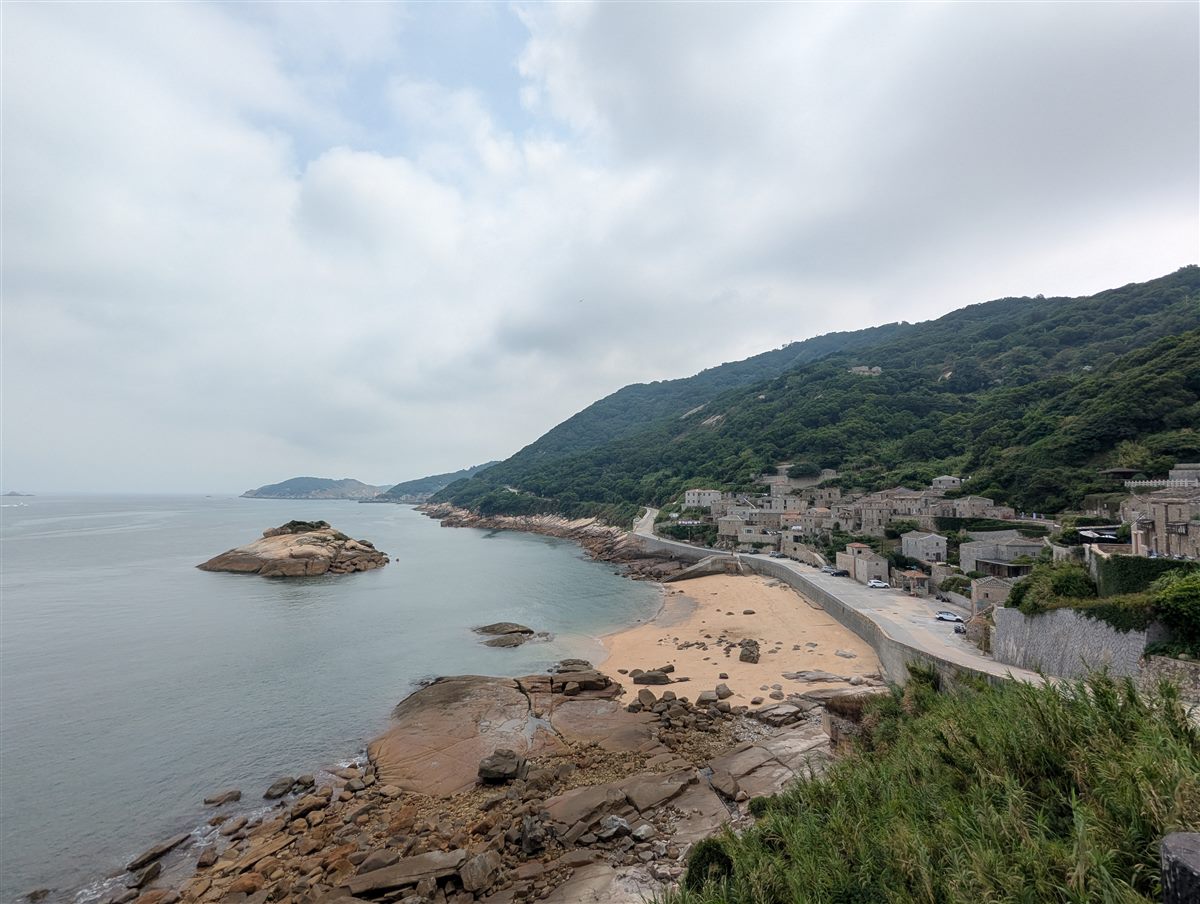
Jinsha Village (津沙村) is not just a stopover. It is one of the best-preserved traditional fishing villages in the entire Matsu Archipelago — a cluster of granite-block houses worn smooth by centuries of sea wind, narrow alleys threading between stone walls that have stood since the Qing dynasty, and a white-sand beach that once served as the mooring ground for generations of fishermen. During the Cold War, Nangan Island was a frontline military garrison, riddled with underground tunnels and fortifications. The scars of that era — bunkers, command posts, ammunition depots carved into rock — are now open-air history, visible everywhere you walk.
Guests describe it like this: "Warmest hostel they have ever stayed in. Host is incredibly helpful, price is unreal for Matsu. Simple breakfast, beach right outside the door. Exactly what they came here for."
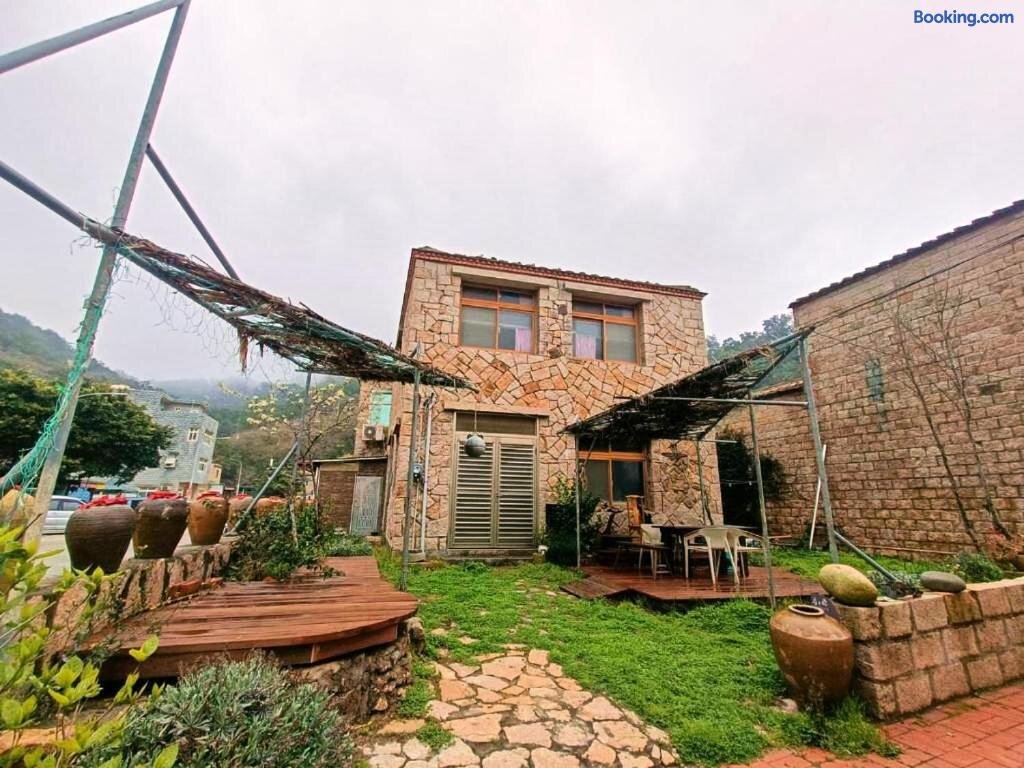
Jinsha Backpacker Inn occupies No. 49 Jinsha Village, inside a granite building that retains every detail of the island's traditional architecture. Staying here is not simply about budget accommodation — it is the experience of living inside a protected heritage streetscape. The dormitory rooms offer two configurations: a female-only 8-bed dorm and a mixed 8-bed dorm. Each bunk has a privacy curtain, a personal fan and a private power socket — a thoughtful fit-out that sits comfortably at the upper end of hostel standards.
The single most compelling selling point is the location: Jinsha Village Beach is literally outside the front door. No taxi, no bus, no walk. On clear mornings, when the sun rises out of the East China Sea and turns the sand gold, you can take your kitchen-brewed coffee down to the shoreline before anyone else on the island is awake. A beachfront position at under NT$1,000 per night is essentially impossible to find elsewhere in Matsu.
Simple breakfast is included in the room rate — toast, coffee, and occasionally eggs or seasonal fruit. It is not a hotel buffet, but it is enough fuel before a full day of exploring the island. The shared kitchen gives guests the freedom to cook their own meals, which matters on an island where restaurants are few and prices for sit-down meals reflect the remoteness of the supply chain.
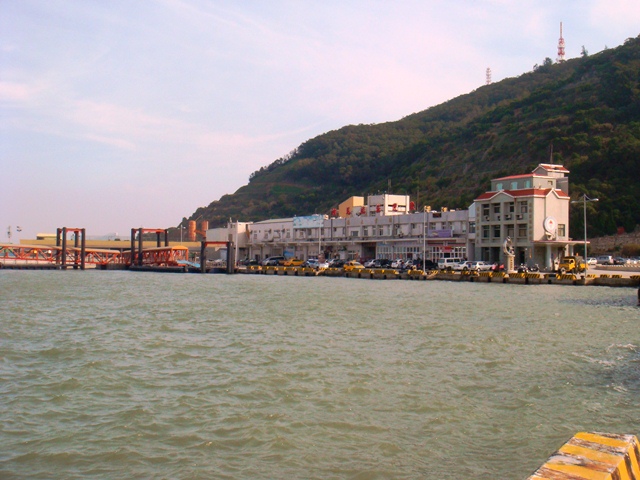
The host is the centrepiece of this property's appeal. Review after review singles out the warmth, helpfulness and local expertise on offer at check-in — from the best spot to photograph sunrise over the sea, to the local eatery where fishermen eat, to the precise route into the Cold War tunnels that most visitors never discover. The hostel also provides complimentary transfers to and from Matsu Nangan Airport (LZN) and the Fuao Ferry Terminal — a practical convenience that carries real value on an island where public transport is thin.
On the subject of history and culture: Jinsha Village is one of a handful of settlements in Matsu that is formally protected as an architectural conservation area. The granite buildings you are sleeping among are over a hundred years old. There is an old Mazu temple within walking distance, and the maze of alleys surrounding the inn can absorb a full hour of slow exploration before you have seen everything. Add the adjacent beach and you have the true heart of Matsu — not merely a bed on an island.
A few things to know before booking: Jinsha Village is approximately 7 km from Matsu Nangan Airport and a meaningful distance from the main town of Nangan (where more restaurants, a convenience store and services are clustered). The host covers transfers, but for independent exploration of the island a rented electric scooter — available at the ferry terminal — is by far the most practical option. The hostel may also reduce operations or temporarily close during the winter months (December through February), when strong northerly winds routinely cancel flights and ferries. Always confirm directly with the host before booking in that period.
In summary, Jinsha Backpacker Inn is the ideal base for travellers who want an authentic Matsu experience on a tight budget — the beach is at your door, the granite village wraps around you, and the host is a living guide to the island. If you are coming to Matsu to escape, to watch the sun rise over the East China Sea, and to walk a village where time feels genuinely suspended — this is where you should start.
Summary from Booking & Agoda
- ✓ Host is exceptionally warm and knowledgeable — best local recommendations on the island
- ✓ Beachfront location in Jinsha Village is stunning; step outside and you're at the sea
- ✓ Simple breakfast included — enough to get going before a day of island exploration
- ✓ Airport and ferry transfers included, which is a real relief on this remote island
- ! Shared bathrooms — not suitable for travellers who need private facilities
- ! Jinsha Village is far from the main shops and restaurants of Nangan town
- ! Winter months can bring severe wind; flights and ferries cancel frequently
- ✓ Cheapest accommodation in Matsu — genuinely unbeatable value
- ✓ Traditional granite village atmosphere is unlike anywhere else in Taiwan
- ✓ Bunk beds with curtains offer decent privacy for a dorm setup
- ✓ Shared kitchen means you can keep food costs under control
- ! May reduce operations in winter — confirm with host before booking
- ! Dorm-only format; no private rooms in standard offering
- ! Convenience stores and supermarkets require a scooter or taxi ride
- 💡If you need a private room — this is a dorm-only hostel; there are no standard private rooms. → Consider Dayspring Inn or Matsu Blue Zhuhai B&B if a private room is non-negotiable
- 💡If you need shops and restaurants within walking distance — Jinsha Village is quiet and remote, with limited facilities nearby. → The host provides transfers; stock up on supplies in Nangan town before arriving, or use the shared kitchen
- 💡If you are travelling in winter (Dec–Feb) — Matsu's northerly winds regularly cancel flights and ferries, and the hostel may scale back operations. → Always contact the host directly before booking and build a buffer day into your itinerary