Book the wrong area and you'll be commuting 20–30 minutes to every attraction. Here's an honest breakdown of all five neighbourhoods — who each suits, what things cost, and the hotels worth booking.
Open a Yokohama map and the first thing you'll notice is how spread out it looks. Landmark Tower sits on the western bay, Chinatown is further east, Yokohama Station is in the middle, and the quiet hillside neighbourhood of Yamate is south of everything. The good news: the Minatomirai Line connects all five tourist districts efficiently, and the entire corridor from Yokohama Station to the Chinatown area is under 30 minutes end-to-end.
Yokohama is Japan's second-largest city by population, but for most visitors the action concentrates in a compact bayfront arc. That arc breaks cleanly into five distinct areas — each with its own price range, atmosphere, and set of attractions on your doorstep. Pick the one that matches your travel style and you won't need to fight transit every morning.
One practical note before diving in: Yokohama is only 27–32 minutes from Shibuya by the Tokyu Toyoko Line direct, which makes it an easy day-trip from Tokyo — or you can base yourself here and commute into Tokyo instead. Either approach works.
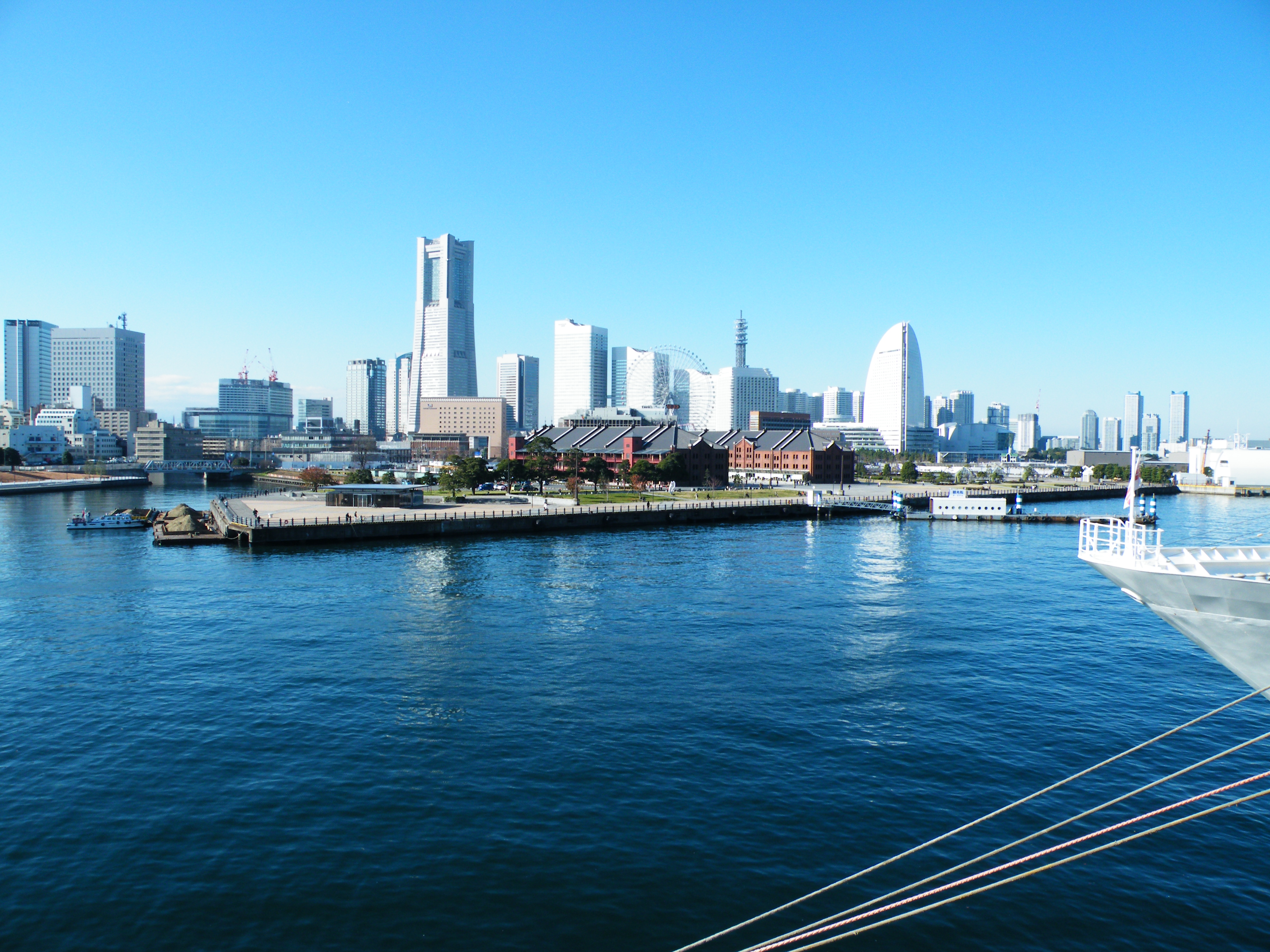
For most visitors on a first trip, Minato Mirai is the strongest base. Landmark Tower, Cosmo World (the giant Ferris wheel), the Red Brick Warehouse, Yokohama Cup Noodles Museum, and the Osanbashi cruise pier are all within walking distance or one stop on the Minatomirai Line. Hotels range from ¥14,000/night at solid 4-star level up to ¥40,000+ at the waterfront 5-star properties. The area has a pleasant, walkable harbour feel — modern and clean, with restaurants and shopping malls integrated throughout.
Top pick for this area: InterContinental Yokohama Grand — the sail-shaped landmark of the bay · 5★ · scored 9.2/10 from 1,108 reviews · from ¥25,000/night.
Read the InterContinental Yokohama Grand review →Real hotel picks with review links — choose the base that matches your trip style.
Area 1
Best for: Couples, architecture enthusiasts, anyone wanting the bay skyline on their doorstep. Minato Mirai is Yokohama's showcase modern district — waterfront promenades, Queen's Square and Landmark Plaza shopping, a world-class art museum (Yokohama Museum of Art), and the Ferris wheel that lights up the bay at night. The downside: it goes quiet after 10 pm and hotel rates are the highest in the city.
Area 2
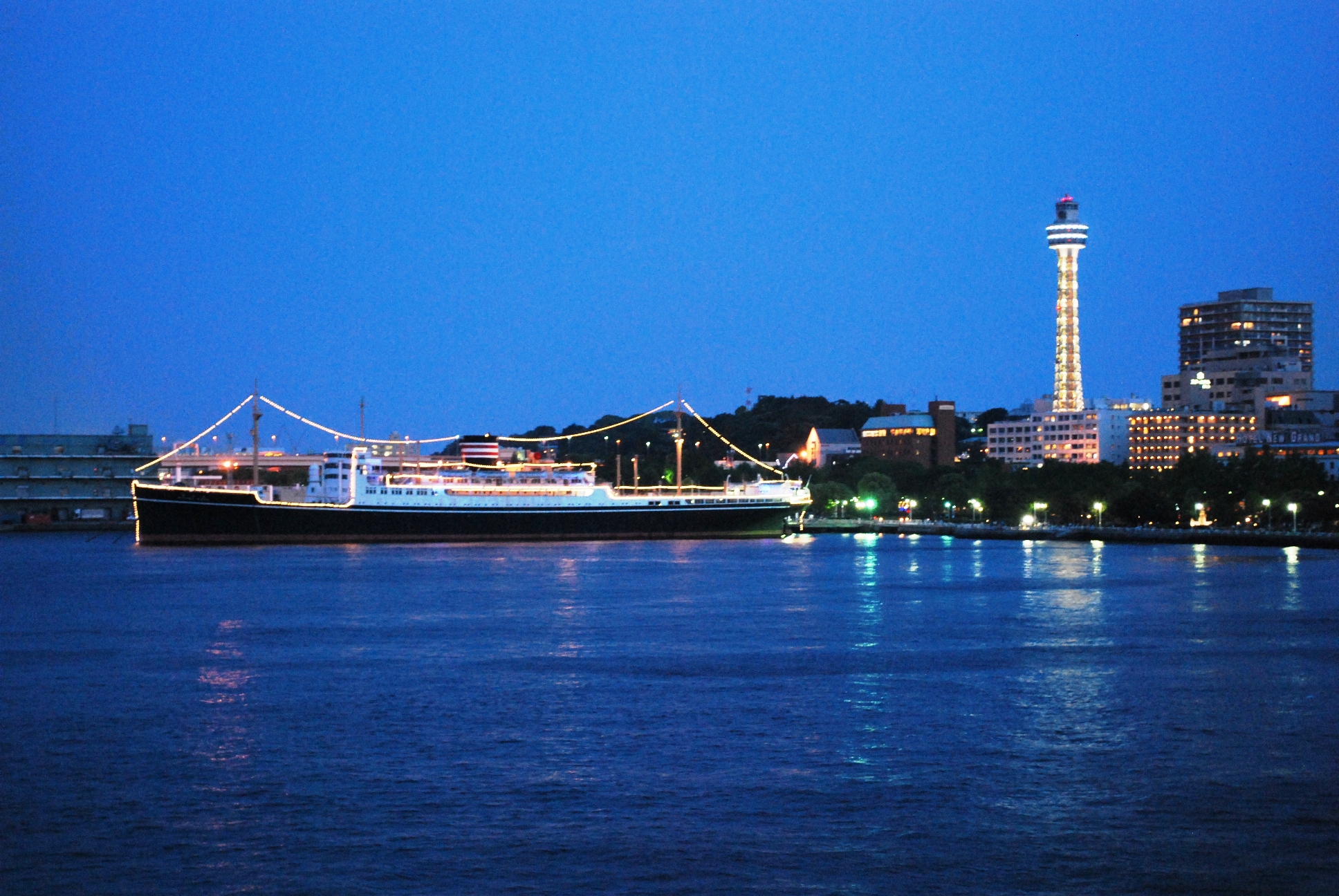
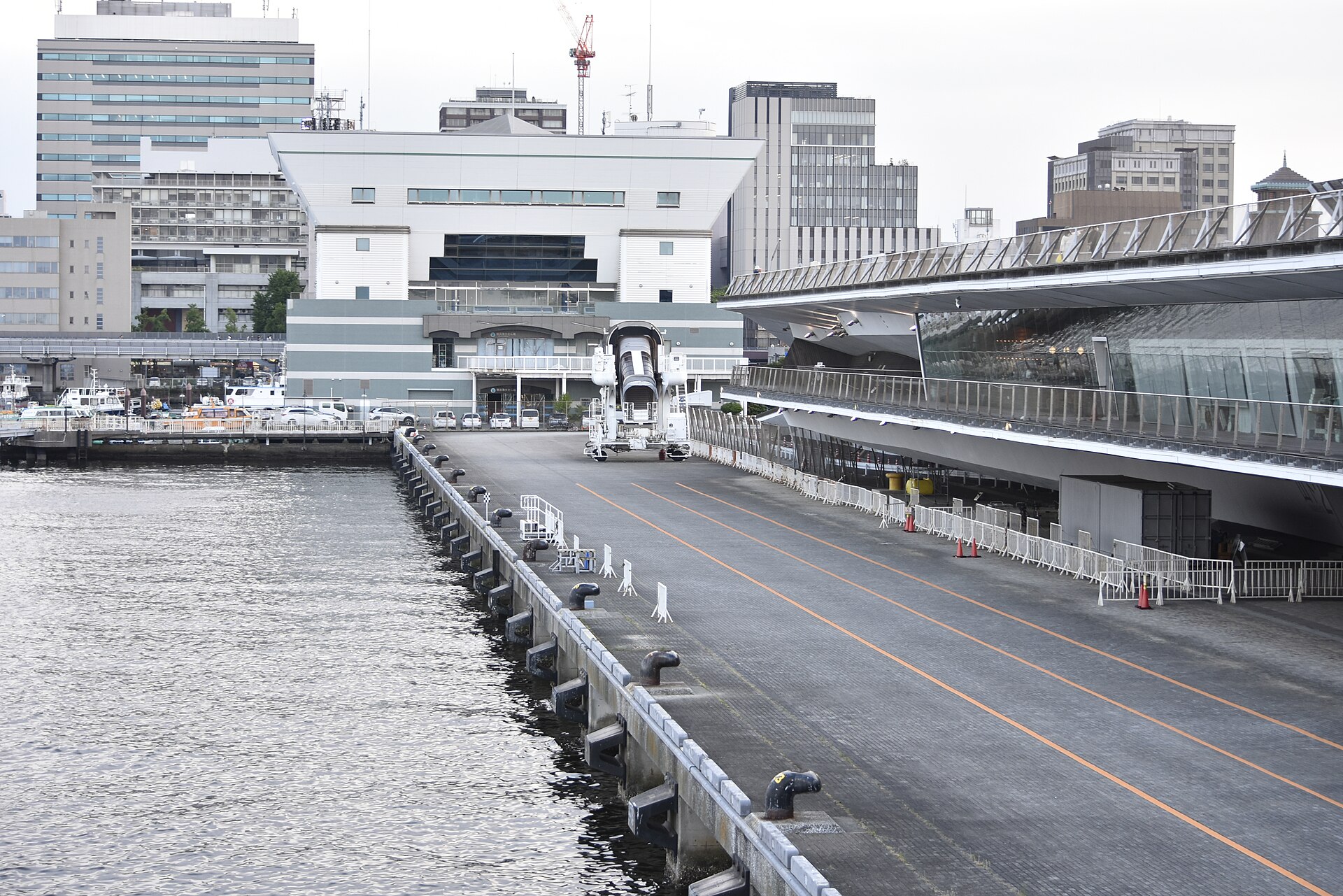
Best for: Travellers who want to walk out their door and into Chinatown within five minutes. This is Yokohama's historic core — the original downtown, where retro bars, local ramen shops, and the city's best Peking duck restaurants cluster in narrow backstreets. Yamashita Park and the Osanbashi cruise pier are also in this neighbourhood. Hotel prices are more reasonable than Minato Mirai: mid-range 4-star from ¥14,000, business hotels from ¥6,000–8,000.
Area 3
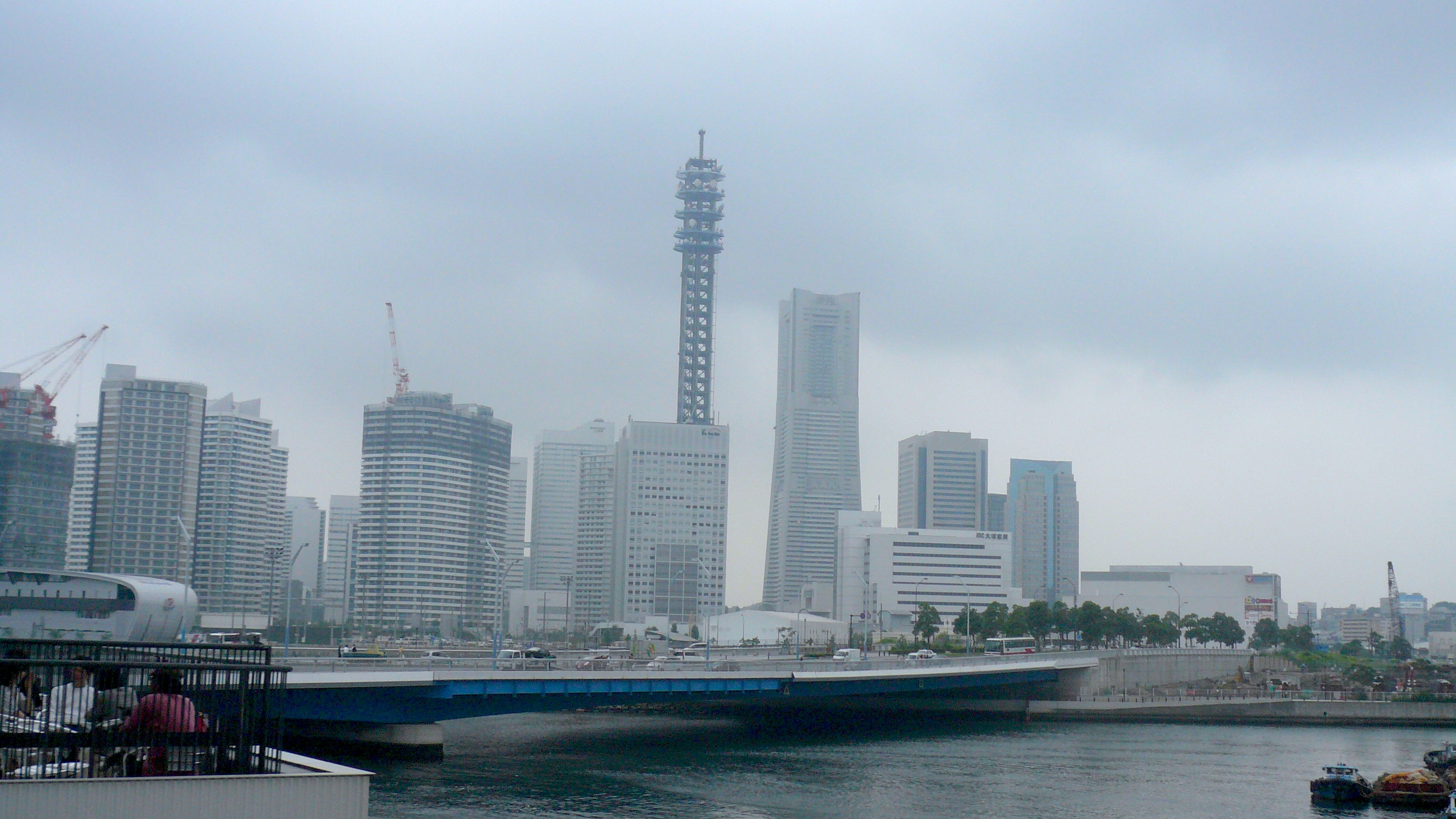
Best for: Budget-conscious travellers, anyone making frequent Tokyo day-trips, and late-arrivals who need a no-fuss base. Yokohama Station is served by five rail lines (JR Tokaido, Keikyu, Tokyu Toyoko, Sotetsu, Minatomirai Line), making it the easiest jumping-off point in the city. Three large department stores and a covered underground shopping mall surround the station. It's not the most atmospheric neighbourhood, but you won't need to think about getting anywhere.
Area 4
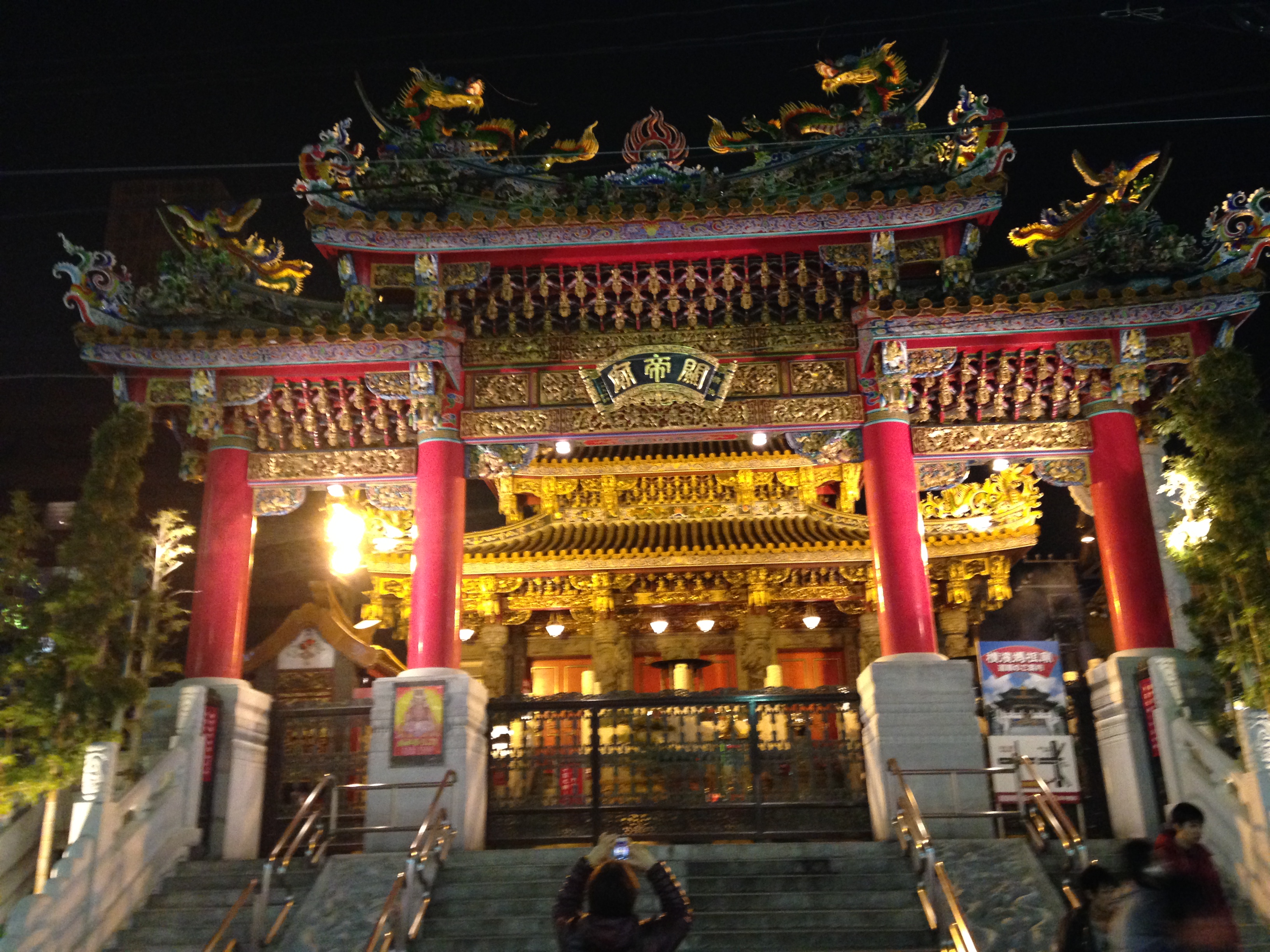
Best for: Travellers who want to feel fully immersed in what makes Yokohama distinctive. Motomachi is a tree-lined street of independent Japanese fashion boutiques, patisseries, and cafes — it's been a fashionable shopping street since the 19th century. Japan's largest Chinatown is immediately adjacent, with its ornate gates and 600+ restaurants. Accommodation options are fewer here than elsewhere, but those that exist have real character. Hotel New Grand (1927) is the storied choice.
Area 5
Best for: Visitors who want tranquility, history, and don't mind a gentle uphill walk. Yamate is where Yokohama's Meiji-era foreign community built their mansions — many are still standing and open to the public as museums. Rose gardens, panoramic bay lookouts, and a noticeably slower pace than the rest of the city. The honest caveat: accommodation options are very limited here, and getting down to the main sightseeing areas requires a 15-minute walk or a short train ride.
On a tight budget, business hotels near Yokohama Station or Kannai start around ¥6,000–9,000 per night (roughly US$40–60). The Toyoko Inn chain is a reliable benchmark in Japan — clean rooms, free Japanese onigiri breakfast, and always on a train line. See the Toyoko Inn Yokohama Kannai review for a real example of what to expect.
If you want the best without compromise, InterContinental Yokohama Grand (5★ bayfront, 9.2/10) and Hyatt Regency Yokohama (4★ opened 2020, 9.1/10 near Chinatown) are the two most reviewed and consistent options in the city.
If you stay in Kannai/Yamashita, Yokohama Chinatown's 600+ restaurants are minutes away — Peking duck, xiao long bao, and roast pork bao at every price point. For Minato Mirai stays, Landmark Plaza and Queen's Square have well-curated Japanese dining floors, and the Red Brick Warehouse terrace is good for craft beer and harbour views. Near Yokohama Station, the underground Porta and Diamond malls have dozens of ramen, sushi, and izakaya options open until late.