11 great meals under ¥1,000
Ordered from the single dishes that fill you up best, to the money-saving tricks locals actually use
 1
1
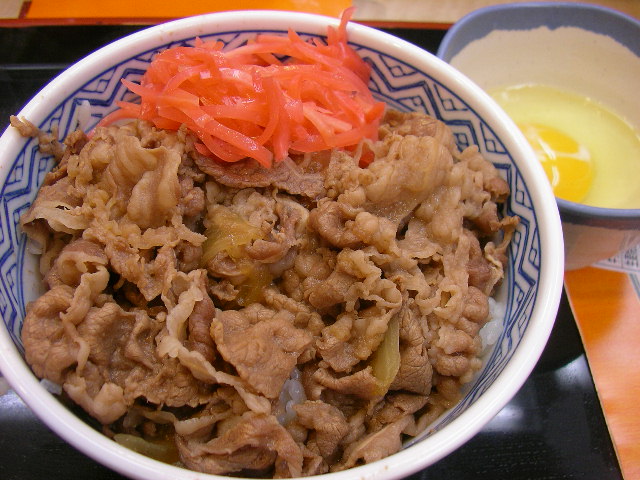
If you want to eat full for the least money in Tokyo, start here — thin-sliced beef simmered in sweet soy with onions over hot rice. In 2026, Sukiya cut its bowl to about ¥350, cheapest of the big three. Matsuya is ¥460 (free miso soup included), Yoshinoya ¥498, the original. All three use ticket machines or picture menus, so no Japanese needed. Add a raw egg (tamago) or cheese, and the breakfast sets from ¥400 are superb value.
 2
2
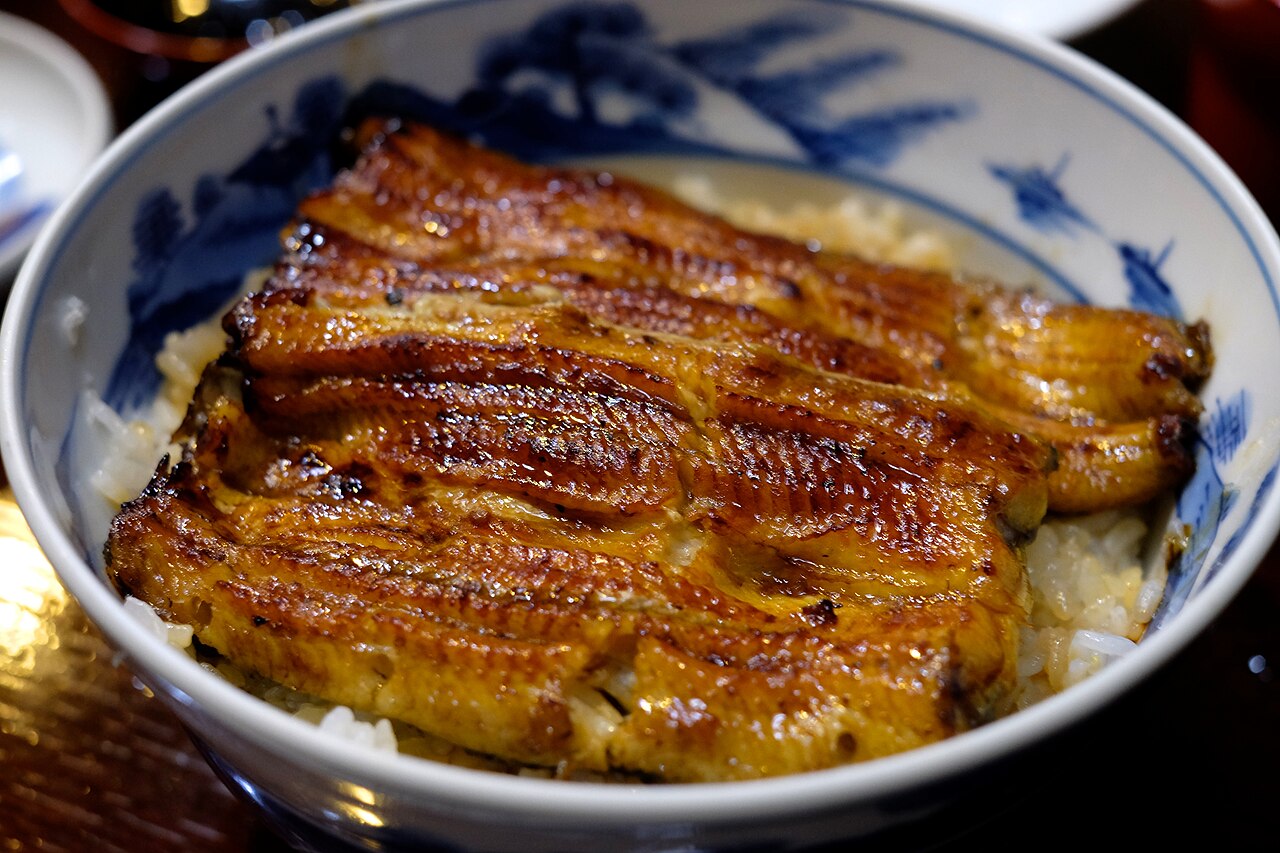
Grilled eel (unagi) has a reputation for being expensive in Japan — good shops charge ¥3,000 a bowl and up. Unatoto flips that with a small unadon from about ¥590, the standard bowl around ¥640. It is real charcoal-grilled eel brushed with sweet-savoury tare sauce, glossy and lacquered — a price you simply will not find elsewhere. It already rose from ¥500 to ¥590, so use the current figure. Very hungry? Order the double unadon (two layers of eel) at around ¥1,100. The Ueno branch sits near the Ameyoko market, a few minutes from the station.
 3
3
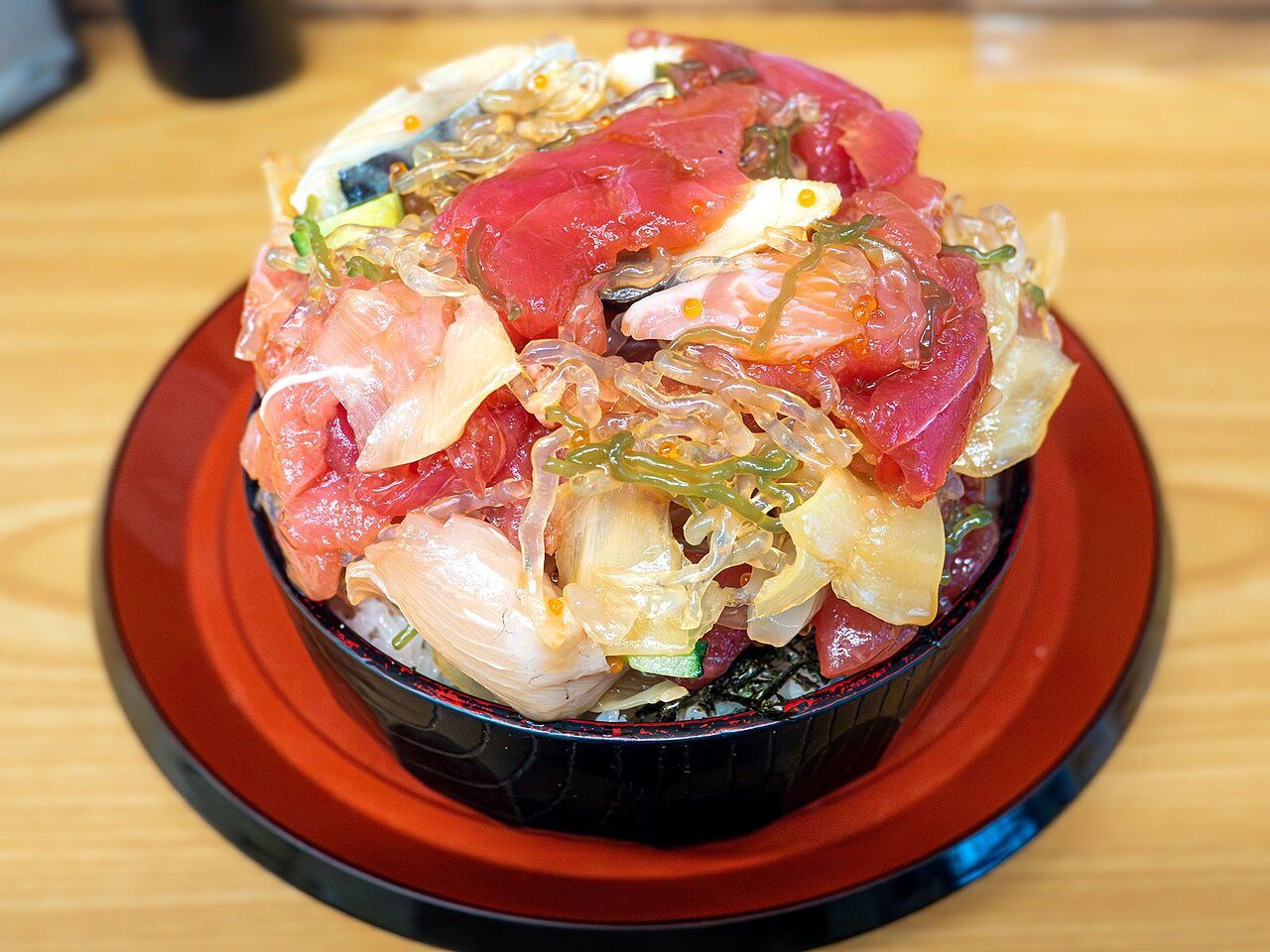
A seafood rice-bowl (kaisen-don) franchise built around takeout — boxes heaped with tuna, salmon, white fish and fish roe, starting at around ¥500 (about ¥540 with tax), with some specials priced higher. That is roughly half what a kaisen-don costs at the fish market. Pick your toppings from a picture menu and eat it in a park or by the river. It is a large chain with hundreds of branches across Japan under various group names (Sasafune, Donichi) — some branches keep irregular hours and take cash only, so check the one nearest you before you go.
 4
4
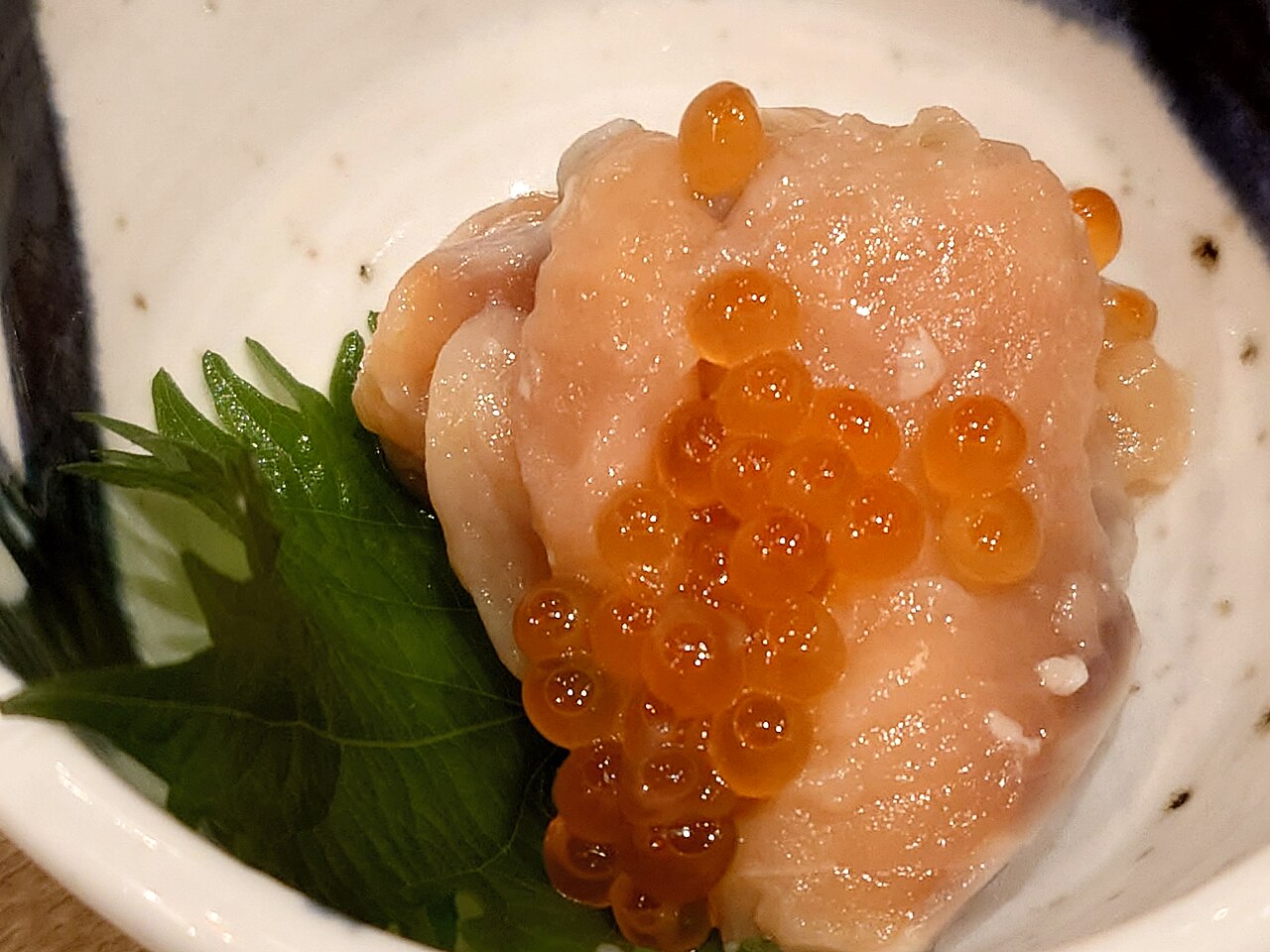
A seafood izakaya that runs 24 hours with branches across Tokyo — the draw is the little grill at your table, where you cook scallops, clams, prawns and squid yourself. Order plate by plate from around ¥300–600, plus sashimi, kaisen-don, crab miso soup and fried bites. Order sensibly and you are looking at about ¥1,500–2,500 per person with a drink. It works either as a relaxed full dinner or a late-night stop after sightseeing, with a lively, harbour-shack buzz.
 5
5
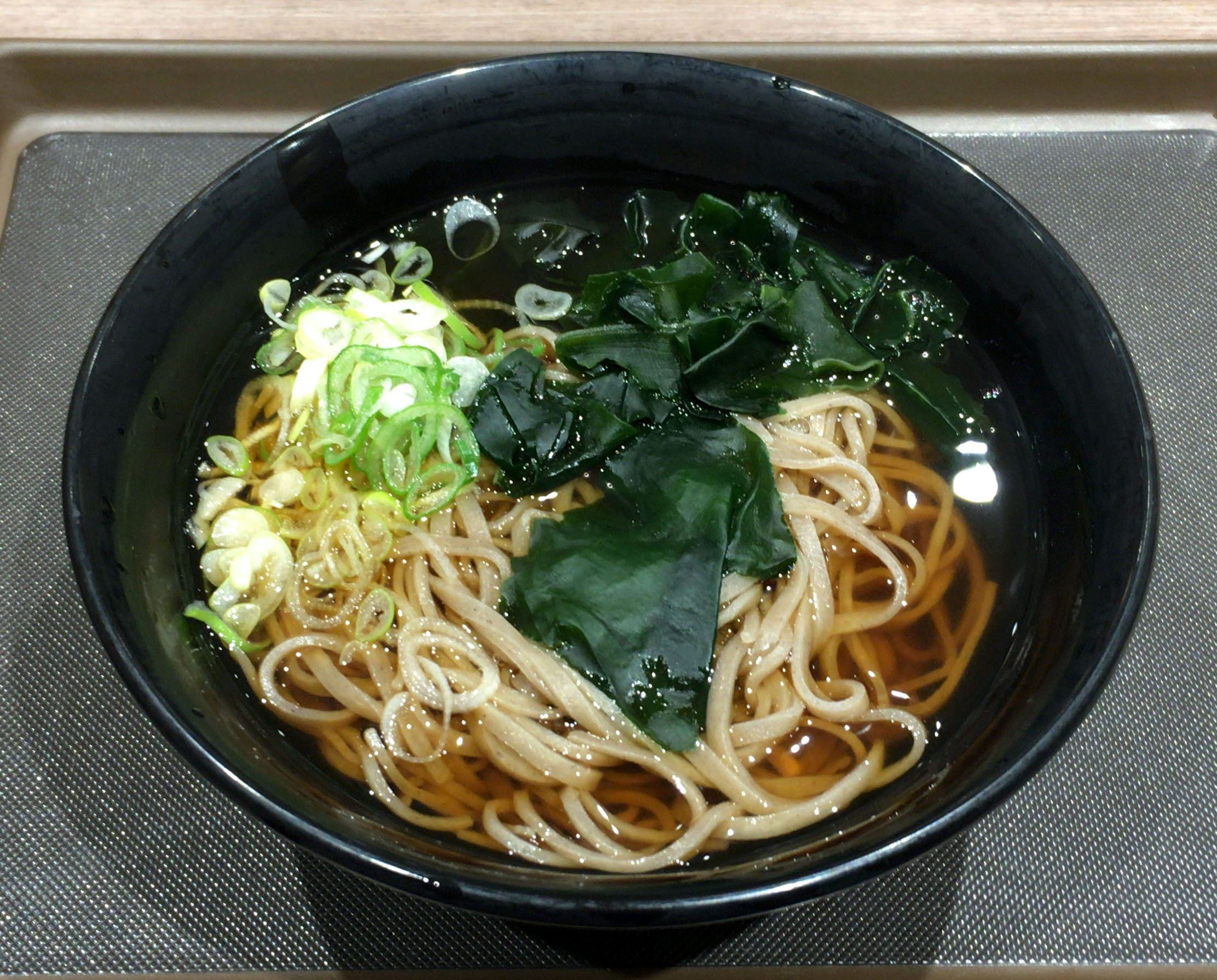
The slurp-and-go culture locals eat before catching the morning train — kake soba (buckwheat noodles in hot dashi broth) starts at around ¥350 at Fuji Soba, the biggest standing-soba chain, with a branch near almost every major station. Add vegetable tempura, a poached egg or kakiage and it still stays under ¥600. Order at the machine out front, grab your bowl and eat standing at the counter — done in five minutes. Many branches run 24 hours, making it the fastest, cheapest, most warming breakfast or late-night meal in town.
 6
6
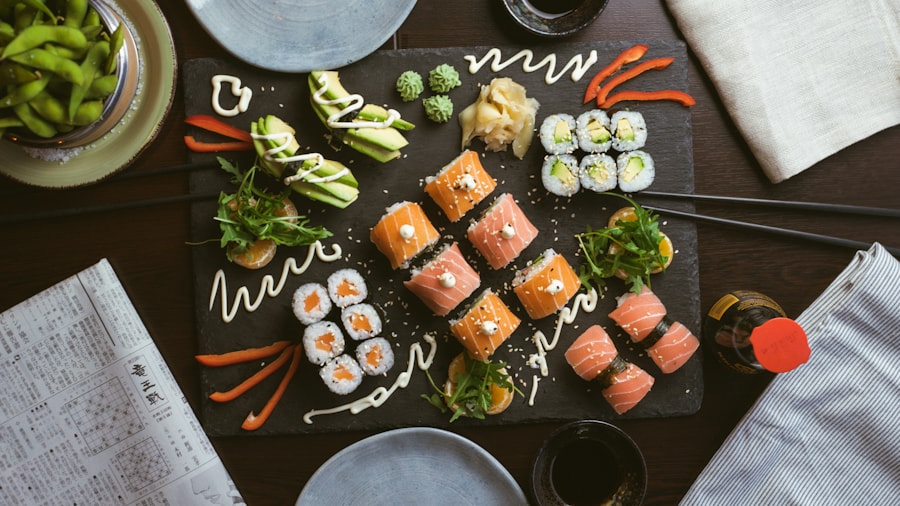
Good sushi on a student budget — Sushiro and Kura Sushi are the big conveyor-belt chains, with plates from around ¥120 (Kura starts at ¥115), two pieces each. Order from the touchscreen at your table (English available) and an express track delivers it straight to you. Six to eight plates plus soup and a dessert lands around ¥800–1,200 and leaves you full, with fish quality that punches well above the price. Kura's plate-return slot triggers a gacha capsule-toy game, fun for kids. Weekends get busy — reserve a slot through the app in advance.
 7
7
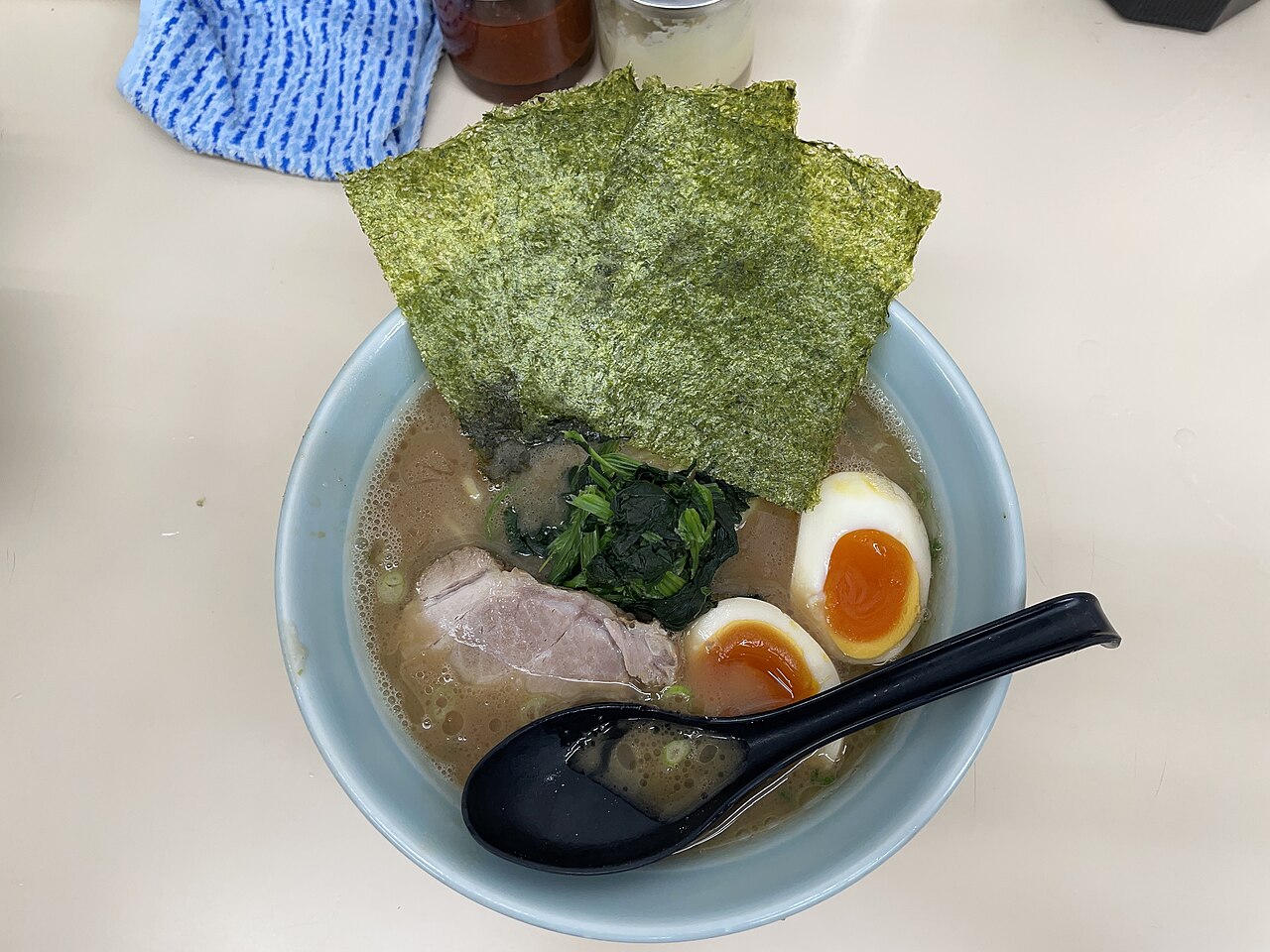
Want good ramen without queueing an hour at a famous shop? Chains have you covered. Tenkaippin (天下一品) is known for its thick "kotteri" chicken broth, with a standard bowl around ¥920. Ichiran serves tonkotsu ramen in solo booths, where you order on a paper slip choosing noodle firmness and chilli level — about ¥1,080 (just over ¥1,000, but worth it for the experience). Add a noodle refill (kaedama) for around ¥230. Both have citywide branches, stay open late and use picture menus or ticket machines — ideal for a first meal before you brave a tiny local shop.
 8
8
A Japanese-Chinese chain locals genuinely love — crisp-bottomed pan-fried gyoza, six to a plate, from around ¥240–310. Mix in fried rice, ramen, sweet-and-sour pork and small ¥100–334 dishes and you can build a full meal under ¥1,000. The gyoza set (12 gyoza, rice and soup) is about ¥935, generous and cheap. There are branches all over the city — the Shimbashi Ekimae one is a favourite with office workers — and the menus have photos to point at.
 9
9
Do not overlook it — Japanese convenience stores are a budget meal that tastes far better than it has any right to. Onigiri (rice balls) run about ¥150–200, gold-series versions ¥220–298, and boxed bento start at ¥350–450, heated for you in-store. FamilyMart's Famichiki fried chicken is ¥200, Lawson's bread is famous, and a cup of drip coffee is ¥110. A loaded meal (bento plus onigiri plus coffee) lands at ¥600–900. Open 24 hours at every one of 3,000-plus branches across Tokyo — breakfast, a late-night meal, or train provisions, sorted in one stop.
 10
10
A good tempura shop charges a few thousand yen — but Tenya does tendon (tempura over rice), fried fresh, from around ¥620. Prawn, fish and vegetables fried crisp, glazed in sweet-savoury tentsuyu over hot rice. Every bowl is fried to order, not reheated. Add extra prawns, vegetables or an udon soup set and it still only runs ¥800–900. There are branches across Tokyo, including inside stations, with ticket machines or picture menus — a shortcut to good tempura without paying specialist prices.
A trick locals genuinely use — department-store food halls (depachika) like Isetan Shinjuku or Takashimaya sell quality bento, sushi and fried dishes, normally ¥800–1,500. But from around 19:30–20:30 before closing, staff slap on 20–30%-off stickers (sometimes 50% right at the end). A department-store bento drops to ¥400–800 and becomes a fancy dinner on a budget. Ordinary supermarkets (Life, Ozeki) do the same — look for the labels 値引 (markdown) or 半額 (half price) on the packaging.