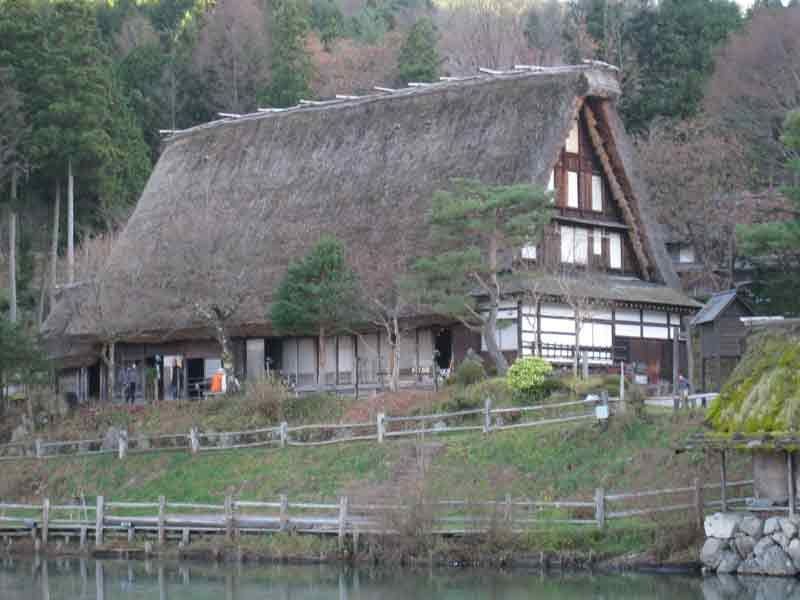
Old timber lanes, 300-year-old sake breweries, morning markets beside a clear river — Takayama rewards the prepared traveller. Here is everything you need to know before you step off the Hida Express.
Takayama sits in a valley in Gifu Prefecture, deep in the Japanese Alps. There is no local airport — the town is served by the JR Hida limited express and Nohi highway buses.
The old town and morning markets are walkable — Hida Folk Village needs a bus or bicycle
One thing that surprises many visitors: Sanmachi Suji, both morning markets, Takayama Jinya and Sakurayama Hachimangu shrine are all within easy walking distance of each other. From the train station to the Jinya-mae Morning Market is about 10 minutes on foot. Hida Folk Village (Hida no Sato), however, is roughly 4 km to the southwest — you will need a bus, taxi or bicycle to get there.
The cheerful red mini-bus named after Takayama's famous sarubobo cloth monkey charm runs from the station to Hida Folk Village every 30 minutes. Fare is ¥100 per ride — one of the best-value buses in Japan. Combine with the Machinami Bus for a full one-day pass at just ¥500.
Runs through the eastern old town district, connecting the station with Sanmachi Suji, Jinya and Hachimangu. Fare ¥100 per ride. The ¥500 day pass covers this line too. Useful when the afternoon sun makes walking the historic streets feel long.
A favourite option for independent travellers. Rental shops cluster around the station exit. Standard bikes run ¥700–1,000 per day; electric bikes ¥1,500–2,000 if the thought of hills puts you off. The town is flat enough for cycling, and Hida Folk Village is a comfortable 15–20 minute ride from the centre.
The old town, both morning markets and Jinya are all within a 20-minute walk of each other and of the station. Taxis queue outside the station for groups or rainy days; the flag-fall is ¥670. Walking through Sanmachi at dusk, after the tour groups have gone, is one of the best free experiences Takayama offers.
None of this is complicated — but knowing it in advance makes the visit far smoother
Each season has a distinct character — choose what you want to experience
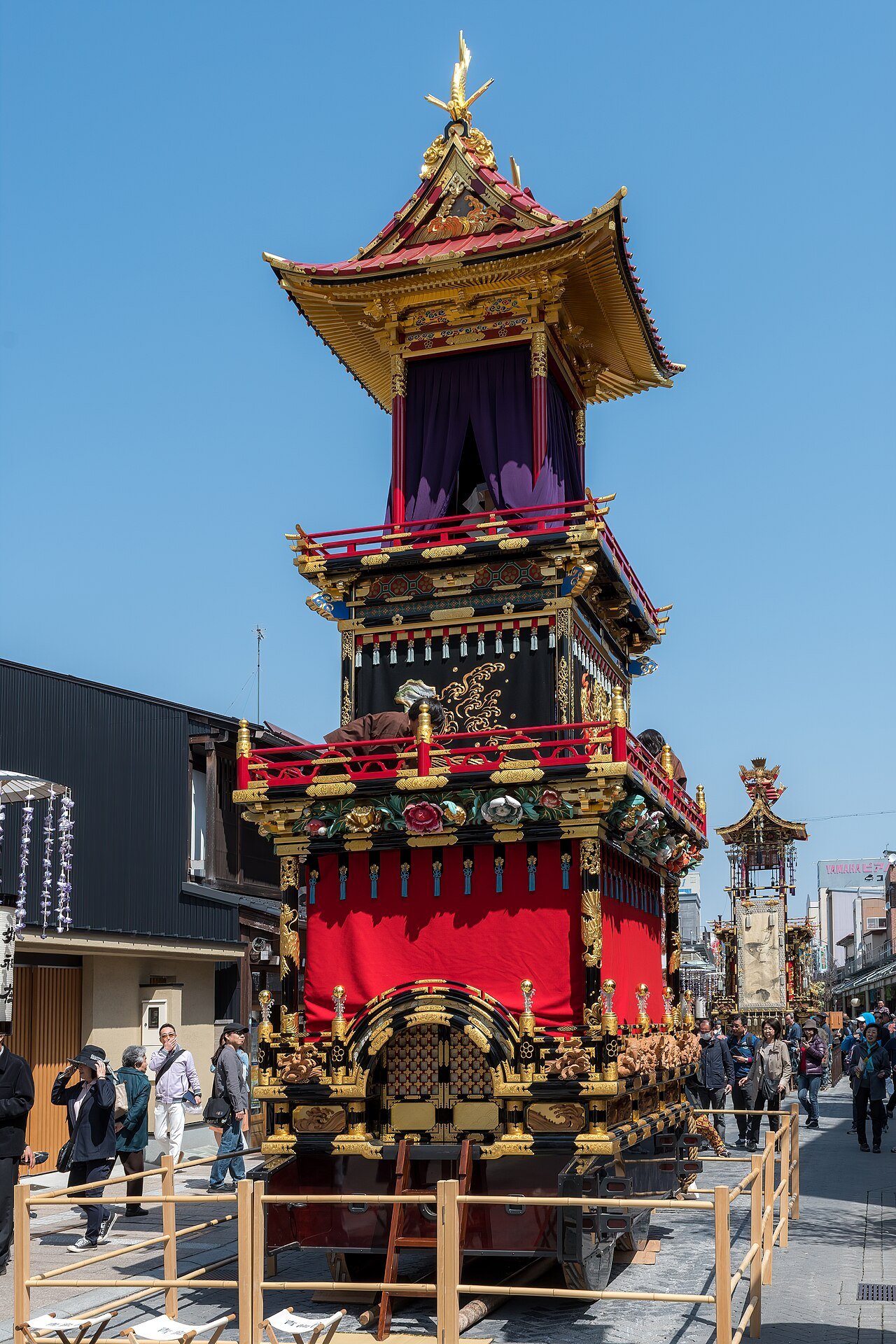
Cherry blossoms arrive in Takayama 3–4 weeks later than Tokyo or Kyoto, typically landing in mid-to-late April. That timing often coincides perfectly with the Sanno Matsuri (April 14–15) — golden floats, sakura petals, old town streets. Temperatures reach 8–18°C. Crowded and pricey, but worth it if you plan ahead.
Warmer than you might expect at altitude, with daytime temperatures of 28–33°C. The Alps are intensely green, and Shinhotaka Ropeway views across the peaks are spectacular. June brings some rain during tsuyu (rainy season). Fewer crowds than spring or autumn, and accommodation prices drop noticeably.
The surrounding mountains ignite with reds, oranges and golds from mid-October. The Hachiman Matsuri (October 9–10) adds another procession of lacquered floats against a backdrop of early autumn colour. Temperatures are 10–20°C by day, with cold mornings and evenings. Layer up. Accommodation books out as fast as spring.
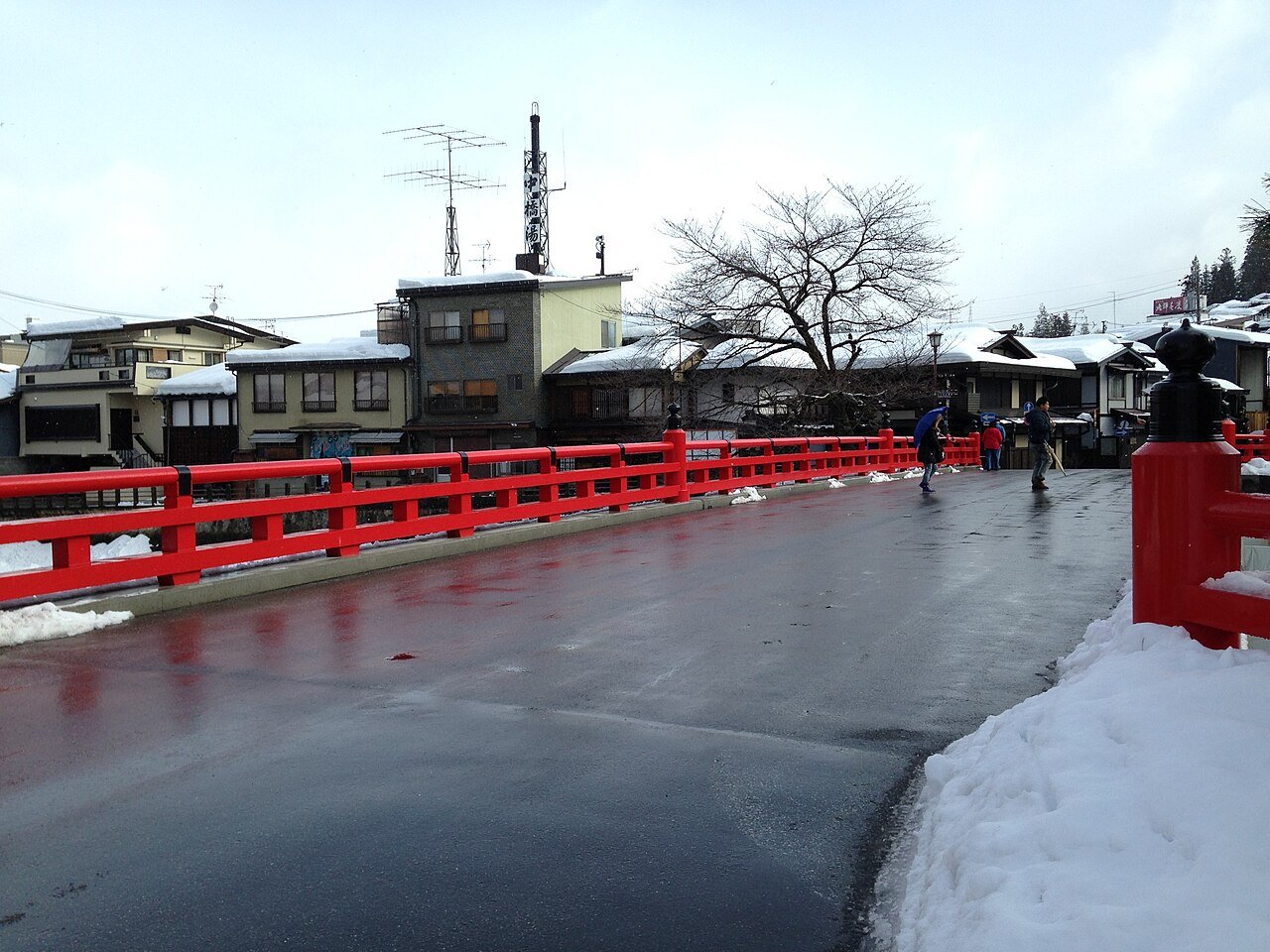
Snow settles on the thatched rooftops of Sanmachi and softens every edge of the old town. Visitor numbers are at their lowest, prices reflect that, and the atmosphere is genuinely peaceful. Temperatures drop to -5–5°C; a warm coat, gloves and non-slip shoes are non-negotiable. One of Japan's most photogenic winter destinations.
Rough figures for planning — adjust for your travel style
| Category | Budget | Mid-range | Comfortable |
|---|---|---|---|
| Accommodation (per person/night) | ¥3,500–5,500 (hostel / guesthouse) | ¥8,000–15,000 (mid-range ryokan) | ¥18,000+ (ryokan with meals) |
| Food (3 meals) | ¥1,500–2,500 (local spots + market) | ¥3,500–6,000 (sit-down restaurants) | ¥8,000+ (Hida beef or kaiseki dinner) |
| Sightseeing | ¥400–800 (Takayama Jinya is free) | ¥1,500–3,000 (Jinya + Folk Village) | ¥4,000+ (multiple sites + Shinhotaka) |
| Local transport | ¥0–300 (walking) | ¥500 (one-day bus pass) | ¥1,000–2,000 (bicycle or taxi) |
| Shopping / snacks | ¥500–1,000 | ¥1,500–3,000 | ¥5,000+ (Hida beef to take home) |
| Daily total (estimated) | ~¥8,000–12,000 | ~¥16,000–25,000 | ¥35,000+ |
Takayama sits at 573 metres elevation and is always cooler than Japan's major cities. Winters regularly drop to -5°C; pack a serious coat, gloves and a scarf. In spring and autumn, mornings and evenings turn cold fast — moisture-wicking base layers plus a windproof mid-layer work for almost any day. Summers are warm (28–33°C) but not oppressive.
Takayama involves a lot of walking, including on old cobbled paths in Sanmachi that can be slippery when wet or icy. Comfortable flat-soled shoes that slip on and off easily are ideal — you will be removing them at temples, some restaurants and ryokan constantly. High heels and lace-up dress shoes will make your day needlessly difficult.
Larger shops and restaurants in Sanmachi Suji generally take credit cards, but both morning markets, street food stalls and some sake breweries remain cash-only. Carry ¥10,000–15,000 per day as a comfortable buffer. 7-Eleven and Japan Post ATMs in town accept international bank cards reliably.
4G/5G coverage is solid throughout central Takayama. Signal can fade at higher elevations near Shinhotaka Ropeway. A Japan eSIM set up before departure is the simplest option. Google Maps is excellent for navigating Japan; Navitime handles local bus timetables well; Google Translate's camera mode is genuinely useful for menus and signage written only in Japanese.