From the riverside morning market in the early hours of day one to 300-year-old thatched farmhouses in Shirakawa-go on day three — this plan takes you through a version of Japan that most travellers rush past.
Here is the honest breakdown: one day gives you Sanmachi Suji, the Miyagawa morning market and Takayama Jinya — the things most visitors come here specifically for. Two days adds Hida Folk Village (thirty-plus relocated gassho farmhouses around a lake) and the Shinhotaka Ropeway, where you stand at 2,156 metres looking directly at the jagged Northern Japan Alps. Three days means a day trip to Shirakawa-go, a UNESCO village of living gassho houses that changes completely with each season — bright green in summer, crimson in autumn, buried in snow in winter.
All three days are completely walkable within the old town. No rental car required for days one and two. No complex rail transfers. Pack comfortable shoes, book at least one night in a traditional wooden inn, and let the town do the rest.
Getting here? Practical transport details are in the Practical Info section below, or see the full overview at our Takayama city guide.
A riverside market before the crowds · three streets frozen in the Edo period · Japan's only surviving government office · the Hida beef you will still be talking about years later
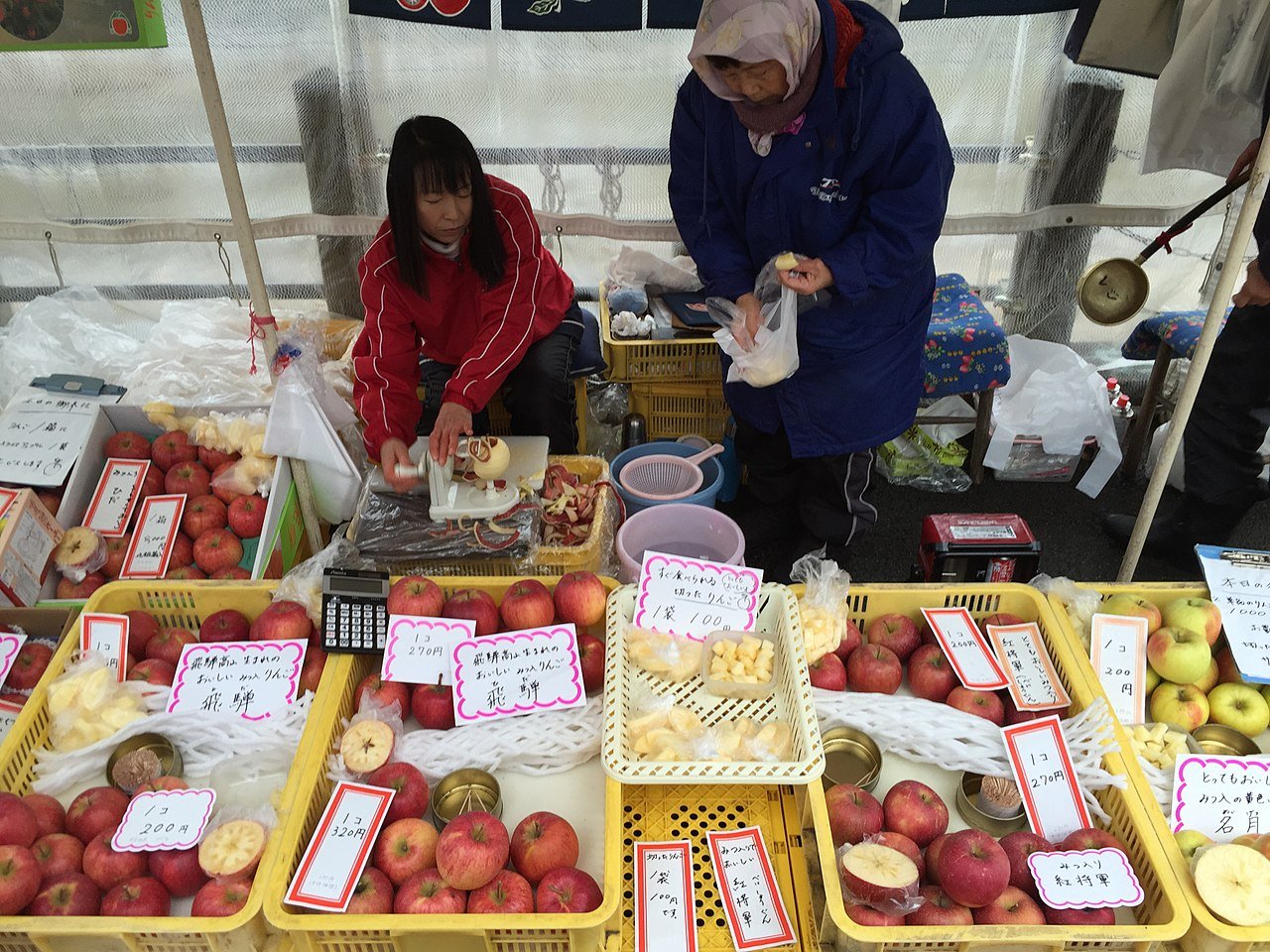
Get to the Miyagawa Morning Market before 8am — before the tour coaches arrive. Stalls run along the riverbank selling home-made tsukemono (pickled vegetables), freshly grilled mitarashi dango skewers, steamed oyaki dumplings stuffed with mountain vegetables, and the red sarubobo dolls that are Hida's good-luck charm. The market runs roughly 300 metres along the Miyagawa River and is free to wander.
After the market, cross the Nakabashi Bridge — the red-lacquered wooden bridge that has become the emblem of Takayama. Looking upriver from the bridge with mountains framing both ends of the valley is one of those views that makes the alarm clock at 6:30am completely worth it.
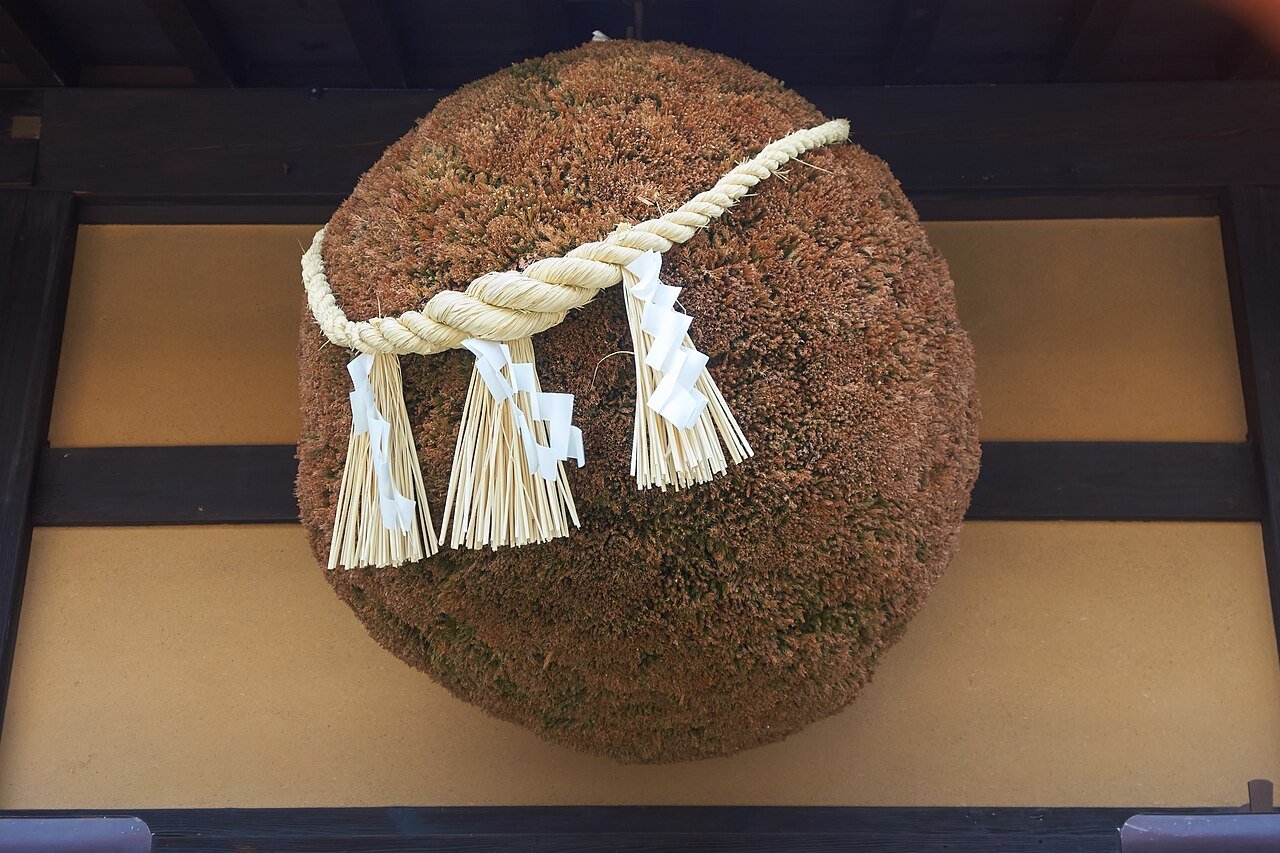
This is the core of Takayama — three parallel streets called Ichinomachi, Ninomachi and Sannomachi lined with dark-stained wooden merchant houses that have stood since the Edo period (1603–1868). Sake breweries hang sugidama (cedar ball ornaments — green when fresh, then slowly turning brown to signal a new batch is ready) above their entrances. You will also find miso shops, lacquerware galleries and independent cafes in centuries-old interiors.
Take 20 minutes to step inside one of the working breweries — Hirase Shuzo (founded 1744) or Funasaka Sake Brewery both welcome visitors with tastings at no charge. Hida sake is made with snowmelt water filtered through the Northern Alps: clean, round and noticeably different from sake produced in the lowlands.
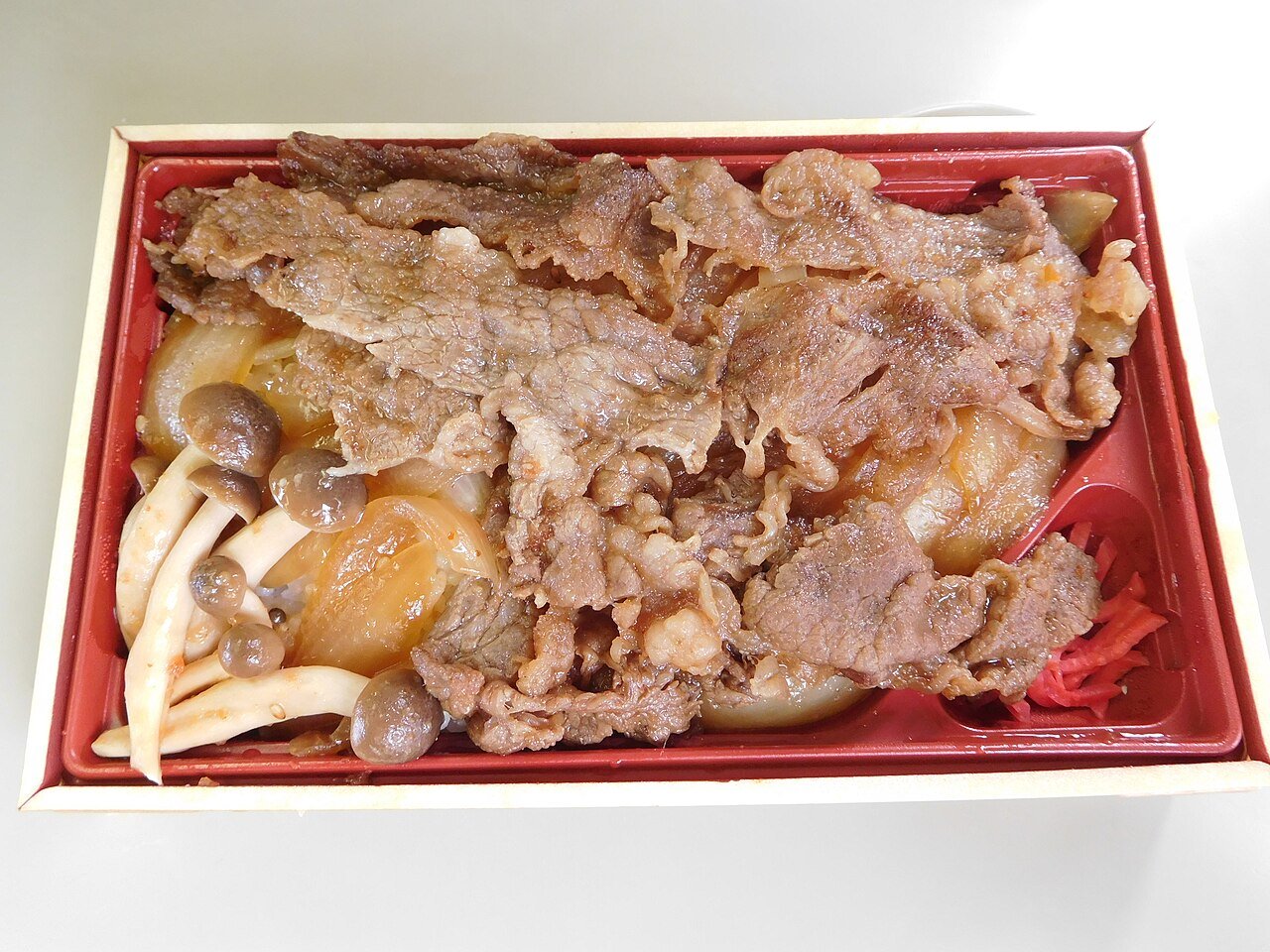
Before Jinya, have lunch. In Takayama, Hida beef is noticeably more affordable than in the cities. A single piece of Hida beef nigiri costs ¥500–650 from street vendors near the Jinya-mae market, or sit down for a set course at around ¥1,500–3,000. This is Wagyu raised on mountain pasture in the Hida highlands — marbling so fine it looks like stone, and a buttery flavour that has very little in common with supermarket beef.
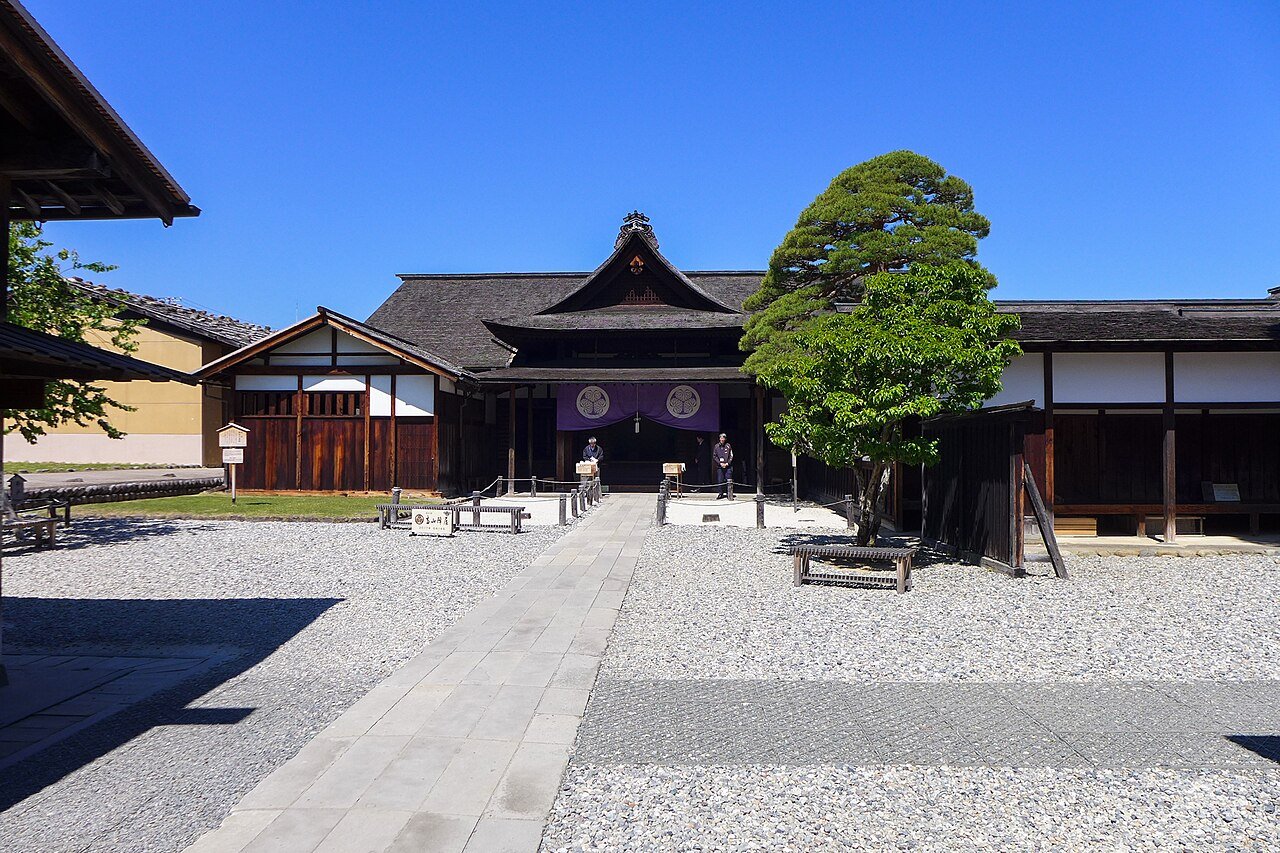
After lunch, visit Takayama Jinya (高山陣屋) — the only Edo-period government office building in Japan that survives intact and in its original location. It served continuously from 1692 to 1969: 277 years of administration, tax collection, and legal hearings. Walk through the working rooms, document archives, and the severe interrogation chamber. The tour takes 45–60 minutes and admission is ¥500.
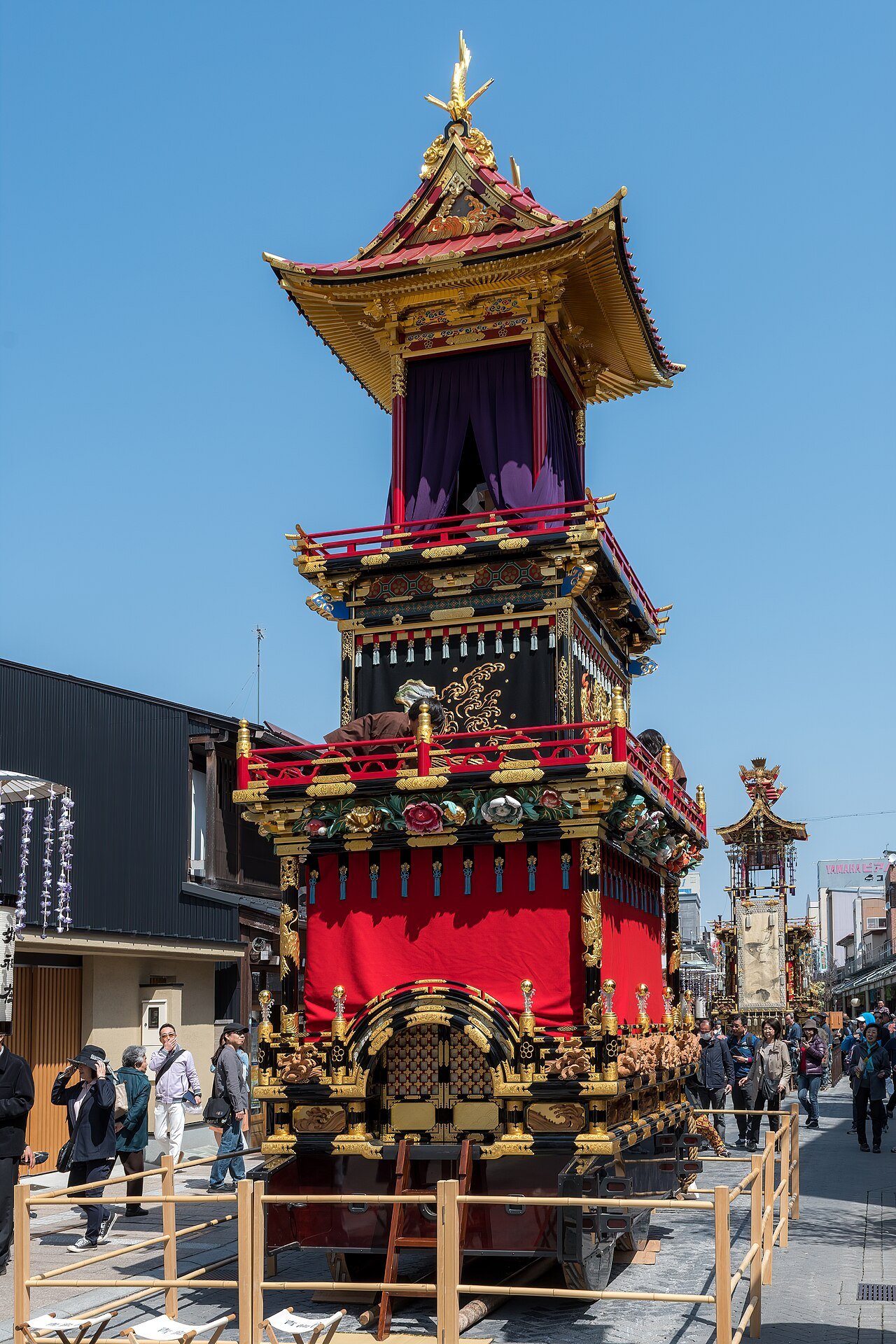
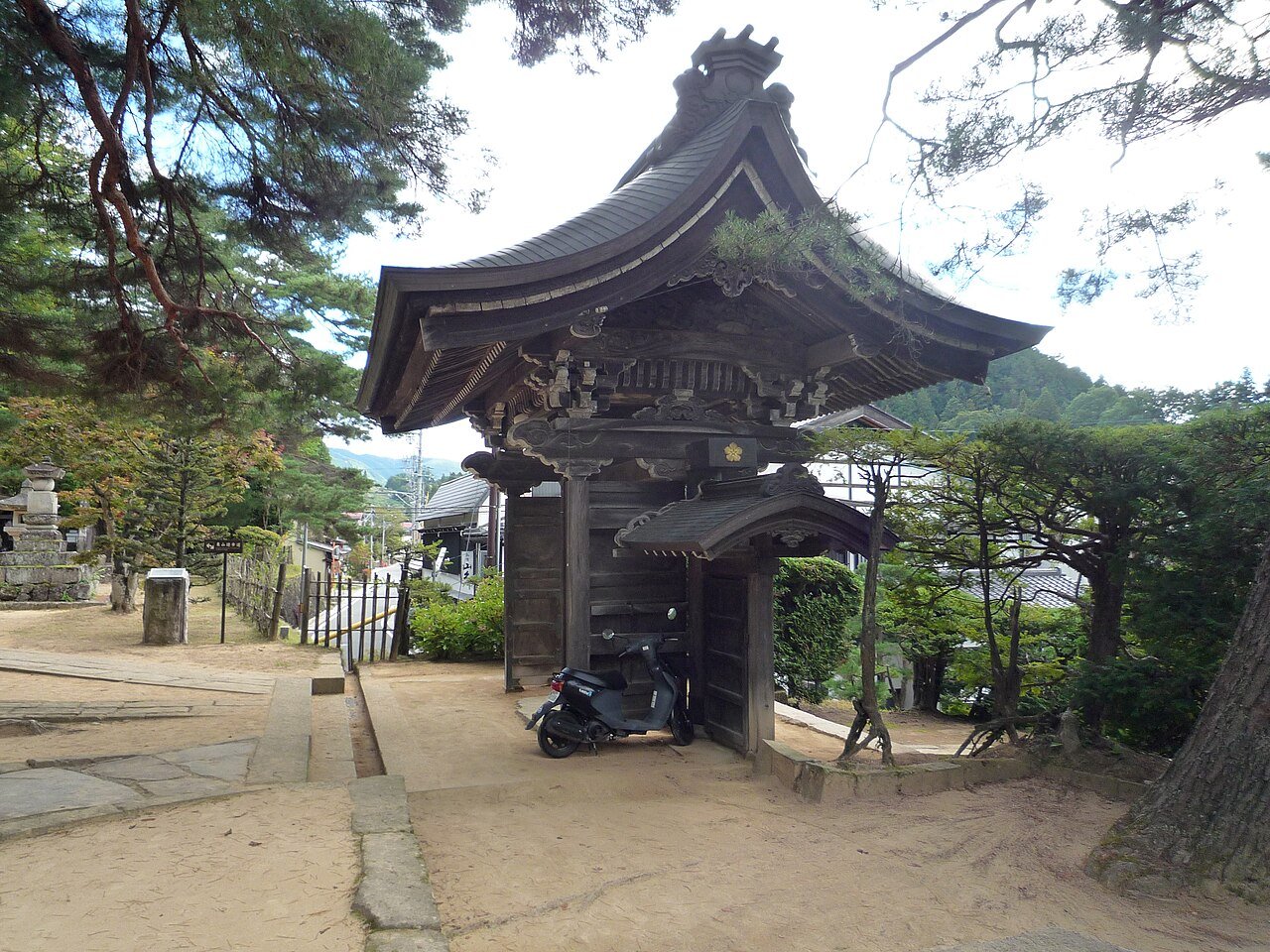
In the late afternoon, walk to Sakurayama Hachimangu (桜山八幡宮), Takayama's principal shrine, enclosed by tall sugi cedar trees and reached along a stone approach that feels entirely separate from the town below. Adjacent to the shrine is the Yatai Kaikan (高山祭屋台会館), which houses eleven of the ornate festival floats used in the Takayama Festival. These are not replicas — they are the originals, decorated with carved woodwork, embroidered silk and gilded lacquer representing several hundred years of craft. Admission ¥1,000 and genuinely worth it if you appreciate Japanese craftsmanship.
Then do Sanmachi once more, briefly, in the evening light. The paper lanterns outside the sake breweries come on at dusk, a soft gold against dark wood. The streets empty out and the atmosphere shifts completely. This is the version of Takayama that people remember.
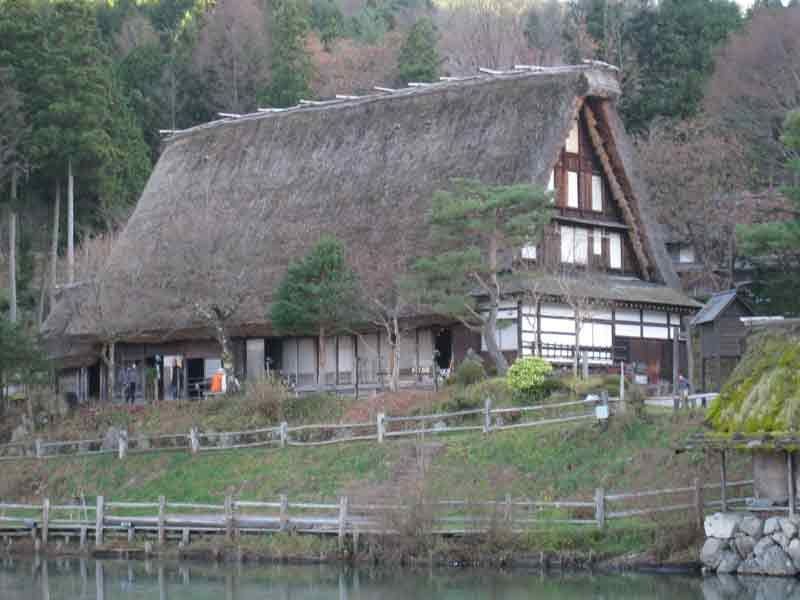
Thirty gassho farmhouses relocated from across Hida · a temple-lined walking trail locals use every morning · a gondola that puts you at eye level with the Northern Japan Alps
The gates open at 8:30am — get there early. Hida Folk Village (Hida no Sato) is an open-air museum of more than thirty gassho-zukuri farmhouses, each relocated from different corners of the Hida highlands to create a living archive of traditional mountain architecture. The word gassho (合掌) means "hands in prayer" — the steeply pitched thatched roofs are so steep that snow slides off naturally, and the steep angle creates three or four floors of storage and silkworm cultivation space above the living quarters.
Walk through the houses one by one — the interiors are accessible, with real wooden beams blackened by centuries of irori hearth smoke, antique silk-weaving looms, farming tools and household objects still arranged as if someone just stepped out. The loop trail circles a small lake and takes 90 minutes to two hours at a leisurely pace. In winter, snow blankets the rooftops and the scene becomes one of the most beautiful in Japan.
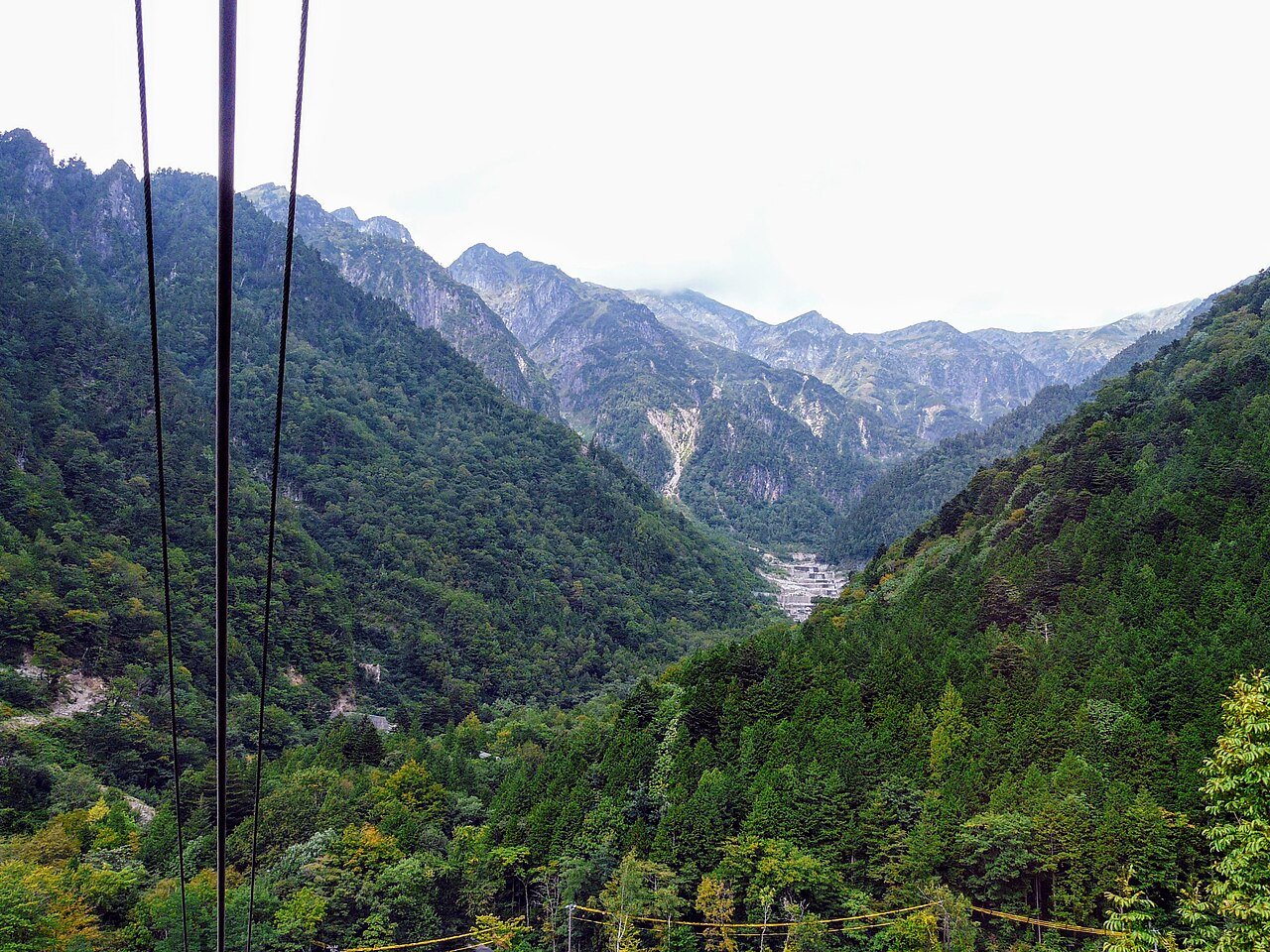
This is the part of Takayama that most visitors miss because it requires a 40 km side trip — and that is exactly why you should go. The Shinhotaka Ropeway climbs in two stages to 2,156 metres above sea level, finishing at an observation deck with an open-air roof level and unobstructed views of Yarigatake, Hotakadake and the Northern Japan Alps stretching across the horizon. In winter you can reach down and scoop snow off the deck railing. In autumn every valley below is red and gold.
The bus from Takayama takes about 1 hour 20 minutes along a mountain valley road. The ropeway has two stages: Stage 1 from Shin-Hotaka Onsen to Nabedaira Kogen, Stage 2 a double-deck gondola to the summit. Spend 45–60 minutes at the top before heading back down.
Back from Shinhotaka around dusk, find a neighbourhood izakaya near the station for dinner. Order Takayama ramen — the local style is a clear, light shoyu broth completely unlike the heavy miso ramen of Hokkaido or the tonkotsu of Kyushu. Or try mitarashi pork: pork skewers glazed with Takayama's own tare sauce. Prices at station-area izakayas are noticeably friendlier than inside Sanmachi, and after a day of walking you will appreciate tables with proper chairs.
50 minutes from Takayama · 111 gassho farmhouses still inhabited · a hilltop viewpoint looking down over the whole village · the day trip that makes the whole trip
Leave Takayama Station early. The Nohi Bus service to Shirakawa-go runs roughly hourly and takes about 50 minutes, winding through the steep Sho River valley the whole way. Fare is ¥1,360 one-way or ¥2,600 return. If you plan to continue to Kanazawa afterwards, the Shirakawa-go World Heritage Bus Ticket (¥5,500 covering Takayama–Shirakawa-go–Kanazawa) saves money over individual fares.
Have your camera accessible throughout the bus ride — the valley gorge is dramatic, and several road sections look directly into the valley bottom hundreds of metres below.
Shirakawa-go's main settlement is Ogimachi village, which contains 111 gassho-zukuri farmhouses — still lived in by real families, not maintained as museum exhibits. Walk the village lanes, then enter the Wada House (和田家住宅), the largest and oldest open gassho farmhouse in the village. Inside: an irori central hearth, hand-woven cloth, farming tools and utensils from three centuries of mountain life. Admission ¥400.
The view that defines Shirakawa-go is not from the village floor — it is from the Shiroyama Viewpoint (城山展望台), a ten-minute climb up the wooded hill on the village's northern edge. From here you look down across all 111 rooftops simultaneously, framed by the valley walls. In January and February, when snow lies two feet thick on every thatched roof and lanterns glow in the evening light-up events, this is one of the most photographed scenes in Japan.
Decide before you leave: are you returning to Takayama or heading on to Kanazawa? If your flight home is via Nagoya, return to Takayama (~50 minutes) then take the JR Hida Limited Express back to Nagoya (~2 hours 30 minutes). If Kanazawa is next on the itinerary, a direct Nohi Bus from Shirakawa-go runs to Kanazawa Station in about 75 minutes — this is one of Japan's great scenic bus routes, the so-called "Takayama–Shirakawa-go–Kanazawa Route" that travellers have been doing for decades.
The Sanmachi area and the streets near Takayama Station are the most practical bases — everything on day one is within 15 minutes on foot. Traditional wooden guesthouses (machiya inns) in the old town range from ¥8,000–20,000 per person per night, usually including dinner and breakfast. See accommodation options in our Takayama city guide.
From Nagoya: JR Hida Limited Express ~2 hours 30 minutes · ¥6,140 or JR Pass · runs hourly. From Osaka: Special Hida direct ~3.5–4 hours, or overnight highway bus ¥4,600. From Tokyo: Shinkansen to Nagoya first (~1.5 hrs), then transfer to JR Hida. No direct Shinkansen to Takayama exists.
The old town, morning markets and Takayama Jinya are all within easy walking distance of the station. For Hida Folk Village and Shinhotaka, use Nohi Bus from the bus terminal next to the station. Rental bicycles are available at the station from ¥800–1,200 per day for a relaxed pace around town.
| Item | Budget | Mid-range | Comfortable |
|---|---|---|---|
| Accommodation (per night) | ¥4,000–7,000 (~£21–37) |
¥8,000–15,000 (~£42–79) |
¥18,000–40,000+ (~£95–211+) |
| Food (3 meals) | ¥1,500–2,500 (~£8–13) |
¥3,000–5,500 (~£16–29) |
¥6,000–15,000 (~£32–79) |
| Admission (day 1) | ¥500 (Jinya only) |
¥1,500 (Jinya + Yatai Kaikan) |
¥1,500–2,500 (all sites incl. Folk Village) |
| Shinhotaka Ropeway + bus | — (skip) | ¥3,300 + ¥4,000 bus | ¥3,300 + rental car |
| Total per day (approx.) | ¥6,000–10,000 (~£32–53) |
¥15,000–26,000 (~£79–137) |
¥28,000–60,000+ (~£147–316+) |
Exchange rates approximate · prices may vary by season · JR Pass covers the train from Nagoya