Seattle is the birthplace of Starbucks and America's third-wave coffee scene — and at the same time home to Pacific salmon, Puget Sound oysters, and Pike Place Market, where fishmongers throw fish as a show. Eight dishes to try before you leave the Pacific Northwest.
Seattle sits between the Pacific Ocean and the forests and mountains — which means the freshest seafood: wild salmon, cold-water oysters, and Dungeness crab reach the table almost the same day they're caught. It's also America's coffee capital (Starbucks was born here in 1971, and third-wave roasters fill the city). It has a large Asian community in the International District and Little Saigon where Vietnamese and Chinese food is the real thing. You can walk from the Pike Place fish market to a Vietnamese pho shop in minutes.
Be honest, Seattle isn't a cheap city to eat in — a typical sit-down dish runs USD 22–38, and the menu price doesn't include ~10.25% sales tax (one of the highest in America) or an 18–20% tip (mentally add about 30%). But some of the best things are cheap: a teriyaki plate for USD 10, or a specialty coffee for USD 5. We picked 8 dishes that answer what Seattle eats — starting with the ones most its own.
Ranked by how much they say about this city — dishes that tell the story of its people
1
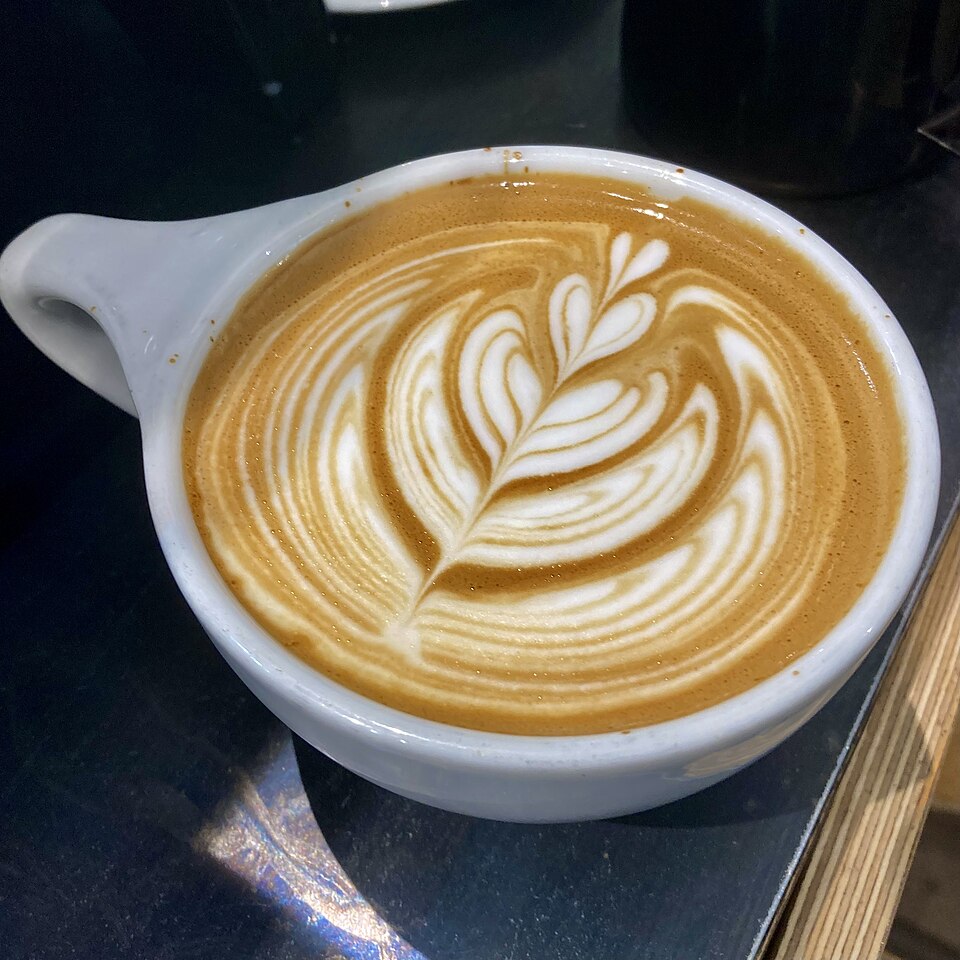
If America has a "coffee capital," it's Seattle — Starbucks was born at Pike Place in 1971 and grew into the world's biggest coffee chain. But real Seattleites drink third-wave coffee from local roasters: pretty latte art, intense espresso, and quality cold brew. The city's drizzly weather turns cafes into everyone's living room. Visit the first Starbucks for the photo, but the genuinely great coffee is at Victrola, Vivace, and Storyville.
2
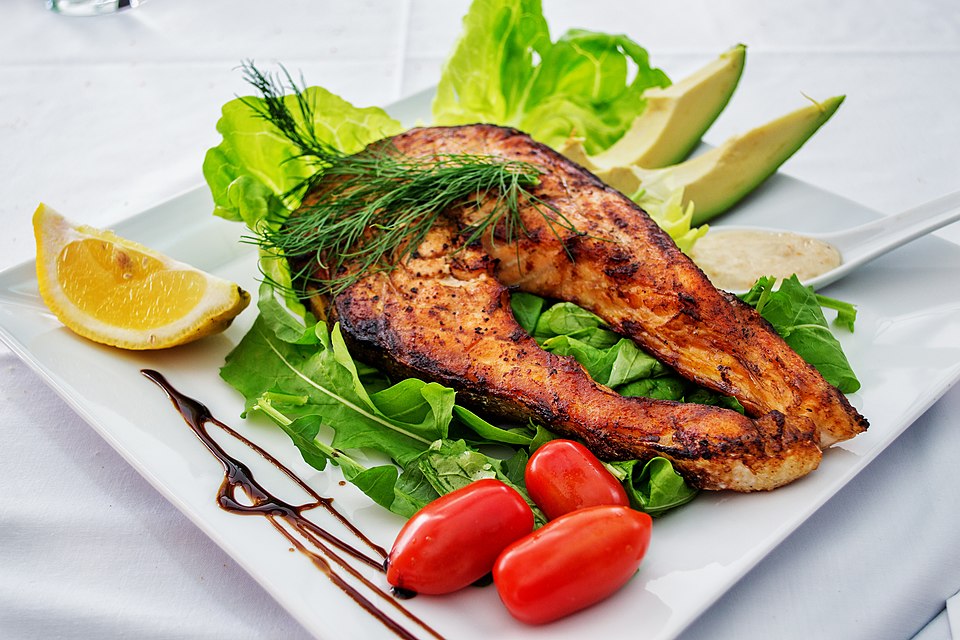
Salmon is the food symbol of Seattle and the Pacific Northwest — wild salmon (King/Sockeye/Coho) caught from rivers and sea in summer, with deep orange-red flesh and a rich, mellow flavour. At Pike Place Market, fishmongers throw big salmon as a crowd-pulling show. Try cedar-plank salmon in the Indigenous style, or lox (smoked salmon) on a bagel for breakfast. It tastes very different from farmed salmon.
3
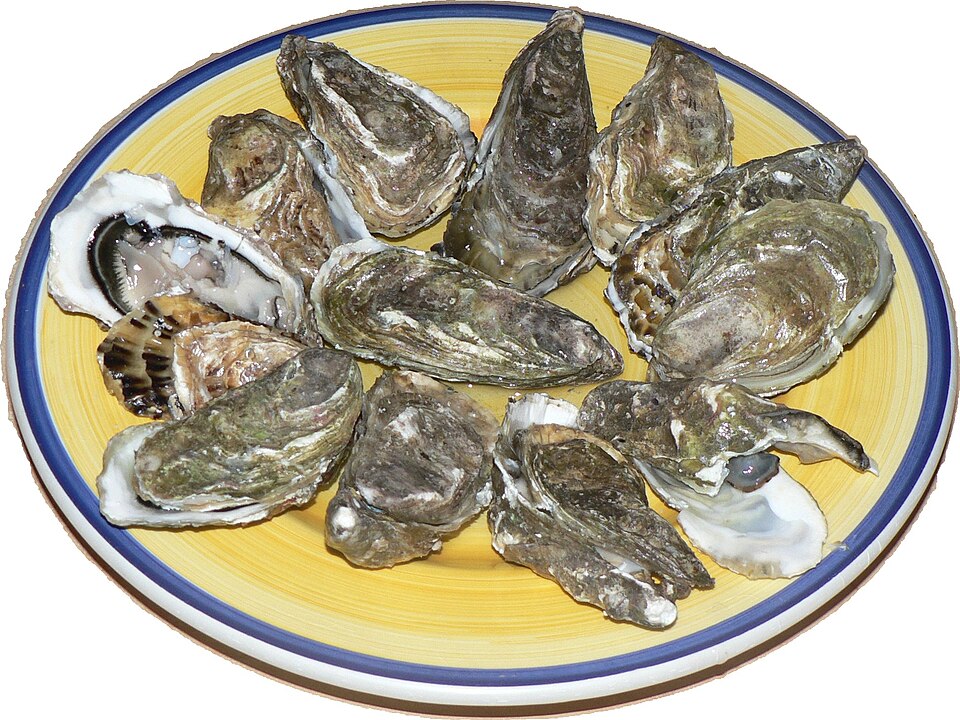
The cool, clear waters of Puget Sound and the Washington coast produce oysters connoisseurs rate among the best in America — tiny sweet Kumamoto, native miniature Olympia, and large creamy Pacific. Eat them raw on ice with lemon and mignonette (shallot vinegar), or grilled with garlic butter. Many oyster bars run happy hours with oysters at USD 1.5–2 each in the afternoon — a golden window for oyster lovers.
4
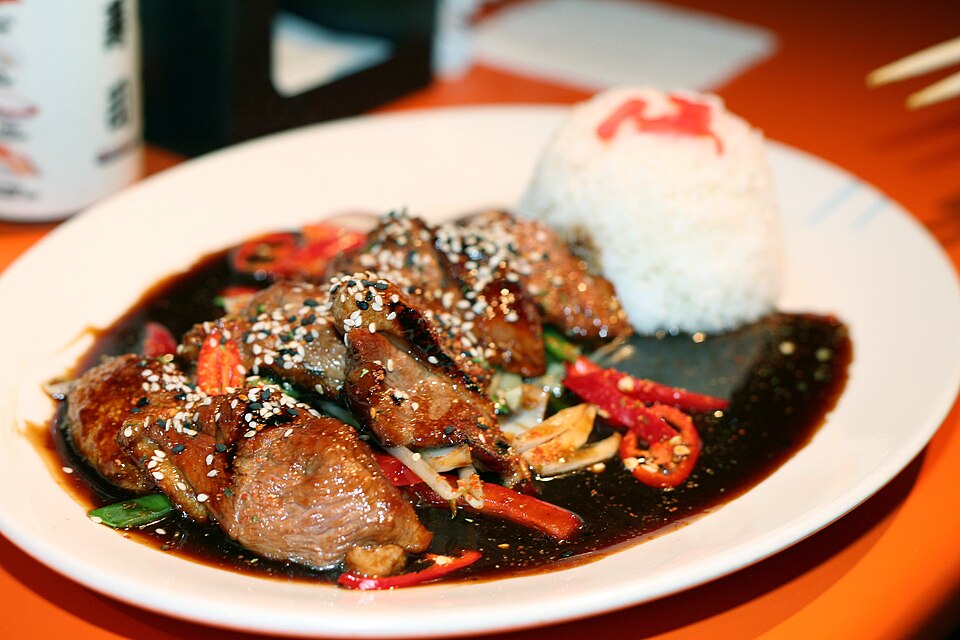
This is the city's fast-food dish, hard to find elsewhere — Seattle teriyaki emerged in the 1970s from Japanese-Korean immigrant shops. Grilled chicken in a thick, sweet-savoury teriyaki sauce (stickier than authentic Japanese sauce), served with hot steamed rice and cabbage salad. Cheap, filling, fast. Hundreds of small teriyaki shops dot the city, making it Seattle comfort food — ask a local for their favourite and everyone has an answer.
5
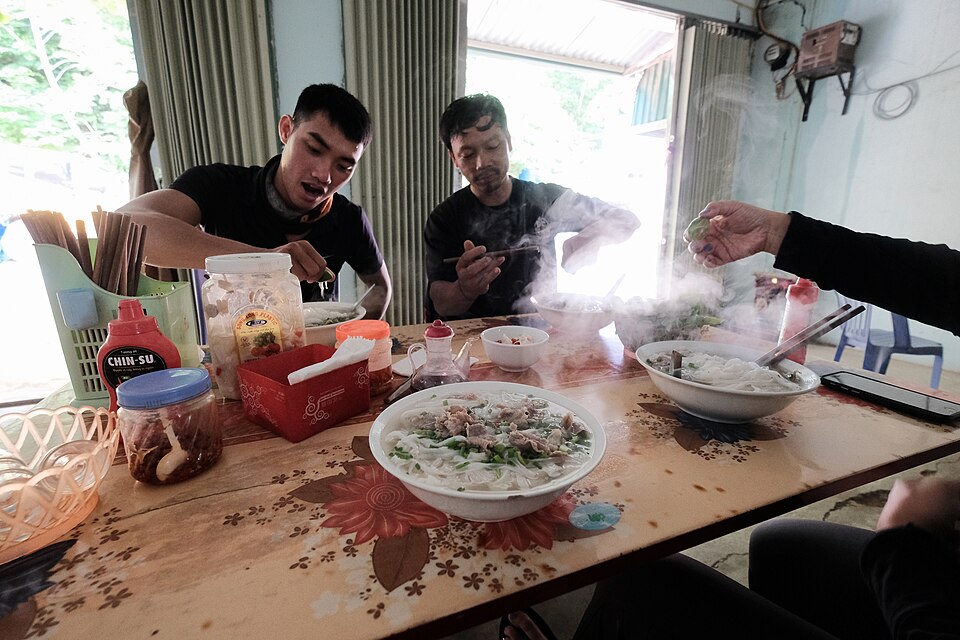
Seattle has a large Vietnamese community, and the pho here is the real thing — a beef broth simmered with bones for hours, fragrant with spices (star anise, cinnamon, charred ginger), soft rice noodles, thin-sliced beef, served with a plate of fresh herbs, bean sprouts, basil, lime, and chili. Little Saigon (in the International District) is full of pho shops, banh mi spots, and Vietnamese coffee. A warm bowl on a drizzly Seattle day is the most fitting meal there is — well-priced and filling.
6
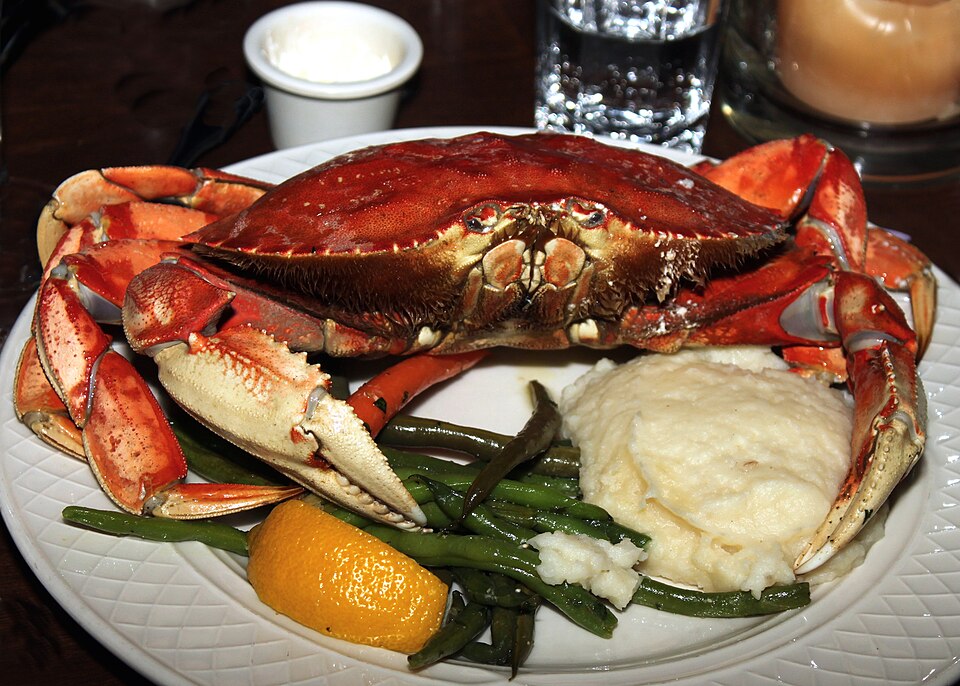
Dungeness crab is named after the town of Dungeness in Washington State — large, with sweet, firm meat, caught in the cold Pacific Northwest waters. At Pike Place and waterfront seafood spots you'll find fresh crab boiled whole, eaten with lemon-butter dip, or made into crab cakes and crab rolls. Try Ivar's or The Crab Pot, where seafood is dumped on the table for you to crack by hand — a fun Pacific seafood experience.
7
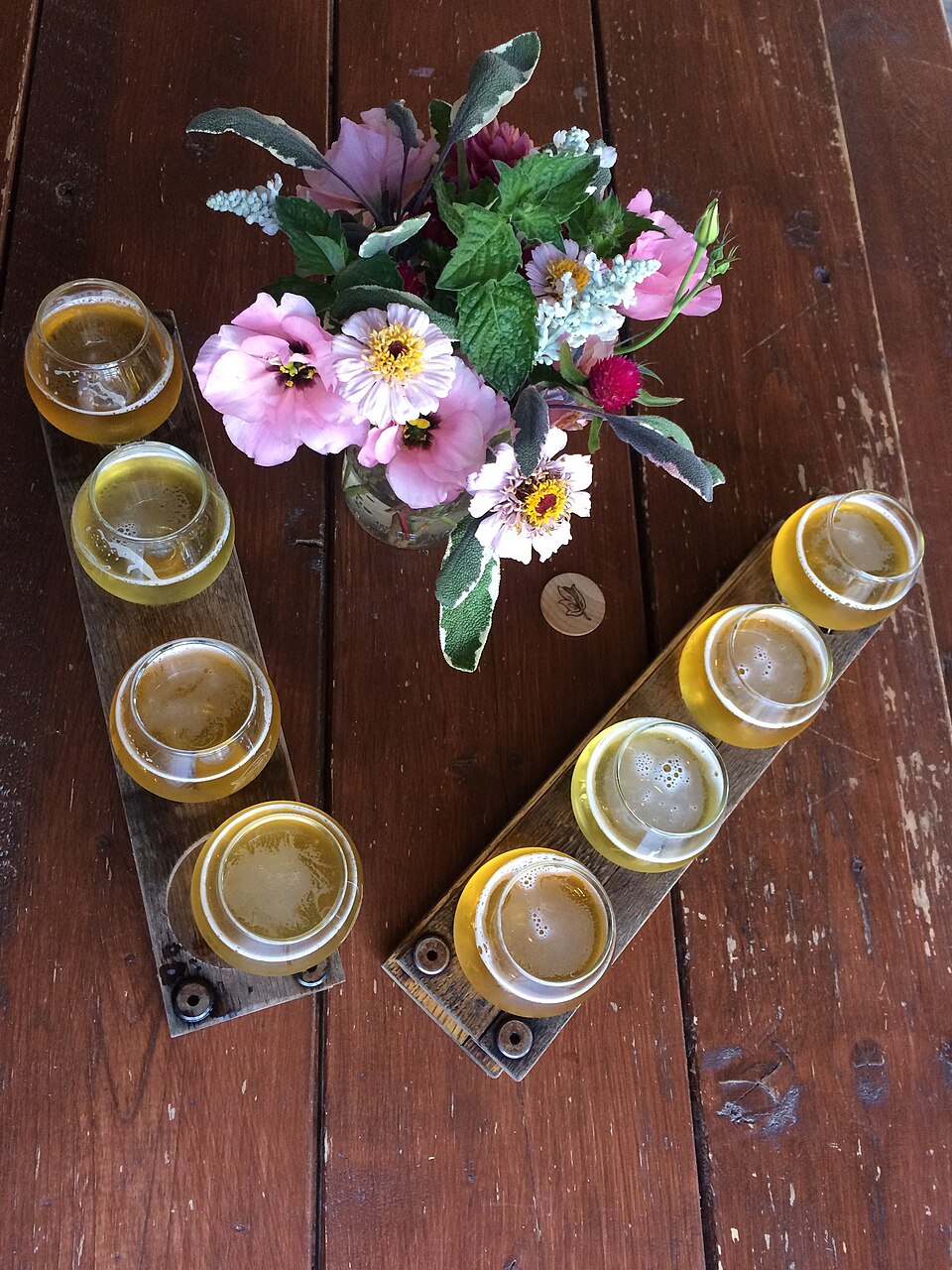
Seattle is one of the densest craft-beer cities in America — Yakima hops from Washington are a premium ingredient that makes the region's IPAs renowned. Ballard and Fremont are full of small breweries pouring their own. Try a tasting flight (several small pours to compare) at a taproom to find your favourite. The vibe is relaxed, often with a food truck parked outside. A great stop after a day of sightseeing.
8
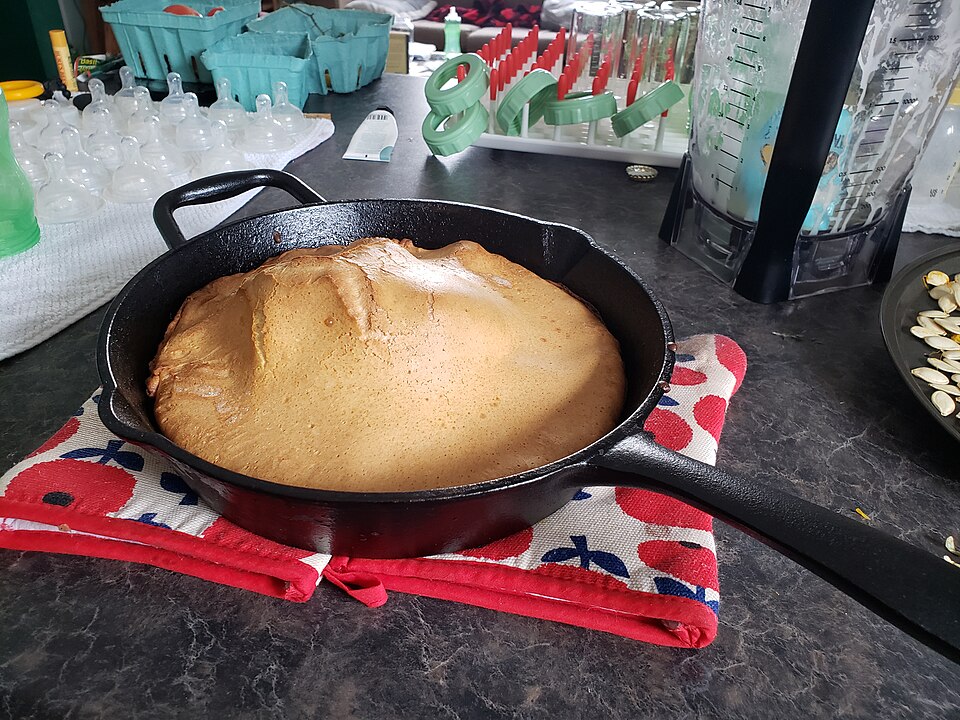
A Dutch baby is a pancake baked in the oven (not pan-fried) until it puffs up with tall edges like a bowl, then deflates when it comes out — crisp edges and a soft, custardy centre, dusted with powdered sugar and lemon juice. The dish was popularized by Manca's Cafe in Seattle in the early 20th century and became a city brunch staple. Some places do savoury versions (with cheese or mushrooms). It's puffy and photogenic when served — eat it warm with coffee on a drizzly morning.
Districts and markets where the food is within walking distance
The oldest farmers market in America (opened 1907) and Seattle's food heart — fishmongers throwing salmon, fresh oysters, the legendary Pike Place Chowder, Russian piroshky pastries, fresh fruit and flowers, and the first Starbucks. Arrive before noon to beat the crowds. Open daily.
An Asian district blending Chinese, Japanese, Vietnamese, and Filipino — dim sum, ramen, noodles, Asian desserts, and Uwajimaya, a big Asian supermarket. Well-priced, where locals actually eat. Great for lunch and dessert after sightseeing. Near King Street Station.
The heart of Seattle's Vietnamese community — pho, banh mi, bun (rice noodle bowls), condensed-milk Vietnamese coffee, and Vietnamese sweets. Cheap, boldly homestyle. An area where the food is realer than tourist-facing fare. Go midday for convenience. Walkable from the International District.
An old Scandinavian fishing neighbourhood turned hip — several craft breweries (Ballard Brewery District), Nordic restaurants, an oyster bar (The Walrus and the Carpenter), and a big Sunday Farmers Market. A young-crowd vibe, great for dinner and beers. A bit far from Downtown but worth it.
Seattle's liveliest neighbourhood — design-forward brunch rooms (good Dutch baby is around here), third-wave cafes, new-generation chef restaurants, bars, and nightlife. Wander all day. Great for late breakfast and evening. A young-city vibe.
Seattle's quirky arts neighbourhood (with the Fremont Troll statue under a bridge) — Fremont Brewing with an outdoor beer garden, cafes, small restaurants, and a Sunday Market. A laid-back vibe, great for an afternoon of beer and strolling. Near the Ship Canal.
Long-standing spots locals still return to — put them on your map
A clam chowder stall in Pike Place Market that has won national chowder competitions multiple times — thick, rich cream soup with fresh clams, potato, and bacon, served hot in a cup or a hollowed sourdough bowl. There's always a line, but it moves fast. Try the seafood chowder with shrimp and crab too. A warm meal that fits a drizzly Seattle day. There's a Pacific Place location too if the market line is too long.
A small Ballard oyster bar that critics rate as one of the best oyster spots in America — fresh oysters from local farms in many varieties, served on ice, with a small-plates seafood menu and white wine. Warm and lively. No reservations — you'll queue, so arrive at opening (afternoon) to get a seat. An oyster lover's must.
A well-known Fremont craft brewery with an "Urban Beer Garden," a relaxed outdoor drinking patio — its IPAs and seasonal ales use quality Yakima hops, poured fresh. Pretzels and snacks to pair, and a food truck often parked outside. Great after wandering Fremont or biking along the canal. A family-friendly, easygoing vibe.
Seattle is a 2026 World Cup host city (Lumen Field) — plan your stay, sights, and food tours ahead. A Pike Place Market tour samples several spots in one trip.
Book a Seattle Food Tour on Klook →