12 must-try dishes you have to find
The dishes this city is famous for — ranked from the standout you absolutely must seek out
Tried miso ramen somewhere before? The original is in Sapporo — Aji no Sanpei, which opened in 1954, invented the miso-broth recipe blended with garlic and stir-fried vegetables before the world even knew this style of ramen. The Sapporo style also adds a pat of butter and corn, becoming its signature. The broth is heavier and more complex than Tokyo ramen, and the wide wavy noodles soak up every mouthful. Eating it in Susukino's Ramen Yokocho alley only adds to the atmosphere.
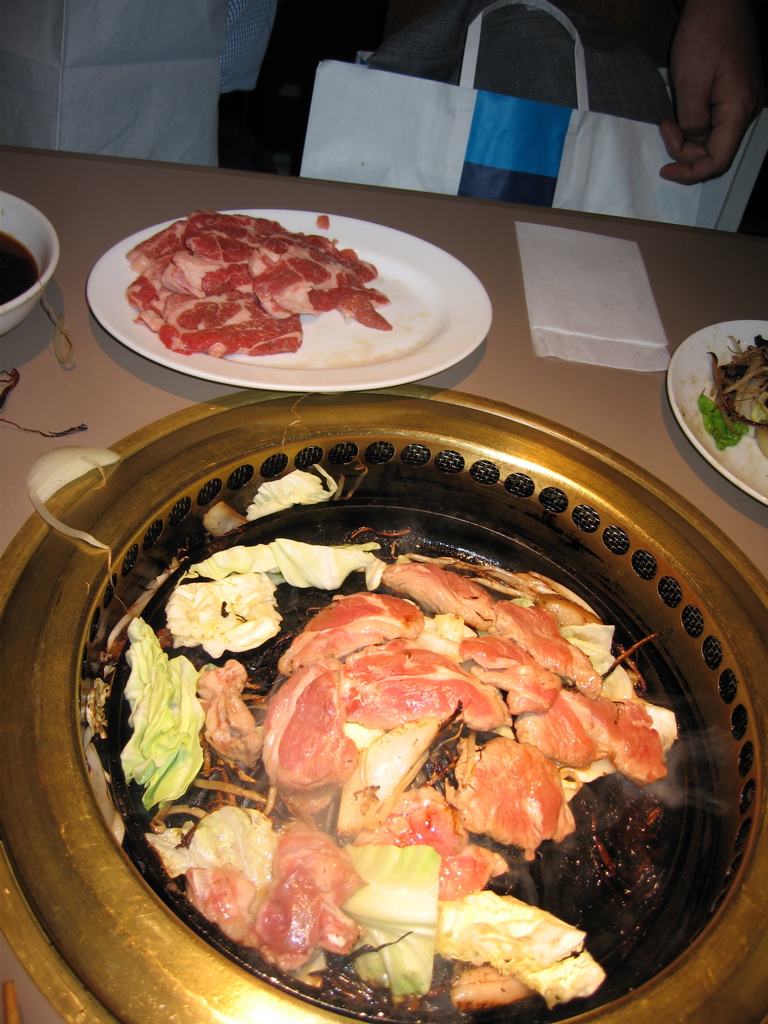
Ever tried Genghis Khan-style lamb? The name comes from the Mongol tribal way of grilling meat, but the way Hokkaido does it has become its own thing. A domed cast-iron skillet shaped like a warrior's helmet grills thin slices of lamb in the centre, while the fat that drips down below cooks bean sprouts, onions and potatoes. Hokkaido lamb is softer and more tender than elsewhere because the livestock graze on rich pastures — no gamey smell. Eaten with cold Sapporo Draft beer, it's a pairing nothing can replace.
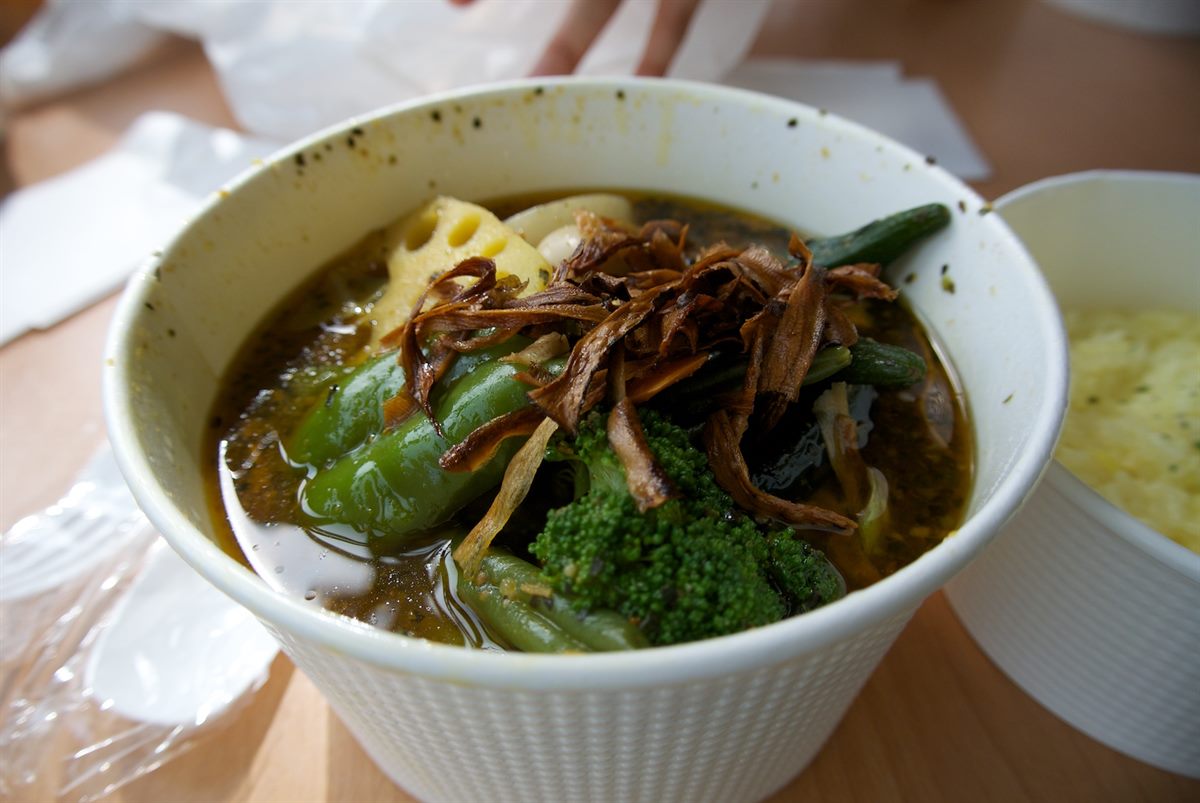
Sapporo invented this dish for itself in the early 1970s — not the thick curry you know, but a clearer, more fragrant spiced soup with a big piece of fried chicken and roasted-fried vegetables (bell pepper, carrot, potato, eggplant) bobbing in it. Eaten with rice served separately, with adjustable heat from level 1–40 at Garaku. For Thais, level 5–10 is a fun starting point; level 20 and up is genuinely fiery.
If you want to taste Hokkaido's whole seafood spread in one mouthful, the answer is Kaisendon — hot white rice beneath sashimi freshly sliced at Nijo Market. Whether it's golden-yellow Uni on the rice, red Ikura salmon roe that bursts on your lips, snow crab shelled and ready to eat, or soft-sweet Hotate scallops, it's all in one bowl. Prices run ¥2,000–4,000 depending on the toppings. If you can queue and wait, the shops in Nijo Market's Noren Yokocho alley are great value.
If you think you've eaten Uni but have never had fresh Hokkaido Uni, you haven't really had it in full. Western Hokkaido — especially the Shakotan Peninsula and the Otaru coast — produces golden-yellow to deep-orange Uni that's sweet and complex with no strong sea smell. The best season is June–August. Order it over rice in a Kaisendon, or eat it raw as Uni Don (a bowl topped with pure Uni). A flavour nothing else in Japan can match.
Hokkaido has the three best crabs in Japan — horsehair crab Kegani (short legs, sweet meat, spring), snow crab Zuwaigani (long slender white legs, winter), and king crab Tarabagani (the biggest, with one leg longer than a person's arm). Sapporo has crab restaurants in both the Tanukikoji and Susukino areas, some displaying eye-catching red crab signs with waving arms. Boiled or grilled crab runs ¥3,000–15,000 per crab depending on type and size.
If miso ramen is the main signature, butter corn ramen is its heavenly version — the same miso broth but topped with a pat of butter that melts slowly over the hot soup, plus sweet Hokkaido corn. The flavour grows rounder and richer with every spoonful as the butter blends in. Hokkaido corn is another local treasure, bred for the island's cold climate and clearly sweeter than southern varieties. Order a large size and finish the bowl before the butter cools.
Ikura salmon roe in Hokkaido is different from elsewhere in a way you feel the moment you bite — the beads are larger, the skins thinner, bursting in your mouth with a warm rush. A touch salty with intense umami, never pungent or fishy. Hokkaido is one of Japan's top Ikura sources because salmon swim from the Sea of Okhotsk into the island's streams. September–October is the season for the freshest roe. Order Ikura Don (a bowl topped with pure salmon roe) or have it as a topping in a Kaisendon.
A hot pot born on the Ishikari River in western Hokkaido — it uses a whole salmon, including the head, skin and bones that give a creamy collagen richness, simmered in miso broth with vegetables, tofu and kombu seaweed. After eating halfway through, you'll notice the soup growing richer and richer as the fish oil seeps out. This hot pot is perfect for a Sapporo winter — eat it in Susukino on a night when it's minus 10 degrees and you'll feel warm all evening.
Hokkaido produces 50% of all the raw milk in Japan — and the milk here is different: higher fat, more fragrant, and noticeably creamier. Soft serve made from real Hokkaido milk therefore has a denser texture and deeper flavour. Almost every souvenir shop and farm near Sapporo sells Hokkaido Milk soft serve at ¥350–500. Hokkaido melon flavour is also a popular choice — you can even try both flavours in one cone.
Royce' is a Sapporo-born chocolate brand that people all over Japan buy as a gift — leading with the Nama (Raw) chocolate that melts at room temperature and must be kept chilled, made from cocoa and fresh Hokkaido milk cream, with a flavour free of heavy additives. Today ROYCE' Cacao & Chocolate Town has opened in Tobetsu near Sapporo (30 minutes by JR on the Gakuentoshi Line), with a free factory tour and a ¥450 chocolate soft serve that's the best you'll have that day.
The beer that shares its name with this city also has its original brewery here — the Sapporo Beer Museum and Sapporo Beer Garden sit in old red-brick Meiji-era factory buildings. The Sapporo Beer Museum is free to enter (with a separate ¥200 paid tasting for 2 glasses), but for the full experience, Kessel Hall serves Sapporo Draft from giant kegs alongside an all-you-can-eat 100-minute grilled-lamb buffet. The taste of beer fresh from the brewery is a completely different thing from the same beer in a bottle.