Yokichi — Riverside Gassho Minshuku in Shirakawa-go with Irori Hearth Dinners
Have you ever wondered what it actually feels like to spend the night inside a 110-year-old thatched farmhouse in a UNESCO World Heritage village? To fall asleep to the sound of the Shō River running just outside the paper-screen windows, then wake up for a breakfast of Hida miso soup and pickles before a single tour bus has arrived? That is exactly what Gassho no Yado Yokichi offers in Ogimachi. The 9.4/10 score across 32 reviews does not reflect a hotel's facilities — it reflects people coming from around the world, sleeping in a historic farmhouse, and saying they wish they had come sooner.
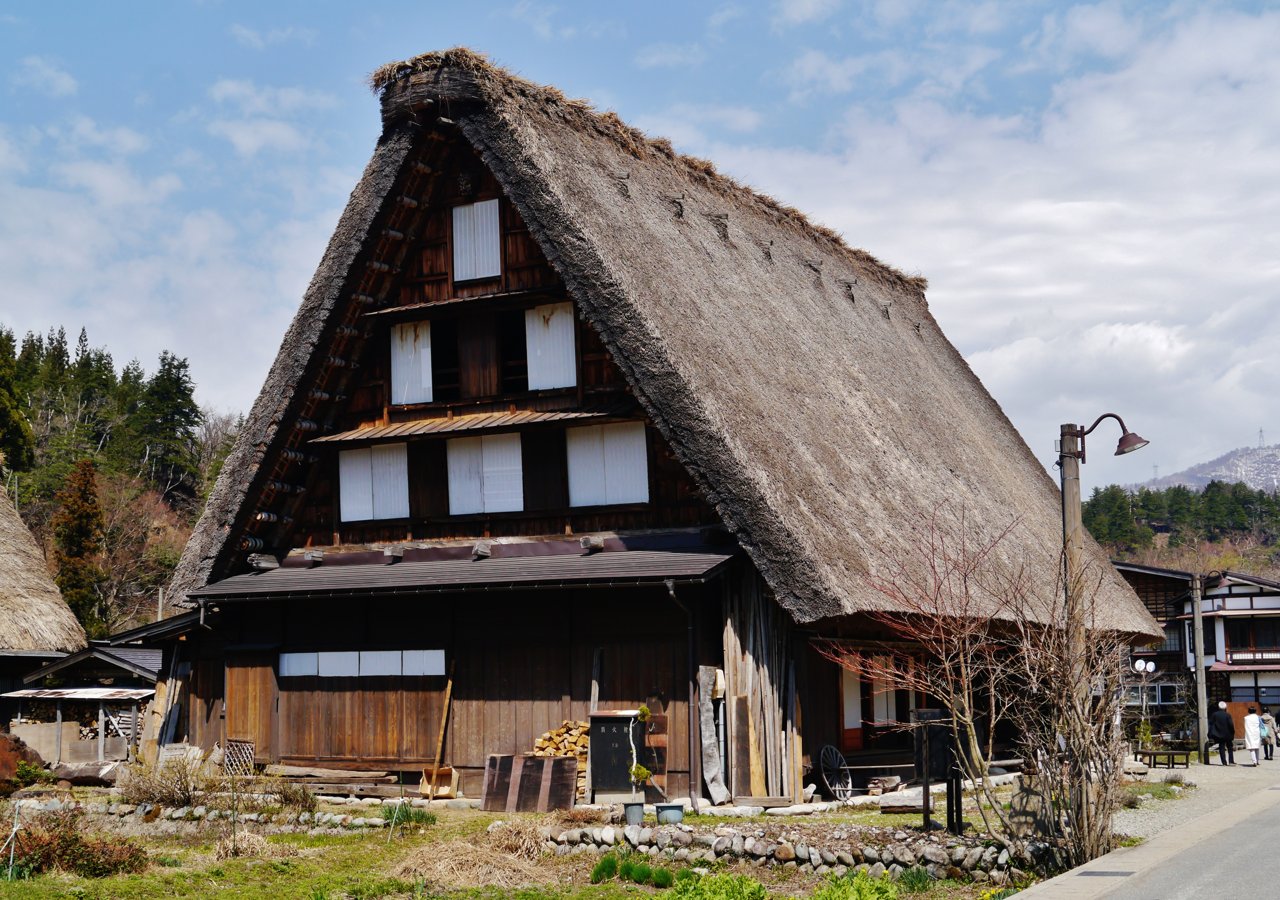
To be straightforward about this — the number of gassho-zukuri minshuku in Ogimachi that are genuinely open to international guests is small, and Yokichi (与四右衛門) is one of the most authentically preserved among them. The building is constructed in the gassho-zukuri style — the name comes from the steeply pitched thatched roof shape, which resembles praying hands (合掌, gassho) and is engineered to shed more than two metres of snow each winter. The farmhouse is over 110 years old and sits on the banks of the Shō River in Ogimachi, the village that was inscribed as a UNESCO World Heritage Site in 1995. Walk out the front door and you are surrounded by the cluster of historic farmhouses that draw visitors from across the world. After the tour coaches leave in the evening, though, the stillness that settles over the valley is something that everyone who has stayed here describes the same way: they wonder why they ever stayed anywhere else.
One guest recalls: "The owner was so warm it genuinely felt like being at home. The dinner was better than they expected — the Hida beef melted in your mouth, the tempura was perfectly crisp, and they still think about the miso soup served at breakfast."
There is one thing to understand before you book: Yokichi is a minshuku, not a hotel. The five rooms are all traditional tatami-mat style — woven rush floors, low tables, futon bedding, fusuma sliding doors, and shoji paper-screen windows that filter the river sounds into the room at night. Bathrooms and toilets are shared. The bathing facility is a cedar wood tub (hinokinoburo), used in the traditional rural Japanese manner, which is separate from the natural hot-spring onsen available at the nearby Shirakawago no Yu bathhouse. To help guests access that onsen, Yokichi provides a discounted entry ticket — a small touch that shows how the host thinks about her guests' whole stay, not just the room.
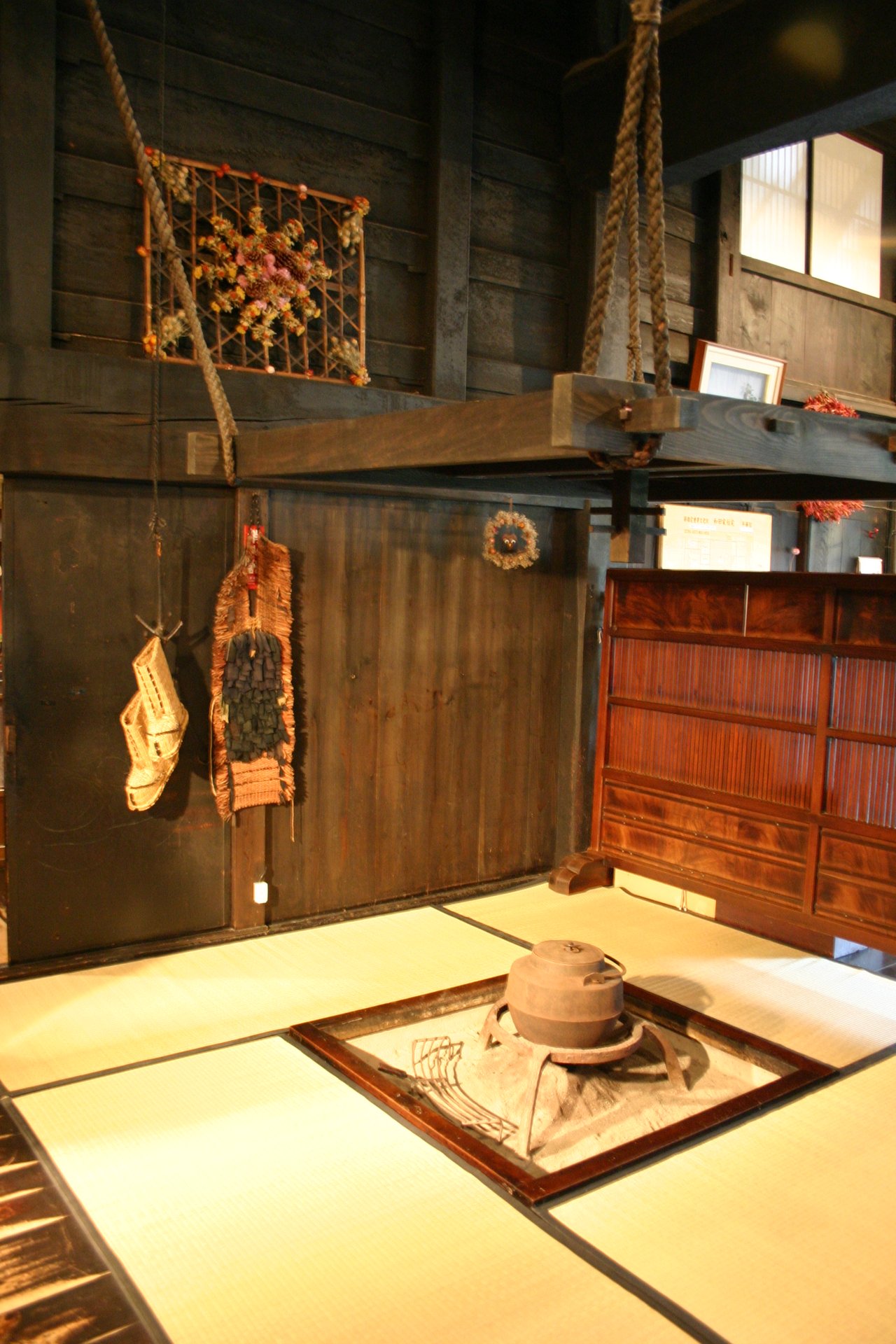
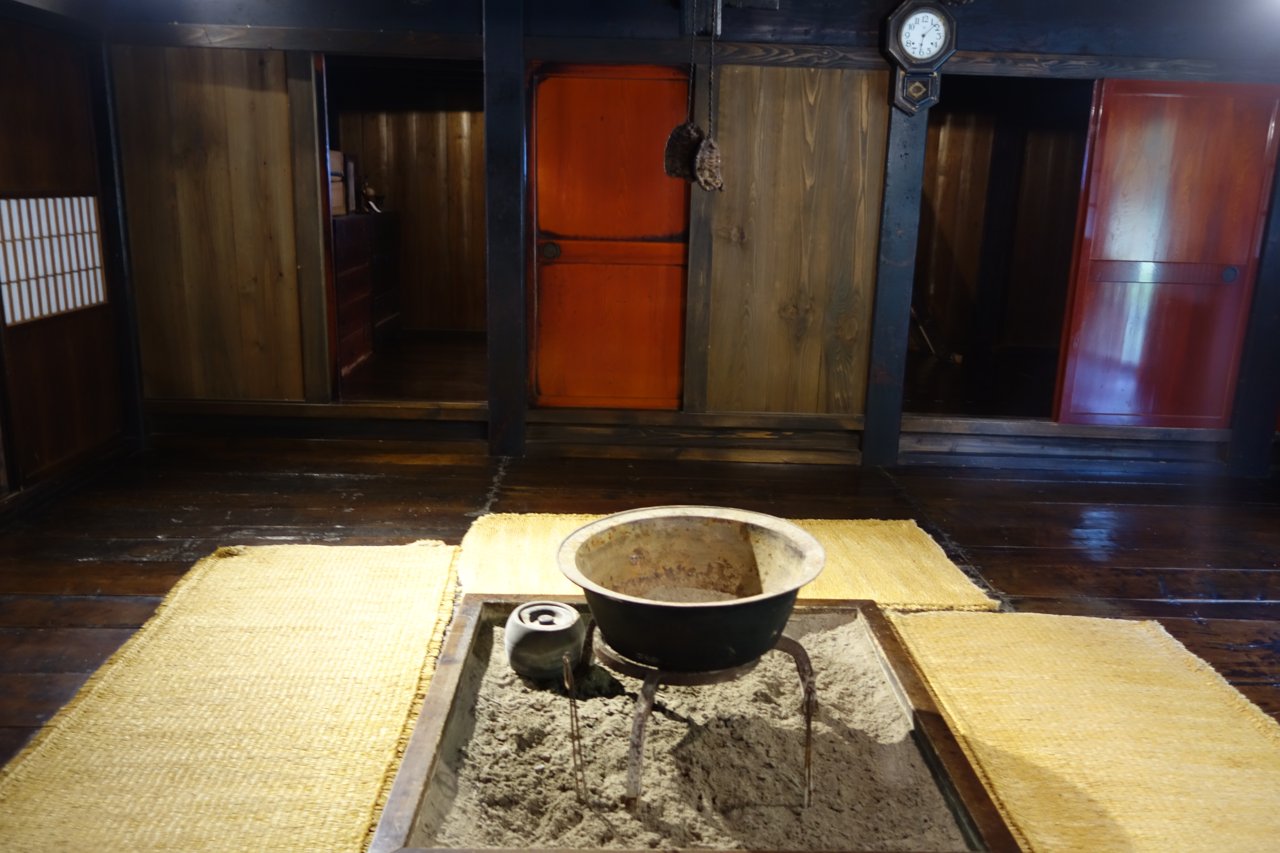
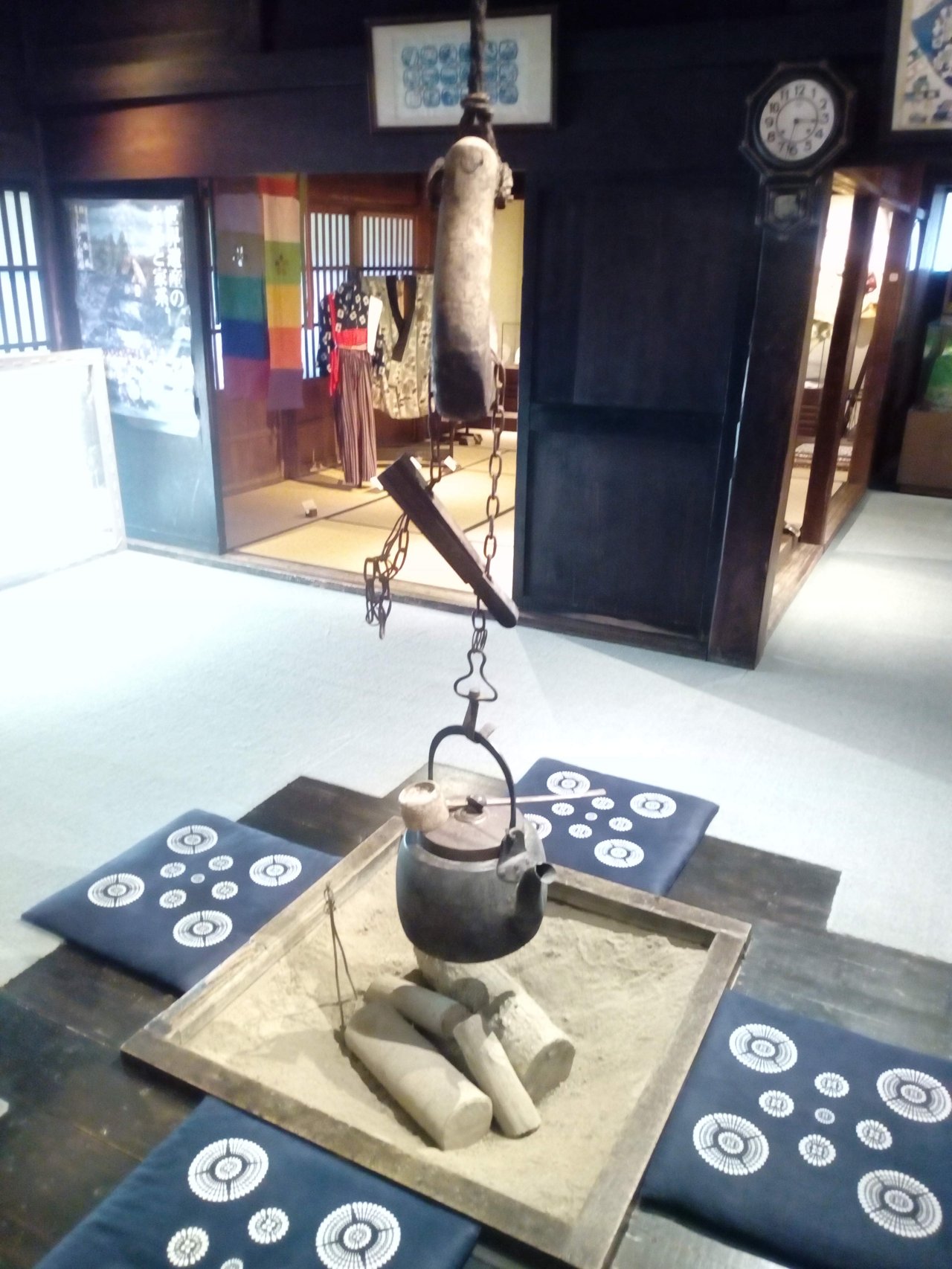
The meals are the reason most of those 32 reviews mention Yokichi with real enthusiasm. In the evening, host Saeko-san sets out dinner around the irori — the traditional sunken open hearth built into the wooden floor, with a cast-iron kettle hanging from a jizai-kagi adjustable hook overhead. The menu changes with the seasons, but what guests consistently describe is Hida wagyu beef — cattle raised in the Hida mountain valley on local grain, marbled with fine fat, served as tender slices that disappear on the tongue — alongside crispy seasonal tempura, freshly grilled river fish, homemade pickled vegetables from the garden, steamed rice in an earthenware pot, and Hida-style miso soup that locals in Ogimachi have made for generations. Breakfast follows the same logic: rice, warm miso, pickles, and a soft-boiled egg — simple and exactly right after a cold mountain morning.
The location is one of Yokichi's quiet advantages. The front of the house faces the main village path in Ogimachi, where the gassho-zukuri rooflines of neighbouring farmhouses line up one after another. The back of the house meets the Shō River, and the sound of the current provides a natural backdrop through the night. The distance from the Shirakawa-go bus stop to the front door is about fifteen minutes on foot — or Saeko-san can meet guests who call ahead. There is free parking for those arriving by car. From the front door, Wada House (the most important historic building in Ogimachi) is five minutes on foot, and Shiroyama Observatory — where every visitor goes to photograph the village from above — is seven minutes up the hillside path.
There are a few honest things worth knowing before you decide. Shared bathrooms and thin walls mean that privacy levels are genuinely lower than in a standard hotel — if this is a concern, it matters. Check-out is at 09:00, which some reviews mention as early; guests who want to linger in the early morning village are likely to find themselves packing under some time pressure. Wi-Fi is available but speeds are modest. There is no in-room safe or locker. Dinner and breakfast are built into the rate and cannot be declined for a discount — and the menu is traditional Japanese with no Western alternatives. None of these are defects. They are the actual character of a traditional minshuku, and if you know what you are signing up for, they become part of the texture of the experience rather than inconveniences.
It is also worth understanding the seasonal context. Shirakawa-go in late October and November, when the Hida valley maples turn gold and crimson around the thatched rooftops, is one of the most photographed scenes in Japan — and Yokichi fills months in advance. The winter Light-Up events (January–February), when floodlights are trained on the snow-covered roofs on designated Saturday nights, draw large crowds to the observation deck while the village itself stays quiet — staying overnight at Yokichi means you are already inside the scene that everyone else has come to photograph from the outside.
To put it plainly as a friend would: if the reason you are coming to Shirakawa-go is to actually experience the village rather than photograph it from a distance and leave, Yokichi is the answer those 32 reviews point to. The price of ¥9,000 per person including two meals is genuinely reasonable given what it buys. The hard part is getting a room — five rooms, and visitors from across the world competing for them. Book through the official Shirakawa-go Tourist Association website (shirakawa-go.gr.jp) or via Trip.com, and plan at least two to three months ahead. For the Light-Up or autumn foliage season, four to six months is not too early.
Summary from Booking & Agoda
- ✓ Hida beef + tempura + grilled fish dinner by the irori — every review mentions the food, and none of them are underwhelmed
- ✓ Host Saeko-san is genuinely warm and attentive; she recommends places to visit and takes care of guests throughout
- ✓ Riverside setting on the Shō — the sound of water at night and the silence once tour buses leave is exactly what guests come for
- ✓ Excellent value when you factor in two quality meals included in the rate
- ! Shared bathrooms and thin walls — guests who need high privacy should consider this carefully
- ! 09:00 check-out is on the early side, particularly if you want to walk the village at dawn before packing
- ! Only 5 rooms — extremely hard to book during peak seasons without planning months ahead
- ✓ A real gassho-zukuri farmhouse, not a themed hotel — you are sleeping in an actual piece of UNESCO World Heritage architecture
- ✓ Traditional Japanese breakfast made fresh every morning: rice, Hida miso, homemade pickles, soft-boiled egg
- ✓ Discounted entry to Shirakawago no Yu natural hot-spring onsen — a five-minute walk away
- ✓ Free parking — convenient for those driving in from Kanazawa or Takayama
- ! Wi-Fi is available but slow — not suitable for remote work or video streaming
- ! No in-room safe or locker; valuables need to go with you or be left with the host
- ! Check-in from 15:30 — if you arrive in the morning you will need to explore the village before your room is ready
- 💡If you need a private bathroom, a Western bed, or high privacy — Yokichi is not the right fit. Consider Shirakawago no Yu instead, which has en-suite bathrooms and a natural onsen on-site. The experience is very different but better suited to those needs.
- 💡If anyone in your group has dietary restrictions or allergies — notify the host at booking. The dinner menu can be adjusted to some extent if Saeko-san knows in advance; without notice, some dishes may be off-limits and there is no Western alternative available.
- 💡If you are planning to come during the winter Light-Up events (January–February) or autumn foliage season (October–November) — book four to six months ahead. With only five rooms and visitors coming from across the world, availability during peak periods disappears fast. Arriving in Ogimachi without accommodation means commuting back to Takayama or Kanazawa each night, which means missing the best hours the village has to offer.